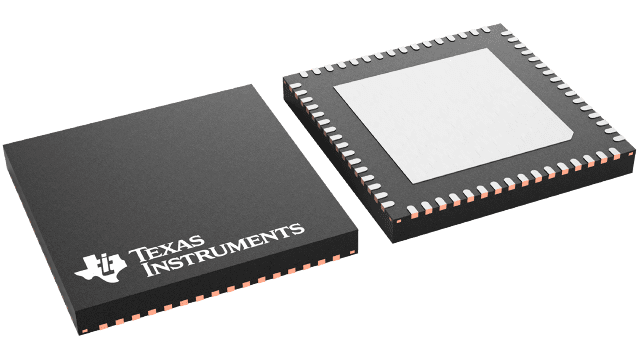
T
Texas Instruments
| Series | Category | # Parts | Status | Description |
|---|---|---|---|---|
| Part | Spec A | Spec B | Spec C | Spec D | Description |
|---|---|---|---|---|---|



| Series | Category | # Parts | Status | Description |
|---|---|---|---|---|
| Part | Spec A | Spec B | Spec C | Spec D | Description |
|---|---|---|---|---|---|
| Part | Category | Description |
|---|---|---|
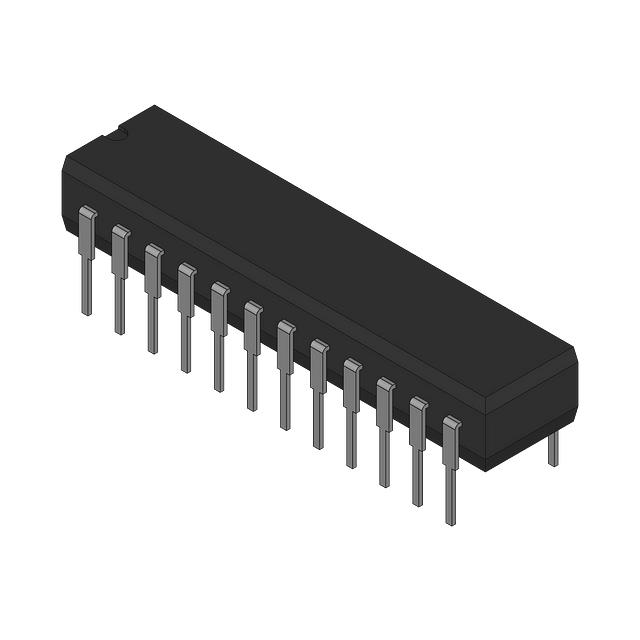 Texas Instruments | Integrated Circuits (ICs) | BUS DRIVER, BCT/FBT SERIES |
 Texas Instruments | Integrated Circuits (ICs) | 12BIT 3.3V~3.6V 210MHZ PARALLEL VQFN-48-EP(7X7) ANALOG TO DIGITAL CONVERTERS (ADC) ROHS |
Texas Instruments | Integrated Circuits (ICs) | TMX320DRE311 179PIN UBGA 200MHZ |
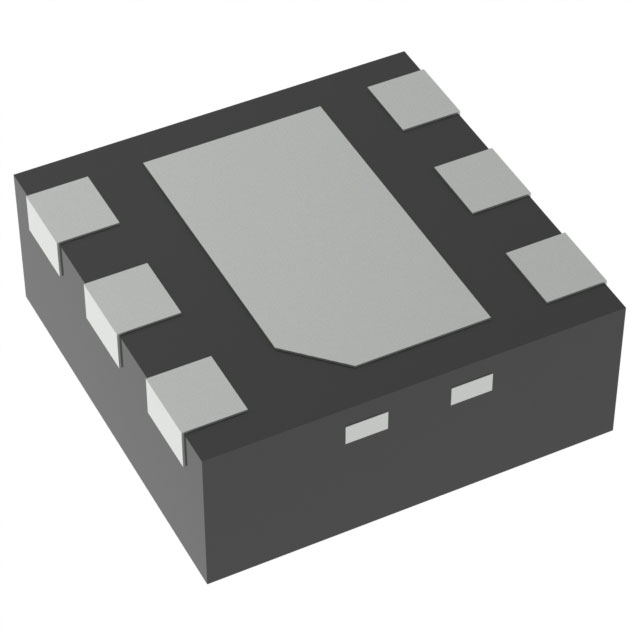 Texas Instruments TPS61040DRVTG4Unknown | Integrated Circuits (ICs) | IC LED DRV RGLTR PWM 350MA 6WSON |
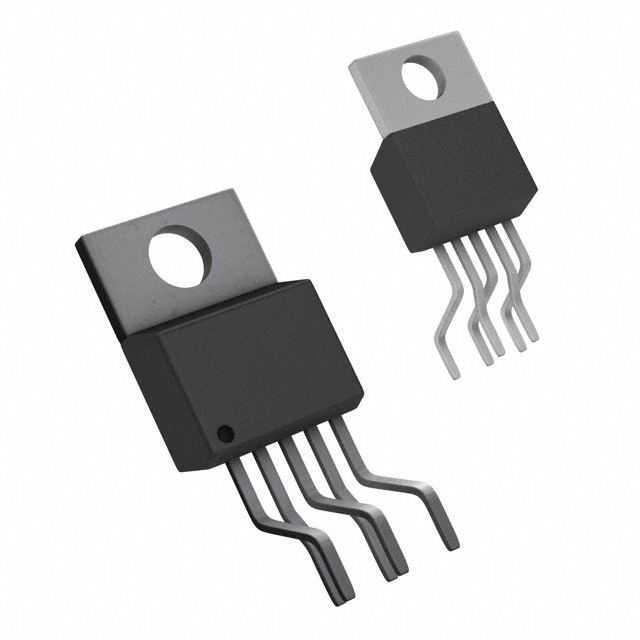 Texas Instruments LP3876ET-2.5Obsolete | Integrated Circuits (ICs) | IC REG LINEAR 2.5V 3A TO220-5 |
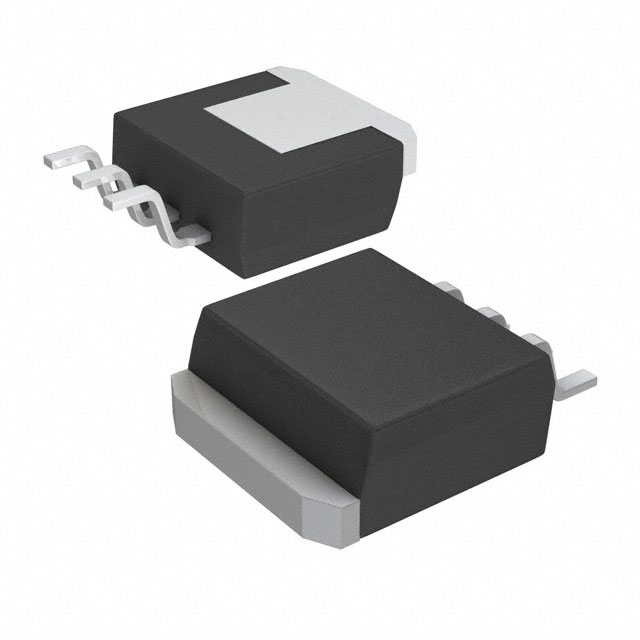 Texas Instruments LMS1585ACSX-ADJObsolete | Integrated Circuits (ICs) | IC REG LIN POS ADJ 5A DDPAK |
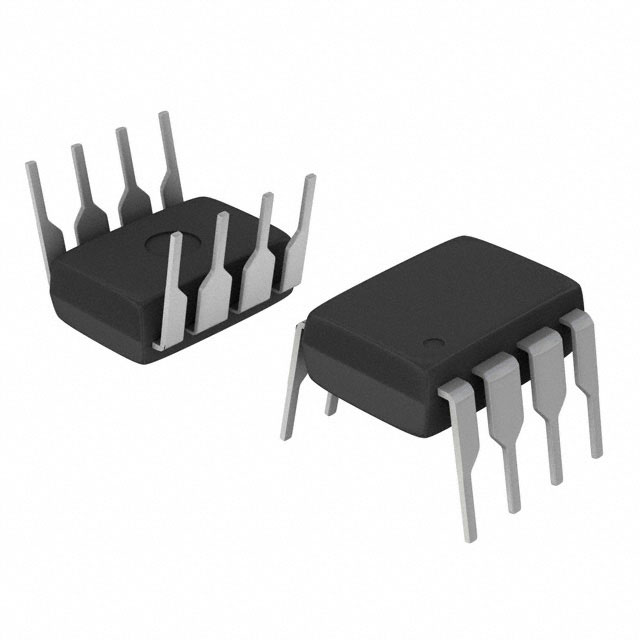 Texas Instruments INA111APG4Obsolete | Integrated Circuits (ICs) | IC INST AMP 1 CIRCUIT 8DIP |
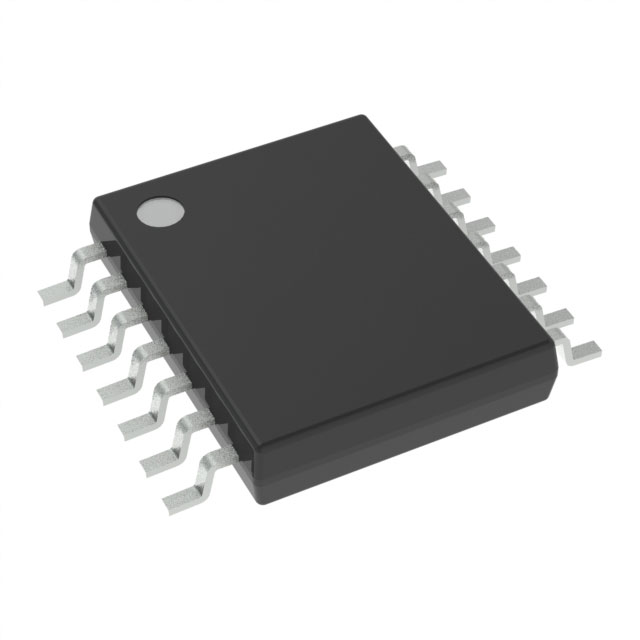 Texas Instruments | Integrated Circuits (ICs) | AUTOMOTIVE, QUAD 36V 1.2MHZ OPERATIONAL AMPLIFIER |
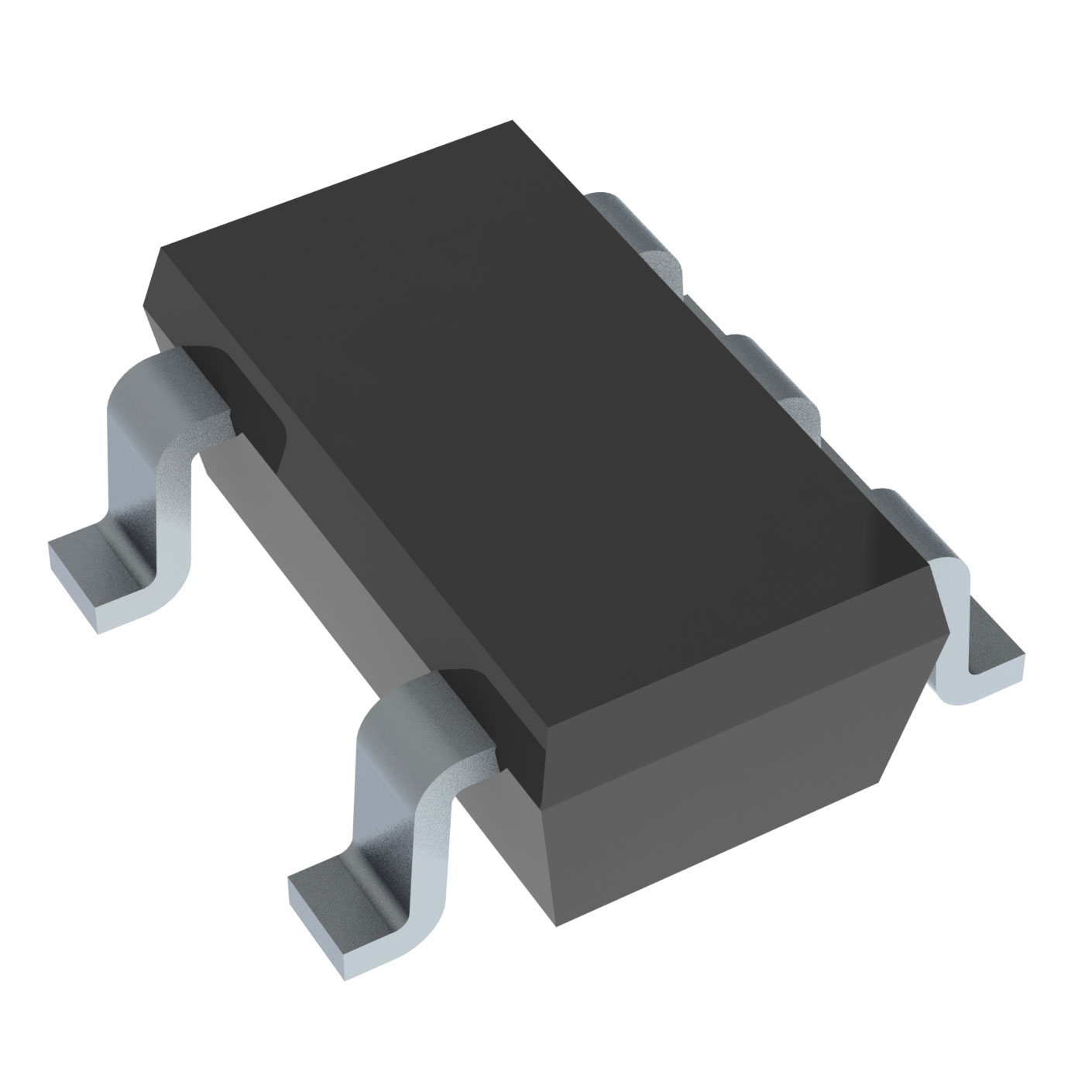 Texas Instruments OPA340NA/3KG4Unknown | Integrated Circuits (ICs) | IC OPAMP GP 1 CIRCUIT SOT23-5 |
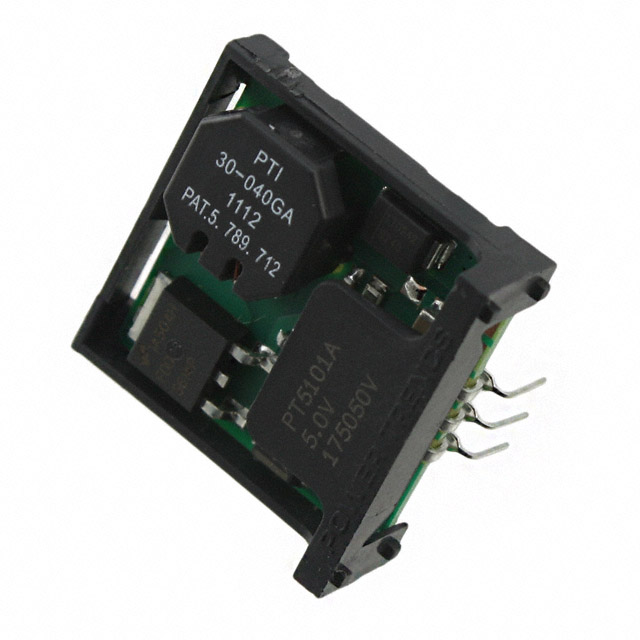 Texas Instruments PT5112AObsolete | Power Supplies - Board Mount | DC DC CONVERTER 8V 8W |
| Series | Category | # Parts | Status | Description |
|---|---|---|---|---|
LMK1D121212-channel output 1.8-V, 2.5-V, and 3.3-V LVDS buffer | Clock/Timing | 1 | Active | The LMK1D1212 clock buffer distributes with minimum skew one of two selectable clock inputs (IN0, IN1) to 12 pairs of differential LVDS clock outputs (OUT0 through OUT11). Similarly, the LMK1D1216 distributes 16 pairs of differential LVDS clock outputs (OUT0 through OUT15). The LMK1D121x family can accept two clock sources into an input multiplexer. The inputs can either be LVDS, LVPECL, LP-HCSL, HCSL, CML, or LVCMOS.
The LMK1D121x is specifically designed for driving 50-Ω transmission lines. When driving inputs in single-ended mode, apply the appropriate bias voltage to the unused negative input pin.
The IN_SEL pin selects the input which is routed to the outputs. If this pin is left open, it disables the outputs (static low). The part supports a fail-safe function. The device further incorporates an input hysteresis which prevents random oscillation of the outputs in the absence of an input signal.
The device operates in 1.8-V or 2.5-V or 3.3-V supply environment and is characterized from –40°C to 105°C (ambient temperature).
The LMK1D1212 clock buffer distributes with minimum skew one of two selectable clock inputs (IN0, IN1) to 12 pairs of differential LVDS clock outputs (OUT0 through OUT11). Similarly, the LMK1D1216 distributes 16 pairs of differential LVDS clock outputs (OUT0 through OUT15). The LMK1D121x family can accept two clock sources into an input multiplexer. The inputs can either be LVDS, LVPECL, LP-HCSL, HCSL, CML, or LVCMOS.
The LMK1D121x is specifically designed for driving 50-Ω transmission lines. When driving inputs in single-ended mode, apply the appropriate bias voltage to the unused negative input pin.
The IN_SEL pin selects the input which is routed to the outputs. If this pin is left open, it disables the outputs (static low). The part supports a fail-safe function. The device further incorporates an input hysteresis which prevents random oscillation of the outputs in the absence of an input signal.
The device operates in 1.8-V or 2.5-V or 3.3-V supply environment and is characterized from –40°C to 105°C (ambient temperature). |
LMK1D121616-channel output 1.8-V, 2.5-V, and 3.3-V LVDS buffer | Clock Buffers, Drivers | 1 | Active | The LMK1D1212 clock buffer distributes with minimum skew one of two selectable clock inputs (IN0, IN1) to 12 pairs of differential LVDS clock outputs (OUT0 through OUT11). Similarly, the LMK1D1216 distributes 16 pairs of differential LVDS clock outputs (OUT0 through OUT15). The LMK1D121x family can accept two clock sources into an input multiplexer. The inputs can either be LVDS, LVPECL, LP-HCSL, HCSL, CML, or LVCMOS.
The LMK1D121x is specifically designed for driving 50-Ω transmission lines. When driving inputs in single-ended mode, apply the appropriate bias voltage to the unused negative input pin.
The IN_SEL pin selects the input which is routed to the outputs. If this pin is left open, it disables the outputs (static low). The part supports a fail-safe function. The device further incorporates an input hysteresis which prevents random oscillation of the outputs in the absence of an input signal.
The device operates in 1.8-V or 2.5-V or 3.3-V supply environment and is characterized from –40°C to 105°C (ambient temperature).
The LMK1D1212 clock buffer distributes with minimum skew one of two selectable clock inputs (IN0, IN1) to 12 pairs of differential LVDS clock outputs (OUT0 through OUT11). Similarly, the LMK1D1216 distributes 16 pairs of differential LVDS clock outputs (OUT0 through OUT15). The LMK1D121x family can accept two clock sources into an input multiplexer. The inputs can either be LVDS, LVPECL, LP-HCSL, HCSL, CML, or LVCMOS.
The LMK1D121x is specifically designed for driving 50-Ω transmission lines. When driving inputs in single-ended mode, apply the appropriate bias voltage to the unused negative input pin.
The IN_SEL pin selects the input which is routed to the outputs. If this pin is left open, it disables the outputs (static low). The part supports a fail-safe function. The device further incorporates an input hysteresis which prevents random oscillation of the outputs in the absence of an input signal.
The device operates in 1.8-V or 2.5-V or 3.3-V supply environment and is characterized from –40°C to 105°C (ambient temperature). |
LMK1D2102Dual bank 2-channel output LVDS 1.8-V, 2.5-V, and 3.3-V buffer | Clock Buffers, Drivers | 1 | Active | The LMK1D210x clock buffer distributes two clock inputs (IN0 and IN1) to a total of up to 8 pairs of differential LVDS clock outputs (OUT0, OUT7) with minimum skew for clock distribution. Each buffer block consists of one input and up to 4 LVDS outputs. The inputs can either be LVDS, LVPECL, HCSL, CML or LVCMOS.
The LMK1D210x is specifically designed for driving 50-Ω transmission lines. In case of driving the inputs in single-ended mode, the appropriate bias voltage as shown in Figure 9-6 must be applied to the unused negative input pin.
Using the control pin (EN), output banks can either be enabled or disabled. If this pin is left open, two buffers with all outputs are enabled, if switched to a logic "0", both banks with all outputs are disabled (static logic "0"), if switched to a logic "1", one bank and its outputs are disabled while another bank with its outputs are enabled. The part supports a fail-safe function. The device further incorporates an input hysteresis which prevents random oscillation of the outputs in the absence of an input signal.
The device operates in 1.8-V or 2.5-V or 3.3-V supply environment and is characterized from –40°C to 105°C (ambient temperature). The LMK1D210x package variant is shown in the table below:
The LMK1D210x clock buffer distributes two clock inputs (IN0 and IN1) to a total of up to 8 pairs of differential LVDS clock outputs (OUT0, OUT7) with minimum skew for clock distribution. Each buffer block consists of one input and up to 4 LVDS outputs. The inputs can either be LVDS, LVPECL, HCSL, CML or LVCMOS.
The LMK1D210x is specifically designed for driving 50-Ω transmission lines. In case of driving the inputs in single-ended mode, the appropriate bias voltage as shown in Figure 9-6 must be applied to the unused negative input pin.
Using the control pin (EN), output banks can either be enabled or disabled. If this pin is left open, two buffers with all outputs are enabled, if switched to a logic "0", both banks with all outputs are disabled (static logic "0"), if switched to a logic "1", one bank and its outputs are disabled while another bank with its outputs are enabled. The part supports a fail-safe function. The device further incorporates an input hysteresis which prevents random oscillation of the outputs in the absence of an input signal.
The device operates in 1.8-V or 2.5-V or 3.3-V supply environment and is characterized from –40°C to 105°C (ambient temperature). The LMK1D210x package variant is shown in the table below: |
LMK1D2106Dual bank 6-channel output 1.8-V, 2.5-V, and 3.3-V LVDS buffer | Clock Buffers, Drivers | 2 | Active | The LMK1D210x clock buffer distributes two clock inputs (IN0 and IN1) to a total of 16 pairs of differential LVDS clock outputs (OUT0 to OUT15) in the LMK1D2108 and 12 pairs of clock outputs (OUT0 to OUT11) in the LMK1D2106 with minimum skew for clock distribution. Each buffer block consists of one input and a maximum of 6 (LMK1D2106) or 8 (LMK1D2108) LVDS outputs. The inputs can either be LVDS, LVPECL, HCSL, CML, or LVCMOS.
The LMK1D210x is specifically designed for driving 50-Ω transmission lines. When driving inputs in single-ended mode, apply the appropriate bias voltage to the unused negative input pin (see Figure 8-6).
Using the control pin (EN), output banks can either be enable or disabled. If this pin is left open, both bank outputs are enabled. If the control pin is switched to a logic "0", both bank outputs are disabled (static logic "0"). If the control pin is switched to a logic "1", the outputs of one bank are disabled while the outputs of the other bank are enabled. The part also supports a fail-safe function. The device further incorporates an input hysteresis which prevents random oscillation of the outputs in the absence of an input signal.
The device operates in a 1.8-V, 2.5-V, or 3.3-V supply environment and is characterized from –40°C to 105°C (ambient temperature).
The LMK1D210x clock buffer distributes two clock inputs (IN0 and IN1) to a total of 16 pairs of differential LVDS clock outputs (OUT0 to OUT15) in the LMK1D2108 and 12 pairs of clock outputs (OUT0 to OUT11) in the LMK1D2106 with minimum skew for clock distribution. Each buffer block consists of one input and a maximum of 6 (LMK1D2106) or 8 (LMK1D2108) LVDS outputs. The inputs can either be LVDS, LVPECL, HCSL, CML, or LVCMOS.
The LMK1D210x is specifically designed for driving 50-Ω transmission lines. When driving inputs in single-ended mode, apply the appropriate bias voltage to the unused negative input pin (see Figure 8-6).
Using the control pin (EN), output banks can either be enable or disabled. If this pin is left open, both bank outputs are enabled. If the control pin is switched to a logic "0", both bank outputs are disabled (static logic "0"). If the control pin is switched to a logic "1", the outputs of one bank are disabled while the outputs of the other bank are enabled. The part also supports a fail-safe function. The device further incorporates an input hysteresis which prevents random oscillation of the outputs in the absence of an input signal.
The device operates in a 1.8-V, 2.5-V, or 3.3-V supply environment and is characterized from –40°C to 105°C (ambient temperature). |
LMK1D2108Dual bank 8-channel output 1.8-V, 2.5-V, and 3.3-V LVDS buffer | Integrated Circuits (ICs) | 2 | Active | The LMK1D210x clock buffer distributes two clock inputs (IN0 and IN1) to a total of 16 pairs of differential LVDS clock outputs (OUT0 to OUT15) in the LMK1D2108 and 12 pairs of clock outputs (OUT0 to OUT11) in the LMK1D2106 with minimum skew for clock distribution. Each buffer block consists of one input and a maximum of 6 (LMK1D2106) or 8 (LMK1D2108) LVDS outputs. The inputs can either be LVDS, LVPECL, HCSL, CML, or LVCMOS.
The LMK1D210x is specifically designed for driving 50-Ω transmission lines. When driving inputs in single-ended mode, apply the appropriate bias voltage to the unused negative input pin (see Figure 8-6).
Using the control pin (EN), output banks can either be enable or disabled. If this pin is left open, both bank outputs are enabled. If the control pin is switched to a logic "0", both bank outputs are disabled (static logic "0"). If the control pin is switched to a logic "1", the outputs of one bank are disabled while the outputs of the other bank are enabled. The part also supports a fail-safe function. The device further incorporates an input hysteresis which prevents random oscillation of the outputs in the absence of an input signal.
The device operates in a 1.8-V, 2.5-V, or 3.3-V supply environment and is characterized from –40°C to 105°C (ambient temperature).
The LMK1D210x clock buffer distributes two clock inputs (IN0 and IN1) to a total of 16 pairs of differential LVDS clock outputs (OUT0 to OUT15) in the LMK1D2108 and 12 pairs of clock outputs (OUT0 to OUT11) in the LMK1D2106 with minimum skew for clock distribution. Each buffer block consists of one input and a maximum of 6 (LMK1D2106) or 8 (LMK1D2108) LVDS outputs. The inputs can either be LVDS, LVPECL, HCSL, CML, or LVCMOS.
The LMK1D210x is specifically designed for driving 50-Ω transmission lines. When driving inputs in single-ended mode, apply the appropriate bias voltage to the unused negative input pin (see Figure 8-6).
Using the control pin (EN), output banks can either be enable or disabled. If this pin is left open, both bank outputs are enabled. If the control pin is switched to a logic "0", both bank outputs are disabled (static logic "0"). If the control pin is switched to a logic "1", the outputs of one bank are disabled while the outputs of the other bank are enabled. The part also supports a fail-safe function. The device further incorporates an input hysteresis which prevents random oscillation of the outputs in the absence of an input signal.
The device operates in a 1.8-V, 2.5-V, or 3.3-V supply environment and is characterized from –40°C to 105°C (ambient temperature). |
LMK5B12204Ultra-low jitter clock generator with network synchronization and BAW technology | Clock/Timing | 2 | Active | The LMK5B12204 is high-performance network synchronizer clock device that provides jitter cleaning, clock generation, advanced clock monitoring, and superior hitless switching performance to meet the stringent timing requirements of communications infrastructure and industrial applications. The ultra-low jitter and high power supply noise rejection (PSNR) of the device can reduce bit error rates (BER) in high-speed serial links.
The device can generate output clocks with 50-fs RMS jitter using TI’s proprietary Bulk Acoustic Wave (BAW) VCO technology, independent of the jitter and frequency of the XO and reference inputs.
The LMK5B12204 is high-performance network synchronizer clock device that provides jitter cleaning, clock generation, advanced clock monitoring, and superior hitless switching performance to meet the stringent timing requirements of communications infrastructure and industrial applications. The ultra-low jitter and high power supply noise rejection (PSNR) of the device can reduce bit error rates (BER) in high-speed serial links.
The device can generate output clocks with 50-fs RMS jitter using TI’s proprietary Bulk Acoustic Wave (BAW) VCO technology, independent of the jitter and frequency of the XO and reference inputs. |
LMK5B3321616-output, three DPLL and APLL, network synchronizer with integrated 2.5-GHz bulk-acoustic-wave VCO | Clock/Timing | 1 | Active | The LMK5B33216 is a high-performance network synchronizer and jitter cleaner designed to meet the stringent requirements of ethernet-based networking applications with < 5ns timing accuracy (ITU-T G.8273.2 Class D).
The device integrates three DPLLs and three APLLs to provide hitless switching and jitter attenuation with programmable loop bandwidth (LBW) and one external loop filter capacitor, maximizing flexibility and ease of use.
APLL3 features an ultra-high performance PLL with TI’s proprietary Bulk Acoustic Wave (BAW) technology in the VCO and can generate 312.5MHz output clocks with 42fs typical RMS jitter (12kHz to 20MHz) irrespective of the DPLL reference input frequency and jitter characteristics. APLL2 and APLL1 feature conventional LC VCOs to provide options for a second or third frequency and/or synchronization domain.
Reference validation circuitry monitors the DPLL reference inputs and automatically performs a hitless switch when the inputs are detected or lost. Zero-Delay Mode (ZDM) provides control over the phase relationship between inputs and outputs.
The device is fully programmable through I2C or SPI. The integrated EEPROM can be used to customize system start-up clocks. The device also features factory default ROM profiles as fallback options.
The LMK5B33216 is a high-performance network synchronizer and jitter cleaner designed to meet the stringent requirements of ethernet-based networking applications with < 5ns timing accuracy (ITU-T G.8273.2 Class D).
The device integrates three DPLLs and three APLLs to provide hitless switching and jitter attenuation with programmable loop bandwidth (LBW) and one external loop filter capacitor, maximizing flexibility and ease of use.
APLL3 features an ultra-high performance PLL with TI’s proprietary Bulk Acoustic Wave (BAW) technology in the VCO and can generate 312.5MHz output clocks with 42fs typical RMS jitter (12kHz to 20MHz) irrespective of the DPLL reference input frequency and jitter characteristics. APLL2 and APLL1 feature conventional LC VCOs to provide options for a second or third frequency and/or synchronization domain.
Reference validation circuitry monitors the DPLL reference inputs and automatically performs a hitless switch when the inputs are detected or lost. Zero-Delay Mode (ZDM) provides control over the phase relationship between inputs and outputs.
The device is fully programmable through I2C or SPI. The integrated EEPROM can be used to customize system start-up clocks. The device also features factory default ROM profiles as fallback options. |
LMK5B3341414-output, three DPLL and APLL, network synchronizer with integrated 2.5-GHz bulk-acoustic-wave VCO | Clock/Timing | 2 | Active | The LMK5B33414 is a high-performance network synchronizer and jitter cleaner designed to meet the stringent requirements of ethernet-based networking applications with < 5ns timing accuracy (ITU-T G.8273.2 Class D).
The device integrates three DPLLs and three APLLs to provide hitless switching and jitter attenuation with programmable loop bandwidth (LBW) and one external loop filter capacitor, maximizing flexibility and ease of use.
APLL3 features an ultra-high performance PLL with TI’s proprietary Bulk Acoustic Wave (BAW) technology in the VCO and can generate 312.5MHz output clocks with 42fs typical RMS jitter (12kHz to 20MHz) irrespective of the DPLL reference input frequency and jitter characteristics. APLL2 and APLL1 feature conventional LC VCOs to provide options for a second or third frequency and/or synchronization domain.
Reference validation circuitry monitors the DPLL reference inputs and automatically performs a hitless switch when the inputs are detected or lost. Zero-Delay Mode (ZDM) provides control over the phase relationship between inputs and outputs.
The device is fully programmable through I2C or SPI. The integrated EEPROM can be used to customize system start-up clocks. The device also features factory default ROM profiles as fallback options.
The LMK5B33414 is a high-performance network synchronizer and jitter cleaner designed to meet the stringent requirements of ethernet-based networking applications with < 5ns timing accuracy (ITU-T G.8273.2 Class D).
The device integrates three DPLLs and three APLLs to provide hitless switching and jitter attenuation with programmable loop bandwidth (LBW) and one external loop filter capacitor, maximizing flexibility and ease of use.
APLL3 features an ultra-high performance PLL with TI’s proprietary Bulk Acoustic Wave (BAW) technology in the VCO and can generate 312.5MHz output clocks with 42fs typical RMS jitter (12kHz to 20MHz) irrespective of the DPLL reference input frequency and jitter characteristics. APLL2 and APLL1 feature conventional LC VCOs to provide options for a second or third frequency and/or synchronization domain.
Reference validation circuitry monitors the DPLL reference inputs and automatically performs a hitless switch when the inputs are detected or lost. Zero-Delay Mode (ZDM) provides control over the phase relationship between inputs and outputs.
The device is fully programmable through I2C or SPI. The integrated EEPROM can be used to customize system start-up clocks. The device also features factory default ROM profiles as fallback options. |
LMK5C33216Ultra-low jitter clock synchronizer with JESD204B for wireless communications with BAW | Clock/Timing | 2 | Active | The LMK5C33216 is a high-performance network clock generator, synchronizer, and jitter attenuator with advanced reference clock selection and hitless switching capabilities designed to meet the stringent requirements of communications infrastructure applications.
The LMK5C33216 integrates 3 DPLLs with programmable loop bandwidth and no external loop filters, maximizing flexibility and ease of use. Each DPLL phase locks a paired APLL to a DPLL reference input. The APLL reference determines the long term frequency accuracy.
The 3 APLLs may operate independent of their paired DPLL and be cascaded from another APLL to provide programmable frequency translation. APLL3 features ultra high performance PLL with TI’s proprietary Bulk Acoustic Wave (BAW) VCBO technology and can generate output clocks with 40-fs RMS jitter independent of the jitter and frequency of the XO and reference inputs. APLL1 and APLL2 provide options for additional frequency domains.
The device is fully programmable through I2C or SPI interface. The onboard EEPROM can be used to customize system start-up clocks.
The LMK5C33216 is a high-performance network clock generator, synchronizer, and jitter attenuator with advanced reference clock selection and hitless switching capabilities designed to meet the stringent requirements of communications infrastructure applications.
The LMK5C33216 integrates 3 DPLLs with programmable loop bandwidth and no external loop filters, maximizing flexibility and ease of use. Each DPLL phase locks a paired APLL to a DPLL reference input. The APLL reference determines the long term frequency accuracy.
The 3 APLLs may operate independent of their paired DPLL and be cascaded from another APLL to provide programmable frequency translation. APLL3 features ultra high performance PLL with TI’s proprietary Bulk Acoustic Wave (BAW) VCBO technology and can generate output clocks with 40-fs RMS jitter independent of the jitter and frequency of the XO and reference inputs. APLL1 and APLL2 provide options for additional frequency domains.
The device is fully programmable through I2C or SPI interface. The onboard EEPROM can be used to customize system start-up clocks. |
LMK5C33216AThree DPLL, three APLL, two-input and 16-output network synchronizer with JESD204B/C and BAW VCO | Clock Generators, PLLs, Frequency Synthesizers | 1 | Active | The LMK5C33216A is a high-performance network synchronizer and jitter cleaner designed to meet the stringent requirements of wireless communications and infrastructure applications.
The device integrates three DPLLs and three APLLs to provide hitless switching and jitter attenuation with programmable loop bandwidth (LBW) and one external loop filter capacitor, maximizing flexibility and ease of use.
APLL3 features an ultra-high performance PLL with TI’s proprietary Bulk Acoustic Wave (BAW) technology. The BAW APLL can generate 491.52MHz output clocks with 40fs typical / 60fs maximum RMS jitter (12kHz to 20MHz) irrespective of the DPLL reference input frequency and jitter characteristics. APLL2 and APLL1 (conventional LC VCOs) provide options for a second or third frequency and/or synchronization domain.
Reference validation circuitry monitors the DPLL reference inputs and automatically performs a hitless switch when the inputs are detected or lost. Zero-Delay Mode (ZDM) provides control over the phase relationship between inputs and outputs.
The device is fully programmable through I2C or SPI. The integrated EEPROM can be used to customize system start-up clocks. The device also features factory default ROM profiles as fallback options.
The LMK5C33216A is a high-performance network synchronizer and jitter cleaner designed to meet the stringent requirements of wireless communications and infrastructure applications.
The device integrates three DPLLs and three APLLs to provide hitless switching and jitter attenuation with programmable loop bandwidth (LBW) and one external loop filter capacitor, maximizing flexibility and ease of use.
APLL3 features an ultra-high performance PLL with TI’s proprietary Bulk Acoustic Wave (BAW) technology. The BAW APLL can generate 491.52MHz output clocks with 40fs typical / 60fs maximum RMS jitter (12kHz to 20MHz) irrespective of the DPLL reference input frequency and jitter characteristics. APLL2 and APLL1 (conventional LC VCOs) provide options for a second or third frequency and/or synchronization domain.
Reference validation circuitry monitors the DPLL reference inputs and automatically performs a hitless switch when the inputs are detected or lost. Zero-Delay Mode (ZDM) provides control over the phase relationship between inputs and outputs.
The device is fully programmable through I2C or SPI. The integrated EEPROM can be used to customize system start-up clocks. The device also features factory default ROM profiles as fallback options. |