T
Texas Instruments
| Series | Category | # Parts | Status | Description |
|---|---|---|---|---|
| Part | Spec A | Spec B | Spec C | Spec D | Description |
|---|---|---|---|---|---|



| Series | Category | # Parts | Status | Description |
|---|---|---|---|---|
| Part | Spec A | Spec B | Spec C | Spec D | Description |
|---|---|---|---|---|---|
| Part | Category | Description |
|---|---|---|
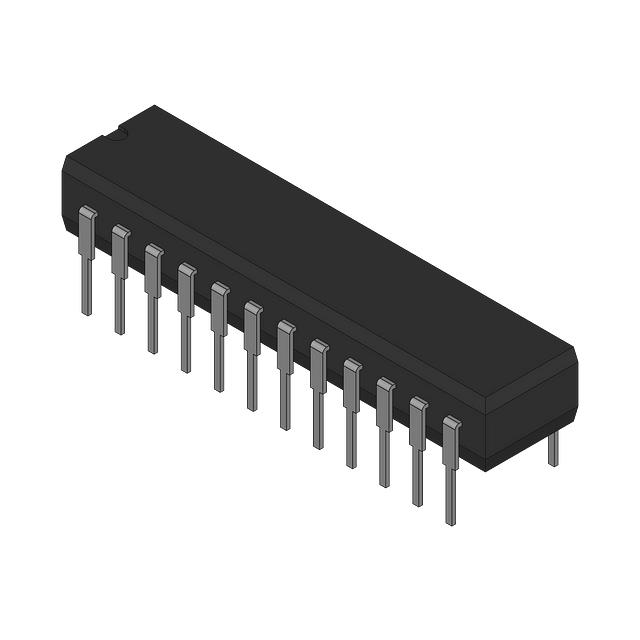 Texas Instruments | Integrated Circuits (ICs) | BUS DRIVER, BCT/FBT SERIES |
 Texas Instruments | Integrated Circuits (ICs) | 12BIT 3.3V~3.6V 210MHZ PARALLEL VQFN-48-EP(7X7) ANALOG TO DIGITAL CONVERTERS (ADC) ROHS |
Texas Instruments | Integrated Circuits (ICs) | TMX320DRE311 179PIN UBGA 200MHZ |
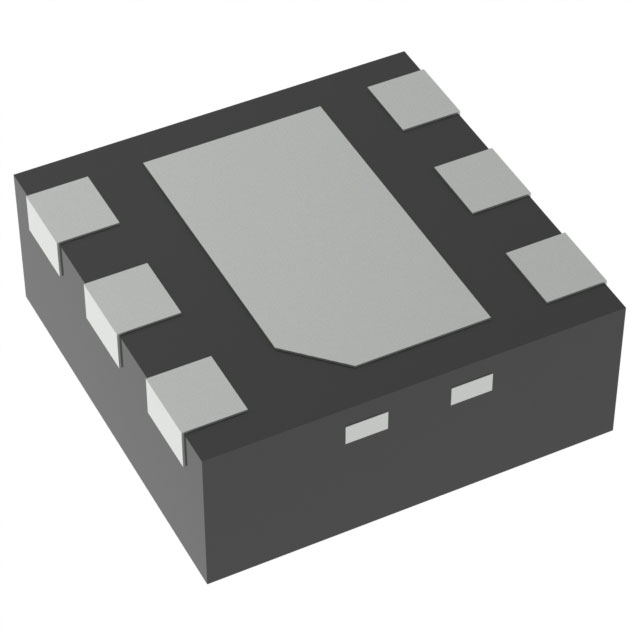 Texas Instruments TPS61040DRVTG4Unknown | Integrated Circuits (ICs) | IC LED DRV RGLTR PWM 350MA 6WSON |
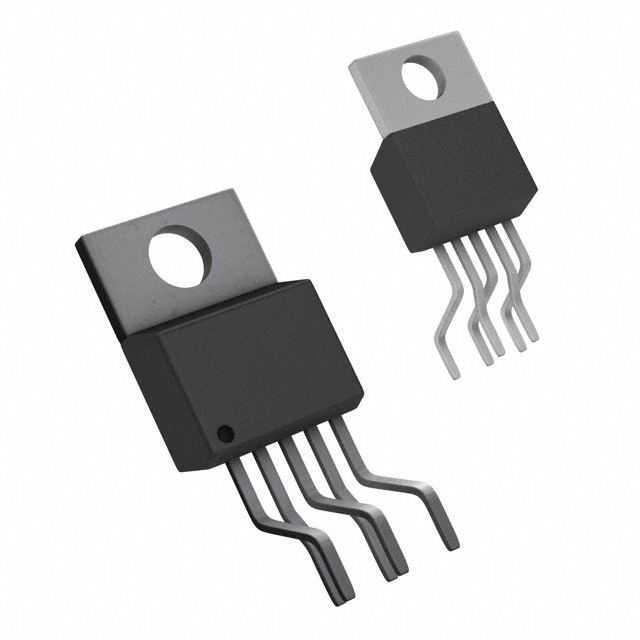 Texas Instruments LP3876ET-2.5Obsolete | Integrated Circuits (ICs) | IC REG LINEAR 2.5V 3A TO220-5 |
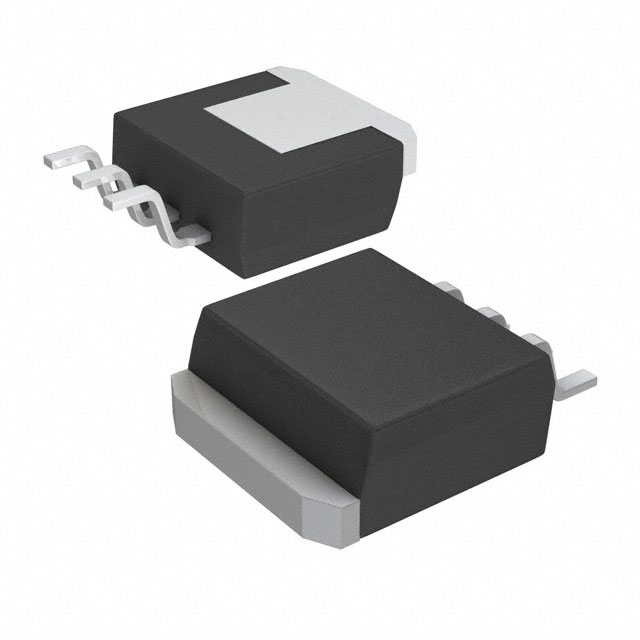 Texas Instruments LMS1585ACSX-ADJObsolete | Integrated Circuits (ICs) | IC REG LIN POS ADJ 5A DDPAK |
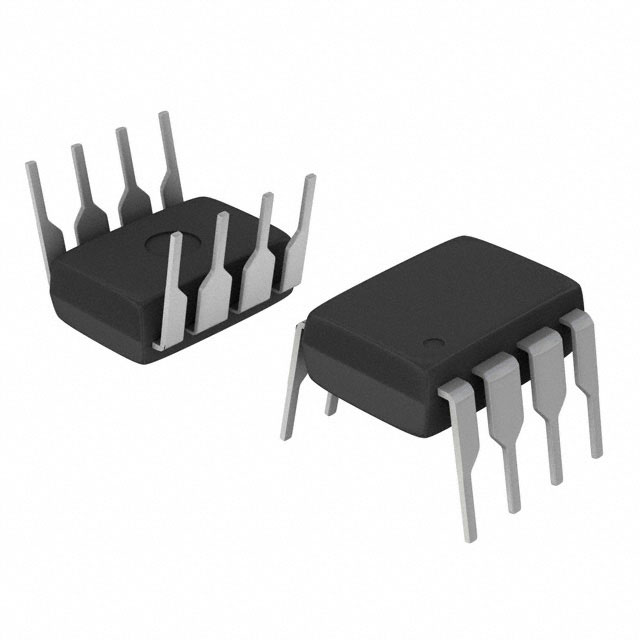 Texas Instruments INA111APG4Obsolete | Integrated Circuits (ICs) | IC INST AMP 1 CIRCUIT 8DIP |
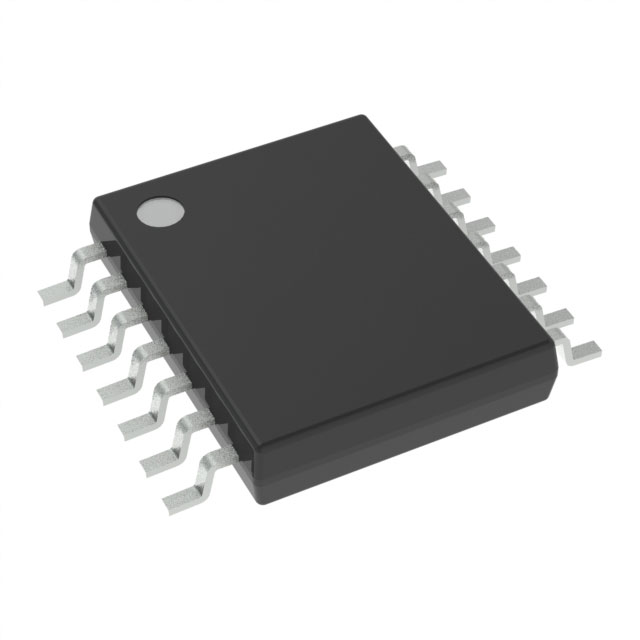 Texas Instruments | Integrated Circuits (ICs) | AUTOMOTIVE, QUAD 36V 1.2MHZ OPERATIONAL AMPLIFIER |
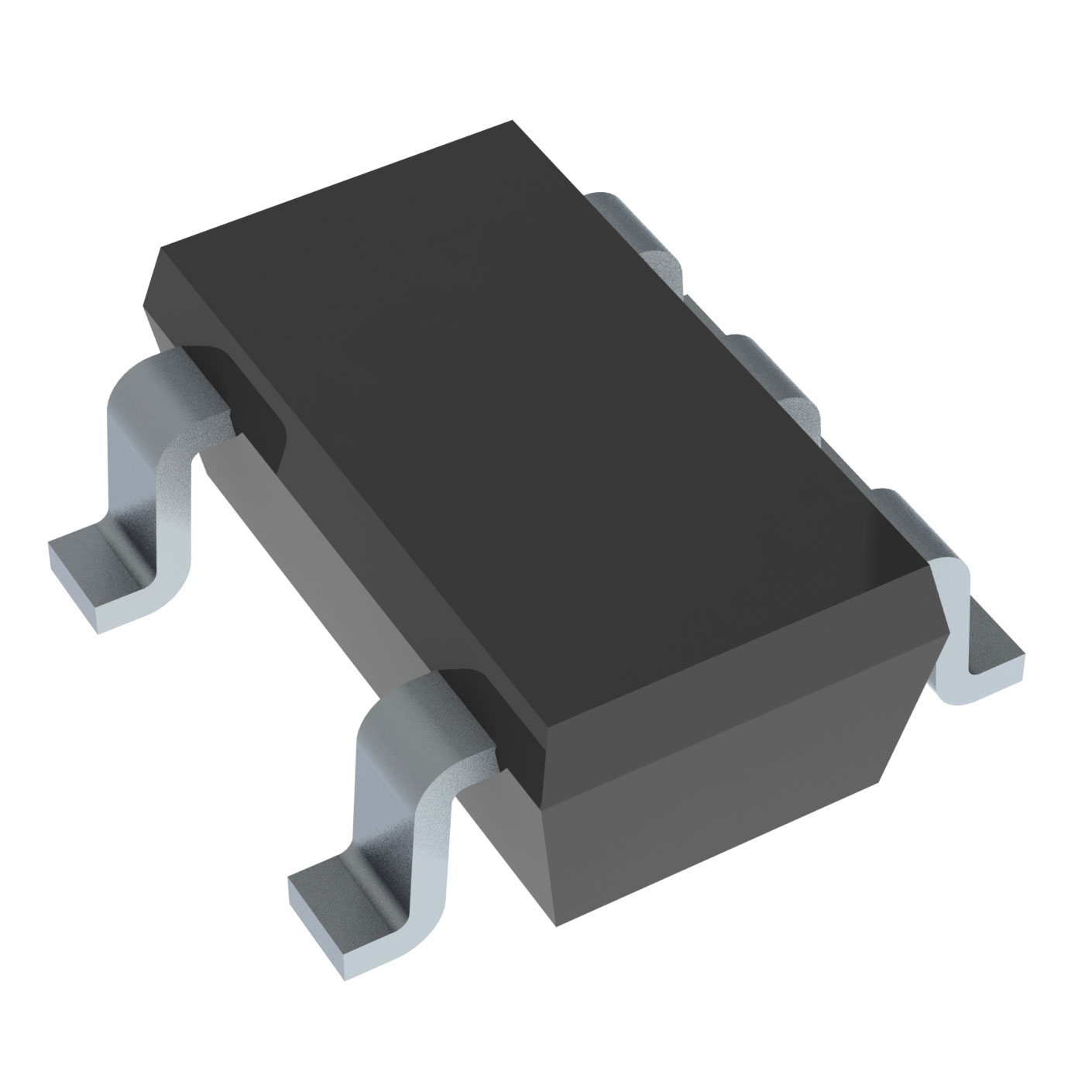 Texas Instruments OPA340NA/3KG4Unknown | Integrated Circuits (ICs) | IC OPAMP GP 1 CIRCUIT SOT23-5 |
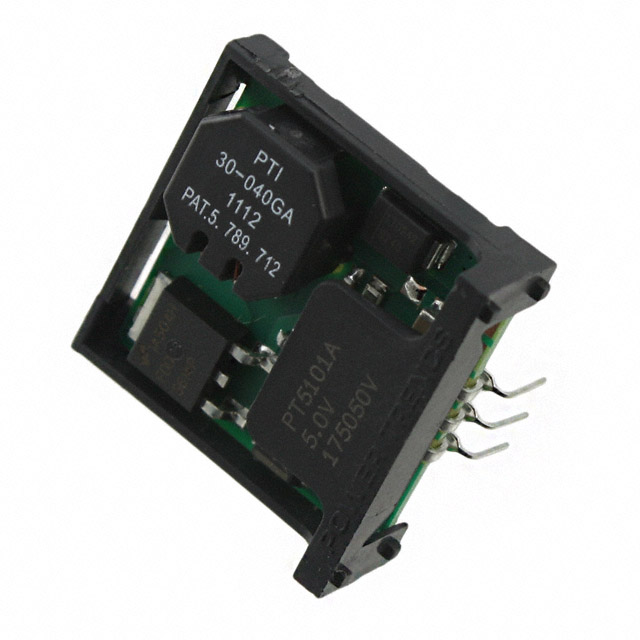 Texas Instruments PT5112AObsolete | Power Supplies - Board Mount | DC DC CONVERTER 8V 8W |
| Series | Category | # Parts | Status | Description |
|---|---|---|---|---|
TPS65950Integrated Power Management IC (PMIC) with 3 DC/DCs, 11 LDOs, Audio Codec, USB HS Transceiver | Power Management (PMIC) | 3 | Active | The TPS65950 device is a highly integrated power-management and audio coder/decoder (codec) integrated circuit (IC) that supports the power and peripheral requirements of the OMAP™ application processors. The device contains power management, an audio codec, a universal serial bus (USB) highspeed (HS) transceiver, an AC/USB charger, light-emitting diode (LED) drivers, an analog-to-digital converter (ADC), a real-time clock (RTC), and embedded power control.
The power portion of the device contains three buck converters, two controllable by a dedicated SmartReflex class-3 interface, multiple low-dropout (LDO) regulators, an embedded power controller (EPC) to manage the power-sequencing requirements of OMAP, and an RTC and backup module. The RTC can be powered by a backup battery when the main supply is not present, and the device contains a coin-cell charger to recharge the backup battery as needed.
The USB module provides a HS 2.0 on-the-go (OTG) transceiver suitable for direct connection to the OMAP universal transceiver macrocell interface (UTMI) + low pin interface (ULPI) with an integrated charge pump (CP) and full support for the carkit Consumer Electronics Association (CEA)-936A specification.
The Li-ion battery charger supports charging from AC chargers, USB host devices, USB chargers, or carkits. The device automatically detects the type of charger and provides hardware-controlled linear charging with AC chargers, USB chargers, and carkits, in addition to software-controlled charging for all charger types.
The audio codec in the device includes five digital-to-analog converters (DACs) and two ADCs to provide multiple voice channels and stereo downlink channels that can support all standard audio sample rates through several inter-IC sound (I2S)/time division multiplexing (TDM) format interfaces. The audio output stages on the device include stereo headset amplifiers, two integrated class-D amplifiers providing stereo differential outputs, predrivers for line outputs, and an earpiece amplifier. The input audio stages include three differential microphone inputs, stereo line inputs, and interface for digital microphones. Automatic and programmable gain control is available with all necessary digital filtering, side-tone functions, and popnoise reduction.
The device also provides auxiliary modules, including LED drivers, an ADC, a keypad interface, and general-purpose inputs/outputs (GPIOs). The LED driver can power two LED circuits to illuminate a panel or provide user indicators. The drivers also provide pulse width modulation (PWM) circuits to control the illumination levels of the LEDs. The ADC monitors signals entering the device, such as supply and charging voltages, and has multiple external ADC inputs for system use. The keypad interface implements a built-in scanning algorithm to decode hardware-based key presses and reduce software use. Multiple GPIOs can be used as interrupts when they are configured as inputs.
The TPS65950 device is a highly integrated power-management and audio coder/decoder (codec) integrated circuit (IC) that supports the power and peripheral requirements of the OMAP™ application processors. The device contains power management, an audio codec, a universal serial bus (USB) highspeed (HS) transceiver, an AC/USB charger, light-emitting diode (LED) drivers, an analog-to-digital converter (ADC), a real-time clock (RTC), and embedded power control.
The power portion of the device contains three buck converters, two controllable by a dedicated SmartReflex class-3 interface, multiple low-dropout (LDO) regulators, an embedded power controller (EPC) to manage the power-sequencing requirements of OMAP, and an RTC and backup module. The RTC can be powered by a backup battery when the main supply is not present, and the device contains a coin-cell charger to recharge the backup battery as needed.
The USB module provides a HS 2.0 on-the-go (OTG) transceiver suitable for direct connection to the OMAP universal transceiver macrocell interface (UTMI) + low pin interface (ULPI) with an integrated charge pump (CP) and full support for the carkit Consumer Electronics Association (CEA)-936A specification.
The Li-ion battery charger supports charging from AC chargers, USB host devices, USB chargers, or carkits. The device automatically detects the type of charger and provides hardware-controlled linear charging with AC chargers, USB chargers, and carkits, in addition to software-controlled charging for all charger types.
The audio codec in the device includes five digital-to-analog converters (DACs) and two ADCs to provide multiple voice channels and stereo downlink channels that can support all standard audio sample rates through several inter-IC sound (I2S)/time division multiplexing (TDM) format interfaces. The audio output stages on the device include stereo headset amplifiers, two integrated class-D amplifiers providing stereo differential outputs, predrivers for line outputs, and an earpiece amplifier. The input audio stages include three differential microphone inputs, stereo line inputs, and interface for digital microphones. Automatic and programmable gain control is available with all necessary digital filtering, side-tone functions, and popnoise reduction.
The device also provides auxiliary modules, including LED drivers, an ADC, a keypad interface, and general-purpose inputs/outputs (GPIOs). The LED driver can power two LED circuits to illuminate a panel or provide user indicators. The drivers also provide pulse width modulation (PWM) circuits to control the illumination levels of the LEDs. The ADC monitors signals entering the device, such as supply and charging voltages, and has multiple external ADC inputs for system use. The keypad interface implements a built-in scanning algorithm to decode hardware-based key presses and reduce software use. Multiple GPIOs can be used as interrupts when they are configured as inputs. |
TPS65951Integrated power management IC (PMIC) audio codec silicon | Integrated Circuits (ICs) | 2 | Active | The TPS65951 device is a power-management IC for mobile cellular handsets powered by a Li-ion, Li-ion polymer, or cobalt-nickel-manganese cell battery. The device can be connected to an application processor and/or a modem. This optimized power-management IC is designed to support the specific power requirements of the OMAP processor devices. The TPS65951 contains several buck converters, low dropout (LDO) regulators, a battery charger interface, and a host of other features and functions. The audio portion of the TPS65951 is an entire audio module with audio codecs, digital filters, input preamplifiers and amplifiers, and class-D output amplifiers.
This TPS65951 Data Manual presents the electrical and mechanical specifications for the TPS65951 device.
The TPS65951 device is a power-management IC for mobile cellular handsets powered by a Li-ion, Li-ion polymer, or cobalt-nickel-manganese cell battery. The device can be connected to an application processor and/or a modem. This optimized power-management IC is designed to support the specific power requirements of the OMAP processor devices. The TPS65951 contains several buck converters, low dropout (LDO) regulators, a battery charger interface, and a host of other features and functions. The audio portion of the TPS65951 is an entire audio module with audio codecs, digital filters, input preamplifiers and amplifiers, and class-D output amplifiers.
This TPS65951 Data Manual presents the electrical and mechanical specifications for the TPS65951 device. |
TPS65980Thunderbolt™ Bus Power Power Management IC (PMIC) | Power Management (PMIC) | 2 | Active | The TPS65980 DC/DC switching regulator that receives power from a Thunderbolt™ or Thunderbolt™ 2 power bus ranging from 2.5-V to 15.75-V and generates three separate 3.3-V supply outputs.
The TBT_OUT supply provides power to the local peripheral Thunderbolt™ controller and support circuitry. The CBL_OUT supply provides power back to the Thunderbolt™ cable and has adjustable current limit. The DEV_OUT supply provides power to all other circuitry in the device to perform its designed function.
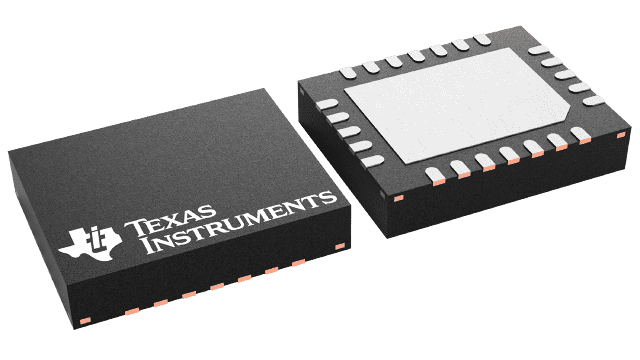
The TPS65980 is available in a 24-pin5mm x 4mm x 0.9mm VQFN package.
The TPS65980 DC/DC switching regulator that receives power from a Thunderbolt™ or Thunderbolt™ 2 power bus ranging from 2.5-V to 15.75-V and generates three separate 3.3-V supply outputs.
The TBT_OUT supply provides power to the local peripheral Thunderbolt™ controller and support circuitry. The CBL_OUT supply provides power back to the Thunderbolt™ cable and has adjustable current limit. The DEV_OUT supply provides power to all other circuitry in the device to perform its designed function.
The TPS65980 is available in a 24-pin5mm x 4mm x 0.9mm VQFN package. |
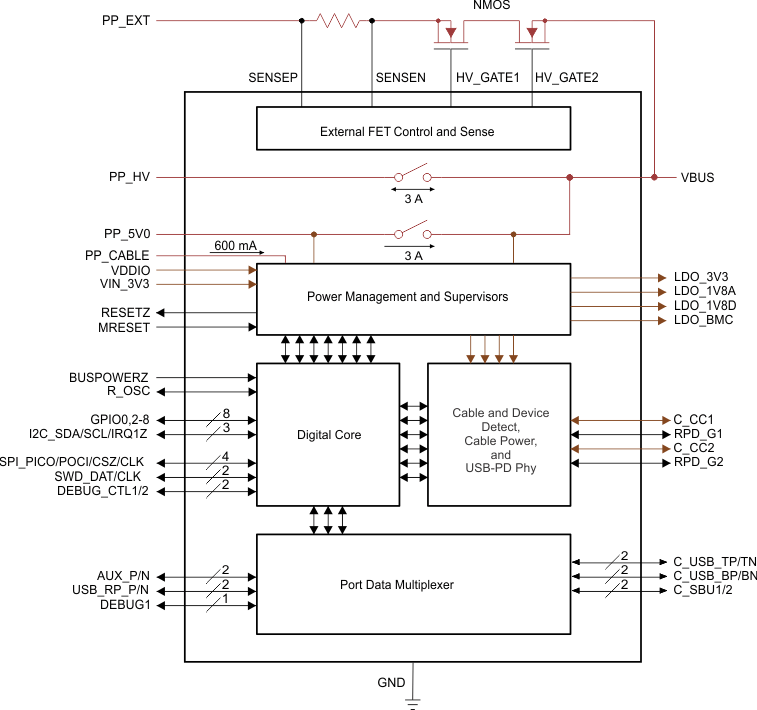
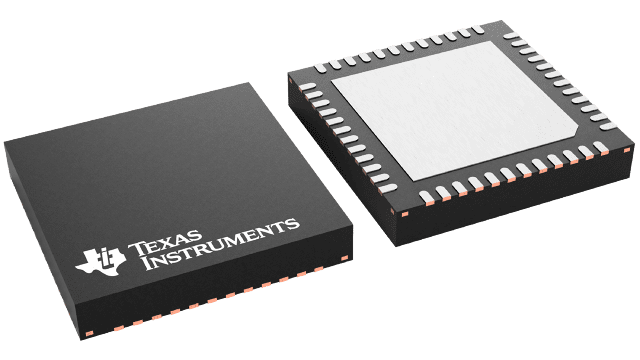
TPS65981USB Type-C® and USB-C® Power Delivery controller, power switch, and high-speed multiplexer | Evaluation Boards | 5 | Active | The TPS65981 is a highly integrated stand-alone USB Type-C and Power Delivery (PD) controller optimized for notebook applications. The TPS65981 integrates fully managed power paths with robust protection for a complete USB-C PD solution. The TPS65981 integrates a high speed multiplexer which is dependent the USB Type-C cable orientation that the CC pins provide. The multiplexer passes through side-band use data for alternate modes. The TPS65981 has a QFN package for reliable manufacturing with 0.5-mm Pitch and 2-Layer PCB compatibility and has an extended (industrial) temperature range. The TPS65981 is USB PD 2.0 certified which is no longer certifiable through USB IF.
The port-power switch provides up to 3 A downstream at 5 V for legacy and Type-C USB power. An additional bidirectional switch path provides USB PD power up to 3 A at a maximum of 20 V as either a source (host), sink (device), or source-sink.
The TPS65981 device is also an upstream-facing port (UFP), downstream-facing port (DFP), or dual-role port for data. The port-data multiplexer passes data to or from the top or bottom D+/D– signal pair at the port for USB 2.0 HS and has a USB 2.0 low-speed endpoint. Additionally, the sideband-use (SBU) signal pair is used for auxiliary or alternate modes of communication (DisplayPort, for example).
The power-management circuitry uses 3.3 V inside the system and also uses VBUS to start up and negotiate power for a dead-battery or no-battery condition.
The TPS65981 is a highly integrated stand-alone USB Type-C and Power Delivery (PD) controller optimized for notebook applications. The TPS65981 integrates fully managed power paths with robust protection for a complete USB-C PD solution. The TPS65981 integrates a high speed multiplexer which is dependent the USB Type-C cable orientation that the CC pins provide. The multiplexer passes through side-band use data for alternate modes. The TPS65981 has a QFN package for reliable manufacturing with 0.5-mm Pitch and 2-Layer PCB compatibility and has an extended (industrial) temperature range. The TPS65981 is USB PD 2.0 certified which is no longer certifiable through USB IF.
The port-power switch provides up to 3 A downstream at 5 V for legacy and Type-C USB power. An additional bidirectional switch path provides USB PD power up to 3 A at a maximum of 20 V as either a source (host), sink (device), or source-sink.
The TPS65981 device is also an upstream-facing port (UFP), downstream-facing port (DFP), or dual-role port for data. The port-data multiplexer passes data to or from the top or bottom D+/D– signal pair at the port for USB 2.0 HS and has a USB 2.0 low-speed endpoint. Additionally, the sideband-use (SBU) signal pair is used for auxiliary or alternate modes of communication (DisplayPort, for example).
The power-management circuitry uses 3.3 V inside the system and also uses VBUS to start up and negotiate power for a dead-battery or no-battery condition. |
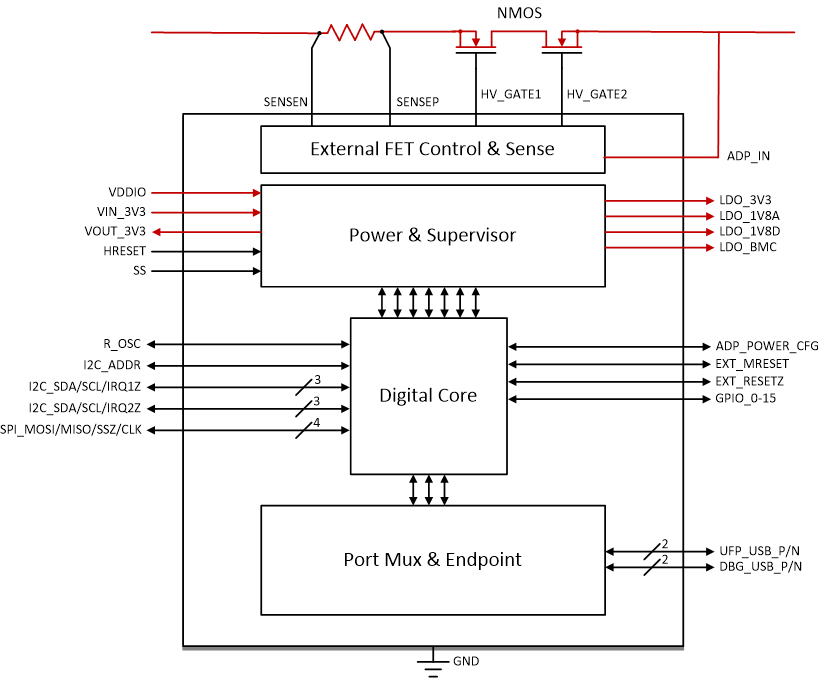
TPS65982DMCDual USB billboard for USB-C® Power Delivery devices with integrated 5-V load switch | Evaluation and Demonstration Boards and Kits | 9 | Active | The TPS65982DMC is a dock management controller for docks, hubs, and monitors implementing TI PD controllers. The TPS65982DMC includes a USB Low Speed endpoint capable of receiving firmware updates for the system’s PD controllers. The firmware update is performed securely using SHA-256 and RSA-3072 authentication. In addition the endpoint provides USB billboard functionality. The TPS65982 DMC integrates back to back NFET drivers for controlling the system power supply from an external adapter. The DMC monitors the current through the adapter input path as well as other points of the system and adjusts the power advertisement of managed PD controllers to ensure the external adapter is not overloaded. When included in USB4 systems the TPS65982DMC monitors the connection state of the upstream facing port and updates the connection state of the downstream facing ports to ensure consistent data behavior across the system.
The TPS65982DMC is a dock management controller for docks, hubs, and monitors implementing TI PD controllers. The TPS65982DMC includes a USB Low Speed endpoint capable of receiving firmware updates for the system’s PD controllers. The firmware update is performed securely using SHA-256 and RSA-3072 authentication. In addition the endpoint provides USB billboard functionality. The TPS65982 DMC integrates back to back NFET drivers for controlling the system power supply from an external adapter. The DMC monitors the current through the adapter input path as well as other points of the system and adjusts the power advertisement of managed PD controllers to ensure the external adapter is not overloaded. When included in USB4 systems the TPS65982DMC monitors the connection state of the upstream facing port and updates the connection state of the downstream facing ports to ensure consistent data behavior across the system. |
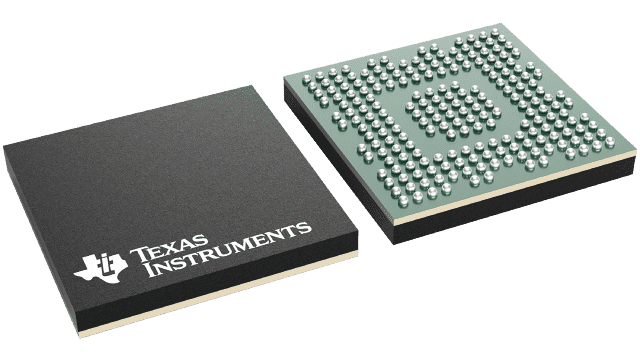
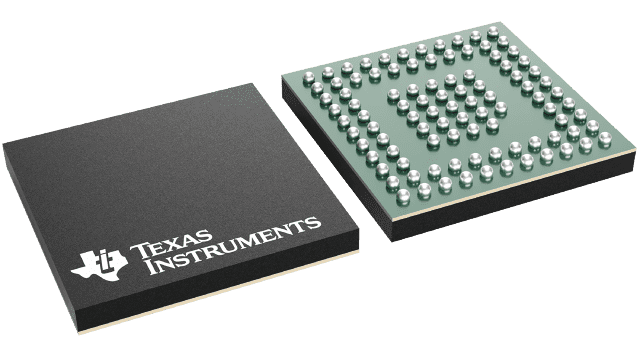
TPS65983BUSB Type-C® and USB-C® Power Delivery 3.0 controller | Integrated Circuits (ICs) | 2 | NRND | The TPS65983 B is a highly integrated stand-alone USB Type-C and Power Delivery (PD) controller optimized for notebook applications. The TPS65983 B integrates fully managed power paths with robust protection for a complete USB-C PD solution. The TPS65983 B includes a high speed multiplexer which is dependent the USB Type-C cable orientation that the CC pins provide. The multiplexer passes through side-band use data for alternate modes. The TPS65983 B has a BGA MicroStar Junior package with 0.5-mm Pitch and through-Hole via compatible for all pins.
The mixed-signal front end on the CC pins advertises default (500 mA), 1.5 A or 3 A for Type-C power sources, detects a plug event and determines the USB Type-C cable orientation, and autonomously negotiates USB PD contracts by adhering to the specified bi-phase marked coding (BMC) and physical layer (PHY) protocol.
The port power switch provides up to 3 A downstream at 5 V for legacy and Type-C USB power. An additional bidirectional switch path provides USB PD power up to 3 A at a maximum of 20 V as either a source (host), sink (device), or source-sink.
The TPS65983 B is also an Upstream-Facing Port (UFP), Downstream-Facing Port (DFP), or Dual-Role Port for data. The port data multiplexer passes data to or from the top or bottom D+/D– signal pair at the port for USB 2.0 HS and has a USB 2.0 Low Speed Endpoint. Additionally, the Sideband-Use (SBU) signal pair is used for auxiliary or Alternate Modes of communication (DisplayPort or Thunderbolt, for example).
The power management circuitry uses a 3.3 V inside the system and also uses VBUS to start up and negotiate power for a dead-battery or no-battery condition.
The TPS65983 B is a highly integrated stand-alone USB Type-C and Power Delivery (PD) controller optimized for notebook applications. The TPS65983 B integrates fully managed power paths with robust protection for a complete USB-C PD solution. The TPS65983 B includes a high speed multiplexer which is dependent the USB Type-C cable orientation that the CC pins provide. The multiplexer passes through side-band use data for alternate modes. The TPS65983 B has a BGA MicroStar Junior package with 0.5-mm Pitch and through-Hole via compatible for all pins.
The mixed-signal front end on the CC pins advertises default (500 mA), 1.5 A or 3 A for Type-C power sources, detects a plug event and determines the USB Type-C cable orientation, and autonomously negotiates USB PD contracts by adhering to the specified bi-phase marked coding (BMC) and physical layer (PHY) protocol.
The port power switch provides up to 3 A downstream at 5 V for legacy and Type-C USB power. An additional bidirectional switch path provides USB PD power up to 3 A at a maximum of 20 V as either a source (host), sink (device), or source-sink.
The TPS65983 B is also an Upstream-Facing Port (UFP), Downstream-Facing Port (DFP), or Dual-Role Port for data. The port data multiplexer passes data to or from the top or bottom D+/D– signal pair at the port for USB 2.0 HS and has a USB 2.0 Low Speed Endpoint. Additionally, the Sideband-Use (SBU) signal pair is used for auxiliary or Alternate Modes of communication (DisplayPort or Thunderbolt, for example).
The power management circuitry uses a 3.3 V inside the system and also uses VBUS to start up and negotiate power for a dead-battery or no-battery condition. |
| Evaluation Boards | 2 | Active | ||
TPS65987DDKUSB-C® Power Delivery controller with integrated power switches for USB4 devices | Development Boards, Kits, Programmers | 2 | Active | The TPS65987DDK is a highly integrated stand-alone USB Type-C and Power Delivery (PD) controller optimized for USB4 & TBT4 Device. The TPS65987DDK integrates fully managed power paths with robust protection for a complete USB-C PD solution. The TPS65987DDK is a stand-alone USB Type-C and Power Delivery (PD) controller providing cable plug and orientation detection for a single USB Type-C connector. Upon cable detection, the TPS65987DDK communicates on the CC wire using the USB PD protocol. When cable detection and USB PD negotiation are complete, the TPS65987DDK enables the appropriate power path and configures alternate mode settings for external multiplexers. This device is featured on Intel’s Reference Design for USB4 & TBT4 Device end equipments ensuring the PD controller has proper system level interaction in these types of designs. This greatly reduces system design complexity and results in reduced time to market.
The TPS65987DDK is a highly integrated stand-alone USB Type-C and Power Delivery (PD) controller optimized for USB4 & TBT4 Device. The TPS65987DDK integrates fully managed power paths with robust protection for a complete USB-C PD solution. The TPS65987DDK is a stand-alone USB Type-C and Power Delivery (PD) controller providing cable plug and orientation detection for a single USB Type-C connector. Upon cable detection, the TPS65987DDK communicates on the CC wire using the USB PD protocol. When cable detection and USB PD negotiation are complete, the TPS65987DDK enables the appropriate power path and configures alternate mode settings for external multiplexers. This device is featured on Intel’s Reference Design for USB4 & TBT4 Device end equipments ensuring the PD controller has proper system level interaction in these types of designs. This greatly reduces system design complexity and results in reduced time to market. |
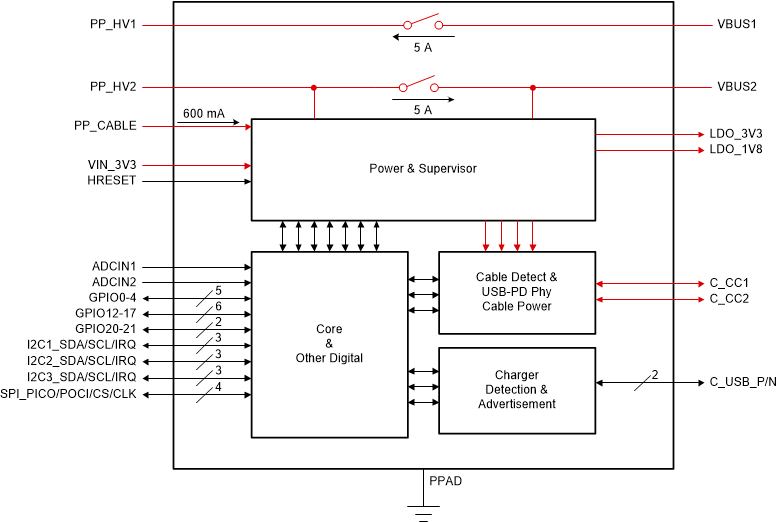
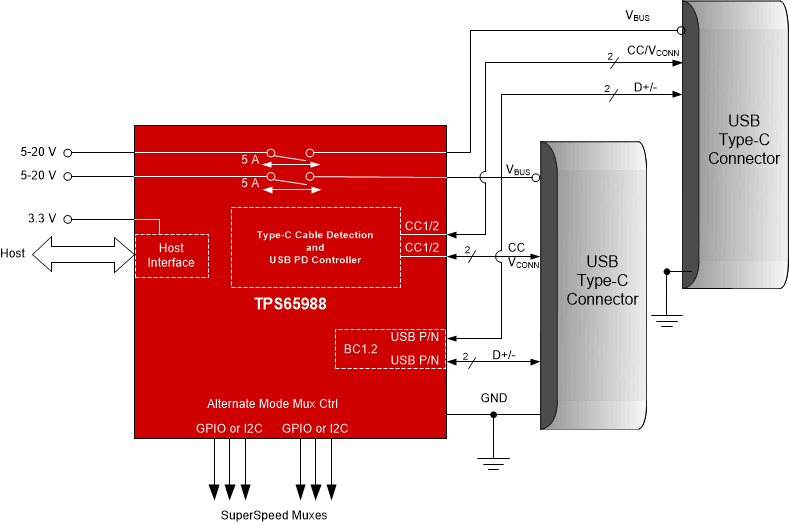
TPS65988DJUSB-C® Power Delivery controller with integrated power switches for PC & Thunderbolt systems | Development Boards, Kits, Programmers | 5 | Active | The TPS65988DK is a highly integrated stand-alone Dual Port USB Type-C and Power Delivery (PD) controller optimized for USB4 & TBT4 Device. The TPS65988DK integrates fully managed power paths with robust protection for a complete USB-C PD solution. Upon cable detection, the TPS65988DK communicates on the CC wire using the USB PD protocol. When cable detection and USB PD negotiation are complete, the TPS65988DK enables the appropriate power path and configures alternate mode settings for external multiplexers. This device is featured on Intel’s Reference Design for USB4 & TBT4 Device end equipments ensuring the PD controller has proper system level interaction in these types of designs. This greatly reduces system design complexity and results in reduced time to market.
The TPS65988DK is a highly integrated stand-alone Dual Port USB Type-C and Power Delivery (PD) controller optimized for USB4 & TBT4 Device. The TPS65988DK integrates fully managed power paths with robust protection for a complete USB-C PD solution. Upon cable detection, the TPS65988DK communicates on the CC wire using the USB PD protocol. When cable detection and USB PD negotiation are complete, the TPS65988DK enables the appropriate power path and configures alternate mode settings for external multiplexers. This device is featured on Intel’s Reference Design for USB4 & TBT4 Device end equipments ensuring the PD controller has proper system level interaction in these types of designs. This greatly reduces system design complexity and results in reduced time to market. |
TPS65994ADDual port USB-C® Power Delivery controller with integrated source power switches | Evaluation and Demonstration Boards and Kits | 2 | Active | The TPS65994AD is a highly integrated stand-alone Dual Port USB Type-C and Power Delivery (PD) controller for PC and notebooks applications. The TPS65994AD integrates fully managed source paths with robust protection for a complete USB-C PD solution. TPS65994AD is featured on Intel and AMD’s Reference Design for PC and notebook end equipment ensuring the PD controller has proper system level interaction in these types of designs. This feature greatly reduces system design complexity and results in reduced time to market.
The TPS65994AD is a highly integrated stand-alone Dual Port USB Type-C and Power Delivery (PD) controller for PC and notebooks applications. The TPS65994AD integrates fully managed source paths with robust protection for a complete USB-C PD solution. TPS65994AD is featured on Intel and AMD’s Reference Design for PC and notebook end equipment ensuring the PD controller has proper system level interaction in these types of designs. This feature greatly reduces system design complexity and results in reduced time to market. |