TPS65987 Series
USB-C® Power Delivery controller with integrated power switches for PC hosts & Thunderbolt devices
Manufacturer: Texas Instruments
Catalog
USB-C® Power Delivery controller with integrated power switches for PC hosts & Thunderbolt devices
Description
AI
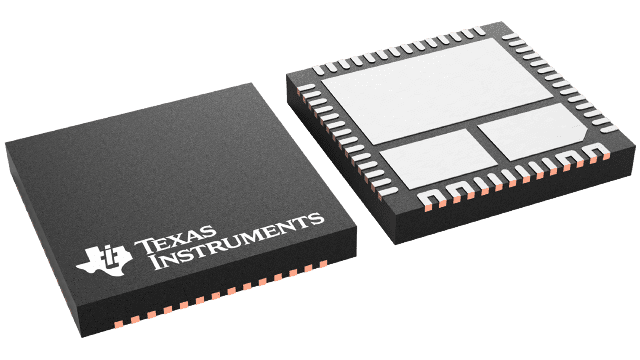
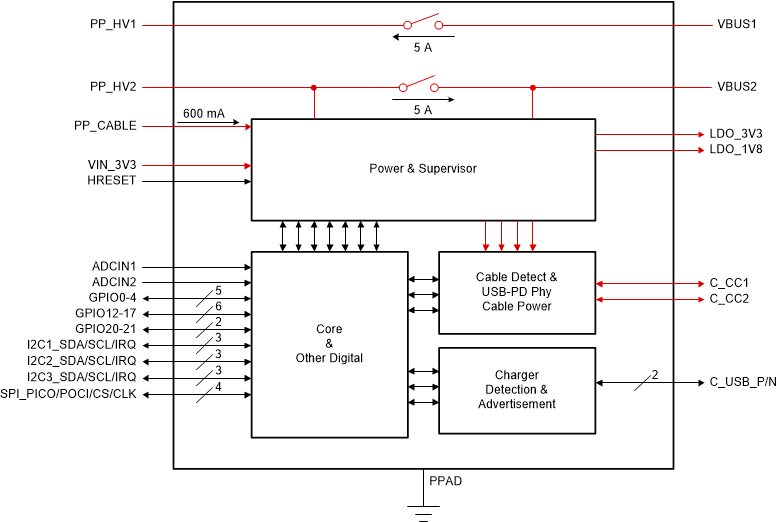
The TPS65987DDK is a highly integrated stand-alone USB Type-C and Power Delivery (PD) controller optimized for USB4 & TBT4 Device. The TPS65987DDK integrates fully managed power paths with robust protection for a complete USB-C PD solution. The TPS65987DDK is a stand-alone USB Type-C and Power Delivery (PD) controller providing cable plug and orientation detection for a single USB Type-C connector. Upon cable detection, the TPS65987DDK communicates on the CC wire using the USB PD protocol. When cable detection and USB PD negotiation are complete, the TPS65987DDK enables the appropriate power path and configures alternate mode settings for external multiplexers. This device is featured on Intel’s Reference Design for USB4 & TBT4 Device end equipments ensuring the PD controller has proper system level interaction in these types of designs. This greatly reduces system design complexity and results in reduced time to market.
The TPS65987DDK is a highly integrated stand-alone USB Type-C and Power Delivery (PD) controller optimized for USB4 & TBT4 Device. The TPS65987DDK integrates fully managed power paths with robust protection for a complete USB-C PD solution. The TPS65987DDK is a stand-alone USB Type-C and Power Delivery (PD) controller providing cable plug and orientation detection for a single USB Type-C connector. Upon cable detection, the TPS65987DDK communicates on the CC wire using the USB PD protocol. When cable detection and USB PD negotiation are complete, the TPS65987DDK enables the appropriate power path and configures alternate mode settings for external multiplexers. This device is featured on Intel’s Reference Design for USB4 & TBT4 Device end equipments ensuring the PD controller has proper system level interaction in these types of designs. This greatly reduces system design complexity and results in reduced time to market.