T
Texas Instruments
| Series | Category | # Parts | Status | Description |
|---|---|---|---|---|
| Part | Spec A | Spec B | Spec C | Spec D | Description |
|---|---|---|---|---|---|



| Series | Category | # Parts | Status | Description |
|---|---|---|---|---|
| Part | Spec A | Spec B | Spec C | Spec D | Description |
|---|---|---|---|---|---|
| Part | Category | Description |
|---|---|---|
 Texas Instruments | Integrated Circuits (ICs) | BUS DRIVER, BCT/FBT SERIES |
 Texas Instruments | Integrated Circuits (ICs) | 12BIT 3.3V~3.6V 210MHZ PARALLEL VQFN-48-EP(7X7) ANALOG TO DIGITAL CONVERTERS (ADC) ROHS |
Texas Instruments | Integrated Circuits (ICs) | TMX320DRE311 179PIN UBGA 200MHZ |
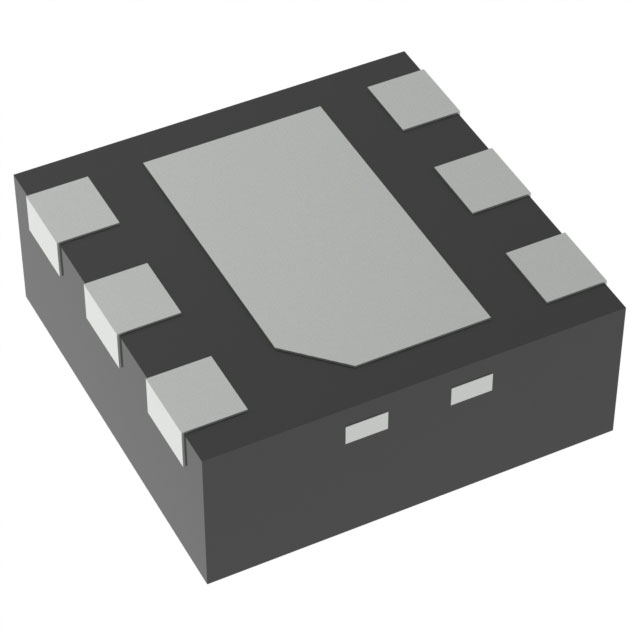 Texas Instruments TPS61040DRVTG4Unknown | Integrated Circuits (ICs) | IC LED DRV RGLTR PWM 350MA 6WSON |
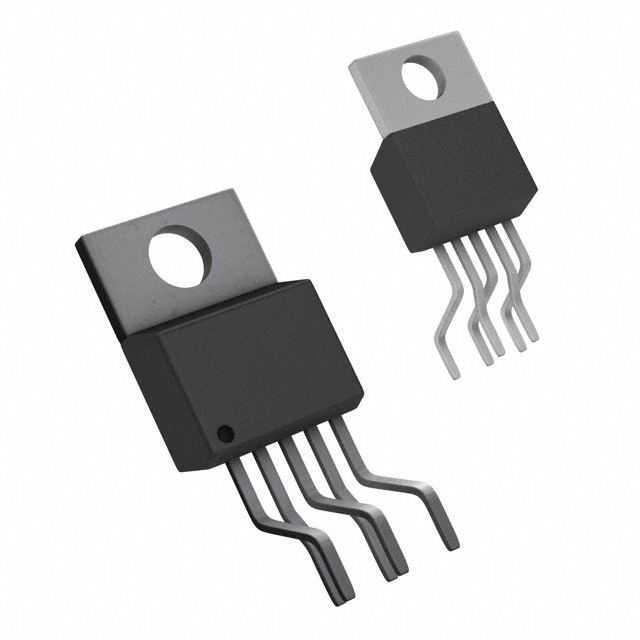 Texas Instruments LP3876ET-2.5Obsolete | Integrated Circuits (ICs) | IC REG LINEAR 2.5V 3A TO220-5 |
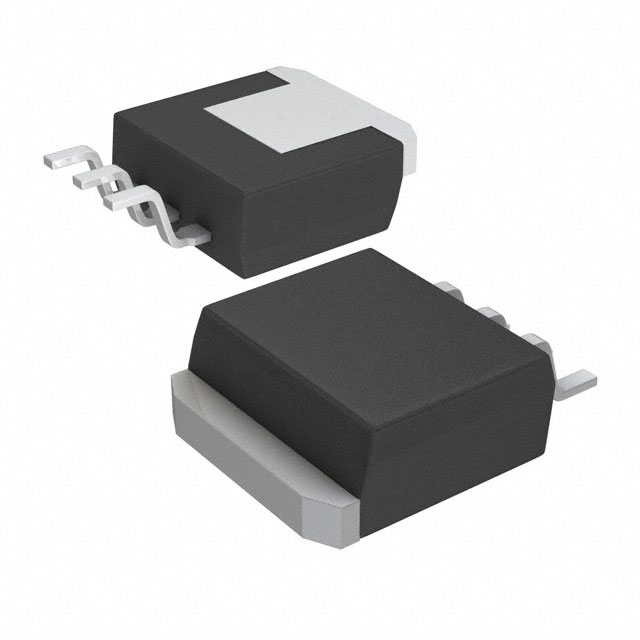 Texas Instruments LMS1585ACSX-ADJObsolete | Integrated Circuits (ICs) | IC REG LIN POS ADJ 5A DDPAK |
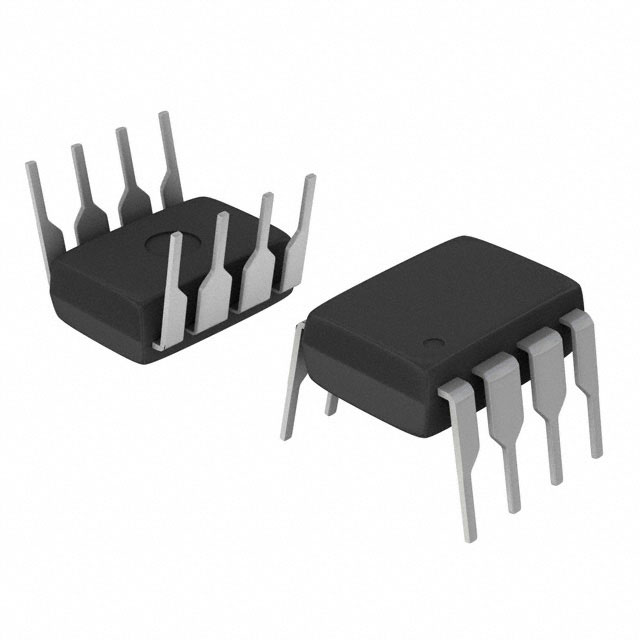 Texas Instruments INA111APG4Obsolete | Integrated Circuits (ICs) | IC INST AMP 1 CIRCUIT 8DIP |
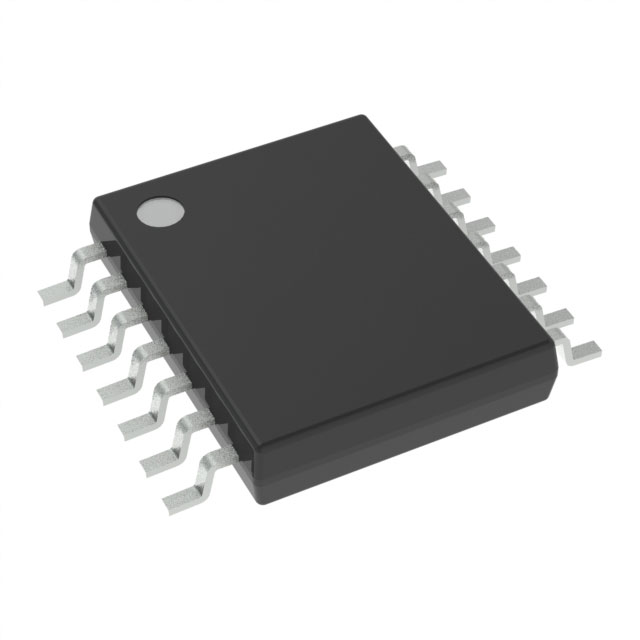 Texas Instruments | Integrated Circuits (ICs) | AUTOMOTIVE, QUAD 36V 1.2MHZ OPERATIONAL AMPLIFIER |
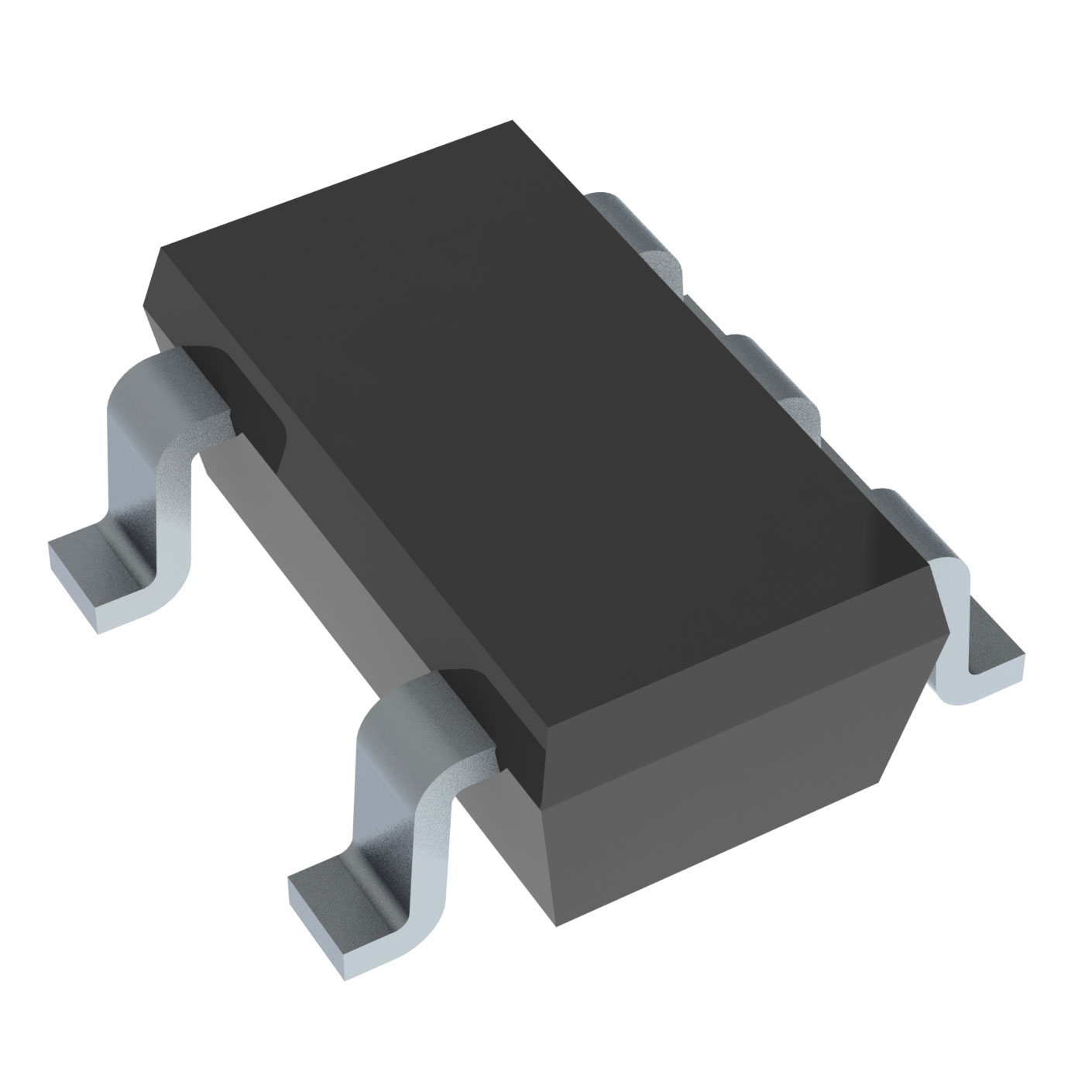 Texas Instruments OPA340NA/3KG4Unknown | Integrated Circuits (ICs) | IC OPAMP GP 1 CIRCUIT SOT23-5 |
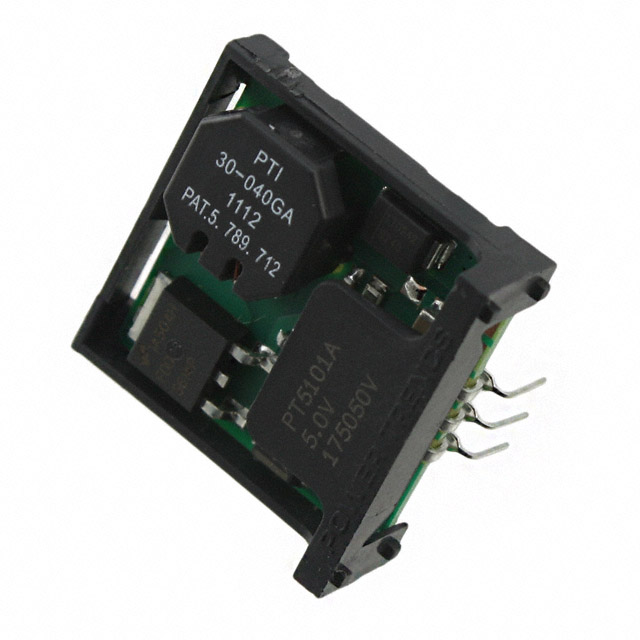 Texas Instruments PT5112AObsolete | Power Supplies - Board Mount | DC DC CONVERTER 8V 8W |
| Series | Category | # Parts | Status | Description |
|---|---|---|---|---|
| Integrated Circuits (ICs) | 2 | Obsolete | ||
| Amplifiers | 1 | Obsolete | ||
| Amplifiers | 1 | Obsolete | ||
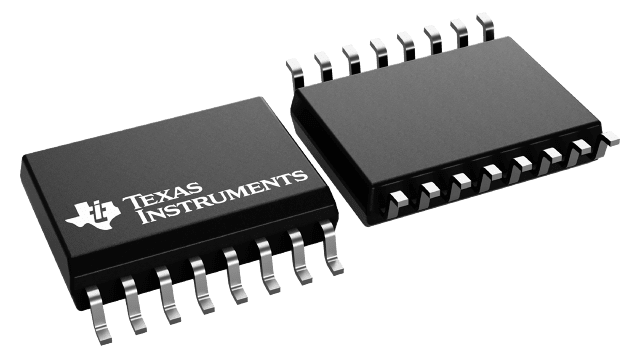
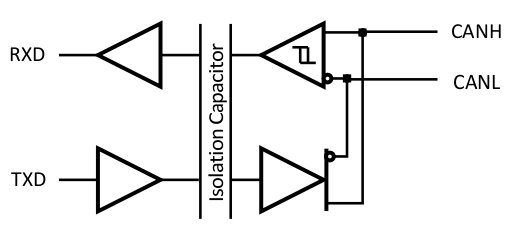
ISO1042-Q1Automotive, isolated CAN transceiver with 70-V bus fault protection & flexible data rate | Development Boards, Kits, Programmers | 16 | Active | The ISO1042-Q1 device is a galvanically-isolated controller area network (CAN) transceiver that meets the specifications of the ISO11898-2 (2016) standard. The ISO1042-Q1 device offers ±70-V DC bus fault protection and ±30-V common-mode voltage range. The device supports up to 5-Mbps data rate in CAN FD mode allowing much faster transfer of payload compared to classic CAN. This device uses a silicon dioxide (SiO2) insulation barrier with a withstand voltage of 5000 VRMSand a working voltage of 1060 VRMS. Electromagnetic compatibility has been significantly enhanced to enable system-level ESD, EFT, surge, and emissions compliance. Used in conjunction with isolated power supplies, the device protects against high voltage, and prevents noise currents from the bus from entering the local ground. The ISO1042-Q1 device is available for both basic and reinforced isolation (seeReinforced and Basic Isolation Options). The ISO1042-Q1 device supports a wide ambient temperature range of –40°C to +125°C. The device is available in the SOIC-16 (DW) package and a smaller SOIC-8 (DWV) package.
The ISO1042-Q1 device is a galvanically-isolated controller area network (CAN) transceiver that meets the specifications of the ISO11898-2 (2016) standard. The ISO1042-Q1 device offers ±70-V DC bus fault protection and ±30-V common-mode voltage range. The device supports up to 5-Mbps data rate in CAN FD mode allowing much faster transfer of payload compared to classic CAN. This device uses a silicon dioxide (SiO2) insulation barrier with a withstand voltage of 5000 VRMSand a working voltage of 1060 VRMS. Electromagnetic compatibility has been significantly enhanced to enable system-level ESD, EFT, surge, and emissions compliance. Used in conjunction with isolated power supplies, the device protects against high voltage, and prevents noise currents from the bus from entering the local ground. The ISO1042-Q1 device is available for both basic and reinforced isolation (seeReinforced and Basic Isolation Options). The ISO1042-Q1 device supports a wide ambient temperature range of –40°C to +125°C. The device is available in the SOIC-16 (DW) package and a smaller SOIC-8 (DWV) package. |
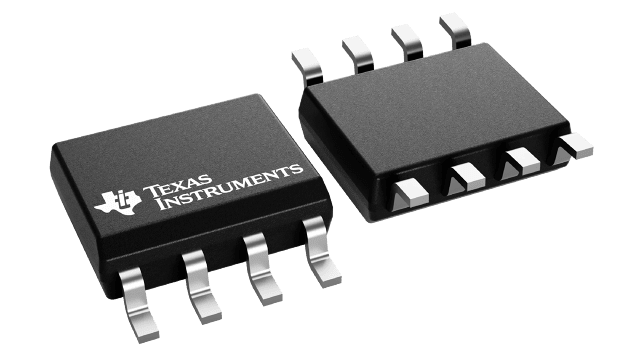
ISO1044Isolated CAN FD transceiver in small package | Development Boards, Kits, Programmers | 2 | Active | The ISO1044B device is a galvanically-isolated controller area network (CAN) transceiver that meets the specifications of the ISO11898-2 (2016) standard. The ISO1044B device offers ±58-V DC bus fault protection and ±12-V common-mode voltage range. The device supports up to 5-Mbps data rate in CAN FD mode allowing much faster transfer of payload compared to classic CAN. This device uses a silicon dioxide (SiO2) insulation barrier with a withstand voltage of 3000 VRMSand a working voltage of 450 VRMS. Electromagnetic compatibility has been significantly enhanced to enable system-level ESD, EFT, surge, and emissions compliance. Used in conjunction with isolated power supplies, the device protects against high voltage, and prevents noise currents from the bus from entering the local ground. The ISO1044B device supports a wide ambient temperature range of –40°C to +125°C. The device is available in the small SOIC-8 (D) package which significantly reduces the solution size compared to a traditional approach using optocouplers to isolate the CAN transceiver.
The ISO1044B device is a galvanically-isolated controller area network (CAN) transceiver that meets the specifications of the ISO11898-2 (2016) standard. The ISO1044B device offers ±58-V DC bus fault protection and ±12-V common-mode voltage range. The device supports up to 5-Mbps data rate in CAN FD mode allowing much faster transfer of payload compared to classic CAN. This device uses a silicon dioxide (SiO2) insulation barrier with a withstand voltage of 3000 VRMSand a working voltage of 450 VRMS. Electromagnetic compatibility has been significantly enhanced to enable system-level ESD, EFT, surge, and emissions compliance. Used in conjunction with isolated power supplies, the device protects against high voltage, and prevents noise currents from the bus from entering the local ground. The ISO1044B device supports a wide ambient temperature range of –40°C to +125°C. The device is available in the small SOIC-8 (D) package which significantly reduces the solution size compared to a traditional approach using optocouplers to isolate the CAN transceiver. |
ISO1050Isolated 5-V CAN transceiver | Integrated Circuits (ICs) | 2 | Active | The ISO1050 is a galvanically isolated CAN transceiver that meets the specifications of the ISO11898-2 standard. The device has the logic input and output buffers separated by a silicon oxide (SiO 2) insulation barrier that provides galvanic isolation of up to 5000 V RMS for ISO1050DW and 2500 V RMS for ISO1050DUB. Used in conjunction with isolated power supplies, the device prevents noise currents on a data bus or other circuits from entering the local ground and interfering with or damaging sensitive circuitry.
As a CAN transceiver, the device provides differential transmit capability to the bus and differential receive capability to a CAN controller at signaling rates up to 1 megabit per second (Mbps). The device is designed for operation in especially harsh environments, and it features cross-wire, overvoltage and loss of ground protection from –27 V to 40 V and overtemperature shutdown, as well as –12V to 12V common-mode range.
The ISO1050 is characterized for operation over the ambient temperature range of –55°C to 105°C.
The ISO1050 is a galvanically isolated CAN transceiver that meets the specifications of the ISO11898-2 standard. The device has the logic input and output buffers separated by a silicon oxide (SiO 2) insulation barrier that provides galvanic isolation of up to 5000 V RMS for ISO1050DW and 2500 V RMS for ISO1050DUB. Used in conjunction with isolated power supplies, the device prevents noise currents on a data bus or other circuits from entering the local ground and interfering with or damaging sensitive circuitry.
As a CAN transceiver, the device provides differential transmit capability to the bus and differential receive capability to a CAN controller at signaling rates up to 1 megabit per second (Mbps). The device is designed for operation in especially harsh environments, and it features cross-wire, overvoltage and loss of ground protection from –27 V to 40 V and overtemperature shutdown, as well as –12V to 12V common-mode range.
The ISO1050 is characterized for operation over the ambient temperature range of –55°C to 105°C. |
| Linear | 2 | Obsolete | ||
| Integrated Circuits (ICs) | 1 | Obsolete | ||
| Amplifiers | 1 | Obsolete | ||
ISO1176T40-Mbps, half-duplex, isolated RS-485 & RS-422 transceiver with integrated transformer driver | Evaluation Boards | 5 | Active | The ISO1176T is an isolated differential line transceiver with integrated oscillator outputs that provide the primary voltage for an isolation transformer. The device is ideal for long transmission lines because the ground loop is broken to allow the device to operate with a much larger common-mode voltage range.
The symmetrical isolation barrier of each device is tested to provide 4242V PK of isolation per VDE for 60 seconds between the line transceiver and the logic-level interface.
The galvanically isolated differential bus transceiver is an integrated circuit designed for bi-directional data communication on multipoint bus-transmission lines. The transceiver combines a galvanically isolated differential line driver and differential input line receiver. The driver has an active-high enable with isolated enable-state output on the ISODE pin (pin 10) to facilitate direction control. The driver differential outputs and the receiver differential inputs connect internally to form a differential input/output (I/O) bus port that is designed to offer minimum loading to the bus whenever the driver is disabled or V CC2 = 0.
Any cabled I/O can be subjected to electrical noise transients from various sources. These noise transients can cause damage to the transceiver and/or near-by sensitive circuitry if they are of sufficient magnitude and duration. The ISO1176T can significantly reduce the risk of data corruption and damage to expensive control circuits.
The device is characterized for operation over the ambient temperature range of –40°C to 85°C.
The ISO1176T is an isolated differential line transceiver with integrated oscillator outputs that provide the primary voltage for an isolation transformer. The device is ideal for long transmission lines because the ground loop is broken to allow the device to operate with a much larger common-mode voltage range.
The symmetrical isolation barrier of each device is tested to provide 4242V PK of isolation per VDE for 60 seconds between the line transceiver and the logic-level interface.
The galvanically isolated differential bus transceiver is an integrated circuit designed for bi-directional data communication on multipoint bus-transmission lines. The transceiver combines a galvanically isolated differential line driver and differential input line receiver. The driver has an active-high enable with isolated enable-state output on the ISODE pin (pin 10) to facilitate direction control. The driver differential outputs and the receiver differential inputs connect internally to form a differential input/output (I/O) bus port that is designed to offer minimum loading to the bus whenever the driver is disabled or V CC2 = 0.
Any cabled I/O can be subjected to electrical noise transients from various sources. These noise transients can cause damage to the transceiver and/or near-by sensitive circuitry if they are of sufficient magnitude and duration. The ISO1176T can significantly reduce the risk of data corruption and damage to expensive control circuits.
The device is characterized for operation over the ambient temperature range of –40°C to 85°C. |