Catalog
Isolated CAN FD transceiver in small package
Key Features
• Meets the ISO 11898-2:2016 physical layer standardSupports classic CAN up to 1 Mbps and FD (flexible data rate) up to 5 MbpsProtection featuresDC Bus Fault Protection Voltage: ±58 VIEC ESD tolerance on bus pins: ±8 kVHBM ESD tolerance on bus pins: ±10 kVDriver dominant time out (TXD DTO)Undervoltage protection on VCC1and VCC2Common-mode voltage range: ±12 VIdeal passive, high impedance bus terminals when unpoweredHigh CMTI: 85 kV/µs minimumVCC1voltage range: 1.71 V to 5.5 VSupports 1.8-V, 2.5-V, 3.3-V and 5.0-V logic interface to the CAN controllerVCC2voltage range: 4.5 V to 5.5 VRobust electromagnetic compatibility (EMC)System-Level ESD, EFT, and surge ImmunityLow EmissionsAmbient temperature range: –40°C to +125°C8-SOIC packageSafety-related certifications:All certifications plannedVDE reinforced insulation per DIN VDE V 0884-11:2017-01UL 1577 component recognition programIEC 60950-1, IEC 62368-1, IEC 61010-1 and GB 4943.1-2011 certificationsMeets the ISO 11898-2:2016 physical layer standardSupports classic CAN up to 1 Mbps and FD (flexible data rate) up to 5 MbpsProtection featuresDC Bus Fault Protection Voltage: ±58 VIEC ESD tolerance on bus pins: ±8 kVHBM ESD tolerance on bus pins: ±10 kVDriver dominant time out (TXD DTO)Undervoltage protection on VCC1and VCC2Common-mode voltage range: ±12 VIdeal passive, high impedance bus terminals when unpoweredHigh CMTI: 85 kV/µs minimumVCC1voltage range: 1.71 V to 5.5 VSupports 1.8-V, 2.5-V, 3.3-V and 5.0-V logic interface to the CAN controllerVCC2voltage range: 4.5 V to 5.5 VRobust electromagnetic compatibility (EMC)System-Level ESD, EFT, and surge ImmunityLow EmissionsAmbient temperature range: –40°C to +125°C8-SOIC packageSafety-related certifications:All certifications plannedVDE reinforced insulation per DIN VDE V 0884-11:2017-01UL 1577 component recognition programIEC 60950-1, IEC 62368-1, IEC 61010-1 and GB 4943.1-2011 certifications
Description
AI
The ISO1044B device is a galvanically-isolated controller area network (CAN) transceiver that meets the specifications of the ISO11898-2 (2016) standard. The ISO1044B device offers ±58-V DC bus fault protection and ±12-V common-mode voltage range. The device supports up to 5-Mbps data rate in CAN FD mode allowing much faster transfer of payload compared to classic CAN. This device uses a silicon dioxide (SiO2) insulation barrier with a withstand voltage of 3000 VRMSand a working voltage of 450 VRMS. Electromagnetic compatibility has been significantly enhanced to enable system-level ESD, EFT, surge, and emissions compliance. Used in conjunction with isolated power supplies, the device protects against high voltage, and prevents noise currents from the bus from entering the local ground. The ISO1044B device supports a wide ambient temperature range of –40°C to +125°C. The device is available in the small SOIC-8 (D) package which significantly reduces the solution size compared to a traditional approach using optocouplers to isolate the CAN transceiver.
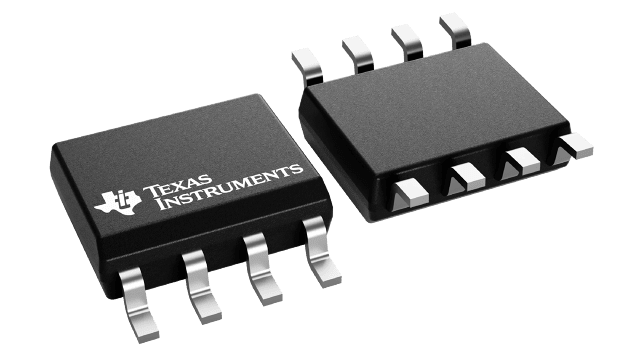
The ISO1044B device is a galvanically-isolated controller area network (CAN) transceiver that meets the specifications of the ISO11898-2 (2016) standard. The ISO1044B device offers ±58-V DC bus fault protection and ±12-V common-mode voltage range. The device supports up to 5-Mbps data rate in CAN FD mode allowing much faster transfer of payload compared to classic CAN. This device uses a silicon dioxide (SiO2) insulation barrier with a withstand voltage of 3000 VRMSand a working voltage of 450 VRMS. Electromagnetic compatibility has been significantly enhanced to enable system-level ESD, EFT, surge, and emissions compliance. Used in conjunction with isolated power supplies, the device protects against high voltage, and prevents noise currents from the bus from entering the local ground. The ISO1044B device supports a wide ambient temperature range of –40°C to +125°C. The device is available in the small SOIC-8 (D) package which significantly reduces the solution size compared to a traditional approach using optocouplers to isolate the CAN transceiver.