T
Texas Instruments
| Series | Category | # Parts | Status | Description |
|---|---|---|---|---|
| Part | Spec A | Spec B | Spec C | Spec D | Description |
|---|---|---|---|---|---|



| Series | Category | # Parts | Status | Description |
|---|---|---|---|---|
| Part | Spec A | Spec B | Spec C | Spec D | Description |
|---|---|---|---|---|---|
| Part | Category | Description |
|---|---|---|
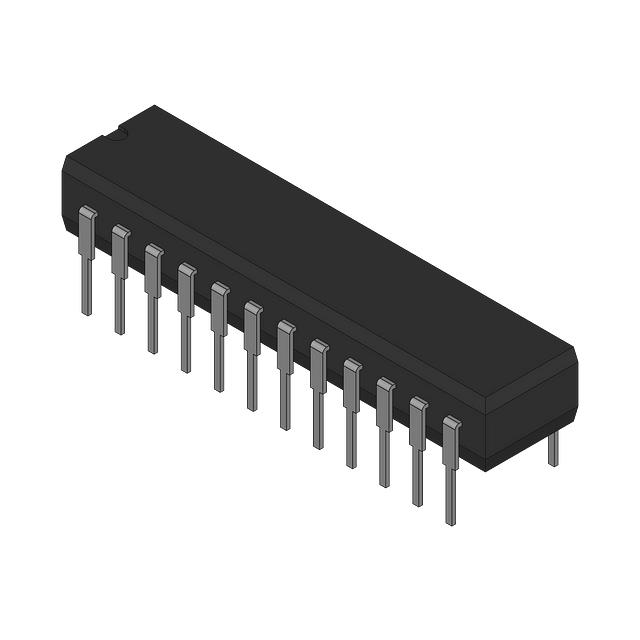 Texas Instruments | Integrated Circuits (ICs) | BUS DRIVER, BCT/FBT SERIES |
 Texas Instruments | Integrated Circuits (ICs) | 12BIT 3.3V~3.6V 210MHZ PARALLEL VQFN-48-EP(7X7) ANALOG TO DIGITAL CONVERTERS (ADC) ROHS |
Texas Instruments | Integrated Circuits (ICs) | TMX320DRE311 179PIN UBGA 200MHZ |
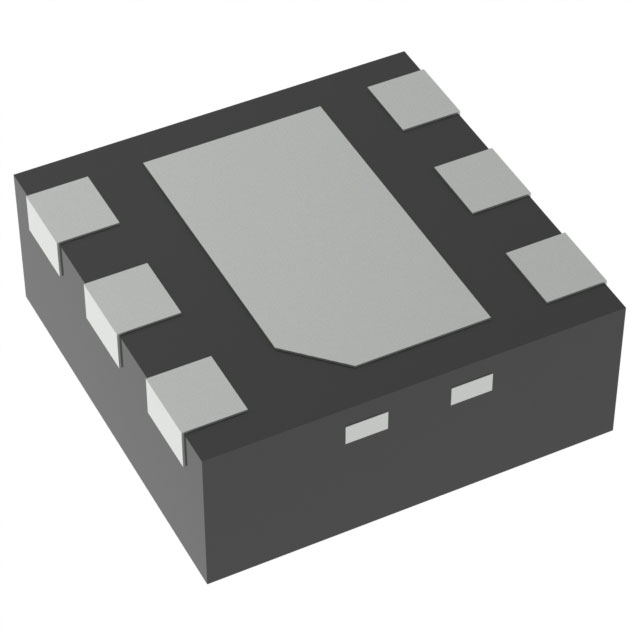 Texas Instruments TPS61040DRVTG4Unknown | Integrated Circuits (ICs) | IC LED DRV RGLTR PWM 350MA 6WSON |
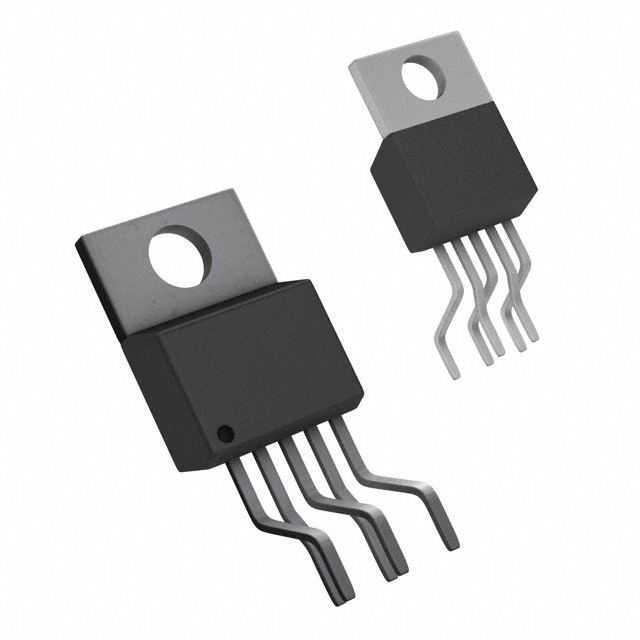 Texas Instruments LP3876ET-2.5Obsolete | Integrated Circuits (ICs) | IC REG LINEAR 2.5V 3A TO220-5 |
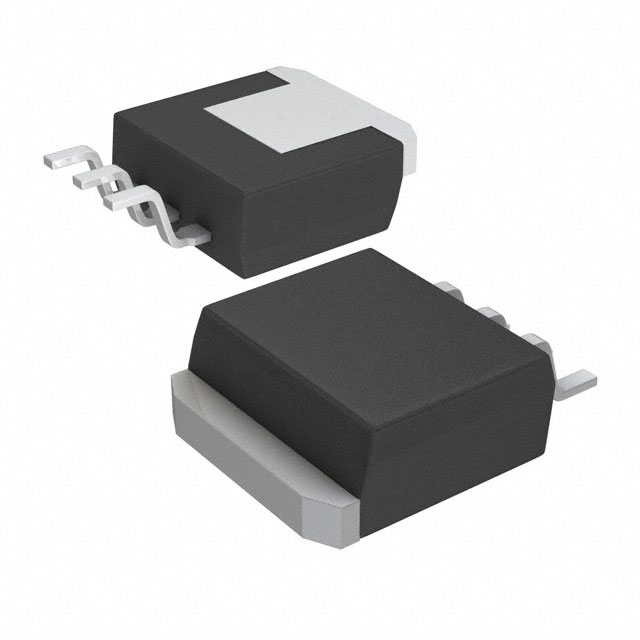 Texas Instruments LMS1585ACSX-ADJObsolete | Integrated Circuits (ICs) | IC REG LIN POS ADJ 5A DDPAK |
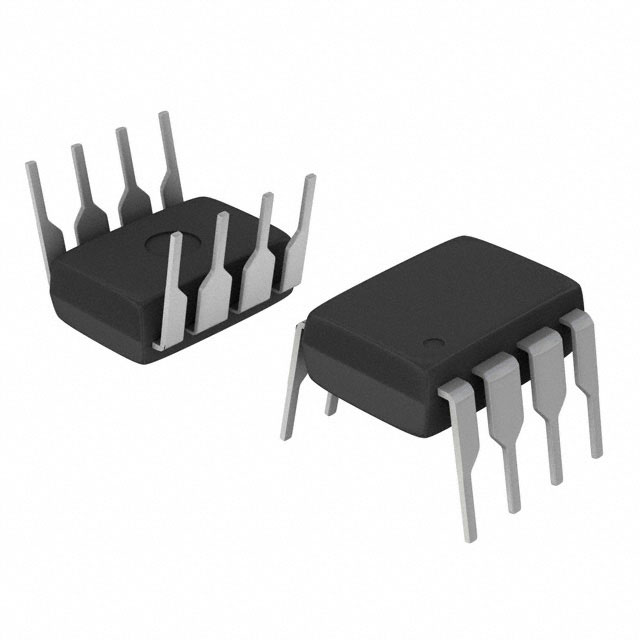 Texas Instruments INA111APG4Obsolete | Integrated Circuits (ICs) | IC INST AMP 1 CIRCUIT 8DIP |
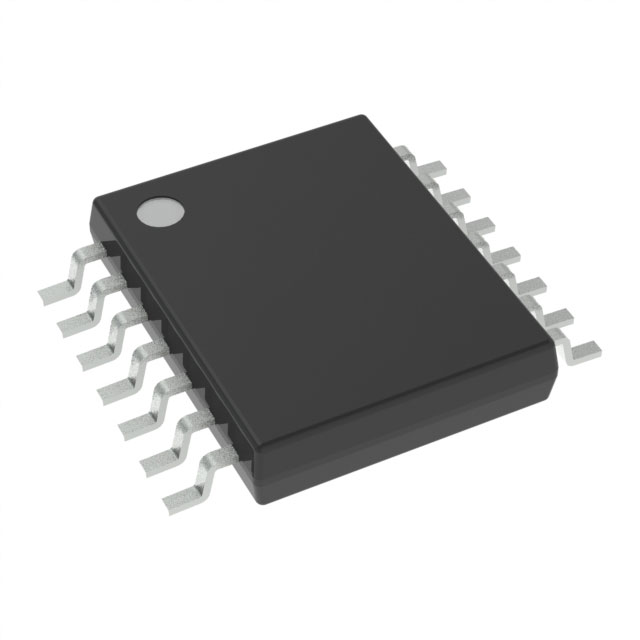 Texas Instruments | Integrated Circuits (ICs) | AUTOMOTIVE, QUAD 36V 1.2MHZ OPERATIONAL AMPLIFIER |
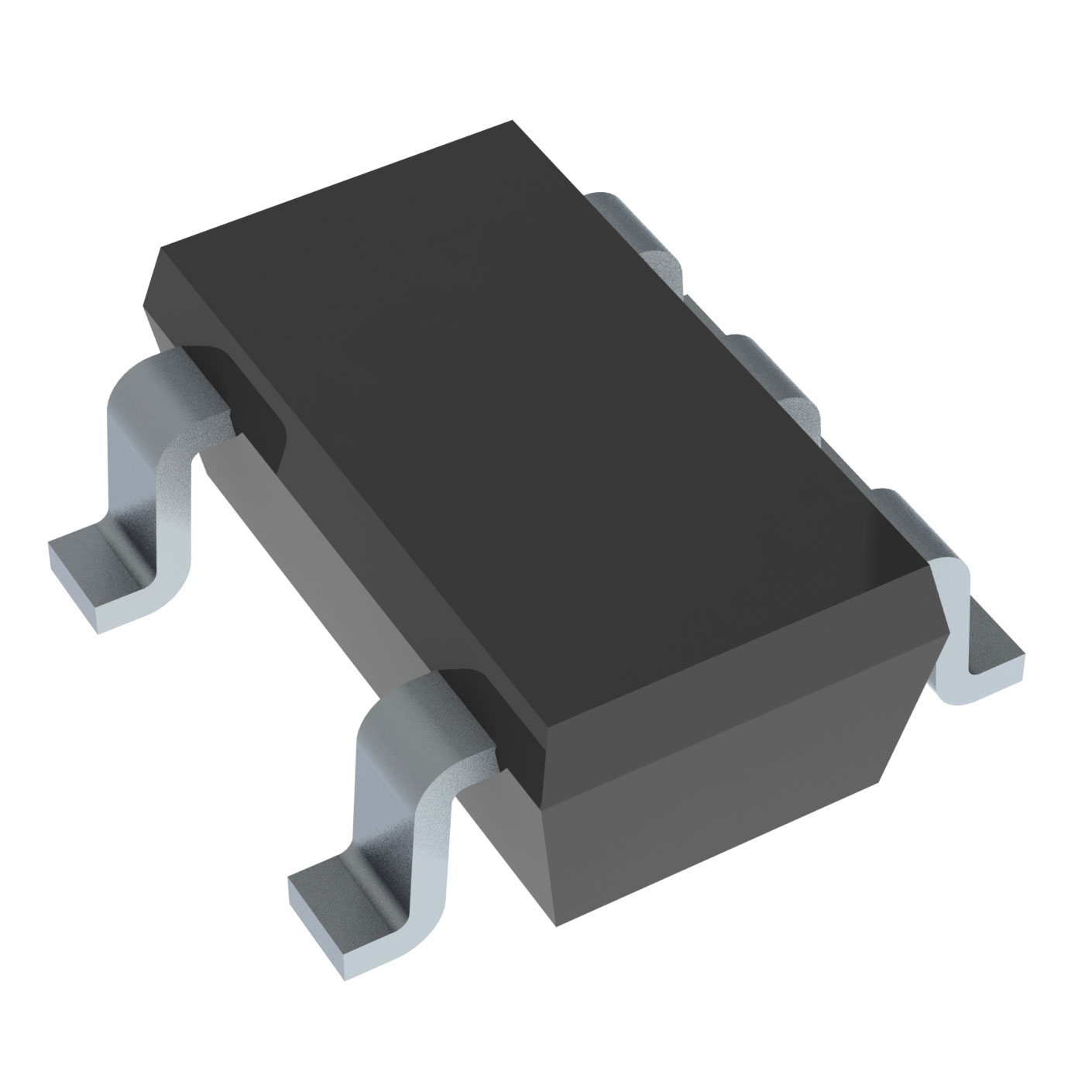 Texas Instruments OPA340NA/3KG4Unknown | Integrated Circuits (ICs) | IC OPAMP GP 1 CIRCUIT SOT23-5 |
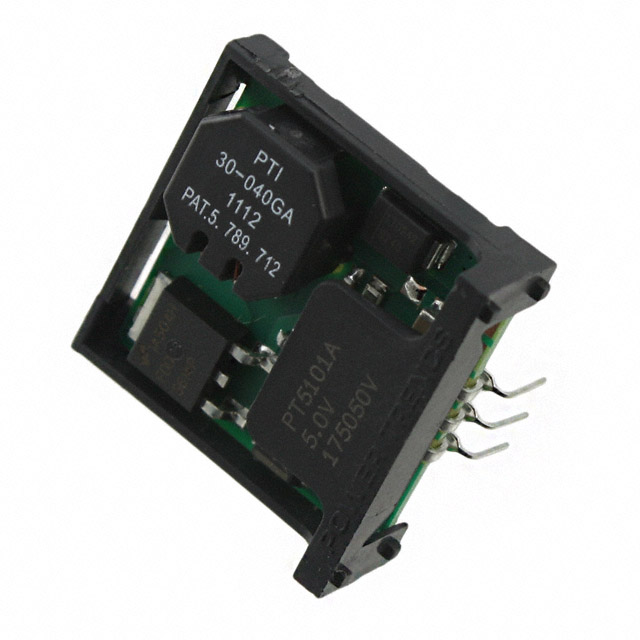 Texas Instruments PT5112AObsolete | Power Supplies - Board Mount | DC DC CONVERTER 8V 8W |
| Series | Category | # Parts | Status | Description |
|---|---|---|---|---|
ISO1450EMC protected, 50-Mbps, half-duplex, 5-kVrms isolated RS-485 & RS-422 transceiver | Integrated Circuits (ICs) | 3 | Active | The ISO14xx devices are galvanically-isolated differential line transceivers for TIA/EIA RS-485 and RS-422 applications. These noise-immune transceivers are designed to operate in harsh industrial environments. The bus pins of these devices can endure high levels of IEC electrostatic discharge (ESD) and IEC electrical fast transient (EFT) events which eliminates the need for additional components on bus for system-level protection. The devices are available for both basic and reinforced isolation (see Reinforced and Basic Isolation Options).
The ISO14xx devices are galvanically-isolated differential line transceivers for TIA/EIA RS-485 and RS-422 applications. These noise-immune transceivers are designed to operate in harsh industrial environments. The bus pins of these devices can endure high levels of IEC electrostatic discharge (ESD) and IEC electrical fast transient (EFT) events which eliminates the need for additional components on bus for system-level protection. The devices are available for both basic and reinforced isolation (see Reinforced and Basic Isolation Options). |
ISO1452EMC protected, 50-Mbps, full-duplex, 5-kVrms isolated RS-485 & RS-422 transceiver | Integrated Circuits (ICs) | 2 | Active | The ISO14xx devices are galvanically-isolated differential line transceivers for TIA/EIA RS-485 and RS-422 applications. These noise-immune transceivers are designed to operate in harsh industrial environments. The bus pins of these devices can endure high levels of IEC electrostatic discharge (ESD) and IEC electrical fast transient (EFT) events which eliminates the need for additional components on bus for system-level protection. The devices are available for both basic and reinforced isolation (see Reinforced and Basic Isolation Options).
The ISO14xx devices are galvanically-isolated differential line transceivers for TIA/EIA RS-485 and RS-422 applications. These noise-immune transceivers are designed to operate in harsh industrial environments. The bus pins of these devices can endure high levels of IEC electrostatic discharge (ESD) and IEC electrical fast transient (EFT) events which eliminates the need for additional components on bus for system-level protection. The devices are available for both basic and reinforced isolation (see Reinforced and Basic Isolation Options). |
ISO151-Mbps, half-duplex, isolated RS-485 & RS-422 transceiver | Digital Isolators | 5 | Active | The ISO15 is an isolated half-duplex differential line transceiver while the ISO35 is an isolated full-duplex differential line driver and receiver for TIA/EIA 485/422 applications. The ISO15M and ISO35M have extended ambient temperature ratings of –55°C to 125°C while the ISO15 and ISO35 are specified over –40°C to 85°C.
These devices are ideal for long transmission lines because the ground loop is broken to allow for a much larger common-mode voltage range. The symmetrical barrier of the device is tested to provide isolatlion of 4000 V PK per VDE and 2500 V RMS per UL and CSA between the bus-line transceiver and the logic-level interface.
Any cabled I/O can be subjected to electrical noise transients from various sources. These noise transients can cause damage to the transceiver and/or nearby sensitive circuitry if they are of sufficient magnitude and duration. These isolated devices can significantly increase protection and reduce the risk of damage to expensive control circuits.
The ISO15 is an isolated half-duplex differential line transceiver while the ISO35 is an isolated full-duplex differential line driver and receiver for TIA/EIA 485/422 applications. The ISO15M and ISO35M have extended ambient temperature ratings of –55°C to 125°C while the ISO15 and ISO35 are specified over –40°C to 85°C.
These devices are ideal for long transmission lines because the ground loop is broken to allow for a much larger common-mode voltage range. The symmetrical barrier of the device is tested to provide isolatlion of 4000 V PK per VDE and 2500 V RMS per UL and CSA between the bus-line transceiver and the logic-level interface.
Any cabled I/O can be subjected to electrical noise transients from various sources. These noise transients can cause damage to the transceiver and/or nearby sensitive circuitry if they are of sufficient magnitude and duration. These isolated devices can significantly increase protection and reduce the risk of damage to expensive control circuits. |
| Isolators | 1 | Obsolete | ||
ISO15001-Mbps, half-duplex, 3-kVrms ultra-small isolated RS-485 & RS-422 transceiver | Development Boards, Kits, Programmers | 2 | Active | The ISO1500 device is a galvanically-isolated differential line transceiver for TIA/EIA RS-485 and RS-422 applications. This device has a 3-channel digital isolator and an RS-485 transceiver in an ultra-small 16-pin SSOP package. The bus pins of this transceiver are protected against IEC ESD contact discharge and IEC EFT events. The receiver output has a failsafe for bus open, short, and idle conditions. The small solution size of ISO1500 greatly reduces the board space required compared to other integrated isolated RS-485 solutions or discrete implementation with optocouplers and non-isolated RS-485 transceiver.
The device is used for long distance communications. Isolation breaks the ground loop between the communicating nodes, allowing for a much larger common mode voltage range. The symmetrical isolation barrier of each device is tested to provide 3000 VRMSof isolation for 1 minute per UL 1577 between the bus-line transceiver and the logic-level interface.
The ISO1500 device can operate from 1.71 V to 5.5 V on side 1 which lets the devices interface with low-voltage FPGAs and ASICs. The supply voltage on side 2 is from 4.5 V to 5.5 V. This device supports a wide operating ambient temperature range from –40°C to +125°C.
The ISO1500 device is a galvanically-isolated differential line transceiver for TIA/EIA RS-485 and RS-422 applications. This device has a 3-channel digital isolator and an RS-485 transceiver in an ultra-small 16-pin SSOP package. The bus pins of this transceiver are protected against IEC ESD contact discharge and IEC EFT events. The receiver output has a failsafe for bus open, short, and idle conditions. The small solution size of ISO1500 greatly reduces the board space required compared to other integrated isolated RS-485 solutions or discrete implementation with optocouplers and non-isolated RS-485 transceiver.
The device is used for long distance communications. Isolation breaks the ground loop between the communicating nodes, allowing for a much larger common mode voltage range. The symmetrical isolation barrier of each device is tested to provide 3000 VRMSof isolation for 1 minute per UL 1577 between the bus-line transceiver and the logic-level interface.
The ISO1500 device can operate from 1.71 V to 5.5 V on side 1 which lets the devices interface with low-voltage FPGAs and ASICs. The supply voltage on side 2 is from 4.5 V to 5.5 V. This device supports a wide operating ambient temperature range from –40°C to +125°C. |
| Development Boards, Kits, Programmers | 1 | Active | ||
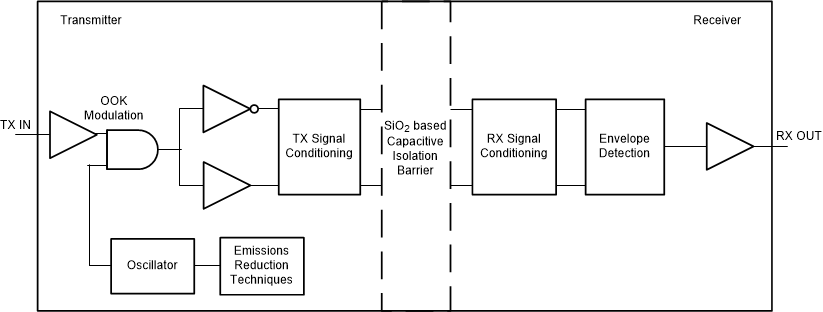
ISO1540-Q1Automotive, 2.5-kVrms, isolated bidirectional clock, bidirectional I2C isolator | Isolators | 3 | Active | The ISO1540-Q1 and ISO1541-Q1 devices are low-power, bidirectional isolators that are compatible with I2C interfaces. These devices have logic input and output buffers that are separated by Texas Instruments Capacitive Isolation technology using a silicon dioxide (SiO2) barrier. When used with isolated power supplies, these devices block high voltages, isolate grounds, and prevent noise currents from entering the local ground and interfering with or damaging sensitive circuitry.
This isolation technology provides for function, performance, size, and power consumption advantages when compared to optocouplers. The ISO1540-Q1 and ISO1541-Q1 devices enable a complete isolated I2C interface to be implemented within a small form factor.
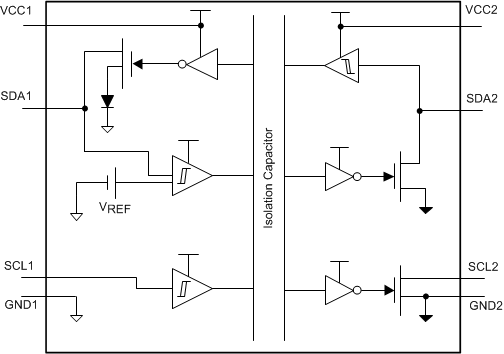
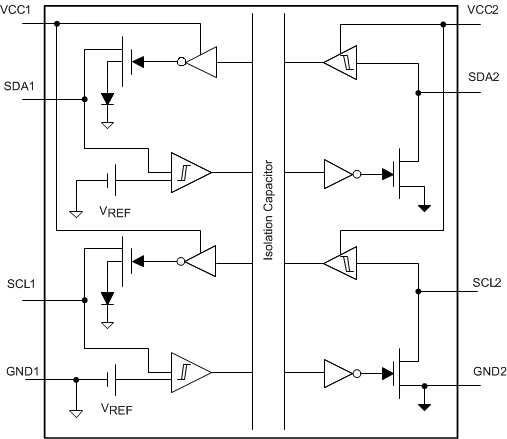
The ISO1540-Q1 has two isolated bidirectional channels for clock and data lines while the ISO1541-Q1 has a bidirectional data and a unidirectional clock channel. The ISO1541-Q1 is useful in applications that have a single controller while the ISO1540-Q1 is suitable for multi-controller applications. For applications where clock stretching by the target is possible, the ISO1540-Q1 device should be used.
Isolated bidirectional communication is accomplished within these devices by offsetting the low-level output voltage on side 1 to a value greater than the high-level input voltage on side 1, thus preventing an internal logic latch that otherwise would occur with standard digital isolators.
The ISO1540-Q1 and ISO1541-Q1 devices are low-power, bidirectional isolators that are compatible with I2C interfaces. These devices have logic input and output buffers that are separated by Texas Instruments Capacitive Isolation technology using a silicon dioxide (SiO2) barrier. When used with isolated power supplies, these devices block high voltages, isolate grounds, and prevent noise currents from entering the local ground and interfering with or damaging sensitive circuitry.
This isolation technology provides for function, performance, size, and power consumption advantages when compared to optocouplers. The ISO1540-Q1 and ISO1541-Q1 devices enable a complete isolated I2C interface to be implemented within a small form factor.
The ISO1540-Q1 has two isolated bidirectional channels for clock and data lines while the ISO1541-Q1 has a bidirectional data and a unidirectional clock channel. The ISO1541-Q1 is useful in applications that have a single controller while the ISO1540-Q1 is suitable for multi-controller applications. For applications where clock stretching by the target is possible, the ISO1540-Q1 device should be used.
Isolated bidirectional communication is accomplished within these devices by offsetting the low-level output voltage on side 1 to a value greater than the high-level input voltage on side 1, thus preventing an internal logic latch that otherwise would occur with standard digital isolators. |
ISO1541-Q1Automotive, 2.5-kVrms, isolated unidirectional clock, bidirectional I2C isolator | Digital Isolators | 4 | Active | The ISO1540-Q1 and ISO1541-Q1 devices are low-power, bidirectional isolators that are compatible with I2C interfaces. These devices have logic input and output buffers that are separated by Texas Instruments Capacitive Isolation technology using a silicon dioxide (SiO2) barrier. When used with isolated power supplies, these devices block high voltages, isolate grounds, and prevent noise currents from entering the local ground and interfering with or damaging sensitive circuitry.
This isolation technology provides for function, performance, size, and power consumption advantages when compared to optocouplers. The ISO1540-Q1 and ISO1541-Q1 devices enable a complete isolated I2C interface to be implemented within a small form factor.
The ISO1540-Q1 has two isolated bidirectional channels for clock and data lines while the ISO1541-Q1 has a bidirectional data and a unidirectional clock channel. The ISO1541-Q1 is useful in applications that have a single controller while the ISO1540-Q1 is suitable for multi-controller applications. For applications where clock stretching by the target is possible, the ISO1540-Q1 device should be used.
Isolated bidirectional communication is accomplished within these devices by offsetting the low-level output voltage on side 1 to a value greater than the high-level input voltage on side 1, thus preventing an internal logic latch that otherwise would occur with standard digital isolators.
The ISO1540-Q1 and ISO1541-Q1 devices are low-power, bidirectional isolators that are compatible with I2C interfaces. These devices have logic input and output buffers that are separated by Texas Instruments Capacitive Isolation technology using a silicon dioxide (SiO2) barrier. When used with isolated power supplies, these devices block high voltages, isolate grounds, and prevent noise currents from entering the local ground and interfering with or damaging sensitive circuitry.
This isolation technology provides for function, performance, size, and power consumption advantages when compared to optocouplers. The ISO1540-Q1 and ISO1541-Q1 devices enable a complete isolated I2C interface to be implemented within a small form factor.
The ISO1540-Q1 has two isolated bidirectional channels for clock and data lines while the ISO1541-Q1 has a bidirectional data and a unidirectional clock channel. The ISO1541-Q1 is useful in applications that have a single controller while the ISO1540-Q1 is suitable for multi-controller applications. For applications where clock stretching by the target is possible, the ISO1540-Q1 device should be used.
Isolated bidirectional communication is accomplished within these devices by offsetting the low-level output voltage on side 1 to a value greater than the high-level input voltage on side 1, thus preventing an internal logic latch that otherwise would occur with standard digital isolators. |
ISO1640-Q1Automotive, hot-swappable, robust-EMC bidirectional I2C isolator with bidirectional clock | Isolators | 3 | Active | The ISO1640-Q1 (ISO164x-Q1) device is a hot swappable, low-power, bidirectional isolator that is compatible with I2C interfaces. The ISO164x supports UL 1577 isolation ratings of 5000 VRMSin the 16-DW package, and 3000 VRMSin the 8-D package. Each I2C isolation channel in this low emissions device has a logic input and open drain output separated by a double capacitive silicon dioxide (SiO2) insulation barrier. This family includes basic and reinforced insulation devices certified by VDE, UL, CSA, TUV and CQC. The ISO1640-Q1 has two isolated bidirectional channels for clock and data lines. ISO1640-Q1 integrates logic required to support bidirectional channels, providing a much simpler design and smaller footprint when compared to optocoupler-based solutions.
The ISO1640-Q1 (ISO164x-Q1) device is a hot swappable, low-power, bidirectional isolator that is compatible with I2C interfaces. The ISO164x supports UL 1577 isolation ratings of 5000 VRMSin the 16-DW package, and 3000 VRMSin the 8-D package. Each I2C isolation channel in this low emissions device has a logic input and open drain output separated by a double capacitive silicon dioxide (SiO2) insulation barrier. This family includes basic and reinforced insulation devices certified by VDE, UL, CSA, TUV and CQC. The ISO1640-Q1 has two isolated bidirectional channels for clock and data lines. ISO1640-Q1 integrates logic required to support bidirectional channels, providing a much simpler design and smaller footprint when compared to optocoupler-based solutions. |
ISO1641Hot-swappable, robust-EMC bidirectional I2C isolator with unidirectional clock | Digital Isolators | 1 | Active | The ISO1640, ISO1641, ISO1642, ISO1643 and ISO1644 (ISO164x) device s are hot swappable, low-power, bidirectional isolator s that are compatible with I2C interfaces. The ISO164x supports UL 1577 isolation ratings of 5000 VRMSin the 16-DW package, and 3000 VRMSin the 8-D package. Each I2C isolation channel in this low emissions device has a logic input and open drain output separated by a double capacitive silicon dioxide (SiO2) insulation barrier. The ISO1642 and ISO1643 intregrates 2 unidirectional CMOS isolation channels, while the ISO1644 intregrates 3 unidirectional CMOS isolation channels which can be used for static GPIO isolation or to isolate a Serial Peripheral Interface (SPI) bus. This family includes basic and reinforced insulation devices certified by VDE, UL, CSA, TUV and CQC. The ISO1640/2/3/4 have two isolated bidirectional channels for clock and data lines and the ISO1641 has a bidirectional data and a unidirectional clock channel. The ISO164x family integrates logic required to support bidirectional channels, providing a much simpler design and smaller footprint when compared to optocoupler-based solutions.
The ISO1640, ISO1641, ISO1642, ISO1643 and ISO1644 (ISO164x) device s are hot swappable, low-power, bidirectional isolator s that are compatible with I2C interfaces. The ISO164x supports UL 1577 isolation ratings of 5000 VRMSin the 16-DW package, and 3000 VRMSin the 8-D package. Each I2C isolation channel in this low emissions device has a logic input and open drain output separated by a double capacitive silicon dioxide (SiO2) insulation barrier. The ISO1642 and ISO1643 intregrates 2 unidirectional CMOS isolation channels, while the ISO1644 intregrates 3 unidirectional CMOS isolation channels which can be used for static GPIO isolation or to isolate a Serial Peripheral Interface (SPI) bus. This family includes basic and reinforced insulation devices certified by VDE, UL, CSA, TUV and CQC. The ISO1640/2/3/4 have two isolated bidirectional channels for clock and data lines and the ISO1641 has a bidirectional data and a unidirectional clock channel. The ISO164x family integrates logic required to support bidirectional channels, providing a much simpler design and smaller footprint when compared to optocoupler-based solutions. |