T
Texas Instruments
| Series | Category | # Parts | Status | Description |
|---|---|---|---|---|
| Part | Spec A | Spec B | Spec C | Spec D | Description |
|---|---|---|---|---|---|



| Series | Category | # Parts | Status | Description |
|---|---|---|---|---|
| Part | Spec A | Spec B | Spec C | Spec D | Description |
|---|---|---|---|---|---|
| Part | Category | Description |
|---|---|---|
 Texas Instruments | Integrated Circuits (ICs) | BUS DRIVER, BCT/FBT SERIES |
 Texas Instruments | Integrated Circuits (ICs) | 12BIT 3.3V~3.6V 210MHZ PARALLEL VQFN-48-EP(7X7) ANALOG TO DIGITAL CONVERTERS (ADC) ROHS |
Texas Instruments | Integrated Circuits (ICs) | TMX320DRE311 179PIN UBGA 200MHZ |
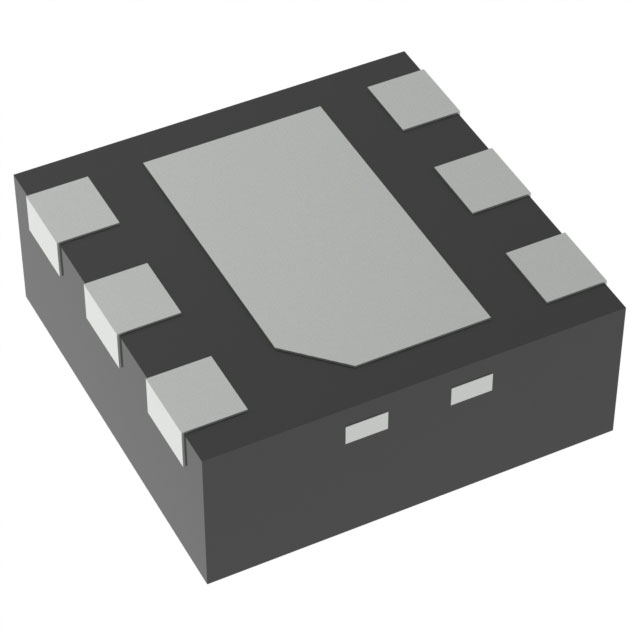 Texas Instruments TPS61040DRVTG4Unknown | Integrated Circuits (ICs) | IC LED DRV RGLTR PWM 350MA 6WSON |
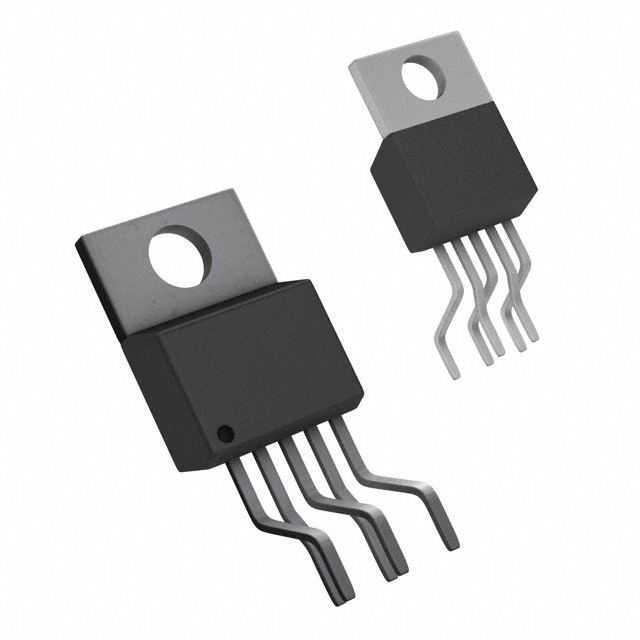 Texas Instruments LP3876ET-2.5Obsolete | Integrated Circuits (ICs) | IC REG LINEAR 2.5V 3A TO220-5 |
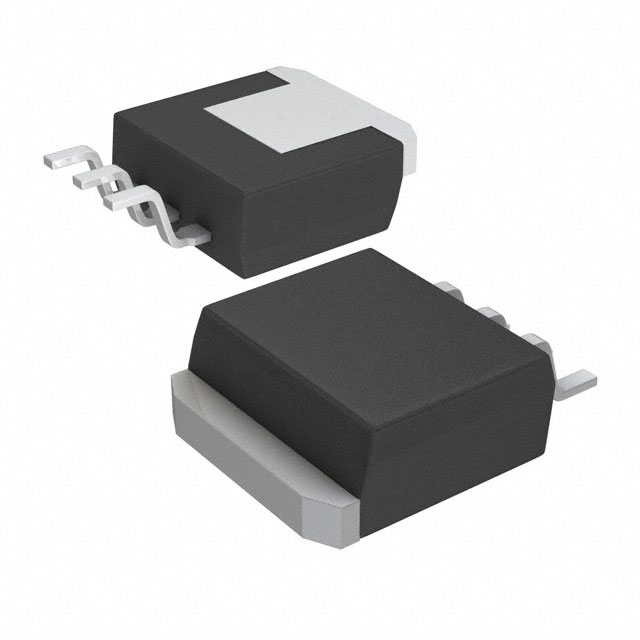 Texas Instruments LMS1585ACSX-ADJObsolete | Integrated Circuits (ICs) | IC REG LIN POS ADJ 5A DDPAK |
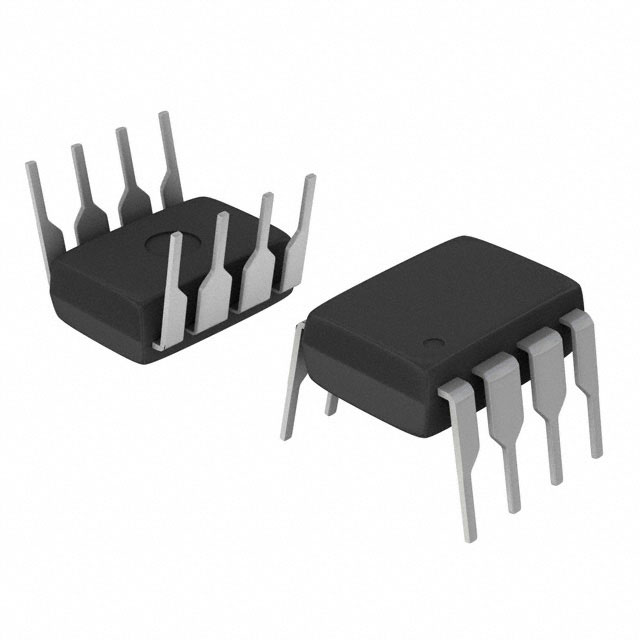 Texas Instruments INA111APG4Obsolete | Integrated Circuits (ICs) | IC INST AMP 1 CIRCUIT 8DIP |
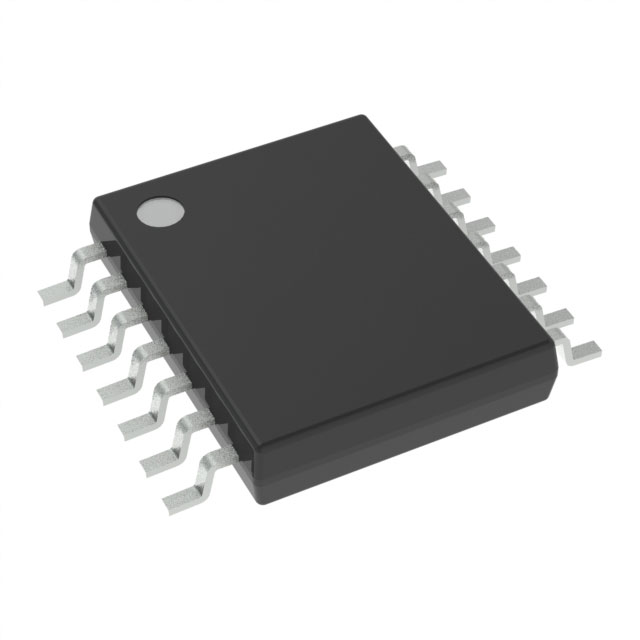 Texas Instruments | Integrated Circuits (ICs) | AUTOMOTIVE, QUAD 36V 1.2MHZ OPERATIONAL AMPLIFIER |
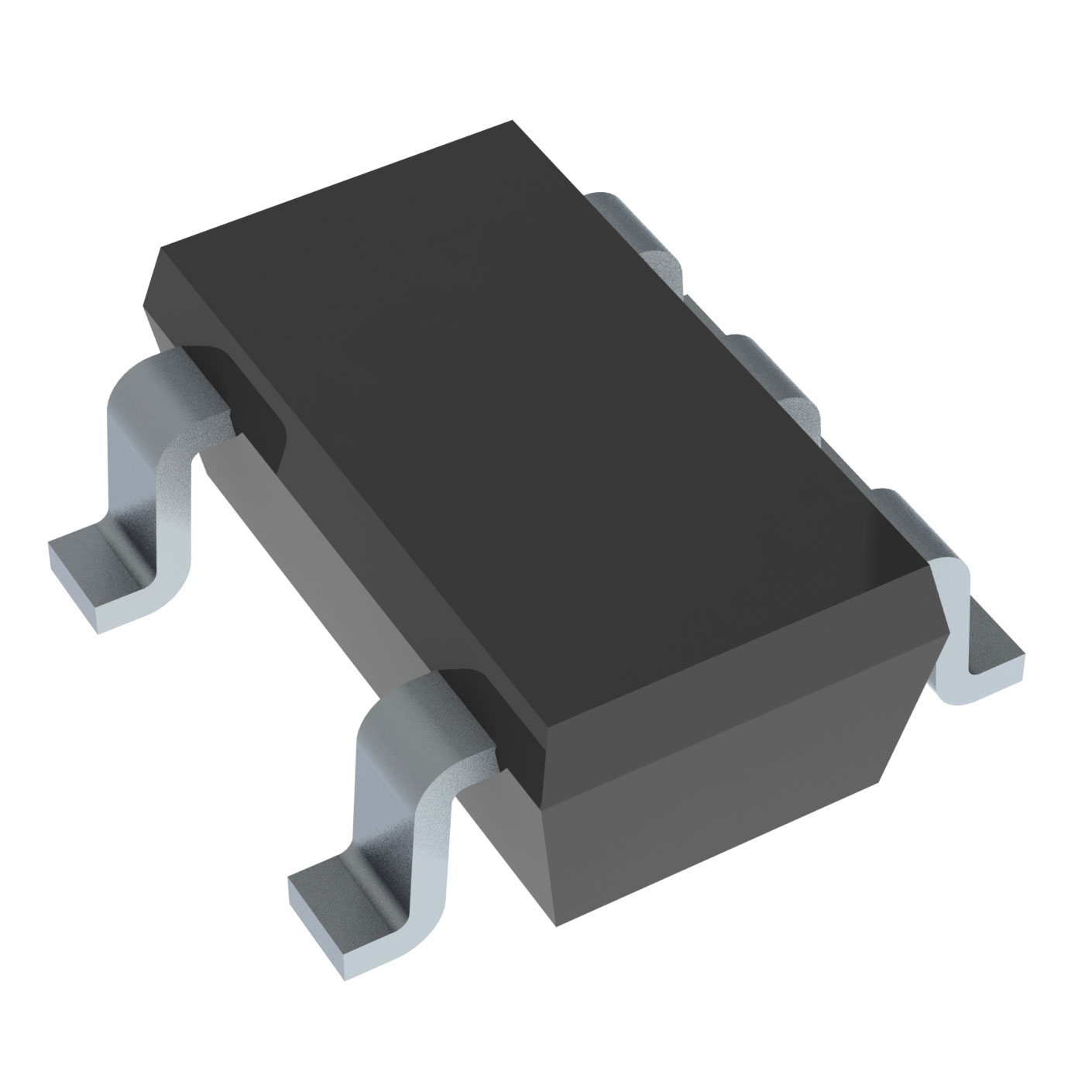 Texas Instruments OPA340NA/3KG4Unknown | Integrated Circuits (ICs) | IC OPAMP GP 1 CIRCUIT SOT23-5 |
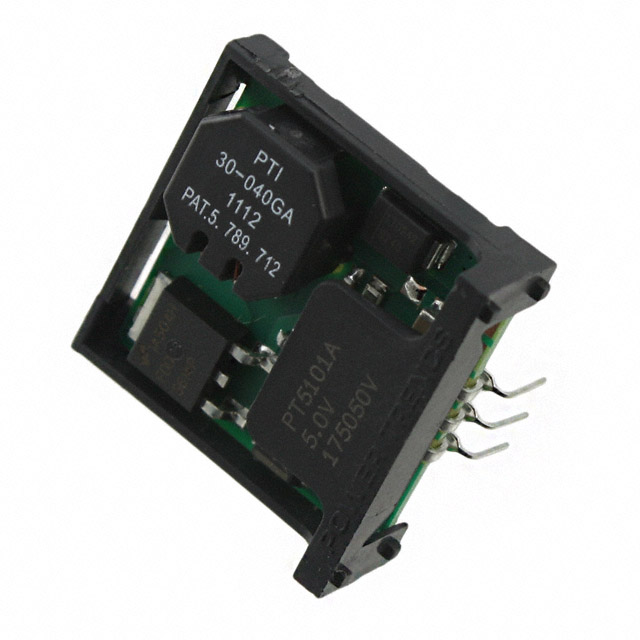 Texas Instruments PT5112AObsolete | Power Supplies - Board Mount | DC DC CONVERTER 8V 8W |
| Series | Category | # Parts | Status | Description |
|---|---|---|---|---|
SN65C1406Triple Low-Power Drivers And Receivers | Drivers, Receivers, Transceivers | 3 | Obsolete | The SN65C1406 and SN75C1406 are low-power BiMOS devices containing three independent drivers and receivers that are used to interface data terminal equipment (DTE) with data circuit-terminating equipment (DCE). These devices are designed to conform to TIA/EIA-232-F. The drivers and receivers of the SN65C1406 and SN75C1406 are similar to those of the SN75C188 quadruple driver and SN75C189A quadruple receiver, respectively. The drivers have a controlled output slew rate that is limited to a maximum of 30 V/us, and the receivers have filters that reject input noise pulses shorter than 1 us. Both these features eliminate the need for external components.
The SN65C1406 and SN75C1406 are designed using low-power techniques in a BiMOS technology. In most applications, the receivers contained in these devices interface to single inputs of peripheral devices such as ACEs, UARTs, or microprocessors. By using sampling, such peripheral devices are usually insensitive to the transition times of the input signals. If this is not the case, or for other uses, it is recommended that the SN65C1406 and SN75C1406 receiver outputs be buffered by single Schmitt input gates or single gates of the HCMOS, ALS, or 74F logic families.
The SN65C1406 is characterized for operation from \x9640°C to 85°C. The SN75C1406 is characterized for operation from 0°C to 70°C.
The SN65C1406 and SN75C1406 are low-power BiMOS devices containing three independent drivers and receivers that are used to interface data terminal equipment (DTE) with data circuit-terminating equipment (DCE). These devices are designed to conform to TIA/EIA-232-F. The drivers and receivers of the SN65C1406 and SN75C1406 are similar to those of the SN75C188 quadruple driver and SN75C189A quadruple receiver, respectively. The drivers have a controlled output slew rate that is limited to a maximum of 30 V/us, and the receivers have filters that reject input noise pulses shorter than 1 us. Both these features eliminate the need for external components.
The SN65C1406 and SN75C1406 are designed using low-power techniques in a BiMOS technology. In most applications, the receivers contained in these devices interface to single inputs of peripheral devices such as ACEs, UARTs, or microprocessors. By using sampling, such peripheral devices are usually insensitive to the transition times of the input signals. If this is not the case, or for other uses, it is recommended that the SN65C1406 and SN75C1406 receiver outputs be buffered by single Schmitt input gates or single gates of the HCMOS, ALS, or 74F logic families.
The SN65C1406 is characterized for operation from \x9640°C to 85°C. The SN75C1406 is characterized for operation from 0°C to 70°C. |
SN65C232433- to 5.5-V multichannel 250kbps RS-232 line driver/receiver with +/-15-kV ESD protection | Integrated Circuits (ICs) | 2 | Active | The SN65C23243 and SN75C23243 consist of two ports, each containing three line drivers and five line receivers, and a dual charge-pump circuit with ±15-kV ESD protection pin to pin (serial-port connection pins, including GND). These devices meet the requirements of TIA/EIA-232-F and provide the electrical interface between an asynchronous communication controller and the serial-port connector. This combination of drivers and receivers matches that needed for two typical serial ports used in an IBM PC/AT, or compatible. The charge pump and four small external capacitors allow operation from a single 3-V to 5.5-V supply. In addition, these devices include an always-active noninverting output (ROUT2\) per port, which allows applications using the ring indicator to transmit data while the devices are powered down. The devices operate at data signaling rates up to 250 kbit/s, and a maximum of 30-V/µs driver output slew-rate.
Flexible control options for power management are available when either or both serial ports are inactive. The auto-powerdown feature functions when FORCEON is low and FORCEOFF\ is high. During this mode of operation, if the device does not sense a valid RS-232 signal, the driver outputs of its respective port are disabled. If FORCEOFF\ is set low, both drivers and receivers (except ROUT2\) are shut off, and the supply current is reduced to 1 µA. Disconnecting the serial port or turning off the peripheral drivers causes the auto-powerdown condition to occur.
Auto-powerdown can be disabled when FORCEON and FORCEOFF\ are high, and should be done when driving a serial mouse. With auto-powerdown enabled, the RS-232 port is activated automatically when a valid signal is applied to any respective receiver input. The INV\ output is used to notify the user if an RS-232 signal is present at any receiver input. INV\ is high (valid data) if any receiver input voltage is greater than 2.7 V or less than –2.7 V or has been between –0.3 V and 0.3 V for less than 30 µs. INV\ is low (invalid data) if all receiver input voltages are between –0.3 V and 0.3 V for more than 30 µs. Refer to Figure 5 for receiver input levels.
The SN65C23243 and SN75C23243 consist of two ports, each containing three line drivers and five line receivers, and a dual charge-pump circuit with ±15-kV ESD protection pin to pin (serial-port connection pins, including GND). These devices meet the requirements of TIA/EIA-232-F and provide the electrical interface between an asynchronous communication controller and the serial-port connector. This combination of drivers and receivers matches that needed for two typical serial ports used in an IBM PC/AT, or compatible. The charge pump and four small external capacitors allow operation from a single 3-V to 5.5-V supply. In addition, these devices include an always-active noninverting output (ROUT2\) per port, which allows applications using the ring indicator to transmit data while the devices are powered down. The devices operate at data signaling rates up to 250 kbit/s, and a maximum of 30-V/µs driver output slew-rate.
Flexible control options for power management are available when either or both serial ports are inactive. The auto-powerdown feature functions when FORCEON is low and FORCEOFF\ is high. During this mode of operation, if the device does not sense a valid RS-232 signal, the driver outputs of its respective port are disabled. If FORCEOFF\ is set low, both drivers and receivers (except ROUT2\) are shut off, and the supply current is reduced to 1 µA. Disconnecting the serial port or turning off the peripheral drivers causes the auto-powerdown condition to occur.
Auto-powerdown can be disabled when FORCEON and FORCEOFF\ are high, and should be done when driving a serial mouse. With auto-powerdown enabled, the RS-232 port is activated automatically when a valid signal is applied to any respective receiver input. The INV\ output is used to notify the user if an RS-232 signal is present at any receiver input. INV\ is high (valid data) if any receiver input voltage is greater than 2.7 V or less than –2.7 V or has been between –0.3 V and 0.3 V for less than 30 µs. INV\ is low (invalid data) if all receiver input voltages are between –0.3 V and 0.3 V for more than 30 µs. Refer to Figure 5 for receiver input levels. |
SN65C3221-Q1Automotive 3- to 5.5-V single channel 1Mbps RS-232 line driver/receiver with +/-15-kV ESD protection | Interface | 8 | Active | The SN65C3221E and SN75C3221E consist of one line driver, one line receiver, and a dual charge-pump circuit with ±15-kV IEC ESD protection pin to pin (serial-port connection pins, including GND). These devices provide the electrical interface between an asynchronous communication controller and the serial-port connector. The charge pump and four small external capacitors allow operation from a single 3-V to 5.5-V supply. These devices operate at data signaling rates up to 1 Mbit/s and a driver output slew rate of 24 V/µs to 150 V/µs.
Flexible control options for power management are available when the serial port is inactive. The auto-powerdown feature functions when FORCEON is low andFORCEOFFis high. During this mode of operation, if the devices do not sense a valid RS-232 signal on the receiver input, the driver output is disabled. IfFORCEOFFis set low andENis high, both the driver and receiver are shut off, and the supply current is reduced to 1 µA. Disconnecting the serial port or turning off the peripheral drivers causes the auto-powerdown condition to occur. Auto-powerdown can be disabled when FORCEON andFORCEOFFare high. With auto-powerdown enabled, the device is activated automatically when a valid signal is applied to the receiver input. TheINVALIDoutput notifies the user if an RS-232 signal is present at the receiver input.INVALIDis high (valid data) if the receiver input voltage is greater than 2.7 V or less than –2.7 V, or has been between –0.3 V and 0.3 V for less than 30 µs.INVALIDis low (invalid data) if the receiver input voltage is between –0.3 V and 0.3 V for more than 30 µs. See Figure 8-5 for receiver input levels.
spacer
The SN65C3221E and SN75C3221E consist of one line driver, one line receiver, and a dual charge-pump circuit with ±15-kV IEC ESD protection pin to pin (serial-port connection pins, including GND). These devices provide the electrical interface between an asynchronous communication controller and the serial-port connector. The charge pump and four small external capacitors allow operation from a single 3-V to 5.5-V supply. These devices operate at data signaling rates up to 1 Mbit/s and a driver output slew rate of 24 V/µs to 150 V/µs.
Flexible control options for power management are available when the serial port is inactive. The auto-powerdown feature functions when FORCEON is low andFORCEOFFis high. During this mode of operation, if the devices do not sense a valid RS-232 signal on the receiver input, the driver output is disabled. IfFORCEOFFis set low andENis high, both the driver and receiver are shut off, and the supply current is reduced to 1 µA. Disconnecting the serial port or turning off the peripheral drivers causes the auto-powerdown condition to occur. Auto-powerdown can be disabled when FORCEON andFORCEOFFare high. With auto-powerdown enabled, the device is activated automatically when a valid signal is applied to the receiver input. TheINVALIDoutput notifies the user if an RS-232 signal is present at the receiver input.INVALIDis high (valid data) if the receiver input voltage is greater than 2.7 V or less than –2.7 V, or has been between –0.3 V and 0.3 V for less than 30 µs.INVALIDis low (invalid data) if the receiver input voltage is between –0.3 V and 0.3 V for more than 30 µs. See Figure 8-5 for receiver input levels.
spacer |
SN65C3222E3- to 5.5-V dual channel 1Mbps RS-232 line driver/receiver with +/-15-kV IEC-ESD protection | Interface | 7 | Active | The SN65C3222E and SN75C3222E consist of two line drivers, two line receivers, and a dual charge-pump circuit with ±15-kV ESD protection pin to pin (serial-port connection pins, including GND).
The devices meet the requirements of TIA/EIA-232-F and provide the electrical interface between an asynchronous communication controller and the serial-port connector. The charge pump and four small external capacitors allow operation from a single 3-V to 5.5-V supply. The devices operate at typical data signaling rates up to 1000 kbit/s and are improved drop-in replacements for industry-popular ’3222 two-driver, two-receiver functions.
The SN65C3222E and SN75C3222E can be placed in the power-down mode by setting the power-down (PWRDOWN) input low, which draws only 1 µA from the power supply. When the devices are powered down, the receivers remain active while the drivers are placed in the high-impedance state. Also, during power down, the onboard charge pump is disabled; V+ is lowered to VCC, and V– is raised toward GND. Receiver outputs also can be placed in the high-impedance state by setting enable (EN) high.
The SN65C3222E and SN75C3222E consist of two line drivers, two line receivers, and a dual charge-pump circuit with ±15-kV ESD protection pin to pin (serial-port connection pins, including GND).
The devices meet the requirements of TIA/EIA-232-F and provide the electrical interface between an asynchronous communication controller and the serial-port connector. The charge pump and four small external capacitors allow operation from a single 3-V to 5.5-V supply. The devices operate at typical data signaling rates up to 1000 kbit/s and are improved drop-in replacements for industry-popular ’3222 two-driver, two-receiver functions.
The SN65C3222E and SN75C3222E can be placed in the power-down mode by setting the power-down (PWRDOWN) input low, which draws only 1 µA from the power supply. When the devices are powered down, the receivers remain active while the drivers are placed in the high-impedance state. Also, during power down, the onboard charge pump is disabled; V+ is lowered to VCC, and V– is raised toward GND. Receiver outputs also can be placed in the high-impedance state by setting enable (EN) high. |
SN65C3223E3- to 5.5-V dual channel 1Mbps RS-232 line driver/receiver with +/-15-kV IEC-ESD protection | Interface | 8 | Active | The SN65C3223 and SN75C3223 consist of two line drivers, two line receivers, and a dual charge-pump circuit with ±15-kV ESD protection pin to pin (serial-port connection pins, including GND). The devices provide the electrical interface between an asynchronous communication controller and the serial-port connector. The charge pump and four small external capacitors allow operation from a single 3-V to 5.5-V supply. The devices operate at data signaling rates up to 1 Mbit/s and a driver output slew rate of 24 V/µs to 150 V/µs.
Flexible control options for power management are available when the serial port is inactive. The auto-powerdown feature functions when FORCEON is low and FORCEOFF\ is high. During this mode of operation, if the device does not sense a valid RS-232 signal, the driver outputs are disabled. If FORCEOFF\ is set low and EN is high, both drivers and receivers are shut off, and the supply current is reduced to 1 µA. Disconnecting the serial port or turning off the peripheral drivers causes auto-powerdown to occur. Auto-powerdown can be disabled when FORCEON and FORCEOFF\ are high. With auto-powerdown enabled, the device is activated automatically when a valid signal is applied to any receiver input. The INVALID\ output is used to notify the user if an RS-232 signal is present at any receiver input. INVALID\ is high (valid data) if any receiver input voltage is greater than 2.7 V or less than –2.7 V or has been between –0.3 V and 0.3 V for less than 30 µs. INVALID\ is low (invalid data) if the receiver input voltage is between –0.3 V and 0.3 V for more than 30 µs. Refer to Figure 4 for receiver input levels.
The SN65C3223 and SN75C3223 consist of two line drivers, two line receivers, and a dual charge-pump circuit with ±15-kV ESD protection pin to pin (serial-port connection pins, including GND). The devices provide the electrical interface between an asynchronous communication controller and the serial-port connector. The charge pump and four small external capacitors allow operation from a single 3-V to 5.5-V supply. The devices operate at data signaling rates up to 1 Mbit/s and a driver output slew rate of 24 V/µs to 150 V/µs.
Flexible control options for power management are available when the serial port is inactive. The auto-powerdown feature functions when FORCEON is low and FORCEOFF\ is high. During this mode of operation, if the device does not sense a valid RS-232 signal, the driver outputs are disabled. If FORCEOFF\ is set low and EN is high, both drivers and receivers are shut off, and the supply current is reduced to 1 µA. Disconnecting the serial port or turning off the peripheral drivers causes auto-powerdown to occur. Auto-powerdown can be disabled when FORCEON and FORCEOFF\ are high. With auto-powerdown enabled, the device is activated automatically when a valid signal is applied to any receiver input. The INVALID\ output is used to notify the user if an RS-232 signal is present at any receiver input. INVALID\ is high (valid data) if any receiver input voltage is greater than 2.7 V or less than –2.7 V or has been between –0.3 V and 0.3 V for less than 30 µs. INVALID\ is low (invalid data) if the receiver input voltage is between –0.3 V and 0.3 V for more than 30 µs. Refer to Figure 4 for receiver input levels. |
SN65C3232E3- to 5.5-V dual channel 1Mbps RS-232 line driver/receiver with +/-15-kV IEC-ESD protection | Interface | 13 | Active | The SN65C3232 and SN75C3232 consist of two line drivers, two line receivers, and a dual charge-pump circuit with ±15-kV ESD protection pin-to-pin (serial-port connection pins, including GND). These devices provide the electrical interface between an asynchronous communication controller and the serial-port connector. The charge pump and four small external capacitors allow operation from a single 3-V to 5.5-V supply. The devices operate at typical data signaling rates up to 1 Mbit/s and a driver output slew rate of 24 V/µs to 150 V/µs.
spacer
spacer
The SN65C3232 and SN75C3232 consist of two line drivers, two line receivers, and a dual charge-pump circuit with ±15-kV ESD protection pin-to-pin (serial-port connection pins, including GND). These devices provide the electrical interface between an asynchronous communication controller and the serial-port connector. The charge pump and four small external capacitors allow operation from a single 3-V to 5.5-V supply. The devices operate at typical data signaling rates up to 1 Mbit/s and a driver output slew rate of 24 V/µs to 150 V/µs.
spacer
spacer |
SN65C3238E3- to 5.5-V multichannel 1Mbps RS-232 line driver/receiver with +/-15-kV IEC-ESD protection | Interface | 4 | Active | The SN65C3238E and SN75C3238E consist of five line drivers, three line receivers, and a dual charge-pump circuit with ±15-kV ESD (HBM) protection on the driver output (DOUT) and receiver input (RIN) terminals. The devices meet the requirements of TIA/EIA-232-F and provide the electrical interface between notebook and subnotebook computer applications. The charge pump and four small external capacitors allow operation from a single 3-V to 5.5-V supply. In addition, the devices include an always-active noninverting output (ROUT1B), which allows applications using the ring indicator to transmit data while the device is powered down. These devices operate at data signaling rates up to 250 kbit/s and a maximum of 30-V/µs driver output slew rate.
Flexible control options for power management are featured when the serial port and driver inputs are inactive. The auto-powerdown plus feature functions when FORCEON is low andFORCEOFFis high. During this mode of operation, if the devices do not sense valid signal transitions on all receiver and driver inputs for approximately 30 s, the built-in charge pump and drivers are powered down, reducing the supply current to 1 µA. By disconnecting the serial port or placing the peripheral drivers off, auto-powerdown plus occurs if there is no activity in the logic levels for the driver inputs. Auto-powerdown plus can be disabled when FORCEON andFORCEOFFare high. With auto-powerdown plus enabled, the devices activate automatically when a valid signal is applied to any receiver or driver input.INVALIDis high (valid data) if any receiver input voltage is greater than 2.7 V or less than -2.7 V, or has been between -0.3 V and 0.3 V for less than 30 µs.INVALIDis low (invalid data) if all receiver input voltages are between -0.3 V and 0.3 V for more than 30 µs. Refer to Figure 5 for receiver input levels.
The SN65C3238E and SN75C3238E consist of five line drivers, three line receivers, and a dual charge-pump circuit with ±15-kV ESD (HBM) protection on the driver output (DOUT) and receiver input (RIN) terminals. The devices meet the requirements of TIA/EIA-232-F and provide the electrical interface between notebook and subnotebook computer applications. The charge pump and four small external capacitors allow operation from a single 3-V to 5.5-V supply. In addition, the devices include an always-active noninverting output (ROUT1B), which allows applications using the ring indicator to transmit data while the device is powered down. These devices operate at data signaling rates up to 250 kbit/s and a maximum of 30-V/µs driver output slew rate.
Flexible control options for power management are featured when the serial port and driver inputs are inactive. The auto-powerdown plus feature functions when FORCEON is low andFORCEOFFis high. During this mode of operation, if the devices do not sense valid signal transitions on all receiver and driver inputs for approximately 30 s, the built-in charge pump and drivers are powered down, reducing the supply current to 1 µA. By disconnecting the serial port or placing the peripheral drivers off, auto-powerdown plus occurs if there is no activity in the logic levels for the driver inputs. Auto-powerdown plus can be disabled when FORCEON andFORCEOFFare high. With auto-powerdown plus enabled, the devices activate automatically when a valid signal is applied to any receiver or driver input.INVALIDis high (valid data) if any receiver input voltage is greater than 2.7 V or less than -2.7 V, or has been between -0.3 V and 0.3 V for less than 30 µs.INVALIDis low (invalid data) if all receiver input voltages are between -0.3 V and 0.3 V for more than 30 µs. Refer to Figure 5 for receiver input levels. |
SN65C32433- to 5.5-V multichannel 1Mbps RS-232 line driver/receiver with +/-15-kV ESD protection | Drivers, Receivers, Transceivers | 3 | Active | The SN65C3243 and SN75C3243 consist of three line drivers, five line receivers, and a dual charge-pump circuit with ±15-kV ESD protection pin to pin (serial-port connection pins, including GND). This device provides the electrical interface between an asynchronous communication controller and the serial-port connector. The charge pump and four small external capacitors allow operation from a single 3-V to 5.5-V supply. In addition, this device includes an always-active noninverting output (ROUT2B), which allows applications using the ring indicator to transmit data while the device is powered down. The device operates at data signaling rates up to 1 Mbit/s and an increased slew-rate range of 24 V/µs to 150 V/µs.
The SN65C3243 and SN75C3243 consist of three line drivers, five line receivers, and a dual charge-pump circuit with ±15-kV ESD protection pin to pin (serial-port connection pins, including GND). This device provides the electrical interface between an asynchronous communication controller and the serial-port connector. The charge pump and four small external capacitors allow operation from a single 3-V to 5.5-V supply. In addition, this device includes an always-active noninverting output (ROUT2B), which allows applications using the ring indicator to transmit data while the device is powered down. The device operates at data signaling rates up to 1 Mbit/s and an increased slew-rate range of 24 V/µs to 150 V/µs. |
SN65CML1001.5-Gbps LVDS/LVPECL/CML-to-CML translator/repeater | Evaluation Boards | 4 | Active | This high-speed translator/repeater is designed for signaling rates up to 1.5 Gbps to support various high-speed network routing applications. The driver output is compatible with current-mode logic (CML) levels, and directly drives 50-loads connected to 1.8-V, 2.5-V, or 3.3-V nominal supplies. The capability for direct connection to the loads may eliminate the need for coupling capacitors. The receiver input is compatible with LVDS (TIA/EIA–644), LVPECL, and CML signaling levels. The receiver tolerates a wide common-mode voltage range, and may also be directly coupled to the signal source. The internal data path from input to output is fully differential for low noise generation and low pulse-width distortion.
The VBBpin is an internally generated voltage supply to allow operation with a single-ended LVPECL input. For single-ended LVPECL input operation, the unused differential input is connected to VBBas a switching reference voltage. When used, decouple VBBwith a 0.01-uF capacitor and limit the current sourcing or sinking to 400 uA. When not used, VBBshould be left open.
This device is characterized for operation from –40°C to 85°C.
This high-speed translator/repeater is designed for signaling rates up to 1.5 Gbps to support various high-speed network routing applications. The driver output is compatible with current-mode logic (CML) levels, and directly drives 50-loads connected to 1.8-V, 2.5-V, or 3.3-V nominal supplies. The capability for direct connection to the loads may eliminate the need for coupling capacitors. The receiver input is compatible with LVDS (TIA/EIA–644), LVPECL, and CML signaling levels. The receiver tolerates a wide common-mode voltage range, and may also be directly coupled to the signal source. The internal data path from input to output is fully differential for low noise generation and low pulse-width distortion.
The VBBpin is an internally generated voltage supply to allow operation with a single-ended LVPECL input. For single-ended LVPECL input operation, the unused differential input is connected to VBBas a switching reference voltage. When used, decouple VBBwith a 0.01-uF capacitor and limit the current sourcing or sinking to 400 uA. When not used, VBBshould be left open.
This device is characterized for operation from –40°C to 85°C. |
| Integrated Circuits (ICs) | 3 | Obsolete | ||