


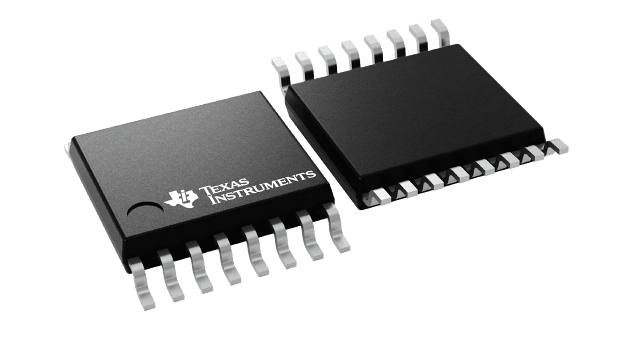
SN65C3221-Q1 Series
Automotive 3- to 5.5-V single channel 1Mbps RS-232 line driver/receiver with +/-15-kV ESD protection
Manufacturer: Texas Instruments
Catalog
Automotive 3- to 5.5-V single channel 1Mbps RS-232 line driver/receiver with +/-15-kV ESD protection
| Part | Operating Temperature [Max] | Operating Temperature [Min] | Supplier Device Package | Receiver Hysteresis | Package / Case | Package / Case [custom] | Package / Case [custom] | Type | Protocol | Mounting Type | Duplex | Data Rate | Voltage - Supply [Max] | Voltage - Supply [Min] | Package / Case [x] | Package / Case [y] | Grade | Qualification |
|---|---|---|---|---|---|---|---|---|---|---|---|---|---|---|---|---|---|---|
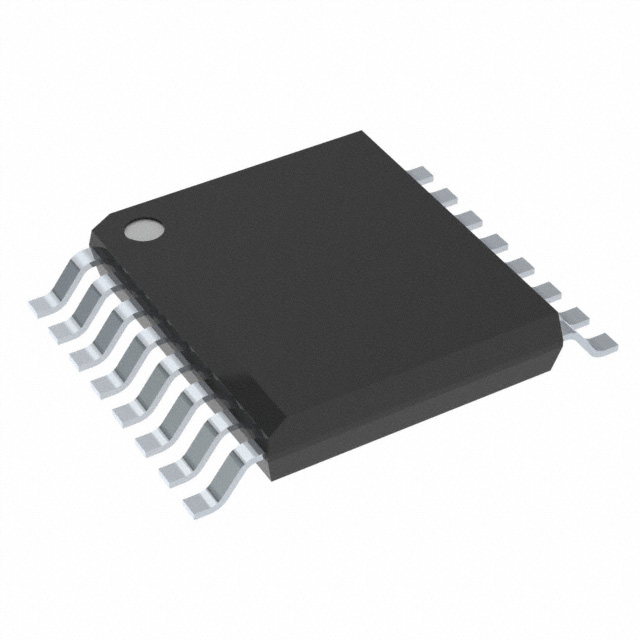 Texas Instruments | 85 °C | -40 °C | 16-SSOP | 500 mV | 16-SSOP | 0.209 in | 5.3 mm | Transceiver | RS232 | Surface Mount | Full | 1 Mbps | 5.5 V | 3 V | ||||
 Texas Instruments | 85 °C | -40 °C | 16-TSSOP | 500 mV | 16-TSSOP | Transceiver | RS232 | Surface Mount | Full | 1 Mbps | 5.5 V | 3 V | 0.173 in | 4.4 mm | ||||
Texas Instruments | 85 °C | -40 °C | 16-SSOP | 500 mV | 16-SSOP | 0.209 in | 5.3 mm | Transceiver | RS232 | Surface Mount | Full | 1 Mbps | 5.5 V | 3 V | ||||
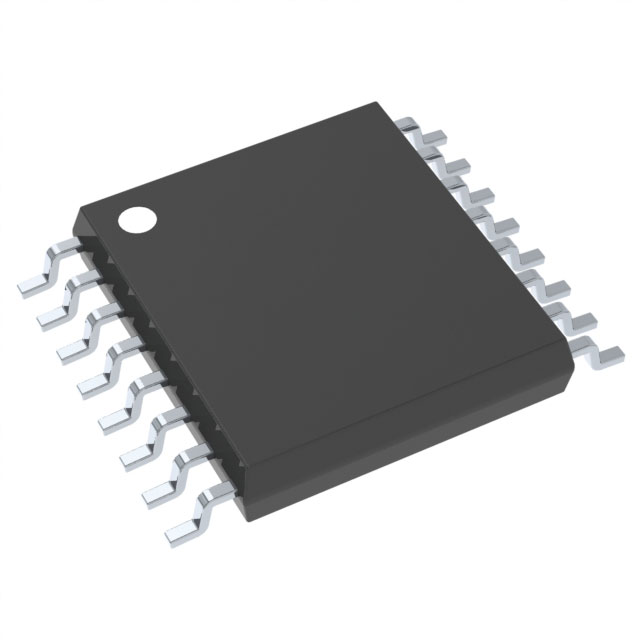 Texas Instruments | 85 °C | -40 °C | 16-TSSOP | 500 mV | 16-TSSOP | Transceiver | RS232 | Surface Mount | Full | 1 Mbps | 5.5 V | 3 V | 0.173 in | 4.4 mm | Automotive | AEC-Q100 | ||
Texas Instruments | 85 °C | -40 °C | 16-TSSOP | 500 mV | 16-TSSOP | Transceiver | RS232 | Surface Mount | Full | 1 Mbps | 5.5 V | 3 V | 0.173 in | 4.4 mm | ||||
Texas Instruments | 85 °C | -40 °C | 16-SSOP | 500 mV | 16-SSOP | 0.209 in | 5.3 mm | Transceiver | RS232 | Surface Mount | Full | 1 Mbps | 5.5 V | 3 V | ||||
Texas Instruments | 85 °C | -40 °C | 16-TSSOP | 500 mV | 16-TSSOP | Transceiver | RS232 | Surface Mount | Full | 1 Mbps | 5.5 V | 3 V | 0.173 in | 4.4 mm | ||||
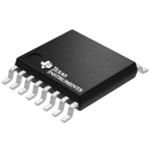 Texas Instruments | 85 °C | -40 °C | 16-TSSOP | 500 mV | 16-TSSOP | Transceiver | RS232 | Surface Mount | Full | 1 Mbps | 5.5 V | 3 V | 0.173 in | 4.4 mm |
Key Features
• Qualified for Automotive ApplicationsOperates With 3-V to 5.5-V VCC SupplyOperates Up To 1 Mbit/sLow Standby Current . . . 1 µA TypicalExternal Capacitors . . . 4 × 0.1 µFAccepts 5-V Logic Input With 3.3-V SupplyRS-232 Bus-Pin ESD Protection Exceeds ±15 kV Using Human-Body Model (HBM)Auto-Powerdown Feature Automatically Disables Drivers for Power SavingsApplicationsBattery-Powered, Hand-Held, and Portable EquipmentPDAs and Palmtop PCsNotebooks, Sub-Notebooks, and LaptopsDigital CamerasMobile Phones and Wireless DevicesQualified for Automotive ApplicationsOperates With 3-V to 5.5-V VCC SupplyOperates Up To 1 Mbit/sLow Standby Current . . . 1 µA TypicalExternal Capacitors . . . 4 × 0.1 µFAccepts 5-V Logic Input With 3.3-V SupplyRS-232 Bus-Pin ESD Protection Exceeds ±15 kV Using Human-Body Model (HBM)Auto-Powerdown Feature Automatically Disables Drivers for Power SavingsApplicationsBattery-Powered, Hand-Held, and Portable EquipmentPDAs and Palmtop PCsNotebooks, Sub-Notebooks, and LaptopsDigital CamerasMobile Phones and Wireless Devices
Description
AI
The SN65C3221E and SN75C3221E consist of one line driver, one line receiver, and a dual charge-pump circuit with ±15-kV IEC ESD protection pin to pin (serial-port connection pins, including GND). These devices provide the electrical interface between an asynchronous communication controller and the serial-port connector. The charge pump and four small external capacitors allow operation from a single 3-V to 5.5-V supply. These devices operate at data signaling rates up to 1 Mbit/s and a driver output slew rate of 24 V/µs to 150 V/µs.
Flexible control options for power management are available when the serial port is inactive. The auto-powerdown feature functions when FORCEON is low andFORCEOFFis high. During this mode of operation, if the devices do not sense a valid RS-232 signal on the receiver input, the driver output is disabled. IfFORCEOFFis set low andENis high, both the driver and receiver are shut off, and the supply current is reduced to 1 µA. Disconnecting the serial port or turning off the peripheral drivers causes the auto-powerdown condition to occur. Auto-powerdown can be disabled when FORCEON andFORCEOFFare high. With auto-powerdown enabled, the device is activated automatically when a valid signal is applied to the receiver input. TheINVALIDoutput notifies the user if an RS-232 signal is present at the receiver input.INVALIDis high (valid data) if the receiver input voltage is greater than 2.7 V or less than –2.7 V, or has been between –0.3 V and 0.3 V for less than 30 µs.INVALIDis low (invalid data) if the receiver input voltage is between –0.3 V and 0.3 V for more than 30 µs. See Figure 8-5 for receiver input levels.
spacer
The SN65C3221E and SN75C3221E consist of one line driver, one line receiver, and a dual charge-pump circuit with ±15-kV IEC ESD protection pin to pin (serial-port connection pins, including GND). These devices provide the electrical interface between an asynchronous communication controller and the serial-port connector. The charge pump and four small external capacitors allow operation from a single 3-V to 5.5-V supply. These devices operate at data signaling rates up to 1 Mbit/s and a driver output slew rate of 24 V/µs to 150 V/µs.
Flexible control options for power management are available when the serial port is inactive. The auto-powerdown feature functions when FORCEON is low andFORCEOFFis high. During this mode of operation, if the devices do not sense a valid RS-232 signal on the receiver input, the driver output is disabled. IfFORCEOFFis set low andENis high, both the driver and receiver are shut off, and the supply current is reduced to 1 µA. Disconnecting the serial port or turning off the peripheral drivers causes the auto-powerdown condition to occur. Auto-powerdown can be disabled when FORCEON andFORCEOFFare high. With auto-powerdown enabled, the device is activated automatically when a valid signal is applied to the receiver input. TheINVALIDoutput notifies the user if an RS-232 signal is present at the receiver input.INVALIDis high (valid data) if the receiver input voltage is greater than 2.7 V or less than –2.7 V, or has been between –0.3 V and 0.3 V for less than 30 µs.INVALIDis low (invalid data) if the receiver input voltage is between –0.3 V and 0.3 V for more than 30 µs. See Figure 8-5 for receiver input levels.
spacer