T
Texas Instruments
| Series | Category | # Parts | Status | Description |
|---|---|---|---|---|
| Part | Spec A | Spec B | Spec C | Spec D | Description |
|---|---|---|---|---|---|



| Series | Category | # Parts | Status | Description |
|---|---|---|---|---|
| Part | Spec A | Spec B | Spec C | Spec D | Description |
|---|---|---|---|---|---|
| Part | Category | Description |
|---|---|---|
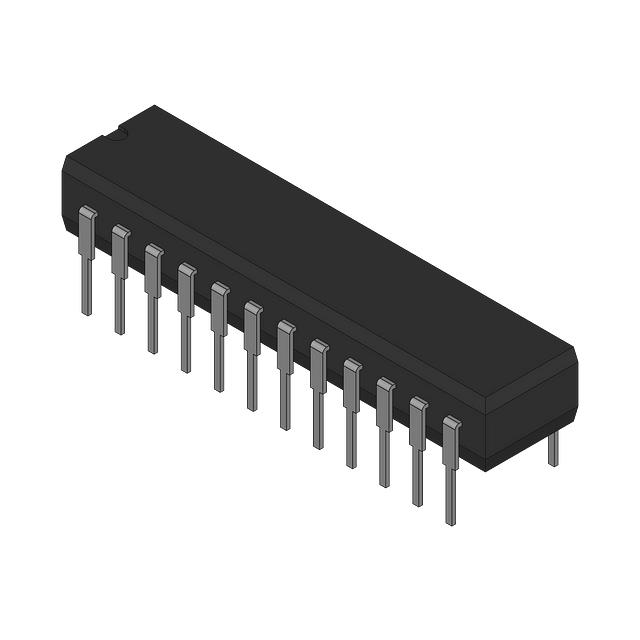 Texas Instruments | Integrated Circuits (ICs) | BUS DRIVER, BCT/FBT SERIES |
 Texas Instruments | Integrated Circuits (ICs) | 12BIT 3.3V~3.6V 210MHZ PARALLEL VQFN-48-EP(7X7) ANALOG TO DIGITAL CONVERTERS (ADC) ROHS |
Texas Instruments | Integrated Circuits (ICs) | TMX320DRE311 179PIN UBGA 200MHZ |
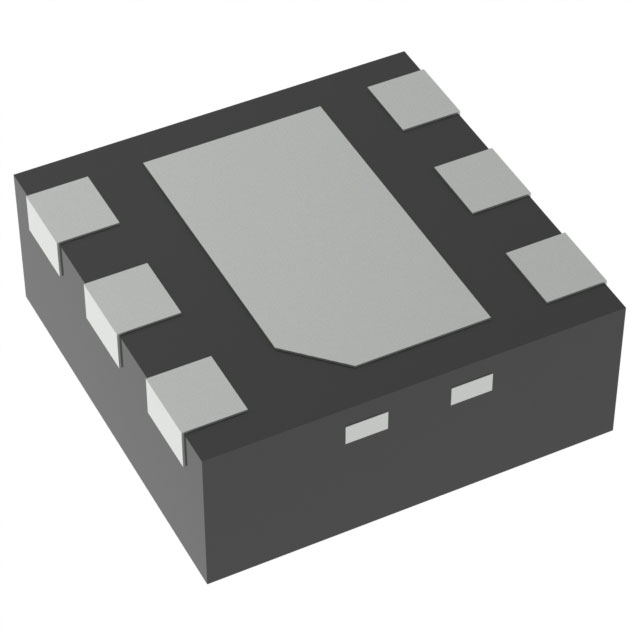 Texas Instruments TPS61040DRVTG4Unknown | Integrated Circuits (ICs) | IC LED DRV RGLTR PWM 350MA 6WSON |
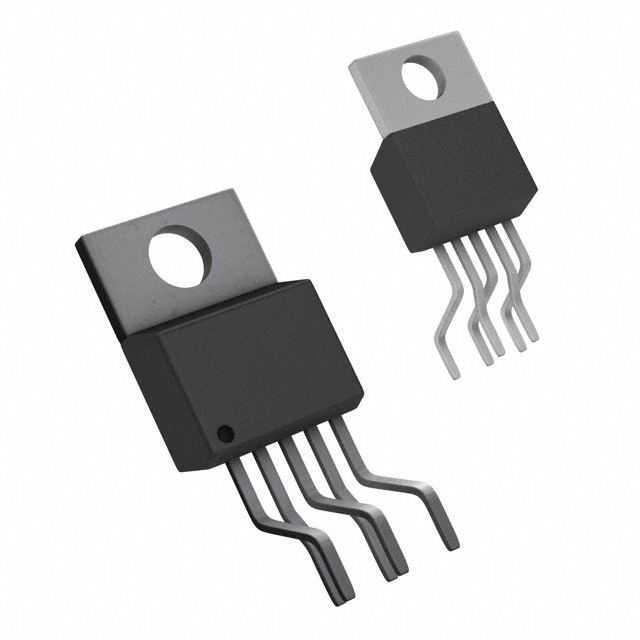 Texas Instruments LP3876ET-2.5Obsolete | Integrated Circuits (ICs) | IC REG LINEAR 2.5V 3A TO220-5 |
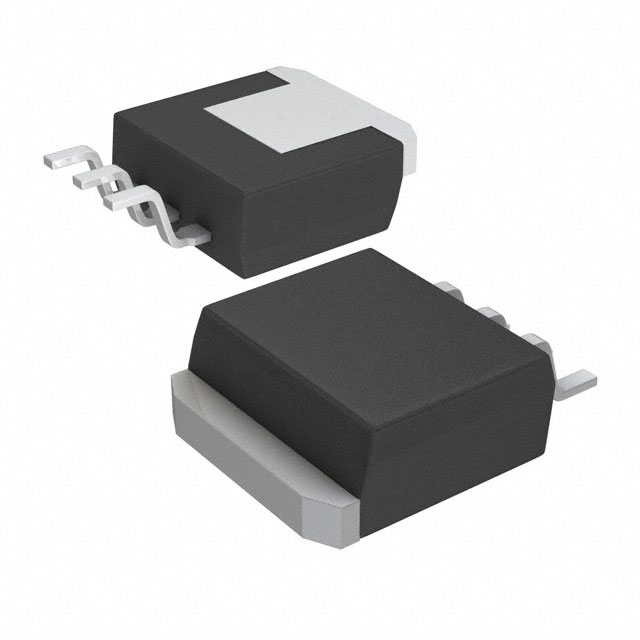 Texas Instruments LMS1585ACSX-ADJObsolete | Integrated Circuits (ICs) | IC REG LIN POS ADJ 5A DDPAK |
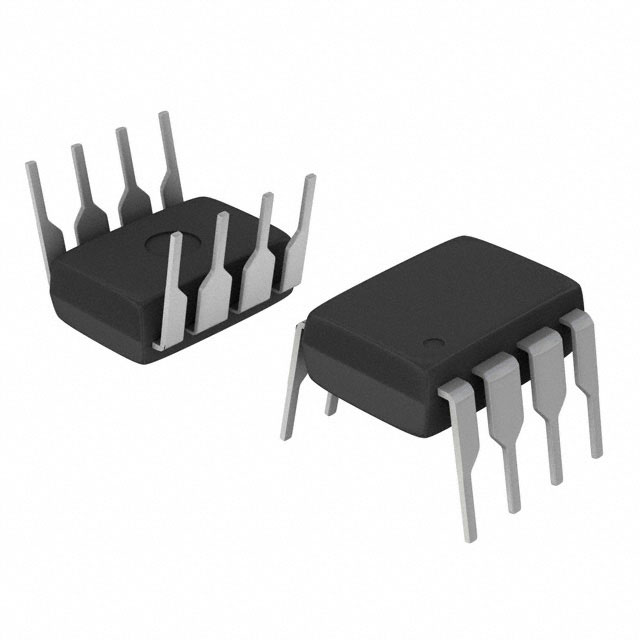 Texas Instruments INA111APG4Obsolete | Integrated Circuits (ICs) | IC INST AMP 1 CIRCUIT 8DIP |
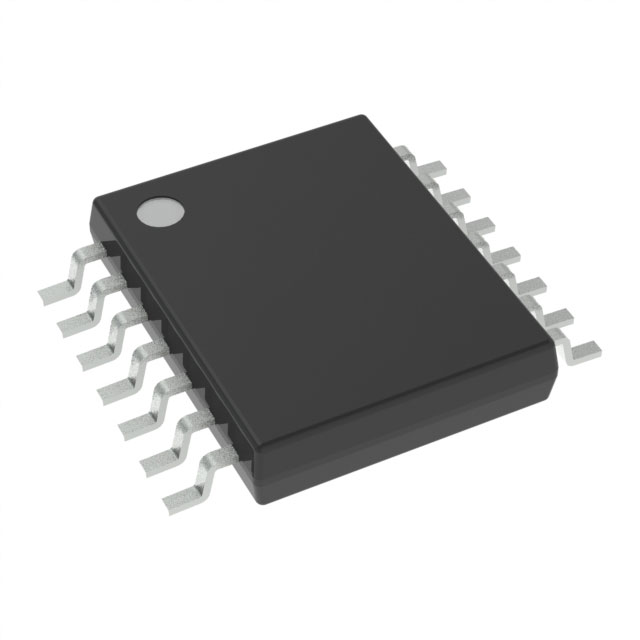 Texas Instruments | Integrated Circuits (ICs) | AUTOMOTIVE, QUAD 36V 1.2MHZ OPERATIONAL AMPLIFIER |
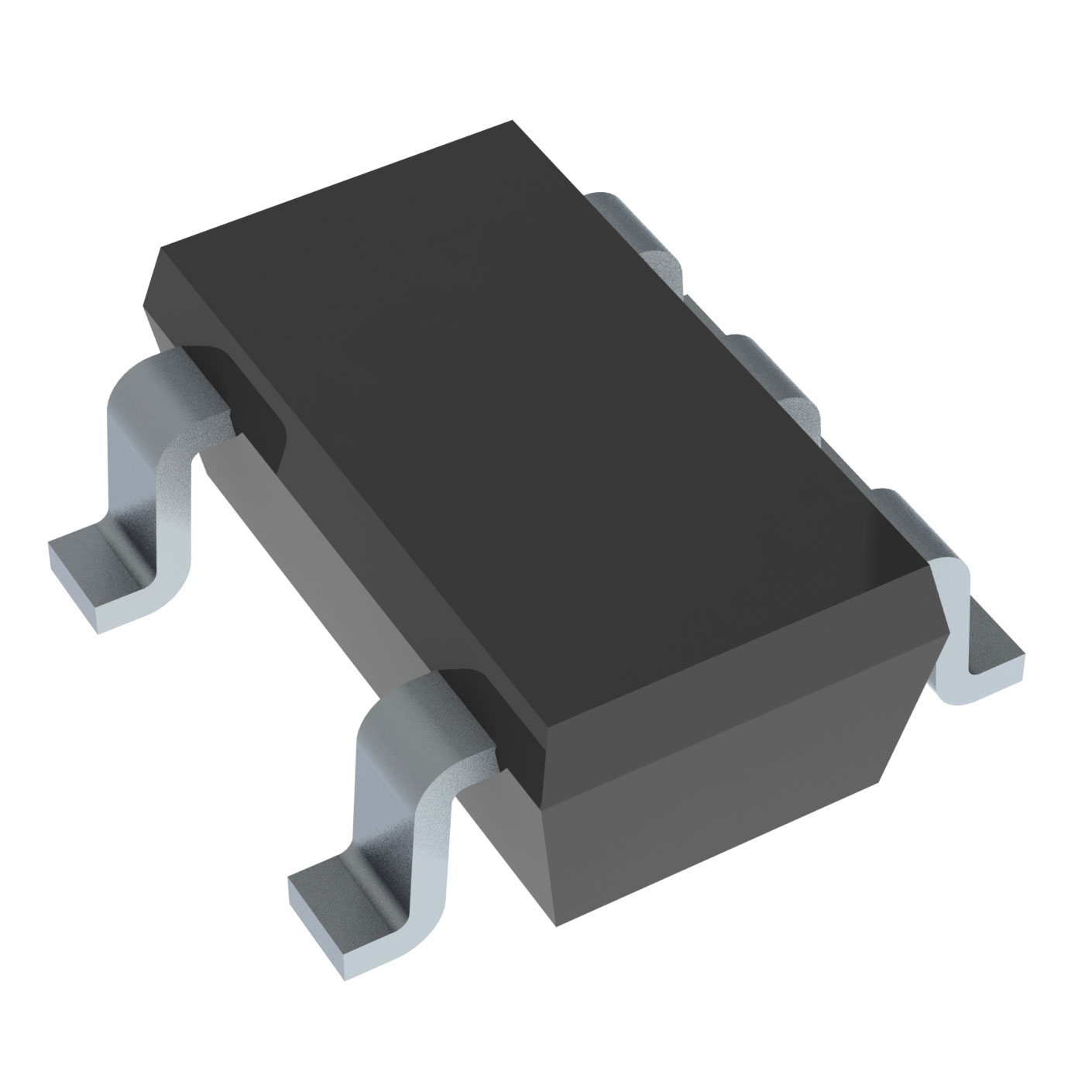 Texas Instruments OPA340NA/3KG4Unknown | Integrated Circuits (ICs) | IC OPAMP GP 1 CIRCUIT SOT23-5 |
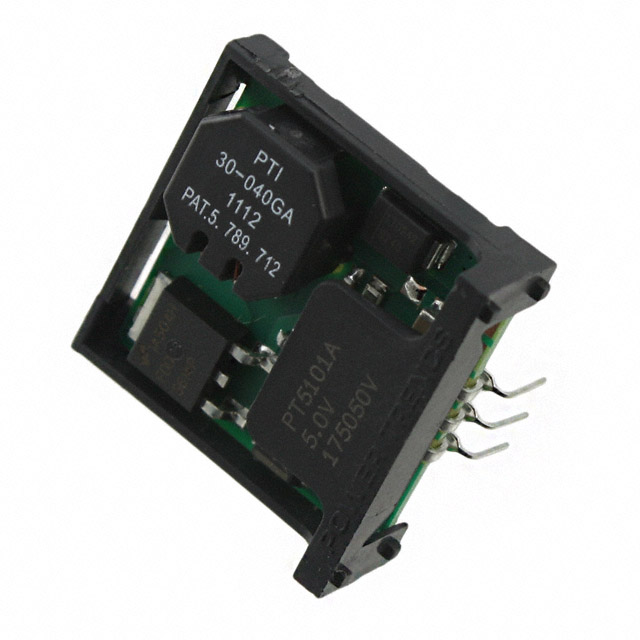 Texas Instruments PT5112AObsolete | Power Supplies - Board Mount | DC DC CONVERTER 8V 8W |
| Series | Category | # Parts | Status | Description |
|---|---|---|---|---|
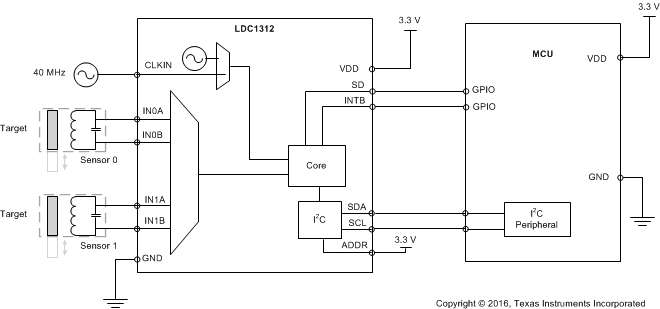
LDC1314-Q14-Ch, 12-bit, general purpose automotive inductance to digital converter | Evaluation Boards | 3 | Active | The LDC1312-Q1 and LDC1314-Q1 are 2- and 4-channel, 12-bit inductance to digital converters (LDCs) for inductive sensing solutions. With multiple channels and support for remote sensing, the LDC1312-Q1 and LDC1314-Q1 enable the performance and reliability benefits of inductive sensing to be realized at minimal cost and power. The products are easy to use, only requiring that the sensor frequency be within 1 kHz and 10 MHz to begin sensing. The wide 1 kHz to 10 MHz sensor frequency range also enables use of very small PCB coils, further reducing sensing solution cost and size.
The LDC1312-Q1 and LDC1314-Q1 offer well-matched channels, which allow for differential and ratiometric measurements. This enables designers to use one channel to compensate their sensing for environmental and aging conditions such as temperature, humidity, and mechanical drift. Given their ease of use, low power, and low system cost these products enable designers to greatly improve on existing sensing solutions and to introduce brand new sensing capabilities to products in all markets, especially consumer and industrial applications. Inductive sensing offers better performance, reliability, and flexibility than competitive sensing technologies at lower system cost and power.
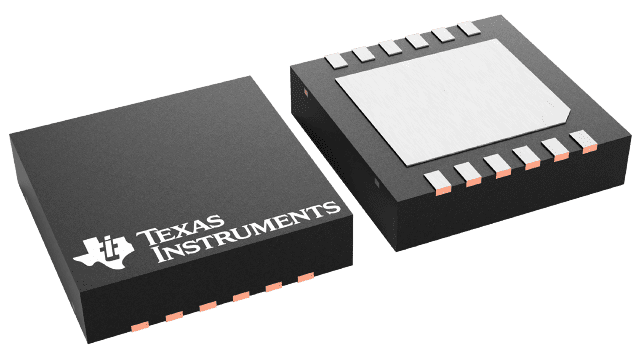
The LDC1312-Q1 and LDC1314-Q1 are easily configured via an I2C interface. The two-channel LDC1312-Q1 is available in a WSON-12 package and the four-channel LDC1314-Q1 is available in a WQFN-16 package.
The LDC1312-Q1 and LDC1314-Q1 are 2- and 4-channel, 12-bit inductance to digital converters (LDCs) for inductive sensing solutions. With multiple channels and support for remote sensing, the LDC1312-Q1 and LDC1314-Q1 enable the performance and reliability benefits of inductive sensing to be realized at minimal cost and power. The products are easy to use, only requiring that the sensor frequency be within 1 kHz and 10 MHz to begin sensing. The wide 1 kHz to 10 MHz sensor frequency range also enables use of very small PCB coils, further reducing sensing solution cost and size.
The LDC1312-Q1 and LDC1314-Q1 offer well-matched channels, which allow for differential and ratiometric measurements. This enables designers to use one channel to compensate their sensing for environmental and aging conditions such as temperature, humidity, and mechanical drift. Given their ease of use, low power, and low system cost these products enable designers to greatly improve on existing sensing solutions and to introduce brand new sensing capabilities to products in all markets, especially consumer and industrial applications. Inductive sensing offers better performance, reliability, and flexibility than competitive sensing technologies at lower system cost and power.
The LDC1312-Q1 and LDC1314-Q1 are easily configured via an I2C interface. The two-channel LDC1312-Q1 is available in a WSON-12 package and the four-channel LDC1314-Q1 is available in a WQFN-16 package. |
LDC1612-Q12-Ch, 28-bit, high-resolution automotive inductance to digital converter | Development Boards, Kits, Programmers | 5 | Active | The LDC1612-Q1 and LDC1614-Q1 are 2- and 4-channel, 28-bit inductance to digital converters (LDCs) for inductive sensing solutions. With multiple channels and support for remote sensing, the LDC1612-Q1 and LDC1614-Q1 enable the performance and reliability benefits of inductive sensing to be realized at minimal cost and power. The products are easy to use, only requiring that the sensor frequency be within 1 kHz and 10 MHz to begin sensing. The wide 1 kHz to 10 MHz sensor frequency range also enables use of very small PCB coils, further reducing sensing solution cost and size.
The high resolution channels allow for a much larger sensing range, maintaining good performance beyond two coil diameters. Well-matched channels allow for differential and ratiometric measurements, which enable designers to use one channel to compensate their sensing for environmental and aging conditions such as temperature, humidity, and mechanical drift.
Given their ease of use, low power, and low system cost these products enable designers to greatly improve performance, reliability, and flexibility over existing sensing solutions and to introduce brand new sensing capabilities to products in all markets, especially consumer and industrial applications.
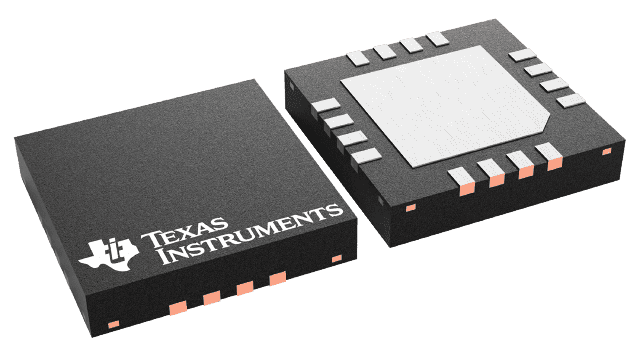
These devices are easily configured via an I2C interface. The two-channel LDC1612-Q1 is available in a WSON- 12 package and the four-channel LDC1614-Q1 is available in a WQFN-16 package.
The LDC1612-Q1 and LDC1614-Q1 are 2- and 4-channel, 28-bit inductance to digital converters (LDCs) for inductive sensing solutions. With multiple channels and support for remote sensing, the LDC1612-Q1 and LDC1614-Q1 enable the performance and reliability benefits of inductive sensing to be realized at minimal cost and power. The products are easy to use, only requiring that the sensor frequency be within 1 kHz and 10 MHz to begin sensing. The wide 1 kHz to 10 MHz sensor frequency range also enables use of very small PCB coils, further reducing sensing solution cost and size.
The high resolution channels allow for a much larger sensing range, maintaining good performance beyond two coil diameters. Well-matched channels allow for differential and ratiometric measurements, which enable designers to use one channel to compensate their sensing for environmental and aging conditions such as temperature, humidity, and mechanical drift.
Given their ease of use, low power, and low system cost these products enable designers to greatly improve performance, reliability, and flexibility over existing sensing solutions and to introduce brand new sensing capabilities to products in all markets, especially consumer and industrial applications.
These devices are easily configured via an I2C interface. The two-channel LDC1612-Q1 is available in a WSON- 12 package and the four-channel LDC1614-Q1 is available in a WQFN-16 package. |
LDC1614-Q14-Ch, 28-bit, high-resolution automotive inductance to digital converter | ADCs/DACs - Special Purpose | 3 | Active | The LDC1612-Q1 and LDC1614-Q1 are 2- and 4-channel, 28-bit inductance to digital converters (LDCs) for inductive sensing solutions. With multiple channels and support for remote sensing, the LDC1612-Q1 and LDC1614-Q1 enable the performance and reliability benefits of inductive sensing to be realized at minimal cost and power. The products are easy to use, only requiring that the sensor frequency be within 1 kHz and 10 MHz to begin sensing. The wide 1 kHz to 10 MHz sensor frequency range also enables use of very small PCB coils, further reducing sensing solution cost and size.
The high resolution channels allow for a much larger sensing range, maintaining good performance beyond two coil diameters. Well-matched channels allow for differential and ratiometric measurements, which enable designers to use one channel to compensate their sensing for environmental and aging conditions such as temperature, humidity, and mechanical drift.
Given their ease of use, low power, and low system cost these products enable designers to greatly improve performance, reliability, and flexibility over existing sensing solutions and to introduce brand new sensing capabilities to products in all markets, especially consumer and industrial applications.
These devices are easily configured via an I2C interface. The two-channel LDC1612-Q1 is available in a WSON- 12 package and the four-channel LDC1614-Q1 is available in a WQFN-16 package.
The LDC1612-Q1 and LDC1614-Q1 are 2- and 4-channel, 28-bit inductance to digital converters (LDCs) for inductive sensing solutions. With multiple channels and support for remote sensing, the LDC1612-Q1 and LDC1614-Q1 enable the performance and reliability benefits of inductive sensing to be realized at minimal cost and power. The products are easy to use, only requiring that the sensor frequency be within 1 kHz and 10 MHz to begin sensing. The wide 1 kHz to 10 MHz sensor frequency range also enables use of very small PCB coils, further reducing sensing solution cost and size.
The high resolution channels allow for a much larger sensing range, maintaining good performance beyond two coil diameters. Well-matched channels allow for differential and ratiometric measurements, which enable designers to use one channel to compensate their sensing for environmental and aging conditions such as temperature, humidity, and mechanical drift.
Given their ease of use, low power, and low system cost these products enable designers to greatly improve performance, reliability, and flexibility over existing sensing solutions and to introduce brand new sensing capabilities to products in all markets, especially consumer and industrial applications.
These devices are easily configured via an I2C interface. The two-channel LDC1612-Q1 is available in a WSON- 12 package and the four-channel LDC1614-Q1 is available in a WQFN-16 package. |
LDC21122-Ch inductance to digital converter with baseline tracking for low power touch buttons | ADCs/DACs - Special Purpose | 3 | Active | Inductive sensing technology enables touch button design for human machine interface (HMI) on a wide variety of materials such as metal, glass, plastic, and wood, by measuring small deflections of conductive targets. The sensor for an inductive touch system is a coil that can be implemented on a small PCB located behind the panel and protected from the environment. Inductive sensing solution is insensitive to humidity or non-conductive contaminants such as oil and dirt. It is able to automatically correct for any deformation in the conductive targets.
The LDC2112/LDC2114 is a multi-channel low-noise inductance to digital converter with integrated algorithms to implement inductive touch applications. The device employs an innovative LC resonator that offers high rejection of noise and interference. The LDC2112/LDC2114 can reliably detect material deflections of less than 200 nm.
The LDC2112/LDC2114 includes an ultra-low power mode intended for power on/off buttons in battery powered applications.
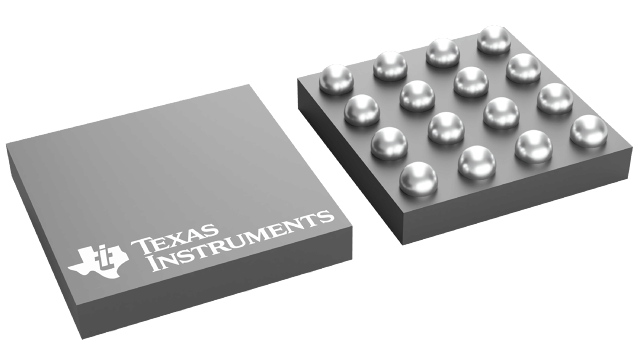
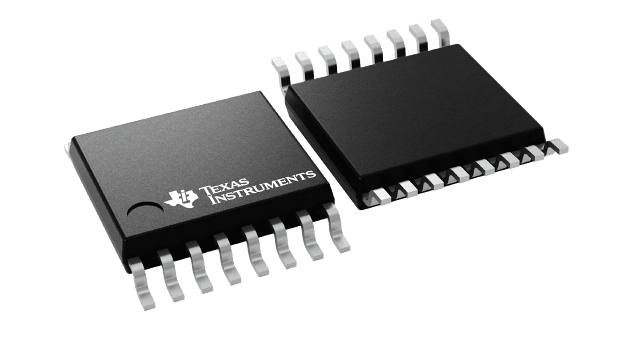
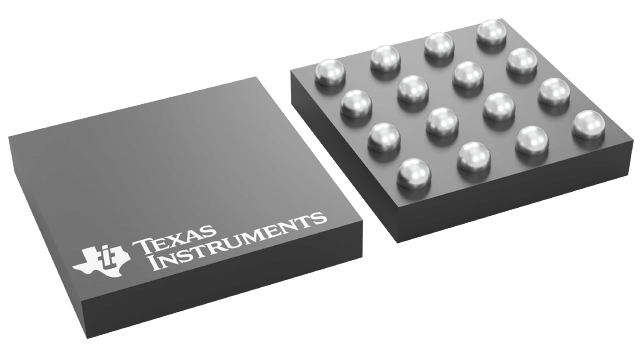
The LDC2112/LDC2114 is available in a 16-pin DSBGA or TSSOP package. The 0.4 mm pitch DSBGA package has a very small 1.6 × 1.6 mm nominal body size with a maximum height of 0.4 mm. The 0.65 mm pitch TSSOP package has a 5.0 × 4.4 mm nominal body size with a maximum height of 1.2 mm.
Inductive sensing technology enables touch button design for human machine interface (HMI) on a wide variety of materials such as metal, glass, plastic, and wood, by measuring small deflections of conductive targets. The sensor for an inductive touch system is a coil that can be implemented on a small PCB located behind the panel and protected from the environment. Inductive sensing solution is insensitive to humidity or non-conductive contaminants such as oil and dirt. It is able to automatically correct for any deformation in the conductive targets.
The LDC2112/LDC2114 is a multi-channel low-noise inductance to digital converter with integrated algorithms to implement inductive touch applications. The device employs an innovative LC resonator that offers high rejection of noise and interference. The LDC2112/LDC2114 can reliably detect material deflections of less than 200 nm.
The LDC2112/LDC2114 includes an ultra-low power mode intended for power on/off buttons in battery powered applications.
The LDC2112/LDC2114 is available in a 16-pin DSBGA or TSSOP package. The 0.4 mm pitch DSBGA package has a very small 1.6 × 1.6 mm nominal body size with a maximum height of 0.4 mm. The 0.65 mm pitch TSSOP package has a 5.0 × 4.4 mm nominal body size with a maximum height of 1.2 mm. |
LDC21144-Ch inductance to digital converter with baseline tracking for low power touch buttons | Evaluation and Demonstration Boards and Kits | 4 | Active | Inductive sensing technology enables touch button design for human machine interface (HMI) on a wide variety of materials such as metal, glass, plastic, and wood, by measuring small deflections of conductive targets. The sensor for an inductive touch system is a coil that can be implemented on a small PCB located behind the panel and protected from the environment. Inductive sensing solution is insensitive to humidity or non-conductive contaminants such as oil and dirt. It is able to automatically correct for any deformation in the conductive targets.
The LDC2112/LDC2114 is a multi-channel low-noise inductance to digital converter with integrated algorithms to implement inductive touch applications. The device employs an innovative LC resonator that offers high rejection of noise and interference. The LDC2112/LDC2114 can reliably detect material deflections of less than 200 nm.
The LDC2112/LDC2114 includes an ultra-low power mode intended for power on/off buttons in battery powered applications.
The LDC2112/LDC2114 is available in a 16-pin DSBGA or TSSOP package. The 0.4 mm pitch DSBGA package has a very small 1.6 × 1.6 mm nominal body size with a maximum height of 0.4 mm. The 0.65 mm pitch TSSOP package has a 5.0 × 4.4 mm nominal body size with a maximum height of 1.2 mm.
Inductive sensing technology enables touch button design for human machine interface (HMI) on a wide variety of materials such as metal, glass, plastic, and wood, by measuring small deflections of conductive targets. The sensor for an inductive touch system is a coil that can be implemented on a small PCB located behind the panel and protected from the environment. Inductive sensing solution is insensitive to humidity or non-conductive contaminants such as oil and dirt. It is able to automatically correct for any deformation in the conductive targets.
The LDC2112/LDC2114 is a multi-channel low-noise inductance to digital converter with integrated algorithms to implement inductive touch applications. The device employs an innovative LC resonator that offers high rejection of noise and interference. The LDC2112/LDC2114 can reliably detect material deflections of less than 200 nm.
The LDC2112/LDC2114 includes an ultra-low power mode intended for power on/off buttons in battery powered applications.
The LDC2112/LDC2114 is available in a 16-pin DSBGA or TSSOP package. The 0.4 mm pitch DSBGA package has a very small 1.6 × 1.6 mm nominal body size with a maximum height of 0.4 mm. The 0.65 mm pitch TSSOP package has a 5.0 × 4.4 mm nominal body size with a maximum height of 1.2 mm. |
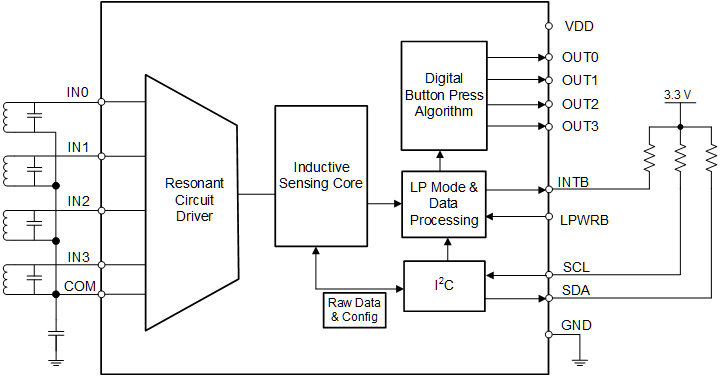
LDC31144-channel inductance-to-digital converter for low-power proximity and touch-button sensing | ADCs/DACs - Special Purpose | 1 | Active | The LDC3114 is an inductive sensing device that enables touch button design for human machine interface (HMI) on a wide variety of materials by measuring small deflections of conductive targets using a coil that can be implemented on a small printed circuit board (PCB) located behind the panel. This technology can be used for precise linear position sensing of metal targets for automotive, consumer and industrial applications by allowing access to the raw data representing the inductance value. Inductive sensing solution is insensitive to humidity or non-conductive contaminants such as oil and dirt.
The button mode of LDC3114 is able to automatically correct for any deformation in the conductive targets. The LDC3114 offers well-matched channels, which allow for differential and ratiometric measurements which enable compensation of environmental and aging conditions such as temperature and mechanical drift. The LDC3114 includes an ultra-low power mode intended for power on/off buttons or position sensors in battery powered applications.
The LDC3114 is easily configured through an I2C interface. The LDC3114 is available in a 16-pin TSSOP package.
The LDC3114 is an inductive sensing device that enables touch button design for human machine interface (HMI) on a wide variety of materials by measuring small deflections of conductive targets using a coil that can be implemented on a small printed circuit board (PCB) located behind the panel. This technology can be used for precise linear position sensing of metal targets for automotive, consumer and industrial applications by allowing access to the raw data representing the inductance value. Inductive sensing solution is insensitive to humidity or non-conductive contaminants such as oil and dirt.
The button mode of LDC3114 is able to automatically correct for any deformation in the conductive targets. The LDC3114 offers well-matched channels, which allow for differential and ratiometric measurements which enable compensation of environmental and aging conditions such as temperature and mechanical drift. The LDC3114 includes an ultra-low power mode intended for power on/off buttons or position sensors in battery powered applications.
The LDC3114 is easily configured through an I2C interface. The LDC3114 is available in a 16-pin TSSOP package. |
LDC3114-Q1Automotive 4-channel inductance-to-digital converter for low-power proximity & touch-button sensing | ADCs/DACs - Special Purpose | 2 | Active | The LDC3114-Q1 is an inductive sensing device that enables touch button design for human machine interface (HMI) on a wide variety of materials by measuring small deflections of conductive targets using a coil that can be implemented on a small printed circuit board (PCB) located behind the panel. This technology can be used for precise linear position sensing of metal targets for automotive, consumer and industrial applications by allowing access to the raw data representing the inductance value. Inductive sensing solution is insensitive to humidity or non-conductive contaminants such as oil and dirt.
The button mode of LDC3114-Q1 is able to automatically correct for any deformation in the conductive targets. The LDC3114-Q1 offers well-matched channels, which allow for differential and ratiometric measurements which enable compensation of environmental and aging conditions such as temperature and mechanical drift. The LDC3114-Q1 includes an ultra-low power mode intended for power on/off buttons or position sensors in battery powered applications.
The LDC3114-Q1 is easily configured through an I2C interface. The LDC3114-Q1 is available in a 16-pin TSSOP package.
The LDC3114-Q1 is an inductive sensing device that enables touch button design for human machine interface (HMI) on a wide variety of materials by measuring small deflections of conductive targets using a coil that can be implemented on a small printed circuit board (PCB) located behind the panel. This technology can be used for precise linear position sensing of metal targets for automotive, consumer and industrial applications by allowing access to the raw data representing the inductance value. Inductive sensing solution is insensitive to humidity or non-conductive contaminants such as oil and dirt.
The button mode of LDC3114-Q1 is able to automatically correct for any deformation in the conductive targets. The LDC3114-Q1 offers well-matched channels, which allow for differential and ratiometric measurements which enable compensation of environmental and aging conditions such as temperature and mechanical drift. The LDC3114-Q1 includes an ultra-low power mode intended for power on/off buttons or position sensors in battery powered applications.
The LDC3114-Q1 is easily configured through an I2C interface. The LDC3114-Q1 is available in a 16-pin TSSOP package. |
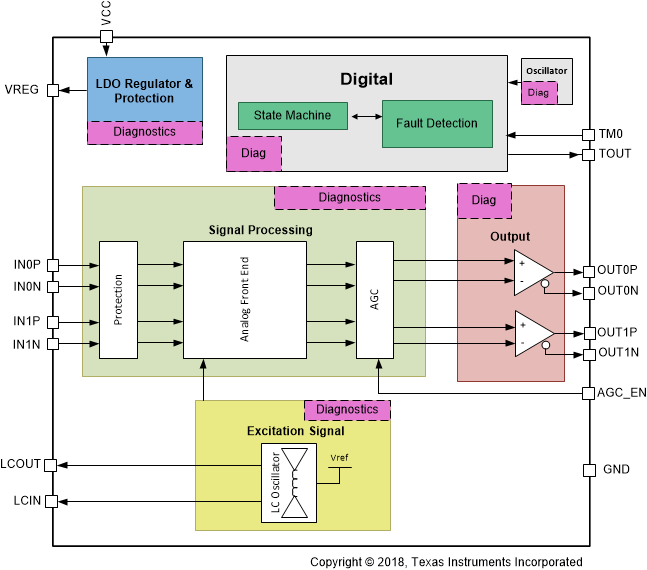
LDC5071-Q1Automotive inductive position sensor AFE with sine/cosine interface | Sensors, Transducers | 1 | Active | LDC5071-Q1 is a high-speed and accurate inductive sensor used for measuring absolute linear and rotary position in automotive and industrial applications. The device is designed to interface to three inductive sensing coils that are typically on the printed circuit board. One of the coils is connected to the exciter circuit of the LDC5071-Q1 and acts as a transmitter, and the other two secondary coils are used as receivers. The transmitter coil induces a voltage in the secondary coils, which is a function of the conductive target above the sensor coils. The demodulated signals which are produced during LDC5071-Q1 operation are then provided through the differential signal path with sine and cosine outputs.
The LDC5071-Q1 has multiple supply options, 5-V or 3.3-V, to suit different design options and can be connected to a microcontroller to calculate the rotary angle. The manual and automatic gain control (AGC) of the LDC5071-Q1 can be used to control and maximize the dynamic range of the outputs.
The device offers robust protection features to support and monitor signals and overall device operation for a seamless systems protection. The LDC5071-Q1 supports overvoltage, reverse battery and current protection on short to high voltage on output pins. In addition, the device provides immunity against motor noise and can filter out-of-band low- and high-frequency noise.
LDC5071-Q1 is a high-speed and accurate inductive sensor used for measuring absolute linear and rotary position in automotive and industrial applications. The device is designed to interface to three inductive sensing coils that are typically on the printed circuit board. One of the coils is connected to the exciter circuit of the LDC5071-Q1 and acts as a transmitter, and the other two secondary coils are used as receivers. The transmitter coil induces a voltage in the secondary coils, which is a function of the conductive target above the sensor coils. The demodulated signals which are produced during LDC5071-Q1 operation are then provided through the differential signal path with sine and cosine outputs.
The LDC5071-Q1 has multiple supply options, 5-V or 3.3-V, to suit different design options and can be connected to a microcontroller to calculate the rotary angle. The manual and automatic gain control (AGC) of the LDC5071-Q1 can be used to control and maximize the dynamic range of the outputs.
The device offers robust protection features to support and monitor signals and overall device operation for a seamless systems protection. The LDC5071-Q1 supports overvoltage, reverse battery and current protection on short to high voltage on output pins. In addition, the device provides immunity against motor noise and can filter out-of-band low- and high-frequency noise. |
LDC5072-Q1Automotive inductive position sensor front end with sine/cosine interface | Unclassified | 1 | Obsolete | The LDC5072-Q1 IC is an analog front-end for contact-less, inductive position sensors targeted for absolute rotary position in automotive and industrial applications. The LDC5072-Q1 excites a coil that is typically printed on a printed circuit board (PCB). The excitation is coupled back into two sets of receiver coils on the same PCB using a conductive target that is placed in close proximity of the PCB. The conductive target can also be a pattern printed on another PCB. The coil PCB stays stationary and the target moves with the motor, actuator, or valve. The excitation coil generates a secondary voltage on the receiver coils depending on the position of the target relative to the receiver coils. A signal representation of the position is obtained by reading in the voltages from the receiver coils, processing it, and giving analog outputs representing the Sine and Cosine components of the position of the target.
The LDC5072-Q1 IC is an analog front-end for contact-less, inductive position sensors targeted for absolute rotary position in automotive and industrial applications. The LDC5072-Q1 excites a coil that is typically printed on a printed circuit board (PCB). The excitation is coupled back into two sets of receiver coils on the same PCB using a conductive target that is placed in close proximity of the PCB. The conductive target can also be a pattern printed on another PCB. The coil PCB stays stationary and the target moves with the motor, actuator, or valve. The excitation coil generates a secondary voltage on the receiver coils depending on the position of the target relative to the receiver coils. A signal representation of the position is obtained by reading in the voltages from the receiver coils, processing it, and giving analog outputs representing the Sine and Cosine components of the position of the target. |
| Accessories | 1 | Active | ||