T
Texas Instruments
| Series | Category | # Parts | Status | Description |
|---|---|---|---|---|
| Part | Spec A | Spec B | Spec C | Spec D | Description |
|---|---|---|---|---|---|



| Series | Category | # Parts | Status | Description |
|---|---|---|---|---|
| Part | Spec A | Spec B | Spec C | Spec D | Description |
|---|---|---|---|---|---|
| Part | Category | Description |
|---|---|---|
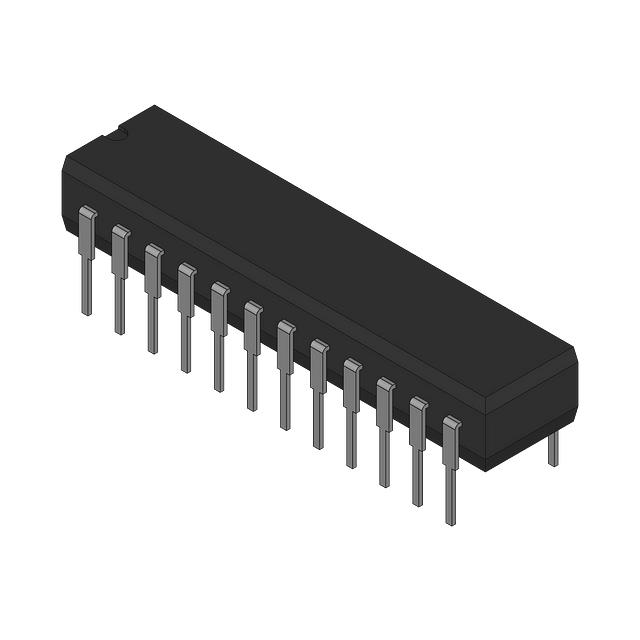 Texas Instruments | Integrated Circuits (ICs) | BUS DRIVER, BCT/FBT SERIES |
 Texas Instruments | Integrated Circuits (ICs) | 12BIT 3.3V~3.6V 210MHZ PARALLEL VQFN-48-EP(7X7) ANALOG TO DIGITAL CONVERTERS (ADC) ROHS |
Texas Instruments | Integrated Circuits (ICs) | TMX320DRE311 179PIN UBGA 200MHZ |
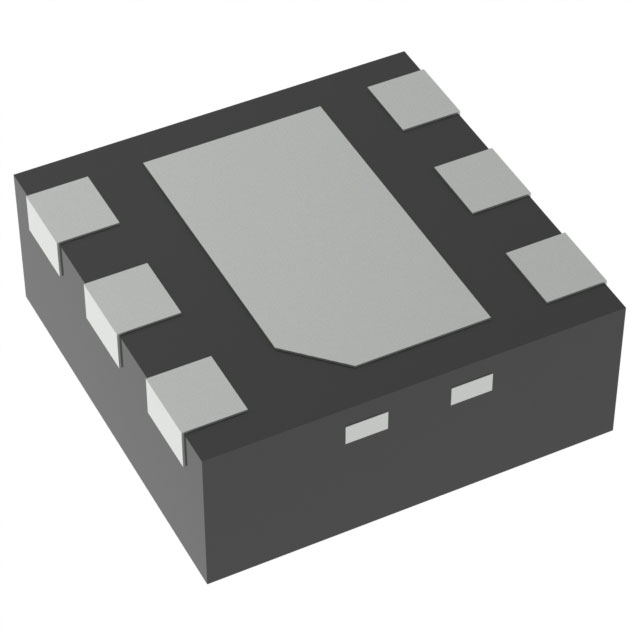 Texas Instruments TPS61040DRVTG4Unknown | Integrated Circuits (ICs) | IC LED DRV RGLTR PWM 350MA 6WSON |
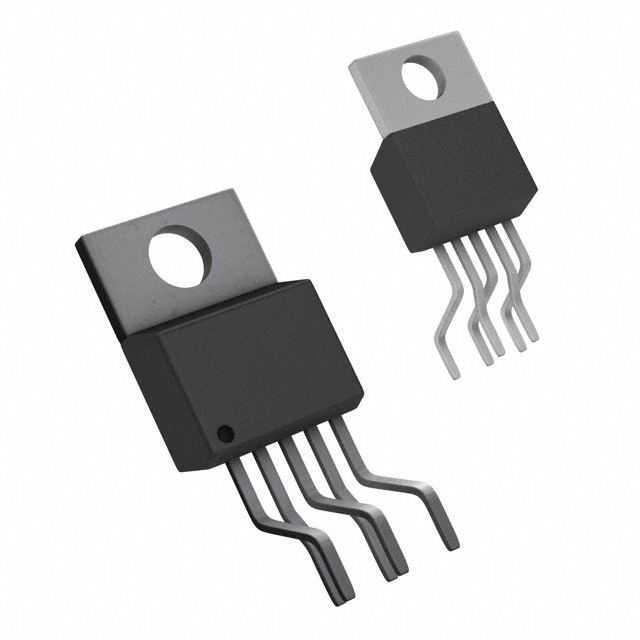 Texas Instruments LP3876ET-2.5Obsolete | Integrated Circuits (ICs) | IC REG LINEAR 2.5V 3A TO220-5 |
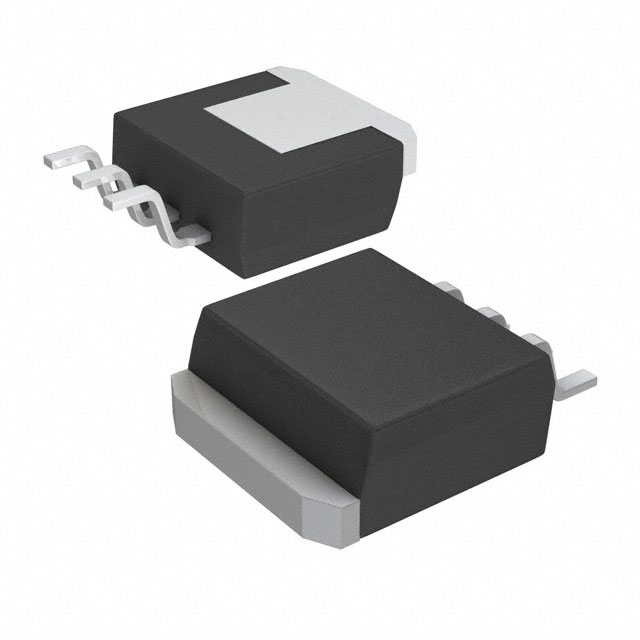 Texas Instruments LMS1585ACSX-ADJObsolete | Integrated Circuits (ICs) | IC REG LIN POS ADJ 5A DDPAK |
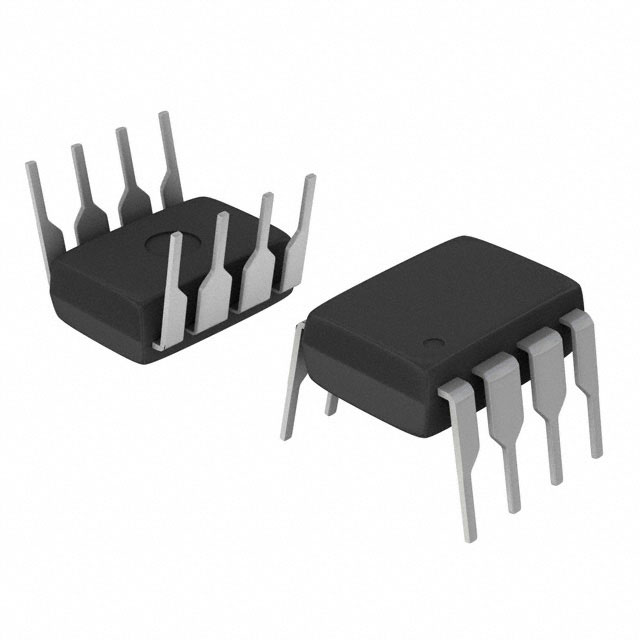 Texas Instruments INA111APG4Obsolete | Integrated Circuits (ICs) | IC INST AMP 1 CIRCUIT 8DIP |
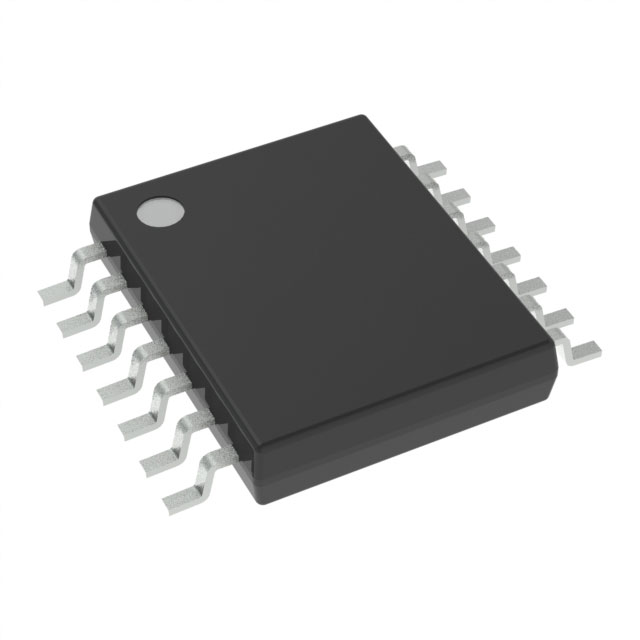 Texas Instruments | Integrated Circuits (ICs) | AUTOMOTIVE, QUAD 36V 1.2MHZ OPERATIONAL AMPLIFIER |
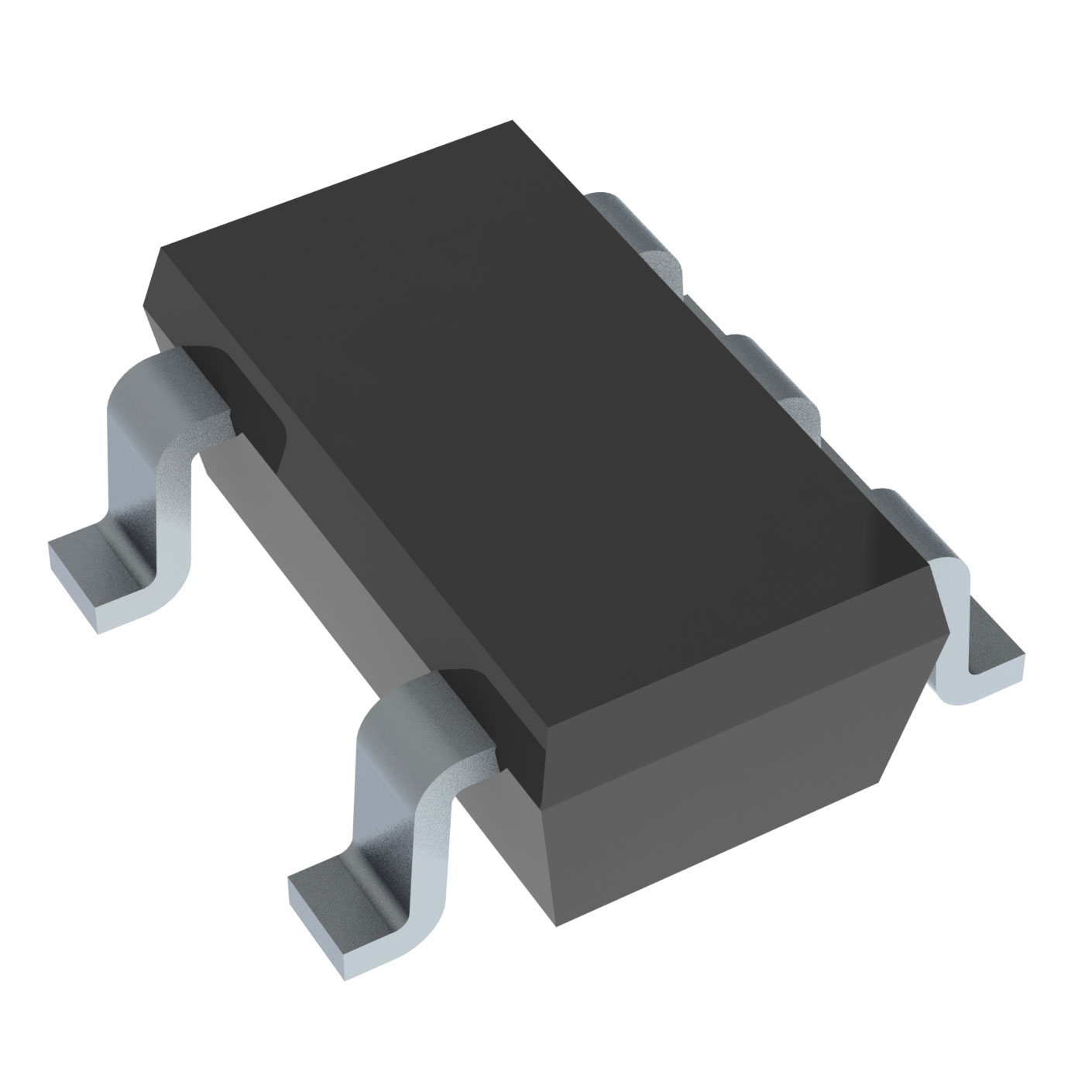 Texas Instruments OPA340NA/3KG4Unknown | Integrated Circuits (ICs) | IC OPAMP GP 1 CIRCUIT SOT23-5 |
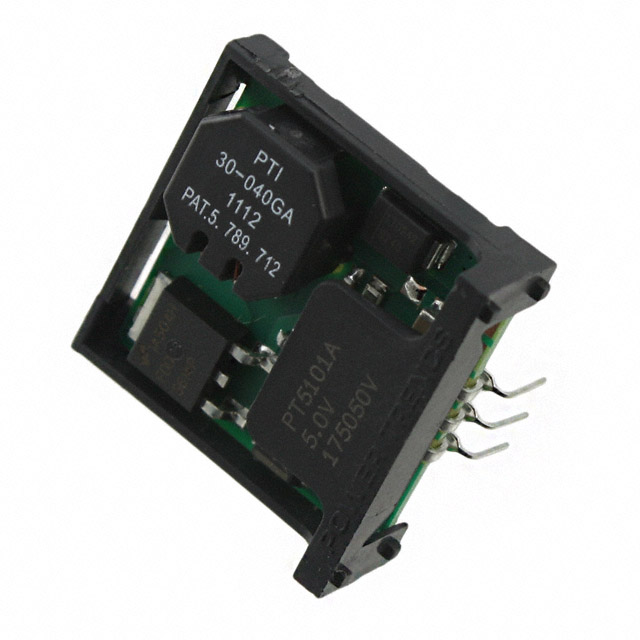 Texas Instruments PT5112AObsolete | Power Supplies - Board Mount | DC DC CONVERTER 8V 8W |
| Series | Category | # Parts | Status | Description |
|---|---|---|---|---|
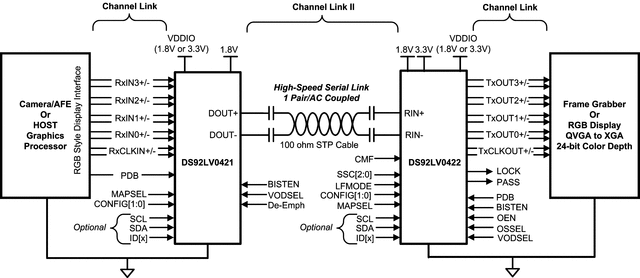
DS92LV042210 - 75 MHz Channel Link II Deserializer with LVDS Parallel Interface | Interface | 1 | Active | The DS92LV042x chipset translates a Channel Link LVDS video interface (4 LVDS Data + LVDS Clock) into a high-speed serialized interface over a single CML pair. The DS92LV042x enables applications currently using popular Channel Link or OpenLDI LVDS style devices to upgrade seamlessly to an embedded clock interface. This serial bus scheme reduces interconnect cost and eases design challenges. The parallel OpenLDI LVDS interface also reduces FPGA I/O pins, board trace count, and alleviates EMI issues when compared to traditional single-ended wide bus interfaces.
Programmable transmit de-emphasis, receive equalization, on-chip scrambling, and DC-balancing enables longer distance transmission over lossy cables and backplanes. The DS92LV0422 automatically locks to incoming data without an external reference clock or special sync patterns, providing easy operation.
The DS92LV042x chipset is programmable through an I2C interface as well as through pins. A built-in, at-speed BIST feature validates link integrity and may be used for system diagnostics. The DS92LV0421 and DS92LV0422 can be used interchangeably with the DS92LV2421 or DS92LV2422. This allows designers the flexibility to connect to the host device and receiving devices with different interface types: LVDS or LVCMOS.
The DS92LV042x chipset translates a Channel Link LVDS video interface (4 LVDS Data + LVDS Clock) into a high-speed serialized interface over a single CML pair. The DS92LV042x enables applications currently using popular Channel Link or OpenLDI LVDS style devices to upgrade seamlessly to an embedded clock interface. This serial bus scheme reduces interconnect cost and eases design challenges. The parallel OpenLDI LVDS interface also reduces FPGA I/O pins, board trace count, and alleviates EMI issues when compared to traditional single-ended wide bus interfaces.
Programmable transmit de-emphasis, receive equalization, on-chip scrambling, and DC-balancing enables longer distance transmission over lossy cables and backplanes. The DS92LV0422 automatically locks to incoming data without an external reference clock or special sync patterns, providing easy operation.
The DS92LV042x chipset is programmable through an I2C interface as well as through pins. A built-in, at-speed BIST feature validates link integrity and may be used for system diagnostics. The DS92LV0421 and DS92LV0422 can be used interchangeably with the DS92LV2421 or DS92LV2422. This allows designers the flexibility to connect to the host device and receiving devices with different interface types: LVDS or LVCMOS. |
DS92LV090A9-channel bus LVDS transceiver | Interface | 1 | Active | The DS92LV090A is one in a series of Bus LVDS transceivers designed specifically for the high speed, low power proprietary backplane or cable interfaces. The device operates from a single 3.3V power supply and includes nine differential line drivers and nine receivers. To minimize bus loading, the driver outputs and receiver inputs are internally connected. The separate I/O of the logic side allows for loop back support. The device also features a flow through pin out which allows easy PCB routing for short stubs between its pins and the connector.
The driver translates 3V TTL levels (single-ended) to differential Bus LVDS (BLVDS) output levels. This allows for high speed operation, while consuming minimal power with reduced EMI. In addition, the differential signaling provides common mode noise rejection of ±1V.
The receiver threshold is less than ±100 mV over a ±1V common mode range and translates the differential Bus LVDS to standard (TTL/CMOS) levels. (See Section for more details.)
The DS92LV090A is one in a series of Bus LVDS transceivers designed specifically for the high speed, low power proprietary backplane or cable interfaces. The device operates from a single 3.3V power supply and includes nine differential line drivers and nine receivers. To minimize bus loading, the driver outputs and receiver inputs are internally connected. The separate I/O of the logic side allows for loop back support. The device also features a flow through pin out which allows easy PCB routing for short stubs between its pins and the connector.
The driver translates 3V TTL levels (single-ended) to differential Bus LVDS (BLVDS) output levels. This allows for high speed operation, while consuming minimal power with reduced EMI. In addition, the differential signaling provides common mode noise rejection of ±1V.
The receiver threshold is less than ±100 mV over a ±1V common mode range and translates the differential Bus LVDS to standard (TTL/CMOS) levels. (See Section for more details.) |
| Serializers, Deserializers | 3 | Obsolete | ||
| Interface | 8 | Obsolete | ||
| Serializers, Deserializers | 2 | Obsolete | ||
| Integrated Circuits (ICs) | 5 | Obsolete | ||
| Serializers, Deserializers | 3 | Obsolete | ||
| Integrated Circuits (ICs) | 1 | Obsolete | ||
| Serializers, Deserializers | 4 | Active | ||
DS92LV1818-bit bus LVDS serializer/deserializer - 15-66 MHz | Serializers, Deserializers | 2 | Active | The DS92LV18 Serializer/Deserializer (SERDES) pair transparently translates a 18–bit parallel bus into a BLVDS serial stream with embedded clock information. This single serial stream simplifies transferring a 18-bit, or less, bus over PCB traces and cables by eliminating the skew problems between parallel data and clock paths. It saves system cost by narrowing data paths that in turn reduce PCB layers, cable width, and connector size and pins.
This SERDES pair includes built-in system and device test capability. The line loopback feature enables the user to check the integrity of the serial data transmission paths of the transmitter and receiver while deserializing the serial data to parallel data at the receiver outputs. The local loopback feature enables the user to check the integrity of the transceiver from the local parallel-bus side.
The DS92LV18 incorporates modified BLVDS signaling on the high-speed I/O. BLVDS provides a low power and low noise environment for reliably transferring data over a serial transmission path. The equal and opposite currents through the differential data path control EMI by coupling the resulting fringing fields together.
The DS92LV18 Serializer/Deserializer (SERDES) pair transparently translates a 18–bit parallel bus into a BLVDS serial stream with embedded clock information. This single serial stream simplifies transferring a 18-bit, or less, bus over PCB traces and cables by eliminating the skew problems between parallel data and clock paths. It saves system cost by narrowing data paths that in turn reduce PCB layers, cable width, and connector size and pins.
This SERDES pair includes built-in system and device test capability. The line loopback feature enables the user to check the integrity of the serial data transmission paths of the transmitter and receiver while deserializing the serial data to parallel data at the receiver outputs. The local loopback feature enables the user to check the integrity of the transceiver from the local parallel-bus side.
The DS92LV18 incorporates modified BLVDS signaling on the high-speed I/O. BLVDS provides a low power and low noise environment for reliably transferring data over a serial transmission path. The equal and opposite currents through the differential data path control EMI by coupling the resulting fringing fields together. |