T
Texas Instruments
| Series | Category | # Parts | Status | Description |
|---|---|---|---|---|
| Part | Spec A | Spec B | Spec C | Spec D | Description |
|---|---|---|---|---|---|



| Series | Category | # Parts | Status | Description |
|---|---|---|---|---|
| Part | Spec A | Spec B | Spec C | Spec D | Description |
|---|---|---|---|---|---|
| Part | Category | Description |
|---|---|---|
 Texas Instruments | Integrated Circuits (ICs) | BUS DRIVER, BCT/FBT SERIES |
 Texas Instruments | Integrated Circuits (ICs) | 12BIT 3.3V~3.6V 210MHZ PARALLEL VQFN-48-EP(7X7) ANALOG TO DIGITAL CONVERTERS (ADC) ROHS |
Texas Instruments | Integrated Circuits (ICs) | TMX320DRE311 179PIN UBGA 200MHZ |
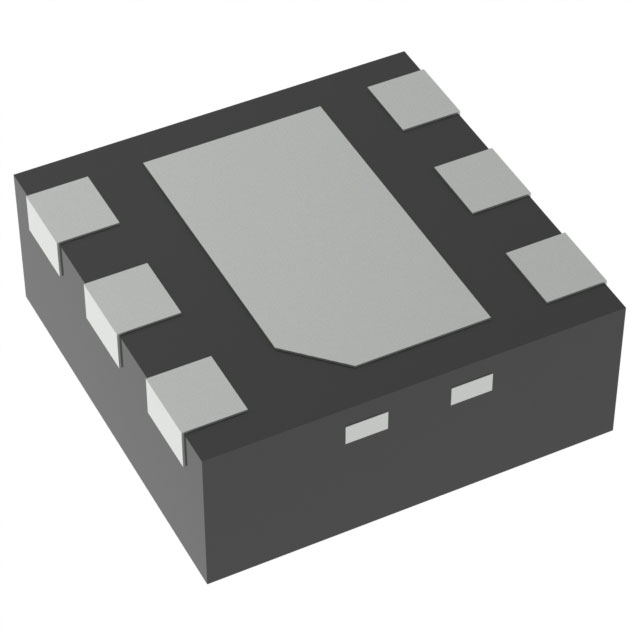 Texas Instruments TPS61040DRVTG4Unknown | Integrated Circuits (ICs) | IC LED DRV RGLTR PWM 350MA 6WSON |
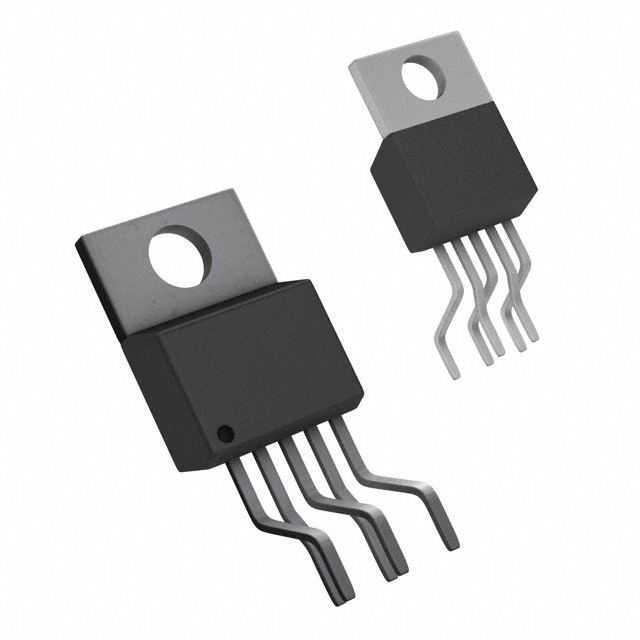 Texas Instruments LP3876ET-2.5Obsolete | Integrated Circuits (ICs) | IC REG LINEAR 2.5V 3A TO220-5 |
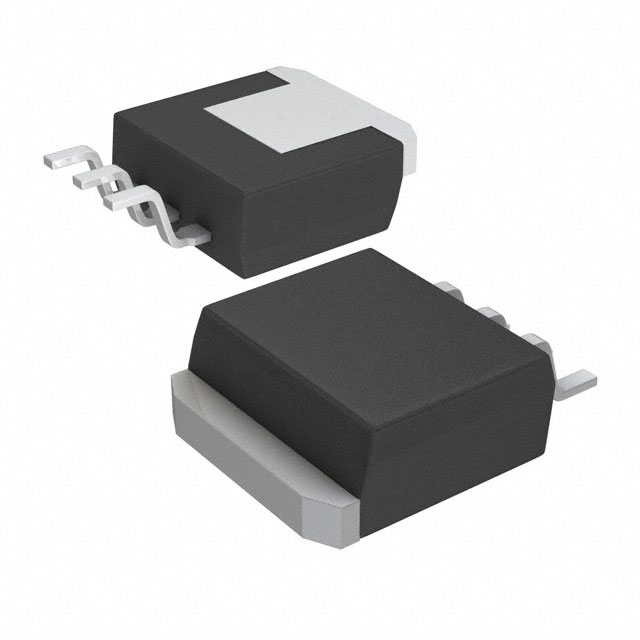 Texas Instruments LMS1585ACSX-ADJObsolete | Integrated Circuits (ICs) | IC REG LIN POS ADJ 5A DDPAK |
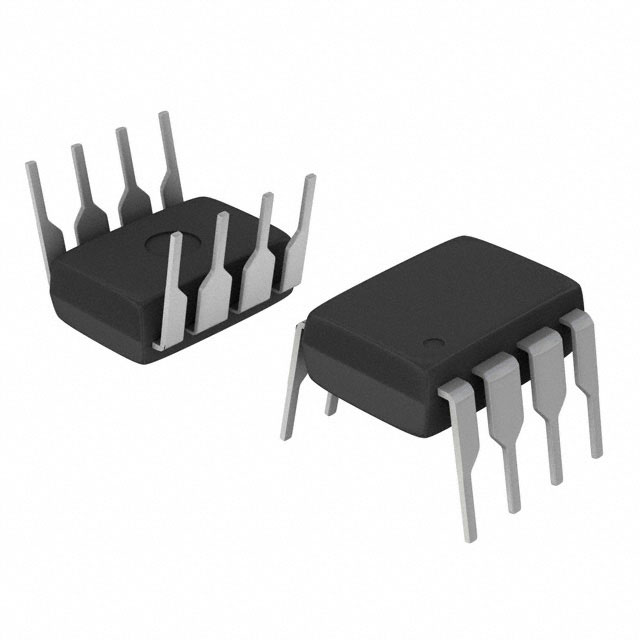 Texas Instruments INA111APG4Obsolete | Integrated Circuits (ICs) | IC INST AMP 1 CIRCUIT 8DIP |
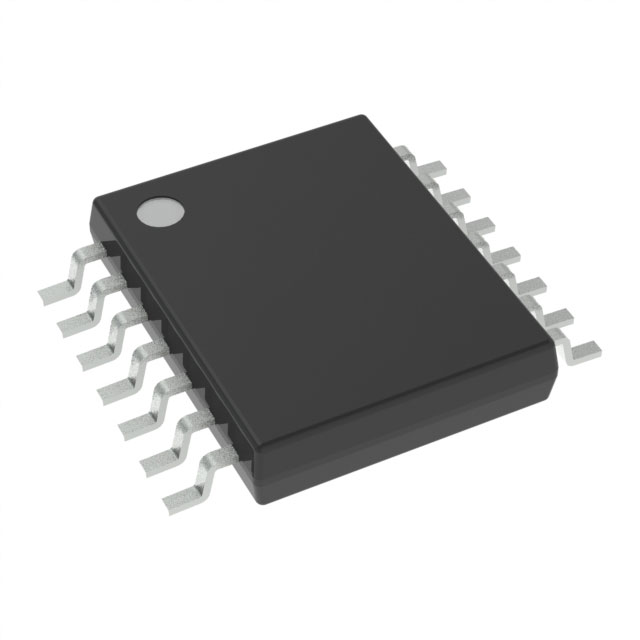 Texas Instruments | Integrated Circuits (ICs) | AUTOMOTIVE, QUAD 36V 1.2MHZ OPERATIONAL AMPLIFIER |
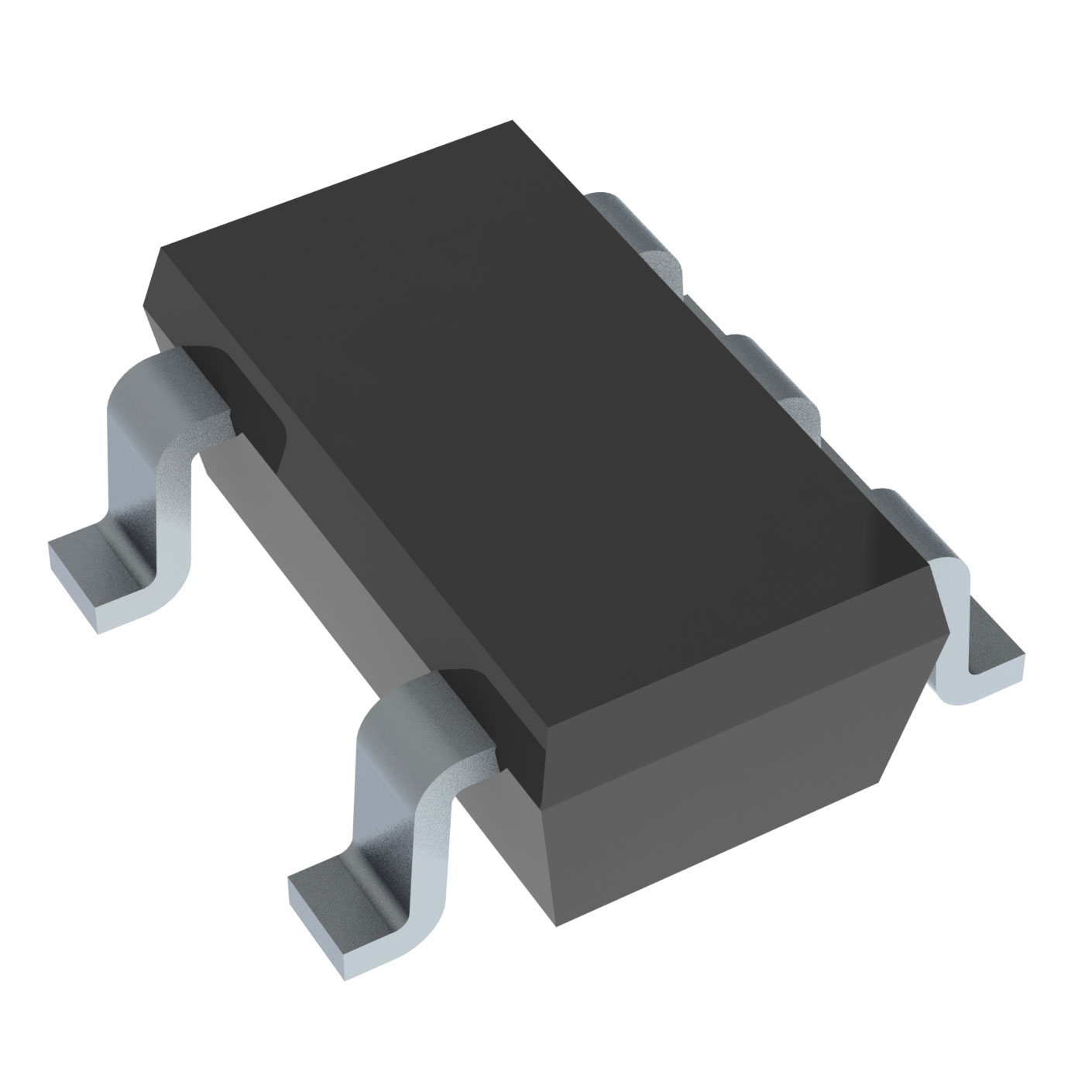 Texas Instruments OPA340NA/3KG4Unknown | Integrated Circuits (ICs) | IC OPAMP GP 1 CIRCUIT SOT23-5 |
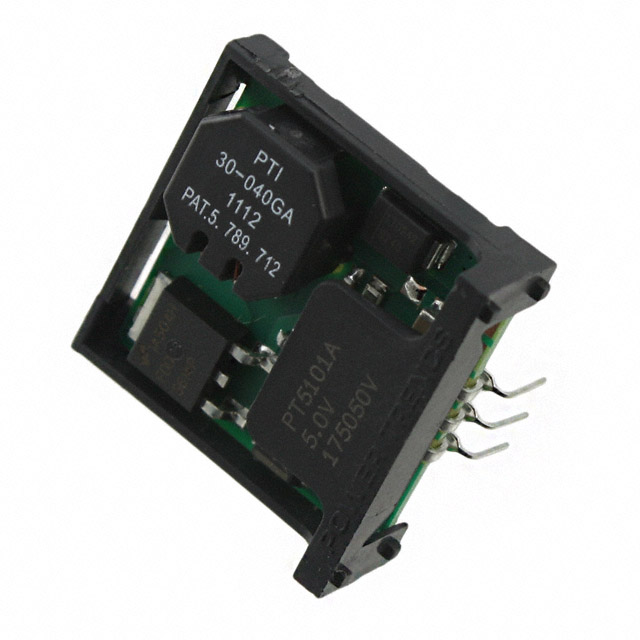 Texas Instruments PT5112AObsolete | Power Supplies - Board Mount | DC DC CONVERTER 8V 8W |
| Series | Category | # Parts | Status | Description |
|---|---|---|---|---|
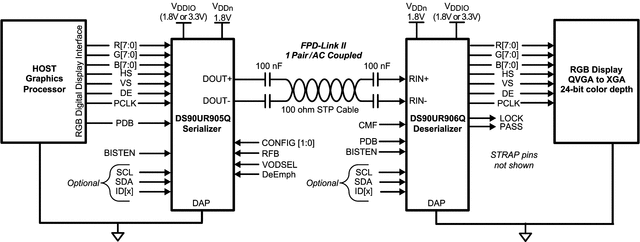
DS90UR906Q-Q15-MHz to 65-MHz 24-bit color FPD-Link II deserializer | Interface | 2 | Active | The DS90UR90xQ-Q1 chipset translates a parallel RGB video interface into a high-speed serialized interface over a single pair. This serial bus scheme makes system design easy by eliminating skew problems between clock and data, reducing the number of connector pins, reducing the interconnect size, weight, cost, and easing overall PCB layout. In addition, internal DC-balanced decoding is used to support AC-coupled interconnects.
The DS90UR905Q-Q1 serializer embeds the clock, balances the data payload, and level shifts the signals to high-speed, low voltage differential signaling. Up to 24 inputs are serialized, along with the three video control signals. This supports full24-bit color or 18-bit color and 6 general-purpose signals (for example, Audio I2S applications).
The DS90UR906Q-Q1 deserializer recovers the data (RGB) and control signals and extracts the clock from the serial stream. The DS90UR906Q-Q1 is able to lock to the incoming data stream without the use of a training sequence or special SYNC patterns and does not require a reference clock. A link status (LOCK) output signal is provided.
Serial transmission is optimized by a user-selectable de-emphasis, differential output level select features, and receiver equalization. EMI is minimized by the use of low voltage differential signaling, receiver drive strength control, and spread spectrum clocking compatibility. The deserializer may be configured to generate spread spectrum clock and data on its parallel outputs.
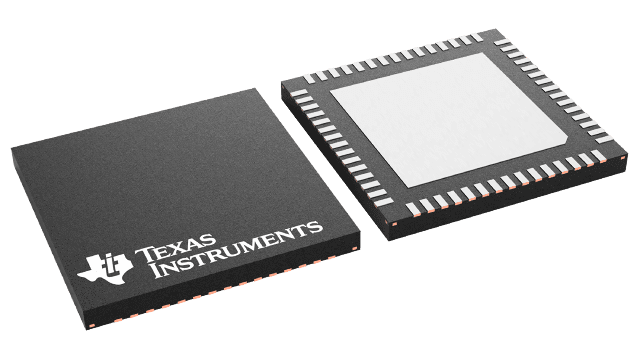
The DS90UR905Q-Q1 serializer is offered in a 48-pin WQFN and the DS90UR906Q-Q1 (deserializer) is offered in a 60-pin WQFN package. They are specified over the automotive AEC-Q100 grade 2 temperature range of –40°C to +105°C.
The DS90UR90xQ-Q1 chipset translates a parallel RGB video interface into a high-speed serialized interface over a single pair. This serial bus scheme makes system design easy by eliminating skew problems between clock and data, reducing the number of connector pins, reducing the interconnect size, weight, cost, and easing overall PCB layout. In addition, internal DC-balanced decoding is used to support AC-coupled interconnects.
The DS90UR905Q-Q1 serializer embeds the clock, balances the data payload, and level shifts the signals to high-speed, low voltage differential signaling. Up to 24 inputs are serialized, along with the three video control signals. This supports full24-bit color or 18-bit color and 6 general-purpose signals (for example, Audio I2S applications).
The DS90UR906Q-Q1 deserializer recovers the data (RGB) and control signals and extracts the clock from the serial stream. The DS90UR906Q-Q1 is able to lock to the incoming data stream without the use of a training sequence or special SYNC patterns and does not require a reference clock. A link status (LOCK) output signal is provided.
Serial transmission is optimized by a user-selectable de-emphasis, differential output level select features, and receiver equalization. EMI is minimized by the use of low voltage differential signaling, receiver drive strength control, and spread spectrum clocking compatibility. The deserializer may be configured to generate spread spectrum clock and data on its parallel outputs.
The DS90UR905Q-Q1 serializer is offered in a 48-pin WQFN and the DS90UR906Q-Q1 (deserializer) is offered in a 60-pin WQFN package. They are specified over the automotive AEC-Q100 grade 2 temperature range of –40°C to +105°C. |
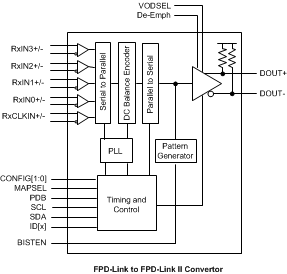
DS90UR907Q-Q15 - 65 MHz 24-bit Color FPD-Link to FPD-Link II Converter | Development Boards, Kits, Programmers | 4 | Active | The DS90UR907Q-Q1 converts FPD-Link to FPD-Link II. It translates four LVDS data/control streams and one LVDS clock pair (FPD-Link) into a high-speed serialized interface (FPD-Link II) over a single pair. This serial bus scheme greatly eases system design by eliminating skew problems between clock and data, reduces the number of connector pins, reduces the interconnect size, weight, and cost, and overall eases PCB layout. In addition, internal DC balanced encoding is used to support AC-coupled interconnects.
The DS90UR907Q-Q1 converts, balances and level shifts four LVDS data/control streams, and embeds one LVDS clock pair (FPD-Link) to a serial stream (FPD-Link II). Up to 24 bits of RGB in the FPD-Link are serialized along with the three video control signals.
Serial transmission is optimized by a user selectable de-emphasis and differential output level select features. EMI is minimized by the use of low voltage differential signaling and spread spectrum clocking compatibility.
With fewer wires to the physical interface of the host, FPD-Link input with LVDS technology is ideal for high speed, low power and low EMI data transfer.
The device is offered in a 36-pin WQFN package and is specified over the automotive AEC-Q100 Grade 2 temperature range of –40°C to 105°C.
The DS90UR907Q-Q1 converts FPD-Link to FPD-Link II. It translates four LVDS data/control streams and one LVDS clock pair (FPD-Link) into a high-speed serialized interface (FPD-Link II) over a single pair. This serial bus scheme greatly eases system design by eliminating skew problems between clock and data, reduces the number of connector pins, reduces the interconnect size, weight, and cost, and overall eases PCB layout. In addition, internal DC balanced encoding is used to support AC-coupled interconnects.
The DS90UR907Q-Q1 converts, balances and level shifts four LVDS data/control streams, and embeds one LVDS clock pair (FPD-Link) to a serial stream (FPD-Link II). Up to 24 bits of RGB in the FPD-Link are serialized along with the three video control signals.
Serial transmission is optimized by a user selectable de-emphasis and differential output level select features. EMI is minimized by the use of low voltage differential signaling and spread spectrum clocking compatibility.
With fewer wires to the physical interface of the host, FPD-Link input with LVDS technology is ideal for high speed, low power and low EMI data transfer.
The device is offered in a 36-pin WQFN package and is specified over the automotive AEC-Q100 Grade 2 temperature range of –40°C to 105°C. |
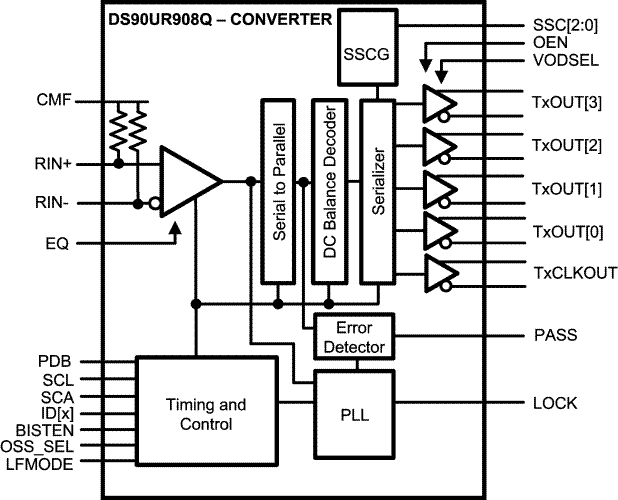
DS90UR908Q-Q15 - 65 MHz 24-bit Color FPD-Link II to FPD-Link Converter | Integrated Circuits (ICs) | 3 | Active | The DS90UR908Q converts FPD-Link II to FPD Link. It translates a high-speed serialized interface with an embedded clock over a single pair (FPD-Link II) to four LVDS data/control streams and one LVDS clock pair (FPD-Link). This serial bus scheme greatly eases system design by eliminating skew problems between clock and data, reduces the number of connector pins, reduces the interconnect size, weight, and cost, and overall eases PCB layout. In addition, internal DC balanced decoding is used to support AC-coupled interconnects.
The DS90UR908Q converter recovers the data (RGB) and control signals and extracts the clock from a serial stream (FPD-Link II). It is able to lock to the incoming data stream without the use of a training sequence or special SYNC patterns and does not require a reference clock. A link status (LOCK) output signal is provided.
Adjustable input equalization of the serial input stream provides compensation for transmission medium losses of the cable and reduces the medium-induced deterministic jitter. EMI is minimized by the use of low voltage differential signaling, output voltage level select feature, and additional output spread spectrum generation.
With fewer wires to the physical interface of the display, FPD-Link output with LVDS technology is ideal for high speed, low power and low EMI data transfer.
The DS90UR908Q is offered in a 48-pin WQFN package and is specified over the automotive AEC-Q100 grade 2 temperature range of -40˚C to +105˚C.
The DS90UR908Q converts FPD-Link II to FPD Link. It translates a high-speed serialized interface with an embedded clock over a single pair (FPD-Link II) to four LVDS data/control streams and one LVDS clock pair (FPD-Link). This serial bus scheme greatly eases system design by eliminating skew problems between clock and data, reduces the number of connector pins, reduces the interconnect size, weight, and cost, and overall eases PCB layout. In addition, internal DC balanced decoding is used to support AC-coupled interconnects.
The DS90UR908Q converter recovers the data (RGB) and control signals and extracts the clock from a serial stream (FPD-Link II). It is able to lock to the incoming data stream without the use of a training sequence or special SYNC patterns and does not require a reference clock. A link status (LOCK) output signal is provided.
Adjustable input equalization of the serial input stream provides compensation for transmission medium losses of the cable and reduces the medium-induced deterministic jitter. EMI is minimized by the use of low voltage differential signaling, output voltage level select feature, and additional output spread spectrum generation.
With fewer wires to the physical interface of the display, FPD-Link output with LVDS technology is ideal for high speed, low power and low EMI data transfer.
The DS90UR908Q is offered in a 48-pin WQFN package and is specified over the automotive AEC-Q100 grade 2 temperature range of -40˚C to +105˚C. |
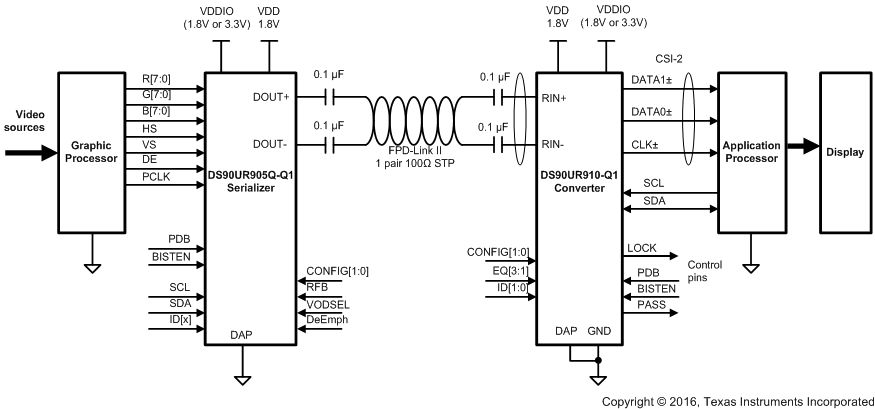
DS90UR910-Q110 - 75 MHz 24-bit Color FPD-Link II to CSI-2 Converter | Evaluation Boards | 3 | Active | The DS90UR910-Q1 is an interface bridge chip that recovers data from the FPD-Link II serial bit stream and converts into a Camera Serial Interface (CSI-2) format compatible with Mobile Industry Processor Interface (MIPI) specifications. It recovers the 24- or 18-bit RGB data and 3 video sync-signals from the serial bit stream compatible to FPD-Link II serializers. The recovered data is packetized and serialized over two data lanes strobed by a half-rate serial clock compliant with the MIPI DPHY and CSI-2 specifications, each running up to 900 Mbps. The FPD-Link II receiver supports pixel clocks of up to75 MHz. The CSI-2 output serial bus greatly reduces the interconnect and signal count to a graphic processing unit (GPU) and eases system designs for video streams from multiple automotive driver assist cameras.
The DS90UR910-Q1 is available in a 40-pin WQFN package. Electrical performance is qualified for automotive AEC-Q100 grade 2 temperature range–40°C to 105°C.
The DS90UR910-Q1 is an interface bridge chip that recovers data from the FPD-Link II serial bit stream and converts into a Camera Serial Interface (CSI-2) format compatible with Mobile Industry Processor Interface (MIPI) specifications. It recovers the 24- or 18-bit RGB data and 3 video sync-signals from the serial bit stream compatible to FPD-Link II serializers. The recovered data is packetized and serialized over two data lanes strobed by a half-rate serial clock compliant with the MIPI DPHY and CSI-2 specifications, each running up to 900 Mbps. The FPD-Link II receiver supports pixel clocks of up to75 MHz. The CSI-2 output serial bus greatly reduces the interconnect and signal count to a graphic processing unit (GPU) and eases system designs for video streams from multiple automotive driver assist cameras.
The DS90UR910-Q1 is available in a 40-pin WQFN package. Electrical performance is qualified for automotive AEC-Q100 grade 2 temperature range–40°C to 105°C. |
DS90UR916Q-Q15-65 MHz 24-bit Color FPD-Link II Deserializer with Image Enhancement | Interface | 3 | Active | The DS90UR916Q FPD-Link II deserializer operates with the DS90UR905Q FPD-Link II serializer to deliver 24-bit digital video data over a single differential pair. The DS90UR916Q provides features designed to enhance image quality at the display. The high speed serial bus scheme of FPD-Link II greatly eases system design by eliminating skew problems between clock and data, reduces the number of connector pins, reduces the interconnect size, weight, and cost, and overall eases PCB layout. In addition, internal DC balanced decoding is used to support AC-coupled interconnects.
The DS90UR916Q Des (deserializer) recovers the data (RGB) and control signals and extracts the clock from the serial stream. The Des locks to the incoming serial data stream without the use of a training sequence or special SYNC patterns, and does not require a reference clock. A link status (LOCK) output signal is provided. The DS90UR916Q is ideally suited for 24-bit color applications. White balance lookup tables and adaptive Hi-FRC dithering provide the user a cost-effective means to enhance display image quality.
Serial transmission is optimized with user selectable receiver equalization. EMI is minimized by the use of low voltage differential signaling, output slew control, and the Des may be configured to generate Spread Spectrum Clock and Data on its parallel outputs.
The DS90UR916Qis offered in a 60-pin WQFN package. It is specified over the automotive AEC-Q100 grade 2 temperature range of -40°C to +105°C.
The DS90UR916Q FPD-Link II deserializer operates with the DS90UR905Q FPD-Link II serializer to deliver 24-bit digital video data over a single differential pair. The DS90UR916Q provides features designed to enhance image quality at the display. The high speed serial bus scheme of FPD-Link II greatly eases system design by eliminating skew problems between clock and data, reduces the number of connector pins, reduces the interconnect size, weight, and cost, and overall eases PCB layout. In addition, internal DC balanced decoding is used to support AC-coupled interconnects.
The DS90UR916Q Des (deserializer) recovers the data (RGB) and control signals and extracts the clock from the serial stream. The Des locks to the incoming serial data stream without the use of a training sequence or special SYNC patterns, and does not require a reference clock. A link status (LOCK) output signal is provided. The DS90UR916Q is ideally suited for 24-bit color applications. White balance lookup tables and adaptive Hi-FRC dithering provide the user a cost-effective means to enhance display image quality.
Serial transmission is optimized with user selectable receiver equalization. EMI is minimized by the use of low voltage differential signaling, output slew control, and the Des may be configured to generate Spread Spectrum Clock and Data on its parallel outputs.
The DS90UR916Qis offered in a 60-pin WQFN package. It is specified over the automotive AEC-Q100 grade 2 temperature range of -40°C to +105°C. |
| Development Boards, Kits, Programmers | 3 | Active | ||
| Integrated Circuits (ICs) | 3 | Active | ||
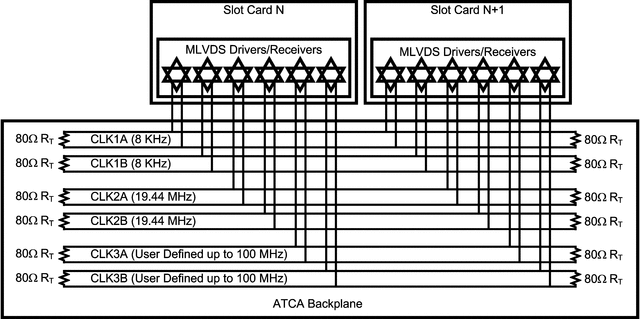
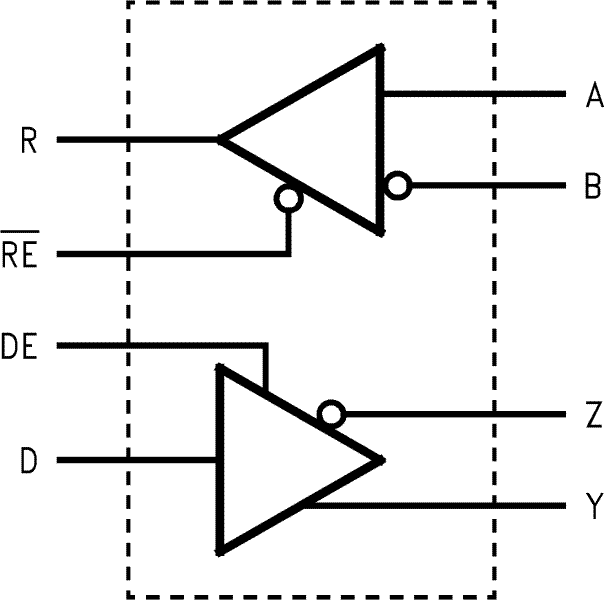
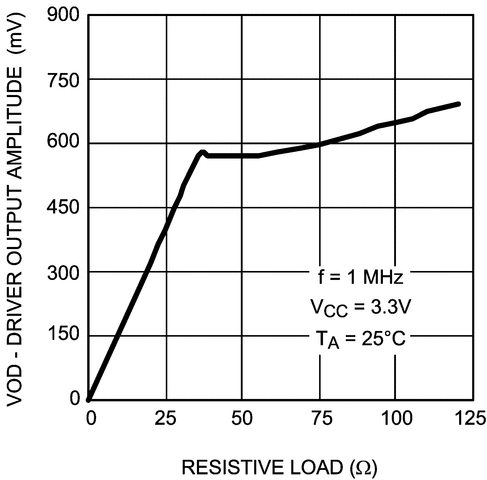
DS91D176100-MHz single channel M-LVDS transceivers | Drivers, Receivers, Transceivers | 1 | Active | The DS91C176 and DS91D176 are 100 MHz single channel M-LVDS (Multipoint Low Voltage Differential Signaling) transceivers designed for applications that utilize multipoint networks (e.g. clock distribution in ATCA and uTCA based systems). M-LVDS is a new bus interface standard (TIA/EIA-899) optimized for multidrop networks. Controlled edge rates, tight input receiver thresholds and increased drive strength are sone of the key enhancements that make M-LVDS devices an ideal choice for distributing signals via multipoint networks.
The DS91C176/DS91D176 are half-duplex transceivers that accept LVTTL/LVCMOS signals at the driver inputs and convert them to differential M-LVDS signals. The receiver inputs accept low voltage differential signals (LVDS, B-LVDS, M-LVDS, LV-PECL and CML) and convert them to 3V LVCMOS signals. The DS91D176 has a M-LVDS type 1 receiver input with no offset. The DS91C176 has an M-LVDS type 2 receiver which enable failsafe functionality.
The DS91C176 and DS91D176 are 100 MHz single channel M-LVDS (Multipoint Low Voltage Differential Signaling) transceivers designed for applications that utilize multipoint networks (e.g. clock distribution in ATCA and uTCA based systems). M-LVDS is a new bus interface standard (TIA/EIA-899) optimized for multidrop networks. Controlled edge rates, tight input receiver thresholds and increased drive strength are sone of the key enhancements that make M-LVDS devices an ideal choice for distributing signals via multipoint networks.
The DS91C176/DS91D176 are half-duplex transceivers that accept LVTTL/LVCMOS signals at the driver inputs and convert them to differential M-LVDS signals. The receiver inputs accept low voltage differential signals (LVDS, B-LVDS, M-LVDS, LV-PECL and CML) and convert them to 3V LVCMOS signals. The DS91D176 has a M-LVDS type 1 receiver input with no offset. The DS91C176 has an M-LVDS type 2 receiver which enable failsafe functionality. |
DS91D180100-MHz M-LVDS line driver/receiver pair | Drivers, Receivers, Transceivers | 2 | Active | The DS91D180 and DS91C180 are 100 MHz M-LVDS (Multipoint Low Voltage Differential Signaling) line driver/receiver pairs designed for applications that utilize multipoint networks (e.g. clock distribution in ATCA and uTCA based systems). M-LVDS is a bus interface standard (TIA/EIA-899) optimized for multidrop networks. Controlled edge rates, tight input receiver thresholds and increased drive strength are sone of the key enhancments that make M-LVDS devices an ideal choice for distributing signals via multipoint networks.
The DS91D180/DS91C180 driver input accepts LVTTL/LVCMOS signals and converts them to differential M-LVDS signal levels. The DS91D180/DS91C180 receiver accepts low voltage differential signals (LVDS, B-LVDS, M-LVDS, LV-PECL and CML) and converts them to 3V LVCMOS signals. The DS91D180 device has a M-LVDS type 1 receiver input with no offset.The DS91C180 device has a type 2 receiver input which enable failsafe functionality.
The DS91D180 and DS91C180 are 100 MHz M-LVDS (Multipoint Low Voltage Differential Signaling) line driver/receiver pairs designed for applications that utilize multipoint networks (e.g. clock distribution in ATCA and uTCA based systems). M-LVDS is a bus interface standard (TIA/EIA-899) optimized for multidrop networks. Controlled edge rates, tight input receiver thresholds and increased drive strength are sone of the key enhancments that make M-LVDS devices an ideal choice for distributing signals via multipoint networks.
The DS91D180/DS91C180 driver input accepts LVTTL/LVCMOS signals and converts them to differential M-LVDS signal levels. The DS91D180/DS91C180 receiver accepts low voltage differential signals (LVDS, B-LVDS, M-LVDS, LV-PECL and CML) and converts them to 3V LVCMOS signals. The DS91D180 device has a M-LVDS type 1 receiver input with no offset.The DS91C180 device has a type 2 receiver input which enable failsafe functionality. |
DS91M040125-MHz quad M-LVDS transceiver | Development Boards, Kits, Programmers | 4 | Active | The DS91M040 is a quad M-LVDS transceiver designed for driving / receiving clock or data signals to / from up to four multipoint networks.
M-LVDS (Multipoint LVDS) is a new family of bus interface devices based on LVDS technology specifically designed for multipoint and multidrop cable and backplane applications. It differs from standard LVDS in providing increased drive current to handle double terminations that are required in multi-point applications. Controlled transition times minimize reflections that are common in multipoint configurations due to unterminated stubs. M-LVDS devices also have a very large input common mode voltage range for additional noise margin in heavily loaded and noisy backplane environments.
A single DS91M040 channel is a half-duplex transceiver that accepts LVTTL/LVCMOS signals at the driver inputs and converts them to differential M-LVDS signal levels. The receiver inputs accept low voltage differential signals (LVDS, BLVDS, M-LVDS, LVPECL and CML) and convert them to 3V LVCMOS signals. The DS91M040 supports both M-LVDS type 1 and type 2 receiver inputs.
The DS91M040 is a quad M-LVDS transceiver designed for driving / receiving clock or data signals to / from up to four multipoint networks.
M-LVDS (Multipoint LVDS) is a new family of bus interface devices based on LVDS technology specifically designed for multipoint and multidrop cable and backplane applications. It differs from standard LVDS in providing increased drive current to handle double terminations that are required in multi-point applications. Controlled transition times minimize reflections that are common in multipoint configurations due to unterminated stubs. M-LVDS devices also have a very large input common mode voltage range for additional noise margin in heavily loaded and noisy backplane environments.
A single DS91M040 channel is a half-duplex transceiver that accepts LVTTL/LVCMOS signals at the driver inputs and converts them to differential M-LVDS signal levels. The receiver inputs accept low voltage differential signals (LVDS, BLVDS, M-LVDS, LVPECL and CML) and convert them to 3V LVCMOS signals. The DS91M040 supports both M-LVDS type 1 and type 2 receiver inputs. |