| Evaluation Boards | 2 | Active | |
| LED Drivers | 2 | Active | |
| Integrated Circuits (ICs) | 1 | Active | |
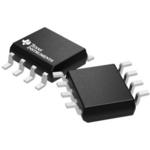
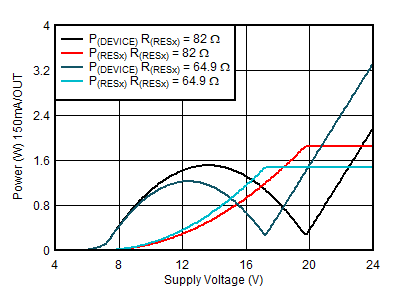
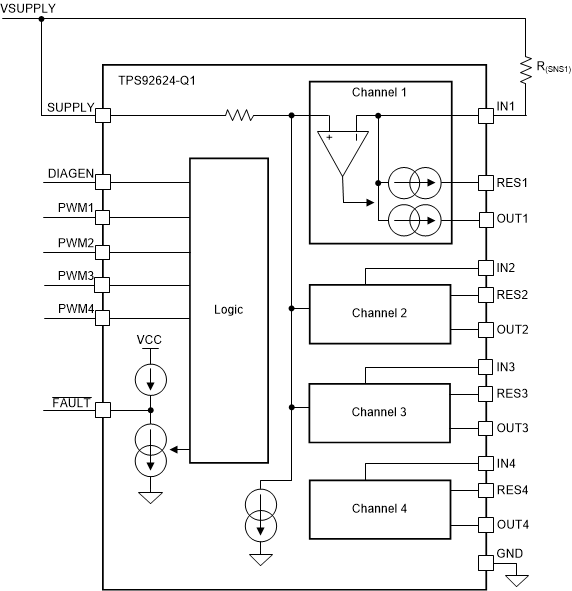
TPS92624-Q1Automotive four-channel high-side LED driver with thermal sharing | LED Drivers | 1 | Active | The TPS92624-Q1 four-channel LED driver includes a unique thermal management design to reduce temperature rising on the device. The TPS92624-Q1 is a linear driver directly powered by automotive batteries with large voltage variations to output full current loads up to 150 mA per channel. External shunt resistors are leveraged to share output current and dissipate power out of the driver. The device’s full-diagnostic capabilities include LED open, LED short-to-GND circuit and device overtemperature protection.
The one-fails–all-fail feature of TPS92624-Q1 is able to work together with other LED drivers, such as the TPS9261x-Q1, TPS9262x-Q1, TPS92630/8-Q1, and TPS92830-Q1 devices, to address different requirements.
The TPS92624-Q1 four-channel LED driver includes a unique thermal management design to reduce temperature rising on the device. The TPS92624-Q1 is a linear driver directly powered by automotive batteries with large voltage variations to output full current loads up to 150 mA per channel. External shunt resistors are leveraged to share output current and dissipate power out of the driver. The device’s full-diagnostic capabilities include LED open, LED short-to-GND circuit and device overtemperature protection.
The one-fails–all-fail feature of TPS92624-Q1 is able to work together with other LED drivers, such as the TPS9261x-Q1, TPS9262x-Q1, TPS92630/8-Q1, and TPS92830-Q1 devices, to address different requirements. |
TPS92629-Q1Automotive, single-channel, high-current 40-V high-side LED driver with thermal sharing | Power Management (PMIC) | 1 | Active | The TPS92629-Q1 single-channel LED driver includes a unique thermal management design to reduce temperature rising on the device. The TPS92629-Q1 is a linear driver directly powered by automotive batteries with large voltage variations to output full current loads up to 250 mA. External shunt resistors are leveraged to share output current and dissipate power out of the driver. The device’s full-diagnostic capabilities include LED open, LED short-to-GND, LED short-to-battery circuit and device overtemperature protection. The high accuracy and optimized slew rate of analog dimming control supports off board long wire driving with enhanced EMC performance and eliminates the flick and afterimage issue. The multiple fault could be reported out by different voltage levels through fault pins for safety critical applications.
The TPS92629-Q1 single-channel LED driver includes a unique thermal management design to reduce temperature rising on the device. The TPS92629-Q1 is a linear driver directly powered by automotive batteries with large voltage variations to output full current loads up to 250 mA. External shunt resistors are leveraged to share output current and dissipate power out of the driver. The device’s full-diagnostic capabilities include LED open, LED short-to-GND, LED short-to-battery circuit and device overtemperature protection. The high accuracy and optimized slew rate of analog dimming control supports off board long wire driving with enhanced EMC performance and eliminates the flick and afterimage issue. The multiple fault could be reported out by different voltage levels through fault pins for safety critical applications. |
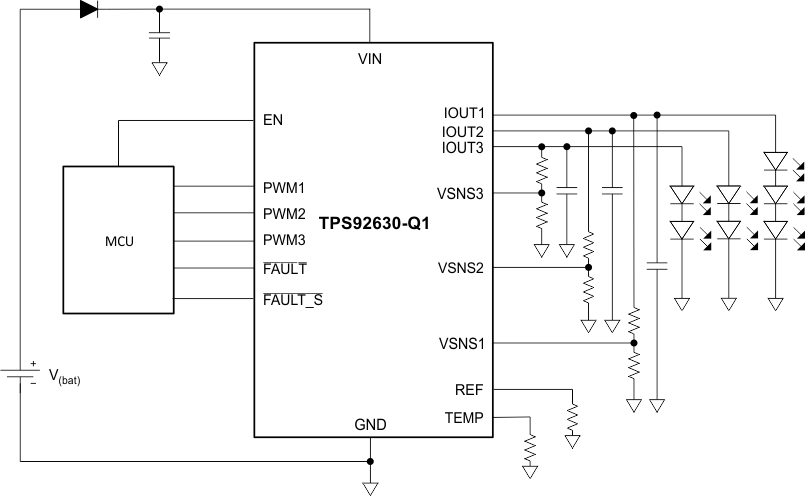
TPS92630Automotive Three-channel Linear LED driver with Analog and PWM dimming | Integrated Circuits (ICs) | 1 | Active | The TPS92630-Q1 device is a three-channel linear LED driver with analog and PWM dimming control. Its full-diagnostic and built-in protection capabilities make it a suitable choice for variable-intensity LED lighting applications up to the medium-power range.
The design of this device suits it well for driving LEDs configured as a single string or multiple strings within its power capability. A single device can drive up to three strings with one to three LEDs in each string at a total current of up to 150 mA per channel. Outputs can be paralleled to provide higher current drive capability to 450 mA.
In multiple-string applications, the device offers the advantage of having common-cathode connection of the LED strings. So, the application needs only a single return wire instead of one return wire per LED string that a system with low-side current sense would need.
A single-LED-short comparator allows detection of single LED failing with a short circuit. Fault output can support bus connection topology between multiple devices.
The included temperature monitor reduces the LED drive current if the device junction temperature exceeds a thermal threshold. One can program the temperature threshold through an external resistor. One can disable the thermal current-monitor feature by connecting the TEMP pin to ground. Output of the junction temperature as an analog voltage is available as a factory program option.
The TPS92630-Q1 device is a three-channel linear LED driver with analog and PWM dimming control. Its full-diagnostic and built-in protection capabilities make it a suitable choice for variable-intensity LED lighting applications up to the medium-power range.
The design of this device suits it well for driving LEDs configured as a single string or multiple strings within its power capability. A single device can drive up to three strings with one to three LEDs in each string at a total current of up to 150 mA per channel. Outputs can be paralleled to provide higher current drive capability to 450 mA.
In multiple-string applications, the device offers the advantage of having common-cathode connection of the LED strings. So, the application needs only a single return wire instead of one return wire per LED string that a system with low-side current sense would need.
A single-LED-short comparator allows detection of single LED failing with a short circuit. Fault output can support bus connection topology between multiple devices.
The included temperature monitor reduces the LED drive current if the device junction temperature exceeds a thermal threshold. One can program the temperature threshold through an external resistor. One can disable the thermal current-monitor feature by connecting the TEMP pin to ground. Output of the junction temperature as an analog voltage is available as a factory program option. |
TPS92633Three-channel high-side LED driver with thermal sharing and off-board binning | Evaluation Boards | 3 | Active | The TPS92633 three-channel LED driver includes an unique thermal management design to reduce temperature rising on the device. The TPS92633 is a linear driver to output full current loads up to 150 mA per channel. External shunt resistors are leveraged to share output current and dissipate power out of the driver. The TPS92633 also drives LED units and off-board brightness binning resistors to simplify the manufacturing process and lower whole system cost. Its full-diagnostic capabilities include LED open, LED short-to-GND circuit and single LED short circuit detection.
The TPS92633 three-channel LED driver includes an unique thermal management design to reduce temperature rising on the device. The TPS92633 is a linear driver to output full current loads up to 150 mA per channel. External shunt resistors are leveraged to share output current and dissipate power out of the driver. The TPS92633 also drives LED units and off-board brightness binning resistors to simplify the manufacturing process and lower whole system cost. Its full-diagnostic capabilities include LED open, LED short-to-GND circuit and single LED short circuit detection. |
TPS92638Automotive 8-channel Linear LED driver with PWM dimming | Power Management (PMIC) | 2 | Active | The TPS92638-Q1 is an eight-channel linear LED driver with PWM dimming control. Its design is ideal for driving multiple strings of LEDs up to a medium power range.
This device can drive up to eight strings with one to three LEDs in each string, at a total current up to 70 mA per channel. Outputs can be in parallel to provide higher-current drive up to 560 mA.
In multiple-string applications, the device offers the advantage of having common-cathode connection of the LED stings. So, there is only a single return wire needed instead of one per LED string that a system with low-side current sense would need.
The device has the capability for switching LED current between high current and low current for stop and tail applications. Two reference resistors set the two LED current levels from each output.
The included temperature monitor reduces the LED drive current if the IC junction temperature exceeds a thermal threshold. The temperature threshold is programmable through an external resistor. One can disable the thermal current-monitor feature by connecting the TEMP pin to ground. Output of the junction temperature as an analog voltage is available as a factory program option.
The TPS92638-Q1 is an eight-channel linear LED driver with PWM dimming control. Its design is ideal for driving multiple strings of LEDs up to a medium power range.
This device can drive up to eight strings with one to three LEDs in each string, at a total current up to 70 mA per channel. Outputs can be in parallel to provide higher-current drive up to 560 mA.
In multiple-string applications, the device offers the advantage of having common-cathode connection of the LED stings. So, there is only a single return wire needed instead of one per LED string that a system with low-side current sense would need.
The device has the capability for switching LED current between high current and low current for stop and tail applications. Two reference resistors set the two LED current levels from each output.
The included temperature monitor reduces the LED drive current if the IC junction temperature exceeds a thermal threshold. The temperature threshold is programmable through an external resistor. One can disable the thermal current-monitor feature by connecting the TEMP pin to ground. Output of the junction temperature as an analog voltage is available as a factory program option. |
| LED Drivers | 3 | Active | |
| Evaluation Boards | 4 | Active | |