T
Texas Instruments
| Series | Category | # Parts | Status | Description |
|---|---|---|---|---|
| Part | Spec A | Spec B | Spec C | Spec D | Description |
|---|---|---|---|---|---|



| Series | Category | # Parts | Status | Description |
|---|---|---|---|---|
| Part | Spec A | Spec B | Spec C | Spec D | Description |
|---|---|---|---|---|---|
| Part | Category | Description |
|---|---|---|
 Texas Instruments | Integrated Circuits (ICs) | BUS DRIVER, BCT/FBT SERIES |
 Texas Instruments | Integrated Circuits (ICs) | 12BIT 3.3V~3.6V 210MHZ PARALLEL VQFN-48-EP(7X7) ANALOG TO DIGITAL CONVERTERS (ADC) ROHS |
Texas Instruments | Integrated Circuits (ICs) | TMX320DRE311 179PIN UBGA 200MHZ |
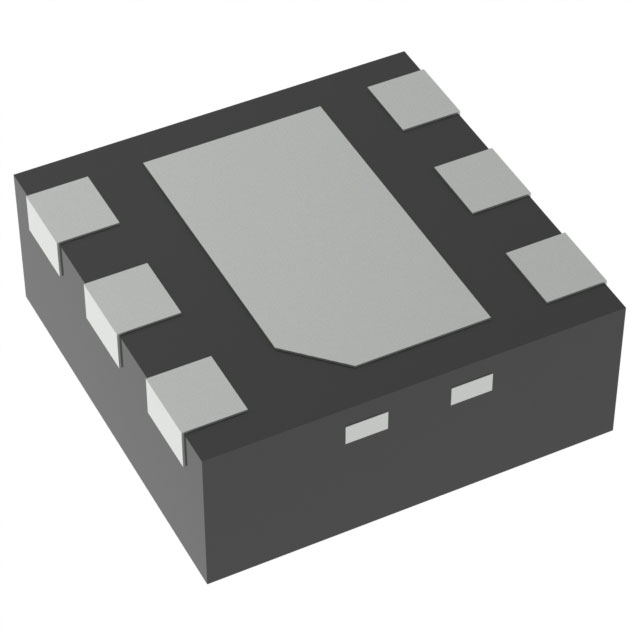 Texas Instruments TPS61040DRVTG4Unknown | Integrated Circuits (ICs) | IC LED DRV RGLTR PWM 350MA 6WSON |
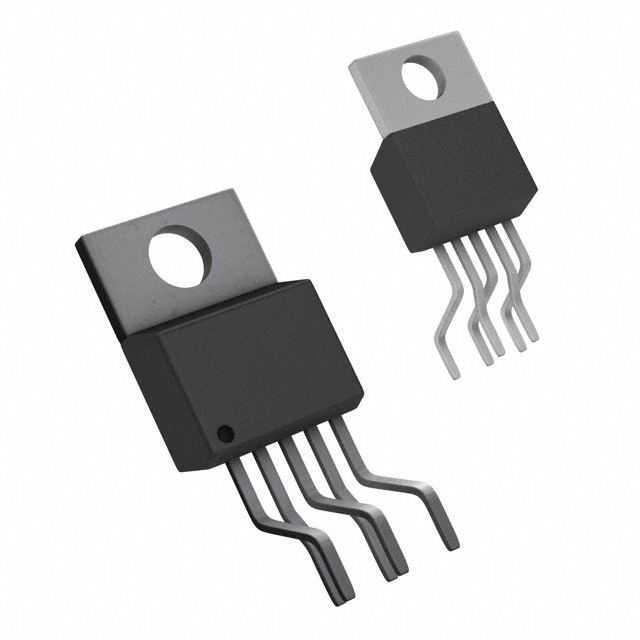 Texas Instruments LP3876ET-2.5Obsolete | Integrated Circuits (ICs) | IC REG LINEAR 2.5V 3A TO220-5 |
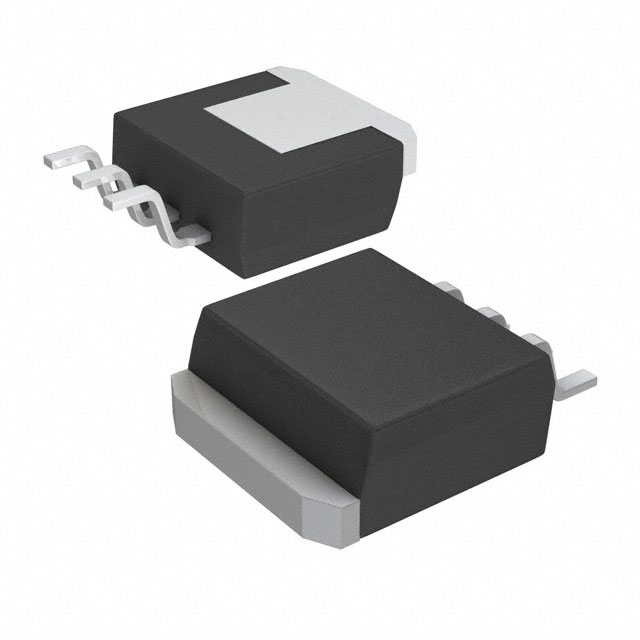 Texas Instruments LMS1585ACSX-ADJObsolete | Integrated Circuits (ICs) | IC REG LIN POS ADJ 5A DDPAK |
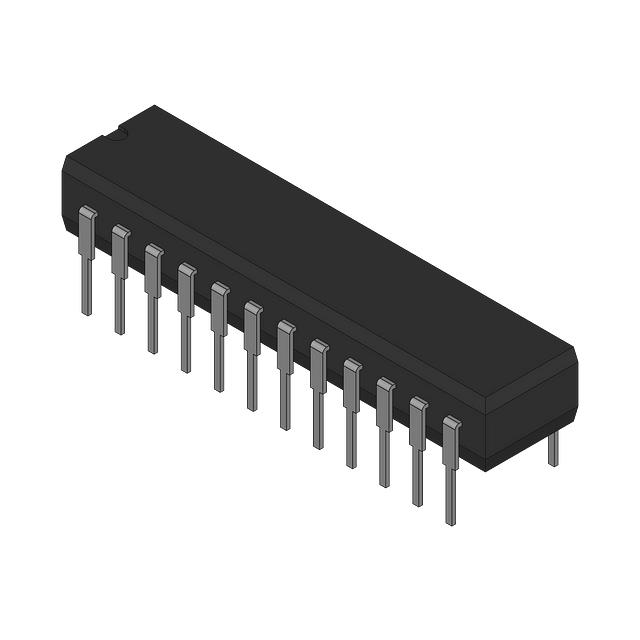
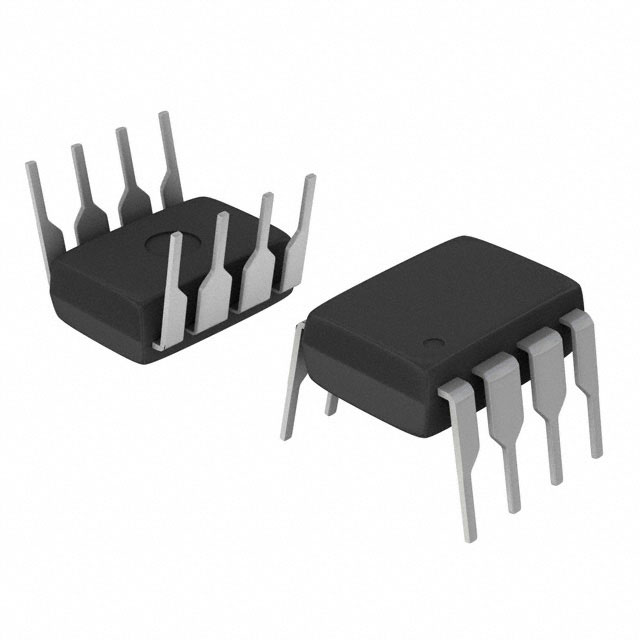 Texas Instruments INA111APG4Obsolete | Integrated Circuits (ICs) | IC INST AMP 1 CIRCUIT 8DIP |
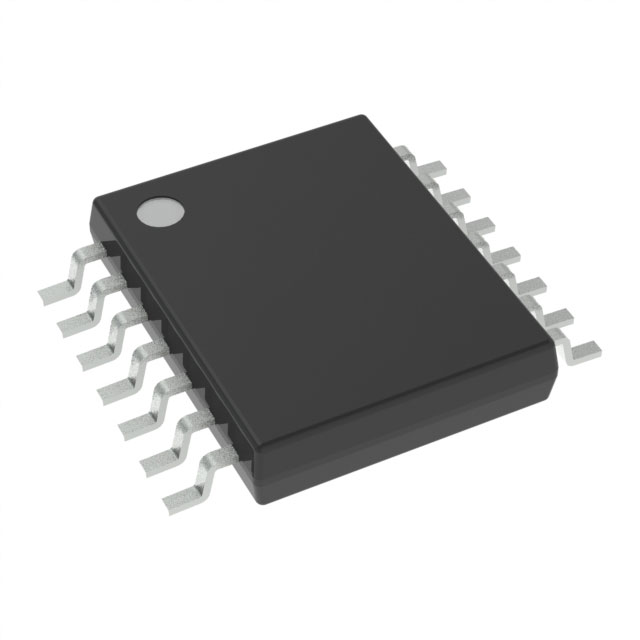 Texas Instruments | Integrated Circuits (ICs) | AUTOMOTIVE, QUAD 36V 1.2MHZ OPERATIONAL AMPLIFIER |
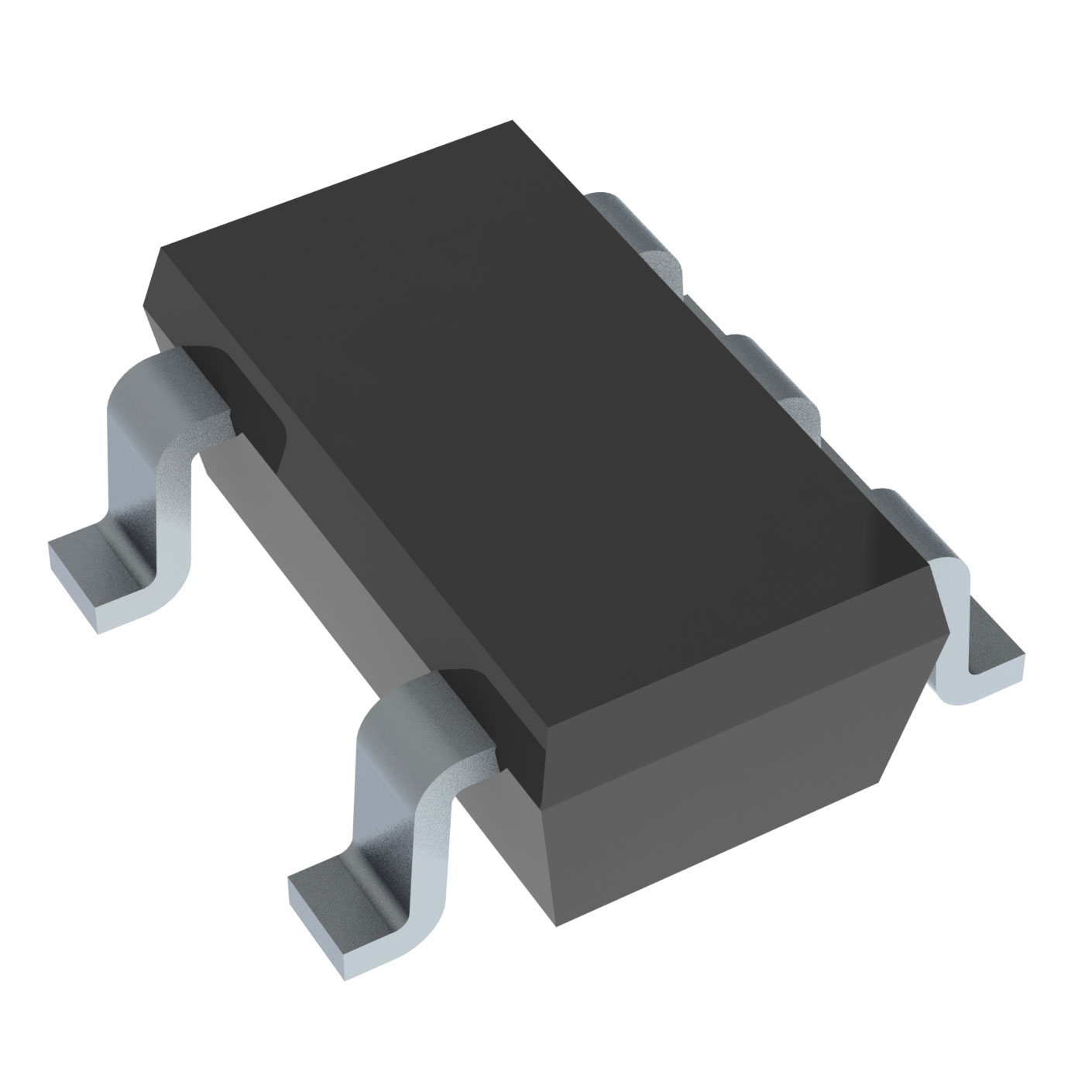 Texas Instruments OPA340NA/3KG4Unknown | Integrated Circuits (ICs) | IC OPAMP GP 1 CIRCUIT SOT23-5 |
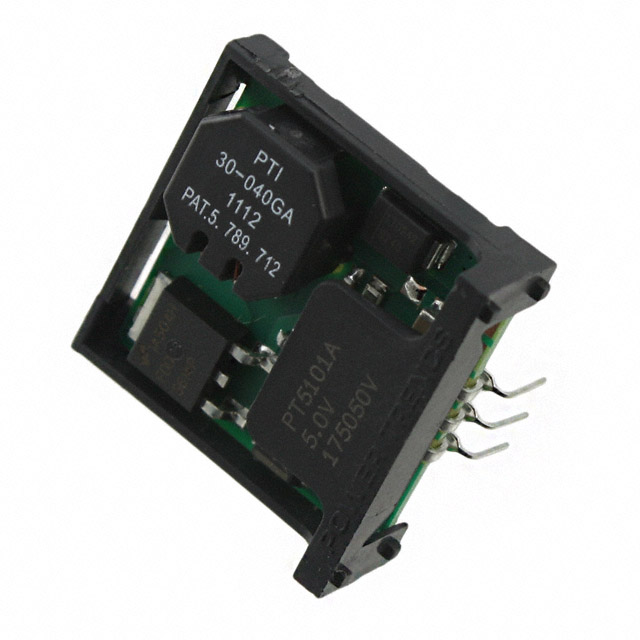 Texas Instruments PT5112AObsolete | Power Supplies - Board Mount | DC DC CONVERTER 8V 8W |
| Series | Category | # Parts | Status | Description |
|---|---|---|---|---|
AFE7769DQuad-channel RF transceiver with dual feedback paths and integrated CFR/DPD | RF and Wireless | 1 | Active | The AFE77xxD is a pin-compatible family of high-performance, multichannel transceivers, integrating four (AFE7768D/AFE7769D) or two (AFE7728D) direct up-conversion transmitter chains, four (AFE7768D/AFE7769D) or two (AFE7728D) direct down-conversion receiver chains, two wideband RF sampling digitizing auxiliary chains (feedback paths) and low-power Digital Pre-Distortion (DPD) engine for Power Amplifier (PA) linearization. The high dynamic range of the transmitter and receiver chains enables wireless base stations to transmit and receive 2G, 3G, 4G, and 5G signals. The integrated Crest Factor Reduction (CFR) unit helps reduce the Peak-to-Average Ratio (PAR) of the input signal for more efficient transmission through the Power Amplifier. The integrated hardware accelerated DPD estimator and corrector provides flexible and efficient DPD solution for PA linearization. The integrated DPD engine corrects the distortion due to PA nonlinearity for signals up to 200MHz (AFE77x8D) / 300MHz (AFE7769D) instantaneous bandwidth, and within up to 650MHz (AFE77x8D) / 730MHz (AFE7769D) DPD expanded bandwidth. A dedicated GaN corrector addresses the long-term nonlinear memory effects due to charge trapping of GaN PAs.
The low power dissipation and high density channel integration of the AFE77xxD allow the device to address the power and size constraints of 4G and 5G base stations. The wideband and high dynamic range feedback path can assist the DPD of the power amplifiers in the transmitter chain through smart data capture at various intercepting points. The available 29.5Gbps SerDes speed can help reduce the number of lanes required to transfer the data in and out of the device.
Each receiver chain of the AFE77xxD includes a 28-dB range digital step attenuator (DSA), followed by a wideband passive IQ demodulator, and a baseband amplifier with integrated antialiasing low pass filters with programmable bandwidth, driving continuous-time sigma-delta ADCs. The RX chain can receive an instantaneous bandwidth (IBW) up to 200 MHz (AFE77x8D) / 300 MHz (AFE7769D). Each receiver channel has two analog peak power detectors and various digital power detectors to assist an external or internal autonomous AGC control for receiver channels, and a RF overload detector for device reliability protection. The integrated QMC (quadrature mismatch compensation) algorithm is capable to continuously monitor and correct for the RX chain I and Q imbalance mismatch without the need to inject any specific signals or perform offline calibration.
Each transmitter chain includes two 14-bit, 3.3-Gsps IQ DACs, followed by a programmable reconstruction and DAC image rejection filter, an IQ modulator driving a wideband RF amplifier with 39-dB range gain control. The TX chain integrated QMC and LO leakage cancellation algorithms, leveraging the FB path can constantly track and correct for the TX chain IQ mismatch and LO leakage.
Each FB path is based on RF sampling architecture, and includes an input RF DSA driving a 14-bit, 3.3-Gsps RF ADC. The direct sampling architecture provides an inherently wideband receiver chain and simplifies the calibration of the TX chains impairments. The FB path integrates two independent NCOs, which allow for a fast switching between two observed RF input bands.
The synthesizer section integrates four fractional-N RF PLLs that can generate four different RF LOs, allowing the device to support up to two different bands, each one configured as two transmitters, two receivers, and one feedback path (with AFE7768D/AFE7769D), or one transmitter, one receiver, and one feedback path (with AFE7728D) .
The AFE77xxD is a pin-compatible family of high-performance, multichannel transceivers, integrating four (AFE7768D/AFE7769D) or two (AFE7728D) direct up-conversion transmitter chains, four (AFE7768D/AFE7769D) or two (AFE7728D) direct down-conversion receiver chains, two wideband RF sampling digitizing auxiliary chains (feedback paths) and low-power Digital Pre-Distortion (DPD) engine for Power Amplifier (PA) linearization. The high dynamic range of the transmitter and receiver chains enables wireless base stations to transmit and receive 2G, 3G, 4G, and 5G signals. The integrated Crest Factor Reduction (CFR) unit helps reduce the Peak-to-Average Ratio (PAR) of the input signal for more efficient transmission through the Power Amplifier. The integrated hardware accelerated DPD estimator and corrector provides flexible and efficient DPD solution for PA linearization. The integrated DPD engine corrects the distortion due to PA nonlinearity for signals up to 200MHz (AFE77x8D) / 300MHz (AFE7769D) instantaneous bandwidth, and within up to 650MHz (AFE77x8D) / 730MHz (AFE7769D) DPD expanded bandwidth. A dedicated GaN corrector addresses the long-term nonlinear memory effects due to charge trapping of GaN PAs.
The low power dissipation and high density channel integration of the AFE77xxD allow the device to address the power and size constraints of 4G and 5G base stations. The wideband and high dynamic range feedback path can assist the DPD of the power amplifiers in the transmitter chain through smart data capture at various intercepting points. The available 29.5Gbps SerDes speed can help reduce the number of lanes required to transfer the data in and out of the device.
Each receiver chain of the AFE77xxD includes a 28-dB range digital step attenuator (DSA), followed by a wideband passive IQ demodulator, and a baseband amplifier with integrated antialiasing low pass filters with programmable bandwidth, driving continuous-time sigma-delta ADCs. The RX chain can receive an instantaneous bandwidth (IBW) up to 200 MHz (AFE77x8D) / 300 MHz (AFE7769D). Each receiver channel has two analog peak power detectors and various digital power detectors to assist an external or internal autonomous AGC control for receiver channels, and a RF overload detector for device reliability protection. The integrated QMC (quadrature mismatch compensation) algorithm is capable to continuously monitor and correct for the RX chain I and Q imbalance mismatch without the need to inject any specific signals or perform offline calibration.
Each transmitter chain includes two 14-bit, 3.3-Gsps IQ DACs, followed by a programmable reconstruction and DAC image rejection filter, an IQ modulator driving a wideband RF amplifier with 39-dB range gain control. The TX chain integrated QMC and LO leakage cancellation algorithms, leveraging the FB path can constantly track and correct for the TX chain IQ mismatch and LO leakage.
Each FB path is based on RF sampling architecture, and includes an input RF DSA driving a 14-bit, 3.3-Gsps RF ADC. The direct sampling architecture provides an inherently wideband receiver chain and simplifies the calibration of the TX chains impairments. The FB path integrates two independent NCOs, which allow for a fast switching between two observed RF input bands.
The synthesizer section integrates four fractional-N RF PLLs that can generate four different RF LOs, allowing the device to support up to two different bands, each one configured as two transmitters, two receivers, and one feedback path (with AFE7768D/AFE7769D), or one transmitter, one receiver, and one feedback path (with AFE7728D) . |
AFE78101Single-channel 14-bit voltage analog front end (AFE) for sensor transmitters | Integrated Circuits (ICs) | 2 | Active | The 16-bit AFE88101 and 14-bit AFE78101 ( AFEx8101) are highly-integrated, high-accuracy, extremely low-power digital-to-analog converters (DACs) with voltage outputs designed for sensor-transmitter applications.
The AFEx8101 devices include most of the components required to design a 4‑mA to 20‑mA, 2‑wire (loop-powered) sensor transmitter. In addition to the highly accurate DAC, these devices include a 10‑ppm/°C voltage reference and a diagnostic analog-to-digital converter (ADC). To accommodate intrinsic and functional-safety concerns, external voltage-to-current conversion and power regulation are required.
The internal diagnostic ADC is multiplexed to several internal nodes that enable an automatic self-health check. This check is capable of detecting errors or malfunctions of the internal bias sources, power regulator, voltage reference, DAC output, die temperature, and optional external voltage source. If any fault is detected from the diagnostic ADC, CRC frame-error checking, or windowed watchdog timer, the devices can optionally issue an interrupt, enter a fail-safe state corresponding to a standard NAMUR output value or user-specified custom value, or both.
These devices operate from supplies as low as 1.71 V with a maximum quiescent current of 210 µA. The devices are specified over the temperature range of –40°C to +125°C, but are functional from –55°C to +125°C.
The 16-bit AFE88101 and 14-bit AFE78101 ( AFEx8101) are highly-integrated, high-accuracy, extremely low-power digital-to-analog converters (DACs) with voltage outputs designed for sensor-transmitter applications.
The AFEx8101 devices include most of the components required to design a 4‑mA to 20‑mA, 2‑wire (loop-powered) sensor transmitter. In addition to the highly accurate DAC, these devices include a 10‑ppm/°C voltage reference and a diagnostic analog-to-digital converter (ADC). To accommodate intrinsic and functional-safety concerns, external voltage-to-current conversion and power regulation are required.
The internal diagnostic ADC is multiplexed to several internal nodes that enable an automatic self-health check. This check is capable of detecting errors or malfunctions of the internal bias sources, power regulator, voltage reference, DAC output, die temperature, and optional external voltage source. If any fault is detected from the diagnostic ADC, CRC frame-error checking, or windowed watchdog timer, the devices can optionally issue an interrupt, enter a fail-safe state corresponding to a standard NAMUR output value or user-specified custom value, or both.
These devices operate from supplies as low as 1.71 V with a maximum quiescent current of 210 µA. The devices are specified over the temperature range of –40°C to +125°C, but are functional from –55°C to +125°C. |
AFE781H114-bit low-power analog front end (AFE) with DAC, ADC and HART® modem for sensor transmitters | Analog Front End (AFE) | 1 | Active | The 16-bit AFE881H1 and 14-bit AFE781H1 ( AFEx81H1) are highly-integrated, high-accuracy, extremely low-power digital-to-analog converters (DACs) with voltage outputs designed for HART-enabled sensor-transmitter applications.
The AFEx81H1 devices include most of the components required to design a 4‑mA to 20‑mA, 2‑wire (loop-powered) sensor transmitter. In addition to the highly accurate DAC, these parts include a HART-certified FSK modem, 10‑ppm/°C voltage reference, and diagnostic analog-to-digital converter (ADC). To accommodate intrinsic and functional safety concerns, external voltage-to-current conversion and power regulation are required.
The internal diagnostic ADC is multiplexed to several internal nodes that enable an automatic self-health check. If any fault is detected from the diagnostic ADC, CRC frame-error checking, or windowed watchdog timer, the devices can optionally issue an interrupt, enter a fail-safe state corresponding to a standard NAMUR output value or user-specified custom value, or both.
These devices operate from supplies as low as 1.71 V with 220 µA maximum quiescent current. The devices are specified over the temperature range of –40°C to +125°C, but are functional from –55°C to +125°C.
The 16-bit AFE881H1 and 14-bit AFE781H1 ( AFEx81H1) are highly-integrated, high-accuracy, extremely low-power digital-to-analog converters (DACs) with voltage outputs designed for HART-enabled sensor-transmitter applications.
The AFEx81H1 devices include most of the components required to design a 4‑mA to 20‑mA, 2‑wire (loop-powered) sensor transmitter. In addition to the highly accurate DAC, these parts include a HART-certified FSK modem, 10‑ppm/°C voltage reference, and diagnostic analog-to-digital converter (ADC). To accommodate intrinsic and functional safety concerns, external voltage-to-current conversion and power regulation are required.
The internal diagnostic ADC is multiplexed to several internal nodes that enable an automatic self-health check. If any fault is detected from the diagnostic ADC, CRC frame-error checking, or windowed watchdog timer, the devices can optionally issue an interrupt, enter a fail-safe state corresponding to a standard NAMUR output value or user-specified custom value, or both.
These devices operate from supplies as low as 1.71 V with 220 µA maximum quiescent current. The devices are specified over the temperature range of –40°C to +125°C, but are functional from –55°C to +125°C. |
AFE78201Low-power AFE with 14-bit DAC, 12-bit ADC for PLC and sensor transmitter applications | Integrated Circuits (ICs) | 2 | Active | The 16-bit AFE88201 and 14-bit AFE78201 (AFEx8201) are highly-integrated, high-accuracy, extremely low-power digital-to-analog converters (DACs) with voltage outputs designed for process-control and industrial-automation applications.
The AFEx8201 devices include most of the components required to design a 4mA to 20mA, 3‑wire or 4-wire sensor transmitter or analog output module. In addition to the highly accurate DAC, the AFEx8201 incorporate a 10ppm/°C voltage reference and diagnostic analog-to-digital converter (ADC). To accommodate intrinsic and functional-safety concerns, external voltage-to-current conversion and power-regulation are required.
The internal diagnostic ADC is multiplexed to several internal nodes that enable an automatic self-health check. This check is capable of detecting errors or malfunctions of the internal bias sources, power regulator, voltage reference, DAC output, die temperature, and optional external voltage source. If any fault is detected from the diagnostic ADC, CRC frame-error checking, or windowed watchdog timer, the devices can optionally issue an interrupt, enter a user-specified fail-safe state, or both.
The 16-bit AFE88201 and 14-bit AFE78201 (AFEx8201) are highly-integrated, high-accuracy, extremely low-power digital-to-analog converters (DACs) with voltage outputs designed for process-control and industrial-automation applications.
The AFEx8201 devices include most of the components required to design a 4mA to 20mA, 3‑wire or 4-wire sensor transmitter or analog output module. In addition to the highly accurate DAC, the AFEx8201 incorporate a 10ppm/°C voltage reference and diagnostic analog-to-digital converter (ADC). To accommodate intrinsic and functional-safety concerns, external voltage-to-current conversion and power-regulation are required.
The internal diagnostic ADC is multiplexed to several internal nodes that enable an automatic self-health check. This check is capable of detecting errors or malfunctions of the internal bias sources, power regulator, voltage reference, DAC output, die temperature, and optional external voltage source. If any fault is detected from the diagnostic ADC, CRC frame-error checking, or windowed watchdog timer, the devices can optionally issue an interrupt, enter a user-specified fail-safe state, or both. |
AFE782H1Low-power AFE with HART ©, 14-bit DAC, 12-bit ADC for PLC and sensor transmitter applications | Data Acquisition | 1 | Active | The 16-bit AFE882H1 and 14-bit AFE782H1 (AFEx82H1) are highly-integrated, high-accuracy, extremely low-power DACs with voltage-outputs designed for HART-enabled process control and industrial automation applications.
The AFEx82H1 devices include most of the components required to design a 4‑mA to 20‑mA, 3‑wire or 4-wire sensor transmitter or analog output module. In addition to the highly accurate DAC, these devices include a HART®-compliant FSK modem, 10-ppm/°C voltage reference, and diagnostic analog-to-digital converter (ADC). To accommodate intrinsic and functional safety concerns, external voltage-to-current conversion and power-regulation are required.
The internal diagnostic ADC is multiplexed to several internal nodes that enable an automatic self-health check. This check is capable of detecting errors or malfunctions of the internal bias sources, power regulator, voltage reference, DAC output, die temperature, and optional external voltage source. If any fault is detected from the diagnostic ADC, CRC frame-error checking, or windowed watchdog timer, the devices can optionally issue an interrupt, enter a user-specified fail-safe state, or both.
The 16-bit AFE882H1 and 14-bit AFE782H1 (AFEx82H1) are highly-integrated, high-accuracy, extremely low-power DACs with voltage-outputs designed for HART-enabled process control and industrial automation applications.
The AFEx82H1 devices include most of the components required to design a 4‑mA to 20‑mA, 3‑wire or 4-wire sensor transmitter or analog output module. In addition to the highly accurate DAC, these devices include a HART®-compliant FSK modem, 10-ppm/°C voltage reference, and diagnostic analog-to-digital converter (ADC). To accommodate intrinsic and functional safety concerns, external voltage-to-current conversion and power-regulation are required.
The internal diagnostic ADC is multiplexed to several internal nodes that enable an automatic self-health check. This check is capable of detecting errors or malfunctions of the internal bias sources, power regulator, voltage reference, DAC output, die temperature, and optional external voltage source. If any fault is detected from the diagnostic ADC, CRC frame-error checking, or windowed watchdog timer, the devices can optionally issue an interrupt, enter a user-specified fail-safe state, or both. |
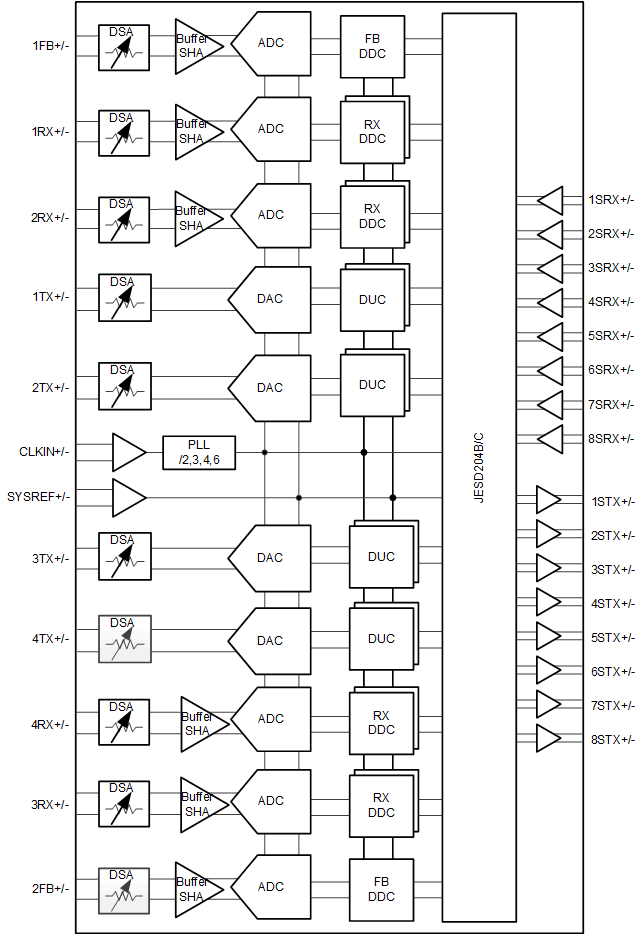
AFE79004-transmit, 6-receive RF-sampling transceiver, 5-MHz to 7.4-GHz, max 1200-MHz IBW | RF and Wireless | 1 | Active | The AFE7900 is a high performance, wide bandwidth multi-channel transceiver, integrating four RF sampling transmitter chains, four RF sampling receiver chains and two RF sampling feedback chains (six RF sampling ADCs total). With operation up to 7.4 GHz, this device enables direct RF sampling in the L, S and C-band frequency ranges without the need for additional frequency conversions stages. This improvement in density and flexibility enables high-channel-count, multi-mission systems.
The TX signal paths support interpolation and digital up conversion options that deliver up to 1200 MHz of signal bandwidth for four TX or 2400 MHz for two TX. The output of the DUCs drives a 12-GSPS DAC (digital to analog converter) with a mixed mode output option to enhance 2nd Nyquist operation. The DAC output includes a variable gain amplifier (TX DSA) with 40-dB range and 1-dB analog and 0.125-dB digital steps.
Each receiver chain includes a 25-dB range DSA (Digital Step Attenuator), followed by a 3-GSPS ADC (analog-to-digital converter). Each receiver channel has an analog peak power detector and various digital power detectors to assist an external or internal autonomous automatic gain controller, and RF overload detectors for device reliability protection. Flexible decimation options provide optimization of data bandwidth up to 1200 MHz for four RX without FB paths or 600 MHz with two FB paths (1200 MHz BW each).
The device contains a SYSREF timing detector to allow optimization of the SYSREF input timing relative to the device clock.
The AFE7900 is a high performance, wide bandwidth multi-channel transceiver, integrating four RF sampling transmitter chains, four RF sampling receiver chains and two RF sampling feedback chains (six RF sampling ADCs total). With operation up to 7.4 GHz, this device enables direct RF sampling in the L, S and C-band frequency ranges without the need for additional frequency conversions stages. This improvement in density and flexibility enables high-channel-count, multi-mission systems.
The TX signal paths support interpolation and digital up conversion options that deliver up to 1200 MHz of signal bandwidth for four TX or 2400 MHz for two TX. The output of the DUCs drives a 12-GSPS DAC (digital to analog converter) with a mixed mode output option to enhance 2nd Nyquist operation. The DAC output includes a variable gain amplifier (TX DSA) with 40-dB range and 1-dB analog and 0.125-dB digital steps.
Each receiver chain includes a 25-dB range DSA (Digital Step Attenuator), followed by a 3-GSPS ADC (analog-to-digital converter). Each receiver channel has an analog peak power detector and various digital power detectors to assist an external or internal autonomous automatic gain controller, and RF overload detectors for device reliability protection. Flexible decimation options provide optimization of data bandwidth up to 1200 MHz for four RX without FB paths or 600 MHz with two FB paths (1200 MHz BW each).
The device contains a SYSREF timing detector to allow optimization of the SYSREF input timing relative to the device clock. |
AFE79032-transmit, 2-receive RF-sampling transceiver, 5-MHz to 7.4-GHz, max 400-MHz IBW | RF and Wireless | 2 | Active | The AFE7903 is a high performance, wide bandwidth multi-channel transceiver, integrating two RF sampling transmitter chains and two RF sampling receiver chains. With operation up to 7.4 GHz, this device enables direct RF sampling in the HF, VHF, UHF, L, S and C-band frequency ranges without the need for additional frequency conversions stages. This improvement in density and flexibility enables high-channel-count, multi-mission systems.
The TX signal paths support interpolation and digital up conversion options that deliver up to 400 MHz of signal bandwidth. The output of the DUCs drives a 12 GSPS DAC (digital to analog converter) with a mixed mode output option to enhance 2nd Nyquist operation. The DAC output includes a variable gain amplifier (TX DSA) with 40 dB range and 1 dB analog and 0.125 dB digital steps.
space
Each receiver chain includes a 25 dB range DSA (Digital Step Attenuator), followed by a 3 GSPS ADC (analog-to-digital converter). Each receiver channel has an analog peak power detector and various digital power detectors to assist an external or internal autonomous automatic gain controller, and RF overload detectors for device reliability protection. Flexible decimation options provide optimization of data bandwidth up to 400 MHz for two RX.
The device contains a SYSREF timing detector to allow optimization of the SYSREF input timing relative to the device clock.
The AFE7903 is a high performance, wide bandwidth multi-channel transceiver, integrating two RF sampling transmitter chains and two RF sampling receiver chains. With operation up to 7.4 GHz, this device enables direct RF sampling in the HF, VHF, UHF, L, S and C-band frequency ranges without the need for additional frequency conversions stages. This improvement in density and flexibility enables high-channel-count, multi-mission systems.
The TX signal paths support interpolation and digital up conversion options that deliver up to 400 MHz of signal bandwidth. The output of the DUCs drives a 12 GSPS DAC (digital to analog converter) with a mixed mode output option to enhance 2nd Nyquist operation. The DAC output includes a variable gain amplifier (TX DSA) with 40 dB range and 1 dB analog and 0.125 dB digital steps.
space
Each receiver chain includes a 25 dB range DSA (Digital Step Attenuator), followed by a 3 GSPS ADC (analog-to-digital converter). Each receiver channel has an analog peak power detector and various digital power detectors to assist an external or internal autonomous automatic gain controller, and RF overload detectors for device reliability protection. Flexible decimation options provide optimization of data bandwidth up to 400 MHz for two RX.
The device contains a SYSREF timing detector to allow optimization of the SYSREF input timing relative to the device clock. |
AFE79066-channel RF-sampling receiver, 5-MHz to 12-GHz, max 1200-MHz IBW | RF Receivers | 2 | Active | The AFE7906 is a high performance, wide bandwidth multi-channel receiver, integrating six RF Sampling ADCs. With operation up to 12 GHz, this device enables direct RF sampling in the L, S, C and X-band frequency ranges without the need for additional frequency conversions stages. This improvement in density and flexibility enables high-channel-count, multi-mission systems.
Each receiver chain includes a 25-dB range DSA (Digital Step Attenuator), followed by a 3-GSPS ADC (analog-to-digital converter). Four receiver channels have an analog peak power detector and various digital power detectors to assist an external or internal autonomous automatic gain controller, and RF overload detectors for device reliability protection. Flexible decimation options provide optimization of data bandwidth up to 1200 MHz for four RX or 600 MHz.
The device contains a SYSREF timing detector to allow optimization of the SYSREF input timing relative to the device clock.
spacer
Each receiver chain includes a 25-dB range DSA (Digital Step Attenuator), followed by a 3-GSPS ADC (analog-to-digital converter). Each receiver channel has an analog peak power detector and various digital power detectors to assist an external or internal autonomous automatic gain controller, and RF overload detectors for device reliability protection. Flexible decimation options provide optimization of data bandwidth up to 1200 MHz for four RX without FB paths or 600 MHz with two FB paths (1200 MHz BW each).
The device contains a SYSREF timing detector to allow optimization of the SYSREF input timing relative to the device clock.
The AFE7906 is a high performance, wide bandwidth multi-channel receiver, integrating six RF Sampling ADCs. With operation up to 12 GHz, this device enables direct RF sampling in the L, S, C and X-band frequency ranges without the need for additional frequency conversions stages. This improvement in density and flexibility enables high-channel-count, multi-mission systems.
Each receiver chain includes a 25-dB range DSA (Digital Step Attenuator), followed by a 3-GSPS ADC (analog-to-digital converter). Four receiver channels have an analog peak power detector and various digital power detectors to assist an external or internal autonomous automatic gain controller, and RF overload detectors for device reliability protection. Flexible decimation options provide optimization of data bandwidth up to 1200 MHz for four RX or 600 MHz.
The device contains a SYSREF timing detector to allow optimization of the SYSREF input timing relative to the device clock.
spacer
Each receiver chain includes a 25-dB range DSA (Digital Step Attenuator), followed by a 3-GSPS ADC (analog-to-digital converter). Each receiver channel has an analog peak power detector and various digital power detectors to assist an external or internal autonomous automatic gain controller, and RF overload detectors for device reliability protection. Flexible decimation options provide optimization of data bandwidth up to 1200 MHz for four RX without FB paths or 600 MHz with two FB paths (1200 MHz BW each).
The device contains a SYSREF timing detector to allow optimization of the SYSREF input timing relative to the device clock. |
| Evaluation Boards | 1 | Active | ||
AFE79504-transmit, 6-receive RF-sampling transceiver, 600-MHz to 12-GHz, max 1200-MHz IBW | RF Transceiver ICs | 2 | Active | The AFE7950 is a high performance, wide bandwidth multi-channel transceiver, integrating four RF sampling transmitter chains, four RF sampling receiver chains and two RF sampling feedback chains (six RF sampling ADCs total). With operation up to 12 GHz, this device enables direct RF sampling in the L, S, C and X-band frequency ranges without the need for additional frequency conversions stages. This improvement in density and flexibility enables high-channel-count, multi-mission systems.
The TX signal paths support interpolation and digital up conversion options that deliver up to 1200 MHz of signal bandwidth for four TX or 2400 MHz for two TX. The output of the DUCs drives a 12-GSPS DAC (digital to analog converter) with a mixed mode output option to enhance 2nd Nyquist operation. The DAC output includes a variable gain amplifier (TX DSA) with 40-dB range and 1-dB analog and 0.125-dB digital steps.
The AFE7950 is a high performance, wide bandwidth multi-channel transceiver, integrating four RF sampling transmitter chains, four RF sampling receiver chains and two RF sampling feedback chains (six RF sampling ADCs total). With operation up to 12 GHz, this device enables direct RF sampling in the L, S, C and X-band frequency ranges without the need for additional frequency conversions stages. This improvement in density and flexibility enables high-channel-count, multi-mission systems.
The TX signal paths support interpolation and digital up conversion options that deliver up to 1200 MHz of signal bandwidth for four TX or 2400 MHz for two TX. The output of the DUCs drives a 12-GSPS DAC (digital to analog converter) with a mixed mode output option to enhance 2nd Nyquist operation. The DAC output includes a variable gain amplifier (TX DSA) with 40-dB range and 1-dB analog and 0.125-dB digital steps. |