T
Texas Instruments
| Series | Category | # Parts | Status | Description |
|---|---|---|---|---|
| Part | Spec A | Spec B | Spec C | Spec D | Description |
|---|---|---|---|---|---|



| Series | Category | # Parts | Status | Description |
|---|---|---|---|---|
| Part | Spec A | Spec B | Spec C | Spec D | Description |
|---|---|---|---|---|---|
| Part | Category | Description |
|---|---|---|
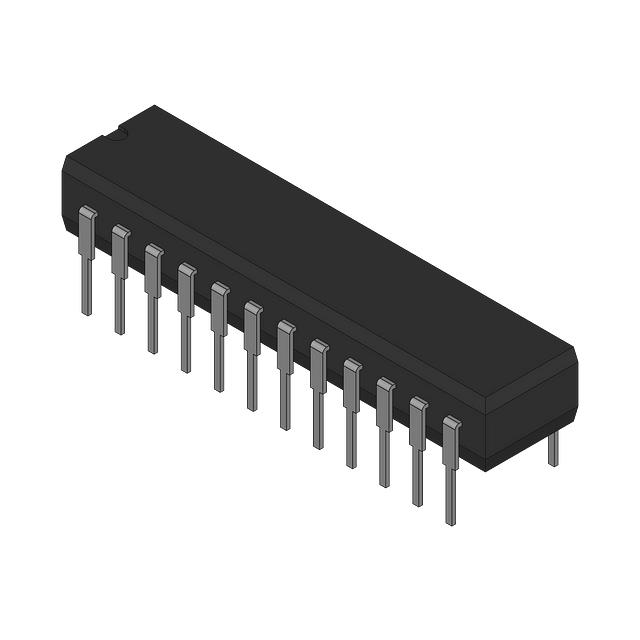 Texas Instruments | Integrated Circuits (ICs) | BUS DRIVER, BCT/FBT SERIES |
 Texas Instruments | Integrated Circuits (ICs) | 12BIT 3.3V~3.6V 210MHZ PARALLEL VQFN-48-EP(7X7) ANALOG TO DIGITAL CONVERTERS (ADC) ROHS |
Texas Instruments | Integrated Circuits (ICs) | TMX320DRE311 179PIN UBGA 200MHZ |
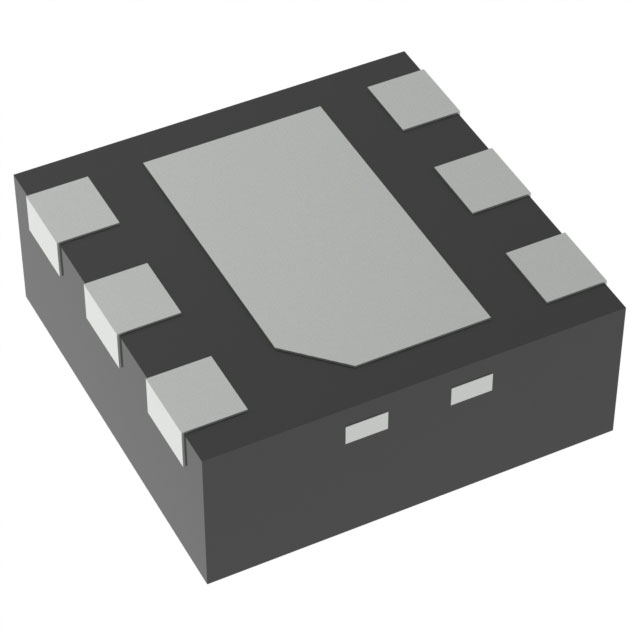 Texas Instruments TPS61040DRVTG4Unknown | Integrated Circuits (ICs) | IC LED DRV RGLTR PWM 350MA 6WSON |
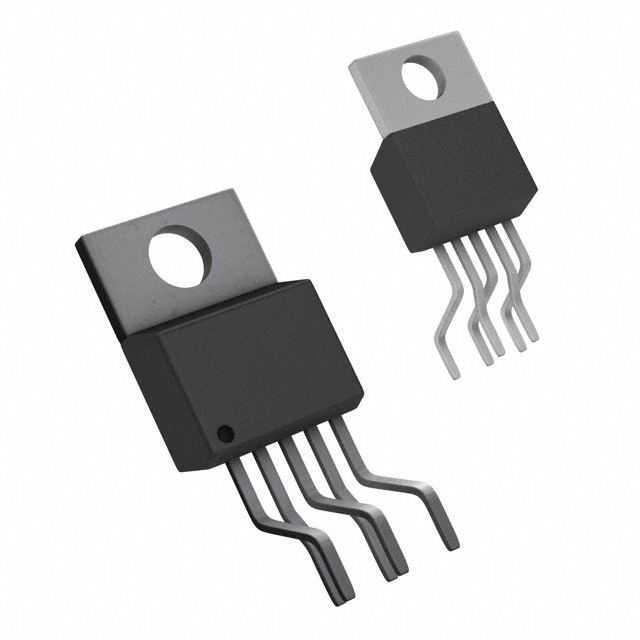 Texas Instruments LP3876ET-2.5Obsolete | Integrated Circuits (ICs) | IC REG LINEAR 2.5V 3A TO220-5 |
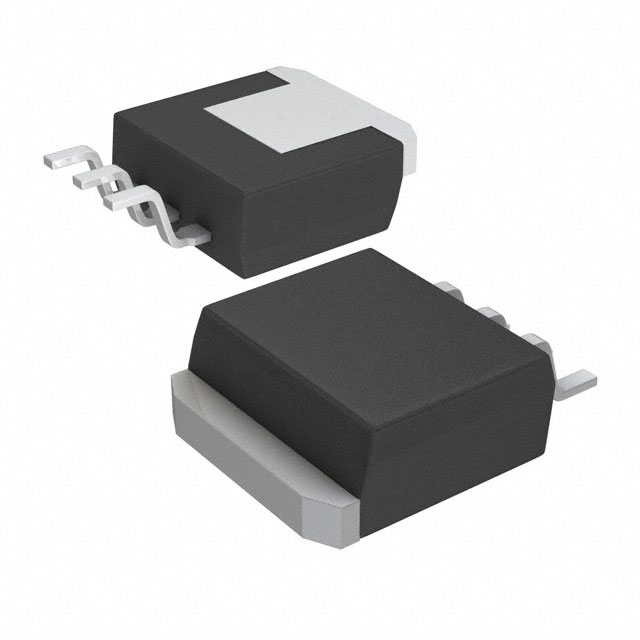 Texas Instruments LMS1585ACSX-ADJObsolete | Integrated Circuits (ICs) | IC REG LIN POS ADJ 5A DDPAK |
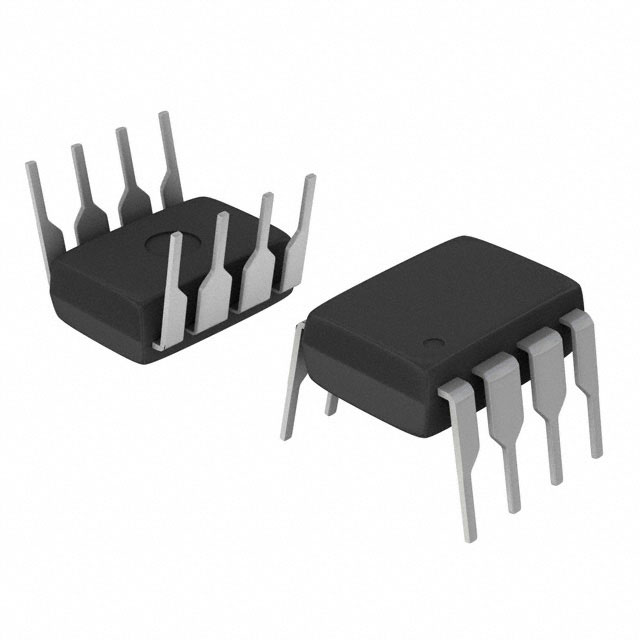 Texas Instruments INA111APG4Obsolete | Integrated Circuits (ICs) | IC INST AMP 1 CIRCUIT 8DIP |
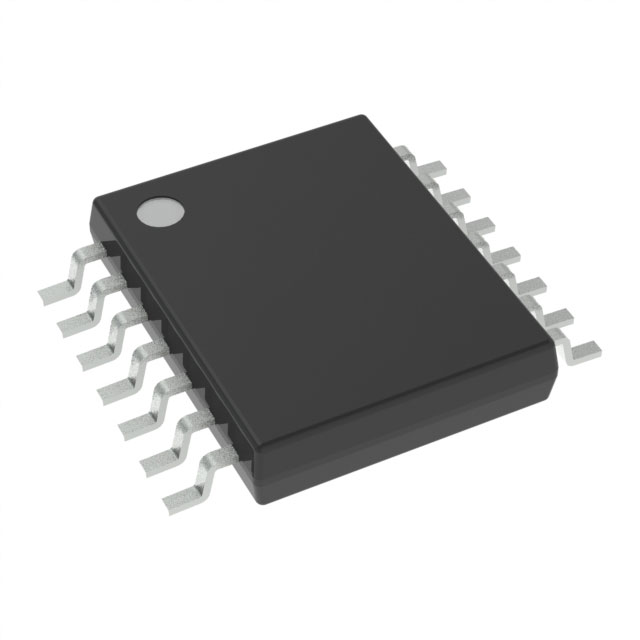 Texas Instruments | Integrated Circuits (ICs) | AUTOMOTIVE, QUAD 36V 1.2MHZ OPERATIONAL AMPLIFIER |
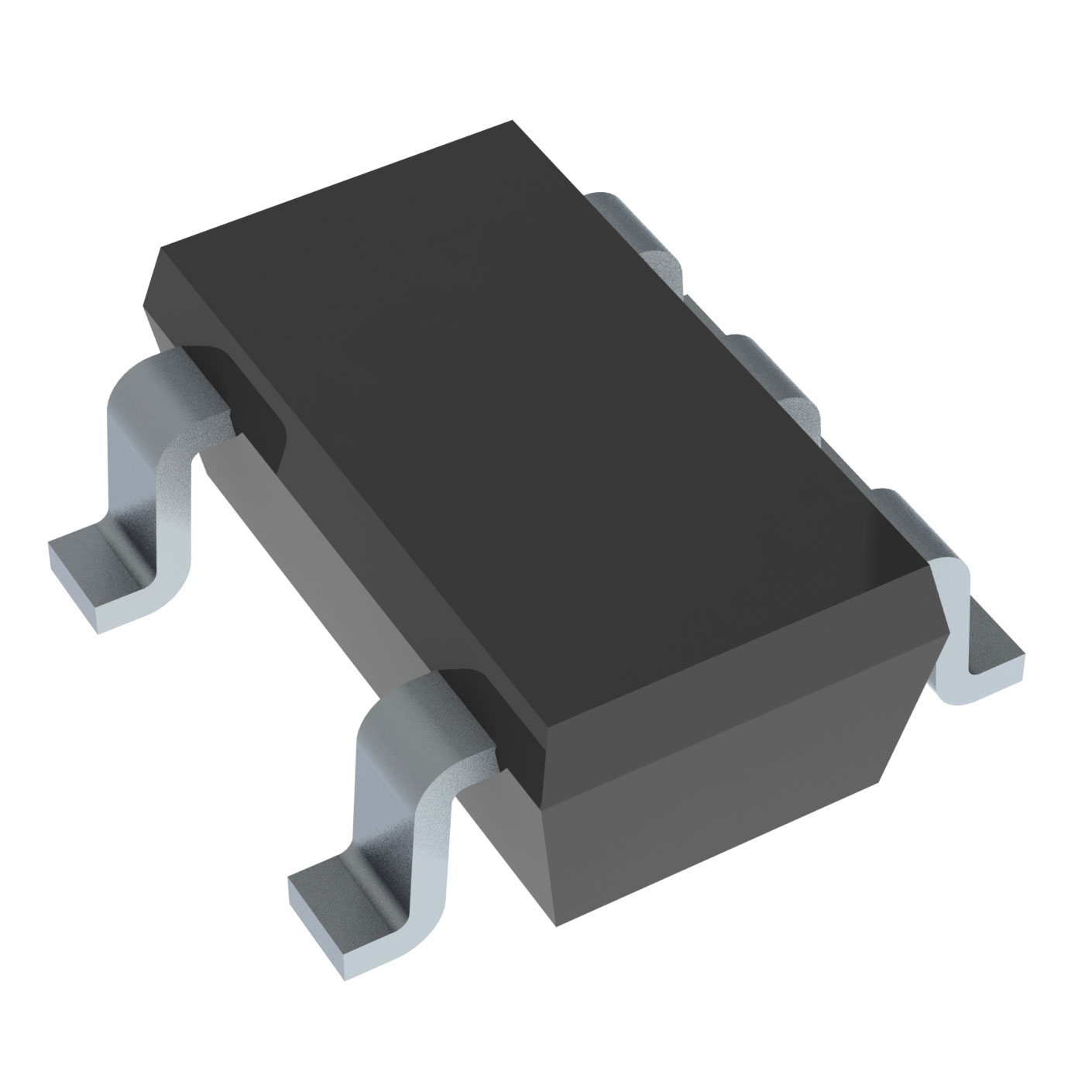 Texas Instruments OPA340NA/3KG4Unknown | Integrated Circuits (ICs) | IC OPAMP GP 1 CIRCUIT SOT23-5 |
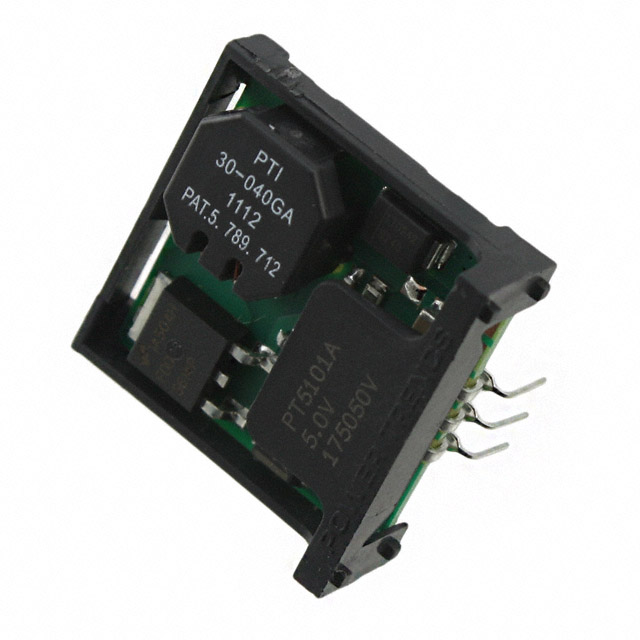 Texas Instruments PT5112AObsolete | Power Supplies - Board Mount | DC DC CONVERTER 8V 8W |
| Series | Category | # Parts | Status | Description |
|---|---|---|---|---|
SN74HCT646Octal Bus Transceivers And Registers With 3-State Outputs | Integrated Circuits (ICs) | 3 | Active | The ’HCT646 devices consist of bus-transceiver circuits with 3-state outputs, D-type flip-flops, and control circuitry arranged for multiplexed transmission of data directly from the input bus or from the internal registers. Data on the A or B bus is clocked into the registers on the low-to-high transition of the appropriate clock (CLKAB or CLKBA) input. Figure 1 illustrates the four fundamental bus-management functions that can be performed with the ’HCT646 devices.
Output-enable (OE)\ and direction-control (DIR) inputs control the transceiver functions. In the transceiver mode, data present at the high-impedance port can be stored in either or both registers.
The select-control (SAB and SBA) inputs can multiplex stored and real-time (transparent mode) data. DIR determines which bus receives data when OE\ is active (low). In the isolation mode (OE\ high), A data can be stored in one register and/or B data can be stored in the other register.
When an output function is disabled, the input function still is enabled and can be used to store data. Only one of the two buses, A or B, can be driven at a time.
To ensure the high-impedance state during power up or power down, OE\ should be tied to VCCthrough a pullup resistor; the minimum value of the resistor is determined by the current-sinking capability of the driver.
The ’HCT646 devices consist of bus-transceiver circuits with 3-state outputs, D-type flip-flops, and control circuitry arranged for multiplexed transmission of data directly from the input bus or from the internal registers. Data on the A or B bus is clocked into the registers on the low-to-high transition of the appropriate clock (CLKAB or CLKBA) input. Figure 1 illustrates the four fundamental bus-management functions that can be performed with the ’HCT646 devices.
Output-enable (OE)\ and direction-control (DIR) inputs control the transceiver functions. In the transceiver mode, data present at the high-impedance port can be stored in either or both registers.
The select-control (SAB and SBA) inputs can multiplex stored and real-time (transparent mode) data. DIR determines which bus receives data when OE\ is active (low). In the isolation mode (OE\ high), A data can be stored in one register and/or B data can be stored in the other register.
When an output function is disabled, the input function still is enabled and can be used to store data. Only one of the two buses, A or B, can be driven at a time.
To ensure the high-impedance state during power up or power down, OE\ should be tied to VCCthrough a pullup resistor; the minimum value of the resistor is determined by the current-sinking capability of the driver. |
SN74HCT652High Speed CMOS Logic Octal Bus Transceivers/Registers with 3-State Outputs | Logic | 5 | Active | The CD74HC652 and CD74HCT652 three-state, octal-bus transceiver/registers use silicon-gate CMOS technology to achieve operating speeds similar to LSTTL with the low power consumption of standard CMOS integrated circuits. The CD74HC652 and CD74HCT652 have non-inverting outputs. These devices consists of bus transceiver circuits, D-type flip-flops, and control circuitry arranged for multiplexed transmission of data directly from the data bus or from the internal storage registers. Output Enables OEABand OEBAare provided to control the transceiver functions. SAB and SBA control pins are provided to select whether real-time or stored data is transferred. The circuitry used for select control will eliminate the typical decoding glitch that occurs in a multiplexer during the transition between stored and real-time data. A LOW input level selects real-time data, and a HIGH selects stored data. The following examples demonstrates the four fundamentals bus-management functions that can be performed with the octal-bus transceivers and registers.
Data on the A or B data bus, or both, can be stored in the internal D flip-flops by low-to-high transitions at the appropriate clock pins (CAB or CBA) regardless of the select of the control pins. When SAB and SBA are in the real-time transfer mode, it is also possible to store data without using the D-type flip-flops by simultaneously enabling OEABand OEBA. In this configuration, each output reinforces its input. Thus, when all other data sources to the two sets of bus lines are at high impedance, each set of bus lines will remain at its last state.
The CD74HC652 and CD74HCT652 three-state, octal-bus transceiver/registers use silicon-gate CMOS technology to achieve operating speeds similar to LSTTL with the low power consumption of standard CMOS integrated circuits. The CD74HC652 and CD74HCT652 have non-inverting outputs. These devices consists of bus transceiver circuits, D-type flip-flops, and control circuitry arranged for multiplexed transmission of data directly from the data bus or from the internal storage registers. Output Enables OEABand OEBAare provided to control the transceiver functions. SAB and SBA control pins are provided to select whether real-time or stored data is transferred. The circuitry used for select control will eliminate the typical decoding glitch that occurs in a multiplexer during the transition between stored and real-time data. A LOW input level selects real-time data, and a HIGH selects stored data. The following examples demonstrates the four fundamentals bus-management functions that can be performed with the octal-bus transceivers and registers.
Data on the A or B data bus, or both, can be stored in the internal D flip-flops by low-to-high transitions at the appropriate clock pins (CAB or CBA) regardless of the select of the control pins. When SAB and SBA are in the real-time transfer mode, it is also possible to store data without using the D-type flip-flops by simultaneously enabling OEABand OEBA. In this configuration, each output reinforces its input. Thus, when all other data sources to the two sets of bus lines are at high impedance, each set of bus lines will remain at its last state. |
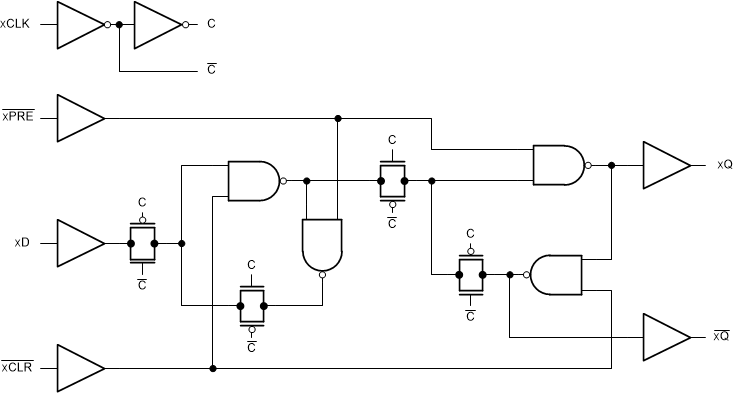
SN74HCT74High Speed CMOS Logic Dual Positive-Edge-Triggered D Flip-Flops with Set and Reset | Integrated Circuits (ICs) | 20 | Active | The ’HCT74 devices contain two independent D-type positive-edge-triggered flip-flops. A low level at the preset ( PRE) or clear ( CLR) inputs sets or resets the outputs, regardless of the levels of the other inputs. When PRE and CLR are inactive (high), data at the data (D) input meeting the setup time requirements are transferred to the outputs on the positive-going edge of the clock (CLK) pulse. Clock triggering occurs at a voltage level and is not directly related to the rise time of CLK. Following the hold-time interval, data at the D input may be changed without affecting the levels at the outputs.
The ’HCT74 devices contain two independent D-type positive-edge-triggered flip-flops. A low level at the preset ( PRE) or clear ( CLR) inputs sets or resets the outputs, regardless of the levels of the other inputs. When PRE and CLR are inactive (high), data at the data (D) input meeting the setup time requirements are transferred to the outputs on the positive-going edge of the clock (CLK) pulse. Clock triggering occurs at a voltage level and is not directly related to the rise time of CLK. Following the hold-time interval, data at the D input may be changed without affecting the levels at the outputs. |
SN74LS004-ch, 2-input, 4.75-V to 5.25-V bipolar NAND gates | Logic | 9 | Active | The SNx4xx00 devices contain four independent,2-input NAND gates. The devices perform the Boolean function Y =A .Bor Y =A+Bin positive logic.
The SNx4xx00 devices contain four independent,2-input NAND gates. The devices perform the Boolean function Y =A .Bor Y =A+Bin positive logic. |
SN74LS024-ch, 2-input, 4.75-V to 5.25-V bipolar NOR gates | Gates and Inverters | 9 | Active | These devices contain four independent 2-input-NOR gates.
The SN5402, SN54LS02, and SN54S02 are characterized for operation over the full military temperature range of -55°C to 125°C. The SN7402, SN74LS02, and SN74S02 are characterized for operation from 0°C to 70°C.
These devices contain four independent 2-input-NOR gates.
The SN5402, SN54LS02, and SN54S02 are characterized for operation over the full military temperature range of -55°C to 125°C. The SN7402, SN74LS02, and SN74S02 are characterized for operation from 0°C to 70°C. |
SN74LS034-ch, 2-input, 4.75-V to 5.25-V bipolar NAND gates with open-collector outputs | Integrated Circuits (ICs) | 3 | Active | These devices contain four independent 2-input-NAND gates. The open-collector outputs require pull-up resistors to perform correctly. They may be connected to other open-collector outputs to implement active-low wired-OR or active-high wired-AND functions. Open-collector devices are often used to generate higher VOHlevels.
The SN5403, SN54LS03 and SN54S03 are characterized for operation over the full military temperature range of -55°C to 125°C. The SN7403, SN74LS03 and SN74S03 are characterized for operation from 0°C to 70°C.
These devices contain four independent 2-input-NAND gates. The open-collector outputs require pull-up resistors to perform correctly. They may be connected to other open-collector outputs to implement active-low wired-OR or active-high wired-AND functions. Open-collector devices are often used to generate higher VOHlevels.
The SN5403, SN54LS03 and SN54S03 are characterized for operation over the full military temperature range of -55°C to 125°C. The SN7403, SN74LS03 and SN74S03 are characterized for operation from 0°C to 70°C. |
SN74LS046-ch, 4.75-V to 5.25-V bipolar inverters | Integrated Circuits (ICs) | 6 | Active | These devices contain six independent inverters.
These devices contain six independent inverters. |
SN74LS056-ch, 4.75-V to 5.25-V bipolar inverters with open-collector outputs | Integrated Circuits (ICs) | 6 | Active | These devices contain six independent inverters. To perform correctly, the open-collector outputs require pullup resistors. These devices may be connected to other open-collector outputs to implement active-low wired-OR or active-high wire-AND functions. Open-collector devices often are used to generate high VOHlevels.
These devices contain six independent inverters. To perform correctly, the open-collector outputs require pullup resistors. These devices may be connected to other open-collector outputs to implement active-low wired-OR or active-high wire-AND functions. Open-collector devices often are used to generate high VOHlevels. |
SN74LS066-ch, 4.75-V to 5.25-V bipolar inverters with open-collector outputs | Gates and Inverters | 6 | Active | The SNx4LS06 devices feature high-voltage, open-collector outputs to interface with high-level circuits (such as MOS), or for driving high-current loads, and also are characterized for use as inverter buffers for driving TTL inputs. The SNx4LS06 devices have a rated output voltage of 30 V.
The SNx4LS06 devices feature high-voltage, open-collector outputs to interface with high-level circuits (such as MOS), or for driving high-current loads, and also are characterized for use as inverter buffers for driving TTL inputs. The SNx4LS06 devices have a rated output voltage of 30 V. |
SN74LS076-ch, 4.75-V to 5.25-V bipolar buffers with open-collector outputs | Logic | 7 | Active | These hex buffers and drivers feature high-voltage open-collector outputs to interface with high-level circuits or for driving high-current loads. They are also characterized for use as buffers for driving TTL inputs. The SN74LS07 devices have a rated output voltage of 30 V. The maximum sink current is 40 mA.
These circuits are compatible with most TTL families. Inputs are diode-clamped to minimize transmission-line effects, which simplifies design. Typical power dissipation is 140 mW, and average propagation delay time is 12 ns.
These hex buffers and drivers feature high-voltage open-collector outputs to interface with high-level circuits or for driving high-current loads. They are also characterized for use as buffers for driving TTL inputs. The SN74LS07 devices have a rated output voltage of 30 V. The maximum sink current is 40 mA.
These circuits are compatible with most TTL families. Inputs are diode-clamped to minimize transmission-line effects, which simplifies design. Typical power dissipation is 140 mW, and average propagation delay time is 12 ns. |