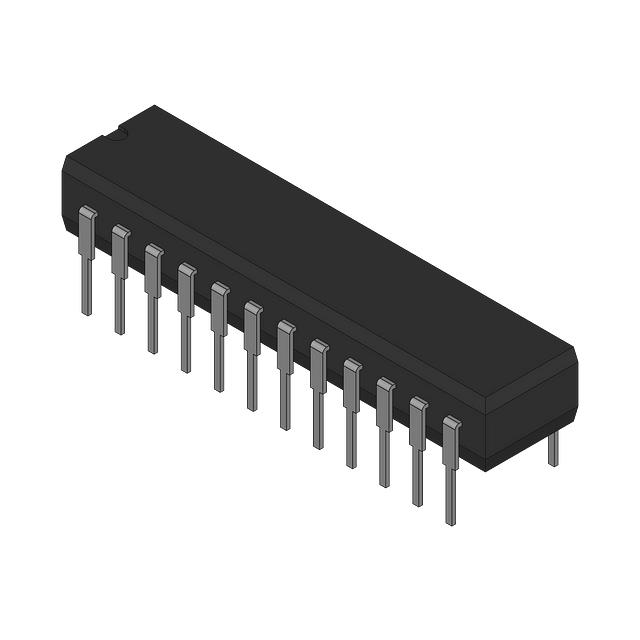
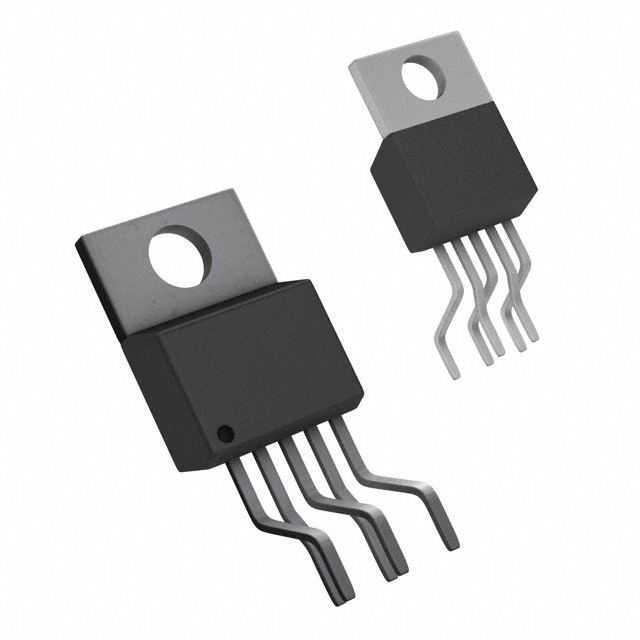
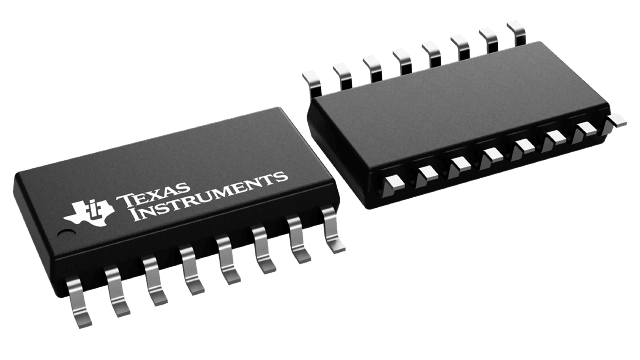
SN74LS126A4-ch, 4.75-V to 5.25-V bipolar buffers with 3-state outputs | Integrated Circuits (ICs) | 5 | Active | These bus buffers feature three-state outputs that, when enabled, have the low impedance characteristics of a TTL output with additional drive capability at high logic levels to permit driving heavily loaded bus lines without external pullup resistors. When disabled, both output transistors are turned off, presenting a high-impedance state to the bus so the output will act neither as a significant load nor as a driver. The ’125 and ’LS125A devices’ outputs are disabled when G\ is high. The ’126 and ’LS126A devices’ outputs are disabled when G is low.
These bus buffers feature three-state outputs that, when enabled, have the low impedance characteristics of a TTL output with additional drive capability at high logic levels to permit driving heavily loaded bus lines without external pullup resistors. When disabled, both output transistors are turned off, presenting a high-impedance state to the bus so the output will act neither as a significant load nor as a driver. The ’125 and ’LS125A devices’ outputs are disabled when G\ is high. The ’126 and ’LS126A devices’ outputs are disabled when G is low. |
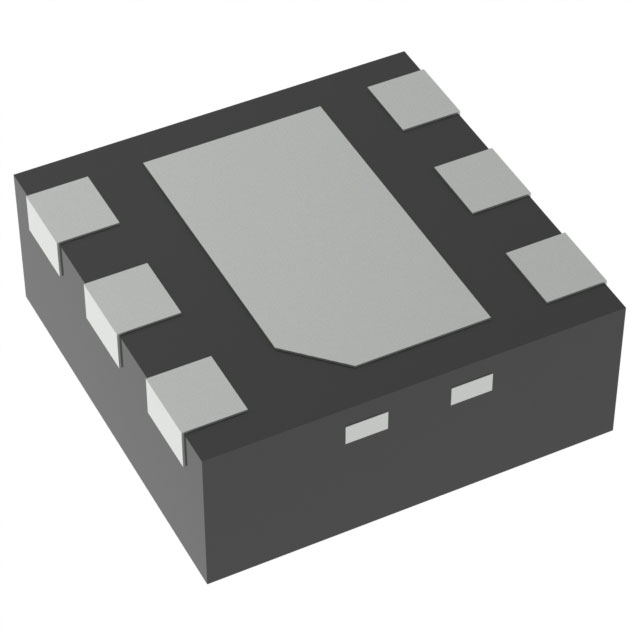
SN74LS1324-ch, 2-input, 4.75-V to 5.25-V bipolar NAND gates with Schmitt-Trigger inputs | Gates and Inverters | 3 | Active | Each circuit functions as a 2-input NAND gate, but because of the Schmitt action, it has different input threshold levels for positive (VT+) and for negative going (VT-) signals.
These circuits are temperature-compensated and can be triggered from the slowest of input ramps and still give clear, jitter-free output signals.
The SN54132, SN54LS132, and SN54S132 are characterized for operation over the full military temperature range of -55°C to 125°C. The SN74132, SN74LS132, and SN74S132 are characterized for operation from 0°C to 70°C.
Each circuit functions as a 2-input NAND gate, but because of the Schmitt action, it has different input threshold levels for positive (VT+) and for negative going (VT-) signals.
These circuits are temperature-compensated and can be triggered from the slowest of input ramps and still give clear, jitter-free output signals.
The SN54132, SN54LS132, and SN54S132 are characterized for operation over the full military temperature range of -55°C to 125°C. The SN74132, SN74LS132, and SN74S132 are characterized for operation from 0°C to 70°C. |
SN74LS1364-ch, 2-input, 4.75-V to 5.25-V bipolar XOR (exclusive OR) gates with open-collector outputs | Integrated Circuits (ICs) | 4 | Active | 4-ch, 2-input, 4.75-V to 5.25-V bipolar XOR (exclusive OR) gates with open-collector outputs |
SN74LS1383-line to 8-line decoder / demultiplexer | Integrated Circuits (ICs) | 7 | Active | These Schottky-clamped TTL MSI circuits are designed to be used in high-performance memory decoding or data-routing applications requiring very short propagation delay times. In high-performance memory systems, these decoders can be used to minimize the effects of system decoding. When employed with high-speed memories utilizing a fast enable circuit, the delay times of these decoders and the enable time of the memory are usually less than the typical access time of the memory. This means that the effective system delay introduced by the Schottky-clamped system decoder is negligible.
The 'LS138, SN54S138, and SN74S138A decode one of eight lines dependent on the conditions at the three binary select inputs and the three enable inputs. Two active-low and one active-high enable inputs reduce the need for external gates or inverters when expanding. A 24-line decoder can be implemented without external inverters and a 32-line decoder requires only one inverter. An enable input can be used as a data input for demultiplexing applications.
All of these decoder/demultiplexers feature fully buffered inputs, each of which represents only one normalized load to its driving circuit. All inputs are clamped with high-performance Schottky diodes to suppress line-ringing and to simplify system design.
The SN54LS138 and SN54S138 are characterized for operation over the full military temperature range of -55°C to 125°C. The SN74LS138 and SN74S138A are characterized for operation from 0°C to 70°C.
These Schottky-clamped TTL MSI circuits are designed to be used in high-performance memory decoding or data-routing applications requiring very short propagation delay times. In high-performance memory systems, these decoders can be used to minimize the effects of system decoding. When employed with high-speed memories utilizing a fast enable circuit, the delay times of these decoders and the enable time of the memory are usually less than the typical access time of the memory. This means that the effective system delay introduced by the Schottky-clamped system decoder is negligible.
The 'LS138, SN54S138, and SN74S138A decode one of eight lines dependent on the conditions at the three binary select inputs and the three enable inputs. Two active-low and one active-high enable inputs reduce the need for external gates or inverters when expanding. A 24-line decoder can be implemented without external inverters and a 32-line decoder requires only one inverter. An enable input can be used as a data input for demultiplexing applications.
All of these decoder/demultiplexers feature fully buffered inputs, each of which represents only one normalized load to its driving circuit. All inputs are clamped with high-performance Schottky diodes to suppress line-ringing and to simplify system design.
The SN54LS138 and SN54S138 are characterized for operation over the full military temperature range of -55°C to 125°C. The SN74LS138 and SN74S138A are characterized for operation from 0°C to 70°C. |
SN74LS139ADual 2-line to 4-line decoders / demultiplexers | Logic | 4 | Active | These Schottky-clamped TTL MSI circuits are designed to be used in high-performance memory-decoding or data-routing applications requiring very short propagation delay times. In high-performance memory systems, these decoders can be used to minimize the effects of system decoding. When employed with high-speed memories utilizing a fast-enable circuit, the delay times of these decoders and the enable time of the memory are usually less than the typical access time of the memory. This means that the effective system delay introduced by the Schottky-clamped system decoder is negligible.
The circuit comprises two individual two-line to four-line decoders in a single package. The active-low enable input can be used as a data line in demultiplexing applications.
All of these decoders/demultiplexers feature fully buffered inputs, each of which represents only one normalized load to its driving circuit. All inputs are clamped with high-performance Schottky diodes to suppress line-ringing and to simplify system design. The SN54LS139A and SN54S139 are characterized for operation range of –55°C to 125°C. The SN74LS139A and SN74S139A are characterized for operation from 0°C to 70°C.
These Schottky-clamped TTL MSI circuits are designed to be used in high-performance memory-decoding or data-routing applications requiring very short propagation delay times. In high-performance memory systems, these decoders can be used to minimize the effects of system decoding. When employed with high-speed memories utilizing a fast-enable circuit, the delay times of these decoders and the enable time of the memory are usually less than the typical access time of the memory. This means that the effective system delay introduced by the Schottky-clamped system decoder is negligible.
The circuit comprises two individual two-line to four-line decoders in a single package. The active-low enable input can be used as a data line in demultiplexing applications.
All of these decoders/demultiplexers feature fully buffered inputs, each of which represents only one normalized load to its driving circuit. All inputs are clamped with high-performance Schottky diodes to suppress line-ringing and to simplify system design. The SN54LS139A and SN54S139 are characterized for operation range of –55°C to 125°C. The SN74LS139A and SN74S139A are characterized for operation from 0°C to 70°C. |
SN74LS146-ch, 4.75-V to 5.25-V bipolar inverters with Schmitt-Trigger inputs | Gates and Inverters | 8 | Active | Each circuit in SNx414 and SNx4LS14 functions as an inverter. However, because of the Schmitt-Trigger action, they have different input threshold levels for positive-going (VT+) and negative-going (VT–) signals.
These circuits are temperature compensated and can be triggered from the slowest of input ramps and still give clean, jitter-free output signals.
Each circuit in SNx414 and SNx4LS14 functions as an inverter. However, because of the Schmitt-Trigger action, they have different input threshold levels for positive-going (VT+) and negative-going (VT–) signals.
These circuits are temperature compensated and can be triggered from the slowest of input ramps and still give clean, jitter-free output signals. |
| Logic | 6 | Active | These monolithic BCD-to-decimal decoder/drivers consist of eight inverters and ten four-input NAND gates. The inverters are connected in pairs to make BCD input date available for decoding by the NAND gates. Full decoding of valid BCD input logic ensures that all outputs remain off for all invalid binary input conditions. These decoders feature high-performance,n-p-n output transistors designed for use as indicator/relay drivers or as open-collector logic-circuit drivers. Each of the high-breakdown output transistors (15 volts) of the SN54145, SN74145, or SN74LS145 will sink up to 80 milliamperes of current. Each input is one Series 54/74 or Series 54LS/74LS standard load, respectively. Inputs and outputs are entirely compatible for use with TTL or DTL logic curciuts, and the outputs are compatible for interfacing with most MOS integrated circuits. Power dissipation is typically 215 milliwatts for the '145 and 35 milliwatts for the 'LS145.
These monolithic BCD-to-decimal decoder/drivers consist of eight inverters and ten four-input NAND gates. The inverters are connected in pairs to make BCD input date available for decoding by the NAND gates. Full decoding of valid BCD input logic ensures that all outputs remain off for all invalid binary input conditions. These decoders feature high-performance,n-p-n output transistors designed for use as indicator/relay drivers or as open-collector logic-circuit drivers. Each of the high-breakdown output transistors (15 volts) of the SN54145, SN74145, or SN74LS145 will sink up to 80 milliamperes of current. Each input is one Series 54/74 or Series 54LS/74LS standard load, respectively. Inputs and outputs are entirely compatible for use with TTL or DTL logic curciuts, and the outputs are compatible for interfacing with most MOS integrated circuits. Power dissipation is typically 215 milliwatts for the '145 and 35 milliwatts for the 'LS145. |
| Logic | 3 | Active | These TTL encoders feature priority decoding of the inputs to ensure that only the highest-order data line is encoded. The '147 and 'LS147 encode nine data lines to four-line (8-4-2-1) BCD. The implied decimal zero condition requires no input condition as zero is encoded when all nine data lines are at a high logic level. The '148 and 'LS148 encode eight data lines to three-line (4-2-1) binary (octal). Cascading circuitry (enable input E1 and enable output E0) has been provided to allow octal expansion without the need for external circuitry. For all types, data inputs and outputs are active at the low logic level. All inputs are buffered to represent one normalized Series 54/74 or 54LS/74LS load, respectively.
These TTL encoders feature priority decoding of the inputs to ensure that only the highest-order data line is encoded. The '147 and 'LS147 encode nine data lines to four-line (8-4-2-1) BCD. The implied decimal zero condition requires no input condition as zero is encoded when all nine data lines are at a high logic level. The '148 and 'LS148 encode eight data lines to three-line (4-2-1) binary (octal). Cascading circuitry (enable input E1 and enable output E0) has been provided to allow octal expansion without the need for external circuitry. For all types, data inputs and outputs are active at the low logic level. All inputs are buffered to represent one normalized Series 54/74 or 54LS/74LS load, respectively. |
SN74LS1518-Line To 1-Line Data Selectors/Multiplexers | Integrated Circuits (ICs) | 3 | Active | These monolithic data selectors/multiplexers contain full on-chip binary decoding to select the desired data source. The '150 selects one-of-sixteen data sources; the '151A, 'LS151, and 'S151 select one-of-eight data sources. The '150, '151A, 'LS151, and 'S151 have a strobe input which must be at a low logic level to enable these devices. A high level at the strobe forces the W output high, and the Y output (as applicable) low.
The '150 has only an inverted W output; the '151A, 'LS151, and 'S151 feature complementary W and Y outputs.
The '151A and '152A incorporate address buffers that have symmetrical propagation delay times through the complementary paths. This reduces the possibility of transients occurring at the output(s) due to changes made at the select inputs, even when the '151A outputs are enabled (i.e., strobe low).
These monolithic data selectors/multiplexers contain full on-chip binary decoding to select the desired data source. The '150 selects one-of-sixteen data sources; the '151A, 'LS151, and 'S151 select one-of-eight data sources. The '150, '151A, 'LS151, and 'S151 have a strobe input which must be at a low logic level to enable these devices. A high level at the strobe forces the W output high, and the Y output (as applicable) low.
The '150 has only an inverted W output; the '151A, 'LS151, and 'S151 feature complementary W and Y outputs.
The '151A and '152A incorporate address buffers that have symmetrical propagation delay times through the complementary paths. This reduces the possibility of transients occurring at the output(s) due to changes made at the select inputs, even when the '151A outputs are enabled (i.e., strobe low). |
SN74LS153Dual 4-Line To 1-Line Data Selectors/Multiplexers | Signal Switches, Multiplexers, Decoders | 4 | Active | Each of these monolithic, data selectors/multiplexers contains inverters and drivers to supply fully complementary, on-chip, binary decoding data selection to the AND-OR gates. Separator strobe inputs are provided for each of the two four-time sections.
Each of these monolithic, data selectors/multiplexers contains inverters and drivers to supply fully complementary, on-chip, binary decoding data selection to the AND-OR gates. Separator strobe inputs are provided for each of the two four-time sections. |