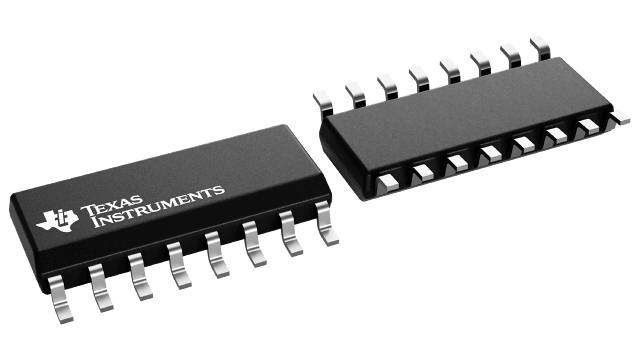
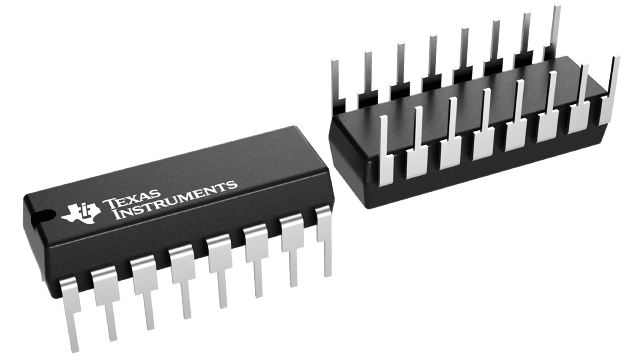
T
Texas Instruments
| Series | Category | # Parts | Status | Description |
|---|---|---|---|---|
| Part | Spec A | Spec B | Spec C | Spec D | Description |
|---|---|---|---|---|---|



| Series | Category | # Parts | Status | Description |
|---|---|---|---|---|
| Part | Spec A | Spec B | Spec C | Spec D | Description |
|---|---|---|---|---|---|
| Part | Category | Description |
|---|---|---|
 Texas Instruments | Integrated Circuits (ICs) | BUS DRIVER, BCT/FBT SERIES |
 Texas Instruments | Integrated Circuits (ICs) | 12BIT 3.3V~3.6V 210MHZ PARALLEL VQFN-48-EP(7X7) ANALOG TO DIGITAL CONVERTERS (ADC) ROHS |
Texas Instruments | Integrated Circuits (ICs) | TMX320DRE311 179PIN UBGA 200MHZ |
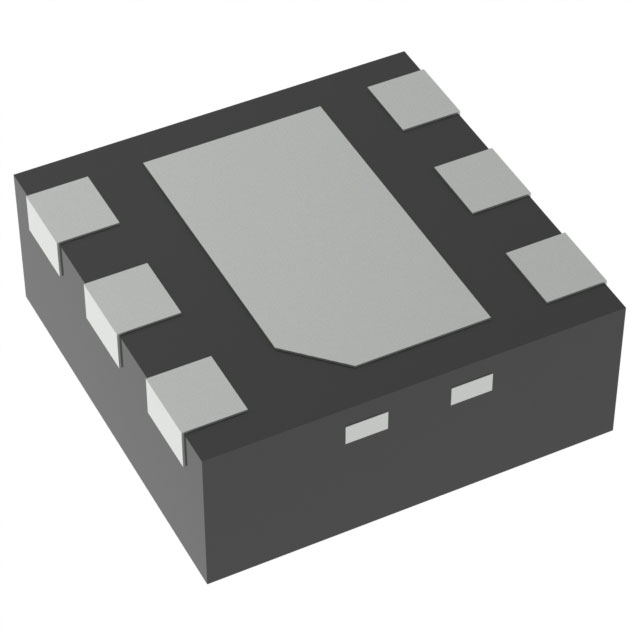 Texas Instruments TPS61040DRVTG4Unknown | Integrated Circuits (ICs) | IC LED DRV RGLTR PWM 350MA 6WSON |
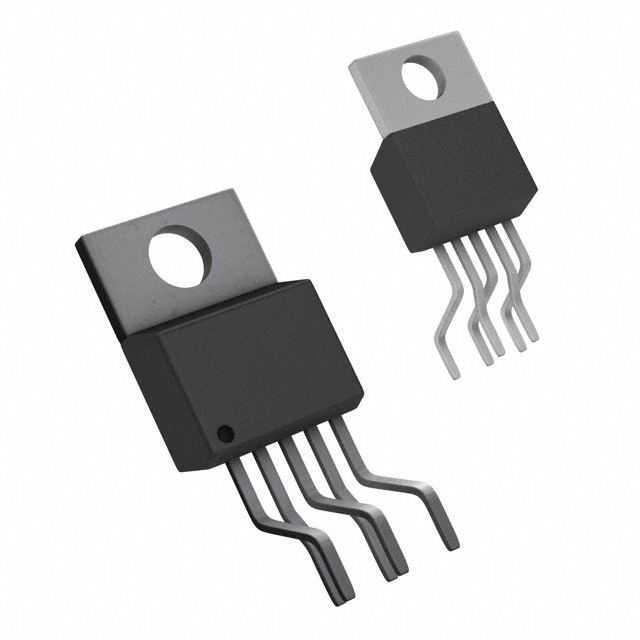 Texas Instruments LP3876ET-2.5Obsolete | Integrated Circuits (ICs) | IC REG LINEAR 2.5V 3A TO220-5 |
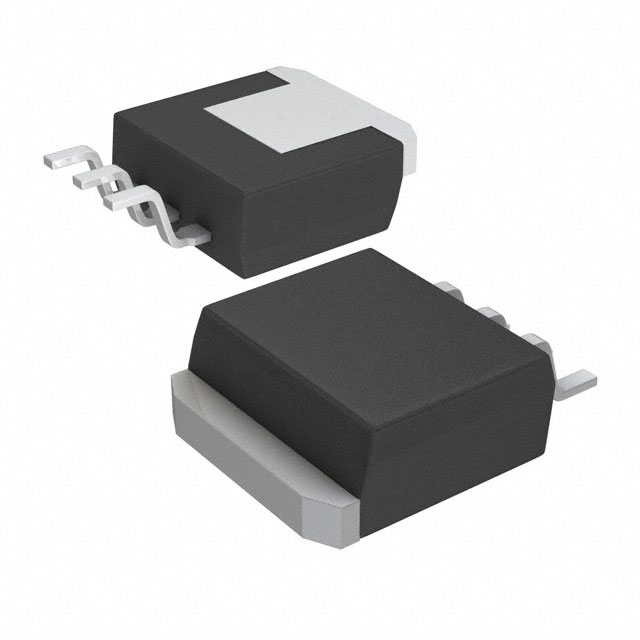 Texas Instruments LMS1585ACSX-ADJObsolete | Integrated Circuits (ICs) | IC REG LIN POS ADJ 5A DDPAK |
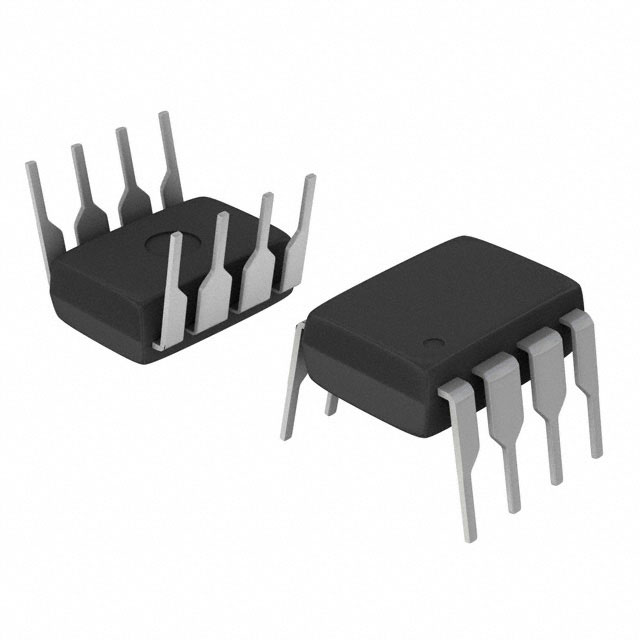 Texas Instruments INA111APG4Obsolete | Integrated Circuits (ICs) | IC INST AMP 1 CIRCUIT 8DIP |
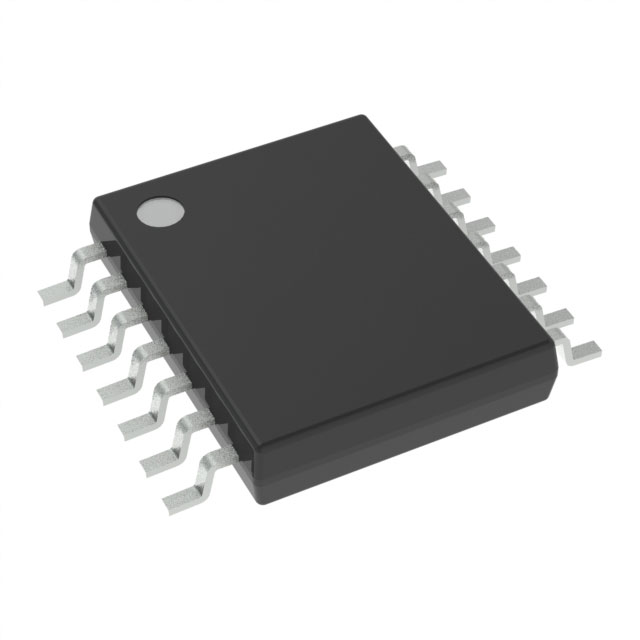 Texas Instruments | Integrated Circuits (ICs) | AUTOMOTIVE, QUAD 36V 1.2MHZ OPERATIONAL AMPLIFIER |
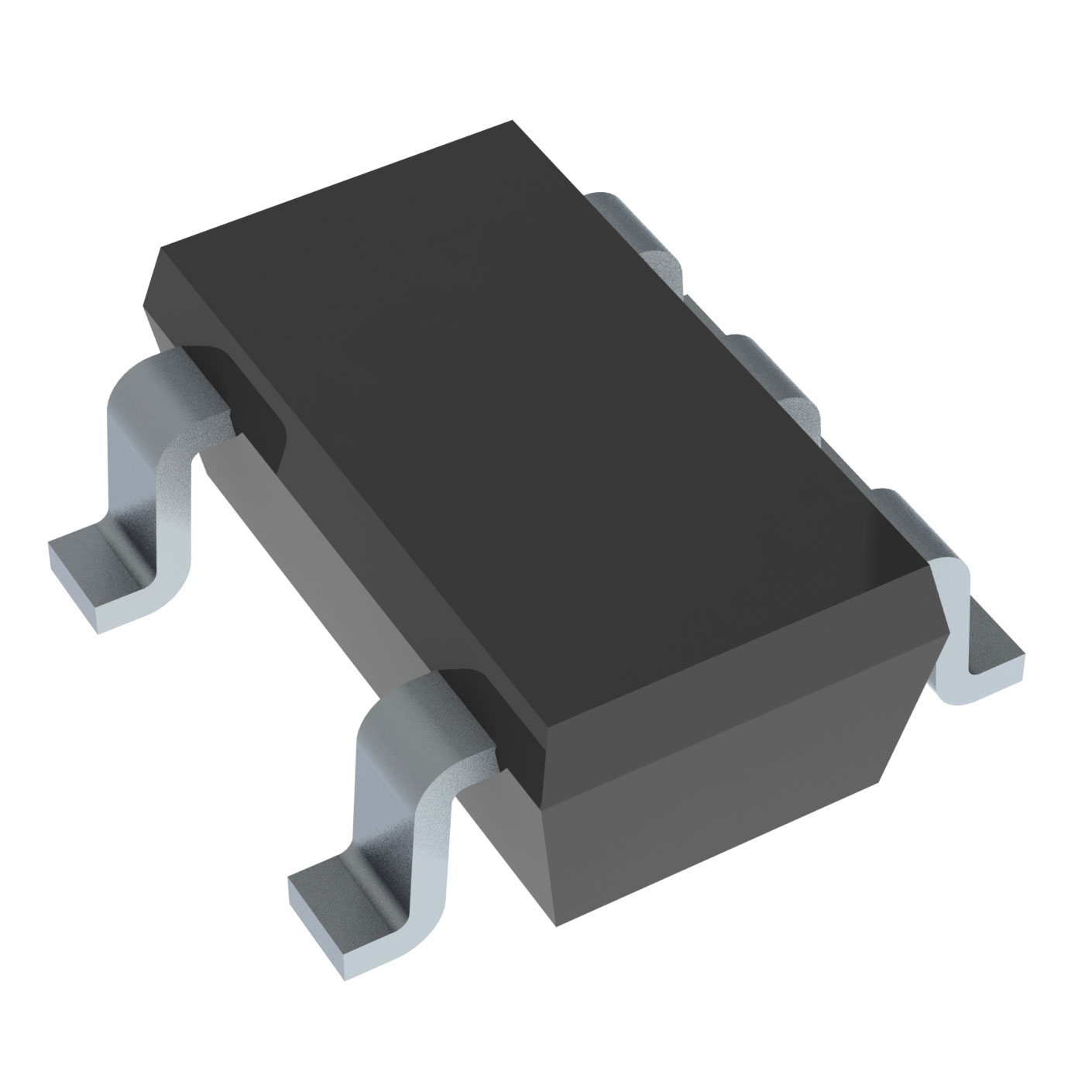 Texas Instruments OPA340NA/3KG4Unknown | Integrated Circuits (ICs) | IC OPAMP GP 1 CIRCUIT SOT23-5 |
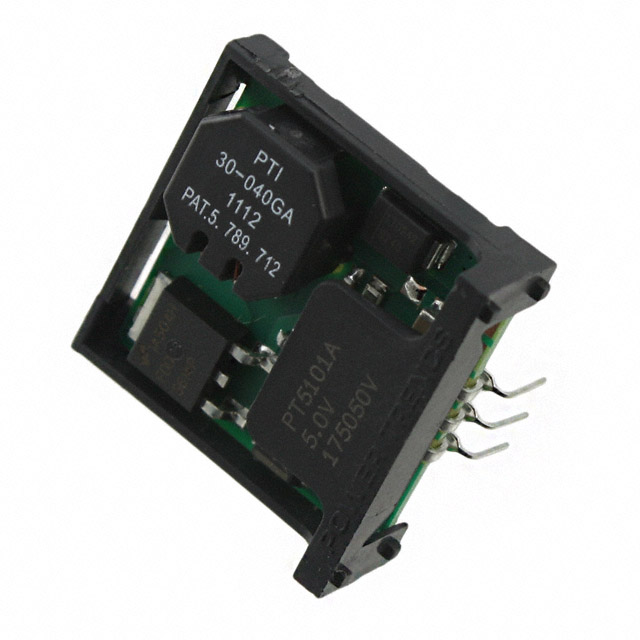 Texas Instruments PT5112AObsolete | Power Supplies - Board Mount | DC DC CONVERTER 8V 8W |
| Series | Category | # Parts | Status | Description |
|---|---|---|---|---|
SN74LS084-ch, 2-input, 4.75-V to 5.25-V 16-mA drive strength bipolar AND gate | Integrated Circuits (ICs) | 6 | Active | These devices contain four independent 2-input AND gates.
The SN5408, SN54LS08, and SN54S08 are characterized for operation over the full military temperature range of -55°C to 125°C. The SN7408, SN74LS08 and SN74S08 are characterized for operation from 0° to 70°C.
These devices contain four independent 2-input AND gates.
The SN5408, SN54LS08, and SN54S08 are characterized for operation over the full military temperature range of -55°C to 125°C. The SN7408, SN74LS08 and SN74S08 are characterized for operation from 0° to 70°C. |
SN74LS094-ch, 2-input, 4.75-V to 5.25-V 16-mA drive strength bipolar AND gate with open-collector outputs | Logic | 3 | Active | These devices contain four independent 2-input AND gates. The open-collector outputs require pull-up resistors to perform correctly. They may be connected to other open-collector outputs to implement active-low wired-OR or active-high wired-AND functions. Open-collector devices are often used to generate higher VOHlevels.
The SN5409, SN54LS09, and SN54S09 are characterized for operation over the full military temperature range of -55°C to 125°C, The SN7409, SN74LS09, and SN74S09 are characterized for operation from 0°C to 70°C.
These devices contain four independent 2-input AND gates. The open-collector outputs require pull-up resistors to perform correctly. They may be connected to other open-collector outputs to implement active-low wired-OR or active-high wired-AND functions. Open-collector devices are often used to generate higher VOHlevels.
The SN5409, SN54LS09, and SN54S09 are characterized for operation over the full military temperature range of -55°C to 125°C, The SN7409, SN74LS09, and SN74S09 are characterized for operation from 0°C to 70°C. |
SN74LS103-ch, 3-input, 4.75-V to 5.25-V bipolar NAND gates | Gates and Inverters | 4 | Active | These devices contain three independent 3-input NAND gates.
The SN5410, SN54LS10, and SN54S10 are characterized for operation over the full military temperature range of –55°C to 125°C. The SN7410, SN74LS10 and SN74S10 are characterized for operation from 0°C to 70°C.
These devices contain three independent 3-input NAND gates.
The SN5410, SN54LS10, and SN54S10 are characterized for operation over the full military temperature range of –55°C to 125°C. The SN7410, SN74LS10 and SN74S10 are characterized for operation from 0°C to 70°C. |
SN74LS107ADual J-K Flip-Flops With Clear | Flip Flops | 4 | Active | The '107 contain two independent J-K flip-flops with individual J-K, clock, and direct clear inputs. The '107 is a positive pulse-triggered flip-flop. The J-K input data is loaded into the master while the clock is high and transferred to the slave and the outputs on the high-to-low clock transition. For these devices the J and K inputs must be stable while the clock is high.
The 'LS107A contain two independent negative-edge-triggered flip-flops. The J and K inputs must be stable prior to the high-to-low clock transition for predictable operation. When the clear is low, it overrides the clock and data inputs forcing the Q output low and the Q\ output high.
The SN54107 and the SN54LS107A are characterized for operation over the full military temperature range of -55°C to 125°C. The SN74107 and the SN74LS107A are characterized for operation from 0°C to 70°C.
The '107 contain two independent J-K flip-flops with individual J-K, clock, and direct clear inputs. The '107 is a positive pulse-triggered flip-flop. The J-K input data is loaded into the master while the clock is high and transferred to the slave and the outputs on the high-to-low clock transition. For these devices the J and K inputs must be stable while the clock is high.
The 'LS107A contain two independent negative-edge-triggered flip-flops. The J and K inputs must be stable prior to the high-to-low clock transition for predictable operation. When the clear is low, it overrides the clock and data inputs forcing the Q output low and the Q\ output high.
The SN54107 and the SN54LS107A are characterized for operation over the full military temperature range of -55°C to 125°C. The SN74107 and the SN74LS107A are characterized for operation from 0°C to 70°C. |
SN74LS109ADual J-K Positive-Edge-Triggered Flip-Flops With Clear and Preset | Flip Flops | 6 | Active | These devices contain two independent J-K\ positive-edge-triggered flip-flops. A low level at the preset or clear inputs sets or resets the outputs regardless of the levels of the other inputs. When preset and clear are inactive (high), data at the J and K\ inputs meeting the setup time requirements are transferred to the outputs on the positive-going edge of the clock pulse. Clock triggering occurs at a voltage level and is not directly related to the rise time of the clock pulse. Following the hold time interval, data at the J and K\ inputs may be changed without affecting the levels at the outputs. These versatile flip-flops can perform as toggle flip-flops by grounding K\ and tying J high. They also can perform as D-type flip-flops if J and K\ are tied together.
The SN54109 and SN54LS109A are characterized for operation over the full military temperature range of -55°C to 125°C. The SN74109 and SN74LS109A are characterized for operation from 0°C to 70°C.
These devices contain two independent J-K\ positive-edge-triggered flip-flops. A low level at the preset or clear inputs sets or resets the outputs regardless of the levels of the other inputs. When preset and clear are inactive (high), data at the J and K\ inputs meeting the setup time requirements are transferred to the outputs on the positive-going edge of the clock pulse. Clock triggering occurs at a voltage level and is not directly related to the rise time of the clock pulse. Following the hold time interval, data at the J and K\ inputs may be changed without affecting the levels at the outputs. These versatile flip-flops can perform as toggle flip-flops by grounding K\ and tying J high. They also can perform as D-type flip-flops if J and K\ are tied together.
The SN54109 and SN54LS109A are characterized for operation over the full military temperature range of -55°C to 125°C. The SN74109 and SN74LS109A are characterized for operation from 0°C to 70°C. |
SN74LS113-ch, 3-input, 4.75-V to 5.25-V 16-mA drive strength bipolar AND gate | Logic | 5 | Active | These devices contain three independent 3-input AND gates.
The SN54LS11 and SN54S11 are characterized for operation over the full military temperature range of -55°C to 125°C. The SN74LS11 and SN74S11 are characterized for operation from 0°C to 70°C.
These devices contain three independent 3-input AND gates.
The SN54LS11 and SN54S11 are characterized for operation over the full military temperature range of -55°C to 125°C. The SN74LS11 and SN74S11 are characterized for operation from 0°C to 70°C. |
SN74LS112ADual J-K Negative-Edge-Triggered Flip-Flops With Clear And Preset | Logic | 3 | Active | These devices contain two independent J-K negative-edge-triggered flip-flops. A low level at the preset and clear inputs sets or resets the outputs regardless of the levels of the other inputs. When preset and clear are inactive (high), data at the J and K inputs meeting the setup time requirements are transferred to the outputs on the negative-going edge of the clock pulse. Clock triggering occurs at a voltage level and is not directly related to the rise time of the clock pulse. Following the hold time interval, data at the J and K inputs may be changed without affecting the levels at the outputs. These versatile flip-flops can perform as toggle flip-flops by tying J and K high.
The SN54LS112A and SN54S112 are characterized for operation over the full military temperature range of -55°C to 125°C. The SN74LS112A and SN74S112A are characterized for operation from 0°C to 70°C.
These devices contain two independent J-K negative-edge-triggered flip-flops. A low level at the preset and clear inputs sets or resets the outputs regardless of the levels of the other inputs. When preset and clear are inactive (high), data at the J and K inputs meeting the setup time requirements are transferred to the outputs on the negative-going edge of the clock pulse. Clock triggering occurs at a voltage level and is not directly related to the rise time of the clock pulse. Following the hold time interval, data at the J and K inputs may be changed without affecting the levels at the outputs. These versatile flip-flops can perform as toggle flip-flops by tying J and K high.
The SN54LS112A and SN54S112 are characterized for operation over the full military temperature range of -55°C to 125°C. The SN74LS112A and SN74S112A are characterized for operation from 0°C to 70°C. |
SN74LS122Retriggerable monostable multivibrator | Logic | 4 | Active | These d-c triggered multivibrators feature output pulse-duration control by three methods. The basic pulse time is programmed by selection of external resistance and capacitance values (see typical application data). The '122 and 'LS122 have internal timing resistors that allow the circuits to be used with only an external capacitor, if so desired. Once triggered, the basic pulse duration may be extended by retriggering the gated low-level-active (A) or high-level-active (B) inputs, or be reduced by use of the overriding clear. Figure 1 illustrates pulse control by retriggering and early clear.
The 'LS122 and 'LS123 are provided enough Schmitt hysteresis to ensure jitter-free triggering from the B input with transition rates as slow as 0.1 millivolt per nanosecond.
The Rintis nominally 10 kfor '122 and 'LS122.
These d-c triggered multivibrators feature output pulse-duration control by three methods. The basic pulse time is programmed by selection of external resistance and capacitance values (see typical application data). The '122 and 'LS122 have internal timing resistors that allow the circuits to be used with only an external capacitor, if so desired. Once triggered, the basic pulse duration may be extended by retriggering the gated low-level-active (A) or high-level-active (B) inputs, or be reduced by use of the overriding clear. Figure 1 illustrates pulse control by retriggering and early clear.
The 'LS122 and 'LS123 are provided enough Schmitt hysteresis to ensure jitter-free triggering from the B input with transition rates as slow as 0.1 millivolt per nanosecond.
The Rintis nominally 10 kfor '122 and 'LS122. |
SN74LS123Dual retriggerable monostable multivibrators | Integrated Circuits (ICs) | 4 | Active | These d-c triggered multivibrators feature output pulse-duration control by three methods. The basic pulse time is programmed by selection of external resistance and capacitance values (see typical application data). The '122 and 'LS122 have internal timing resistors that allow the circuits to be used with only an external capacitor, if so desired. Once triggered, the basic pulse duration may be extended by retriggering the gated low-level-active (A) or high-level-active (B) inputs, or be reduced by use of the overriding clear. Figure 1 illustrates pulse control by retriggering and early clear.
The 'LS122 and 'LS123 are provided enough Schmitt hysteresis to ensure jitter-free triggering from the B input with transition rates as slow as 0.1 millivolt per nanosecond.
The Rintis nominally 10 kfor '122 and 'LS122.
These d-c triggered multivibrators feature output pulse-duration control by three methods. The basic pulse time is programmed by selection of external resistance and capacitance values (see typical application data). The '122 and 'LS122 have internal timing resistors that allow the circuits to be used with only an external capacitor, if so desired. Once triggered, the basic pulse duration may be extended by retriggering the gated low-level-active (A) or high-level-active (B) inputs, or be reduced by use of the overriding clear. Figure 1 illustrates pulse control by retriggering and early clear.
The 'LS122 and 'LS123 are provided enough Schmitt hysteresis to ensure jitter-free triggering from the B input with transition rates as slow as 0.1 millivolt per nanosecond.
The Rintis nominally 10 kfor '122 and 'LS122. |
SN74LS125A4-ch, 4.75-V to 5.25-V bipolar buffers with 3-state outputs | Logic | 5 | Active | These bus buffers feature three-state outputs that, when enabled, have the low impedance characteristics of a TTL output with additional drive capability at high logic levels to permit driving heavily loaded bus lines without external pullup resistors. When disabled, both output transistors are turned off, presenting a high-impedance state to the bus so the output will act neither as a significant load nor as a driver. The ’125 and ’LS125A devices’ outputs are disabled when G\ is high. The ’126 and ’LS126A devices’ outputs are disabled when G is low.
These bus buffers feature three-state outputs that, when enabled, have the low impedance characteristics of a TTL output with additional drive capability at high logic levels to permit driving heavily loaded bus lines without external pullup resistors. When disabled, both output transistors are turned off, presenting a high-impedance state to the bus so the output will act neither as a significant load nor as a driver. The ’125 and ’LS125A devices’ outputs are disabled when G\ is high. The ’126 and ’LS126A devices’ outputs are disabled when G is low. |