Deep-Dive with AI
Search across all available documentation for this part.
Technical Specifications
Parameters and characteristics for this part
| Specification | CD4521BM96 |
|---|---|
| Count Rate | 13 MHz |
| Logic Type | Divide-by-2 |
| Mounting Type | Surface Mount |
| Number of Bits per Element | 24 |
| Number of Elements | 1 |
| Operating Temperature [Max] | 125 °C |
| Operating Temperature [Min] | -55 °C |
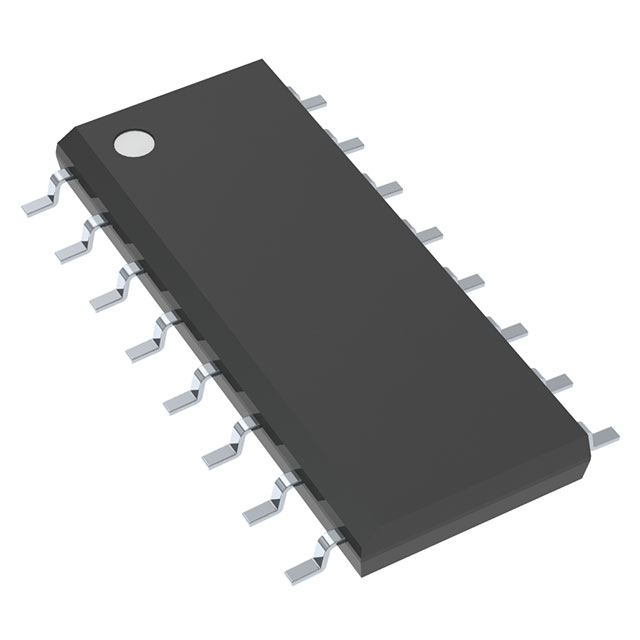
| Package / Case | 16-SOIC |
| Package / Case [x] | 0.154 in |
| Package / Case [y] | 3.9 mm |
| Reset | Asynchronous |
| Supplier Device Package | 16-SOIC |
| Trigger Type | Negative Edge |
| Voltage - Supply [Max] | 18 V |
| Voltage - Supply [Min] | 3 V |
Pricing
Prices provided here are for design reference only. For realtime values and availability, please visit the distributors directly
| Distributor | Package | Quantity | $ | |
|---|---|---|---|---|
| Digikey | Cut Tape (CT) | 1 | $ 0.91 | |
| 10 | $ 0.56 | |||
| 25 | $ 0.47 | |||
| 100 | $ 0.37 | |||
| 250 | $ 0.32 | |||
| 500 | $ 0.29 | |||
| 1000 | $ 0.26 | |||
| Digi-Reel® | 1 | $ 0.91 | ||
| 10 | $ 0.56 | |||
| 25 | $ 0.47 | |||
| 100 | $ 0.37 | |||
| 250 | $ 0.32 | |||
| 500 | $ 0.29 | |||
| 1000 | $ 0.26 | |||
| Tape & Reel (TR) | 2500 | $ 0.23 | ||
| 5000 | $ 0.21 | |||
| 7500 | $ 0.21 | |||
| 12500 | $ 0.20 | |||
| 17500 | $ 0.19 | |||
| 25000 | $ 0.18 | |||
| Texas Instruments | LARGE T&R | 1 | $ 0.44 | |
| 100 | $ 0.30 | |||
| 250 | $ 0.23 | |||
| 1000 | $ 0.15 | |||
Description
General part information
CD4521B Series
CD4521B consists of an oscillator section and 24 ripple-carry binary counter stages. The oscillator configuration (using IN1) allows design of either RC or crystal oscillator circuits. IN1 should be tied either HIGH or LOW when not in use. A HIGH on the RESET causes the counter to go to the all-0’s state and disables the oscillator. The count is advanced on the negative transition of IN1 (and IN2). A time-saving test mode is described in the Functional Test Sequence Table and in Fig. 6.
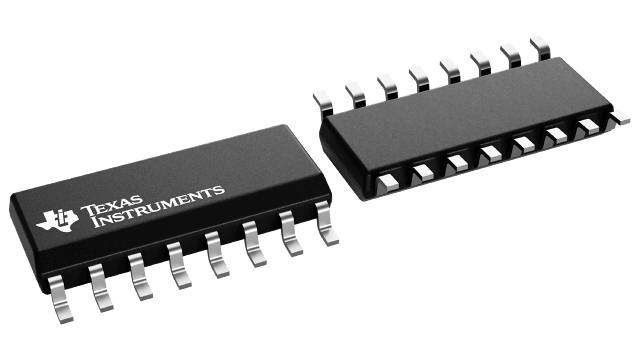
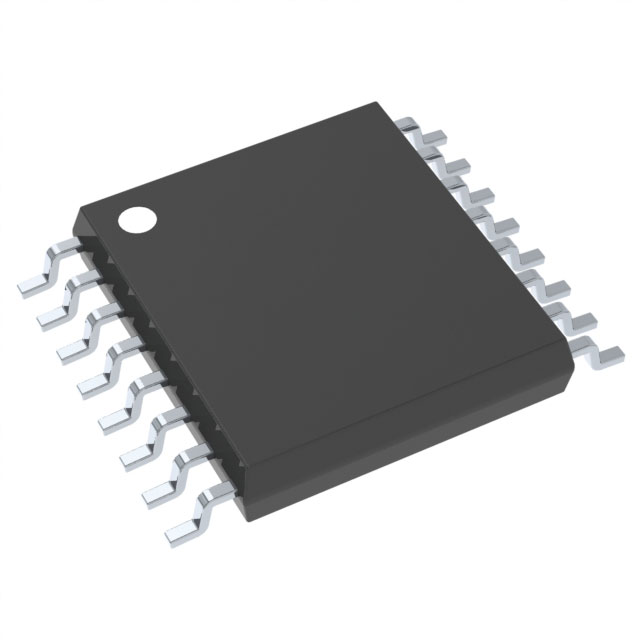
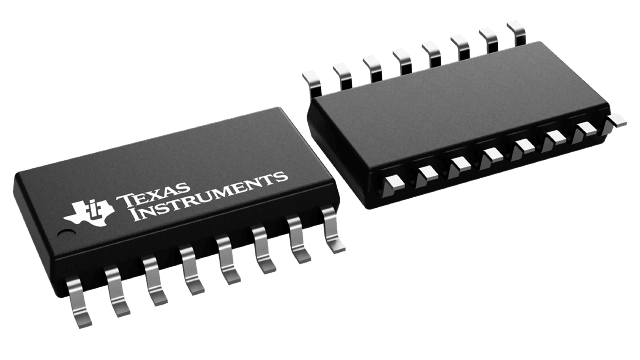
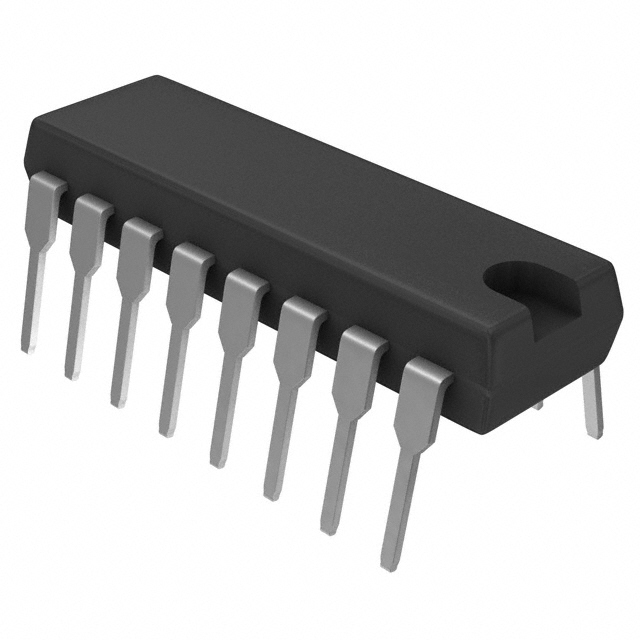
The CD4521B types are supplied in 16-lead dual-in-line plastic packages (E suffix), 16-lead small-outline packages (M, M96, MT, and NSR suffixes), and 16-lead thin shrink small-outline packages (PW and PWR suffixes).
CD4521B consists of an oscillator section and 24 ripple-carry binary counter stages. The oscillator configuration (using IN1) allows design of either RC or crystal oscillator circuits. IN1 should be tied either HIGH or LOW when not in use. A HIGH on the RESET causes the counter to go to the all-0’s state and disables the oscillator. The count is advanced on the negative transition of IN1 (and IN2). A time-saving test mode is described in the Functional Test Sequence Table and in Fig. 6.
Documents
Technical documentation and resources