T
Texas Instruments
| Series | Category | # Parts | Status | Description |
|---|---|---|---|---|
| Part | Spec A | Spec B | Spec C | Spec D | Description |
|---|---|---|---|---|---|



| Series | Category | # Parts | Status | Description |
|---|---|---|---|---|
| Part | Spec A | Spec B | Spec C | Spec D | Description |
|---|---|---|---|---|---|
| Part | Category | Description |
|---|---|---|
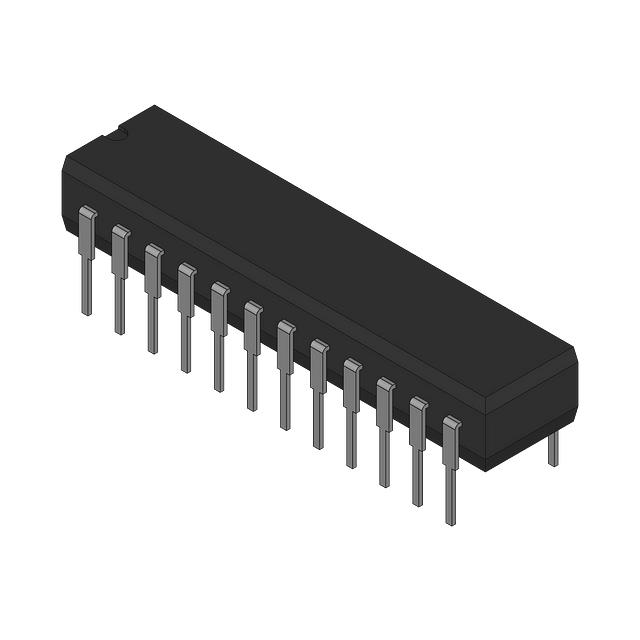 Texas Instruments | Integrated Circuits (ICs) | BUS DRIVER, BCT/FBT SERIES |
 Texas Instruments | Integrated Circuits (ICs) | 12BIT 3.3V~3.6V 210MHZ PARALLEL VQFN-48-EP(7X7) ANALOG TO DIGITAL CONVERTERS (ADC) ROHS |
Texas Instruments | Integrated Circuits (ICs) | TMX320DRE311 179PIN UBGA 200MHZ |
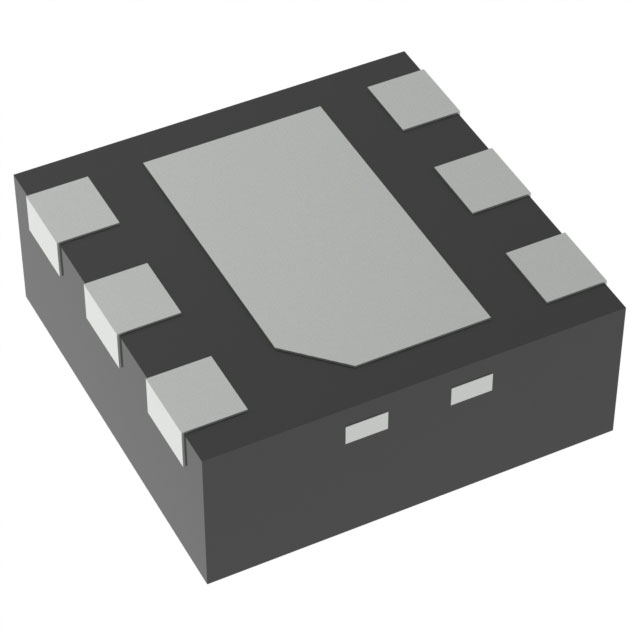 Texas Instruments TPS61040DRVTG4Unknown | Integrated Circuits (ICs) | IC LED DRV RGLTR PWM 350MA 6WSON |
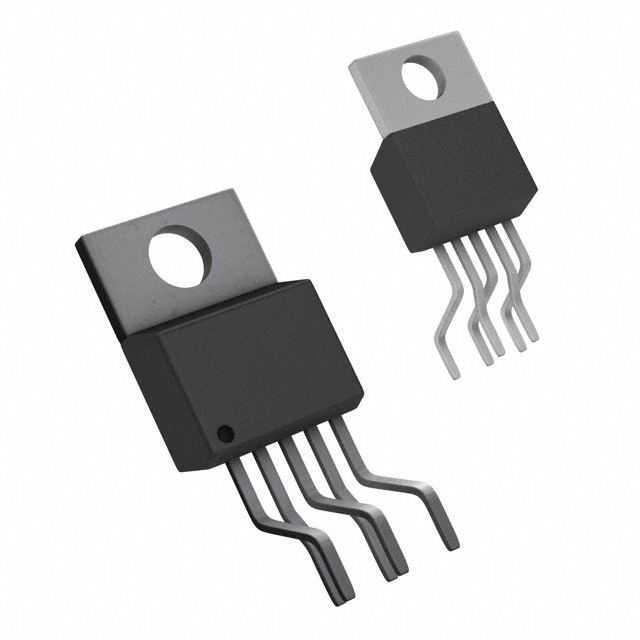 Texas Instruments LP3876ET-2.5Obsolete | Integrated Circuits (ICs) | IC REG LINEAR 2.5V 3A TO220-5 |
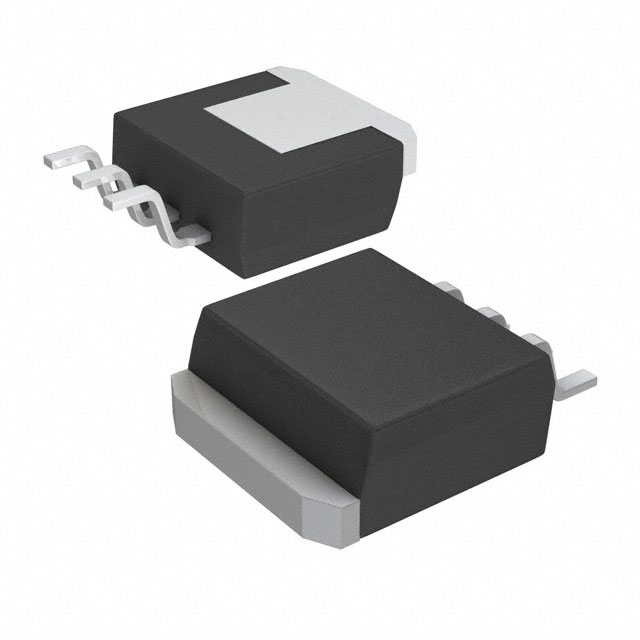 Texas Instruments LMS1585ACSX-ADJObsolete | Integrated Circuits (ICs) | IC REG LIN POS ADJ 5A DDPAK |
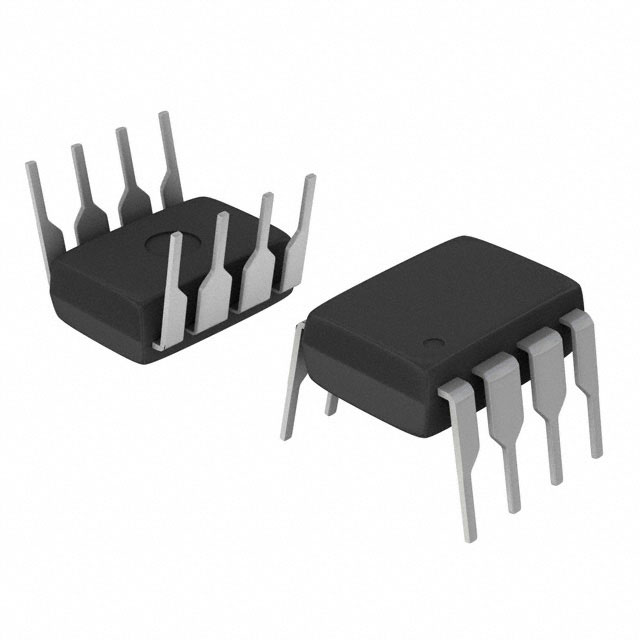 Texas Instruments INA111APG4Obsolete | Integrated Circuits (ICs) | IC INST AMP 1 CIRCUIT 8DIP |
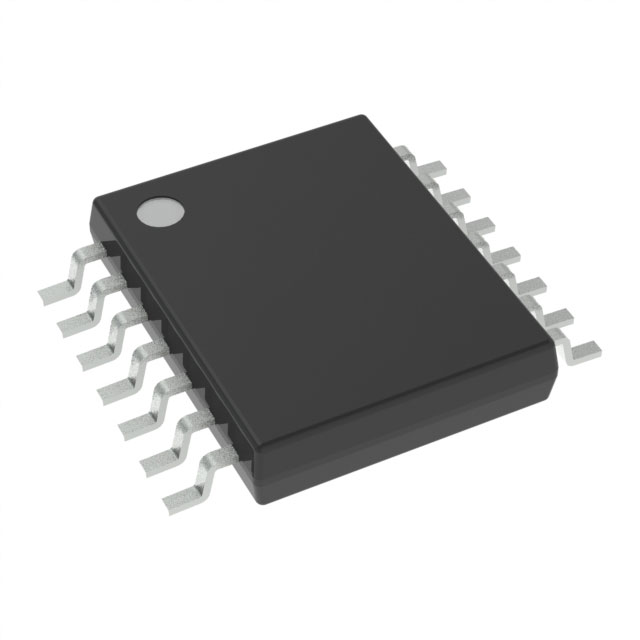 Texas Instruments | Integrated Circuits (ICs) | AUTOMOTIVE, QUAD 36V 1.2MHZ OPERATIONAL AMPLIFIER |
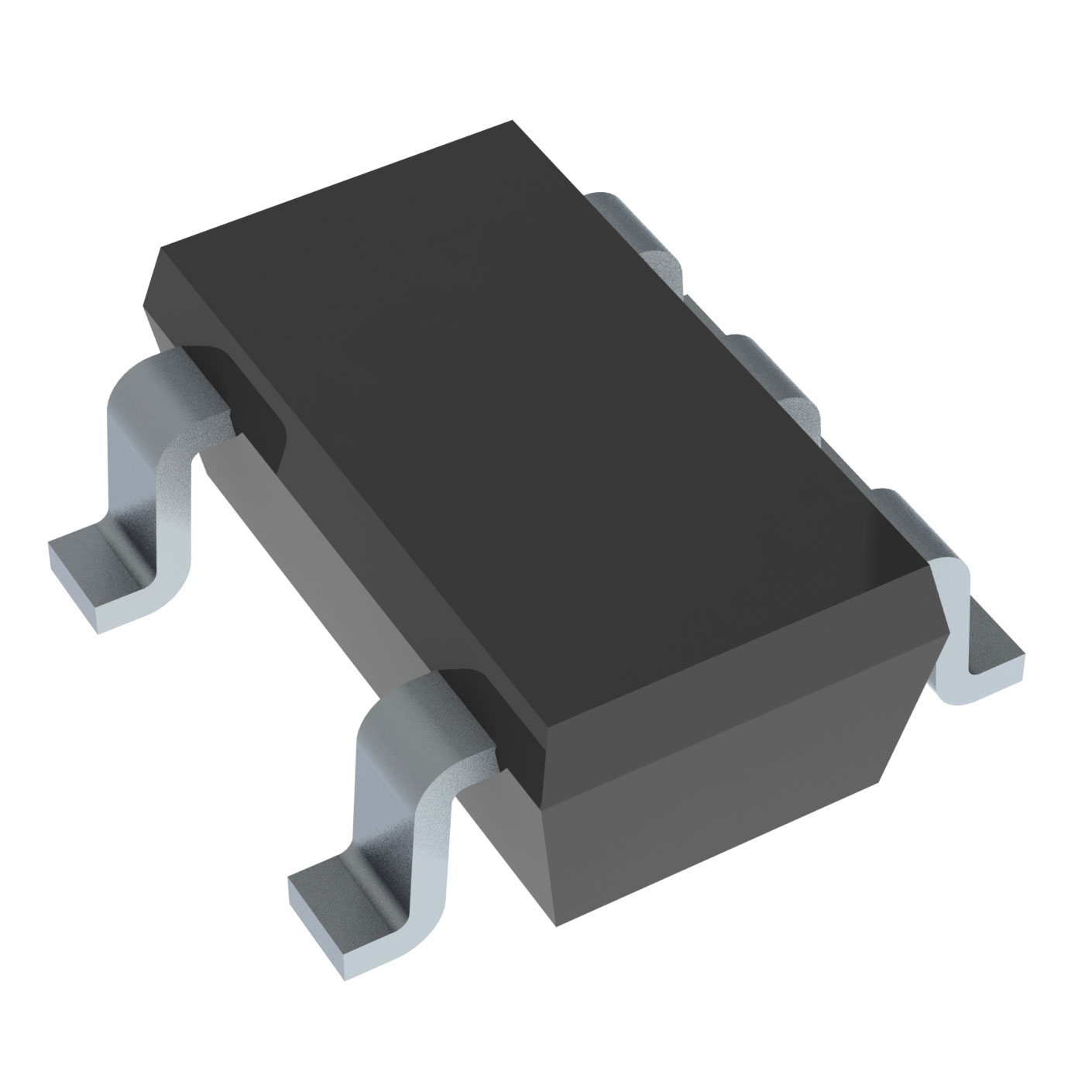 Texas Instruments OPA340NA/3KG4Unknown | Integrated Circuits (ICs) | IC OPAMP GP 1 CIRCUIT SOT23-5 |
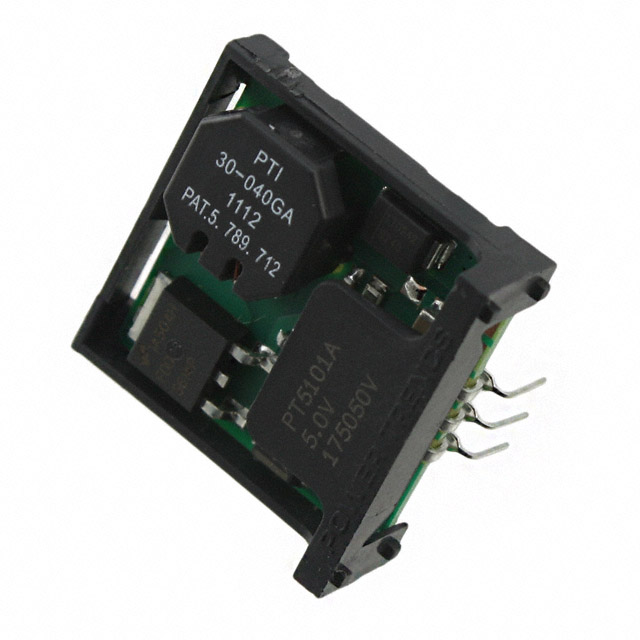 Texas Instruments PT5112AObsolete | Power Supplies - Board Mount | DC DC CONVERTER 8V 8W |
| Series | Category | # Parts | Status | Description |
|---|---|---|---|---|
DRV2510-Q1Automotive 3A haptic driver for solenoids with integrated diagnostics and load-dump protection | Evaluation and Demonstration Boards and Kits | 2 | Active | The DRV2510-Q1 device is a high current haptic driver specifically designed for inductive loads, such as solenoids and voice coils.
The output stage consists of a full H-bridge capable of delivering 3 A of peak current.
The DRV2510-Q1 device provides protection functions such as undervoltage lockout, over-current protection and over-temperature protection.
The DRV2510-Q1 device is automotive qualified. The integrated load-dump protection reduces external voltage clamp cost and size, and the onboard load diagnostics report the status of the actuator through the digital interface.
The DRV2510-Q1 device is a high current haptic driver specifically designed for inductive loads, such as solenoids and voice coils.
The output stage consists of a full H-bridge capable of delivering 3 A of peak current.
The DRV2510-Q1 device provides protection functions such as undervoltage lockout, over-current protection and over-temperature protection.
The DRV2510-Q1 device is automotive qualified. The integrated load-dump protection reduces external voltage clamp cost and size, and the onboard load diagnostics report the status of the actuator through the digital interface. |
DRV2511-Q1Automotive 8A haptic driver for solenoids with integrated fault-protection | Development Boards, Kits, Programmers | 2 | Active | The DRV2511-Q1 device is a high current haptic driver specifically designed for inductive loads, such as solenoids and voice coils.
The output stage of the DRV2511-Q1 device consists of a full H-bridge capable of delivering 8 A of peak current.
The DRV2511-Q1 device provides protection functions such as undervoltage lockout, over-current protection and over-temperature protection.
The DRV2511-Q1 device is automotive qualified.
The DRV2511-Q1 device is a high current haptic driver specifically designed for inductive loads, such as solenoids and voice coils.
The output stage of the DRV2511-Q1 device consists of a full H-bridge capable of delivering 8 A of peak current.
The DRV2511-Q1 device provides protection functions such as undervoltage lockout, over-current protection and over-temperature protection.
The DRV2511-Q1 device is automotive qualified. |
DRV2603Haptic driver for ERM/LRA with auto-resonance tracking in QFN package | Development Boards, Kits, Programmers | 2 | Active | The DRV2603 is a haptic driver designed specifically to solve common obstacles in driving both Linear Resonance Actuator (LRA) and Eccentric Rotating Mass (ERM) haptic elements. The DRV2603 is designed for low latency, high efficiency, and more drive strength for actuators commonly used for tactile feedback in the portable market.
LRA actuators typically have a narrow frequency band over which they have an adequate haptic response. This frequency window is typically ±2.5 Hz wide or less, so driving an LRA actuator presents a challenge. The DRV2603 solves this problem by employing auto resonance tracking, which automatically detects and tracks the LRA resonant frequency in real time. This means that any input PWM frequency within the input range (10 kHz to 250 kHz) will automatically produce the correct resonant output frequency. As an additional benefit, the DRV2603 implements an automatic braking algorithm to prevent LRA ringing at the end of waveforms, leaving the user with a crisp haptic sensation.
For both ERM and LRA actuators, the automatic input level translation solves issues with low voltage PWM sources without adding additional external components, so if the digital I/O levels vary, the output voltage does not change. The DRV2603 also has supply correction that ensures no supply regulation is required for constant vibration strength, allowing an efficient, direct-battery connection.
The DRV2603 is a haptic driver designed specifically to solve common obstacles in driving both Linear Resonance Actuator (LRA) and Eccentric Rotating Mass (ERM) haptic elements. The DRV2603 is designed for low latency, high efficiency, and more drive strength for actuators commonly used for tactile feedback in the portable market.
LRA actuators typically have a narrow frequency band over which they have an adequate haptic response. This frequency window is typically ±2.5 Hz wide or less, so driving an LRA actuator presents a challenge. The DRV2603 solves this problem by employing auto resonance tracking, which automatically detects and tracks the LRA resonant frequency in real time. This means that any input PWM frequency within the input range (10 kHz to 250 kHz) will automatically produce the correct resonant output frequency. As an additional benefit, the DRV2603 implements an automatic braking algorithm to prevent LRA ringing at the end of waveforms, leaving the user with a crisp haptic sensation.
For both ERM and LRA actuators, the automatic input level translation solves issues with low voltage PWM sources without adding additional external components, so if the digital I/O levels vary, the output voltage does not change. The DRV2603 also has supply correction that ensures no supply regulation is required for constant vibration strength, allowing an efficient, direct-battery connection. |
DRV2604LHaptic driver for ERM/LRA with 2-V operation, waveform memory & auto-resonance tracking | Development Boards, Kits, Programmers | 7 | Active | The DRV2604L device is a low-voltage haptic driver that provides a closed-loop actuator-control system for high-quality tactile feedback for ERM and LRA. This schema helps improve actuator performance in terms of acceleration consistency, start time, and brake time and is accessible through a shared I2C compatible bus or PWM input signal.
The DRV2604L device includes enough integrated RAM to allow the user to pre-load over 100 customized smart-loop architecture waveforms. These waveforms can be instantly played back through I2C or optionally triggered through a hardware trigger terminal.
Additionally, the real-time playback mode allows the host processor to bypass the memory playback engine and play waveforms directly from the host through I2C.
The smart-loop architecture inside the DRV2604L device allows simple auto-resonant drive for the LRA as well as feedback-optimized ERM drive allowing for automatic overdrive and braking. The smart-loop architecture creates a simplified input waveform interface as well as reliable motor control and consistent motor performance. The DRV2604L device also features automatic transition to an open-loop system in the event that an LRA actuator is not generating a valid back-EMF voltage. When the LRA generates a valid back-EMF voltage, the DRV2604L device automatically synchronizes with the LRA. The DRV2604L also allows for open-loop driving through the use of internally-generated PWM.
The DRV2604L device is a low-voltage haptic driver that provides a closed-loop actuator-control system for high-quality tactile feedback for ERM and LRA. This schema helps improve actuator performance in terms of acceleration consistency, start time, and brake time and is accessible through a shared I2C compatible bus or PWM input signal.
The DRV2604L device includes enough integrated RAM to allow the user to pre-load over 100 customized smart-loop architecture waveforms. These waveforms can be instantly played back through I2C or optionally triggered through a hardware trigger terminal.
Additionally, the real-time playback mode allows the host processor to bypass the memory playback engine and play waveforms directly from the host through I2C.
The smart-loop architecture inside the DRV2604L device allows simple auto-resonant drive for the LRA as well as feedback-optimized ERM drive allowing for automatic overdrive and braking. The smart-loop architecture creates a simplified input waveform interface as well as reliable motor control and consistent motor performance. The DRV2604L device also features automatic transition to an open-loop system in the event that an LRA actuator is not generating a valid back-EMF voltage. When the LRA generates a valid back-EMF voltage, the DRV2604L device automatically synchronizes with the LRA. The DRV2604L also allows for open-loop driving through the use of internally-generated PWM. |
DRV2605L-Q1Automotive Haptic driver for ERM/LRA with 2-V operation, waveform library & auto-resonance tracking | Evaluation and Demonstration Boards and Kits | 10 | Active | The DRV2605L device is a low-voltage haptic driver that includes a haptic-effect library and provides a closed-loop actuator-control system for high-quality tactile feedback for ERM and LRA. This schema helps improve actuator performance in terms of acceleration consistency, start time, and brake time and is accessible through a shared I2C compatible bus or PWM input signal.
The DRV2605L device offers a licensed version of TouchSense 2200 software from Immersion which eliminates the requirement to design haptic waveforms because the software includes over 100 licensed effects (6 ERM libraries and 1 LRA library) and audio-to-vibe features.
Additionally, the real-time playback mode allows the host processor to bypass the library playback engine and play waveforms directly from the host through I2C.
The smart-loop architecture inside the DRV2605L device allows simple auto-resonant drive for the LRA as well as feedback-optimized ERM drive allowing for automatic overdrive and braking. The smart-loop architecture creates a simplified input waveform interface as well as reliable motor control and consistent motor performance. The DRV2605L device also features automatic transition to an open-loop system in the event that an LRA actuator is not generating a valid back-EMF voltage. When the LRA generates a valid back-EMF voltage, the DRV2605L device automatically synchronizes with the LRA. The DRV2605L also allows for open-loop driving through the use of internally-generated PWM. Additionally, the audio-to-vibe mode automatically converts an audio input signal to meaningful tactile effects.
For an important notice regarding Immersion software, see theLegal Noticesection.
The DRV2605L device is a low-voltage haptic driver that includes a haptic-effect library and provides a closed-loop actuator-control system for high-quality tactile feedback for ERM and LRA. This schema helps improve actuator performance in terms of acceleration consistency, start time, and brake time and is accessible through a shared I2C compatible bus or PWM input signal.
The DRV2605L device offers a licensed version of TouchSense 2200 software from Immersion which eliminates the requirement to design haptic waveforms because the software includes over 100 licensed effects (6 ERM libraries and 1 LRA library) and audio-to-vibe features.
Additionally, the real-time playback mode allows the host processor to bypass the library playback engine and play waveforms directly from the host through I2C.
The smart-loop architecture inside the DRV2605L device allows simple auto-resonant drive for the LRA as well as feedback-optimized ERM drive allowing for automatic overdrive and braking. The smart-loop architecture creates a simplified input waveform interface as well as reliable motor control and consistent motor performance. The DRV2605L device also features automatic transition to an open-loop system in the event that an LRA actuator is not generating a valid back-EMF voltage. When the LRA generates a valid back-EMF voltage, the DRV2605L device automatically synchronizes with the LRA. The DRV2605L also allows for open-loop driving through the use of internally-generated PWM. Additionally, the audio-to-vibe mode automatically converts an audio input signal to meaningful tactile effects.
For an important notice regarding Immersion software, see theLegal Noticesection. |
DRV2624Haptic driver for ERM/LRA with waveform memory, auto-resonance tracking, & low power consumption | Evaluation Boards | 2 | Active | The DRV2624 device is a haptic driver that relies on a proprietary closed-loop architecture to deliver sharp, strong, and consistent haptic effects while optimizing power consumption.
The internal memory and loopable waveform sequencer, together with the automatic overdrive and braking simplifies the process of generating crisp and optimum haptic effects, reducing the burden imposed into the processing unit.
The DRV2624 device features an automatic go-to-standby state and a battery preservation function to help reduce power consumption without user intervention. The NRST pin allows for a full shutdown state for additional power savings.
The waveform shape selection allows for sine-wave and square-wave drive to customize the haptic feel as well as the audible performance. Off-resonance driving with automatic braking simplifies the implementation of non-resonant haptic solutions.
The DRV2624 device is a haptic driver that relies on a proprietary closed-loop architecture to deliver sharp, strong, and consistent haptic effects while optimizing power consumption.
The internal memory and loopable waveform sequencer, together with the automatic overdrive and braking simplifies the process of generating crisp and optimum haptic effects, reducing the burden imposed into the processing unit.
The DRV2624 device features an automatic go-to-standby state and a battery preservation function to help reduce power consumption without user intervention. The NRST pin allows for a full shutdown state for additional power savings.
The waveform shape selection allows for sine-wave and square-wave drive to customize the haptic feel as well as the audible performance. Off-resonance driving with automatic braking simplifies the implementation of non-resonant haptic solutions. |
DRV2625Haptic driver for ERM/LRA with waveform library, auto-resonance tracking, & low power consumption | Development Boards, Kits, Programmers | 3 | Active | The DRV2625 device is a haptic driver that relies on a proprietary closed-loop architecture to deliver sharp, strong, and consistent haptic effects while optimizing power consumption.
The internal library and loopable waveform sequencer, together with the automatic overdrive and braking simplifies the process of generating crisp and optimum haptic effects, reducing the burden imposed into the processing unit.
The DRV2625 device features an automatic go-to-standby state and a battery preservation function to help reduce power consumption without user intervention. The NRST pin allows for a full shutdown state for additional power savings.
The waveform shape selection allows for sine-wave and square-wave drive to customize the haptic feel as well as the audible performance. Off-resonance driving with automatic braking simplifies the implementation of non-resonant haptic solutions.
The DRV2625 device is a haptic driver that relies on a proprietary closed-loop architecture to deliver sharp, strong, and consistent haptic effects while optimizing power consumption.
The internal library and loopable waveform sequencer, together with the automatic overdrive and braking simplifies the process of generating crisp and optimum haptic effects, reducing the burden imposed into the processing unit.
The DRV2625 device features an automatic go-to-standby state and a battery preservation function to help reduce power consumption without user intervention. The NRST pin allows for a full shutdown state for additional power savings.
The waveform shape selection allows for sine-wave and square-wave drive to customize the haptic feel as well as the audible performance. Off-resonance driving with automatic braking simplifies the implementation of non-resonant haptic solutions. |
DRV2665Haptic driver for piezo with integrated 105-V boost converter and DAC | Integrated Circuits (ICs) | 2 | Active | The DRV2665 device is a piezo haptic driver with integrated 105-V boost switch, integrated power diode, integrated fully-differential amplifier, and integrated digital front end. This versatile device is capable of driving both high-voltage and low-voltage piezo haptic actuators. The input signal can be driven as haptic packets over the I 2C port or through the analog inputs.
The digital interface of the DRV2665 device is available through an I 2C compatible bus. A digital interface relieves the costly processor burden of the PWM generation or additional analog channel requirements in the host system. Any writes to the internal first-in, first-out buffer (FIFO) will automatically wake up the device and begin playing the waveform after the 2 ms internal start-up procedure. When the data flow stops or the FIFO under-runs, the DRV2665 device will automatically enter a pop-less shutdown procedure.
The boost voltage is set using two external resistors, and the boost current limit is programmable through the R EXT resistor. A typical start-up time of 2 ms makes the DRV2665 device an ideal piezo driver for fast haptic responses. Thermal overload protection prevents the device from being damaged when overdriven.
The DRV2665 device is a piezo haptic driver with integrated 105-V boost switch, integrated power diode, integrated fully-differential amplifier, and integrated digital front end. This versatile device is capable of driving both high-voltage and low-voltage piezo haptic actuators. The input signal can be driven as haptic packets over the I 2C port or through the analog inputs.
The digital interface of the DRV2665 device is available through an I 2C compatible bus. A digital interface relieves the costly processor burden of the PWM generation or additional analog channel requirements in the host system. Any writes to the internal first-in, first-out buffer (FIFO) will automatically wake up the device and begin playing the waveform after the 2 ms internal start-up procedure. When the data flow stops or the FIFO under-runs, the DRV2665 device will automatically enter a pop-less shutdown procedure.
The boost voltage is set using two external resistors, and the boost current limit is programmable through the R EXT resistor. A typical start-up time of 2 ms makes the DRV2665 device an ideal piezo driver for fast haptic responses. Thermal overload protection prevents the device from being damaged when overdriven. |
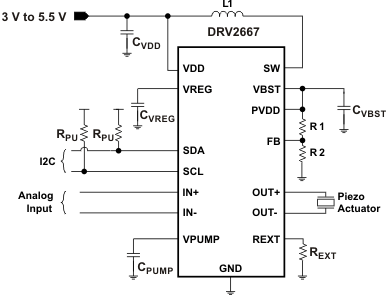
DRV2667Haptic driver for piezo with integrated 105-V boost converter, waveform memory & DAC | Power Management (PMIC) | 2 | Active | The DRV2667 device is a piezo haptic driver with integrated 105-V boost switch, integrated power diode, integrated fully-differential amplifier, and integrated digital front end capable of driving both high-voltage and low-voltage piezo haptic actuators. This versatile device supports HD haptics through the I 2C port or through the analog inputs.
The digital interface of the DRV2667 device is available through an I 2C-compatible bus. A digital interface relieves the costly processor burden of the PWM generation or additional analog channel requirements in the host system. Any writes to the internal FIFO will automatically wake up the device and begin playing the waveform after the 2-ms internal startup procedure. When the data flow stops or the FIFO under-runs, the device will automatically enter a pop-less shutdown procedure.
The DRV2667 device also includes waveform memory to store and recall waveforms with minimal latency as well as an advanced waveform synthesizer to construct complex haptic waveforms with minimal memory usage. This provide a means of hardware acceleration, relieving the host processor of haptic generation duties as well as minimizing bus traffic over the haptic interface.
The boost voltage is set using two external resistors, and the boost current limit is programmable through the R EXT resistor. A typical start-up time of 2 ms makes the DRV2667 an ideal piezo driver for fast haptic responses. Thermal overload protection prevents the device from being damaged when overdriven.
The DRV2667 device is a piezo haptic driver with integrated 105-V boost switch, integrated power diode, integrated fully-differential amplifier, and integrated digital front end capable of driving both high-voltage and low-voltage piezo haptic actuators. This versatile device supports HD haptics through the I 2C port or through the analog inputs.
The digital interface of the DRV2667 device is available through an I 2C-compatible bus. A digital interface relieves the costly processor burden of the PWM generation or additional analog channel requirements in the host system. Any writes to the internal FIFO will automatically wake up the device and begin playing the waveform after the 2-ms internal startup procedure. When the data flow stops or the FIFO under-runs, the device will automatically enter a pop-less shutdown procedure.
The DRV2667 device also includes waveform memory to store and recall waveforms with minimal latency as well as an advanced waveform synthesizer to construct complex haptic waveforms with minimal memory usage. This provide a means of hardware acceleration, relieving the host processor of haptic generation duties as well as minimizing bus traffic over the haptic interface.
The boost voltage is set using two external resistors, and the boost current limit is programmable through the R EXT resistor. A typical start-up time of 2 ms makes the DRV2667 an ideal piezo driver for fast haptic responses. Thermal overload protection prevents the device from being damaged when overdriven. |
| Power Management (PMIC) | 4 | Active | ||