T
Texas Instruments
| Series | Category | # Parts | Status | Description |
|---|---|---|---|---|
| Part | Spec A | Spec B | Spec C | Spec D | Description |
|---|---|---|---|---|---|



| Series | Category | # Parts | Status | Description |
|---|---|---|---|---|
| Part | Spec A | Spec B | Spec C | Spec D | Description |
|---|---|---|---|---|---|
| Series | Category | # Parts | Status | Description |
|---|---|---|---|---|
| Integrated Circuits (ICs) | 1 | Active | ||
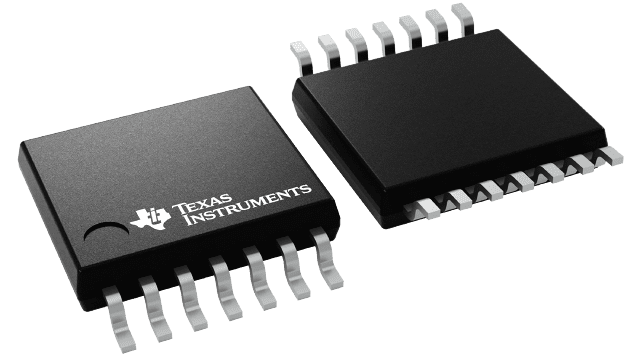
CDCEL913-Q1Automotive catalog programmable 1-PLL VCXO clock synthesizer with 1.8-V LVCMOS outputs | Evaluation and Demonstration Boards and Kits | 4 | Active | The CDCE913-Q1 and CDCEL913-Q1 devices are modular, phase-locked loop (PLL)-based programmable clock synthesizers. These devices provide flexible and programmable options, such as output clocks, input signals, and control pins, so that the user can configure the CDCE913-Q1 and CDCEL913-Q1 for their own specifications.
The CDCE913-Q1 and CDCEL913-Q1 generate up to three output clocks from a single input frequency to enable both board space and cost savings. Additionally, with multiple outputs, the clock generator can replace multiple crystals with one clock generator. This makes the device well-suited for head unit and telematics applications in infotainment and camera systems in ADAS, as these platforms are evolving into smaller and more cost effective systems.
Also, each output can be programmed in-system for any clock frequency up to 230MHz through the integrated, configurable PLL. The PLL also supports spread-spectrum clocking (SSC) with programmable down and center spread. This provides better electromagnetic interference (EMI) performance to enable customers to pass industry standards such as CISPR-25.
Customization of frequency programming and SSC are accessed using three, user-defined control pins. This eliminates the need to use an additional interface to control the clock. Specific power-up and power-down sequences can also be defined to the user’s needs.
The CDCE913-Q1 and CDCEL913-Q1 devices are modular, phase-locked loop (PLL)-based programmable clock synthesizers. These devices provide flexible and programmable options, such as output clocks, input signals, and control pins, so that the user can configure the CDCE913-Q1 and CDCEL913-Q1 for their own specifications.
The CDCE913-Q1 and CDCEL913-Q1 generate up to three output clocks from a single input frequency to enable both board space and cost savings. Additionally, with multiple outputs, the clock generator can replace multiple crystals with one clock generator. This makes the device well-suited for head unit and telematics applications in infotainment and camera systems in ADAS, as these platforms are evolving into smaller and more cost effective systems.
Also, each output can be programmed in-system for any clock frequency up to 230MHz through the integrated, configurable PLL. The PLL also supports spread-spectrum clocking (SSC) with programmable down and center spread. This provides better electromagnetic interference (EMI) performance to enable customers to pass industry standards such as CISPR-25.
Customization of frequency programming and SSC are accessed using three, user-defined control pins. This eliminates the need to use an additional interface to control the clock. Specific power-up and power-down sequences can also be defined to the user’s needs. |
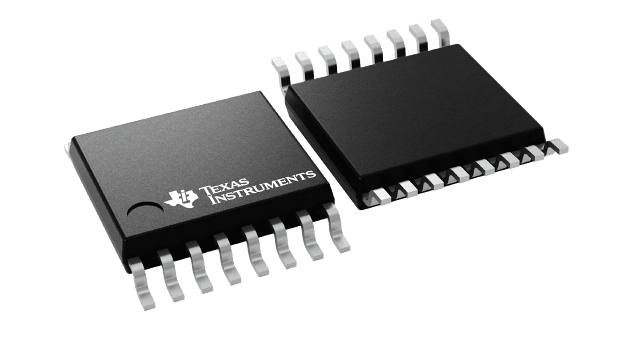
CDCEL925Programmable 2-PLL VCXO clock synthesizer with 1.8-V LVCMOS outputs | Evaluation Boards | 2 | Active | The CDCE925 and CDCEL925 are modular PLL-based low-cost, high-performance, programmable clock synthesizers, multipliers, and dividers. They generate up to five output clocks from a single input frequency. Each output can be programmed in-system for any clock frequency up to 230 MHz, using up to two independent configurable PLLs.
The CDCEx925 has a separate output supply pin, VDDOUT, which is 1.8 V for CDCEL925 and 2.5 V to 3.3 V for CDCE925.
The input accepts an external crystal or LVCMOS clock signal. In case of a crystal input, an on-chip load capacitor is adequate for most applications. The value of the load capacitor is programmable from 0 to 20 pF. Additionally, an on-chip VCXO is selectable which allows synchronization of the output frequency to an external control signal, that is, PWM signal.
The deep M/N divider ratio allows the generation of zero-ppm audio/video, networking (WLAN, Bluetooth, Ethernet, GPS), or interface (USB, IEEE1394, memory stick) clocks from a 27-MHz reference input frequency, for example.
All PLLs support SSC (spread-spectrum clocking). SSC can be center-spread or down-spread clocking, which is a common technique to reduce electromagnetic interference (EMI).
Based on the PLL frequency and the divider settings, the internal loop filter components are automatically adjusted to achieve high stability and optimized jitter transfer characteristic of each PLL.
The device supports nonvolatile EEPROM programming for easy customization of the device in the application. It is preset to a factory default configuration and can be reprogrammed to a different application configuration before it goes onto the PCB or reprogrammed by in-system programming. All device settings are programmable through the SDA/SCL bus, a 2-wire serial interface.
Three, free programmable control inputs, S0, S1, and S2, can be used to select different frequencies, or change the SSC setting for lowering EMI, or other control features like outputs disable to low, outputs in high-impedance state, power down, PLL bypass, and so forth.
The CDCx925 operates in a 1.8-V environment and in a temperature range of –40°C to 85°C.
The CDCE925 and CDCEL925 are modular PLL-based low-cost, high-performance, programmable clock synthesizers, multipliers, and dividers. They generate up to five output clocks from a single input frequency. Each output can be programmed in-system for any clock frequency up to 230 MHz, using up to two independent configurable PLLs.
The CDCEx925 has a separate output supply pin, VDDOUT, which is 1.8 V for CDCEL925 and 2.5 V to 3.3 V for CDCE925.
The input accepts an external crystal or LVCMOS clock signal. In case of a crystal input, an on-chip load capacitor is adequate for most applications. The value of the load capacitor is programmable from 0 to 20 pF. Additionally, an on-chip VCXO is selectable which allows synchronization of the output frequency to an external control signal, that is, PWM signal.
The deep M/N divider ratio allows the generation of zero-ppm audio/video, networking (WLAN, Bluetooth, Ethernet, GPS), or interface (USB, IEEE1394, memory stick) clocks from a 27-MHz reference input frequency, for example.
All PLLs support SSC (spread-spectrum clocking). SSC can be center-spread or down-spread clocking, which is a common technique to reduce electromagnetic interference (EMI).
Based on the PLL frequency and the divider settings, the internal loop filter components are automatically adjusted to achieve high stability and optimized jitter transfer characteristic of each PLL.
The device supports nonvolatile EEPROM programming for easy customization of the device in the application. It is preset to a factory default configuration and can be reprogrammed to a different application configuration before it goes onto the PCB or reprogrammed by in-system programming. All device settings are programmable through the SDA/SCL bus, a 2-wire serial interface.
Three, free programmable control inputs, S0, S1, and S2, can be used to select different frequencies, or change the SSC setting for lowering EMI, or other control features like outputs disable to low, outputs in high-impedance state, power down, PLL bypass, and so forth.
The CDCx925 operates in a 1.8-V environment and in a temperature range of –40°C to 85°C. |
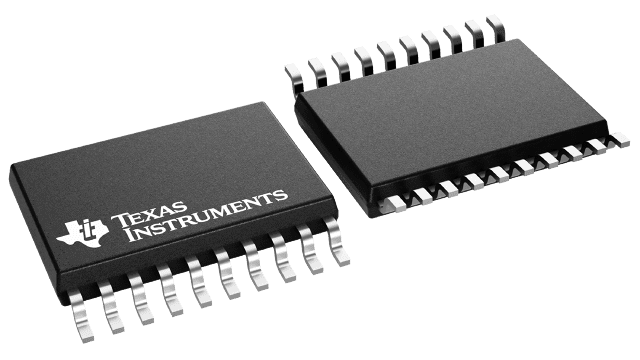
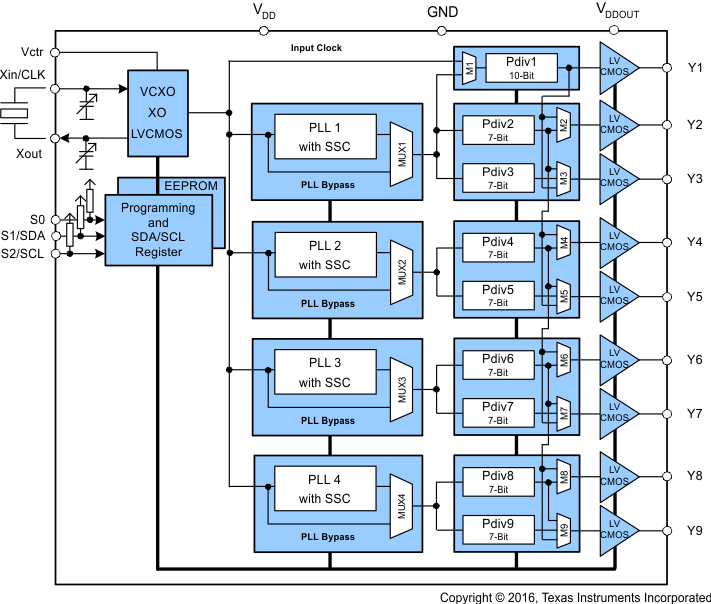
CDCEL937Programmable 3-PLL VCXO clock synthesizer with 1.8-V LVCMOS outputs | Integrated Circuits (ICs) | 3 | Active | The CDCE937 and CDCEL937 devices are modular PLL-based low cost, high-performance, programmable clock synthesizers, multipliers and dividers. The devices generate up to 7 output clocks from a single input frequency. Each output can be programmed in-system for any clock frequency up to 230MHz, using up to three independent configurable PLLs.
The CDCEx937 has separate output supply pins, VDDOUT, which is 1.8V for CDCEL937 and to 2.5V to 3.3V for CDCE937.
The input accepts an external crystal or LVCMOS clock signal. If an external crystal is used, an on-chip load capacitor is adequate for most applications. The value of the load capacitor is programmable from 0 to 20pF. Additionally, an on-chip VCXO is selectable which allows synchronization of the output frequency to an external control signal, that is, PWM signal.
The CDCE937 and CDCEL937 devices are modular PLL-based low cost, high-performance, programmable clock synthesizers, multipliers and dividers. The devices generate up to 7 output clocks from a single input frequency. Each output can be programmed in-system for any clock frequency up to 230MHz, using up to three independent configurable PLLs.
The CDCEx937 has separate output supply pins, VDDOUT, which is 1.8V for CDCEL937 and to 2.5V to 3.3V for CDCE937.
The input accepts an external crystal or LVCMOS clock signal. If an external crystal is used, an on-chip load capacitor is adequate for most applications. The value of the load capacitor is programmable from 0 to 20pF. Additionally, an on-chip VCXO is selectable which allows synchronization of the output frequency to an external control signal, that is, PWM signal. |
| Evaluation and Demonstration Boards and Kits | 3 | Active | ||
CDCF25093.3-V PLL clock driver with support for PC133 SDRAM registered DIMM specification rev. 0.9 | Integrated Circuits (ICs) | 3 | NRND | The CDCF2509 is a high-performance, low-skew, low-jitter, phase-lock loop (PLL) clock driver. It uses a PLL to precisely align, in both frequency and phase, the feedback (FBOUT) output to the clock (CLK) input signal. It is specifically designed for use with synchronous DRAMs. The CDCF2509 operates at 3.3 V VCC. It also provides integrated series-damping resistors that make it ideal for driving point-to-point loads.
One bank of five outputs and one bank of four outputs provide nine low-skew, low-jitter copies of CLK. Output signal duty cycles are adjusted to 50%, independent of the duty cycle at CLK. Each bank of outputs is enabled or disabled separately via the control (1G and 2G) inputs. When the G inputs are high, the outputs switch in phase and frequency with CLK; when the G inputs are low, the outputs are disabled to the logic-low state.
Unlike many products containing PLLs, the CDCF2509 does not require external RC networks. The loop filter for the PLL is included on-chip, minimizing component count, board space, and cost.
Because it is based on PLL circuitry, the CDCF2509 requires a stabilization time to achieve phase lock of the feedback signal to the reference signal. This stabilization time is required following power up and application of a fixed-frequency, fixed-phase signal at CLK, and following any changes to the PLL reference or feedback signals. The PLL can be bypassed for test purposes by strapping AVCCto ground.
The CDCF2509 is characterized for operation from 0°C to 85°C.
For application information refer to application reportsHigh Speed Distribution Design Techniques for CDC509/516/2509/2510/2516(literature number SLMA003) andUsing CDC2509A/2510A PLL with Spread Spectrum Clocking (SSC)(literature number SCAA039).
The CDCF2509 is a high-performance, low-skew, low-jitter, phase-lock loop (PLL) clock driver. It uses a PLL to precisely align, in both frequency and phase, the feedback (FBOUT) output to the clock (CLK) input signal. It is specifically designed for use with synchronous DRAMs. The CDCF2509 operates at 3.3 V VCC. It also provides integrated series-damping resistors that make it ideal for driving point-to-point loads.
One bank of five outputs and one bank of four outputs provide nine low-skew, low-jitter copies of CLK. Output signal duty cycles are adjusted to 50%, independent of the duty cycle at CLK. Each bank of outputs is enabled or disabled separately via the control (1G and 2G) inputs. When the G inputs are high, the outputs switch in phase and frequency with CLK; when the G inputs are low, the outputs are disabled to the logic-low state.
Unlike many products containing PLLs, the CDCF2509 does not require external RC networks. The loop filter for the PLL is included on-chip, minimizing component count, board space, and cost.
Because it is based on PLL circuitry, the CDCF2509 requires a stabilization time to achieve phase lock of the feedback signal to the reference signal. This stabilization time is required following power up and application of a fixed-frequency, fixed-phase signal at CLK, and following any changes to the PLL reference or feedback signals. The PLL can be bypassed for test purposes by strapping AVCCto ground.
The CDCF2509 is characterized for operation from 0°C to 85°C.
For application information refer to application reportsHigh Speed Distribution Design Techniques for CDC509/516/2509/2510/2516(literature number SLMA003) andUsing CDC2509A/2510A PLL with Spread Spectrum Clocking (SSC)(literature number SCAA039). |
| Clock/Timing | 4 | Obsolete | ||
CDCF5801Low-jitter PLL-based multiplier & divider with programmable delay lines down to sub 10 ps | Integrated Circuits (ICs) | 3 | Active | The CDCF5801 provides clock multiplication from a reference clock (REFCLK) signal with the unique capability to delay or advance the CLKOUT/CLKOUTB with steps of only 1.3 mUI through a phase aligner. For every rising edge on the DLYCTRL pin the CLKOUT is delayed by a 1.3-mUI step size as long as the LEADLAG input detects a low signal at the time of the DLYCTRL rising edge. Similarly for every rising edge on the DLYCTRL pin the CLKOUT is advanced by a 1.3-mUI step size as long as the LEADLAG pin is high during the transition. This unique capability allows the device to phase align (zero delay) between CLKOUT/CLKOUTB and any one other CLK in the system by feeding the clocks that need to be aligned to the DLYCTRL and the LEADLAG pins. Also it provides the capability to program a fixed delay by providing the proper number of edges on the DLYCTRL pin, while strapping the LEADLAG pin to dc high or low. Further possible applications are:
The CDCF5801 provides clock multiplication and division from a reference clock (REFCLK) signal. The device is optimized to have extremely low jitter impact from input to output. The predivider pins MULT[0:1] and post-divider pins P[0:2] provide selection for frequency multiplication and division ratios, generating CLKOUT/CLOUTKB frequencies ranging from 25 MHz to 280 MHz with clock input references (REFCLK) ranging from 12.5 MHz to 240 MHz. The selection of pins MULT[0:1] and P[1:2] determines the multiplication value of 1, 2, 4, or 8. The CDCF5801 offers several power-down/ high-impedance modes, selectable by pins P0, STOPB and PWRDN. Another unique capability of the CDCF5801 is the high sensitivity and wide common-mode range of the clock-input pin REFCLK by varying the voltage on the VDDREF pin. The clock signal outputs CLKOUT and CLKOUTB can be used independently to generate single-ended clock signals. The CLKOUT/CLKOUTB outputs can also be combined to generate a differential output signal suitable for LVDS, LVPECL, or HSTL/SSTL signaling. The CDCF5801 is characterized for operation over free-air temperatures of -40°C to 85°C.
The CDCF5801 provides clock multiplication from a reference clock (REFCLK) signal with the unique capability to delay or advance the CLKOUT/CLKOUTB with steps of only 1.3 mUI through a phase aligner. For every rising edge on the DLYCTRL pin the CLKOUT is delayed by a 1.3-mUI step size as long as the LEADLAG input detects a low signal at the time of the DLYCTRL rising edge. Similarly for every rising edge on the DLYCTRL pin the CLKOUT is advanced by a 1.3-mUI step size as long as the LEADLAG pin is high during the transition. This unique capability allows the device to phase align (zero delay) between CLKOUT/CLKOUTB and any one other CLK in the system by feeding the clocks that need to be aligned to the DLYCTRL and the LEADLAG pins. Also it provides the capability to program a fixed delay by providing the proper number of edges on the DLYCTRL pin, while strapping the LEADLAG pin to dc high or low. Further possible applications are:
The CDCF5801 provides clock multiplication and division from a reference clock (REFCLK) signal. The device is optimized to have extremely low jitter impact from input to output. The predivider pins MULT[0:1] and post-divider pins P[0:2] provide selection for frequency multiplication and division ratios, generating CLKOUT/CLOUTKB frequencies ranging from 25 MHz to 280 MHz with clock input references (REFCLK) ranging from 12.5 MHz to 240 MHz. The selection of pins MULT[0:1] and P[1:2] determines the multiplication value of 1, 2, 4, or 8. The CDCF5801 offers several power-down/ high-impedance modes, selectable by pins P0, STOPB and PWRDN. Another unique capability of the CDCF5801 is the high sensitivity and wide common-mode range of the clock-input pin REFCLK by varying the voltage on the VDDREF pin. The clock signal outputs CLKOUT and CLKOUTB can be used independently to generate single-ended clock signals. The CLKOUT/CLKOUTB outputs can also be combined to generate a differential output signal suitable for LVDS, LVPECL, or HSTL/SSTL signaling. The CDCF5801 is characterized for operation over free-air temperatures of -40°C to 85°C. |
CDCFR83ADirect Rambus™ clock generator | Clock/Timing | 7 | Active | The Direct Rambus clock generator (DRCG) provides the necessary clock signals to support a Direct Rambus memory subsystem. It includes signals to synchronize the Direct Rambus channel clock to an external system or processor clock. It is designed to support Direct Rambus memory on a desktop, workstation, server, and mobile PC motherboards. DRCG also provides an off-the-shelf solution for a broad range of Direct Rambus memory applications.
The DRCG provides clock multiplication and phase alignment for a Direct Rambus memory subsystem to enable synchronous communication between the Rambus channel and ASIC clock domains. In a Direct Rambus memory subsystem, a system clock source provides the REFCLK and PCLK clock references to the DRCG and memory controller, respectively. The DRCG multiplies REFCLK and drives a high-speed BUSCLK to RDRAMs and the memory controller. Gear ratio logic in the memory controller divides the PCLK and BUSCLK frequencies by ratios M and N such that PCLKM = SYNCLKN, where SYNCLK = BUSCLK/4. The DRCG detects the phase difference between PCLKM and SYNCLKN and adjusts the phase of BUSCLK such that the skew between PCLKM and SYNCLKN is minimized. This allows data to be transferred across the SYNCLK/PCLK boundary without incurring additional latency.
User control is provided by multiply and mode selection terminals. The multiply terminals provide selection of one of four clock frequency multiply ratios, generating BUSCLK frequencies ranging from 267 MHz to 533 MHz with clock references ranging from 33 MHz to 100 MHz. The mode select terminals can be used to select a bypass mode where the frequency multiplied reference clock is directly output to the Rambus channel for systems where synchronization between the Rambus clock and a system clock is not required. Test modes are provided to bypass the PLL and output REFCLK on the Rambus channel and to place the outputs in a high-impedance state for board testing.
The CDCFR83A has a fail-safe power up initialization state-machine which supports proper operation under all power up conditions.
The CDCFR83A is characterized for operation over free-air temperatures of –40°C to 85°C.
The Direct Rambus clock generator (DRCG) provides the necessary clock signals to support a Direct Rambus memory subsystem. It includes signals to synchronize the Direct Rambus channel clock to an external system or processor clock. It is designed to support Direct Rambus memory on a desktop, workstation, server, and mobile PC motherboards. DRCG also provides an off-the-shelf solution for a broad range of Direct Rambus memory applications.
The DRCG provides clock multiplication and phase alignment for a Direct Rambus memory subsystem to enable synchronous communication between the Rambus channel and ASIC clock domains. In a Direct Rambus memory subsystem, a system clock source provides the REFCLK and PCLK clock references to the DRCG and memory controller, respectively. The DRCG multiplies REFCLK and drives a high-speed BUSCLK to RDRAMs and the memory controller. Gear ratio logic in the memory controller divides the PCLK and BUSCLK frequencies by ratios M and N such that PCLKM = SYNCLKN, where SYNCLK = BUSCLK/4. The DRCG detects the phase difference between PCLKM and SYNCLKN and adjusts the phase of BUSCLK such that the skew between PCLKM and SYNCLKN is minimized. This allows data to be transferred across the SYNCLK/PCLK boundary without incurring additional latency.
User control is provided by multiply and mode selection terminals. The multiply terminals provide selection of one of four clock frequency multiply ratios, generating BUSCLK frequencies ranging from 267 MHz to 533 MHz with clock references ranging from 33 MHz to 100 MHz. The mode select terminals can be used to select a bypass mode where the frequency multiplied reference clock is directly output to the Rambus channel for systems where synchronization between the Rambus clock and a system clock is not required. Test modes are provided to bypass the PLL and output REFCLK on the Rambus channel and to place the outputs in a high-impedance state for board testing.
The CDCFR83A has a fail-safe power up initialization state-machine which supports proper operation under all power up conditions.
The CDCFR83A is characterized for operation over free-air temperatures of –40°C to 85°C. |
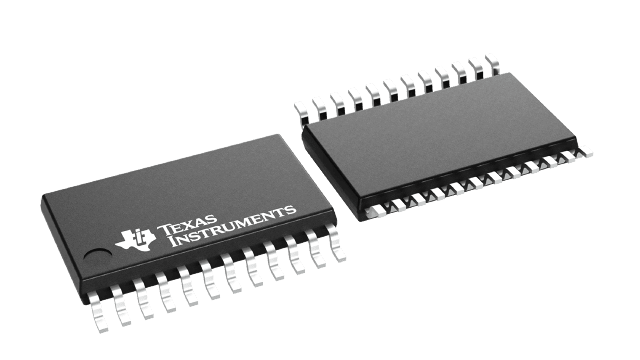
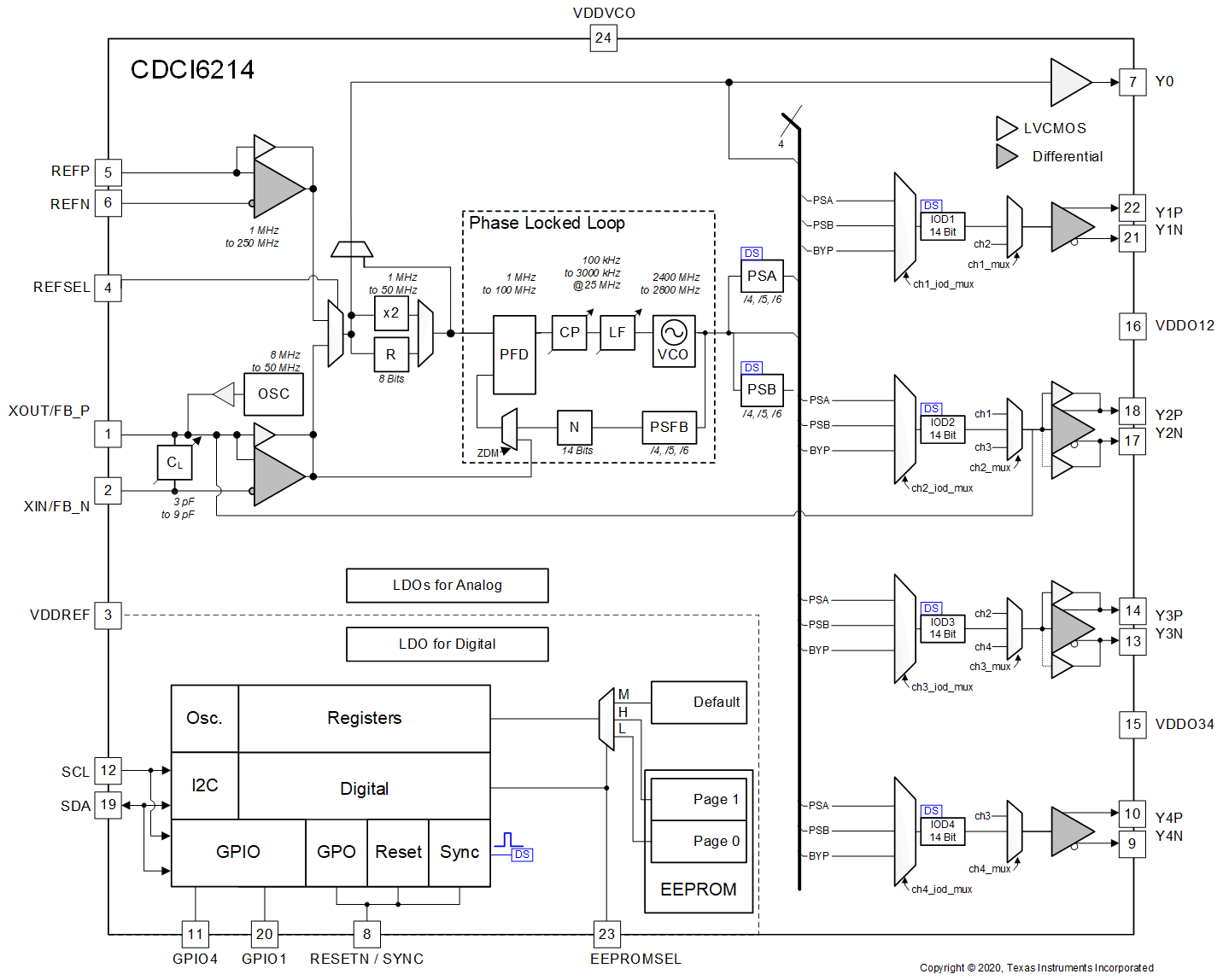
CDCI6214PCIe Gen4 support ultra-low power clock generator with four programmable outputs & EEPROM | Clock/Timing | 1 | NRND | The CDCI6214 device is an ultra-low power clock generator. The device selects between two independent reference inputs to a phase-locked loop and generates up to four different frequencies on configurable differential output channels and also a copy of the reference clock on a LVCMOS output channel.
Each of the four output channels has a configurable integer divider. Together with the output muxes, this allows up to five different frequencies. Clock distribution dividers are reset in a deterministic way for clean clock gating and glitch-less update capability. Flexible power-down options allow to optimize the device for lowest power consumption in active and standby operation. Typically four 156.25MHz LVDS outputs consume 150mW at 1.8V. Typical RMS jitter of 386fs for 100MHz HCSL output enhances system margin for PCIe applications.
The CDCI6214 is configured using internal registers that are accessed by an I2C-compatible serial interface and internal EEPROM.
The CDCI6214 enables high-performance clock trees from a single reference at ultra-low power with a small footprint. The factory- and user-programmable EEPROM of the CDCI6214 is designed as an easy-to-use, instant-on clocking feature with low power consumption.
The CDCI6214 device is an ultra-low power clock generator. The device selects between two independent reference inputs to a phase-locked loop and generates up to four different frequencies on configurable differential output channels and also a copy of the reference clock on a LVCMOS output channel.
Each of the four output channels has a configurable integer divider. Together with the output muxes, this allows up to five different frequencies. Clock distribution dividers are reset in a deterministic way for clean clock gating and glitch-less update capability. Flexible power-down options allow to optimize the device for lowest power consumption in active and standby operation. Typically four 156.25MHz LVDS outputs consume 150mW at 1.8V. Typical RMS jitter of 386fs for 100MHz HCSL output enhances system margin for PCIe applications.
The CDCI6214 is configured using internal registers that are accessed by an I2C-compatible serial interface and internal EEPROM.
The CDCI6214 enables high-performance clock trees from a single reference at ultra-low power with a small footprint. The factory- and user-programmable EEPROM of the CDCI6214 is designed as an easy-to-use, instant-on clocking feature with low power consumption. |
| Part | Category | Description |
|---|---|---|
 Texas Instruments | Integrated Circuits (ICs) | BUS DRIVER, BCT/FBT SERIES |
 Texas Instruments | Integrated Circuits (ICs) | 12BIT 3.3V~3.6V 210MHZ PARALLEL VQFN-48-EP(7X7) ANALOG TO DIGITAL CONVERTERS (ADC) ROHS |
Texas Instruments | Integrated Circuits (ICs) | TMX320DRE311 179PIN UBGA 200MHZ |
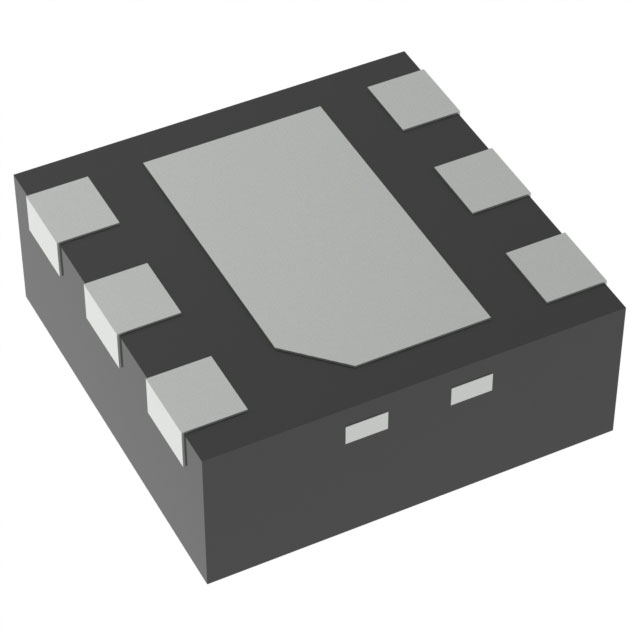 Texas Instruments TPS61040DRVTG4Unknown | Integrated Circuits (ICs) | IC LED DRV RGLTR PWM 350MA 6WSON |
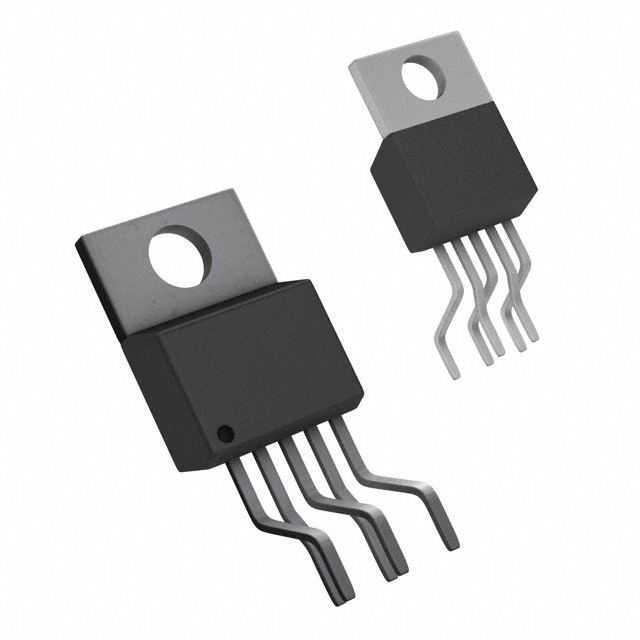 Texas Instruments LP3876ET-2.5Obsolete | Integrated Circuits (ICs) | IC REG LINEAR 2.5V 3A TO220-5 |
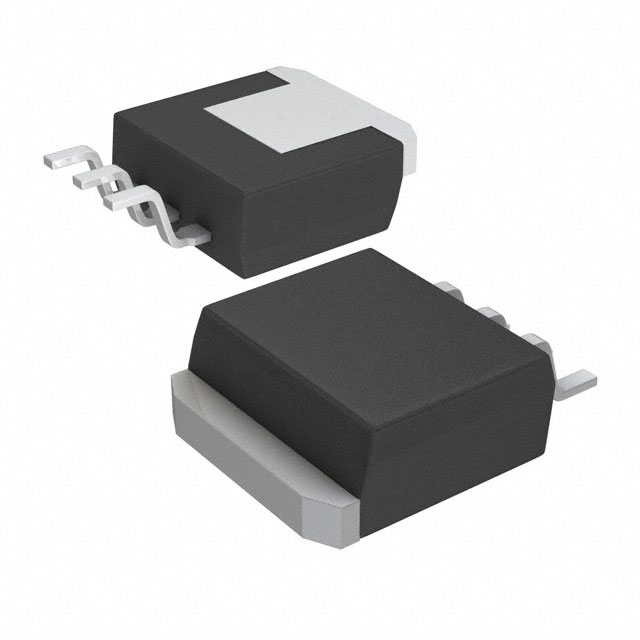 Texas Instruments LMS1585ACSX-ADJObsolete | Integrated Circuits (ICs) | IC REG LIN POS ADJ 5A DDPAK |
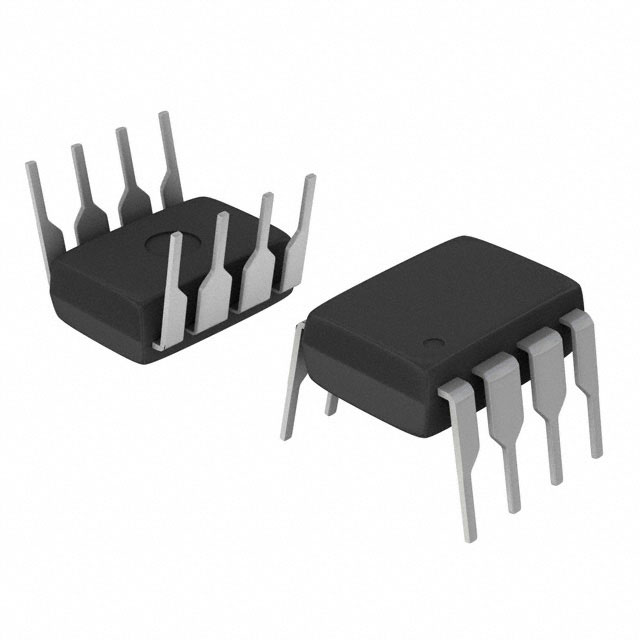 Texas Instruments INA111APG4Obsolete | Integrated Circuits (ICs) | IC INST AMP 1 CIRCUIT 8DIP |
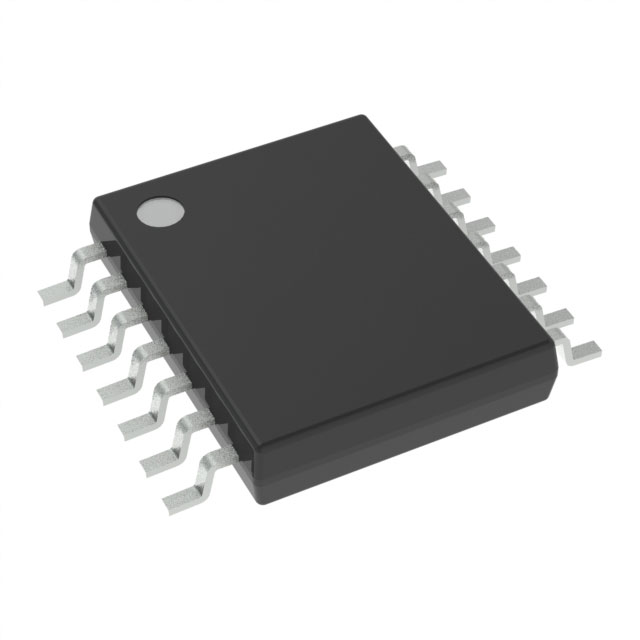 Texas Instruments | Integrated Circuits (ICs) | AUTOMOTIVE, QUAD 36V 1.2MHZ OPERATIONAL AMPLIFIER |
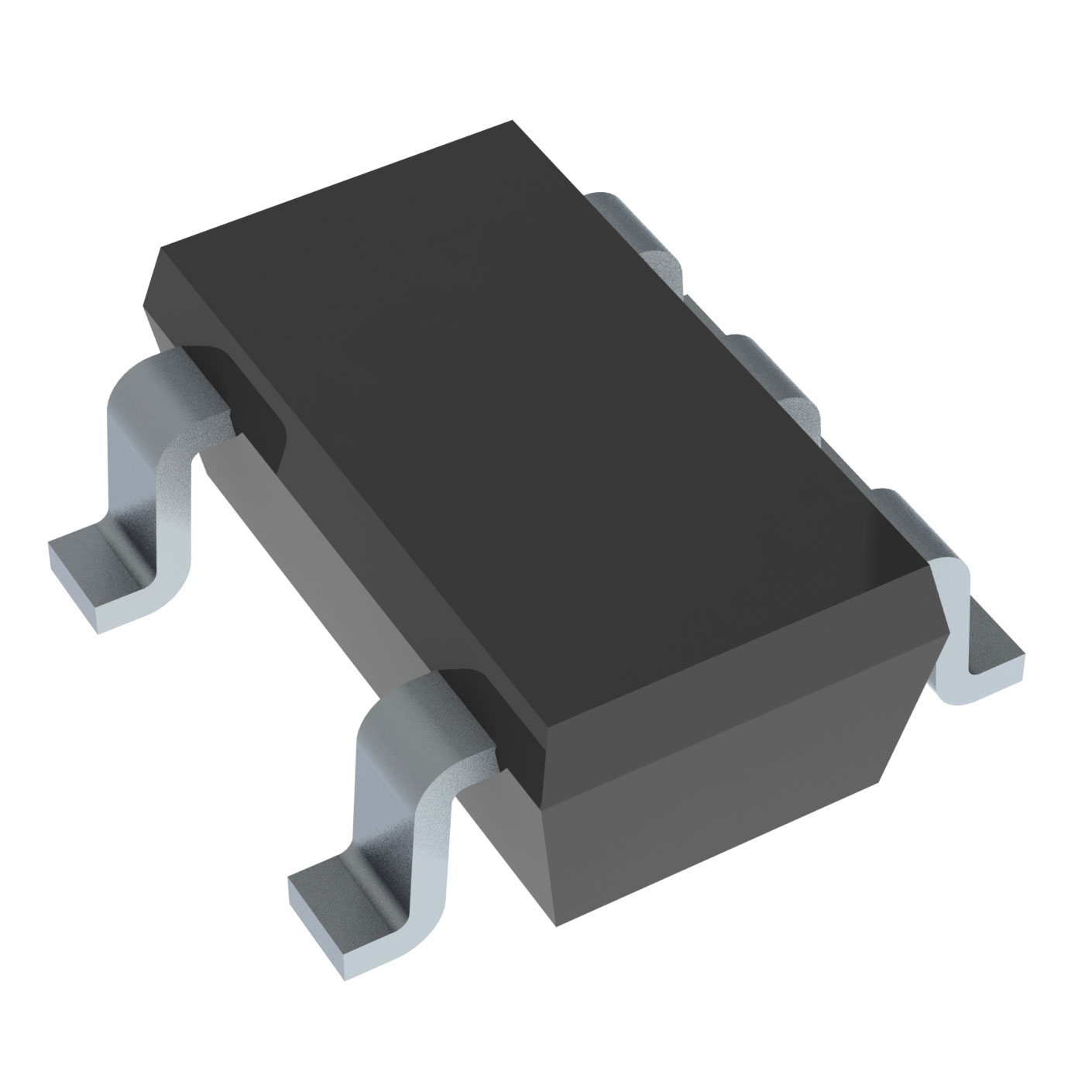 Texas Instruments OPA340NA/3KG4Unknown | Integrated Circuits (ICs) | IC OPAMP GP 1 CIRCUIT SOT23-5 |
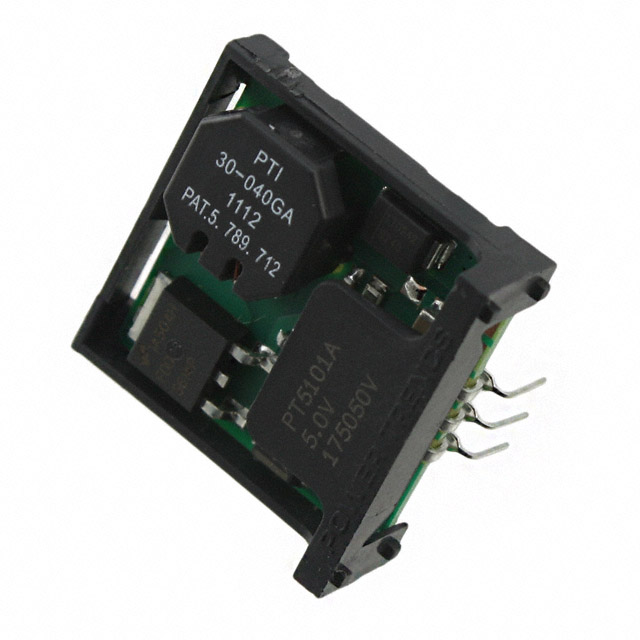 Texas Instruments PT5112AObsolete | Power Supplies - Board Mount | DC DC CONVERTER 8V 8W |