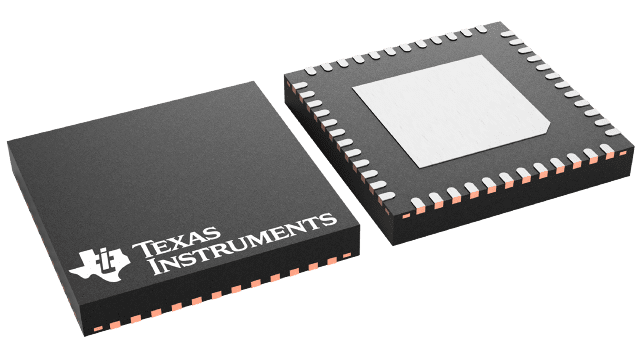
T
Texas Instruments
| Series | Category | # Parts | Status | Description |
|---|---|---|---|---|
| Part | Spec A | Spec B | Spec C | Spec D | Description |
|---|---|---|---|---|---|



| Series | Category | # Parts | Status | Description |
|---|---|---|---|---|
| Part | Spec A | Spec B | Spec C | Spec D | Description |
|---|---|---|---|---|---|
| Part | Category | Description |
|---|---|---|
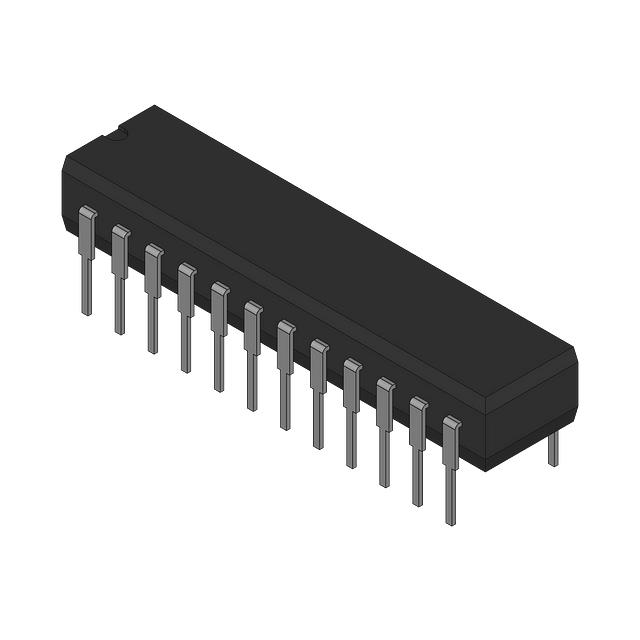 Texas Instruments | Integrated Circuits (ICs) | BUS DRIVER, BCT/FBT SERIES |
 Texas Instruments | Integrated Circuits (ICs) | 12BIT 3.3V~3.6V 210MHZ PARALLEL VQFN-48-EP(7X7) ANALOG TO DIGITAL CONVERTERS (ADC) ROHS |
Texas Instruments | Integrated Circuits (ICs) | TMX320DRE311 179PIN UBGA 200MHZ |
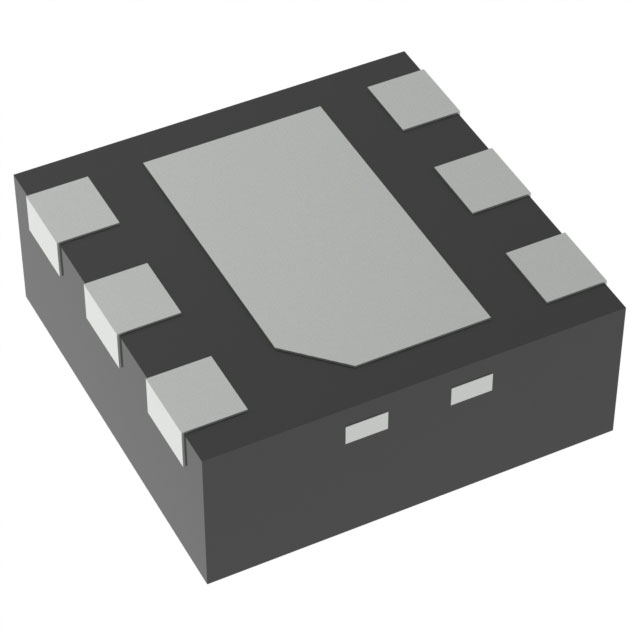 Texas Instruments TPS61040DRVTG4Unknown | Integrated Circuits (ICs) | IC LED DRV RGLTR PWM 350MA 6WSON |
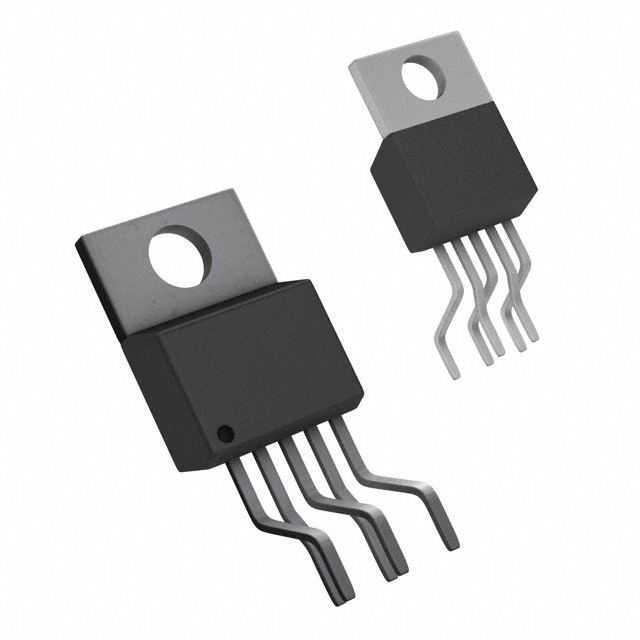 Texas Instruments LP3876ET-2.5Obsolete | Integrated Circuits (ICs) | IC REG LINEAR 2.5V 3A TO220-5 |
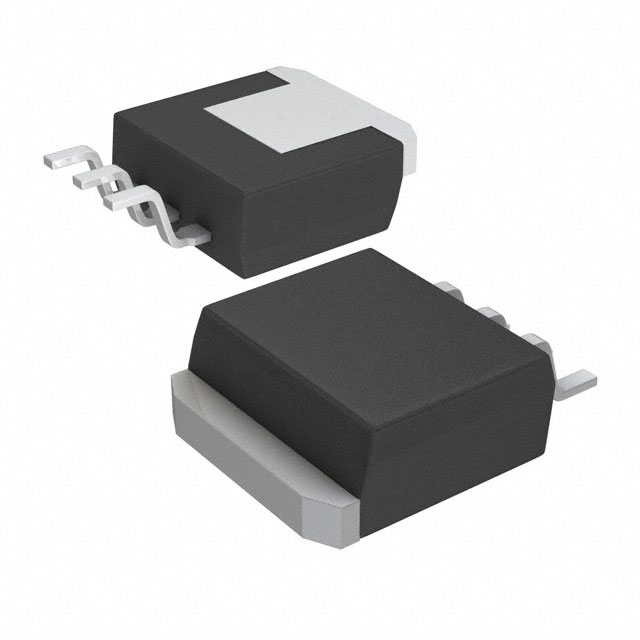 Texas Instruments LMS1585ACSX-ADJObsolete | Integrated Circuits (ICs) | IC REG LIN POS ADJ 5A DDPAK |
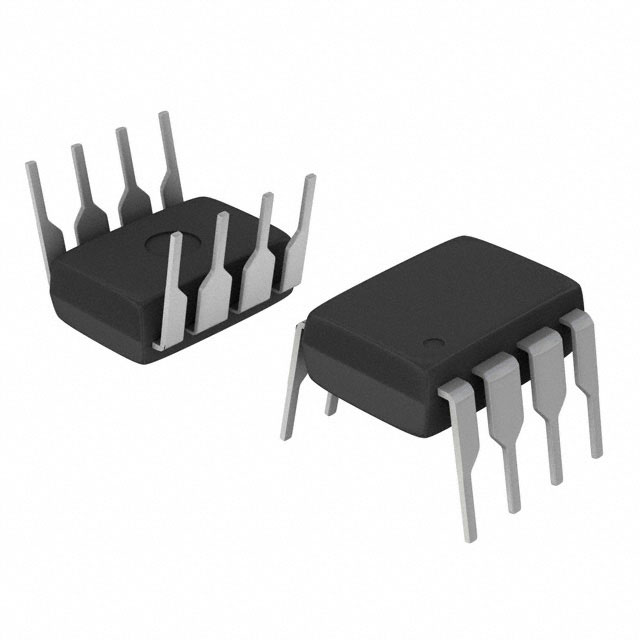 Texas Instruments INA111APG4Obsolete | Integrated Circuits (ICs) | IC INST AMP 1 CIRCUIT 8DIP |
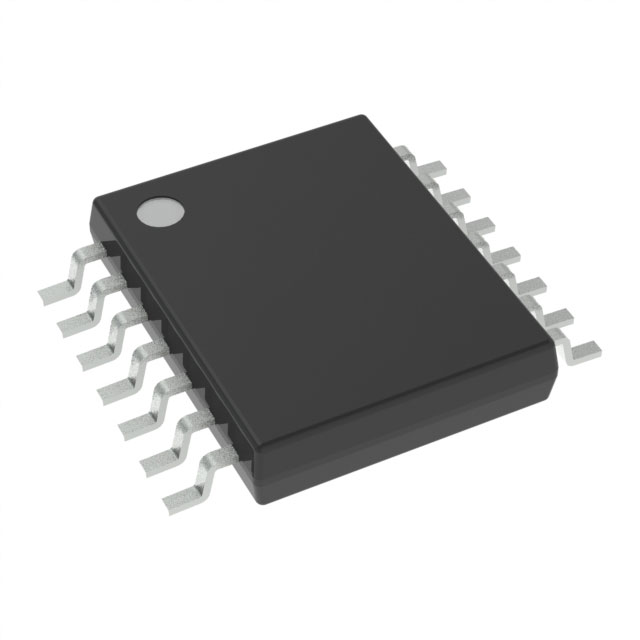 Texas Instruments | Integrated Circuits (ICs) | AUTOMOTIVE, QUAD 36V 1.2MHZ OPERATIONAL AMPLIFIER |
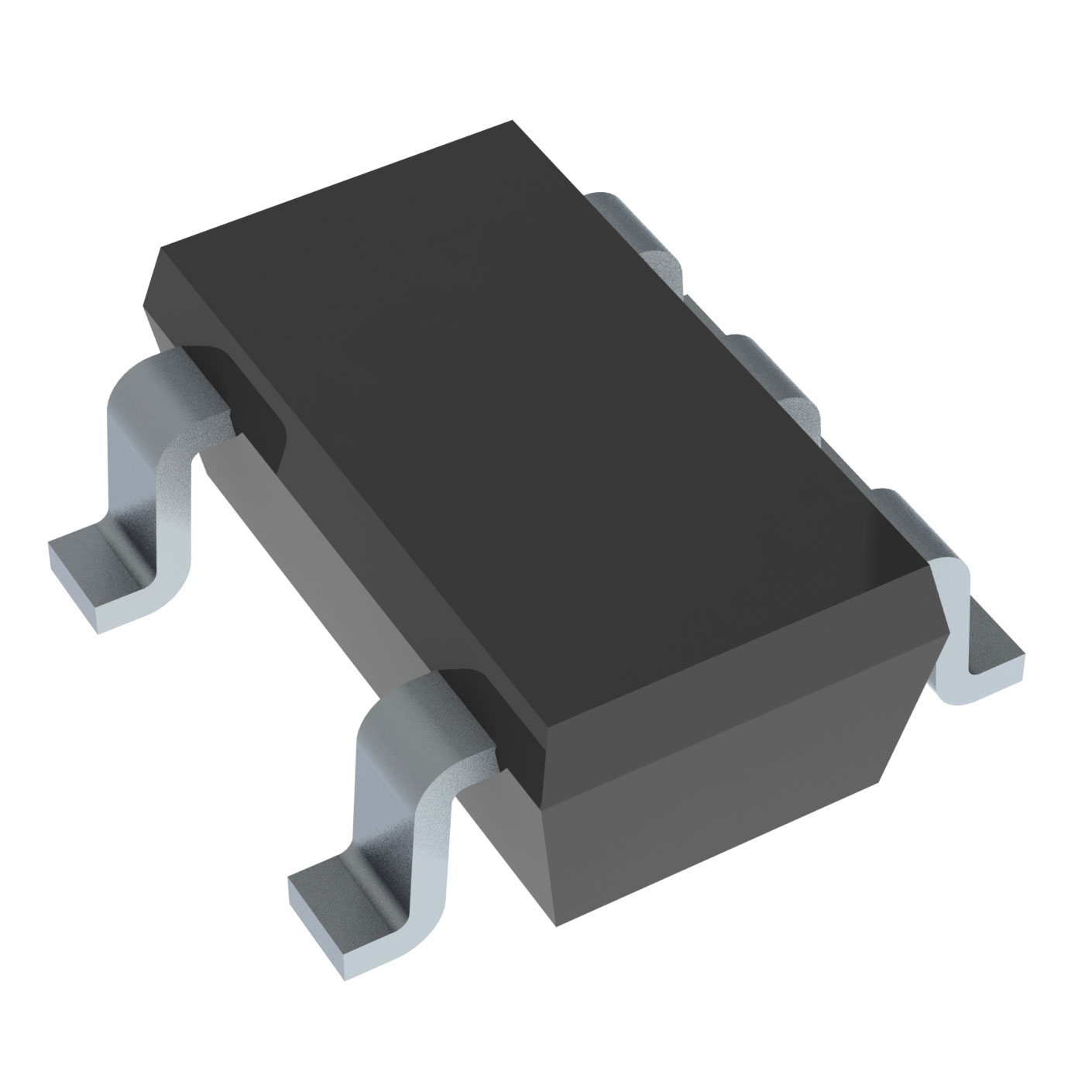 Texas Instruments OPA340NA/3KG4Unknown | Integrated Circuits (ICs) | IC OPAMP GP 1 CIRCUIT SOT23-5 |
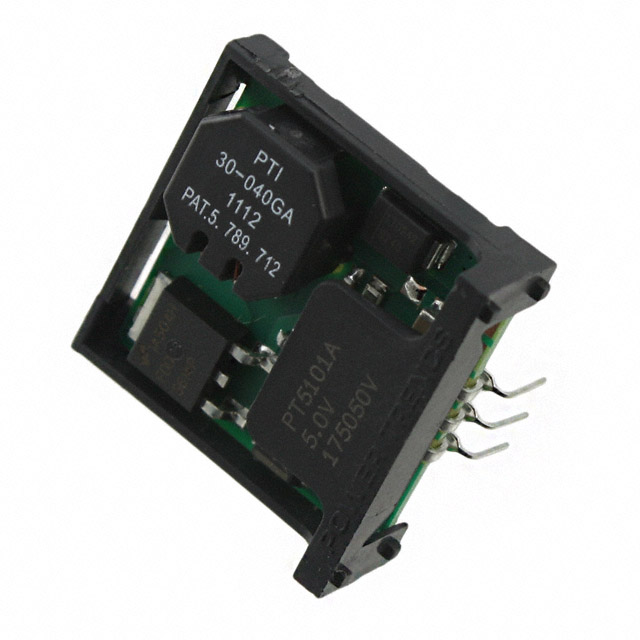 Texas Instruments PT5112AObsolete | Power Supplies - Board Mount | DC DC CONVERTER 8V 8W |
| Series | Category | # Parts | Status | Description |
|---|---|---|---|---|
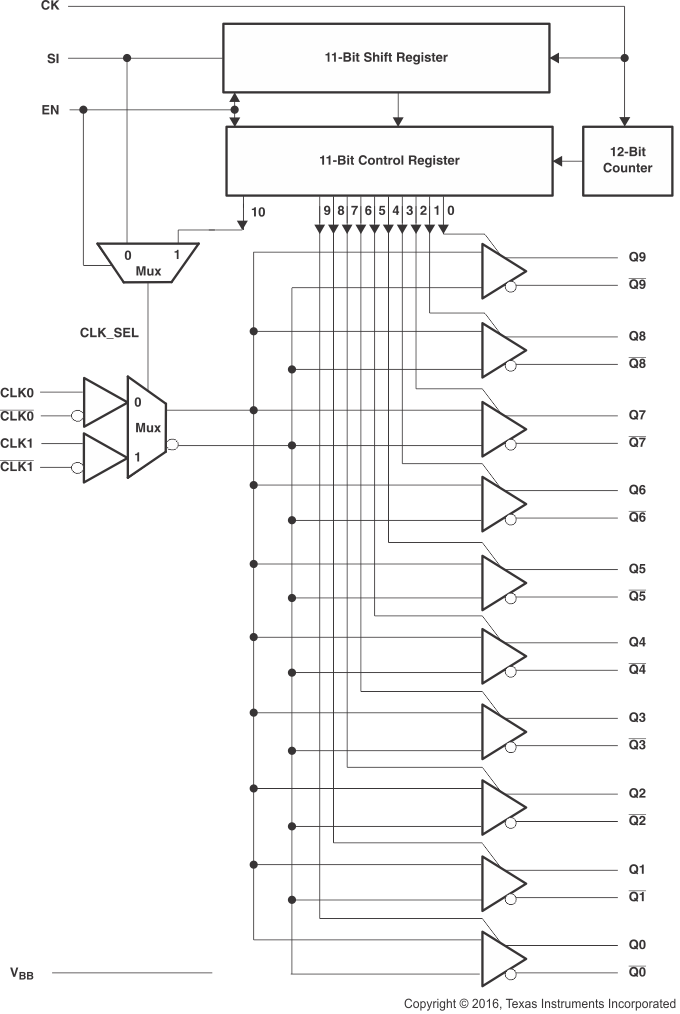
CDCLVD110A1-to-10 LVDS clock buffer up to 1100-MHz with minimum skew for clock distribution | Clock Buffers, Drivers | 7 | Active | The CDCLVD110A clock driver distributes one pair of differential LVDS clock inputs (either CLK0 or CLK1) to 10 pairs of differential clock outputs (Q0 to Q9) with minimum skew for clock distribution. The CDCLVD110A is specifically designed to drive 50-Ω transmission lines.
When the control enable is high (EN = 1), the 10 differential outputs are programmable in that each output can be individually enabled or disabled(3-stated) according to the first 10 bits loaded into the shift register. Once the shift register is loaded, the last bit selects either CLK0 or CLK1 as the clock input. However, when EN = 0, the outputs are not programmable and all outputs are enabled.
The CDCLVD110A has an improved start-up circuit that minimizes enabling time in AC- and DC-coupled systems.
The CDCLVD110A is characterized for operation from –40°C to 85°C.
The CDCLVD110A clock driver distributes one pair of differential LVDS clock inputs (either CLK0 or CLK1) to 10 pairs of differential clock outputs (Q0 to Q9) with minimum skew for clock distribution. The CDCLVD110A is specifically designed to drive 50-Ω transmission lines.
When the control enable is high (EN = 1), the 10 differential outputs are programmable in that each output can be individually enabled or disabled(3-stated) according to the first 10 bits loaded into the shift register. Once the shift register is loaded, the last bit selects either CLK0 or CLK1 as the clock input. However, when EN = 0, the outputs are not programmable and all outputs are enabled.
The CDCLVD110A has an improved start-up circuit that minimizes enabling time in AC- and DC-coupled systems.
The CDCLVD110A is characterized for operation from –40°C to 85°C. |
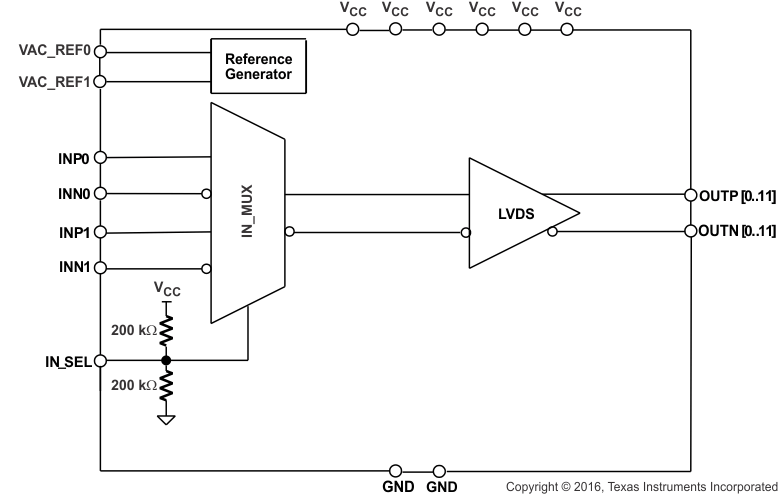
CDCLVD1204Low jitter, 2-input selectable 1:4 universal-to-LVDS buffer | Clock/Timing | 2 | Active | The CDCLVD1204 clock buffer distributes one of two selectable clock inputs (IN0 and IN1) to 4 pairs of differential LVDS clock outputs (OUT0 through OUT3) with minimum skew for clock distribution. The CDCLVD1204 can accept two clock sources into an input multiplexer. The inputs can either be LVDS, LVPECL, or LVCMOS.
The CDCLVD1204 is specifically designed for driving 50-Ω transmission lines. In case of driving the inputs in single ended mode, the appropriate bias voltage, VAC_REF, must be applied to the unused negative input pin.
The IN_SEL pin selects the input which is routed to the outputs. If this pin is left open, it disables the outputs (static). The part supports a fail safe function. The device incorporates an input hysteresis which prevents random oscillation of the outputs in the absence of an input signal.
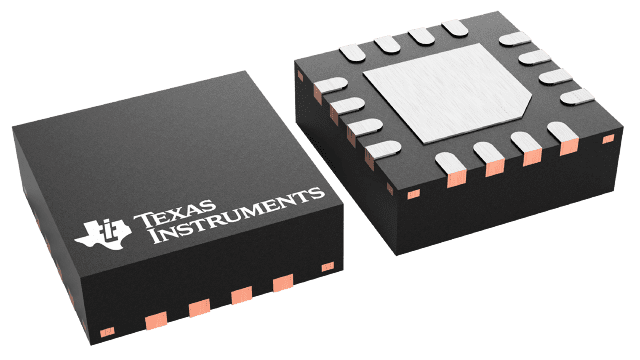
The device operates in 2.5-V supply environment and is characterized from –40°C to 85°C (ambient temperature). The CDCLVD1204 is packaged in small, 16-pin, 3-mm × 3-mm VQFN package.
The CDCLVD1204 clock buffer distributes one of two selectable clock inputs (IN0 and IN1) to 4 pairs of differential LVDS clock outputs (OUT0 through OUT3) with minimum skew for clock distribution. The CDCLVD1204 can accept two clock sources into an input multiplexer. The inputs can either be LVDS, LVPECL, or LVCMOS.
The CDCLVD1204 is specifically designed for driving 50-Ω transmission lines. In case of driving the inputs in single ended mode, the appropriate bias voltage, VAC_REF, must be applied to the unused negative input pin.
The IN_SEL pin selects the input which is routed to the outputs. If this pin is left open, it disables the outputs (static). The part supports a fail safe function. The device incorporates an input hysteresis which prevents random oscillation of the outputs in the absence of an input signal.
The device operates in 2.5-V supply environment and is characterized from –40°C to 85°C (ambient temperature). The CDCLVD1204 is packaged in small, 16-pin, 3-mm × 3-mm VQFN package. |
CDCLVD1208Low jitter, 2-input selectable 1:8 universal-to-LVDS buffer | Integrated Circuits (ICs) | 2 | Active | The CDCLVD1208 clock buffer distributes one of two selectable clock inputs (IN0 and IN1) to 8 pairs of differential LVDS clock outputs (OUT0 through OUT7) with minimum skew for clock distribution. The CDCLVD1208 can accept two clock sources into an input multiplexer. The inputs can either be LVDS, LVPECL, or LVCMOS.
The CDCLVD1208 is specifically designed for driving 50-Ω transmission lines. In case of driving the inputs in single-ended mode, the appropriate bias voltage, VAC_REF, must be applied to the unused negative input pin.
The IN_SEL pin selects the input which is routed to the outputs. If this pin is left open, it disables the outputs (static). The part supports a fail-safe function. The device incorporates an input hysteresis which prevents random oscillation of the outputs in the absence of an input signal.
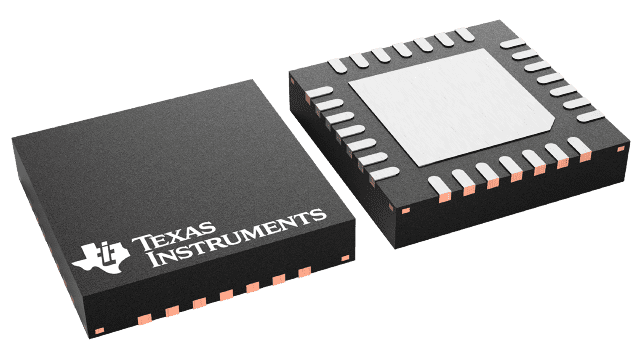
The device operates in 2.5-V supply environment and is characterized from –40°C to 85°C (ambient temperature). The CDCLVD1208 is packaged in small, 28-pin, 5-mm × 5-mm VQFN package.
The CDCLVD1208 clock buffer distributes one of two selectable clock inputs (IN0 and IN1) to 8 pairs of differential LVDS clock outputs (OUT0 through OUT7) with minimum skew for clock distribution. The CDCLVD1208 can accept two clock sources into an input multiplexer. The inputs can either be LVDS, LVPECL, or LVCMOS.
The CDCLVD1208 is specifically designed for driving 50-Ω transmission lines. In case of driving the inputs in single-ended mode, the appropriate bias voltage, VAC_REF, must be applied to the unused negative input pin.
The IN_SEL pin selects the input which is routed to the outputs. If this pin is left open, it disables the outputs (static). The part supports a fail-safe function. The device incorporates an input hysteresis which prevents random oscillation of the outputs in the absence of an input signal.
The device operates in 2.5-V supply environment and is characterized from –40°C to 85°C (ambient temperature). The CDCLVD1208 is packaged in small, 28-pin, 5-mm × 5-mm VQFN package. |
CDCLVD1212Low jitter, 2-input selectable 1:12 universal-to-LVDS buffer | Clock/Timing | 1 | Active | The CDCLVD1212 clock buffer distributes one of two selectable clock inputs (IN0 and IN1) to 12 pairs of differential LVDS clock outputs (OUT0 through OUT11) with minimum skew for clock distribution. The CDCLVD1212 can accept two clock sources into an input multiplexer. The inputs can either be LVDS, LVPECL, or LVCMOS.
The CDCLVD1212 is specifically designed for driving 50-Ω transmission lines. In case of driving the inputs in single-ended mode, the appropriate bias voltage, VAC_REF, must be applied to the unused negative input pin.
The IN_SEL pin selects the input which is routed to the outputs. If this pin is left open, it disables the outputs (static). The part supports a fail-safe function. The device incorporates an input hysteresis which prevents random oscillation of the outputs in the absence of an input signal.
The device operates in 2.5-V supply environment and is characterized from –40°C to 85°C (ambient temperature). The CDCLVD1212 is packaged in small, 40-pin, 6-mm × 6-mm VQFN package.
The CDCLVD1212 clock buffer distributes one of two selectable clock inputs (IN0 and IN1) to 12 pairs of differential LVDS clock outputs (OUT0 through OUT11) with minimum skew for clock distribution. The CDCLVD1212 can accept two clock sources into an input multiplexer. The inputs can either be LVDS, LVPECL, or LVCMOS.
The CDCLVD1212 is specifically designed for driving 50-Ω transmission lines. In case of driving the inputs in single-ended mode, the appropriate bias voltage, VAC_REF, must be applied to the unused negative input pin.
The IN_SEL pin selects the input which is routed to the outputs. If this pin is left open, it disables the outputs (static). The part supports a fail-safe function. The device incorporates an input hysteresis which prevents random oscillation of the outputs in the absence of an input signal.
The device operates in 2.5-V supply environment and is characterized from –40°C to 85°C (ambient temperature). The CDCLVD1212 is packaged in small, 40-pin, 6-mm × 6-mm VQFN package. |
CDCLVD1213Low jitter, 1:4 universal-to-LVDS buffer with selectable output divider | Evaluation Boards | 3 | Active | The CDCLVD1213 clock buffer distributes an input clock to 4 pairs of differential LVDS clock outputs with low additive jitter for clock distribution. The input can either be LVDS, LVPECL, or CML.
The CDCLVD1213 contains a high performance divider for one output (QD) which can divide the input clock signal by a factor of 1, 2, or 4.
The CDCLVD1213 is specifically designed for driving 50-Ω transmission lines. The part supports a fail-safe function. The device incorporates an input hysteresis which prevents random oscillation of the outputs in the absence of an input signal.
The device operates in 2.5-V supply environment and is characterized from –40°C to 85°C (ambient temperature). The CDCLVD1213 is packaged in small, 16-pin, 3-mm × 3-mm VQFN package.
The CDCLVD1213 clock buffer distributes an input clock to 4 pairs of differential LVDS clock outputs with low additive jitter for clock distribution. The input can either be LVDS, LVPECL, or CML.
The CDCLVD1213 contains a high performance divider for one output (QD) which can divide the input clock signal by a factor of 1, 2, or 4.
The CDCLVD1213 is specifically designed for driving 50-Ω transmission lines. The part supports a fail-safe function. The device incorporates an input hysteresis which prevents random oscillation of the outputs in the absence of an input signal.
The device operates in 2.5-V supply environment and is characterized from –40°C to 85°C (ambient temperature). The CDCLVD1213 is packaged in small, 16-pin, 3-mm × 3-mm VQFN package. |
CDCLVD1216Low jitter, 2-input selectable 1:16 universal-to-LVDS buffer | Clock Buffers, Drivers | 2 | Active | The CDCLVD1216 clock buffer distributes one of two selectable clock inputs (IN0, IN1) to 16 pairs of differential LVDS clock outputs (OUT0, OUT15) with minimum skew for clock distribution. The CDCLVD1216 can accept two clock sources into an input multiplexer. The inputs can either be LVDS, LVPECL, or LVCMOS.
The CDCLVD1216 is specifically designed for driving 50 Ω transmission lines. If driving the inputs in single ended mode, the appropriate bias voltage (VAC_REF) should be applied to the unused negative input pin.
The IN_SEL pin selects the input which is routed to the outputs. If this pin is left open it disables the outputs (static). The part supports a fail safe function. It incorporates an input hysteresis, which prevents random oscillation of the outputs in absence of an input signal.
The device operates in 2.5 V supply environment and is characterized from –40°C to 85°C (ambient temperature). The CDCLVD1216 is packaged in small 48-pin, 7mm × 7mm QFN package.
The CDCLVD1216 clock buffer distributes one of two selectable clock inputs (IN0, IN1) to 16 pairs of differential LVDS clock outputs (OUT0, OUT15) with minimum skew for clock distribution. The CDCLVD1216 can accept two clock sources into an input multiplexer. The inputs can either be LVDS, LVPECL, or LVCMOS.
The CDCLVD1216 is specifically designed for driving 50 Ω transmission lines. If driving the inputs in single ended mode, the appropriate bias voltage (VAC_REF) should be applied to the unused negative input pin.
The IN_SEL pin selects the input which is routed to the outputs. If this pin is left open it disables the outputs (static). The part supports a fail safe function. It incorporates an input hysteresis, which prevents random oscillation of the outputs in absence of an input signal.
The device operates in 2.5 V supply environment and is characterized from –40°C to 85°C (ambient temperature). The CDCLVD1216 is packaged in small 48-pin, 7mm × 7mm QFN package. |
CDCLVD2102Low jitter, dual 1:2 universal-to-LVDS buffer | Integrated Circuits (ICs) | 2 | Active | The CDCLVD2102 clock buffer distributes two clock inputs (IN0, IN1) to a total of 4 pairs of differential LVDS clock outputs (OUT0, OUT3). Each buffer block consists of one input and 2 LVDS outputs. The inputs can either be LVDS, LVPECL, or LVCMOS.
The CDCLVD2102 is specifically designed for driving 50-transmission lines. If driving the inputs in single ended mode, the appropriate bias voltage (VAC_REF) should be applied to the unused negative input pin.
Using the control pin (EN), outputs can be either disabled or enabled. If the EN pin is left open two buffers with all outputs are enabled, if switched to a logical "0" both buffers with all outputs are disabled (static logical "0"), if switched to a logical "1", one buffer with two outputs is disabled and another buffer with two outputs is enabled. The part supports a fail safe function. It incorporates an input hysteresis, which prevents random oscillation of the outputs in absence of an input signal.
The device operates in 2.5V supply environment and is characterized from –40°C to 85°C (ambient temperature). The CDCLVD2102 is packaged in small 16-pin, 3-mm × 3-mm QFN package.
The CDCLVD2102 clock buffer distributes two clock inputs (IN0, IN1) to a total of 4 pairs of differential LVDS clock outputs (OUT0, OUT3). Each buffer block consists of one input and 2 LVDS outputs. The inputs can either be LVDS, LVPECL, or LVCMOS.
The CDCLVD2102 is specifically designed for driving 50-transmission lines. If driving the inputs in single ended mode, the appropriate bias voltage (VAC_REF) should be applied to the unused negative input pin.
Using the control pin (EN), outputs can be either disabled or enabled. If the EN pin is left open two buffers with all outputs are enabled, if switched to a logical "0" both buffers with all outputs are disabled (static logical "0"), if switched to a logical "1", one buffer with two outputs is disabled and another buffer with two outputs is enabled. The part supports a fail safe function. It incorporates an input hysteresis, which prevents random oscillation of the outputs in absence of an input signal.
The device operates in 2.5V supply environment and is characterized from –40°C to 85°C (ambient temperature). The CDCLVD2102 is packaged in small 16-pin, 3-mm × 3-mm QFN package. |
CDCLVD2104Low jitter, dual 1:4 universal-to-LVDS buffer | Integrated Circuits (ICs) | 2 | Active | The CDCLVD2104 clock buffer distributes two clock inputs (IN0, IN1) to a total of 8 pairs of differential LVDS clock outputs (OUT0, OUT7). Each buffer block consists of one input and 4 LVDS outputs. The inputs can either be LVDS, LVPECL, or LVCMOS.
The CDCLVD2104 is specifically designed for driving 50-transmission lines. If the input is in single ended mode, the appropriate bias voltage (VAC_REF) should be applied to the unused negative input pin.
Using the control pin (EN), outputs can be either disabled or enabled. If the EN pin is left open two buffers with all outputs are enabled, if switched to a logical "0" both buffers with all outputs are disabled (static logical "0"), if switched to a logical "1", one buffer with four outputs is disabled and another buffer with four outputs is enabled. The part supports a fail safe function. It incorporates an input hysteresis, which prevents random oscillation of the outputs in absence of an input signal.
The device operates in 2.5V supply environment and is characterized from –40°C to 85°C (ambient temperature). The CDCLVD2104 is packaged in small 28-pin, 5-mm × 5-mm QFN package.
The CDCLVD2104 clock buffer distributes two clock inputs (IN0, IN1) to a total of 8 pairs of differential LVDS clock outputs (OUT0, OUT7). Each buffer block consists of one input and 4 LVDS outputs. The inputs can either be LVDS, LVPECL, or LVCMOS.
The CDCLVD2104 is specifically designed for driving 50-transmission lines. If the input is in single ended mode, the appropriate bias voltage (VAC_REF) should be applied to the unused negative input pin.
Using the control pin (EN), outputs can be either disabled or enabled. If the EN pin is left open two buffers with all outputs are enabled, if switched to a logical "0" both buffers with all outputs are disabled (static logical "0"), if switched to a logical "1", one buffer with four outputs is disabled and another buffer with four outputs is enabled. The part supports a fail safe function. It incorporates an input hysteresis, which prevents random oscillation of the outputs in absence of an input signal.
The device operates in 2.5V supply environment and is characterized from –40°C to 85°C (ambient temperature). The CDCLVD2104 is packaged in small 28-pin, 5-mm × 5-mm QFN package. |
| Evaluation and Demonstration Boards and Kits | 1 | Active | ||
CDCLVD2108Low jitter, dual 1:8 universal-to-LVDS buffer | Clock/Timing | 1 | Active | The CDCLVD2108 clock buffer distributes two clock inputs (IN0, IN1) to a total of 16 pairs of differential LVDS clock outputs (OUT0, OUT15). Each buffer block consists of one input and 8 LVDS outputs. The inputs can either be LVDS, LVPECL, or LVCMOS.
The CDCLVD2108 is specifically designed for driving 50-transmission lines. In case of driving the inputs in single ended mode, the appropriate bias voltage (VAC_REF) should be applied to the unused negative input pin.
Using the control pin (EN) outputs can be either disabled or enabled. If the EN pin is left open all outputs are active, if switched to a logical "0" all outputs are disabled (static logical 0), if switched to a logical "1", OUT (8..15) are switched off and OUT (0..7) are active. The part supports a fail safe function. It incorporates an input hysteresis, which prevents random oscillation of the outputs in absence of an input signal.
The device operates in 2.5V supply environment and is characterized from –40°C to 85°C (ambient temperature). The CDCLVD2108 is packaged in small 48-pin, 7-mm × 7-mm QFN package.
The CDCLVD2108 clock buffer distributes two clock inputs (IN0, IN1) to a total of 16 pairs of differential LVDS clock outputs (OUT0, OUT15). Each buffer block consists of one input and 8 LVDS outputs. The inputs can either be LVDS, LVPECL, or LVCMOS.
The CDCLVD2108 is specifically designed for driving 50-transmission lines. In case of driving the inputs in single ended mode, the appropriate bias voltage (VAC_REF) should be applied to the unused negative input pin.
Using the control pin (EN) outputs can be either disabled or enabled. If the EN pin is left open all outputs are active, if switched to a logical "0" all outputs are disabled (static logical 0), if switched to a logical "1", OUT (8..15) are switched off and OUT (0..7) are active. The part supports a fail safe function. It incorporates an input hysteresis, which prevents random oscillation of the outputs in absence of an input signal.
The device operates in 2.5V supply environment and is characterized from –40°C to 85°C (ambient temperature). The CDCLVD2108 is packaged in small 48-pin, 7-mm × 7-mm QFN package. |