T
Texas Instruments
| Series | Category | # Parts | Status | Description |
|---|---|---|---|---|
| Part | Spec A | Spec B | Spec C | Spec D | Description |
|---|---|---|---|---|---|



| Series | Category | # Parts | Status | Description |
|---|---|---|---|---|
| Part | Spec A | Spec B | Spec C | Spec D | Description |
|---|---|---|---|---|---|
| Part | Category | Description |
|---|---|---|
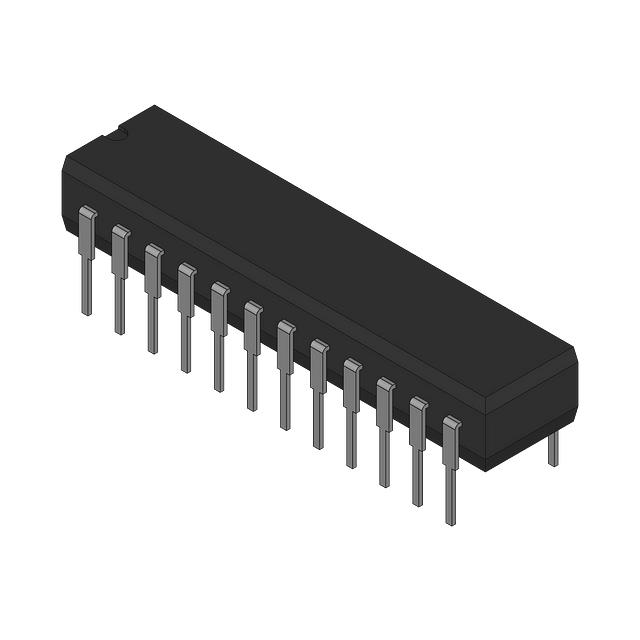 Texas Instruments | Integrated Circuits (ICs) | BUS DRIVER, BCT/FBT SERIES |
 Texas Instruments | Integrated Circuits (ICs) | 12BIT 3.3V~3.6V 210MHZ PARALLEL VQFN-48-EP(7X7) ANALOG TO DIGITAL CONVERTERS (ADC) ROHS |
Texas Instruments | Integrated Circuits (ICs) | TMX320DRE311 179PIN UBGA 200MHZ |
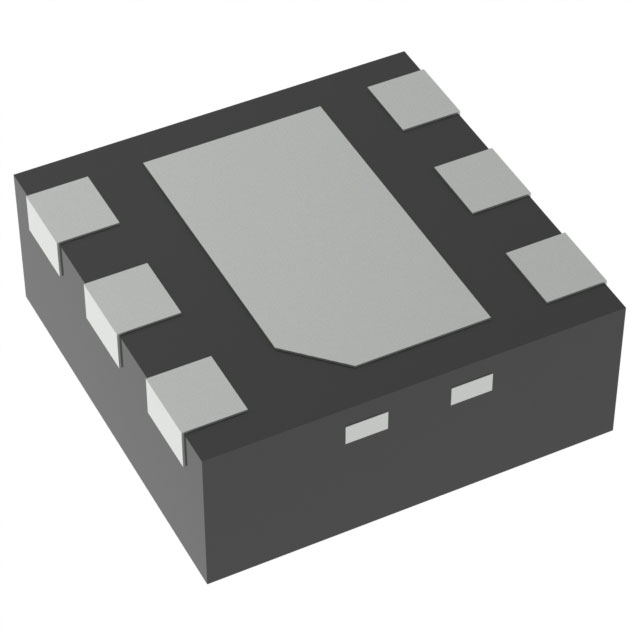 Texas Instruments TPS61040DRVTG4Unknown | Integrated Circuits (ICs) | IC LED DRV RGLTR PWM 350MA 6WSON |
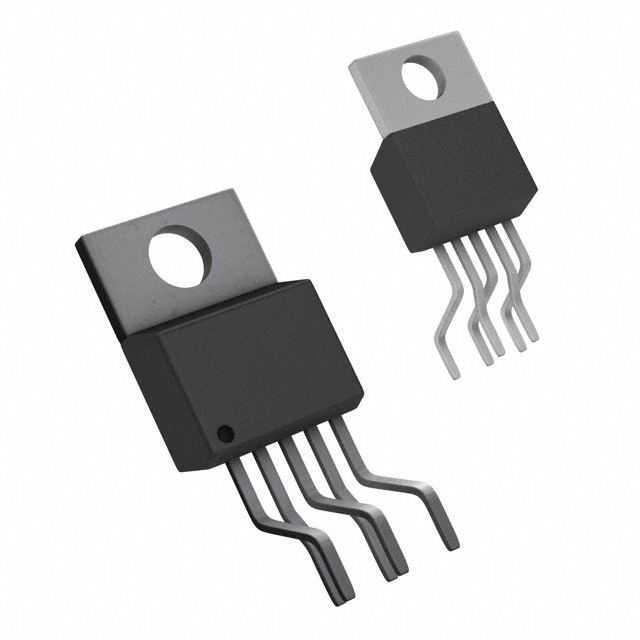 Texas Instruments LP3876ET-2.5Obsolete | Integrated Circuits (ICs) | IC REG LINEAR 2.5V 3A TO220-5 |
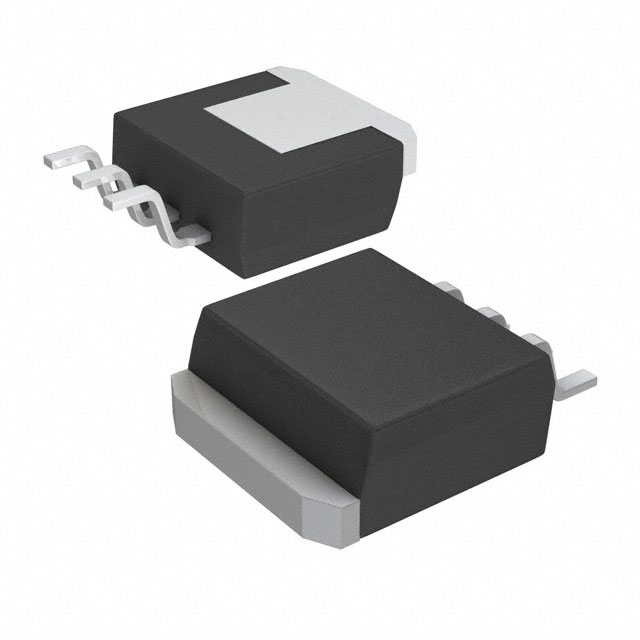 Texas Instruments LMS1585ACSX-ADJObsolete | Integrated Circuits (ICs) | IC REG LIN POS ADJ 5A DDPAK |
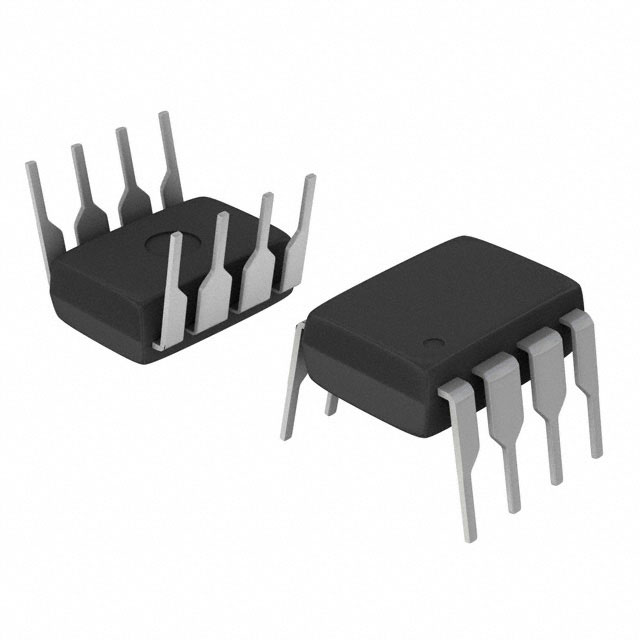 Texas Instruments INA111APG4Obsolete | Integrated Circuits (ICs) | IC INST AMP 1 CIRCUIT 8DIP |
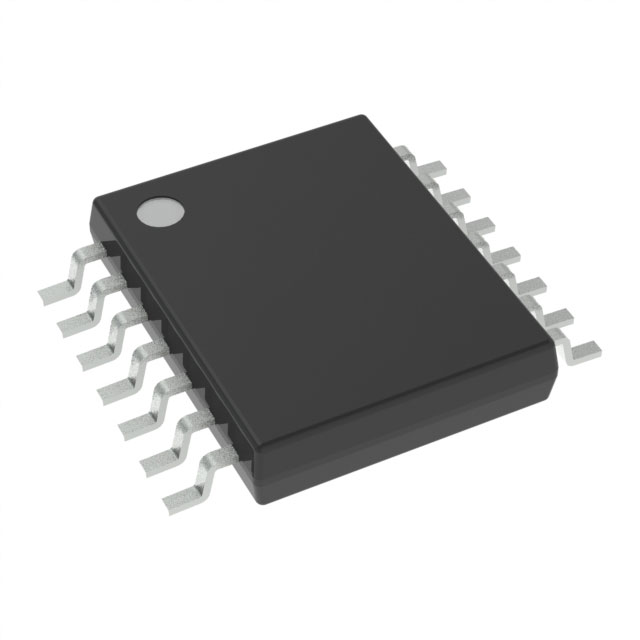 Texas Instruments | Integrated Circuits (ICs) | AUTOMOTIVE, QUAD 36V 1.2MHZ OPERATIONAL AMPLIFIER |
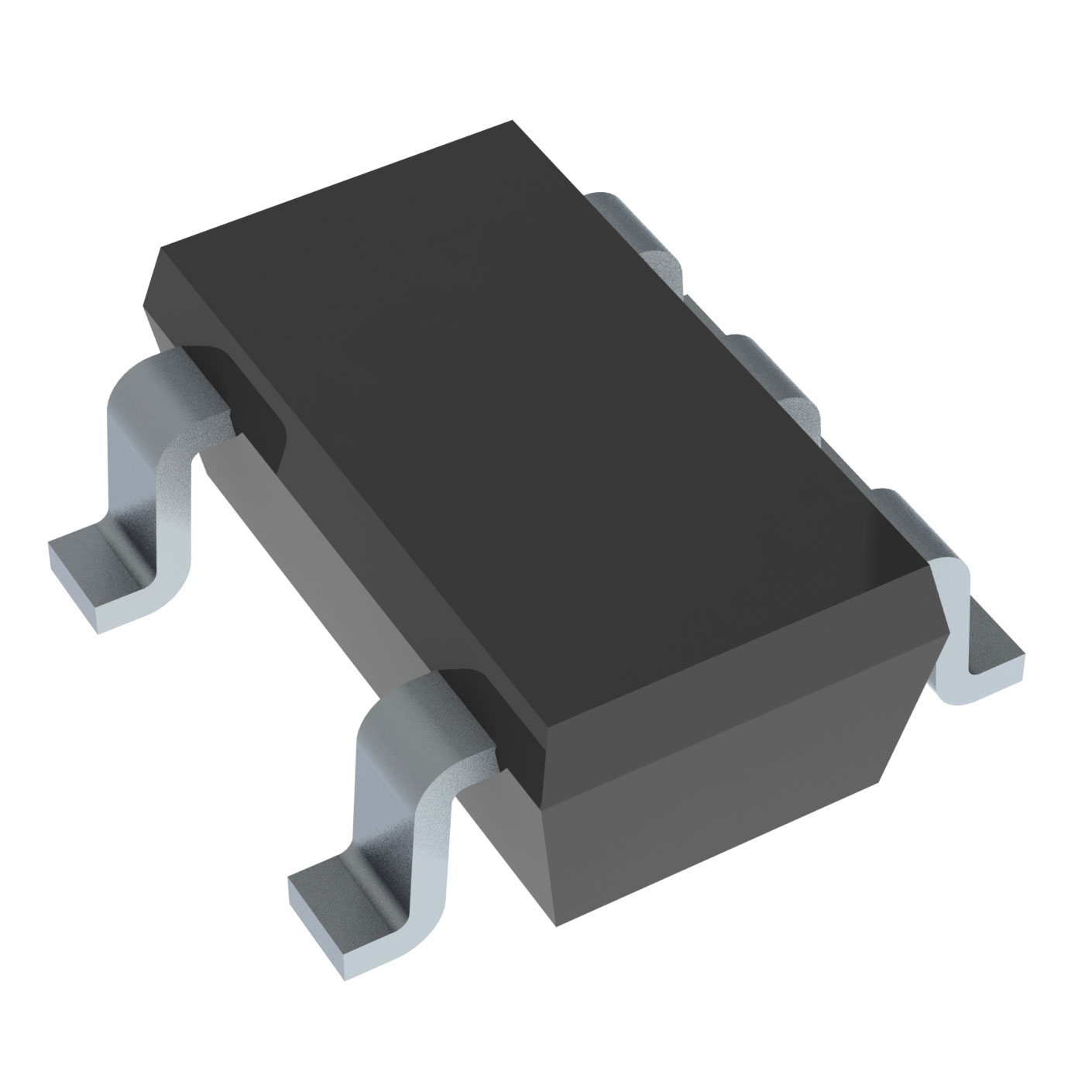 Texas Instruments OPA340NA/3KG4Unknown | Integrated Circuits (ICs) | IC OPAMP GP 1 CIRCUIT SOT23-5 |
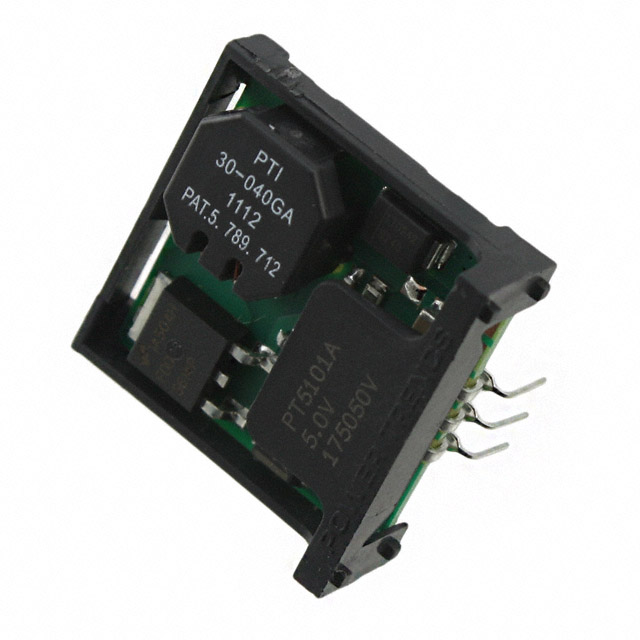 Texas Instruments PT5112AObsolete | Power Supplies - Board Mount | DC DC CONVERTER 8V 8W |
| Series | Category | # Parts | Status | Description |
|---|---|---|---|---|
BQ77PL157A4225Voltage Protection for 3 to 6 Series Cell Lithium-Ion/Polymer Batteries | Power Management (PMIC) | 2 | Active | The bq77PL157 is a stackable overvoltage protection device for 3, 4, 5 or 6 series cell Li-Ion battery packs. This device incorporates a precise and accurate overvoltage detection circuit with preconfigured threshold limits. Additional features include the ability to stack multiple parts to monitor up to 18 series cells.
FUNCTION
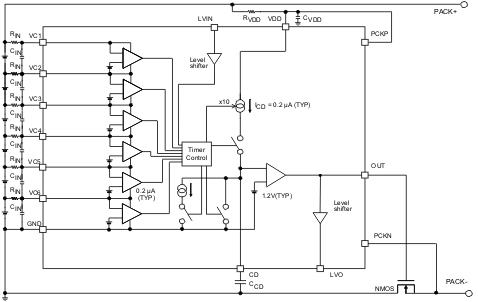
Each series cell in a Li-Ion battery pack is compared to an internal reference voltage. If one cell reaches an overvoltage condition, the protection sequence begins. The bq77PL157 starts charging an external capacitor through the CD pin. When the CD pin voltage reaches 1.2 V, the OUT pin changes state and the LVO pin becomes active.
If multiple bq77PL157 devices are stacked, the LVIN pin of the next-lower device receives the LVO pin from the above device and similarly starts a shortened delay timer before activating its OUT pin. (No additional isolation or level-shift circuitry is required.) The lowest bq77PL157 in the string is used to activate a power MOSFET located in the low side of the power path.
The bq77PL157 is a stackable overvoltage protection device for 3, 4, 5 or 6 series cell Li-Ion battery packs. This device incorporates a precise and accurate overvoltage detection circuit with preconfigured threshold limits. Additional features include the ability to stack multiple parts to monitor up to 18 series cells.
FUNCTION
Each series cell in a Li-Ion battery pack is compared to an internal reference voltage. If one cell reaches an overvoltage condition, the protection sequence begins. The bq77PL157 starts charging an external capacitor through the CD pin. When the CD pin voltage reaches 1.2 V, the OUT pin changes state and the LVO pin becomes active.
If multiple bq77PL157 devices are stacked, the LVIN pin of the next-lower device receives the LVO pin from the above device and similarly starts a shortened delay timer before activating its OUT pin. (No additional isolation or level-shift circuitry is required.) The lowest bq77PL157 in the string is used to activate a power MOSFET located in the low side of the power path. |
BQ77PL9005-10 cell Li-ion Battery protection & AFE | Evaluation Boards | 2 | Active | The bq77PL900 is a five to ten series cell lithium-ion battery pack protector. The integrated I2C communications interface allows the bq77PL900 also to be as an analog front end (AFE) for a Host controller. Two LDOs, one 5 V/25 mA and one 3.3 V/25 mA, are also included and may be used to power a host controller or support circuitry.
The bq77PL900 integrates a voltage translation system to extract battery parameters such as individual cell voltages and charge/discharge current. Variables such as voltage protection thresholds and detection delay times can be programmed by using the internal EEPROM.
The bq77PL900 can act as a stand-alone self-contained battery protection system (stand-alone mode). It can alternatively be combined with a host microcontroller to offer fuel gauge or other battery management capabilities to the host system (host-control mode).
The bq77PL900 provides full safety protection for overvoltage, undervoltage, overcurrent in discharge, and short circuit in discharge conditions. When the EEPROM programmable safety thresholds are reached, the bq77PL900 turns off the FET drive autonomously. No external components are needed to configure the protection features.
The analog front end (AFE) outputs allow a host controller to observe individual cell voltages and charge/discharge currents. The host controller's analog-to-digital converter connects to the bq77PL900 to acquire these values.
Cell balancing can be performed autonomously, or the host controller can activate it individually via a cell bypass path integrated into the bq77PL900. Internal control registers accessible via the I2C interface configure this operation. The maximum balancing bypass current is set via an external series resistor and the internal FET-on resistance (typically 400). Optionally, external bypass cell balance FETs can be used for increased current capability.
The bq77PL900 is a five to ten series cell lithium-ion battery pack protector. The integrated I2C communications interface allows the bq77PL900 also to be as an analog front end (AFE) for a Host controller. Two LDOs, one 5 V/25 mA and one 3.3 V/25 mA, are also included and may be used to power a host controller or support circuitry.
The bq77PL900 integrates a voltage translation system to extract battery parameters such as individual cell voltages and charge/discharge current. Variables such as voltage protection thresholds and detection delay times can be programmed by using the internal EEPROM.
The bq77PL900 can act as a stand-alone self-contained battery protection system (stand-alone mode). It can alternatively be combined with a host microcontroller to offer fuel gauge or other battery management capabilities to the host system (host-control mode).
The bq77PL900 provides full safety protection for overvoltage, undervoltage, overcurrent in discharge, and short circuit in discharge conditions. When the EEPROM programmable safety thresholds are reached, the bq77PL900 turns off the FET drive autonomously. No external components are needed to configure the protection features.
The analog front end (AFE) outputs allow a host controller to observe individual cell voltages and charge/discharge currents. The host controller's analog-to-digital converter connects to the bq77PL900 to acquire these values.
Cell balancing can be performed autonomously, or the host controller can activate it individually via a cell bypass path integrated into the bq77PL900. Internal control registers accessible via the I2C interface configure this operation. The maximum balancing bypass current is set via an external series resistor and the internal FET-on resistance (typically 400). Optionally, external bypass cell balance FETs can be used for increased current capability. |
BQ78350-R1ACEDV li-ion gas gauge and battery management controller | Power Management (PMIC) | 5 | Active | The Texas Instruments BQ78350-R1A li-ion and LiFePO4Battery Management Controller and companion to the BQ769x0 family of analog front end (AFE) protection devices provides a comprehensive set of Battery Management System (BMS) subsystems, helping to accelerate product development for faster time-to-market.
The BQ78350-R1A controller and the BQ769x0 AFE support 3-series to 15-series cell applications. The BQ78350-R1A device provides an accurate fuel gauge and state-of-health (SoH) monitor, as well as cell balancing and a full range of voltage-, current-, and temperature-based protection features.
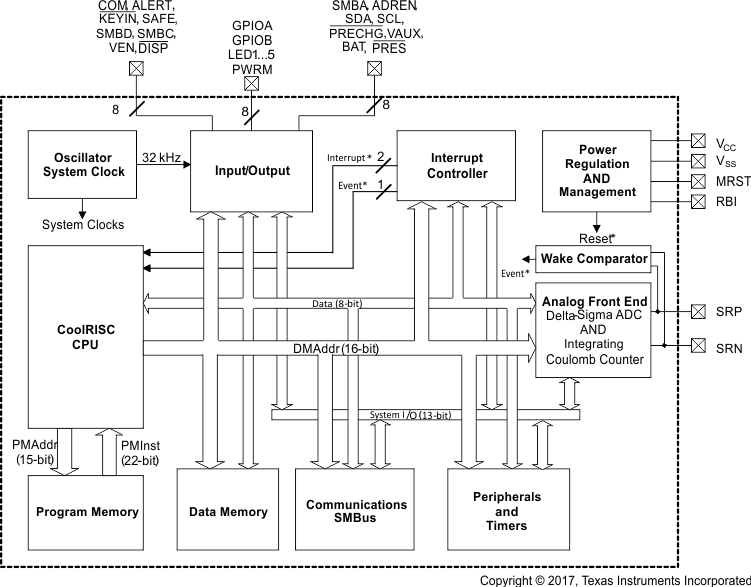
The BQ78350-R1A device offers optional LED or LCD display configurations for capacity reporting. It also makes data available over its SMBus 1.1 interface. Battery history and diagnostic data is also kept within the device in non-volatile memory and is available over the same interface.
The Texas Instruments BQ78350-R1A li-ion and LiFePO4Battery Management Controller and companion to the BQ769x0 family of analog front end (AFE) protection devices provides a comprehensive set of Battery Management System (BMS) subsystems, helping to accelerate product development for faster time-to-market.
The BQ78350-R1A controller and the BQ769x0 AFE support 3-series to 15-series cell applications. The BQ78350-R1A device provides an accurate fuel gauge and state-of-health (SoH) monitor, as well as cell balancing and a full range of voltage-, current-, and temperature-based protection features.
The BQ78350-R1A device offers optional LED or LCD display configurations for capacity reporting. It also makes data available over its SMBus 1.1 interface. Battery history and diagnostic data is also kept within the device in non-volatile memory and is available over the same interface. |
BQ78412Pb-acid battery State-of-charge Indicator with Run-Time Display | Evaluation Boards | 3 | Active | The bq78412 Pb-Acid Battery State-of-Charge (SoC) Indicator with Run-Time Display is a complete stand-alone battery gas-gauge solution designed for single 12V Pb-Acid batteries. The bq78412 displays remaining Run-Time-To-Empty during discharge and Percent (%) capacity during charge using a 10-LED (light-emitting diode) bar graph.
The bq78412 monitors battery voltage, current, and ambient temperature to calculate state-of-charge and determine remaining runtime-to-empty. Measured values can be recorded and tracked for later retrieval for warranty purposes.
Programmable cell models allow the bq78412 to be customized to a variety of Pb-Acid formulations and capacities.
Current measurements and Coulomb-counting for gas-gauging are also automatically performed by the bq78412. Current measurements use a small value sense resistor placed in the negative power path and calibrated in-circuit. This allows the precise, continuous, real-time calculation of battery capacity and run-time-to-empty values.
Temperature sensing augments gas-gauge and capacity information using a firmware algorithm to compensate for the temperature effects on capacity.
A serial port is available for configuring various programmable parameters including cell models, calibration values, serial number and date of manufacture. The serial port can operate an infra-red (IR) interface to allow connector-less data acquisition. The bq78412 is easily configurable, is fully programmed and requires no algorithm or firmware development
The bq78412 Pb-Acid Battery State-of-Charge (SoC) Indicator with Run-Time Display is a complete stand-alone battery gas-gauge solution designed for single 12V Pb-Acid batteries. The bq78412 displays remaining Run-Time-To-Empty during discharge and Percent (%) capacity during charge using a 10-LED (light-emitting diode) bar graph.
The bq78412 monitors battery voltage, current, and ambient temperature to calculate state-of-charge and determine remaining runtime-to-empty. Measured values can be recorded and tracked for later retrieval for warranty purposes.
Programmable cell models allow the bq78412 to be customized to a variety of Pb-Acid formulations and capacities.
Current measurements and Coulomb-counting for gas-gauging are also automatically performed by the bq78412. Current measurements use a small value sense resistor placed in the negative power path and calibrated in-circuit. This allows the precise, continuous, real-time calculation of battery capacity and run-time-to-empty values.
Temperature sensing augments gas-gauge and capacity information using a firmware algorithm to compensate for the temperature effects on capacity.
A serial port is available for configuring various programmable parameters including cell models, calibration values, serial number and date of manufacture. The serial port can operate an infra-red (IR) interface to allow connector-less data acquisition. The bq78412 is easily configurable, is fully programmed and requires no algorithm or firmware development |
BQ78PL114PowerLAN gateway battery Management controller with PowerPump cell Balancing | Evaluation Boards | 2 | Active | The bq78PL114 master gateway battery controller is part of a complete Li-Ion control, monitoring, and safety solution designed for large series cell strings.
The bq78PL114 and bq78PL114S12 along with bq76PL102 PowerLAN™ dual-cell monitors provide complete battery-system control, communications, and safety functions for a structure of three up to twelve series cells. This PowerLAN system provides simultaneous, synchronized voltage and current measurements using one A/D per-cell technology. This eliminates system-induced noise from measurements and allows the precise, continuous, real-time calculation of cell impedance under all operating conditions, even during widely fluctuating load conditions.
PowerPump technology transfers charge between cells to balance their voltage and capacity. Balancing is possible during all battery modes: charge, discharge, and rest. Highly efficient charge-transfer circuitry nearly eliminates energy loss while providing true real-time balance between cells, resulting in longer run-time and improved cycle life.
Temperature is sensed by up to 12 external sensors and one on-chip sensor. This permits accurate temperature monitoring of each cell individually. Firmware is then able to compensate for the temperature-induced effects on capacity, impedance, and OCV on a cell-by-cell basis, resulting in superior charge/ discharge and balancing control.
External MOSFET control inputs provide user- definable direct hardware control over MOSFET states. Smart control prevents excessive current through MOSFET body diodes. Auxiliary inputs can be used for enhanced safety and control in large multicell arrays.
The bq78PL114 is completely user-configurable, with parametric tables in flash memory to suit a variety of cell chemistries, operating conditions, safety controls, and data reporting needs. It is easily configured using the supplied bqWizard graphical user interface (GUI). The device is fully programmed and requires no algorithm or firmware development.
The bq78PL114 can be upgraded to the bq78PL114S12 by downloading the bq78PL114S12 firmware. The firmware can be downloaded using the bqWizard application or during manufacturing. Upgrading to the bq78Pl114S12 changes the functionality of the LED1-LED5, LEDEN, and N/C pin #29. The bq78PL114S12 pin functions of LED1/SEG1-LED5/SEG5, PSH/BP/TP, and FIELD support LED, LCD, and electronic paper displays (EPDs). The user can configure the bq78PL114S12 for the desired display type.
In this document all descriptions for the bq78PL114 apply to the bq78PL114S12 except where different bq78PL114S12 functionality is specifically described.
The bq78PL114 master gateway battery controller is part of a complete Li-Ion control, monitoring, and safety solution designed for large series cell strings.
The bq78PL114 and bq78PL114S12 along with bq76PL102 PowerLAN™ dual-cell monitors provide complete battery-system control, communications, and safety functions for a structure of three up to twelve series cells. This PowerLAN system provides simultaneous, synchronized voltage and current measurements using one A/D per-cell technology. This eliminates system-induced noise from measurements and allows the precise, continuous, real-time calculation of cell impedance under all operating conditions, even during widely fluctuating load conditions.
PowerPump technology transfers charge between cells to balance their voltage and capacity. Balancing is possible during all battery modes: charge, discharge, and rest. Highly efficient charge-transfer circuitry nearly eliminates energy loss while providing true real-time balance between cells, resulting in longer run-time and improved cycle life.
Temperature is sensed by up to 12 external sensors and one on-chip sensor. This permits accurate temperature monitoring of each cell individually. Firmware is then able to compensate for the temperature-induced effects on capacity, impedance, and OCV on a cell-by-cell basis, resulting in superior charge/ discharge and balancing control.
External MOSFET control inputs provide user- definable direct hardware control over MOSFET states. Smart control prevents excessive current through MOSFET body diodes. Auxiliary inputs can be used for enhanced safety and control in large multicell arrays.
The bq78PL114 is completely user-configurable, with parametric tables in flash memory to suit a variety of cell chemistries, operating conditions, safety controls, and data reporting needs. It is easily configured using the supplied bqWizard graphical user interface (GUI). The device is fully programmed and requires no algorithm or firmware development.
The bq78PL114 can be upgraded to the bq78PL114S12 by downloading the bq78PL114S12 firmware. The firmware can be downloaded using the bqWizard application or during manufacturing. Upgrading to the bq78Pl114S12 changes the functionality of the LED1-LED5, LEDEN, and N/C pin #29. The bq78PL114S12 pin functions of LED1/SEG1-LED5/SEG5, PSH/BP/TP, and FIELD support LED, LCD, and electronic paper displays (EPDs). The user can configure the bq78PL114S12 for the desired display type.
In this document all descriptions for the bq78PL114 apply to the bq78PL114S12 except where different bq78PL114S12 functionality is specifically described. |
BQ78PL116PowerLAN Master gateway controller with PowerPump cell Balancing technology | Evaluation and Demonstration Boards and Kits | 3 | Active | The bq78PL116 master gateway battery controller is part of a complete Li-Ion control, monitoring, and safety solution designed for large series cell strings.
The bq78PL116 along with bq76PL102 PowerLAN™ dual-cell monitors provide complete battery-system control, communications, and safety functions for a structure of three up to 16 series cells. This PowerLAN system provides simultaneous, synchronized voltage and current measurements using one A/D per-cell technology. This eliminates system-induced noise from measurements and allows the precise, continuous, real-time calculation of cell impedance under all operating conditions, even during widely fluctuating load conditions.
PowerPump technology transfers charge between cells to balance their voltage and capacity. Balancing is possible during all battery modes: charge, discharge, and rest. Highly efficient charge-transfer circuitry nearly eliminates energy loss while providing true real-time balance between cells, resulting in longer run-time and improved cycle life.
Temperature is sensed by up to 4 external sensors and one on-chip sensor. This permits accurate temperature monitoring of each cell individually. Firmware is then able to compensate for the temperature-induced effects on capacity, impedance, and OCV on a cell-by-cell basis, resulting in superior charge/ discharge and balancing control.
External MOSFET control inputs provide user- definable direct hardware control over MOSFET states. Smart control prevents excessive current through MOSFET body diodes. Auxiliary inputs can be used for enhanced safety and control in large multicell arrays.
The bq78PL116 is completely user-configurable, with parametric tables in flash memory to suit a variety of cell chemistries, operating conditions, safety controls, and data reporting needs. It is easily configured using the supplied bqWizard graphical user interface (GUI). The device is fully programmed and requires no algorithm or firmware development.
The bq78PL116 pin functions of LED1/SEG1–LED5/SEG5, PSH/BP/TP, and FIELD support LED, LCD, and electronic paper displays (EPDs). The user can configure the bq78PL116 for the desired display type.
The bq78PL116 master gateway battery controller is part of a complete Li-Ion control, monitoring, and safety solution designed for large series cell strings.
The bq78PL116 along with bq76PL102 PowerLAN™ dual-cell monitors provide complete battery-system control, communications, and safety functions for a structure of three up to 16 series cells. This PowerLAN system provides simultaneous, synchronized voltage and current measurements using one A/D per-cell technology. This eliminates system-induced noise from measurements and allows the precise, continuous, real-time calculation of cell impedance under all operating conditions, even during widely fluctuating load conditions.
PowerPump technology transfers charge between cells to balance their voltage and capacity. Balancing is possible during all battery modes: charge, discharge, and rest. Highly efficient charge-transfer circuitry nearly eliminates energy loss while providing true real-time balance between cells, resulting in longer run-time and improved cycle life.
Temperature is sensed by up to 4 external sensors and one on-chip sensor. This permits accurate temperature monitoring of each cell individually. Firmware is then able to compensate for the temperature-induced effects on capacity, impedance, and OCV on a cell-by-cell basis, resulting in superior charge/ discharge and balancing control.
External MOSFET control inputs provide user- definable direct hardware control over MOSFET states. Smart control prevents excessive current through MOSFET body diodes. Auxiliary inputs can be used for enhanced safety and control in large multicell arrays.
The bq78PL116 is completely user-configurable, with parametric tables in flash memory to suit a variety of cell chemistries, operating conditions, safety controls, and data reporting needs. It is easily configured using the supplied bqWizard graphical user interface (GUI). The device is fully programmed and requires no algorithm or firmware development.
The bq78PL116 pin functions of LED1/SEG1–LED5/SEG5, PSH/BP/TP, and FIELD support LED, LCD, and electronic paper displays (EPDs). The user can configure the bq78PL116 for the desired display type. |
| Integrated Circuits (ICs) | 2 | Active | ||
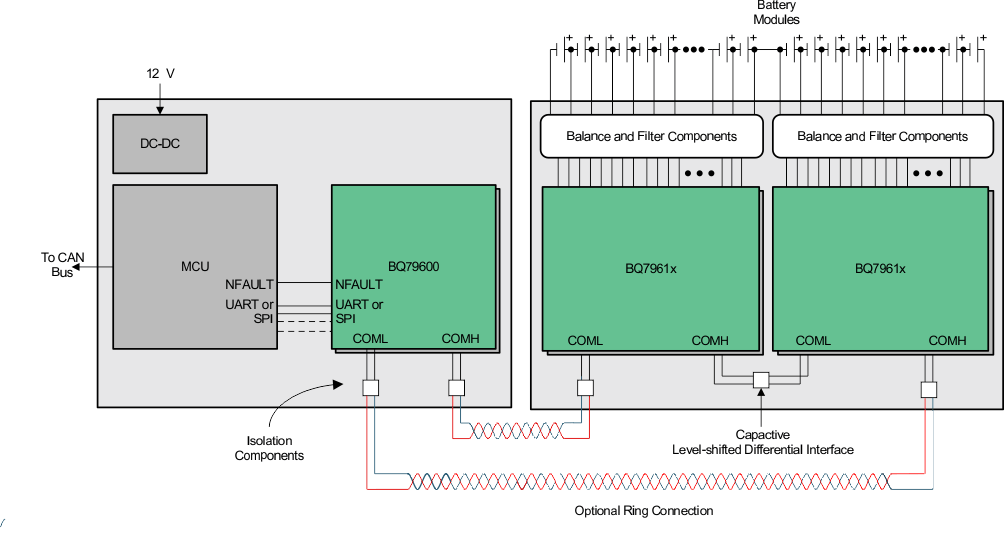
BQ79600-Q1Automotive SPI/UART communication interface functional-safety compliant with automatic host wakeup | Development Boards, Kits, Programmers | 2 | Active | The BQ79600-Q1 is a communication (bridge) IC designed to interface between a microcontroller (MCU) and TI battery monitoring ICs, for example the BQ7961X-Q1. The information from the MCU is translated by the device to signals recognized by TI’s battery management daisy chain protocol, and transmitted out. And signals from daisy chain are decoded to bit stream and then sent back to MCU.
When the MCU and PMIC are in SHUTDOWN/ SLEEP, the BQ79600-Q1 can wake them up if any unmasked fault is detected when using ring architecture.
The BQ79600-Q1 is a communication (bridge) IC designed to interface between a microcontroller (MCU) and TI battery monitoring ICs, for example the BQ7961X-Q1. The information from the MCU is translated by the device to signals recognized by TI’s battery management daisy chain protocol, and transmitted out. And signals from daisy chain are decoded to bit stream and then sent back to MCU.
When the MCU and PMIC are in SHUTDOWN/ SLEEP, the BQ79600-Q1 can wake them up if any unmasked fault is detected when using ring architecture. |
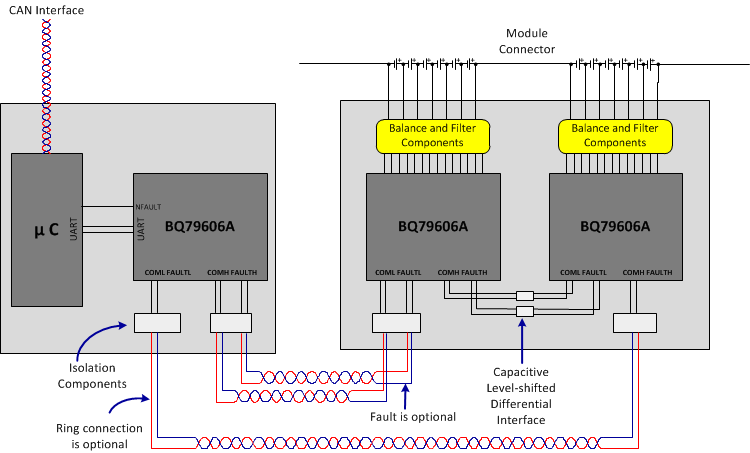
BQ79606A-Q16-S automotive precision battery monitor, balancer and integrated protector with ASIL-D compliance | Battery Management | 2 | Active | The BQ79606A-Q1 device provides simultaneous, high accuracy, channel measurements for three to six battery cells. With the inclusion of a daisy chain communication port, the BQ79606A-Q1 device is stackable (up to 64 devices) to support the large stack configurations found in battery packs for electrified automotive drive trains. Providing a Delta Sigma converter per cell input, the BQ79606A-Q1 allows simultaneous measurement of the battery voltages.
The BQ79606A-Q1 includes an auxiliary ADC that supports cell temperature measurements for up to six NTCs as well as internal rails to enable safety checks for the device. A die temperature measurement ADC is also included to provide temperature correction to enable high accuracy results over an extended temperature range.
Host communication to the BQ79606A-Q1 device is done via dedicated UART interface. Additionally, an isolated, differential daisy-chain communication interface that supports either capacitor or transformer isolation allows the host to communicate with the entire battery stack. The daisy-chain communication interface can be configured (optional) in a ring architecture that allows the host to talk to devices at either end of the stack in cases of communication line breaks.
The BQ79606A-Q1 device provides simultaneous, high accuracy, channel measurements for three to six battery cells. With the inclusion of a daisy chain communication port, the BQ79606A-Q1 device is stackable (up to 64 devices) to support the large stack configurations found in battery packs for electrified automotive drive trains. Providing a Delta Sigma converter per cell input, the BQ79606A-Q1 allows simultaneous measurement of the battery voltages.
The BQ79606A-Q1 includes an auxiliary ADC that supports cell temperature measurements for up to six NTCs as well as internal rails to enable safety checks for the device. A die temperature measurement ADC is also included to provide temperature correction to enable high accuracy results over an extended temperature range.
Host communication to the BQ79606A-Q1 device is done via dedicated UART interface. Additionally, an isolated, differential daisy-chain communication interface that supports either capacitor or transformer isolation allows the host to communicate with the entire battery stack. The daisy-chain communication interface can be configured (optional) in a ring architecture that allows the host to talk to devices at either end of the stack in cases of communication line breaks. |
BQ79614-Q1Automotive 14-S precision battery monitor, balancer and integrated protector with ASIL-D compliance | Power Management (PMIC) | 1 | Active | BQ79612-Q1, BQ79614-Q1, BQ79616-Q1 and BQ79616H-Q1 provide high-accuracy cell voltage measurements in less than 200 µs for 12S, 14S and 16S battery modules in high-voltage battery management systems in HEV/EV. The family of monitors offers different channel options in the same package type, providing pin-to-pin compatibility and supporting high reuse of the established software and hardware across any platform. The integrated front-end filters enable the system to implement with simple, low voltage rating, differential RC filters on the cell input channels. The integrated, post-ADC, low-pass filters enable filtered, DC-like, voltage measurements for better state of charge (SOC) calculation. This device supports autonomous internal cell balancing with temperature monitoring to auto-pause and resume balancing to avoid an overtemperature condition.
The inclusion of the isolated, bidirectional, daisy chain ports supports both capacitor- and transformer-based isolation, allowing the use of the most effective components for centralized or distribution architectures commonly found in the xEV powertrain system. This device also includes eight GPIOs or auxiliary inputs that can be used for external thermistor measurements.
Host communication to the BQ7961x-Q1 family of devices can be connected via the device’s dedicated UART interface or through a communication bridge device, BQ79600. Additionally, an isolated, differential daisy-chain communication interface allows the host to communicate with the entire battery stack over a single interface. in the event of a communication line break, the daisy-chain communication interface is configurable to a ring architecture that allows the host to talk to devices at either end of the stack.
All references to the BQ79616-Q1 device also apply to the BQ79616H-Q1 device.
BQ79612-Q1, BQ79614-Q1, BQ79616-Q1 and BQ79616H-Q1 provide high-accuracy cell voltage measurements in less than 200 µs for 12S, 14S and 16S battery modules in high-voltage battery management systems in HEV/EV. The family of monitors offers different channel options in the same package type, providing pin-to-pin compatibility and supporting high reuse of the established software and hardware across any platform. The integrated front-end filters enable the system to implement with simple, low voltage rating, differential RC filters on the cell input channels. The integrated, post-ADC, low-pass filters enable filtered, DC-like, voltage measurements for better state of charge (SOC) calculation. This device supports autonomous internal cell balancing with temperature monitoring to auto-pause and resume balancing to avoid an overtemperature condition.
The inclusion of the isolated, bidirectional, daisy chain ports supports both capacitor- and transformer-based isolation, allowing the use of the most effective components for centralized or distribution architectures commonly found in the xEV powertrain system. This device also includes eight GPIOs or auxiliary inputs that can be used for external thermistor measurements.
Host communication to the BQ7961x-Q1 family of devices can be connected via the device’s dedicated UART interface or through a communication bridge device, BQ79600. Additionally, an isolated, differential daisy-chain communication interface allows the host to communicate with the entire battery stack over a single interface. in the event of a communication line break, the daisy-chain communication interface is configurable to a ring architecture that allows the host to talk to devices at either end of the stack.
All references to the BQ79616-Q1 device also apply to the BQ79616H-Q1 device. |