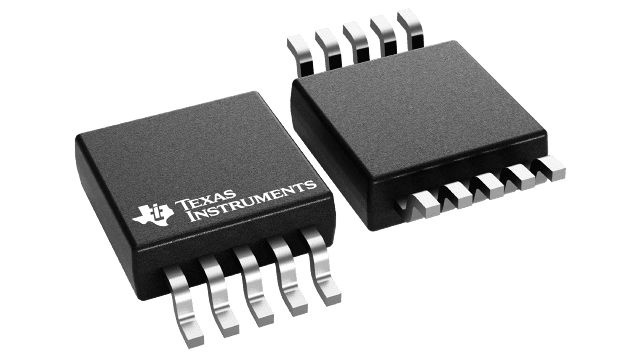
BQ79616-Q116-S automotive precision battery monitor, balancer and integrated protector with ASIL-D compliance | Evaluation and Demonstration Boards and Kits | 3 | Active | BQ79612-Q1, BQ79614-Q1, BQ79616-Q1 and BQ79616H-Q1 provide high-accuracy cell voltage measurements in less than 200 µs for 12S, 14S and 16S battery modules in high-voltage battery management systems in HEV/EV. The family of monitors offers different channel options in the same package type, providing pin-to-pin compatibility and supporting high reuse of the established software and hardware across any platform. The integrated front-end filters enable the system to implement with simple, low voltage rating, differential RC filters on the cell input channels. The integrated, post-ADC, low-pass filters enable filtered, DC-like, voltage measurements for better state of charge (SOC) calculation. This device supports autonomous internal cell balancing with temperature monitoring to auto-pause and resume balancing to avoid an overtemperature condition.
The inclusion of the isolated, bidirectional, daisy chain ports supports both capacitor- and transformer-based isolation, allowing the use of the most effective components for centralized or distribution architectures commonly found in the xEV powertrain system. This device also includes eight GPIOs or auxiliary inputs that can be used for external thermistor measurements.
Host communication to the BQ7961x-Q1 family of devices can be connected via the device’s dedicated UART interface or through a communication bridge device, BQ79600. Additionally, an isolated, differential daisy-chain communication interface allows the host to communicate with the entire battery stack over a single interface. in the event of a communication line break, the daisy-chain communication interface is configurable to a ring architecture that allows the host to talk to devices at either end of the stack.
All references to the BQ79616-Q1 device also apply to the BQ79616H-Q1 device.
BQ79612-Q1, BQ79614-Q1, BQ79616-Q1 and BQ79616H-Q1 provide high-accuracy cell voltage measurements in less than 200 µs for 12S, 14S and 16S battery modules in high-voltage battery management systems in HEV/EV. The family of monitors offers different channel options in the same package type, providing pin-to-pin compatibility and supporting high reuse of the established software and hardware across any platform. The integrated front-end filters enable the system to implement with simple, low voltage rating, differential RC filters on the cell input channels. The integrated, post-ADC, low-pass filters enable filtered, DC-like, voltage measurements for better state of charge (SOC) calculation. This device supports autonomous internal cell balancing with temperature monitoring to auto-pause and resume balancing to avoid an overtemperature condition.
The inclusion of the isolated, bidirectional, daisy chain ports supports both capacitor- and transformer-based isolation, allowing the use of the most effective components for centralized or distribution architectures commonly found in the xEV powertrain system. This device also includes eight GPIOs or auxiliary inputs that can be used for external thermistor measurements.
Host communication to the BQ7961x-Q1 family of devices can be connected via the device’s dedicated UART interface or through a communication bridge device, BQ79600. Additionally, an isolated, differential daisy-chain communication interface allows the host to communicate with the entire battery stack over a single interface. in the event of a communication line break, the daisy-chain communication interface is configurable to a ring architecture that allows the host to talk to devices at either end of the stack.
All references to the BQ79616-Q1 device also apply to the BQ79616H-Q1 device. |
BQ79616H-Q1Automotive 16-S precision battery monitor, balancer and integrated protector with ASIL-D compliance | Battery Management | 1 | Active | BQ79612-Q1, BQ79614-Q1, BQ79616-Q1 and BQ79616H-Q1 provide high-accuracy cell voltage measurements in less than 200 µs for 12S, 14S and 16S battery modules in high-voltage battery management systems in HEV/EV. The family of monitors offers different channel options in the same package type, providing pin-to-pin compatibility and supporting high reuse of the established software and hardware across any platform. The integrated front-end filters enable the system to implement with simple, low voltage rating, differential RC filters on the cell input channels. The integrated, post-ADC, low-pass filters enable filtered, DC-like, voltage measurements for better state of charge (SOC) calculation. This device supports autonomous internal cell balancing with temperature monitoring to auto-pause and resume balancing to avoid an overtemperature condition.
The inclusion of the isolated, bidirectional, daisy chain ports supports both capacitor- and transformer-based isolation, allowing the use of the most effective components for centralized or distribution architectures commonly found in the xEV powertrain system. This device also includes eight GPIOs or auxiliary inputs that can be used for external thermistor measurements.
Host communication to the BQ7961x-Q1 family of devices can be connected via the device’s dedicated UART interface or through a communication bridge device, BQ79600. Additionally, an isolated, differential daisy-chain communication interface allows the host to communicate with the entire battery stack over a single interface. in the event of a communication line break, the daisy-chain communication interface is configurable to a ring architecture that allows the host to talk to devices at either end of the stack.
All references to the BQ79616-Q1 device also apply to the BQ79616H-Q1 device.
BQ79612-Q1, BQ79614-Q1, BQ79616-Q1 and BQ79616H-Q1 provide high-accuracy cell voltage measurements in less than 200 µs for 12S, 14S and 16S battery modules in high-voltage battery management systems in HEV/EV. The family of monitors offers different channel options in the same package type, providing pin-to-pin compatibility and supporting high reuse of the established software and hardware across any platform. The integrated front-end filters enable the system to implement with simple, low voltage rating, differential RC filters on the cell input channels. The integrated, post-ADC, low-pass filters enable filtered, DC-like, voltage measurements for better state of charge (SOC) calculation. This device supports autonomous internal cell balancing with temperature monitoring to auto-pause and resume balancing to avoid an overtemperature condition.
The inclusion of the isolated, bidirectional, daisy chain ports supports both capacitor- and transformer-based isolation, allowing the use of the most effective components for centralized or distribution architectures commonly found in the xEV powertrain system. This device also includes eight GPIOs or auxiliary inputs that can be used for external thermistor measurements.
Host communication to the BQ7961x-Q1 family of devices can be connected via the device’s dedicated UART interface or through a communication bridge device, BQ79600. Additionally, an isolated, differential daisy-chain communication interface allows the host to communicate with the entire battery stack over a single interface. in the event of a communication line break, the daisy-chain communication interface is configurable to a ring architecture that allows the host to talk to devices at either end of the stack.
All references to the BQ79616-Q1 device also apply to the BQ79616H-Q1 device. |
BQ79631-Q1Automotive high-voltage battery pack monitor with voltage, current and insulation resistance sensing | Battery Management | 1 | Active | BQ79631-Q1 provides high-accuracy measurement capable of measuring divided down voltages from high voltage nodes such as Pack+ (HV Battery Positive terminal), Fuse, Charge (Port), Link (Load) in a battery junction box (BJB) or battery disconnect unit (BDU) system. Key voltage measurements can make use of the integrated digital low-pass filters. The device has a highly accurate integrated current sense ADC capable of measuring current in low-side shunt resistor. The device is capable of measuring the insulation resistance with internal ADC and able to control any switching scheme needed for this measurement. There are eight GPIOs/auxillary inputs that can be used for thermistor measurement, driving relays, measuring voltages, and being a master SPI interface to peripheral SPI devices. The isolated bi-directional daisy-chain ports support both capacitor or transformer based isolation. The device also supports communication over UART.
Host communication to the BQ79631-Q1 can be connected via the device’s dedicated UART interface or through a communication bridge device, BQ79600-Q1. Additionally, an isolated, differential daisy-chain communication interface allows the host to communicate with the other UIR monitors and even cell monitors over a single interface. In the event of a communication line break, the daisy-chain communication interface is configurable to a ring architecture that allows the host to talk to devices at either end of the stack.
BQ79631-Q1 provides high-accuracy measurement capable of measuring divided down voltages from high voltage nodes such as Pack+ (HV Battery Positive terminal), Fuse, Charge (Port), Link (Load) in a battery junction box (BJB) or battery disconnect unit (BDU) system. Key voltage measurements can make use of the integrated digital low-pass filters. The device has a highly accurate integrated current sense ADC capable of measuring current in low-side shunt resistor. The device is capable of measuring the insulation resistance with internal ADC and able to control any switching scheme needed for this measurement. There are eight GPIOs/auxillary inputs that can be used for thermistor measurement, driving relays, measuring voltages, and being a master SPI interface to peripheral SPI devices. The isolated bi-directional daisy-chain ports support both capacitor or transformer based isolation. The device also supports communication over UART.
Host communication to the BQ79631-Q1 can be connected via the device’s dedicated UART interface or through a communication bridge device, BQ79600-Q1. Additionally, an isolated, differential daisy-chain communication interface allows the host to communicate with the other UIR monitors and even cell monitors over a single interface. In the event of a communication line break, the daisy-chain communication interface is configurable to a ring architecture that allows the host to talk to devices at either end of the stack. |
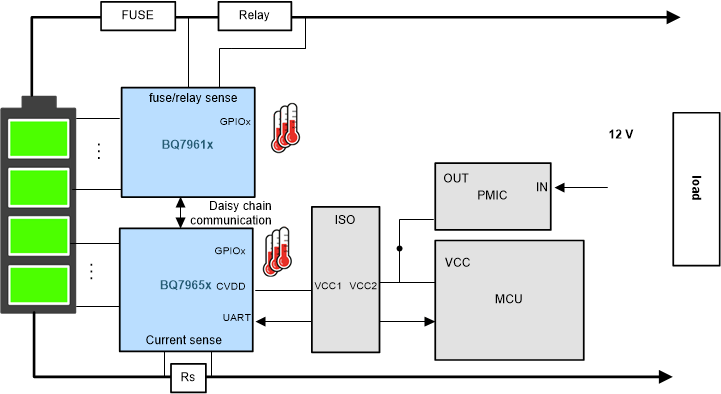
BQ79654-Q1Automotive 14-S precision battery monitors, balancer, current sensor with ASIL-D compliance | Power Management (PMIC) | 1 | Active | The BQ7965x-Q1 family of devices provides high-accuracy cell voltage measurements for a minimum of 6S to a maximum of 12S (BQ79652-Q1), 14S (BQ79654-Q1), or 16S (BQ79656-Q1) battery modules in less than 200 µs while these devices also support shunt-resistor current sense measurement. The integrated front-end filters enable the system to implement with simple, low voltage raring, differential RC filters on the cell input channels. The integrated, post-ADC, low-pass filters enable filtered, DC-like, voltage measurements. This family of devices also supports integrated current sensing capabilities with option to synchronize with cell voltage measurements for better state of charge (SOC) calculation. The device supports autonomous internal cell balancing with temperature monitoring to auto-pause and resume balancing to avoid an overtemperature condition.
The inclusion of the isolated, bidirectional, daisy chain ports supports both capacitor- and transformer-based isolation, allowing the use of the most effective components for centralized or distribution architectures commonly found in the xEV powertrain system. This device also includes eight GPIOs or auxiliary inputs that can be used for external thermistor measurements.
Host communication to the BQ7965x-Q1 family of devices can be connected via the device’s dedicated UART interface or through a communication bridge device, BQ79600. Additionally, an isolated, differential daisy-chain communication interface allows the host to communicate with the entire battery stack over a single interface. in the event of a communication line break, the daisy-chain communication interface is configurable to a ring architecture that allows the host to talk to devices at either end of the stack.
All references to the BQ79616-Q1 device also apply to the BQ79616H-Q1 device.
The BQ7965x-Q1 family of devices provides high-accuracy cell voltage measurements for a minimum of 6S to a maximum of 12S (BQ79652-Q1), 14S (BQ79654-Q1), or 16S (BQ79656-Q1) battery modules in less than 200 µs while these devices also support shunt-resistor current sense measurement. The integrated front-end filters enable the system to implement with simple, low voltage raring, differential RC filters on the cell input channels. The integrated, post-ADC, low-pass filters enable filtered, DC-like, voltage measurements. This family of devices also supports integrated current sensing capabilities with option to synchronize with cell voltage measurements for better state of charge (SOC) calculation. The device supports autonomous internal cell balancing with temperature monitoring to auto-pause and resume balancing to avoid an overtemperature condition.
The inclusion of the isolated, bidirectional, daisy chain ports supports both capacitor- and transformer-based isolation, allowing the use of the most effective components for centralized or distribution architectures commonly found in the xEV powertrain system. This device also includes eight GPIOs or auxiliary inputs that can be used for external thermistor measurements.
Host communication to the BQ7965x-Q1 family of devices can be connected via the device’s dedicated UART interface or through a communication bridge device, BQ79600. Additionally, an isolated, differential daisy-chain communication interface allows the host to communicate with the entire battery stack over a single interface. in the event of a communication line break, the daisy-chain communication interface is configurable to a ring architecture that allows the host to talk to devices at either end of the stack.
All references to the BQ79616-Q1 device also apply to the BQ79616H-Q1 device. |
BQ79656-Q1Automotive 16-S precision battery monitors, balancer, current sensor with ASIL-D compliance | Battery Management | 1 | Active | The BQ7965x-Q1 family of devices provides high-accuracy cell voltage measurements for a minimum of 6S to a maximum of 12S (BQ79652-Q1), 14S (BQ79654-Q1), or 16S (BQ79656-Q1) battery modules in less than 200 µs while these devices also support shunt-resistor current sense measurement. The integrated front-end filters enable the system to implement with simple, low voltage raring, differential RC filters on the cell input channels. The integrated, post-ADC, low-pass filters enable filtered, DC-like, voltage measurements. This family of devices also supports integrated current sensing capabilities with option to synchronize with cell voltage measurements for better state of charge (SOC) calculation. The device supports autonomous internal cell balancing with temperature monitoring to auto-pause and resume balancing to avoid an overtemperature condition.
The inclusion of the isolated, bidirectional, daisy chain ports supports both capacitor- and transformer-based isolation, allowing the use of the most effective components for centralized or distribution architectures commonly found in the xEV powertrain system. This device also includes eight GPIOs or auxiliary inputs that can be used for external thermistor measurements.
Host communication to the BQ7965x-Q1 family of devices can be connected via the device’s dedicated UART interface or through a communication bridge device, BQ79600. Additionally, an isolated, differential daisy-chain communication interface allows the host to communicate with the entire battery stack over a single interface. in the event of a communication line break, the daisy-chain communication interface is configurable to a ring architecture that allows the host to talk to devices at either end of the stack.
All references to the BQ79616-Q1 device also apply to the BQ79616H-Q1 device.
The BQ7965x-Q1 family of devices provides high-accuracy cell voltage measurements for a minimum of 6S to a maximum of 12S (BQ79652-Q1), 14S (BQ79654-Q1), or 16S (BQ79656-Q1) battery modules in less than 200 µs while these devices also support shunt-resistor current sense measurement. The integrated front-end filters enable the system to implement with simple, low voltage raring, differential RC filters on the cell input channels. The integrated, post-ADC, low-pass filters enable filtered, DC-like, voltage measurements. This family of devices also supports integrated current sensing capabilities with option to synchronize with cell voltage measurements for better state of charge (SOC) calculation. The device supports autonomous internal cell balancing with temperature monitoring to auto-pause and resume balancing to avoid an overtemperature condition.
The inclusion of the isolated, bidirectional, daisy chain ports supports both capacitor- and transformer-based isolation, allowing the use of the most effective components for centralized or distribution architectures commonly found in the xEV powertrain system. This device also includes eight GPIOs or auxiliary inputs that can be used for external thermistor measurements.
Host communication to the BQ7965x-Q1 family of devices can be connected via the device’s dedicated UART interface or through a communication bridge device, BQ79600. Additionally, an isolated, differential daisy-chain communication interface allows the host to communicate with the entire battery stack over a single interface. in the event of a communication line break, the daisy-chain communication interface is configurable to a ring architecture that allows the host to talk to devices at either end of the stack.
All references to the BQ79616-Q1 device also apply to the BQ79616H-Q1 device. |
| Accessories | 1 | Active | |
| Evaluation and Demonstration Boards and Kits | 1 | Obsolete | |
BUF01900Reference Voltage Generator for VCOM Adjustment | Linear | 2 | NRND | The BUF01900 and BUF01901 provide a programmable voltage output with 10-bit resolution. Programming of the output occurs through an industry-standard, two-wire serial interface. Once the correct VCOMvoltage is established it can easily be stored into the integrated nonvolatile memory.
An initial output voltage and adjustment range can be set by an external resistor-divider. With its large output current capability (up to 100mA), the BUF01900 and BUF01901 are ideally suited as programmable VCOMcalibrators in LCD panels.
The BUF01901 has the digital-to-analog converter (DAC) output brought out directly. It has a slightly lower cost than the BUF01900, and works very well with the integrated VCOMin traditional gamma buffers such as the BUFxx702, BUFxx703, BUFxx704 and BUF11705.
The BUF01900 and BUF01901 are both available in TSSOP-8 and 3mm x 3mm DFN-10 packages. The DFN-10 package (only 0.9mm in height) is especially well-suited for notebook computers. Both devices are specified from -40°C to +85°C.
The BUF01900 and BUF01901 provide a programmable voltage output with 10-bit resolution. Programming of the output occurs through an industry-standard, two-wire serial interface. Once the correct VCOMvoltage is established it can easily be stored into the integrated nonvolatile memory.
An initial output voltage and adjustment range can be set by an external resistor-divider. With its large output current capability (up to 100mA), the BUF01900 and BUF01901 are ideally suited as programmable VCOMcalibrators in LCD panels.
The BUF01901 has the digital-to-analog converter (DAC) output brought out directly. It has a slightly lower cost than the BUF01900, and works very well with the integrated VCOMin traditional gamma buffers such as the BUFxx702, BUFxx703, BUFxx704 and BUF11705.
The BUF01900 and BUF01901 are both available in TSSOP-8 and 3mm x 3mm DFN-10 packages. The DFN-10 package (only 0.9mm in height) is especially well-suited for notebook computers. Both devices are specified from -40°C to +85°C. |
| Amplifiers | 1 | Obsolete | |
| Integrated Circuits (ICs) | 2 | Active | |