T
Texas Instruments
| Series | Category | # Parts | Status | Description |
|---|---|---|---|---|
| Part | Spec A | Spec B | Spec C | Spec D | Description |
|---|---|---|---|---|---|



| Series | Category | # Parts | Status | Description |
|---|---|---|---|---|
| Part | Spec A | Spec B | Spec C | Spec D | Description |
|---|---|---|---|---|---|
| Part | Category | Description |
|---|---|---|
 Texas Instruments | Integrated Circuits (ICs) | BUS DRIVER, BCT/FBT SERIES |
 Texas Instruments | Integrated Circuits (ICs) | 12BIT 3.3V~3.6V 210MHZ PARALLEL VQFN-48-EP(7X7) ANALOG TO DIGITAL CONVERTERS (ADC) ROHS |
Texas Instruments | Integrated Circuits (ICs) | TMX320DRE311 179PIN UBGA 200MHZ |
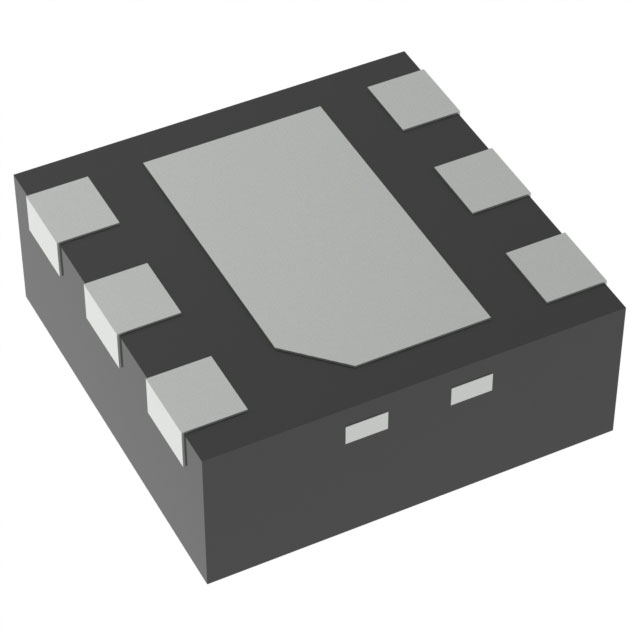 Texas Instruments TPS61040DRVTG4Unknown | Integrated Circuits (ICs) | IC LED DRV RGLTR PWM 350MA 6WSON |
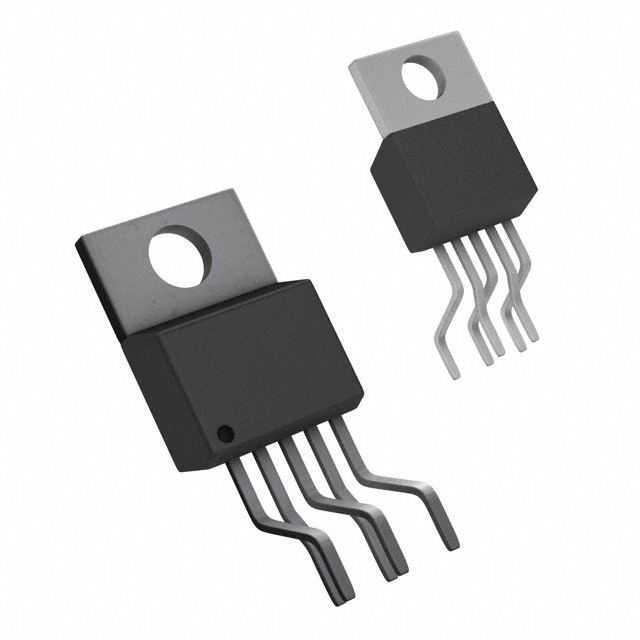 Texas Instruments LP3876ET-2.5Obsolete | Integrated Circuits (ICs) | IC REG LINEAR 2.5V 3A TO220-5 |
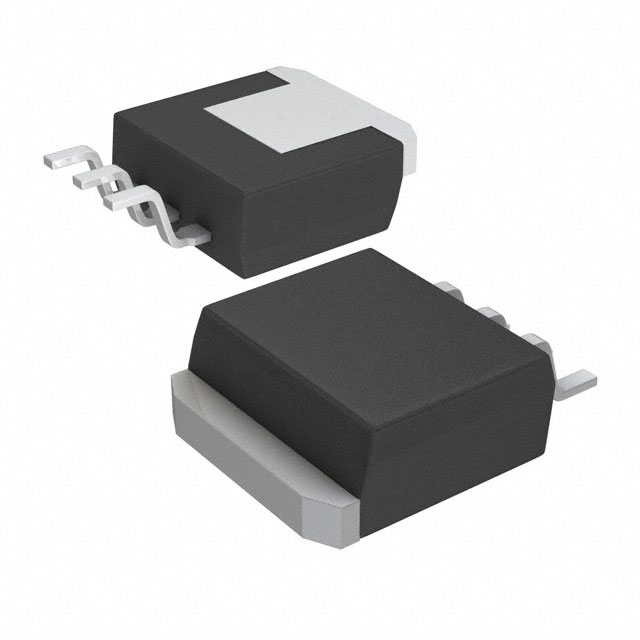 Texas Instruments LMS1585ACSX-ADJObsolete | Integrated Circuits (ICs) | IC REG LIN POS ADJ 5A DDPAK |
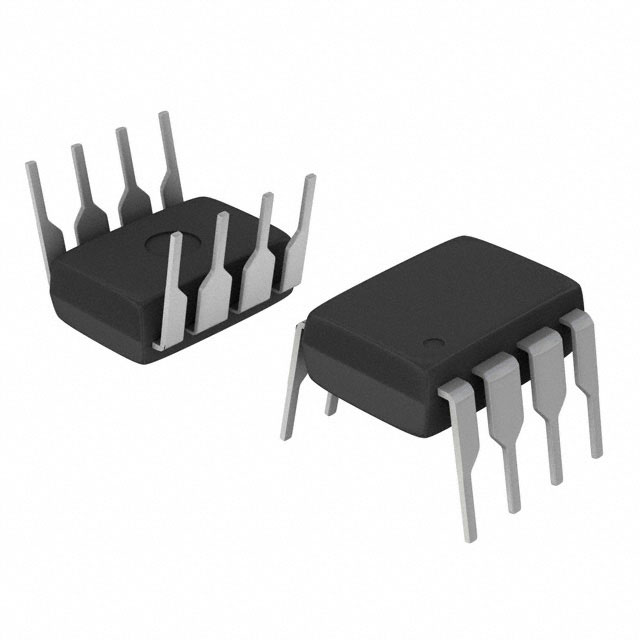 Texas Instruments INA111APG4Obsolete | Integrated Circuits (ICs) | IC INST AMP 1 CIRCUIT 8DIP |
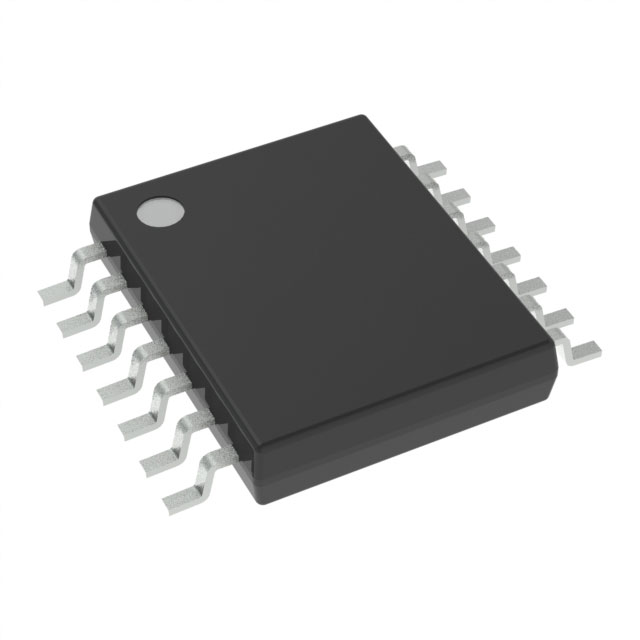 Texas Instruments | Integrated Circuits (ICs) | AUTOMOTIVE, QUAD 36V 1.2MHZ OPERATIONAL AMPLIFIER |
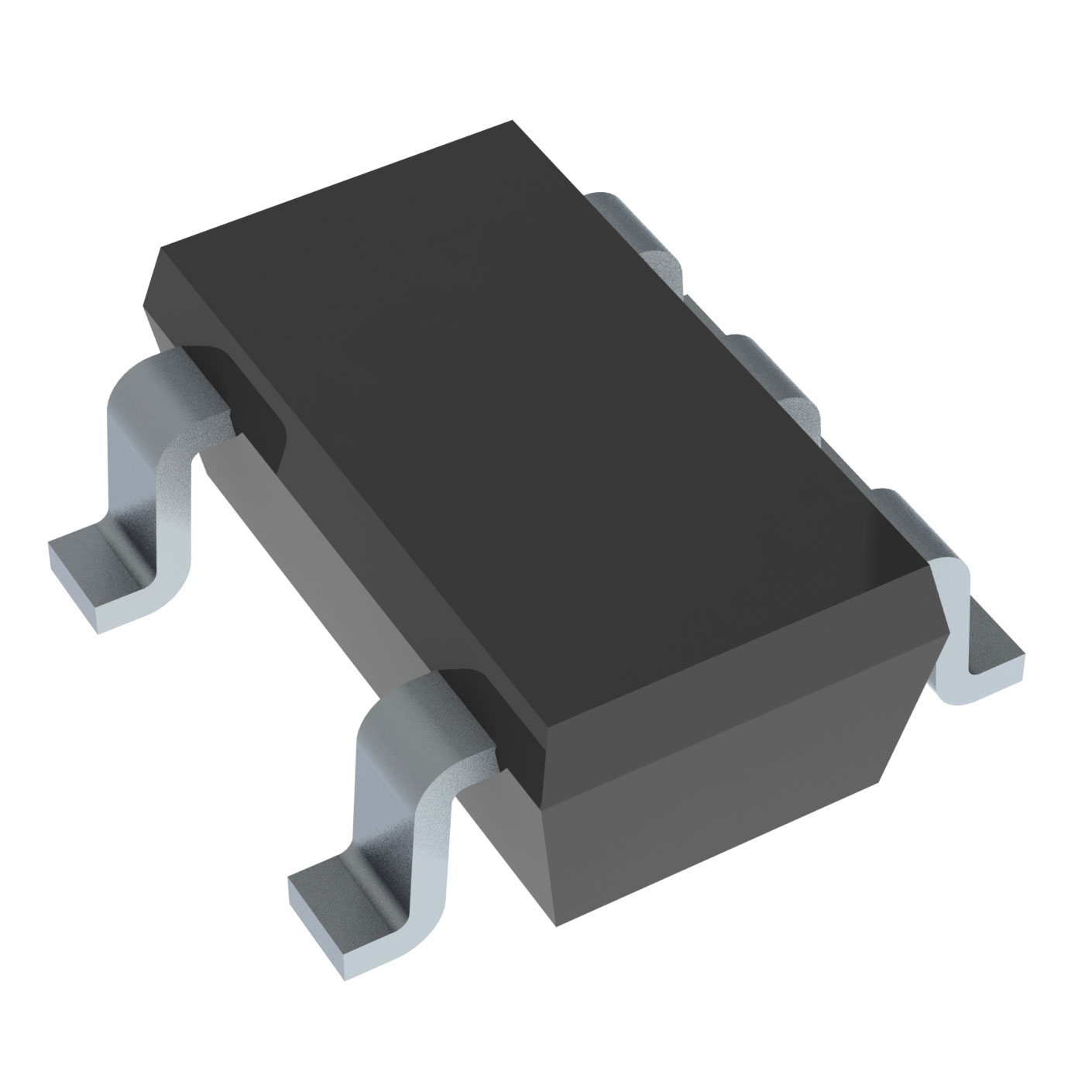 Texas Instruments OPA340NA/3KG4Unknown | Integrated Circuits (ICs) | IC OPAMP GP 1 CIRCUIT SOT23-5 |
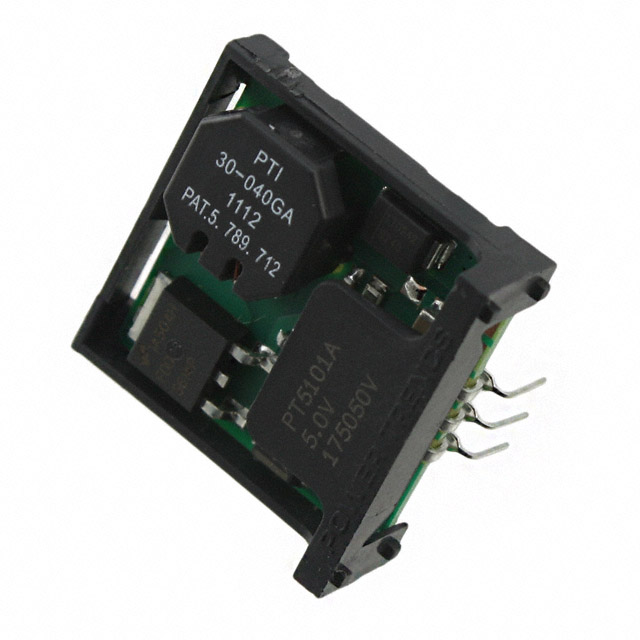 Texas Instruments PT5112AObsolete | Power Supplies - Board Mount | DC DC CONVERTER 8V 8W |
| Series | Category | # Parts | Status | Description |
|---|---|---|---|---|
| Clock/Timing | 3 | Active | ||
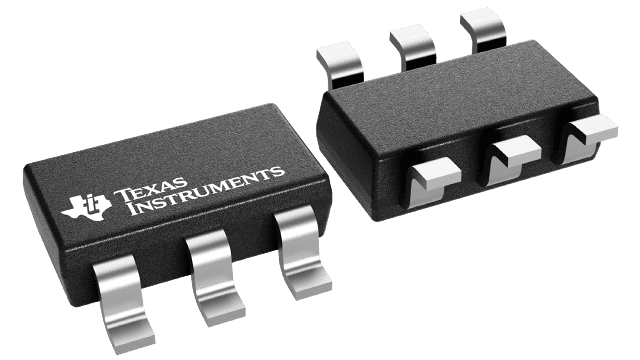
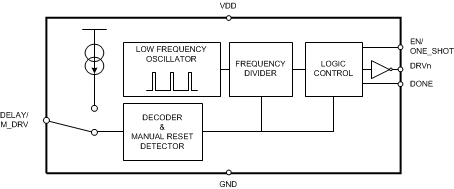
TPL5110-Q1Automotive AEC-Q100, nano-powered system timer with manual reset and MOS driver | Clock/Timing | 2 | Active | The TPL5110-Q1 Nano Timer is a low power, AEC-Q100 qualified timer with an integrated MOSFET driver ideal for power gating in duty cycled or battery powered applications. Consuming only 35nA, the TPL5110-Q1 can enable the power supply line and drastically reduce the overall system stand by current during the sleep time. Such power savings enable the use of significantly smaller batteries making it well suited for energy harvesting or wireless sensor applications. The TPL5110-Q1 provides selectable timing intervals from 100ms to 7200s and is designed for power gating applications. In addition, the TPL5110-Q1 has a unique One-shot feature where the timer will only power the MOSFET for one cycle. The TPL5110-Q1 is available in a 6-pin SOT23 package.
The TPL5110-Q1 Nano Timer is a low power, AEC-Q100 qualified timer with an integrated MOSFET driver ideal for power gating in duty cycled or battery powered applications. Consuming only 35nA, the TPL5110-Q1 can enable the power supply line and drastically reduce the overall system stand by current during the sleep time. Such power savings enable the use of significantly smaller batteries making it well suited for energy harvesting or wireless sensor applications. The TPL5110-Q1 provides selectable timing intervals from 100ms to 7200s and is designed for power gating applications. In addition, the TPL5110-Q1 has a unique One-shot feature where the timer will only power the MOSFET for one cycle. The TPL5110-Q1 is available in a 6-pin SOT23 package. |
TPL5111Ultra low power system timer (35 nA) for power gating in duty cycled applications | Evaluation Boards | 3 | Active | The TPL5111 Nano Timer is a low-power system timer designed for power gating in duty cycled or battery-powered applications. Consuming only 35 nA, the TPL5111 can be used to enable and disable the power supply for a micro-controller or other system device, drastically reducing the overall system stand-by current during the sleep time. This power saving enables the use of significantly smaller batteries for energy harvesting or wireless sensor applications. The TPL5111 provides selectable timing intervals from 100 ms to 7200 s. In addition, the TPL5111 has a unique one-shot feature where the timer will only assert its enable pulse for one cycle. The TPL5111 is available in a 6 -pin SOT23 package.
The TPL5111 Nano Timer is a low-power system timer designed for power gating in duty cycled or battery-powered applications. Consuming only 35 nA, the TPL5111 can be used to enable and disable the power supply for a micro-controller or other system device, drastically reducing the overall system stand-by current during the sleep time. This power saving enables the use of significantly smaller batteries for energy harvesting or wireless sensor applications. The TPL5111 provides selectable timing intervals from 100 ms to 7200 s. In addition, the TPL5111 has a unique one-shot feature where the timer will only assert its enable pulse for one cycle. The TPL5111 is available in a 6 -pin SOT23 package. |
TPL7407LA-Q130-V, 7-ch automotive NMOS array low-side driver | Power Management (PMIC) | 5 | Active | The TPL7407LA-Q1 is a high-voltage, high-current NMOS transistor array. This device consists of seven NMOS transistors that feature high-voltage outputs with common-cathode clamp diodes for switching inductive loads. The maximum drain-current rating of a single NMOS channel is 600 mA. New regulation and drive circuitry added to give maximum drive strength across all GPIO ranges (1.8 V–5 V).The transistors can be paralleled for higher current capability.
The TPL7407LA-Q1 key benefit is its improved power efficiency and lower leakage than a Bipolar Darlington Implementation. With the lower VOLthe user is dissipating less than half the power than traditional relay drivers with currents less than 250 mA per channel.
The TPL7407LA-Q1 is a high-voltage, high-current NMOS transistor array. This device consists of seven NMOS transistors that feature high-voltage outputs with common-cathode clamp diodes for switching inductive loads. The maximum drain-current rating of a single NMOS channel is 600 mA. New regulation and drive circuitry added to give maximum drive strength across all GPIO ranges (1.8 V–5 V).The transistors can be paralleled for higher current capability.
The TPL7407LA-Q1 key benefit is its improved power efficiency and lower leakage than a Bipolar Darlington Implementation. With the lower VOLthe user is dissipating less than half the power than traditional relay drivers with currents less than 250 mA per channel. |
TPL8002-25Tandem 64-tap digital potentiometer (digipot) | Digital Potentiometers | 1 | Active | The TPL8002-25 is a programmable resistor device implementing two digital potentiometers with 64 wiper positions each that are tandem controlled through a 6-bit parallel interface. The device has fixed wiper resistances at the respective wiper contacts that tap the potentiometer resistors at a point determined by the binary code present at its digital inputs.
The resistive wiper tap terminals, RSW, of the TPL8002-25 are typically connected to the inverting inputs (–) of an external differential path inverting operational amplifier configuration, with the non-inverting inputs (+) connected through to ground. The application’s differential input to the configuration is the device’s RG terminals. The differential output of the external operational amplifiers is connected to the device’s RF terminals, and thus becomes the differential output of the application configuration.
The resistance between the wiper contacts and the end points RG and RF of the TPL8002-25 provides a logarithmic gain/attenuation response of the configuration. With a digital code of decimal 0 (b000000) the configuration has an inverting maximum attenuation of –24 dB. With a digital code of decimal 32 (b100000) the configuration has inverting unity gain of 0.00 dB. With a digital code of decimal 63 (b111111) the configuration has an inverting maximum gain of +23.25 dB. The response of the configuration with respect to the digital code varies in fixed steps of 0.75 dB.
The TPL8002-25 is a programmable resistor device implementing two digital potentiometers with 64 wiper positions each that are tandem controlled through a 6-bit parallel interface. The device has fixed wiper resistances at the respective wiper contacts that tap the potentiometer resistors at a point determined by the binary code present at its digital inputs.
The resistive wiper tap terminals, RSW, of the TPL8002-25 are typically connected to the inverting inputs (–) of an external differential path inverting operational amplifier configuration, with the non-inverting inputs (+) connected through to ground. The application’s differential input to the configuration is the device’s RG terminals. The differential output of the external operational amplifiers is connected to the device’s RF terminals, and thus becomes the differential output of the application configuration.
The resistance between the wiper contacts and the end points RG and RF of the TPL8002-25 provides a logarithmic gain/attenuation response of the configuration. With a digital code of decimal 0 (b000000) the configuration has an inverting maximum attenuation of –24 dB. With a digital code of decimal 32 (b100000) the configuration has inverting unity gain of 0.00 dB. With a digital code of decimal 63 (b111111) the configuration has an inverting maximum gain of +23.25 dB. The response of the configuration with respect to the digital code varies in fixed steps of 0.75 dB. |
TPL920124-V, 8-ch NMOS low-side driver with 5-V LDO and zero-Volt detect | Power Distribution Switches, Load Drivers | 2 | Active | The power supply provides regulated 5-V output to power the system microcontroller and drive eight low-side switches. The AC zero-detect circuitry is monitoring the crossover voltage of the mains AC supply. The resultant signal is a low-frequency clock output on the ZVS terminal, based on the AC-line cycle. This information allows the microcontroller to reduce in-rush current by powering loads on the AC-line peak voltage.
A serial communications interface controls the eight low-side outputs; each output has an internal snubber circuit to absorb the energy in the inductor at turn OFF. Alternatively, the system can use a fly-back diode to VINto help recirculate the energy in an inductive load at turn OFF.
The power supply provides regulated 5-V output to power the system microcontroller and drive eight low-side switches. The AC zero-detect circuitry is monitoring the crossover voltage of the mains AC supply. The resultant signal is a low-frequency clock output on the ZVS terminal, based on the AC-line cycle. This information allows the microcontroller to reduce in-rush current by powering loads on the AC-line peak voltage.
A serial communications interface controls the eight low-side outputs; each output has an internal snubber circuit to absorb the energy in the inductor at turn OFF. Alternatively, the system can use a fly-back diode to VINto help recirculate the energy in an inductive load at turn OFF. |
TPL920224-V, 8-ch NMOS low-side driver with 5-V LDO and brown-out detect | Sensor and Detector Interfaces | 3 | Active | The power supply provides regulated 5-V output to power the system microcontroller and drive eight low-side switches. The brown-out detection output (BO_OUTZ) warns the system if there is a temporary drop in the supply voltage, so the system can prevent potentially hazardous situations.
A serial communications interface controls the eight low-side outputs; each output has an internal snubber circuit to absorb the inductive load at turn OFF. Alternatively, the system can use a fly-back diode to VINto help recirculate the energy in an inductive load at turn OFF.
The power supply provides regulated 5-V output to power the system microcontroller and drive eight low-side switches. The brown-out detection output (BO_OUTZ) warns the system if there is a temporary drop in the supply voltage, so the system can prevent potentially hazardous situations.
A serial communications interface controls the eight low-side outputs; each output has an internal snubber circuit to absorb the inductive load at turn OFF. Alternatively, the system can use a fly-back diode to VINto help recirculate the energy in an inductive load at turn OFF. |
TPPM01101.5-A, dual-channel low-dropout voltage regulator for 3.3V and 1.8V | Integrated Circuits (ICs) | 1 | Active | The TPPM0110 is a power source intended for use in systems that have a single 5-V input source and require dual, linearly-regulated, low-dropout voltage sources. The outputs must track within 2 V of each other during all conditions and modes of operation. Each output is protected against overcurrent conditions. In the event that one of the outputs is shorted to ground, the other output must maintain a voltage output differential of less than 2 V compared to the output with the abnormal condition.
The 3.3-V ±3% regulated output is capable of driving loads of 1.5 A, and the 1.8-V ± 2% regulated output is capable of driving loads of 300 mA under all normal operating conditions. The device is available in a PowerPADTMthermally-enhanced package for efficient heat management, and requires a copper plane to dissipate the heat.
The TPPM0110 is a power source intended for use in systems that have a single 5-V input source and require dual, linearly-regulated, low-dropout voltage sources. The outputs must track within 2 V of each other during all conditions and modes of operation. Each output is protected against overcurrent conditions. In the event that one of the outputs is shorted to ground, the other output must maintain a voltage output differential of less than 2 V compared to the output with the abnormal condition.
The 3.3-V ±3% regulated output is capable of driving loads of 1.5 A, and the 1.8-V ± 2% regulated output is capable of driving loads of 300 mA under all normal operating conditions. The device is available in a PowerPADTMthermally-enhanced package for efficient heat management, and requires a copper plane to dissipate the heat. |
TPPM01111.5-A, dual-channel low-dropout voltage regulator for 3.3V and 1.5V | Power Management (PMIC) | 1 | Active | The TPPM0111 is a power source intended for use in systems that have a single 5-V input source and require dual, linearly-regulated, low-dropout voltage sources. The outputs must track within 2 V of each other during all conditions and modes of operation. Each output is protected against overcurrent conditions. In the event that one of the outputs is shorted to ground, the other output must maintain a voltage output differential of less than 2 V compared to the output with the abnormal condition.
The 3.3-V ±3% regulated output is capable of driving loads of 1.5 A, and the 1.5-V ±2% regulated output is capable of driving loads of 300 mA under all normal operating conditions. The device is available in a PowerPAD™ thermally-enhanced package for efficient heat management, and requires a copper plane to dissipate the heat.
The TPPM0111 is a power source intended for use in systems that have a single 5-V input source and require dual, linearly-regulated, low-dropout voltage sources. The outputs must track within 2 V of each other during all conditions and modes of operation. Each output is protected against overcurrent conditions. In the event that one of the outputs is shorted to ground, the other output must maintain a voltage output differential of less than 2 V compared to the output with the abnormal condition.
The 3.3-V ±3% regulated output is capable of driving loads of 1.5 A, and the 1.5-V ±2% regulated output is capable of driving loads of 300 mA under all normal operating conditions. The device is available in a PowerPAD™ thermally-enhanced package for efficient heat management, and requires a copper plane to dissipate the heat. |
| Power Management (PMIC) | 3 | Active | ||