T
Texas Instruments
| Series | Category | # Parts | Status | Description |
|---|---|---|---|---|
| Part | Spec A | Spec B | Spec C | Spec D | Description |
|---|---|---|---|---|---|



| Series | Category | # Parts | Status | Description |
|---|---|---|---|---|
| Part | Spec A | Spec B | Spec C | Spec D | Description |
|---|---|---|---|---|---|
| Part | Category | Description |
|---|---|---|
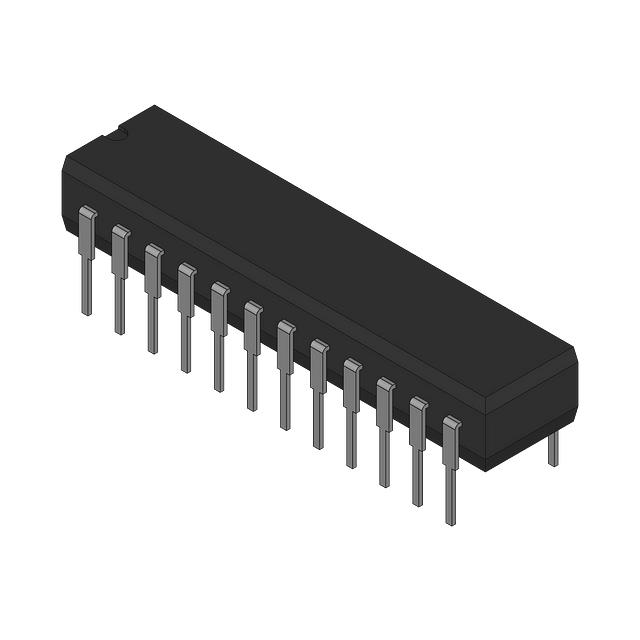 Texas Instruments | Integrated Circuits (ICs) | BUS DRIVER, BCT/FBT SERIES |
 Texas Instruments | Integrated Circuits (ICs) | 12BIT 3.3V~3.6V 210MHZ PARALLEL VQFN-48-EP(7X7) ANALOG TO DIGITAL CONVERTERS (ADC) ROHS |
Texas Instruments | Integrated Circuits (ICs) | TMX320DRE311 179PIN UBGA 200MHZ |
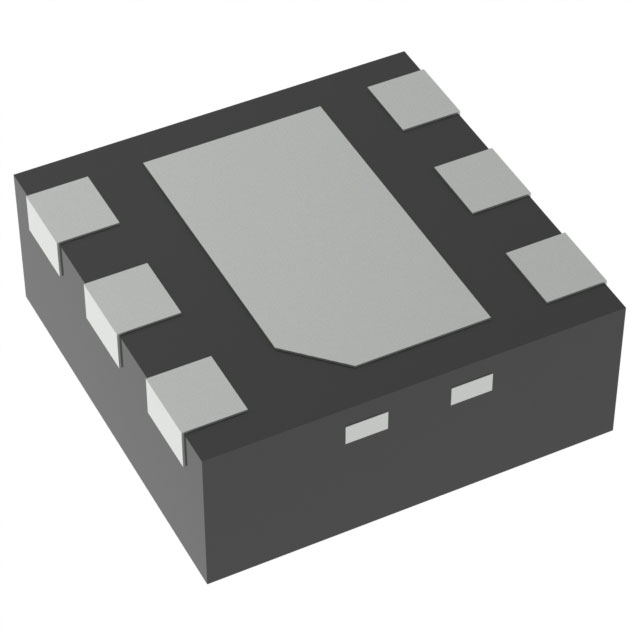 Texas Instruments TPS61040DRVTG4Unknown | Integrated Circuits (ICs) | IC LED DRV RGLTR PWM 350MA 6WSON |
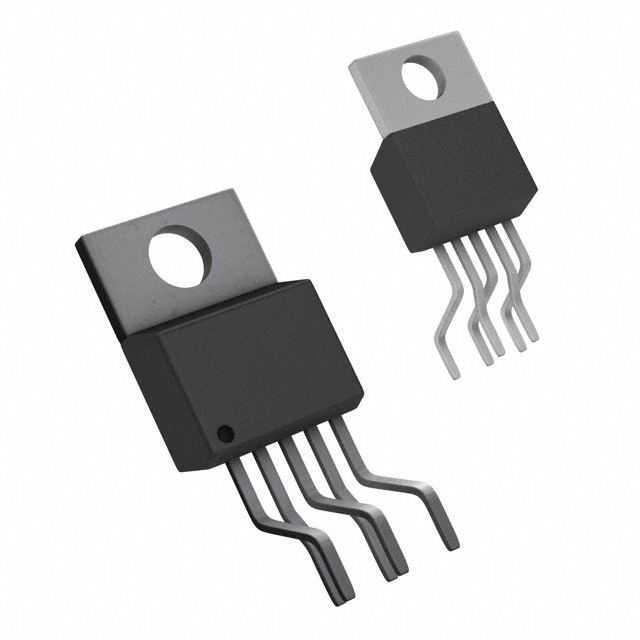 Texas Instruments LP3876ET-2.5Obsolete | Integrated Circuits (ICs) | IC REG LINEAR 2.5V 3A TO220-5 |
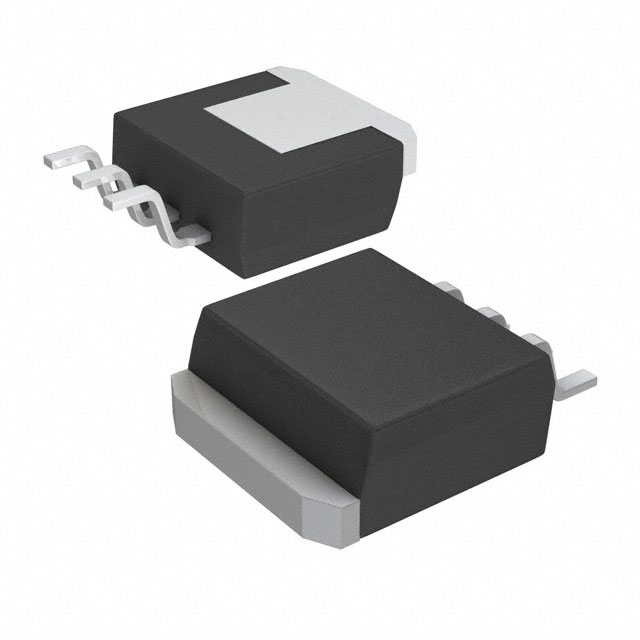 Texas Instruments LMS1585ACSX-ADJObsolete | Integrated Circuits (ICs) | IC REG LIN POS ADJ 5A DDPAK |
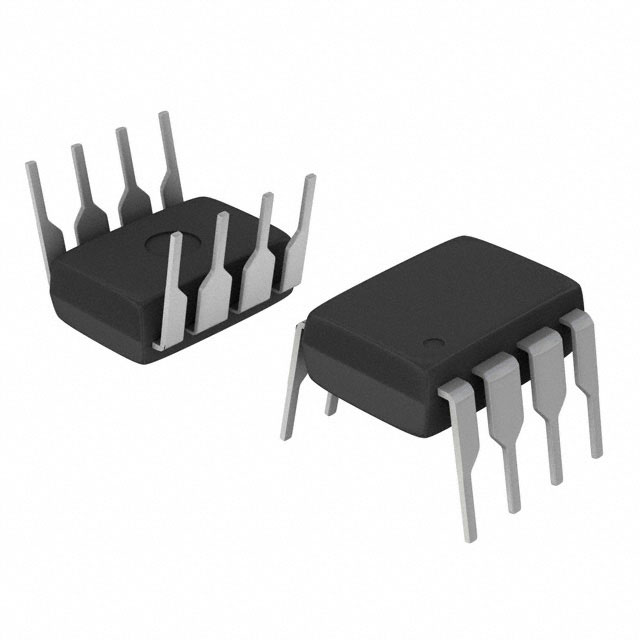 Texas Instruments INA111APG4Obsolete | Integrated Circuits (ICs) | IC INST AMP 1 CIRCUIT 8DIP |
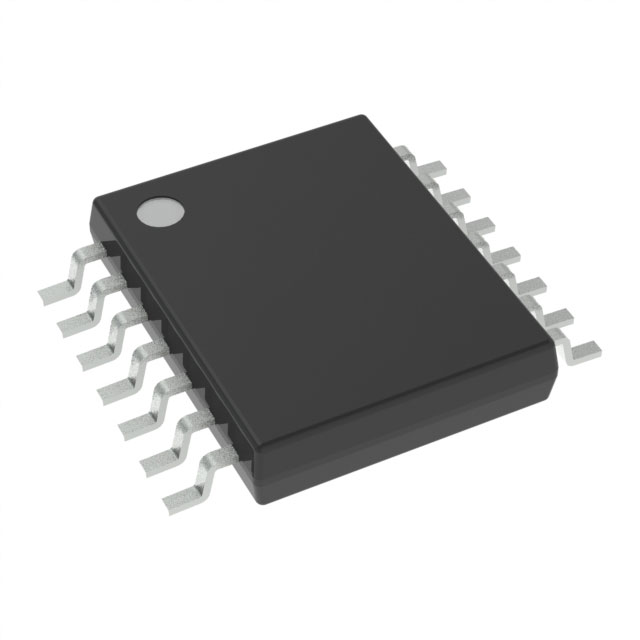 Texas Instruments | Integrated Circuits (ICs) | AUTOMOTIVE, QUAD 36V 1.2MHZ OPERATIONAL AMPLIFIER |
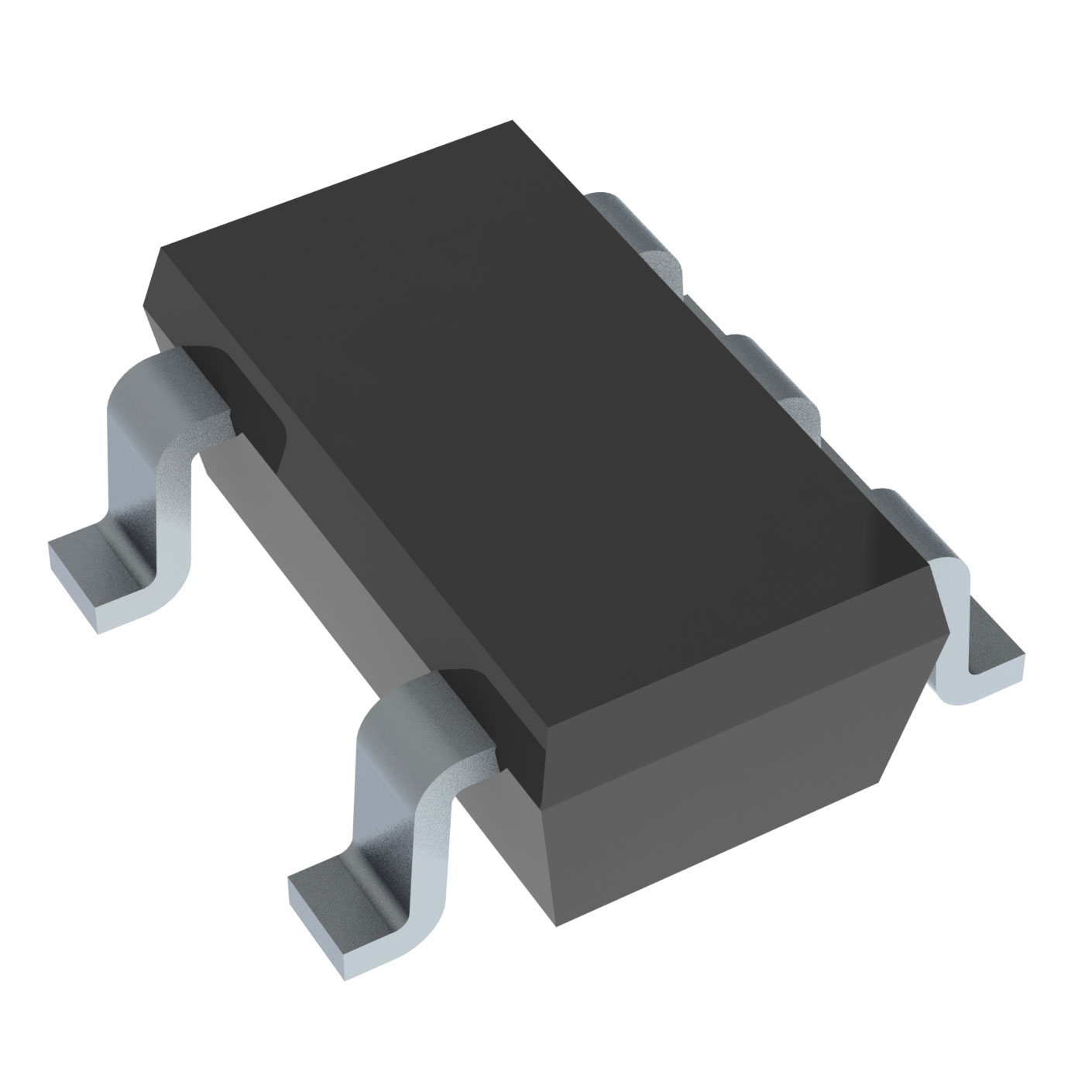 Texas Instruments OPA340NA/3KG4Unknown | Integrated Circuits (ICs) | IC OPAMP GP 1 CIRCUIT SOT23-5 |
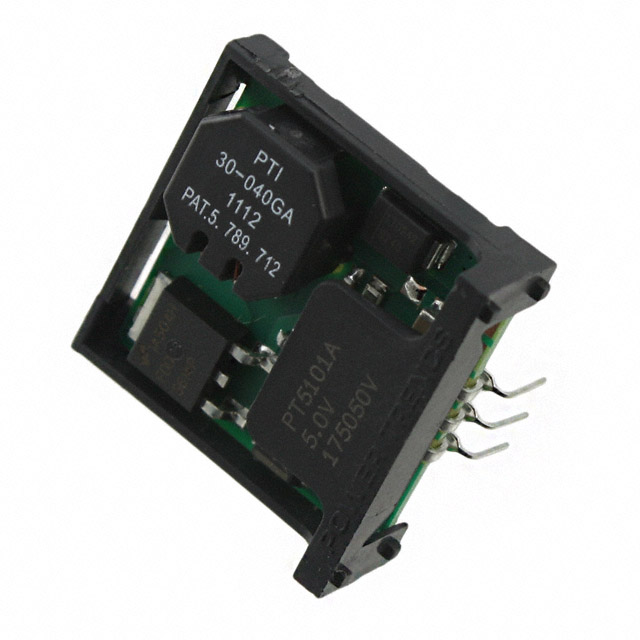 Texas Instruments PT5112AObsolete | Power Supplies - Board Mount | DC DC CONVERTER 8V 8W |
| Series | Category | # Parts | Status | Description |
|---|---|---|---|---|
SN74AC32-EP4-ch, 2-input, 2-V to 6-V high-speed (7 ns) 24-mA drive strength OR gate | Integrated Circuits (ICs) | 11 | Active | The ’AC32 devices are quadruple 2-input positive-OR gates. These devices perform the Boolean function Y = A • B or Y = A + B in positive logic.
The ’AC32 devices are quadruple 2-input positive-OR gates. These devices perform the Boolean function Y = A • B or Y = A + B in positive logic. |
SN74AC373-EPEnhanced Product Octal D-Type Transparent Latches With 3-State Outputs | Logic | 10 | Active | This 8-bit latch features 3-state outputs designed specifically for driving highly capacitive or relatively low-impedance loads. The device is particularly suitable for implementing buffer registers, I/O ports, bidirectional bus drivers, and working registers.
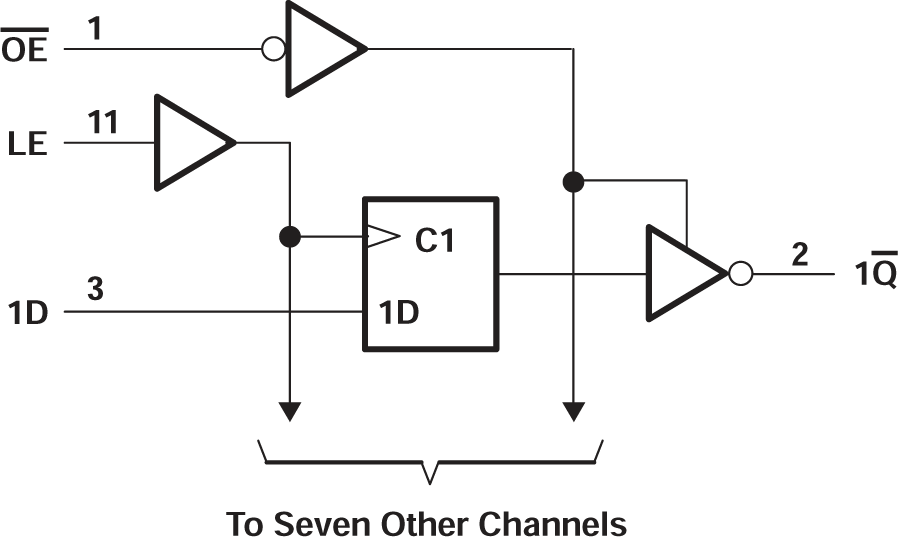
The eight latches are D-type transparent latches. When the latch-enable (LE) input is high, the Q outputs follow the data (D) inputs. When LE is taken low, the Q outputs are latched at the logic levels set up at the D inputs.
A buffered output-enable (OE)\ input can be used to place the eight outputs in either a normal logic state (high or low logic levels) or the high-impedance state. In the high-impedance state, the outputs neither load nor drive the bus lines significantly. The high-impedance state and increased drive provide the capability to drive bus lines in bus-organized systems without need for interface or pullup components.
OE\ does not affect the internal operations of the latches. Old data can be retained or new data can be entered while the outputs are in the high-impedance state.
To ensure the high-impedance state during power up or power down, OE\ should be tied to VCCthrough a pullup resistor; the minimum value of the resistor is determined by the current-sinking capability of the driver.
This 8-bit latch features 3-state outputs designed specifically for driving highly capacitive or relatively low-impedance loads. The device is particularly suitable for implementing buffer registers, I/O ports, bidirectional bus drivers, and working registers.
The eight latches are D-type transparent latches. When the latch-enable (LE) input is high, the Q outputs follow the data (D) inputs. When LE is taken low, the Q outputs are latched at the logic levels set up at the D inputs.
A buffered output-enable (OE)\ input can be used to place the eight outputs in either a normal logic state (high or low logic levels) or the high-impedance state. In the high-impedance state, the outputs neither load nor drive the bus lines significantly. The high-impedance state and increased drive provide the capability to drive bus lines in bus-organized systems without need for interface or pullup components.
OE\ does not affect the internal operations of the latches. Old data can be retained or new data can be entered while the outputs are in the high-impedance state.
To ensure the high-impedance state during power up or power down, OE\ should be tied to VCCthrough a pullup resistor; the minimum value of the resistor is determined by the current-sinking capability of the driver. |
SN74AC533Octal Transparent D-Type Latches With 3-State Outputs | Latches | 6 | Active | The ’AC533 devices are octal transparent D-type latches with 3-state outputs. When the latch-enable (LE) input is high, the Q\ outputs follow the complements of the data (D) inputs. When LE is taken low, the Q\ outputs are latched at the inverse logic levels set up at the D inputs.
A buffered output-enable (OE)\ input can be used to place the eight outputs in either a normal logic state (high or low logic levels) or the high-impedance state. In the high-impedance state, the outputs neither load nor drive the bus lines significantly. The high-impedance state and increased drive provide the capability to drive bus lines without need for interface or pullup components.
(OE)\ does not affect the internal operations of the latches. Old data can be retained or new data can be entered while the outputs are in the high-impedance state.
The ’AC533 devices are octal transparent D-type latches with 3-state outputs. When the latch-enable (LE) input is high, the Q\ outputs follow the complements of the data (D) inputs. When LE is taken low, the Q\ outputs are latched at the inverse logic levels set up at the D inputs.
A buffered output-enable (OE)\ input can be used to place the eight outputs in either a normal logic state (high or low logic levels) or the high-impedance state. In the high-impedance state, the outputs neither load nor drive the bus lines significantly. The high-impedance state and increased drive provide the capability to drive bus lines without need for interface or pullup components.
(OE)\ does not affect the internal operations of the latches. Old data can be retained or new data can be entered while the outputs are in the high-impedance state. |
SN74AC534Octal Edge-Triggered D-Type Flip-Flops With 3-State Outputs | Logic | 7 | Active | These octal edge-triggered D-type flip-flops feature 3-state outputs designed specifically for driving highly capacitive or relatively low-impedance loads. The devices are particularly suitable for implementing buffer registers, I/O ports, bidirectional bus drivers, and working registers.
These octal edge-triggered D-type flip-flops feature 3-state outputs designed specifically for driving highly capacitive or relatively low-impedance loads. The devices are particularly suitable for implementing buffer registers, I/O ports, bidirectional bus drivers, and working registers. |
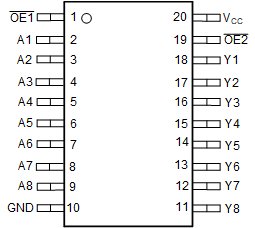
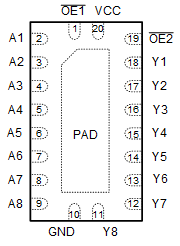
SN74AC541Eight-channel, 1.5-V to 6-V, 24-mA drive strength buffers with 3-state outputs | Buffers, Drivers, Receivers, Transceivers | 2 | Active | The SN74AC541 contains eight independent logic buffers. The outputs can simultaneously be put into the high-impedance state using either of the provided output enable pins ( OE1 or OE2).
The SN74AC541 contains eight independent logic buffers. The outputs can simultaneously be put into the high-impedance state using either of the provided output enable pins ( OE1 or OE2). |
SN74AC541-Q1Eight-channel, 1.5-V to 6-V, 24-mA drive strength buffers or drivers with 3-state outputs | Buffers, Drivers, Receivers, Transceivers | 3 | Active | The SN74AC541-Q1 contains eight independent logic buffers. The outputs can simultaneously be put into the high-impedance state using either of the provided output enable pins (OE1 or OE2).
The SN74AC541-Q1 contains eight independent logic buffers. The outputs can simultaneously be put into the high-impedance state using either of the provided output enable pins (OE1 or OE2). |
SN74AC563Octal D-Type Transparent Latches With 3-State Outputs | Latches | 10 | Active | The ’AC563 devices are octal D-type transparent latches with 3-state outputs. When the latch-enable (LE) input is high, the Q\ outputs follow the complements of the data (D) inputs. When LE is taken low, the Q\ outputs are latched at the inverse logic levels set up at the D inputs.
A buffered output-enable (OE)\ input can be used to place the eight outputs in either a normal logic state (high or low logic levels) or the high-impedance state. In the high-impedance state, the outputs neither load nor drive the bus lines significantly. The high-impedance state and increased drive provide the capability to drive bus lines without need for interface or pullup components.
(OE)\ does not affect internal operations of the latches. Old data can be retained or new data can be entered while the outputs are in the high-impedance state.
To ensure the high-impedance state during power up or power down, OE\ should be tied to VCCthrough a pullup resistor; the minimum value of the resistor is determined by the current-sinking capability of the driver.
The ’AC563 devices are octal D-type transparent latches with 3-state outputs. When the latch-enable (LE) input is high, the Q\ outputs follow the complements of the data (D) inputs. When LE is taken low, the Q\ outputs are latched at the inverse logic levels set up at the D inputs.
A buffered output-enable (OE)\ input can be used to place the eight outputs in either a normal logic state (high or low logic levels) or the high-impedance state. In the high-impedance state, the outputs neither load nor drive the bus lines significantly. The high-impedance state and increased drive provide the capability to drive bus lines without need for interface or pullup components.
(OE)\ does not affect internal operations of the latches. Old data can be retained or new data can be entered while the outputs are in the high-impedance state.
To ensure the high-impedance state during power up or power down, OE\ should be tied to VCCthrough a pullup resistor; the minimum value of the resistor is determined by the current-sinking capability of the driver. |
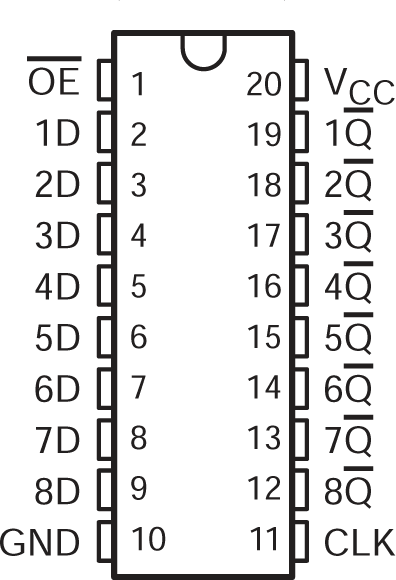
SN74AC564Octal D-Type Edge-Triggered Flip-Flops With 3-State Outputs | Logic | 8 | Active | The ’AC564 devices are octal D-type edge-triggered flip-flops that feature inverting 3-state outputs designed specifically for driving highly capacitive or relatively low-impedance loads. They are particularly suitable for implementing buffer registers, I/O ports, bidirectional bus drivers, and working registers.
The ’AC564 devices are octal D-type edge-triggered flip-flops that feature inverting 3-state outputs designed specifically for driving highly capacitive or relatively low-impedance loads. They are particularly suitable for implementing buffer registers, I/O ports, bidirectional bus drivers, and working registers. |
SN74AC573Octal Transparent Non-Inverting Latches with 3-State Outputs | Integrated Circuits (ICs) | 10 | Active | The RCA-CD54/74AC563 and CD54/74AC573 and the CD54/74ACT563 and CD54/74ACT573 octal transparent 3-state latches use the RCA ADVANCED CMOS technology. The outputs are transparent to the inputs when the Latch Enable (LE\) is HIGH. When the Latch Enable (LE\) goes LOW, the data is latched. The Output Enable (OE\) controls the 3-state ouputs. When the Output Enable (OE\) is HIGH, the outputs are in the high-impendance state. The latch operation is independent of the state of the Output Enable.
The CD74AC/ACT563 and CD74AC/ACT573 are supplied in 20-lead dual-in-line plastic packages (E suffix) and in 20-lead dual-in-line small-outline plastic packages (M suffix). Both package types are operable over the folowing temperature ranges: Commerical (0 to 70°C); Industrial (-40 to +85°C); and Extended Industrial/Military (-55 to +125°C).
The CD54AC/ACT563 and CD54AC/ACT573, available in chip form (H suffix), are operable over the -55 to +125°C temperature range.
The RCA-CD54/74AC563 and CD54/74AC573 and the CD54/74ACT563 and CD54/74ACT573 octal transparent 3-state latches use the RCA ADVANCED CMOS technology. The outputs are transparent to the inputs when the Latch Enable (LE\) is HIGH. When the Latch Enable (LE\) goes LOW, the data is latched. The Output Enable (OE\) controls the 3-state ouputs. When the Output Enable (OE\) is HIGH, the outputs are in the high-impendance state. The latch operation is independent of the state of the Output Enable.
The CD74AC/ACT563 and CD74AC/ACT573 are supplied in 20-lead dual-in-line plastic packages (E suffix) and in 20-lead dual-in-line small-outline plastic packages (M suffix). Both package types are operable over the folowing temperature ranges: Commerical (0 to 70°C); Industrial (-40 to +85°C); and Extended Industrial/Military (-55 to +125°C).
The CD54AC/ACT563 and CD54AC/ACT573, available in chip form (H suffix), are operable over the -55 to +125°C temperature range. |
SN74AC573-Q1Automotive, 2V to 6V, octal D-type transparent latches with three-state outputs | Latches | 1 | Active | The SN74AC573-Q1 contains eight transparent D-type latches with shared 3-state output and latch control.
The SN74AC573-Q1 contains eight transparent D-type latches with shared 3-state output and latch control. |