T
Texas Instruments
| Series | Category | # Parts | Status | Description |
|---|---|---|---|---|
| Part | Spec A | Spec B | Spec C | Spec D | Description |
|---|---|---|---|---|---|



| Series | Category | # Parts | Status | Description |
|---|---|---|---|---|
| Part | Spec A | Spec B | Spec C | Spec D | Description |
|---|---|---|---|---|---|
| Part | Category | Description |
|---|---|---|
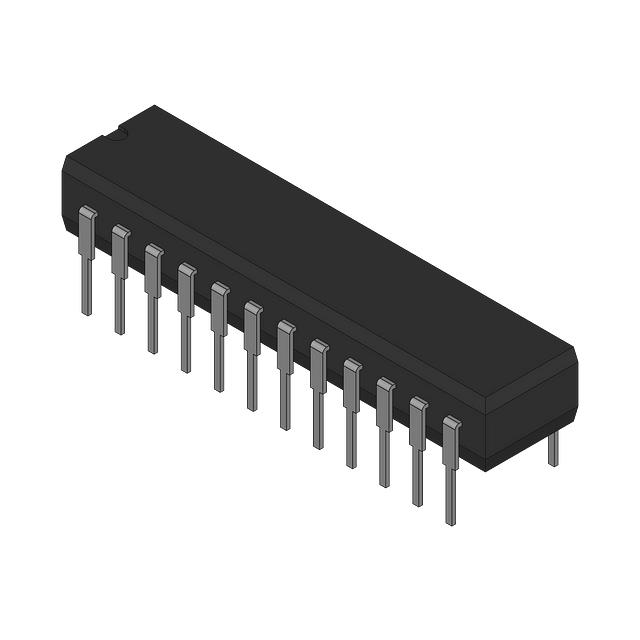 Texas Instruments | Integrated Circuits (ICs) | BUS DRIVER, BCT/FBT SERIES |
 Texas Instruments | Integrated Circuits (ICs) | 12BIT 3.3V~3.6V 210MHZ PARALLEL VQFN-48-EP(7X7) ANALOG TO DIGITAL CONVERTERS (ADC) ROHS |
Texas Instruments | Integrated Circuits (ICs) | TMX320DRE311 179PIN UBGA 200MHZ |
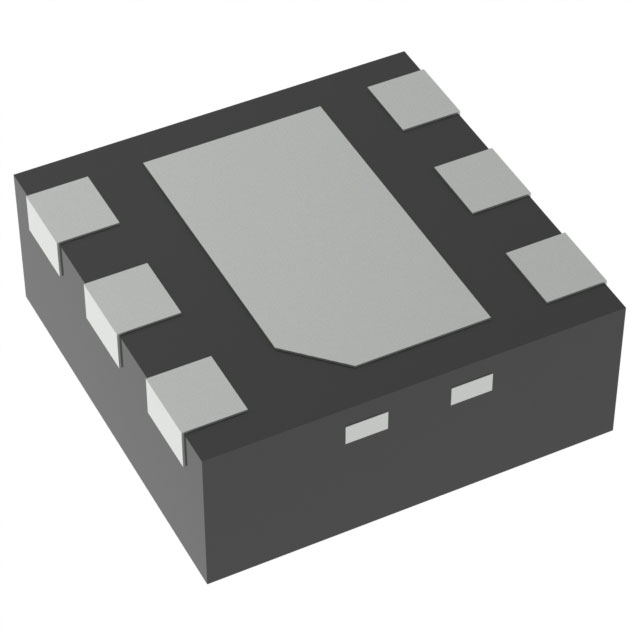 Texas Instruments TPS61040DRVTG4Unknown | Integrated Circuits (ICs) | IC LED DRV RGLTR PWM 350MA 6WSON |
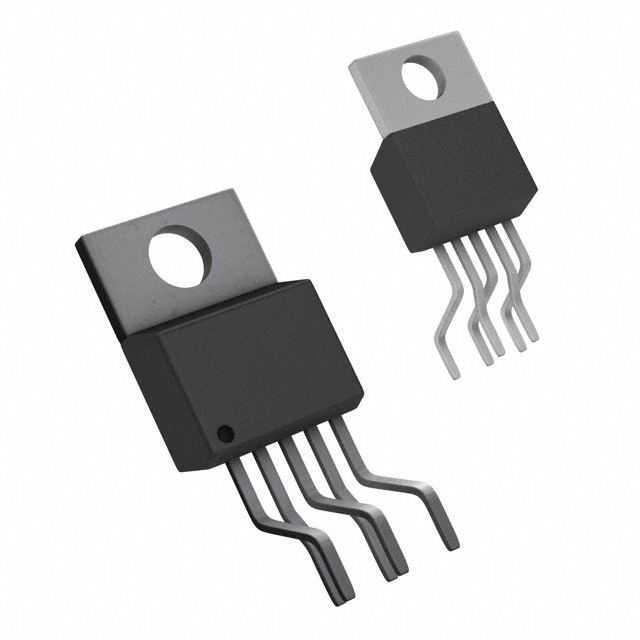 Texas Instruments LP3876ET-2.5Obsolete | Integrated Circuits (ICs) | IC REG LINEAR 2.5V 3A TO220-5 |
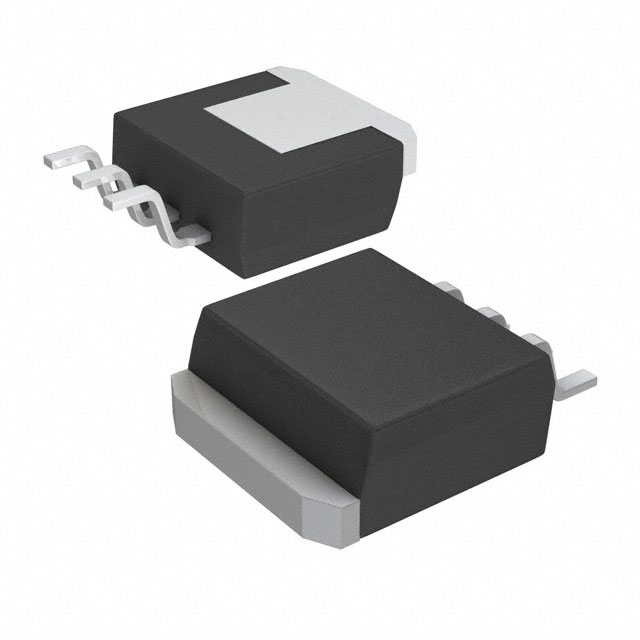 Texas Instruments LMS1585ACSX-ADJObsolete | Integrated Circuits (ICs) | IC REG LIN POS ADJ 5A DDPAK |
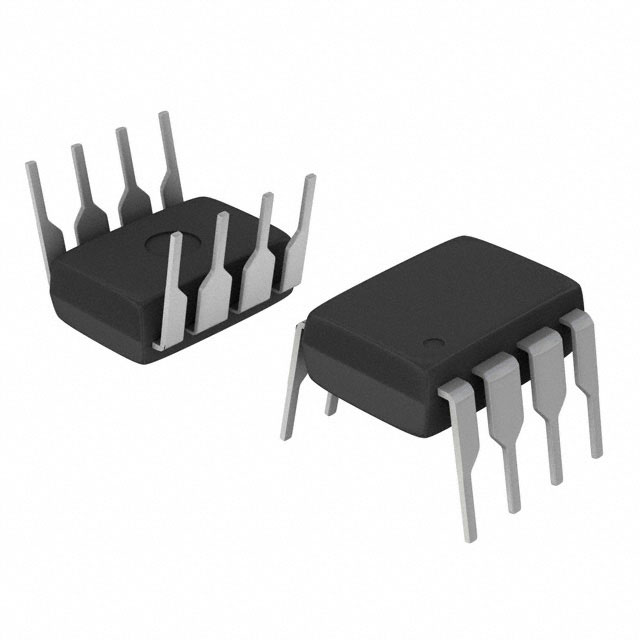 Texas Instruments INA111APG4Obsolete | Integrated Circuits (ICs) | IC INST AMP 1 CIRCUIT 8DIP |
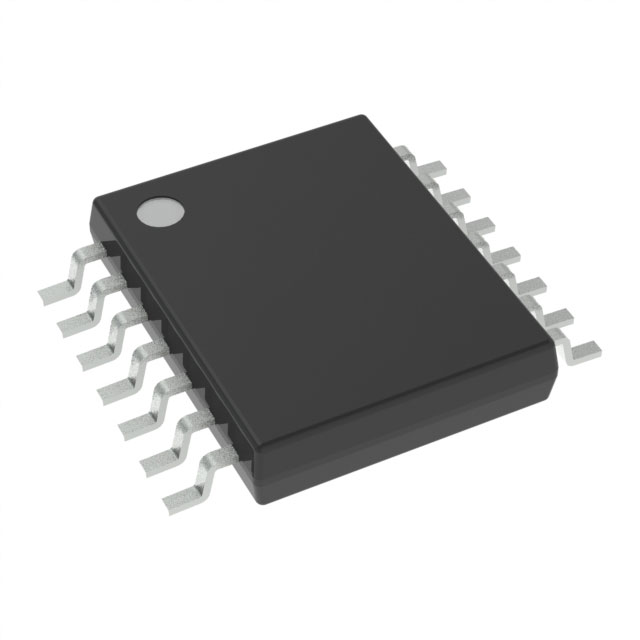 Texas Instruments | Integrated Circuits (ICs) | AUTOMOTIVE, QUAD 36V 1.2MHZ OPERATIONAL AMPLIFIER |
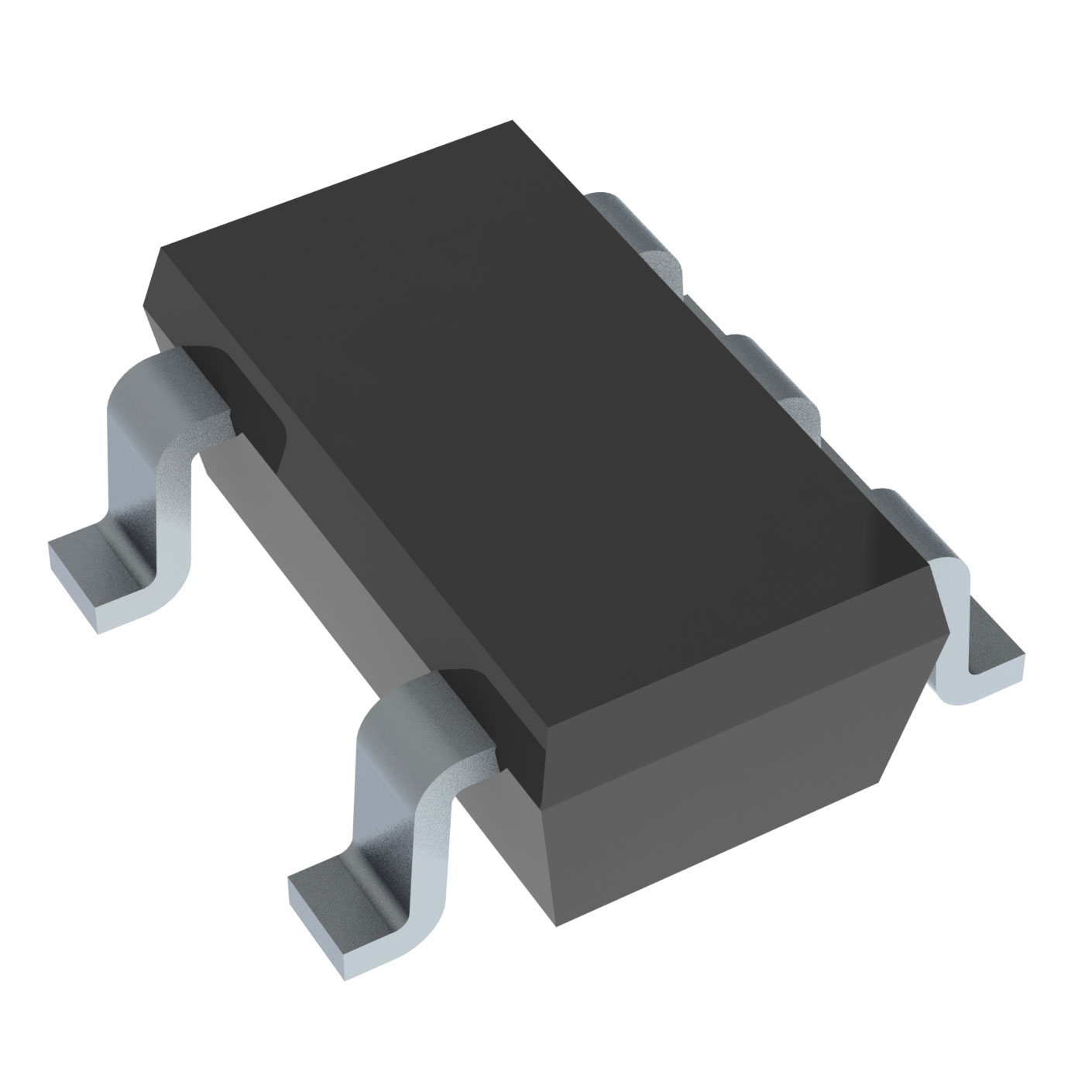 Texas Instruments OPA340NA/3KG4Unknown | Integrated Circuits (ICs) | IC OPAMP GP 1 CIRCUIT SOT23-5 |
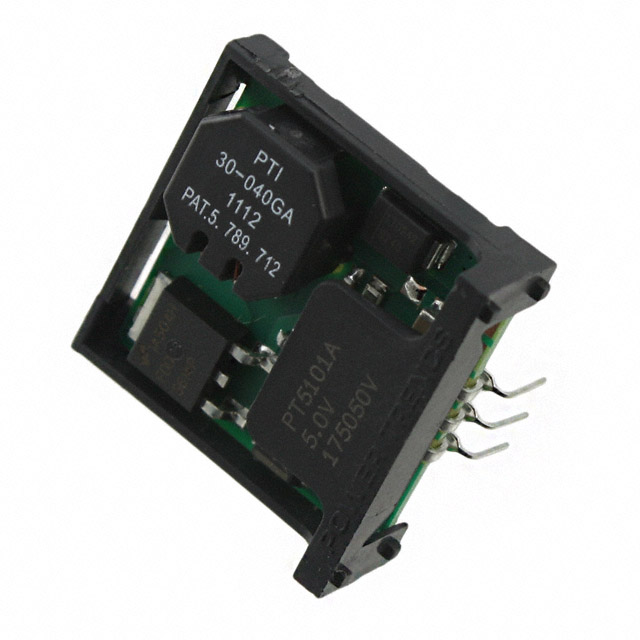 Texas Instruments PT5112AObsolete | Power Supplies - Board Mount | DC DC CONVERTER 8V 8W |
| Series | Category | # Parts | Status | Description |
|---|---|---|---|---|
SN74ACT107110-Bit Bus Termination Networks With Bus Hold Function | Integrated Circuits (ICs) | 1 | Obsolete | This device is designed to terminate bus lines in CMOS systems. The integrated low-impedance diodes clamp the voltage of undershoots and overshoots caused by line reflections and ensure signal integrity. The device also contains a bus-hold function that consists of a CMOS-buffer stage with a high-resistance feedback path between its output and its input. The SN74ACT1071 prevents bus lines from floating without using pullup or pulldown resistors.
The high-impedance inputs of these internal buffers are connected to the input terminals of the device. The feedback path on each internal buffer stage keeps a bus line tied to the bus holder at the last valid logic state generated by an active driver before the bus switches to the high-impedance state.
The SN74ACT1071 is characterized for operation from -40°C to 85°C.
This device is designed to terminate bus lines in CMOS systems. The integrated low-impedance diodes clamp the voltage of undershoots and overshoots caused by line reflections and ensure signal integrity. The device also contains a bus-hold function that consists of a CMOS-buffer stage with a high-resistance feedback path between its output and its input. The SN74ACT1071 prevents bus lines from floating without using pullup or pulldown resistors.
The high-impedance inputs of these internal buffers are connected to the input terminals of the device. The feedback path on each internal buffer stage keeps a bus line tied to the bus holder at the last valid logic state generated by an active driver before the bus switches to the high-impedance state.
The SN74ACT1071 is characterized for operation from -40°C to 85°C. |
SN74ACT107316-Bit Bus Termination Networks With Bus Hold Function | Integrated Circuits (ICs) | 2 | Active | This device is designed to terminate bus lines in CMOS systems. The integrated low-impedance diodes clamp the voltage of undershoots and overshoots caused by line reflections and ensure signal integrity. The device also contains a bus-hold function that consists of a CMOS-buffer stage with a high-resistance feedback path between its output and its input. The SN74ACT1073 prevents bus lines from floating without using pullup or pulldown resistors.
The high-impedance inputs of these internal buffers are connected to the input terminals of the device. The feedback path on each internal buffer stage keeps a bus line tied to the bus holder at the last valid logic state generated by an active driver before the bus switches to the high-impedance state.
This device is designed to terminate bus lines in CMOS systems. The integrated low-impedance diodes clamp the voltage of undershoots and overshoots caused by line reflections and ensure signal integrity. The device also contains a bus-hold function that consists of a CMOS-buffer stage with a high-resistance feedback path between its output and its input. The SN74ACT1073 prevents bus lines from floating without using pullup or pulldown resistors.
The high-impedance inputs of these internal buffers are connected to the input terminals of the device. The feedback path on each internal buffer stage keeps a bus line tied to the bus holder at the last valid logic state generated by an active driver before the bus switches to the high-impedance state. |
SN74ACT113-ch, 3-input 4.5-V to 5.5-V 24-mA drive strength AND gate with TTL-compatible inputs | Integrated Circuits (ICs) | 5 | Active | The SNx4ACT11 device contains three independent 3-input AND gates. These devices perform the Boolean function Y = A • B • C in positive logic.
The SNx4ACT11 device contains three independent 3-input AND gates. These devices perform the Boolean function Y = A • B • C in positive logic. |
SN74ACT12847-Bit Bus Interfaces With 3-State Outputs | Specialty Logic | 7 | Active | The ’ACT1284 devices are designed for asynchronous two-way communication between data buses. The control function minimizes external timing requirements.
The devices allow data transmission in either the A-to-B or the B-to-A direction for bits 1, 2, 3, and 4, depending on the logic level at the direction-control (DIR) input. Bits 5, 6, and 7, however, always transmit in the A-to-B direction.
The output drive for each mode is determined by the high-drive (HD) control pin. When HD is high, the high drive is delivered by the totem-pole configuration, and when HD is low, the outputs are open drain. This meets the drive requirements as specified in the IEEE 1284-I (level-1 type) and the IEEE 1284-II (level-2 type) parallel peripheral-interface specification.
The ’ACT1284 devices are designed for asynchronous two-way communication between data buses. The control function minimizes external timing requirements.
The devices allow data transmission in either the A-to-B or the B-to-A direction for bits 1, 2, 3, and 4, depending on the logic level at the direction-control (DIR) input. Bits 5, 6, and 7, however, always transmit in the A-to-B direction.
The output drive for each mode is determined by the high-drive (HD) control pin. When HD is high, the high drive is delivered by the totem-pole configuration, and when HD is low, the outputs are open drain. This meets the drive requirements as specified in the IEEE 1284-I (level-1 type) and the IEEE 1284-II (level-2 type) parallel peripheral-interface specification. |
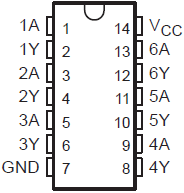
SN74ACT146-ch, 4.5-V to 5.5-V inverters with Schmitt-Trigger inputs | Logic | 14 | Active | The CD74ACT14 contains six independent inverters. This device performs the Boolean function Y = A.
The CD74ACT14 contains six independent inverters. This device performs the Boolean function Y = A. |
SN74ACT16245-EPEnhanced product 16-ch, 4.5-V to 5.5-V inverters with Schmitt-Trigger inputs | Buffers, Drivers, Receivers, Transceivers | 4 | Active | The SN54ACT16245 and 74ACT16245 are 16-bit bus transceivers organized as dual-octal noninverting 3-state transceivers and designed for asynchronous two-way communication between data buses. The control-function implementation minimizes external timing requirements.
The devices allow data transmission from the A bus to the B bus or from the B bus to the A bus, depending on the logic level at the direction-control (DIR) input. The enable (G\) input can be used to disable the devices so that the buses are effectively isolated.
The SN54ACT16245 is characterized for operation over the full military temperature range of -55°C to 125°C. The 74ACT16245 is characterized for operation from -40°C to 85°C.
The SN54ACT16245 and 74ACT16245 are 16-bit bus transceivers organized as dual-octal noninverting 3-state transceivers and designed for asynchronous two-way communication between data buses. The control-function implementation minimizes external timing requirements.
The devices allow data transmission from the A bus to the B bus or from the B bus to the A bus, depending on the logic level at the direction-control (DIR) input. The enable (G\) input can be used to disable the devices so that the buses are effectively isolated.
The SN54ACT16245 is characterized for operation over the full military temperature range of -55°C to 125°C. The 74ACT16245 is characterized for operation from -40°C to 85°C. |
SN74ACT16373-EPEnhanced product 16-ch, 4.5-V to 5.5-V inverters with Schmitt-Trigger inputs | Logic | 4 | Active | The SN74ACT16373Q-EP is a 16-bit D-type transparent latch with 3-state outputs, designed specifically for driving highly capacitive or relatively low-impedance loads. It is particularly suitable for implementing buffer registers, I/O ports, bidirectional bus drivers, and working registers.
This device can be used as two 8-bit latches or one 16-bit latch. The Q outputs of the latches follow the data (D) inputs if the latch-enable (LE) input is taken high. When LE is taken low, the Q outputs are latched at the levels set up at the D inputs.
A buffered output-enable (OE)\ input can be used to place the outputs in either a normal logic state (high or low logic levels) or the high-impedance state. In the high-impedance state, the outputs neither load nor drive the bus lines significantly. The high-impedance state and the increased drive provide the capability to drive bus lines in a bus-organized system, without need for interface or pullup components.
OE\ does not affect the internal operations of the latches. Old data can be retained or new data can be entered while the outputs are in the high-impedance state.
The SN74ACT16373Q-EP is a 16-bit D-type transparent latch with 3-state outputs, designed specifically for driving highly capacitive or relatively low-impedance loads. It is particularly suitable for implementing buffer registers, I/O ports, bidirectional bus drivers, and working registers.
This device can be used as two 8-bit latches or one 16-bit latch. The Q outputs of the latches follow the data (D) inputs if the latch-enable (LE) input is taken high. When LE is taken low, the Q outputs are latched at the levels set up at the D inputs.
A buffered output-enable (OE)\ input can be used to place the outputs in either a normal logic state (high or low logic levels) or the high-impedance state. In the high-impedance state, the outputs neither load nor drive the bus lines significantly. The high-impedance state and the increased drive provide the capability to drive bus lines in a bus-organized system, without need for interface or pullup components.
OE\ does not affect the internal operations of the latches. Old data can be retained or new data can be entered while the outputs are in the high-impedance state. |
SN74ACT16374-EPEnhanced Product 16-Bit D-Type Edge-Triggered Flip-Flop With 3-State Outputs | Flip Flops | 4 | Active | The SN54ACT16374 and 74ACT16374 are 16-bit edge-triggered D-type flip-flops with 3-state outputs designed specifically for driving highly-capacitive or relatively low-impedance loads. They are particularly suitable for implementing buffer registers, I/O ports, bidirectional bus drivers, and working registers.
These devices can be used as two 8-bit flip-flops or one 16-bit flip-flop. On the positive transition of the clock (CLK) input, the Q outputs of the flip-flop take on the logic levels set up at the data (D) inputs.
An output-enable input (OE) can be used to place the outputs in either a normal logic state (high or low logic levels) or the high-impedance state. In the high-impedance state, the outputs neither load nor drive the bus lines significantly. The high-impedance state provides the capability to drive bus lines in a bus-organized system without need for interface or pullup components.OEdoes not affect the internal operations of the flip-flop. Old data can be retained or new data can be entered while the outputs are in the high-impedance state.
The 74ACT16374 is packaged in TI’s shrink small-outline package, which provides twice the I/O pin count and functionality of standard small-outline packages in the same printed-circuit board area.
The SN54ACT16374 is characterized for operation over the full military temperature range of -55°C to 125°C. The 74ACT16374 is characterized for operation from -40°C to 85°C.
The SN54ACT16374 and 74ACT16374 are 16-bit edge-triggered D-type flip-flops with 3-state outputs designed specifically for driving highly-capacitive or relatively low-impedance loads. They are particularly suitable for implementing buffer registers, I/O ports, bidirectional bus drivers, and working registers.
These devices can be used as two 8-bit flip-flops or one 16-bit flip-flop. On the positive transition of the clock (CLK) input, the Q outputs of the flip-flop take on the logic levels set up at the data (D) inputs.
An output-enable input (OE) can be used to place the outputs in either a normal logic state (high or low logic levels) or the high-impedance state. In the high-impedance state, the outputs neither load nor drive the bus lines significantly. The high-impedance state provides the capability to drive bus lines in a bus-organized system without need for interface or pullup components.OEdoes not affect the internal operations of the flip-flop. Old data can be retained or new data can be entered while the outputs are in the high-impedance state.
The 74ACT16374 is packaged in TI’s shrink small-outline package, which provides twice the I/O pin count and functionality of standard small-outline packages in the same printed-circuit board area.
The SN54ACT16374 is characterized for operation over the full military temperature range of -55°C to 125°C. The 74ACT16374 is characterized for operation from -40°C to 85°C. |
SN74ACT2228256 x 1 x 2 dual independent synchronous FIFO memories | FIFOs Memory | 1 | Active | The SN74ACT2226 and SN74ACT2228 are dual FIFOs suited for a wide range of serial-data buffering applications, including elastic stores for frequencies up to T2 telecommunication rates. Each FIFO on the chip is arranged as 64 × 1 (SN74ACT2226) or 256 × 1 (SN74ACT2228) and has control signals and status flags for independent operation. Output flags for each FIFO include input ready (1IR or 2IR), output ready (1OR or 2OR), half full (1HF or 2HF), and almost full/almost empty (1AF/AE or 2AF/AE).
Serial data is written into a FIFO on the low-to-high transition of the write-clock (1WRTCLK or 2WRTCLK) input when the write-enable (1WRTEN or 2WRTEN) input and input-ready flag (1IR or 2IR) output are both high. Serial data is read from a FIFO on the low-to-high transition of the read-clock (1RDCLK or 2RDCLK) input when the read-enable (1RDEN or 2RDEN) input and output-ready flag (1OR or 2OR) output are both high. The read and write clocks of a FIFO can be asynchronous to one another.
Each input-ready flag (1IR or 2IR) is synchronized by two flip-flop stages to its write clock (1WRTCLK or 2WRTCLK), and each output-ready flag (1OR or 2OR) is synchronized by three flip-flop stages to its read clock (1RDCLK or 2RDCLK). This multistage synchronization ensures reliable flag-output states when data is written and read asynchronously.
A half-full flag (1HF or 2HF) is high when the number of bits stored in its FIFO is greater than or equal to half the depth of the FIFO. An almost-full/almost-empty flag (1AF/AE or 2AF/AE) is high when eight or fewer bits are stored in its FIFO and when eight or fewer empty locations are left in the FIFO. A bit present on the data output is not stored in the FIFO.
The SN74ACT2226 and SN74ACT2228 are characterized for operation from -40°C to 85°C.
For more information on this device family, see the application reportFIFOs With a Word Width of One Bit(literature number SCAA006).
The SN74ACT2226 and SN74ACT2228 are dual FIFOs suited for a wide range of serial-data buffering applications, including elastic stores for frequencies up to T2 telecommunication rates. Each FIFO on the chip is arranged as 64 × 1 (SN74ACT2226) or 256 × 1 (SN74ACT2228) and has control signals and status flags for independent operation. Output flags for each FIFO include input ready (1IR or 2IR), output ready (1OR or 2OR), half full (1HF or 2HF), and almost full/almost empty (1AF/AE or 2AF/AE).
Serial data is written into a FIFO on the low-to-high transition of the write-clock (1WRTCLK or 2WRTCLK) input when the write-enable (1WRTEN or 2WRTEN) input and input-ready flag (1IR or 2IR) output are both high. Serial data is read from a FIFO on the low-to-high transition of the read-clock (1RDCLK or 2RDCLK) input when the read-enable (1RDEN or 2RDEN) input and output-ready flag (1OR or 2OR) output are both high. The read and write clocks of a FIFO can be asynchronous to one another.
Each input-ready flag (1IR or 2IR) is synchronized by two flip-flop stages to its write clock (1WRTCLK or 2WRTCLK), and each output-ready flag (1OR or 2OR) is synchronized by three flip-flop stages to its read clock (1RDCLK or 2RDCLK). This multistage synchronization ensures reliable flag-output states when data is written and read asynchronously.
A half-full flag (1HF or 2HF) is high when the number of bits stored in its FIFO is greater than or equal to half the depth of the FIFO. An almost-full/almost-empty flag (1AF/AE or 2AF/AE) is high when eight or fewer bits are stored in its FIFO and when eight or fewer empty locations are left in the FIFO. A bit present on the data output is not stored in the FIFO.
The SN74ACT2226 and SN74ACT2228 are characterized for operation from -40°C to 85°C.
For more information on this device family, see the application reportFIFOs With a Word Width of One Bit(literature number SCAA006). |
SN74ACT240-Q1Automotive eight-channel 4.5V-to-5.5V inverters with TTL-compatible CMOS inputs | Buffers, Drivers, Receivers, Transceivers | 3 | Active | The SN74ACT240-Q1 contains eight inverting line drivers with 3-state outputs configured as two banks of four. Each bank has a shared output enable (OE) pin.
The SN74ACT240-Q1 contains eight inverting line drivers with 3-state outputs configured as two banks of four. Each bank has a shared output enable (OE) pin. |