T
Texas Instruments
| Series | Category | # Parts | Status | Description |
|---|---|---|---|---|
| Part | Spec A | Spec B | Spec C | Spec D | Description |
|---|---|---|---|---|---|



| Series | Category | # Parts | Status | Description |
|---|---|---|---|---|
| Part | Spec A | Spec B | Spec C | Spec D | Description |
|---|---|---|---|---|---|
| Part | Category | Description |
|---|---|---|
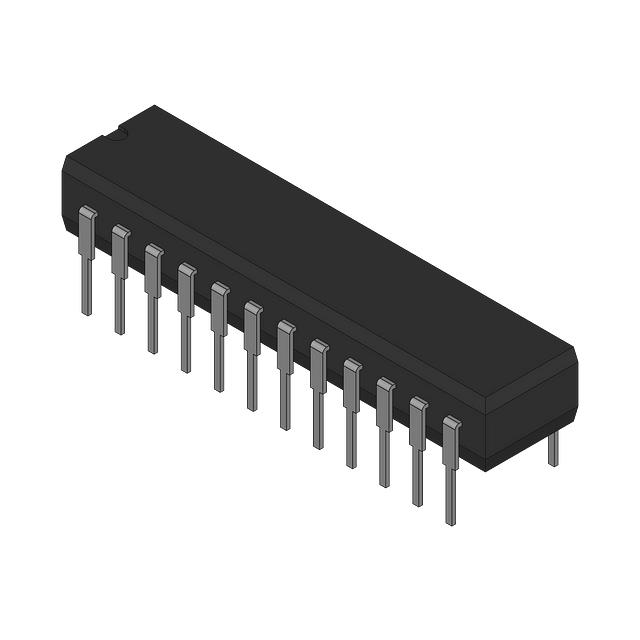 Texas Instruments | Integrated Circuits (ICs) | BUS DRIVER, BCT/FBT SERIES |
 Texas Instruments | Integrated Circuits (ICs) | 12BIT 3.3V~3.6V 210MHZ PARALLEL VQFN-48-EP(7X7) ANALOG TO DIGITAL CONVERTERS (ADC) ROHS |
Texas Instruments | Integrated Circuits (ICs) | TMX320DRE311 179PIN UBGA 200MHZ |
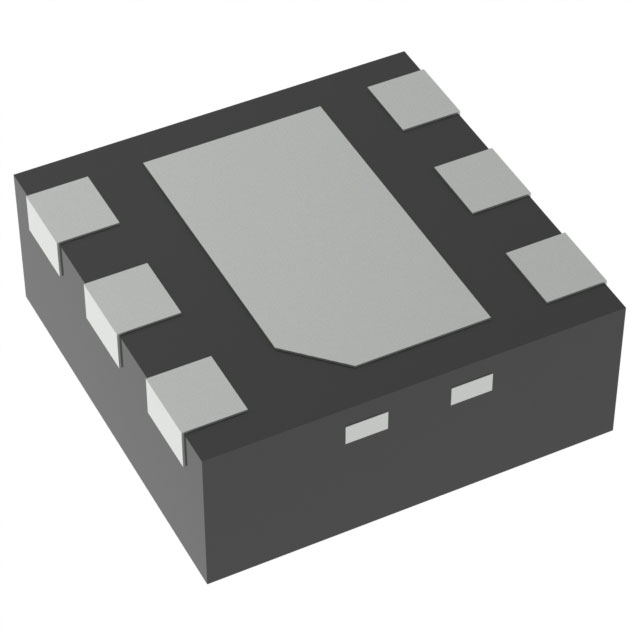 Texas Instruments TPS61040DRVTG4Unknown | Integrated Circuits (ICs) | IC LED DRV RGLTR PWM 350MA 6WSON |
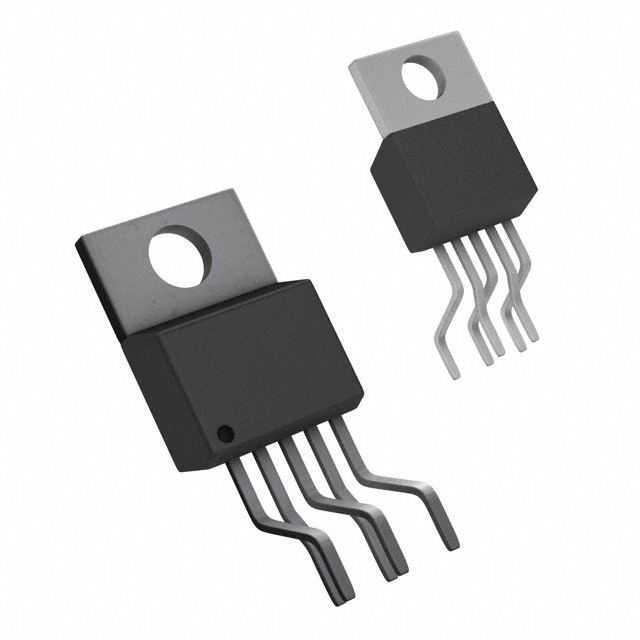 Texas Instruments LP3876ET-2.5Obsolete | Integrated Circuits (ICs) | IC REG LINEAR 2.5V 3A TO220-5 |
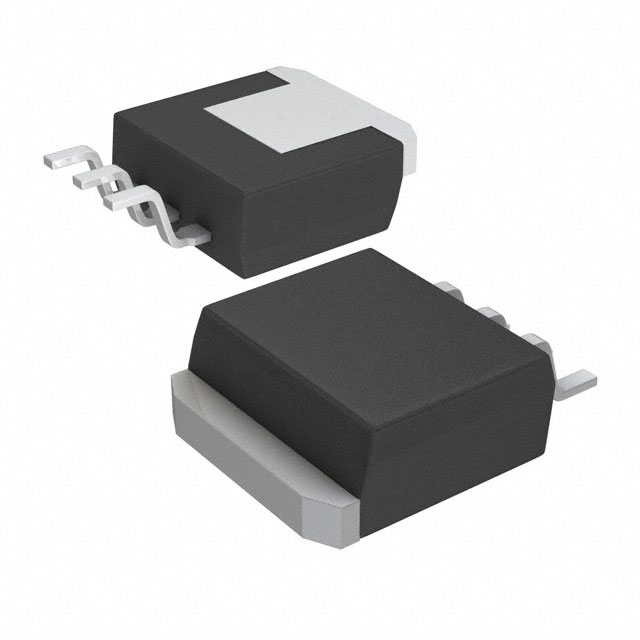 Texas Instruments LMS1585ACSX-ADJObsolete | Integrated Circuits (ICs) | IC REG LIN POS ADJ 5A DDPAK |
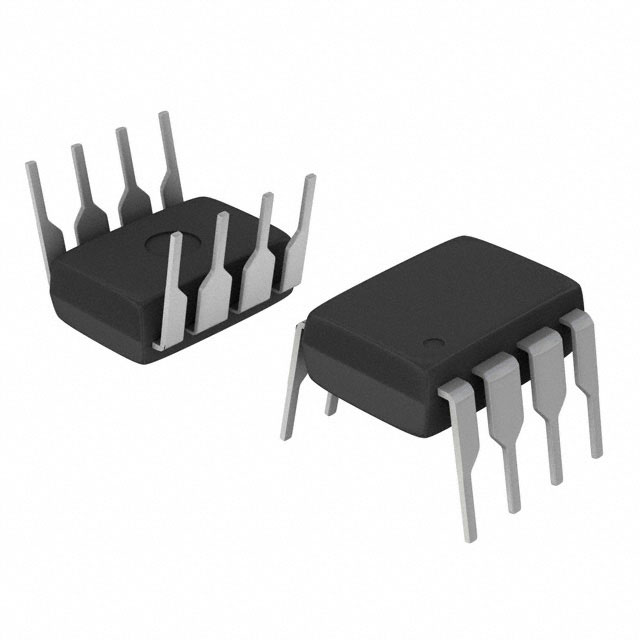 Texas Instruments INA111APG4Obsolete | Integrated Circuits (ICs) | IC INST AMP 1 CIRCUIT 8DIP |
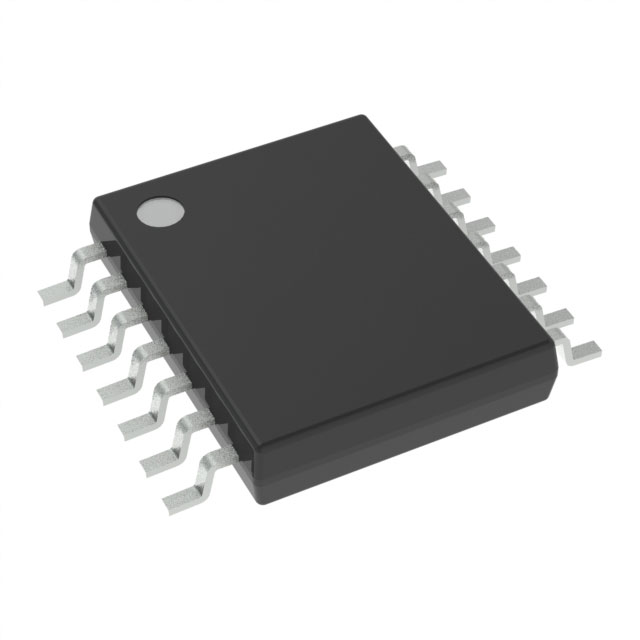 Texas Instruments | Integrated Circuits (ICs) | AUTOMOTIVE, QUAD 36V 1.2MHZ OPERATIONAL AMPLIFIER |
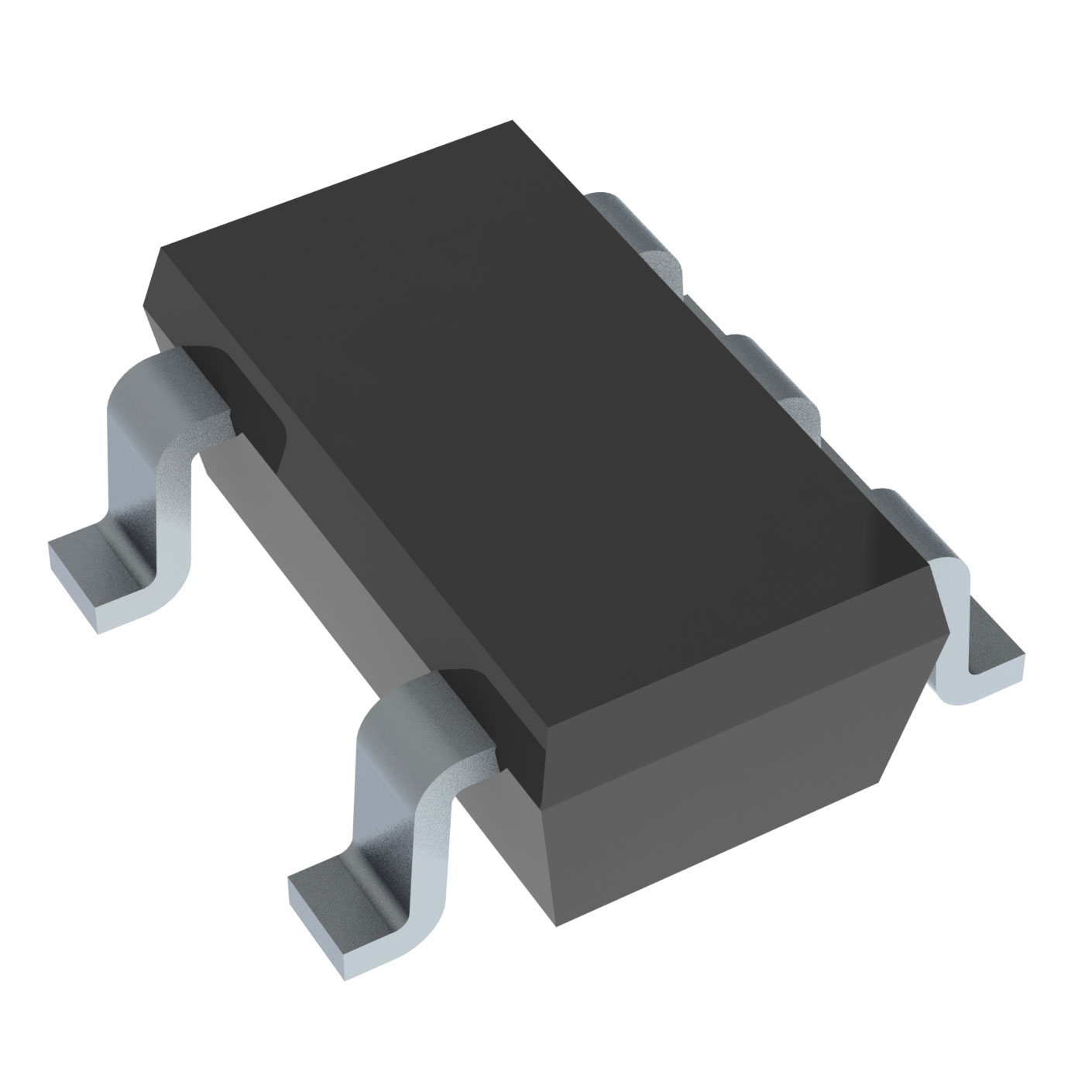 Texas Instruments OPA340NA/3KG4Unknown | Integrated Circuits (ICs) | IC OPAMP GP 1 CIRCUIT SOT23-5 |
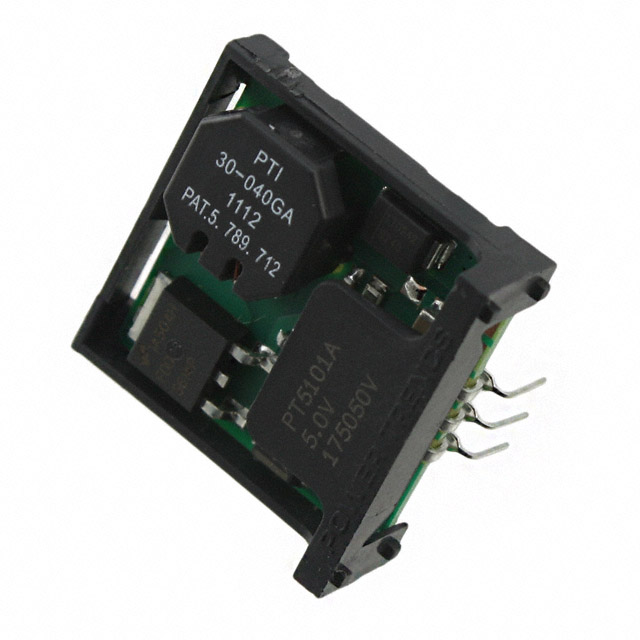 Texas Instruments PT5112AObsolete | Power Supplies - Board Mount | DC DC CONVERTER 8V 8W |
| Series | Category | # Parts | Status | Description |
|---|---|---|---|---|
LM51521-Q1Automotive 2.2-MHz wide VINlow IQ synchronous boost controller with disabled bypass mode | DC DC Switching Controllers | 1 | Active | The LM5152x-Q1 (LM5152-Q1 and LM51521-Q1) device is a wide input range synchronous boost controller that employs peak current mode control.
The LM5152x-Q1 (LM5152-Q1 and LM51521-Q1) device is a wide input range synchronous boost controller that employs peak current mode control. |
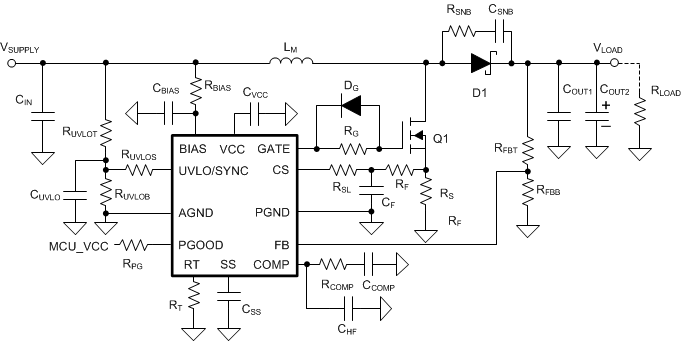
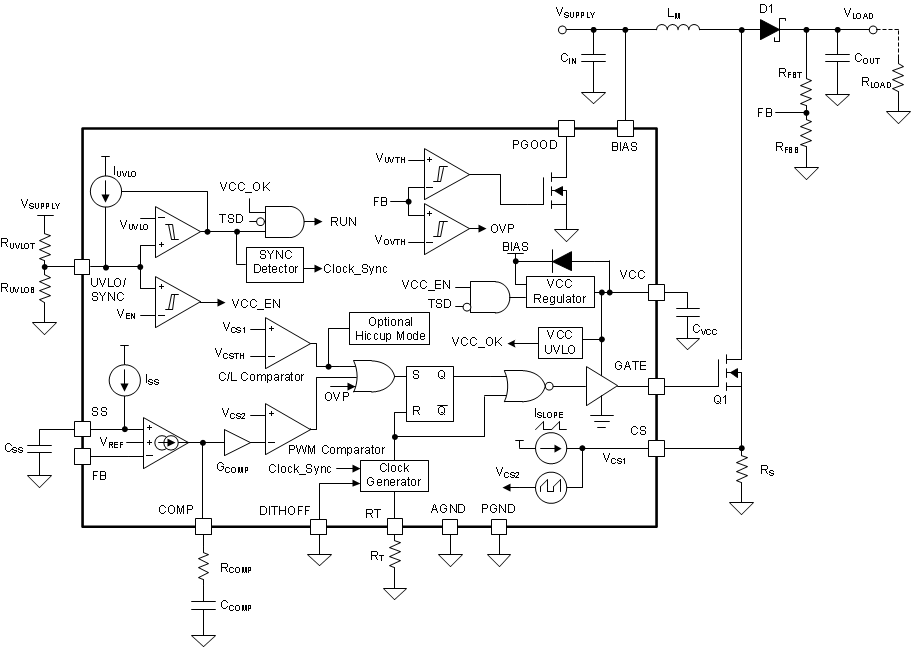
LM5155-Q12.2-MHz wide VIN, 1.5-A MOSFET driver, non-synchronous boost controller, AEC-Q100 qualified | Evaluation Boards | 7 | Active | The LM5155x-Q1 (LM5155-Q1 and LM51551-Q1) is a wide input range, non-synchronous boost controller that uses peak current mode control. The device can be used in boost, SEPIC, and flyback topologies.
The LM5155x-Q1 can start up from a 1-cell battery with a minimum of 2.97 V if the BIAS pin is connected to the VCC pin. It can operate with the input supply voltage as low as 1.5 V if the BIAS pin is greater than 3.5 V.
The LM5155x-Q1 (LM5155-Q1 and LM51551-Q1) is a wide input range, non-synchronous boost controller that uses peak current mode control. The device can be used in boost, SEPIC, and flyback topologies.
The LM5155x-Q1 can start up from a 1-cell battery with a minimum of 2.97 V if the BIAS pin is connected to the VCC pin. It can operate with the input supply voltage as low as 1.5 V if the BIAS pin is greater than 3.5 V. |
LM51551-Q12.2-MHz wide VIN, 1.5-A MOSFET driver, non-synchronous boost controller, hiccup mode protection | Power Management (PMIC) | 4 | Active | The LM5155x-Q1 (LM5155-Q1 and LM51551-Q1) is a wide input range, non-synchronous boost controller that uses peak current mode control. The device can be used in boost, SEPIC, and flyback topologies.
The LM5155x-Q1 can start up from a 1-cell battery with a minimum of 2.97 V if the BIAS pin is connected to the VCC pin. It can operate with the input supply voltage as low as 1.5 V if the BIAS pin is greater than 3.5 V.
The LM5155x-Q1 (LM5155-Q1 and LM51551-Q1) is a wide input range, non-synchronous boost controller that uses peak current mode control. The device can be used in boost, SEPIC, and flyback topologies.
The LM5155x-Q1 can start up from a 1-cell battery with a minimum of 2.97 V if the BIAS pin is connected to the VCC pin. It can operate with the input supply voltage as low as 1.5 V if the BIAS pin is greater than 3.5 V. |
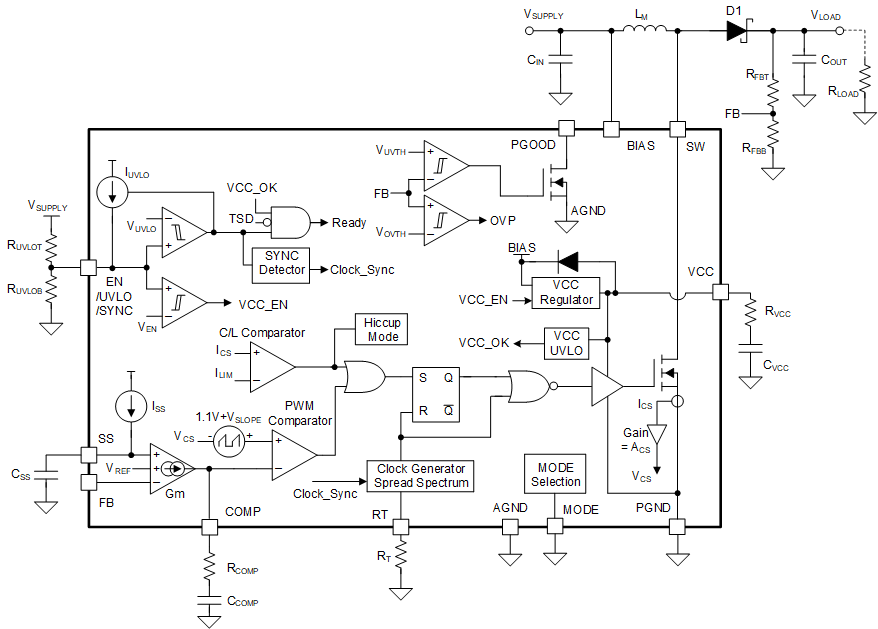
LM51561H2.2-MHz wide VIN nonsynchronous boost, flyback, & SEPIC controller with spread spectrum and hiccup | Integrated Circuits (ICs) | 2 | Active | The LM5156xH (LM5156H and LM51561H) device is a wide input range, non-synchronous boost controller that uses peak current mode control. The device can be used in boost, SEPIC, and flyback topologies.
The device can start up from a 1-cell battery with a minimum of 2.97 V if the BIAS pin is connected to the VCC pin. It can operate with the input supply voltage as low as 1.5 V if the BIAS pin is greater than 3.5 V.
The LM5156xH (LM5156H and LM51561H) device is a wide input range, non-synchronous boost controller that uses peak current mode control. The device can be used in boost, SEPIC, and flyback topologies.
The device can start up from a 1-cell battery with a minimum of 2.97 V if the BIAS pin is connected to the VCC pin. It can operate with the input supply voltage as low as 1.5 V if the BIAS pin is greater than 3.5 V. |
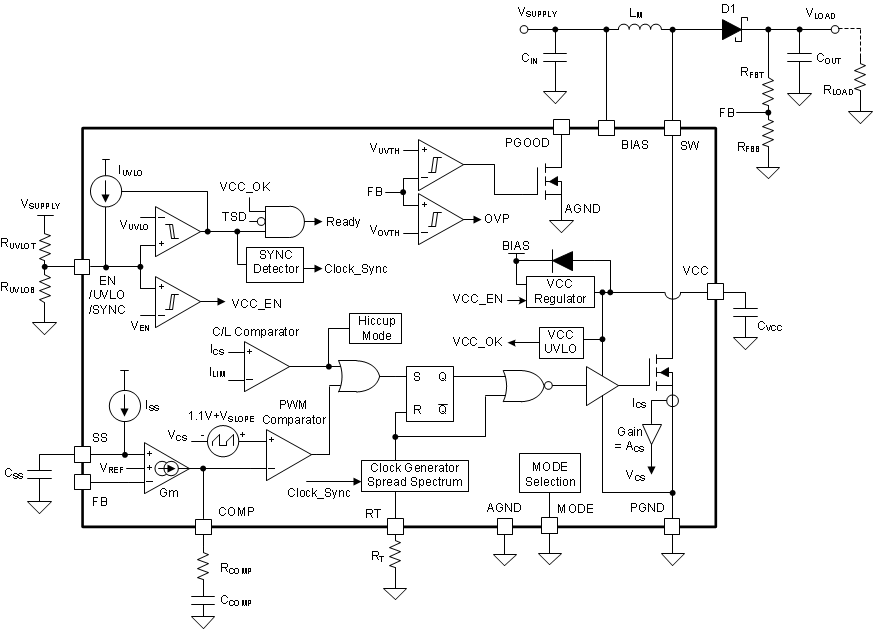
LM5156H2.2-MHz wide VIN nonsynchronous boost, flyback, & SEPIC controller with dual random spread spectrum | DC/DC & AC/DC (Off-Line) SMPS Evaluation Boards | 3 | Active | The LM5156xH (LM5156H and LM51561H) device is a wide input range, non-synchronous boost controller that uses peak current mode control. The device can be used in boost, SEPIC, and flyback topologies.
The device can start up from a 1-cell battery with a minimum of 2.97 V if the BIAS pin is connected to the VCC pin. It can operate with the input supply voltage as low as 1.5 V if the BIAS pin is greater than 3.5 V.
The LM5156xH (LM5156H and LM51561H) device is a wide input range, non-synchronous boost controller that uses peak current mode control. The device can be used in boost, SEPIC, and flyback topologies.
The device can start up from a 1-cell battery with a minimum of 2.97 V if the BIAS pin is connected to the VCC pin. It can operate with the input supply voltage as low as 1.5 V if the BIAS pin is greater than 3.5 V. |
LM51571-Q16A/4A, 50-V, 2.2-MHz wide VIN boost, flyback, & SEPIC converter with dual random spread spectrum | Integrated Circuits (ICs) | 3 | Active | The LM5157 device is a wide input range, non-synchronous boost converter with integrated 50-V power switch.
The device can be used in boost, SEPIC, and flyback topologies. The device can start up from a single-cell battery with a minimum of 2.9 V. It can operate with an input supply voltage as low as 1.5 V if the BIAS pin is greater than 2.9 V.
The BIAS pin operates up to 45 V (50-V absolute maximum). The switching frequency is dynamically programmable with an external resistor from 100 kHz to 2.2 MHz. Switching at 2.2 MHz minimizes AM band interference and allows for a small solution size and fast transient response. To reduce the EMI of the power supply, the device provides a selectable Dual Random Spread Spectrum, which reduces the EMI over a wide frequency range.
The device features an accurate peak current limit over the input voltage, which avoids overdesigning power inductor. Low operating current and pulse-skipping operation improve efficiency at light loads.
The device has built-in protection features such as overvoltage protection, line UVLO, thermal shutdown, and selectable Hiccup mode overload protection. Additional features include low shutdown I Q, programmable soft start, precision reference, a power-good indicator, and external clock synchronization.
The LM5157 device is a wide input range, non-synchronous boost converter with integrated 50-V power switch.
The device can be used in boost, SEPIC, and flyback topologies. The device can start up from a single-cell battery with a minimum of 2.9 V. It can operate with an input supply voltage as low as 1.5 V if the BIAS pin is greater than 2.9 V.
The BIAS pin operates up to 45 V (50-V absolute maximum). The switching frequency is dynamically programmable with an external resistor from 100 kHz to 2.2 MHz. Switching at 2.2 MHz minimizes AM band interference and allows for a small solution size and fast transient response. To reduce the EMI of the power supply, the device provides a selectable Dual Random Spread Spectrum, which reduces the EMI over a wide frequency range.
The device features an accurate peak current limit over the input voltage, which avoids overdesigning power inductor. Low operating current and pulse-skipping operation improve efficiency at light loads.
The device has built-in protection features such as overvoltage protection, line UVLO, thermal shutdown, and selectable Hiccup mode overload protection. Additional features include low shutdown I Q, programmable soft start, precision reference, a power-good indicator, and external clock synchronization. |
LM5158-Q13-A, 85-V, 2.2-MHz wide VIN boost, flyback, & SEPIC converter with dual random spread spectrum | Integrated Circuits (ICs) | 1 | Active | The LM5158x -Q1 device is a wide input range, non-synchronous boost converter with an integrated 85-V, 3.26-A (LM5158 -Q1) or 85-V, 1.63-A (LM51581 -Q1) power switch.
The device can be used in boost, SEPIC, and flyback topologies. It can start up from a single-cell battery with a minimum of 3.2 V. It can operate with the input supply voltage as low as 1.5 V if the BIAS pin is greater than 3.2 V.
The BIAS pin operates up to 60 V (65-V absolute maximum) for automotive load dump. The switching frequency is dynamically programmable from 100 kHz to 2.2 MHz with an external resistor. Switching at 2.2 MHz minimizes AM band interference and allows for a small solution size and fast transient response. The device provides a selectable Dual Random Spread Spectrum to help reduce the EMI over a wide frequency range.
The device features an accurate peak current limit over the input voltage, which avoids overdesigning the power inductor. Low operating current and pulse-skipping operation improve efficiency at light loads.
The device has built-in protection features such as overvoltage protection, line UVLO, thermal shutdown, and selectable hiccup mode overload protection. Additional features include low shutdown IQ, programmable soft start, precision reference, a power-good indicator, and external clock synchronization.
The LM5158x -Q1 device is a wide input range, non-synchronous boost converter with an integrated 85-V, 3.26-A (LM5158 -Q1) or 85-V, 1.63-A (LM51581 -Q1) power switch.
The device can be used in boost, SEPIC, and flyback topologies. It can start up from a single-cell battery with a minimum of 3.2 V. It can operate with the input supply voltage as low as 1.5 V if the BIAS pin is greater than 3.2 V.
The BIAS pin operates up to 60 V (65-V absolute maximum) for automotive load dump. The switching frequency is dynamically programmable from 100 kHz to 2.2 MHz with an external resistor. Switching at 2.2 MHz minimizes AM band interference and allows for a small solution size and fast transient response. The device provides a selectable Dual Random Spread Spectrum to help reduce the EMI over a wide frequency range.
The device features an accurate peak current limit over the input voltage, which avoids overdesigning the power inductor. Low operating current and pulse-skipping operation improve efficiency at light loads.
The device has built-in protection features such as overvoltage protection, line UVLO, thermal shutdown, and selectable hiccup mode overload protection. Additional features include low shutdown IQ, programmable soft start, precision reference, a power-good indicator, and external clock synchronization. |
LM51581-Q11.5-A, 85-V, 2.2-MHz wide VIN boost, flyback, & SEPIC converter with dual random spread spectrum | Power Management (PMIC) | 2 | Active | The LM5158x -Q1 device is a wide input range, non-synchronous boost converter with an integrated 85-V, 3.26-A (LM5158 -Q1) or 85-V, 1.63-A (LM51581 -Q1) power switch.
The device can be used in boost, SEPIC, and flyback topologies. It can start up from a single-cell battery with a minimum of 3.2 V. It can operate with the input supply voltage as low as 1.5 V if the BIAS pin is greater than 3.2 V.
The BIAS pin operates up to 60 V (65-V absolute maximum) for automotive load dump. The switching frequency is dynamically programmable from 100 kHz to 2.2 MHz with an external resistor. Switching at 2.2 MHz minimizes AM band interference and allows for a small solution size and fast transient response. The device provides a selectable Dual Random Spread Spectrum to help reduce the EMI over a wide frequency range.
The device features an accurate peak current limit over the input voltage, which avoids overdesigning the power inductor. Low operating current and pulse-skipping operation improve efficiency at light loads.
The device has built-in protection features such as overvoltage protection, line UVLO, thermal shutdown, and selectable hiccup mode overload protection. Additional features include low shutdown IQ, programmable soft start, precision reference, a power-good indicator, and external clock synchronization.
The LM5158x -Q1 device is a wide input range, non-synchronous boost converter with an integrated 85-V, 3.26-A (LM5158 -Q1) or 85-V, 1.63-A (LM51581 -Q1) power switch.
The device can be used in boost, SEPIC, and flyback topologies. It can start up from a single-cell battery with a minimum of 3.2 V. It can operate with the input supply voltage as low as 1.5 V if the BIAS pin is greater than 3.2 V.
The BIAS pin operates up to 60 V (65-V absolute maximum) for automotive load dump. The switching frequency is dynamically programmable from 100 kHz to 2.2 MHz with an external resistor. Switching at 2.2 MHz minimizes AM band interference and allows for a small solution size and fast transient response. The device provides a selectable Dual Random Spread Spectrum to help reduce the EMI over a wide frequency range.
The device features an accurate peak current limit over the input voltage, which avoids overdesigning the power inductor. Low operating current and pulse-skipping operation improve efficiency at light loads.
The device has built-in protection features such as overvoltage protection, line UVLO, thermal shutdown, and selectable hiccup mode overload protection. Additional features include low shutdown IQ, programmable soft start, precision reference, a power-good indicator, and external clock synchronization. |
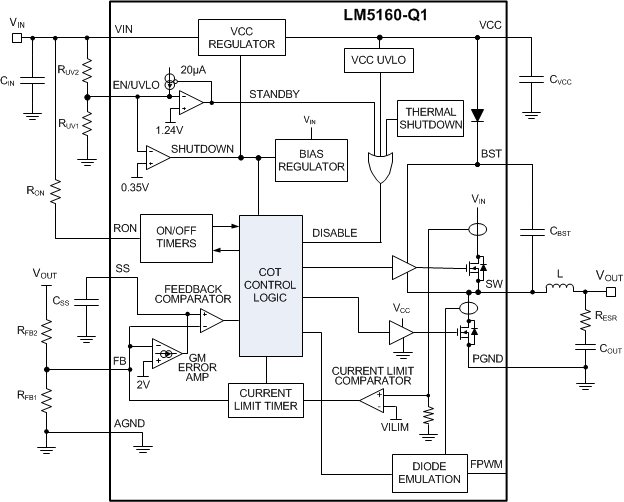
LM5160-Q1LM5160A Wide Input 65V, 2A Synchronous Buck / Fly-Buck™ Converter | DC/DC & AC/DC (Off-Line) SMPS Evaluation Boards | 7 | Active | The LM5160/A is a 65-V, 2-A synchronous step-down converter with integrated high-side and low-side MOSFETs. The adaptive constant on-time control scheme requires no loop compensation and supports high step-down ratios with fast transient response. An internal feedback amplifier maintains ±1% output voltage regulation over the entire operating temperature range. The on-time varies inversely with input voltage resulting in nearly constant switching frequency.
Peak and valley current limit circuits protect against overload conditions. The undervoltage lockout (EN/UVLO) circuit provides independently adjustable input undervoltage threshold and hysteresis. The LM5160/A is programmed through the FPWM pin to operate in continuous conduction mode (CCM) from no load to full load or to automatically switch to discontinuous conduction mode (DCM) at light load for higher efficiency. Forced CCM operation supports multiple-output and isolated Fly-Buck applications using a coupled inductor.
The LM5160A shares the same features and pin configuration as the LM5160. An external bias supply can be connected to the VCC pin of the LM5160A in Buck and Fly-Buck applications. This additional capability lowers IC power dissipation and improves efficiency at high input voltages.
The LM5160/A is a 65-V, 2-A synchronous step-down converter with integrated high-side and low-side MOSFETs. The adaptive constant on-time control scheme requires no loop compensation and supports high step-down ratios with fast transient response. An internal feedback amplifier maintains ±1% output voltage regulation over the entire operating temperature range. The on-time varies inversely with input voltage resulting in nearly constant switching frequency.
Peak and valley current limit circuits protect against overload conditions. The undervoltage lockout (EN/UVLO) circuit provides independently adjustable input undervoltage threshold and hysteresis. The LM5160/A is programmed through the FPWM pin to operate in continuous conduction mode (CCM) from no load to full load or to automatically switch to discontinuous conduction mode (DCM) at light load for higher efficiency. Forced CCM operation supports multiple-output and isolated Fly-Buck applications using a coupled inductor.
The LM5160A shares the same features and pin configuration as the LM5160. An external bias supply can be connected to the VCC pin of the LM5160A in Buck and Fly-Buck applications. This additional capability lowers IC power dissipation and improves efficiency at high input voltages. |
LM5161-Q1Wide Input 4.5-V to 100-V, 1-A Synchronous Buck / Fly-Buck Converter | Development Boards, Kits, Programmers | 4 | Active | The LM5161-Q1 is a 100-V, 1-A synchronous step-down converter with integrated high-side and low-side MOSFETs. The constant-ON-time control scheme requires no loop compensation and supports high step-down ratios with fast transient response. An internal feedback amplifier maintains ±1% output voltage regulation over the entire operating temperature range. The ON-time varies inversely with input voltage resulting in nearly constant switching frequency. Peak and valley current limit circuits protect against overload conditions. The under-voltage lockout (EN/UVLO) circuit provides independently adjustable input undervoltage threshold and hysteresis. The FPWM input pin in LM5161-Q1 selects either the forced continuous conduction mode (CCM) under all load levels or the discontinuous conduction mode (DCM) under light or no load conditions. When operating in forced CCM, the LM5161-Q1 supports the multiple output and isolated Fly-Buck applications. When programmed for the DCM operation, the LM5161-Q1 provides a tightly regulated buck output without any additional external feedback ripple injection circuit.
The LM5161-Q1 is a 100-V, 1-A synchronous step-down converter with integrated high-side and low-side MOSFETs. The constant-ON-time control scheme requires no loop compensation and supports high step-down ratios with fast transient response. An internal feedback amplifier maintains ±1% output voltage regulation over the entire operating temperature range. The ON-time varies inversely with input voltage resulting in nearly constant switching frequency. Peak and valley current limit circuits protect against overload conditions. The under-voltage lockout (EN/UVLO) circuit provides independently adjustable input undervoltage threshold and hysteresis. The FPWM input pin in LM5161-Q1 selects either the forced continuous conduction mode (CCM) under all load levels or the discontinuous conduction mode (DCM) under light or no load conditions. When operating in forced CCM, the LM5161-Q1 supports the multiple output and isolated Fly-Buck applications. When programmed for the DCM operation, the LM5161-Q1 provides a tightly regulated buck output without any additional external feedback ripple injection circuit. |