T
Texas Instruments
| Series | Category | # Parts | Status | Description |
|---|---|---|---|---|
| Part | Spec A | Spec B | Spec C | Spec D | Description |
|---|---|---|---|---|---|



| Series | Category | # Parts | Status | Description |
|---|---|---|---|---|
| Part | Spec A | Spec B | Spec C | Spec D | Description |
|---|---|---|---|---|---|
| Part | Category | Description |
|---|---|---|
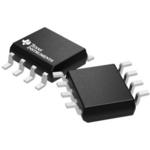 Texas Instruments BQ2002CSNTRG4Unknown | Integrated Circuits (ICs) | LINEAR BATTERY CHARGER NICD/NIMH 2000MA 0V TO 6V 8-PIN SOIC T/R |
 Texas Instruments LM3676SDX-3.3Obsolete | Integrated Circuits (ICs) | IC REG BUCK 3.3V 600MA 8WSON |
 Texas Instruments | Integrated Circuits (ICs) | TMX320DRE311 179PIN UBGA 200MHZ |
 Texas Instruments UCC3580N-1G4Obsolete | Integrated Circuits (ICs) | IC REG CTRLR FWRD CONV 16DIP |
 Texas Instruments LM2831YMF EVALObsolete | Development Boards Kits Programmers | EVAL BOARD FOR LM2831 |
 Texas Instruments | Integrated Circuits (ICs) | BUFFER/LINE DRIVER 8-CH NON-INVERTING 3-ST CMOS 20-PIN SSOP T/R |
 Texas Instruments | Integrated Circuits (ICs) | ANALOG OTHER PERIPHERALS |
Texas Instruments | Integrated Circuits (ICs) | RADIATION-HARDENED, QMLP 60V HAL |
 Texas Instruments SN75LVDS051DRObsolete | Integrated Circuits (ICs) | IC TRANSCEIVER FULL 2/2 16SOIC |
 Texas Instruments | Integrated Circuits (ICs) | AUTOMOTIVE OCTAL D-TYPE FLIP-FLO |
| Series | Category | # Parts | Status | Description |
|---|---|---|---|---|
65HVD23Extended Common-mode RS-485 Transceiver | Integrated Circuits (ICs) | 3 | Active | The transceivers in the SN65HVD2x family offer performance far exceeding typical RS-485 devices. In addition to meeting all requirements of the TIA/EIA ‑485-A standard. The SN65HVD2x family operates over an extended range of common-mode voltages and has features such as high ESD protection, wide receiver hysteresis, and failsafe operation. This family of devices is designed for long-cable networks, and other applications where the environment is too harsh for ordinary transceivers.
These devices are designed for bidirectional data transmission on multipoint twisted-pair cables. Example applications are digital motor controllers, remote sensors and terminals, industrial process control, security stations, and environmental control systems.
These devices combine a 3-state differential driver and a differential receiver that operate from a single 5-V power supply. The driver differential outputs and the receiver differential inputs are connected internally to form a differential bus port that offers minimum loading to the bus. This port features an extended common-mode voltage range, making the device suitable for multipoint applications over long cable runs.
The transceivers in the SN65HVD2x family offer performance far exceeding typical RS-485 devices. In addition to meeting all requirements of the TIA/EIA ‑485-A standard. The SN65HVD2x family operates over an extended range of common-mode voltages and has features such as high ESD protection, wide receiver hysteresis, and failsafe operation. This family of devices is designed for long-cable networks, and other applications where the environment is too harsh for ordinary transceivers.
These devices are designed for bidirectional data transmission on multipoint twisted-pair cables. Example applications are digital motor controllers, remote sensors and terminals, industrial process control, security stations, and environmental control systems.
These devices combine a 3-state differential driver and a differential receiver that operate from a single 5-V power supply. The driver differential outputs and the receiver differential inputs are connected internally to form a differential bus port that offers minimum loading to the bus. This port features an extended common-mode voltage range, making the device suitable for multipoint applications over long cable runs. |
65HVD230Enhanced Product 3.3-V Can Transceivers With Standby Mode | Interface | 11 | Active | The SN65HVD230, SN65HVD231, and SN65HVD232 controller area network (CAN) transceivers are compatible to the specifications of the ISO 11898-2 High Speed CAN Physical Layer standard (transceiver). These devices are designed for data rates up to 1 megabit per second (Mbps), and include many protection features providing device and CAN network robustness. The SN65HVD23x transceivers are designed for use with the Texas Instruments 3.3 V µPs, MCUs and DSPs with CAN controllers, or with equivalent protocol controller devices. The devices are intended for use in applications employing the CAN serial communication physical layer in accordance with the ISO 11898 standard.
Designed for operation in especially harsh environments, these devices feature cross wire protection, loss of ground and overvoltage protection, overtemperature protection, as well as wide common mode range of operation.
The CAN transceiver is the CAN physical layer and interfaces the single ended host CAN protocol controller with the differential CAN bus found in industrial, building automation, and automotive applications. These devices operate over a -2 V to 7 V common mode range on the bus, and can withstand common mode transients of ±25 V.
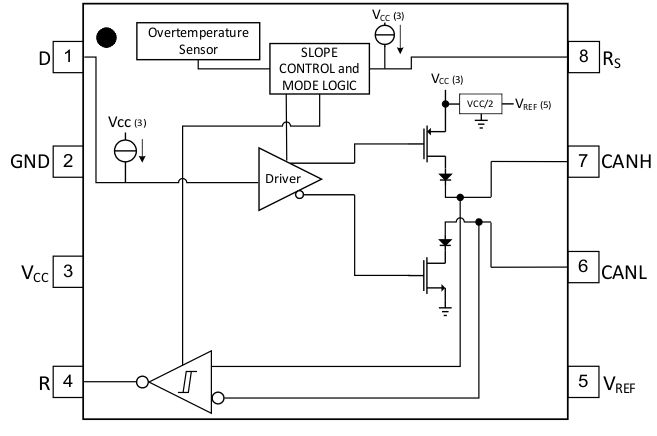
The RSpin (pin 8) on the SN65HVD230 and SN65HVD231 provides three different modes of operation: high speed mode, slope control mode, and low-power mode. The high speed mode of operation is selected by connecting the RSpin to ground, allowing the transmitter output transistors to switch on and off as fast as possible with no limitation on the rise and fall slopes. The rise and fall slopes can also be adjusted by connecting a resistor in series between the RSpin and ground. The slope will be proportional to the pin’s output current. With a resistor value of 10 kΩ the device will have a slew rate of ~15 V/µs, and with a resistor value of 100 kΩ the device will have a slew rate of ~2 V/µs. SeeApplication Informationfor more information.
The SN65HVD230 enters a low current standby mode (listen only) during which the driver is switched off and the receiver remains active if a high logic level is applied to the RSpin. This mode provides a lower power consumption mode than normal mode while still allowing the CAN controller to monitor the bus for activity indicating it should return the transceiver to normal mode or slope control mode. The host controller (MCU, DSP) returns the device to a transmitting mode (high speed or slope control) when it wants to transmit a message to the bus or if during standby mode it received bus traffic indicating the need to once again be ready to transmit.
The difference between the SN65HVD230 and the SN65HVD231 is that both the driver and the receiver are switched off in the SN65HVD231 when a high logic level is applied to the RSpin. In this sleep mode the device will not be able to transmit messages to the bus or receive messages from the bus. The device will remain in sleep mode until it is reactivated by applying a low logic level on the RSpin.
The SN65HVD230, SN65HVD231, and SN65HVD232 controller area network (CAN) transceivers are compatible to the specifications of the ISO 11898-2 High Speed CAN Physical Layer standard (transceiver). These devices are designed for data rates up to 1 megabit per second (Mbps), and include many protection features providing device and CAN network robustness. The SN65HVD23x transceivers are designed for use with the Texas Instruments 3.3 V µPs, MCUs and DSPs with CAN controllers, or with equivalent protocol controller devices. The devices are intended for use in applications employing the CAN serial communication physical layer in accordance with the ISO 11898 standard.
Designed for operation in especially harsh environments, these devices feature cross wire protection, loss of ground and overvoltage protection, overtemperature protection, as well as wide common mode range of operation.
The CAN transceiver is the CAN physical layer and interfaces the single ended host CAN protocol controller with the differential CAN bus found in industrial, building automation, and automotive applications. These devices operate over a -2 V to 7 V common mode range on the bus, and can withstand common mode transients of ±25 V.
The RSpin (pin 8) on the SN65HVD230 and SN65HVD231 provides three different modes of operation: high speed mode, slope control mode, and low-power mode. The high speed mode of operation is selected by connecting the RSpin to ground, allowing the transmitter output transistors to switch on and off as fast as possible with no limitation on the rise and fall slopes. The rise and fall slopes can also be adjusted by connecting a resistor in series between the RSpin and ground. The slope will be proportional to the pin’s output current. With a resistor value of 10 kΩ the device will have a slew rate of ~15 V/µs, and with a resistor value of 100 kΩ the device will have a slew rate of ~2 V/µs. SeeApplication Informationfor more information.
The SN65HVD230 enters a low current standby mode (listen only) during which the driver is switched off and the receiver remains active if a high logic level is applied to the RSpin. This mode provides a lower power consumption mode than normal mode while still allowing the CAN controller to monitor the bus for activity indicating it should return the transceiver to normal mode or slope control mode. The host controller (MCU, DSP) returns the device to a transmitting mode (high speed or slope control) when it wants to transmit a message to the bus or if during standby mode it received bus traffic indicating the need to once again be ready to transmit.
The difference between the SN65HVD230 and the SN65HVD231 is that both the driver and the receiver are switched off in the SN65HVD231 when a high logic level is applied to the RSpin. In this sleep mode the device will not be able to transmit messages to the bus or receive messages from the bus. The device will remain in sleep mode until it is reactivated by applying a low logic level on the RSpin. |
65HVD2313.3-V CAN Transceiver with Sleep Mode | Interface | 9 | Active | The SN65HVD230, SN65HVD231, and SN65HVD232 controller area network (CAN) transceivers are compatible to the specifications of the ISO 11898-2 High Speed CAN Physical Layer standard (transceiver). These devices are designed for data rates up to 1 megabit per second (Mbps), and include many protection features providing device and CAN network robustness. The SN65HVD23x transceivers are designed for use with the Texas Instruments 3.3 V µPs, MCUs and DSPs with CAN controllers, or with equivalent protocol controller devices. The devices are intended for use in applications employing the CAN serial communication physical layer in accordance with the ISO 11898 standard.
Designed for operation in especially harsh environments, these devices feature cross wire protection, loss of ground and overvoltage protection, overtemperature protection, as well as wide common mode range of operation.
The CAN transceiver is the CAN physical layer and interfaces the single ended host CAN protocol controller with the differential CAN bus found in industrial, building automation, and automotive applications. These devices operate over a -2 V to 7 V common mode range on the bus, and can withstand common mode transients of ±25 V.
The RSpin (pin 8) on the SN65HVD230 and SN65HVD231 provides three different modes of operation: high speed mode, slope control mode, and low-power mode. The high speed mode of operation is selected by connecting the RSpin to ground, allowing the transmitter output transistors to switch on and off as fast as possible with no limitation on the rise and fall slopes. The rise and fall slopes can also be adjusted by connecting a resistor in series between the RSpin and ground. The slope will be proportional to the pin’s output current. With a resistor value of 10 kΩ the device will have a slew rate of ~15 V/µs, and with a resistor value of 100 kΩ the device will have a slew rate of ~2 V/µs. SeeApplication Informationfor more information.
The SN65HVD230 enters a low current standby mode (listen only) during which the driver is switched off and the receiver remains active if a high logic level is applied to the RSpin. This mode provides a lower power consumption mode than normal mode while still allowing the CAN controller to monitor the bus for activity indicating it should return the transceiver to normal mode or slope control mode. The host controller (MCU, DSP) returns the device to a transmitting mode (high speed or slope control) when it wants to transmit a message to the bus or if during standby mode it received bus traffic indicating the need to once again be ready to transmit.
The difference between the SN65HVD230 and the SN65HVD231 is that both the driver and the receiver are switched off in the SN65HVD231 when a high logic level is applied to the RSpin. In this sleep mode the device will not be able to transmit messages to the bus or receive messages from the bus. The device will remain in sleep mode until it is reactivated by applying a low logic level on the RSpin.
The SN65HVD230, SN65HVD231, and SN65HVD232 controller area network (CAN) transceivers are compatible to the specifications of the ISO 11898-2 High Speed CAN Physical Layer standard (transceiver). These devices are designed for data rates up to 1 megabit per second (Mbps), and include many protection features providing device and CAN network robustness. The SN65HVD23x transceivers are designed for use with the Texas Instruments 3.3 V µPs, MCUs and DSPs with CAN controllers, or with equivalent protocol controller devices. The devices are intended for use in applications employing the CAN serial communication physical layer in accordance with the ISO 11898 standard.
Designed for operation in especially harsh environments, these devices feature cross wire protection, loss of ground and overvoltage protection, overtemperature protection, as well as wide common mode range of operation.
The CAN transceiver is the CAN physical layer and interfaces the single ended host CAN protocol controller with the differential CAN bus found in industrial, building automation, and automotive applications. These devices operate over a -2 V to 7 V common mode range on the bus, and can withstand common mode transients of ±25 V.
The RSpin (pin 8) on the SN65HVD230 and SN65HVD231 provides three different modes of operation: high speed mode, slope control mode, and low-power mode. The high speed mode of operation is selected by connecting the RSpin to ground, allowing the transmitter output transistors to switch on and off as fast as possible with no limitation on the rise and fall slopes. The rise and fall slopes can also be adjusted by connecting a resistor in series between the RSpin and ground. The slope will be proportional to the pin’s output current. With a resistor value of 10 kΩ the device will have a slew rate of ~15 V/µs, and with a resistor value of 100 kΩ the device will have a slew rate of ~2 V/µs. SeeApplication Informationfor more information.
The SN65HVD230 enters a low current standby mode (listen only) during which the driver is switched off and the receiver remains active if a high logic level is applied to the RSpin. This mode provides a lower power consumption mode than normal mode while still allowing the CAN controller to monitor the bus for activity indicating it should return the transceiver to normal mode or slope control mode. The host controller (MCU, DSP) returns the device to a transmitting mode (high speed or slope control) when it wants to transmit a message to the bus or if during standby mode it received bus traffic indicating the need to once again be ready to transmit.
The difference between the SN65HVD230 and the SN65HVD231 is that both the driver and the receiver are switched off in the SN65HVD231 when a high logic level is applied to the RSpin. In this sleep mode the device will not be able to transmit messages to the bus or receive messages from the bus. The device will remain in sleep mode until it is reactivated by applying a low logic level on the RSpin. |
65HVD2323.3-V CAN Transceiver | Drivers, Receivers, Transceivers | 8 | Active | The SN65HVD230Q, SN65HVD231Q, and SN65HVD232Q controller area network (CAN) transceivers are designed for use with the Texas Instruments TMS320Lx240x 3.3-V DSPs with CAN controllers, or with equivalent devices. They are intended for use in applications employing the CAN serial communication physical layer in accordance with the ISO 11898 standard. Each CAN transceiver is designed to provide differential transmit capability to the bus and differential receive capability to a CAN controller at speeds up to 1 Mbps.
Designed for operation in especially-harsh environments, these devices feature cross-wire protection, loss-of-ground and overvoltage protection, overtemperature protection, as well as wide common-mode range.
The transceiver interfaces the single-ended CAN controller with the differential CAN bus found in industrial, building automation, and automotive applications. It operates over a –2-V to 7-V common-mode range on the bus, and it can withstand common-mode transients of ±25 V.
On the SN65HVD230Q and SN65HVD231Q, RS(pin 8) provides three different modes of operation: high-speed, slope control, and low-power modes. The high-speed mode of operation is selected by connecting pin 8 to ground, allowing the transmitter output transistors to switch on and off as fast as possible with no limitation on the rise and fall slopes. The rise and fall slopes can be adjusted by connecting a resistor to ground at pin 8, since the slope is proportional to the pin’s output current. This slope control is implemented with external resistor values of 10 k, to achieve a 15-V/µs slew rate, to 100 k, to achieve a 2-V/µs slew rate.
The circuit of the SN65HVD230Q enters a low-current standby mode during which the driver is switched off and the receiver remains active if a high logic level is applied to RS (pin 8). The DSP controller reverses this low-current standby mode when a dominant state (bus differential voltage > 900 mV typical) occurs on the bus.
The unique difference between the SN65HVD230Q and the SN65HVD231Q is that both the driver and the receiver are switched off in the SN65HVD231Q when a high logic level is applied to RS(pin 8) and remain in this sleep mode until the circuit is reactivated by a low logic level on RS.
The Vref(pin 5 on the SN65HVD230Q and SN65HVD231Q) is available as a VCC/2 voltage reference.
The SN65HVD232Q is a basic CAN transceiver with no added options; pins 5 and 8 are NC, no connection.
The SN65HVD230Q, SN65HVD231Q, and SN65HVD232Q controller area network (CAN) transceivers are designed for use with the Texas Instruments TMS320Lx240x 3.3-V DSPs with CAN controllers, or with equivalent devices. They are intended for use in applications employing the CAN serial communication physical layer in accordance with the ISO 11898 standard. Each CAN transceiver is designed to provide differential transmit capability to the bus and differential receive capability to a CAN controller at speeds up to 1 Mbps.
Designed for operation in especially-harsh environments, these devices feature cross-wire protection, loss-of-ground and overvoltage protection, overtemperature protection, as well as wide common-mode range.
The transceiver interfaces the single-ended CAN controller with the differential CAN bus found in industrial, building automation, and automotive applications. It operates over a –2-V to 7-V common-mode range on the bus, and it can withstand common-mode transients of ±25 V.
On the SN65HVD230Q and SN65HVD231Q, RS(pin 8) provides three different modes of operation: high-speed, slope control, and low-power modes. The high-speed mode of operation is selected by connecting pin 8 to ground, allowing the transmitter output transistors to switch on and off as fast as possible with no limitation on the rise and fall slopes. The rise and fall slopes can be adjusted by connecting a resistor to ground at pin 8, since the slope is proportional to the pin’s output current. This slope control is implemented with external resistor values of 10 k, to achieve a 15-V/µs slew rate, to 100 k, to achieve a 2-V/µs slew rate.
The circuit of the SN65HVD230Q enters a low-current standby mode during which the driver is switched off and the receiver remains active if a high logic level is applied to RS (pin 8). The DSP controller reverses this low-current standby mode when a dominant state (bus differential voltage > 900 mV typical) occurs on the bus.
The unique difference between the SN65HVD230Q and the SN65HVD231Q is that both the driver and the receiver are switched off in the SN65HVD231Q when a high logic level is applied to RS(pin 8) and remain in this sleep mode until the circuit is reactivated by a low logic level on RS.
The Vref(pin 5 on the SN65HVD230Q and SN65HVD231Q) is available as a VCC/2 voltage reference.
The SN65HVD232Q is a basic CAN transceiver with no added options; pins 5 and 8 are NC, no connection. |
65HVD2333.3 V CAN Transceiver with Standby Mode, Loopback | Interface | 9 | Active | The SN65HVD233-Q1, SN65HVD234-Q1, and SN65HVD235-Q1 devices are fault-protected 3.3-V CAN transceivers that are qualified for use in automotive applications. These transceivers work from a 3.3-V supply and are ideal for systems that also leverage a 3.3-V microcontroller, thereby reducing the need for additional components or a separate supply to power the controller and the CAN transceiver. The SN65HVD23x-Q1 transceivers are compatible with the ISO 11898-2 standard and thus are interoperable in mixed networks that employ 5-V CAN and/or 3.3-V CAN transceivers.
Designed for operation in especially harsh environments, the devices feature crosswire protection, overvoltage protection on the CANH and CANL pins up to ±36 V, loss-of-ground protection, overtemperature (thermal shutdown) protection, and common-mode transient protection of ±100 V. These devices operate over a wide –7-V to 12-V common-mode range. These transceivers are the interface between the host CAN controller on the microprocessor and the differential CAN bus used in transportation and automotive applications.
Modes:The RS pin (pin 8) of the SN65HVD233-Q1, SN65HVD234-Q1, and SN65HVD235-Q1 devices provides three modes of operation: high-speed, slope control, and low-power standby mode. The high-speed mode of operation is selected by connecting pin 8 directly to ground, allowing the driver output transistors to switch on and off as fast as possible with no limitation on the rise and fall slope. The rise and fall slope can be adjusted by connecting a resistor between the RS pin and ground. The slope is proportional to the output current of the pin. With a resistor value of 10 kΩ the device driver has a slew rate of approximately 15 V/µs, and with a value of 100 kΩ the device has a slew rate of approximately 2 V/µs. For more information about slope control, seeFeature Description.
The SN65HVD233-Q1, SN65HVD234-Q1, and SN65HVD235-Q1 devices enter a low-current standby (listen-only) mode during which the driver is switched off and the receiver remains active if a high logic level is applied to the RS pin. If the local protocol controller must transmit a message to the bus, it must return also the device to either high-speed mode or slope-control mode via the RS pin.
Loopback (SN65HVD233-Q1):A logic high on the loopback (LBK) pin (pin 5) of the SN65HVD233-Q1 device places the bus output and bus input in a high-impedance state. Internally, the TXD-to-RS path of the device remains active and available for driver-to-receiver loopback that can be used for self-diagnostic node functions without disturbing the bus. For more information on the loopback mode, seeFeature Description.
Ultralow-Current Sleep (SN65HVD234-Q1):The SN65HVD234-Q1 device enters an ultralow-current sleep mode in which both the driver and receiver circuits are deactivated if a low logic level is applied to EN pin (pin 5). The device remains in this sleep mode until the circuit is reactivated by applying a high logic level to pin 5.
Autobaud Loopback (SN65HVD235-Q1):The AB pin (pin 5) of the SN65HVD235-Q1 device implements a bus listen-only loopback feature which allows the local node controller to synchronize its baud rate with that of the CAN bus. In autobaud mode, the bus output of the driver is placed in a high-impedance state while the bus input of the receiver remains active. There is an internal TXD pin to RS pin loopback to assist the controller in baud rate detection, or the autobaud function. For more information on the autobaud mode, seeFeature Description.
The SN65HVD233-Q1, SN65HVD234-Q1, and SN65HVD235-Q1 devices are fault-protected 3.3-V CAN transceivers that are qualified for use in automotive applications. These transceivers work from a 3.3-V supply and are ideal for systems that also leverage a 3.3-V microcontroller, thereby reducing the need for additional components or a separate supply to power the controller and the CAN transceiver. The SN65HVD23x-Q1 transceivers are compatible with the ISO 11898-2 standard and thus are interoperable in mixed networks that employ 5-V CAN and/or 3.3-V CAN transceivers.
Designed for operation in especially harsh environments, the devices feature crosswire protection, overvoltage protection on the CANH and CANL pins up to ±36 V, loss-of-ground protection, overtemperature (thermal shutdown) protection, and common-mode transient protection of ±100 V. These devices operate over a wide –7-V to 12-V common-mode range. These transceivers are the interface between the host CAN controller on the microprocessor and the differential CAN bus used in transportation and automotive applications.
Modes:The RS pin (pin 8) of the SN65HVD233-Q1, SN65HVD234-Q1, and SN65HVD235-Q1 devices provides three modes of operation: high-speed, slope control, and low-power standby mode. The high-speed mode of operation is selected by connecting pin 8 directly to ground, allowing the driver output transistors to switch on and off as fast as possible with no limitation on the rise and fall slope. The rise and fall slope can be adjusted by connecting a resistor between the RS pin and ground. The slope is proportional to the output current of the pin. With a resistor value of 10 kΩ the device driver has a slew rate of approximately 15 V/µs, and with a value of 100 kΩ the device has a slew rate of approximately 2 V/µs. For more information about slope control, seeFeature Description.
The SN65HVD233-Q1, SN65HVD234-Q1, and SN65HVD235-Q1 devices enter a low-current standby (listen-only) mode during which the driver is switched off and the receiver remains active if a high logic level is applied to the RS pin. If the local protocol controller must transmit a message to the bus, it must return also the device to either high-speed mode or slope-control mode via the RS pin.
Loopback (SN65HVD233-Q1):A logic high on the loopback (LBK) pin (pin 5) of the SN65HVD233-Q1 device places the bus output and bus input in a high-impedance state. Internally, the TXD-to-RS path of the device remains active and available for driver-to-receiver loopback that can be used for self-diagnostic node functions without disturbing the bus. For more information on the loopback mode, seeFeature Description.
Ultralow-Current Sleep (SN65HVD234-Q1):The SN65HVD234-Q1 device enters an ultralow-current sleep mode in which both the driver and receiver circuits are deactivated if a low logic level is applied to EN pin (pin 5). The device remains in this sleep mode until the circuit is reactivated by applying a high logic level to pin 5.
Autobaud Loopback (SN65HVD235-Q1):The AB pin (pin 5) of the SN65HVD235-Q1 device implements a bus listen-only loopback feature which allows the local node controller to synchronize its baud rate with that of the CAN bus. In autobaud mode, the bus output of the driver is placed in a high-impedance state while the bus input of the receiver remains active. There is an internal TXD pin to RS pin loopback to assist the controller in baud rate detection, or the autobaud function. For more information on the autobaud mode, seeFeature Description. |
65HVD2343.3 V CAN Transceiver with Sleep Mode | Integrated Circuits (ICs) | 4 | Active | The SN65HVD233-Q1, SN65HVD234-Q1, and SN65HVD235-Q1 devices are fault-protected 3.3-V CAN transceivers that are qualified for use in automotive applications. These transceivers work from a 3.3-V supply and are ideal for systems that also leverage a 3.3-V microcontroller, thereby reducing the need for additional components or a separate supply to power the controller and the CAN transceiver. The SN65HVD23x-Q1 transceivers are compatible with the ISO 11898-2 standard and thus are interoperable in mixed networks that employ 5-V CAN and/or 3.3-V CAN transceivers.
Designed for operation in especially harsh environments, the devices feature crosswire protection, overvoltage protection on the CANH and CANL pins up to ±36 V, loss-of-ground protection, overtemperature (thermal shutdown) protection, and common-mode transient protection of ±100 V. These devices operate over a wide –7-V to 12-V common-mode range. These transceivers are the interface between the host CAN controller on the microprocessor and the differential CAN bus used in transportation and automotive applications.
Modes:The RS pin (pin 8) of the SN65HVD233-Q1, SN65HVD234-Q1, and SN65HVD235-Q1 devices provides three modes of operation: high-speed, slope control, and low-power standby mode. The high-speed mode of operation is selected by connecting pin 8 directly to ground, allowing the driver output transistors to switch on and off as fast as possible with no limitation on the rise and fall slope. The rise and fall slope can be adjusted by connecting a resistor between the RS pin and ground. The slope is proportional to the output current of the pin. With a resistor value of 10 kΩ the device driver has a slew rate of approximately 15 V/µs, and with a value of 100 kΩ the device has a slew rate of approximately 2 V/µs. For more information about slope control, seeFeature Description.
The SN65HVD233-Q1, SN65HVD234-Q1, and SN65HVD235-Q1 devices enter a low-current standby (listen-only) mode during which the driver is switched off and the receiver remains active if a high logic level is applied to the RS pin. If the local protocol controller must transmit a message to the bus, it must return also the device to either high-speed mode or slope-control mode via the RS pin.
Loopback (SN65HVD233-Q1):A logic high on the loopback (LBK) pin (pin 5) of the SN65HVD233-Q1 device places the bus output and bus input in a high-impedance state. Internally, the TXD-to-RS path of the device remains active and available for driver-to-receiver loopback that can be used for self-diagnostic node functions without disturbing the bus. For more information on the loopback mode, seeFeature Description.
Ultralow-Current Sleep (SN65HVD234-Q1):The SN65HVD234-Q1 device enters an ultralow-current sleep mode in which both the driver and receiver circuits are deactivated if a low logic level is applied to EN pin (pin 5). The device remains in this sleep mode until the circuit is reactivated by applying a high logic level to pin 5.
Autobaud Loopback (SN65HVD235-Q1):The AB pin (pin 5) of the SN65HVD235-Q1 device implements a bus listen-only loopback feature which allows the local node controller to synchronize its baud rate with that of the CAN bus. In autobaud mode, the bus output of the driver is placed in a high-impedance state while the bus input of the receiver remains active. There is an internal TXD pin to RS pin loopback to assist the controller in baud rate detection, or the autobaud function. For more information on the autobaud mode, seeFeature Description.
The SN65HVD233-Q1, SN65HVD234-Q1, and SN65HVD235-Q1 devices are fault-protected 3.3-V CAN transceivers that are qualified for use in automotive applications. These transceivers work from a 3.3-V supply and are ideal for systems that also leverage a 3.3-V microcontroller, thereby reducing the need for additional components or a separate supply to power the controller and the CAN transceiver. The SN65HVD23x-Q1 transceivers are compatible with the ISO 11898-2 standard and thus are interoperable in mixed networks that employ 5-V CAN and/or 3.3-V CAN transceivers.
Designed for operation in especially harsh environments, the devices feature crosswire protection, overvoltage protection on the CANH and CANL pins up to ±36 V, loss-of-ground protection, overtemperature (thermal shutdown) protection, and common-mode transient protection of ±100 V. These devices operate over a wide –7-V to 12-V common-mode range. These transceivers are the interface between the host CAN controller on the microprocessor and the differential CAN bus used in transportation and automotive applications.
Modes:The RS pin (pin 8) of the SN65HVD233-Q1, SN65HVD234-Q1, and SN65HVD235-Q1 devices provides three modes of operation: high-speed, slope control, and low-power standby mode. The high-speed mode of operation is selected by connecting pin 8 directly to ground, allowing the driver output transistors to switch on and off as fast as possible with no limitation on the rise and fall slope. The rise and fall slope can be adjusted by connecting a resistor between the RS pin and ground. The slope is proportional to the output current of the pin. With a resistor value of 10 kΩ the device driver has a slew rate of approximately 15 V/µs, and with a value of 100 kΩ the device has a slew rate of approximately 2 V/µs. For more information about slope control, seeFeature Description.
The SN65HVD233-Q1, SN65HVD234-Q1, and SN65HVD235-Q1 devices enter a low-current standby (listen-only) mode during which the driver is switched off and the receiver remains active if a high logic level is applied to the RS pin. If the local protocol controller must transmit a message to the bus, it must return also the device to either high-speed mode or slope-control mode via the RS pin.
Loopback (SN65HVD233-Q1):A logic high on the loopback (LBK) pin (pin 5) of the SN65HVD233-Q1 device places the bus output and bus input in a high-impedance state. Internally, the TXD-to-RS path of the device remains active and available for driver-to-receiver loopback that can be used for self-diagnostic node functions without disturbing the bus. For more information on the loopback mode, seeFeature Description.
Ultralow-Current Sleep (SN65HVD234-Q1):The SN65HVD234-Q1 device enters an ultralow-current sleep mode in which both the driver and receiver circuits are deactivated if a low logic level is applied to EN pin (pin 5). The device remains in this sleep mode until the circuit is reactivated by applying a high logic level to pin 5.
Autobaud Loopback (SN65HVD235-Q1):The AB pin (pin 5) of the SN65HVD235-Q1 device implements a bus listen-only loopback feature which allows the local node controller to synchronize its baud rate with that of the CAN bus. In autobaud mode, the bus output of the driver is placed in a high-impedance state while the bus input of the receiver remains active. There is an internal TXD pin to RS pin loopback to assist the controller in baud rate detection, or the autobaud function. For more information on the autobaud mode, seeFeature Description. |
65HVD2353.3V CAN with Standby Mode, Autobaud Loop-back | Interface | 4 | Active | The SN65HVD233-Q1, SN65HVD234-Q1, and SN65HVD235-Q1 devices are fault-protected 3.3-V CAN transceivers that are qualified for use in automotive applications. These transceivers work from a 3.3-V supply and are ideal for systems that also leverage a 3.3-V microcontroller, thereby reducing the need for additional components or a separate supply to power the controller and the CAN transceiver. The SN65HVD23x-Q1 transceivers are compatible with the ISO 11898-2 standard and thus are interoperable in mixed networks that employ 5-V CAN and/or 3.3-V CAN transceivers.
Designed for operation in especially harsh environments, the devices feature crosswire protection, overvoltage protection on the CANH and CANL pins up to ±36 V, loss-of-ground protection, overtemperature (thermal shutdown) protection, and common-mode transient protection of ±100 V. These devices operate over a wide –7-V to 12-V common-mode range. These transceivers are the interface between the host CAN controller on the microprocessor and the differential CAN bus used in transportation and automotive applications.
Modes:The RS pin (pin 8) of the SN65HVD233-Q1, SN65HVD234-Q1, and SN65HVD235-Q1 devices provides three modes of operation: high-speed, slope control, and low-power standby mode. The high-speed mode of operation is selected by connecting pin 8 directly to ground, allowing the driver output transistors to switch on and off as fast as possible with no limitation on the rise and fall slope. The rise and fall slope can be adjusted by connecting a resistor between the RS pin and ground. The slope is proportional to the output current of the pin. With a resistor value of 10 kΩ the device driver has a slew rate of approximately 15 V/µs, and with a value of 100 kΩ the device has a slew rate of approximately 2 V/µs. For more information about slope control, seeFeature Description.
The SN65HVD233-Q1, SN65HVD234-Q1, and SN65HVD235-Q1 devices enter a low-current standby (listen-only) mode during which the driver is switched off and the receiver remains active if a high logic level is applied to the RS pin. If the local protocol controller must transmit a message to the bus, it must return also the device to either high-speed mode or slope-control mode via the RS pin.
Loopback (SN65HVD233-Q1):A logic high on the loopback (LBK) pin (pin 5) of the SN65HVD233-Q1 device places the bus output and bus input in a high-impedance state. Internally, the TXD-to-RS path of the device remains active and available for driver-to-receiver loopback that can be used for self-diagnostic node functions without disturbing the bus. For more information on the loopback mode, seeFeature Description.
Ultralow-Current Sleep (SN65HVD234-Q1):The SN65HVD234-Q1 device enters an ultralow-current sleep mode in which both the driver and receiver circuits are deactivated if a low logic level is applied to EN pin (pin 5). The device remains in this sleep mode until the circuit is reactivated by applying a high logic level to pin 5.
Autobaud Loopback (SN65HVD235-Q1):The AB pin (pin 5) of the SN65HVD235-Q1 device implements a bus listen-only loopback feature which allows the local node controller to synchronize its baud rate with that of the CAN bus. In autobaud mode, the bus output of the driver is placed in a high-impedance state while the bus input of the receiver remains active. There is an internal TXD pin to RS pin loopback to assist the controller in baud rate detection, or the autobaud function. For more information on the autobaud mode, seeFeature Description.
The SN65HVD233-Q1, SN65HVD234-Q1, and SN65HVD235-Q1 devices are fault-protected 3.3-V CAN transceivers that are qualified for use in automotive applications. These transceivers work from a 3.3-V supply and are ideal for systems that also leverage a 3.3-V microcontroller, thereby reducing the need for additional components or a separate supply to power the controller and the CAN transceiver. The SN65HVD23x-Q1 transceivers are compatible with the ISO 11898-2 standard and thus are interoperable in mixed networks that employ 5-V CAN and/or 3.3-V CAN transceivers.
Designed for operation in especially harsh environments, the devices feature crosswire protection, overvoltage protection on the CANH and CANL pins up to ±36 V, loss-of-ground protection, overtemperature (thermal shutdown) protection, and common-mode transient protection of ±100 V. These devices operate over a wide –7-V to 12-V common-mode range. These transceivers are the interface between the host CAN controller on the microprocessor and the differential CAN bus used in transportation and automotive applications.
Modes:The RS pin (pin 8) of the SN65HVD233-Q1, SN65HVD234-Q1, and SN65HVD235-Q1 devices provides three modes of operation: high-speed, slope control, and low-power standby mode. The high-speed mode of operation is selected by connecting pin 8 directly to ground, allowing the driver output transistors to switch on and off as fast as possible with no limitation on the rise and fall slope. The rise and fall slope can be adjusted by connecting a resistor between the RS pin and ground. The slope is proportional to the output current of the pin. With a resistor value of 10 kΩ the device driver has a slew rate of approximately 15 V/µs, and with a value of 100 kΩ the device has a slew rate of approximately 2 V/µs. For more information about slope control, seeFeature Description.
The SN65HVD233-Q1, SN65HVD234-Q1, and SN65HVD235-Q1 devices enter a low-current standby (listen-only) mode during which the driver is switched off and the receiver remains active if a high logic level is applied to the RS pin. If the local protocol controller must transmit a message to the bus, it must return also the device to either high-speed mode or slope-control mode via the RS pin.
Loopback (SN65HVD233-Q1):A logic high on the loopback (LBK) pin (pin 5) of the SN65HVD233-Q1 device places the bus output and bus input in a high-impedance state. Internally, the TXD-to-RS path of the device remains active and available for driver-to-receiver loopback that can be used for self-diagnostic node functions without disturbing the bus. For more information on the loopback mode, seeFeature Description.
Ultralow-Current Sleep (SN65HVD234-Q1):The SN65HVD234-Q1 device enters an ultralow-current sleep mode in which both the driver and receiver circuits are deactivated if a low logic level is applied to EN pin (pin 5). The device remains in this sleep mode until the circuit is reactivated by applying a high logic level to pin 5.
Autobaud Loopback (SN65HVD235-Q1):The AB pin (pin 5) of the SN65HVD235-Q1 device implements a bus listen-only loopback feature which allows the local node controller to synchronize its baud rate with that of the CAN bus. In autobaud mode, the bus output of the driver is placed in a high-impedance state while the bus input of the receiver remains active. There is an internal TXD pin to RS pin loopback to assist the controller in baud rate detection, or the autobaud function. For more information on the autobaud mode, seeFeature Description. |
| Integrated Circuits (ICs) | 1 | Obsolete | ||
65HVD251High Speed CAN Transceiver with Short Loop Delay | Drivers, Receivers, Transceivers | 6 | Active | The HVD251 is intended for use in applications employing the Controller Area Network (CAN) serial communication physical layer in accordance with the ISO 11898 Standard. The HVD251 provides differential transmit capability to the bus and differential receive capability to a CAN controller at speeds up to 1 megabits per second (Mbps).
Designed for operation in harsh environments, the device features cross-wire, overvoltage and loss of ground protection to ±36 V. Also featured are overtemperature protection as well as –7-V to 12-V common-mode range, and tolerance to transients of ±200 V. The transceiver interfaces the single-ended CAN controller with the differential CAN bus found in industrial, building automation, and automotive applications.
Rs, pin 8, selects one of three different modes of operation: high-speed, slope control, or low-power mode. The high-speed mode of operation is selected by connecting pin 8 to ground, allowing the transmitter output transistors to switch as fast as possible with no limitation on the rise and fall slope. The rise and fall slope can be adjusted by connecting a resistor to ground at pin 8; the slope is proportional to the pin’s output current. Slope control with an external resistor value of 10 kΩ gives about 15-V / µs slew rate; 100 kΩ gives about 2-V/µs slew rate.
If a high logic level is applied to the Rs pin 8, the device enters a low-current standby mode where the driver is switched off and the receiver remains active. The local protocol controller returns the device to the normal mode when it transmits to the bus.
The HVD251 is intended for use in applications employing the Controller Area Network (CAN) serial communication physical layer in accordance with the ISO 11898 Standard. The HVD251 provides differential transmit capability to the bus and differential receive capability to a CAN controller at speeds up to 1 megabits per second (Mbps).
Designed for operation in harsh environments, the device features cross-wire, overvoltage and loss of ground protection to ±36 V. Also featured are overtemperature protection as well as –7-V to 12-V common-mode range, and tolerance to transients of ±200 V. The transceiver interfaces the single-ended CAN controller with the differential CAN bus found in industrial, building automation, and automotive applications.
Rs, pin 8, selects one of three different modes of operation: high-speed, slope control, or low-power mode. The high-speed mode of operation is selected by connecting pin 8 to ground, allowing the transmitter output transistors to switch as fast as possible with no limitation on the rise and fall slope. The rise and fall slope can be adjusted by connecting a resistor to ground at pin 8; the slope is proportional to the pin’s output current. Slope control with an external resistor value of 10 kΩ gives about 15-V / µs slew rate; 100 kΩ gives about 2-V/µs slew rate.
If a high logic level is applied to the Rs pin 8, the device enters a low-current standby mode where the driver is switched off and the receiver remains active. The local protocol controller returns the device to the normal mode when it transmits to the bus. |
65HVD252INDUSTRIAL CAN TRANSCEIVERS | Drivers, Receivers, Transceivers | 1 | Active | The SN65HVD252 and SN65HVD253 CAN transceivers meet or exceed the specifications of DeviceNet and are compatible to the ISO 11898-2:2003 standard for use in applications employing a controller area network (CAN). This device provides differential transmit and receive capability at signaling rates up to 1 megabit per second (Mbps).
Designed for operation in harsh industrial environments, these devices feature bus-pin voltage protection from –36 V to 40 V, driver output current limiting, and overtemperature driver shutdown.
Pin 8 provides for two different modes of operation: normal and silent mode. The normal mode of operation is selected by connecting S (pin 8) to ground. If a high logic level is applied to the S pin, the device enters a listen-only silent mode during which the driver is inactive while the receiver remains fully functional.
The Vref pin 5 of the SN65HVD252 is a VCC/2 voltage reference for systems which use split termination.
The AB pin of the SN65HVD253 implements a listen-only loopback feature which allows the local node controller to synchronize its baud rate with that of the CAN bus. In loopback mode, the driver differential outputs are placed in high-impedance state while the receiver bus inputs remain active. For more information on the loopback mode, see theApplication Informationsection.
The SN65HVD252 and SN65HVD253 are characterized for operation from –40°C to 85°C.
The SN65HVD252 and SN65HVD253 CAN transceivers meet or exceed the specifications of DeviceNet and are compatible to the ISO 11898-2:2003 standard for use in applications employing a controller area network (CAN). This device provides differential transmit and receive capability at signaling rates up to 1 megabit per second (Mbps).
Designed for operation in harsh industrial environments, these devices feature bus-pin voltage protection from –36 V to 40 V, driver output current limiting, and overtemperature driver shutdown.
Pin 8 provides for two different modes of operation: normal and silent mode. The normal mode of operation is selected by connecting S (pin 8) to ground. If a high logic level is applied to the S pin, the device enters a listen-only silent mode during which the driver is inactive while the receiver remains fully functional.
The Vref pin 5 of the SN65HVD252 is a VCC/2 voltage reference for systems which use split termination.
The AB pin of the SN65HVD253 implements a listen-only loopback feature which allows the local node controller to synchronize its baud rate with that of the CAN bus. In loopback mode, the driver differential outputs are placed in high-impedance state while the receiver bus inputs remain active. For more information on the loopback mode, see theApplication Informationsection.
The SN65HVD252 and SN65HVD253 are characterized for operation from –40°C to 85°C. |