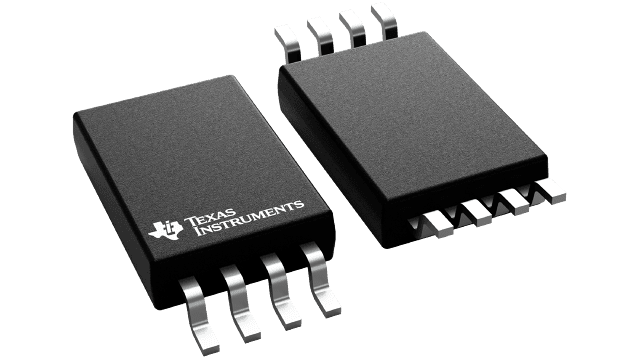
T
Texas Instruments
| Series | Category | # Parts | Status | Description |
|---|---|---|---|---|
| Part | Spec A | Spec B | Spec C | Spec D | Description |
|---|---|---|---|---|---|



| Series | Category | # Parts | Status | Description |
|---|---|---|---|---|
| Part | Spec A | Spec B | Spec C | Spec D | Description |
|---|---|---|---|---|---|
| Part | Category | Description |
|---|---|---|
 Texas Instruments | Integrated Circuits (ICs) | BUS DRIVER, BCT/FBT SERIES |
 Texas Instruments | Integrated Circuits (ICs) | 12BIT 3.3V~3.6V 210MHZ PARALLEL VQFN-48-EP(7X7) ANALOG TO DIGITAL CONVERTERS (ADC) ROHS |
Texas Instruments | Integrated Circuits (ICs) | TMX320DRE311 179PIN UBGA 200MHZ |
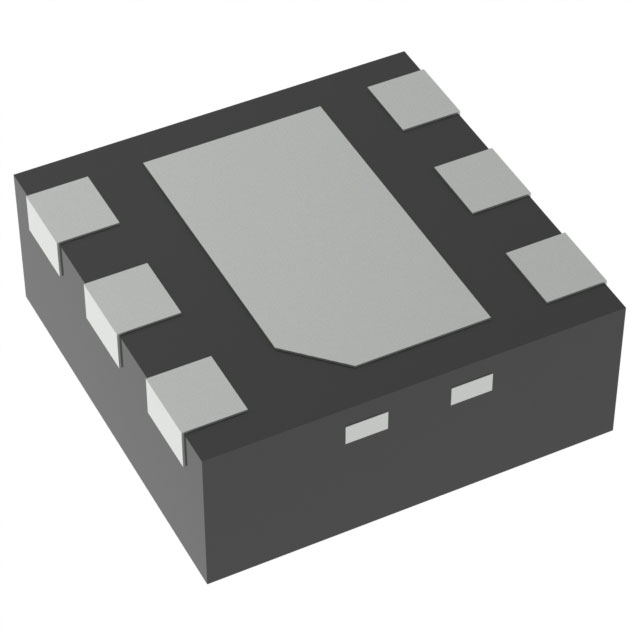 Texas Instruments TPS61040DRVTG4Unknown | Integrated Circuits (ICs) | IC LED DRV RGLTR PWM 350MA 6WSON |
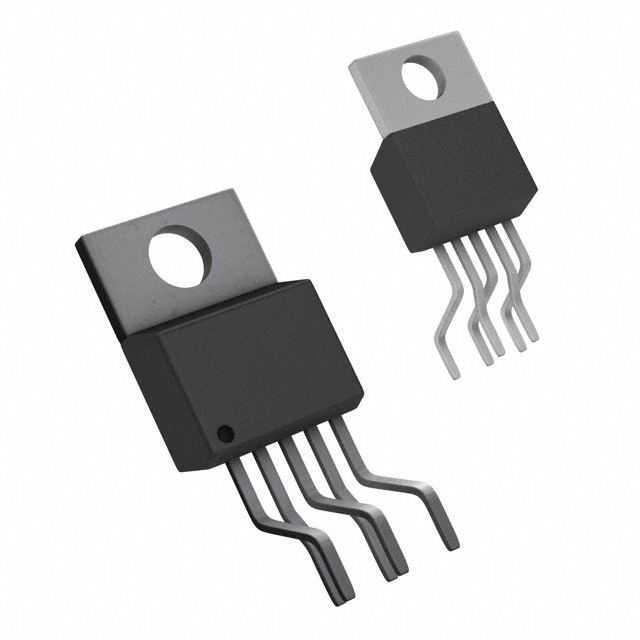 Texas Instruments LP3876ET-2.5Obsolete | Integrated Circuits (ICs) | IC REG LINEAR 2.5V 3A TO220-5 |
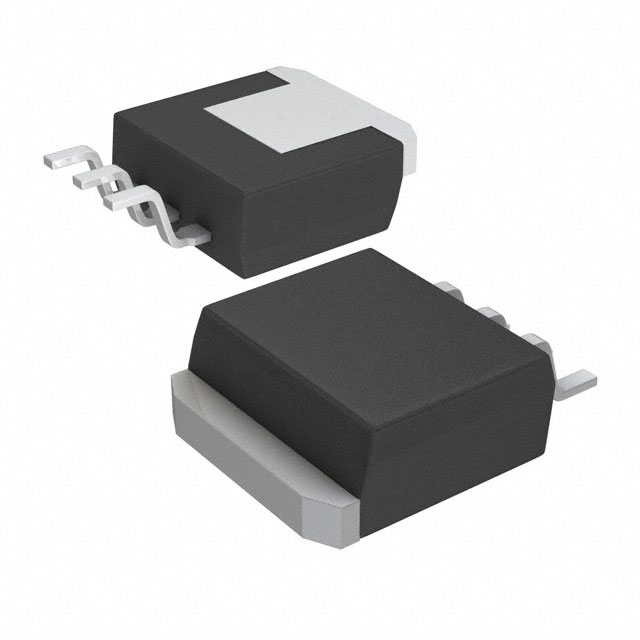 Texas Instruments LMS1585ACSX-ADJObsolete | Integrated Circuits (ICs) | IC REG LIN POS ADJ 5A DDPAK |
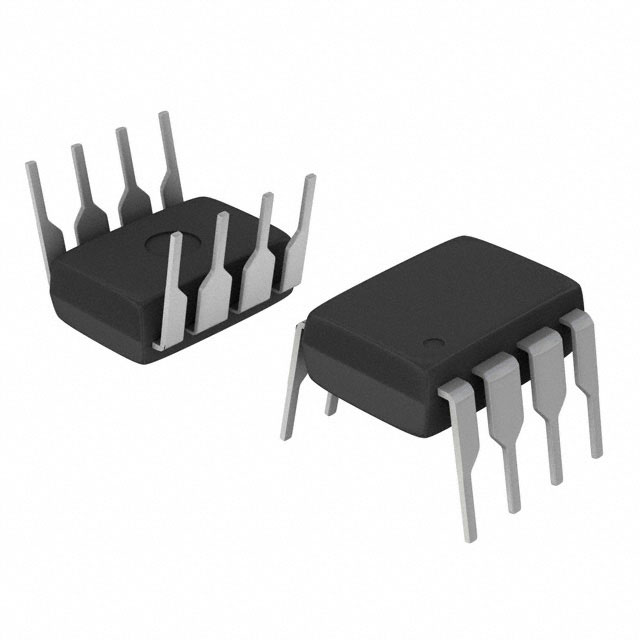 Texas Instruments INA111APG4Obsolete | Integrated Circuits (ICs) | IC INST AMP 1 CIRCUIT 8DIP |
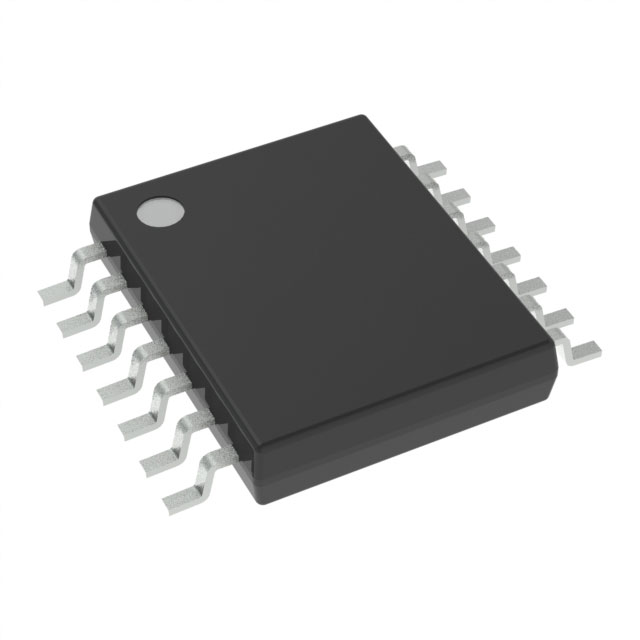 Texas Instruments | Integrated Circuits (ICs) | AUTOMOTIVE, QUAD 36V 1.2MHZ OPERATIONAL AMPLIFIER |
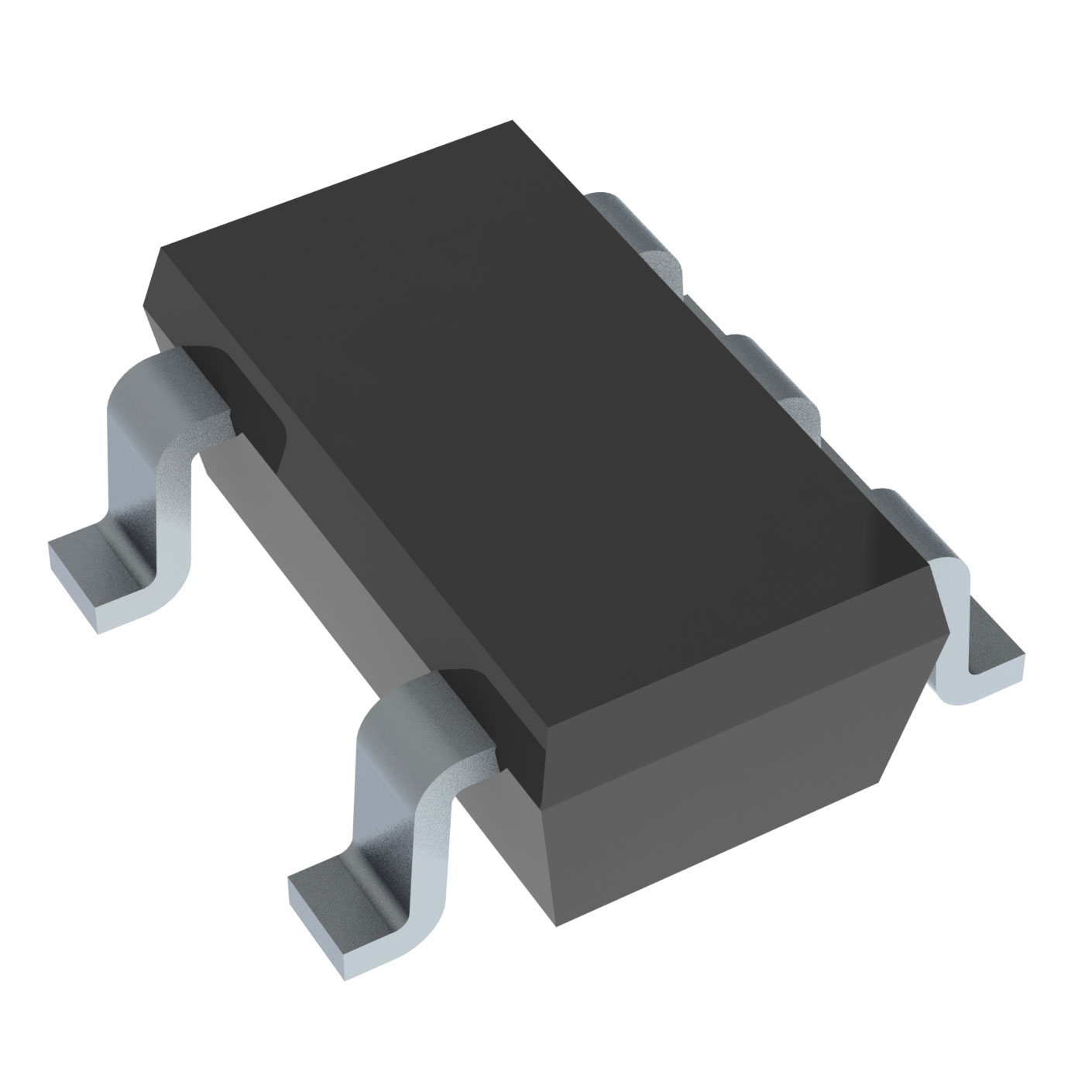 Texas Instruments OPA340NA/3KG4Unknown | Integrated Circuits (ICs) | IC OPAMP GP 1 CIRCUIT SOT23-5 |
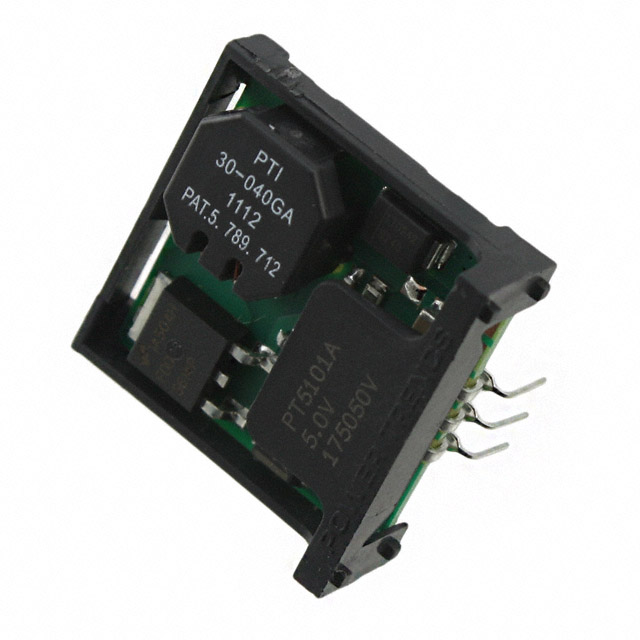 Texas Instruments PT5112AObsolete | Power Supplies - Board Mount | DC DC CONVERTER 8V 8W |
| Series | Category | # Parts | Status | Description |
|---|---|---|---|---|
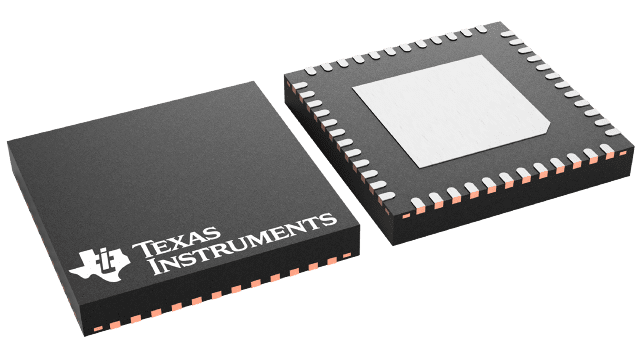
CDCM6208V1F2:8 ultra-low power, low jitter clock generator, pin mode variant F | Clock/Timing | 2 | Active | The CDCM6208V1F is a highly versatile, low jitter, low-power frequency synthesizer that can generate eight low jitter clock outputs, selectable between LVPECL-like high-swing CML, normal-swing CML, LVDS-like low-power CML, HCSL, or LVCMOS, from one of two inputs that can feature a low frequency crystal or CML, LVPECL, LVDS, or LVCMOS signals for a variety of wireless infrastructure baseband, wireline data communication, computing, low power medical imaging and portable test and measurement applications. The CDCM6208V1F also features aninnovativefractional divider architecture for four of its outputs that can generate any frequency with better than 1ppm frequency accuracy. The CDCM6208V1F can be easily configured through I2C or SPI programming interface and in the absence of serial interface, pin mode is also available that can set the device in 1 of 32 distinct pre-programmed configurations using control pins.
Insynthesizer mode, the overall output jitter performance is less than 0.5 ps-rms (10 k – 20 MHz) or 20 ps-pp (unbound) on output using integer dividers and is between 50 to 220 ps-pp (10 k – 40 MHz) on outputs using fractional dividers depending on the prescaler output frequency.
Injitter cleaner mode, the overall output jitter is less than 2.1 ps-rms (10 k – 20 MHz) or 40 ps-pp on output using integer dividers and is less than 70 ps to 240 ps-pp on outputs using fractional dividers. The CDCM6208V1F is packaged in a small 48-pin 7 mm × 7 mm QFN package.
The CDCM6208V1F is a highly versatile, low jitter, low-power frequency synthesizer that can generate eight low jitter clock outputs, selectable between LVPECL-like high-swing CML, normal-swing CML, LVDS-like low-power CML, HCSL, or LVCMOS, from one of two inputs that can feature a low frequency crystal or CML, LVPECL, LVDS, or LVCMOS signals for a variety of wireless infrastructure baseband, wireline data communication, computing, low power medical imaging and portable test and measurement applications. The CDCM6208V1F also features aninnovativefractional divider architecture for four of its outputs that can generate any frequency with better than 1ppm frequency accuracy. The CDCM6208V1F can be easily configured through I2C or SPI programming interface and in the absence of serial interface, pin mode is also available that can set the device in 1 of 32 distinct pre-programmed configurations using control pins.
Insynthesizer mode, the overall output jitter performance is less than 0.5 ps-rms (10 k – 20 MHz) or 20 ps-pp (unbound) on output using integer dividers and is between 50 to 220 ps-pp (10 k – 40 MHz) on outputs using fractional dividers depending on the prescaler output frequency.
Injitter cleaner mode, the overall output jitter is less than 2.1 ps-rms (10 k – 20 MHz) or 40 ps-pp on output using integer dividers and is less than 70 ps to 240 ps-pp on outputs using fractional dividers. The CDCM6208V1F is packaged in a small 48-pin 7 mm × 7 mm QFN package. |
CDCM6208V2G2:8 ultra-low power, low jitter clock generator, pin mode variant V2G | Clock/Timing | 2 | Active | The CDCM6208V2G is a highly versatile, low jitter, low-power frequency synthesizer that can generate eight low jitter clock outputs, selectable between LVPECL-like high-swing CML, normal-swing CML, LVDS-like low-power CML, HCSL, or LVCMOS, from one of two inputs that can feature a low frequency crystal or CML, LVPECL, LVDS, or LVCMOS signals for a variety of wireless infrastructure baseband, wireline data communication, computing, low power medical imaging and portable test and measurement applications. The CDCM6208V2G also features aninnovativefractional divider architecture for four of its outputs that can generate any frequency with better than 1ppm frequency accuracy. The CDCM6208V2G can be easily configured through I2C or SPI programming interface and in the absence of serial interface, pin mode is also available that can set the device in 1 of 32 distinct pre-programmed configurations using control pins.
Insynthesizer mode, the overall output jitter performance is less than 0.5 ps-rms (10 k – 20 MHz) or 20 ps-pp (unbound) on output using integer dividers and is between 50 to 220 ps-pp (10 k – 40 MHz) on outputs using fractional dividers depending on the prescaler output frequency.
Injitter cleaner mode, the overall output jitter is less than 2.1 ps-rms (10 k – 20 MHz) or 40 ps-pp on output using integer dividers and is less than 70 ps to 240 ps-pp on outputs using fractional dividers. The CDCM6208V2G is packaged in a small 48-pin 7 mm × 7 mm QFN package.
The CDCM6208V2G is a highly versatile, low jitter, low-power frequency synthesizer that can generate eight low jitter clock outputs, selectable between LVPECL-like high-swing CML, normal-swing CML, LVDS-like low-power CML, HCSL, or LVCMOS, from one of two inputs that can feature a low frequency crystal or CML, LVPECL, LVDS, or LVCMOS signals for a variety of wireless infrastructure baseband, wireline data communication, computing, low power medical imaging and portable test and measurement applications. The CDCM6208V2G also features aninnovativefractional divider architecture for four of its outputs that can generate any frequency with better than 1ppm frequency accuracy. The CDCM6208V2G can be easily configured through I2C or SPI programming interface and in the absence of serial interface, pin mode is also available that can set the device in 1 of 32 distinct pre-programmed configurations using control pins.
Insynthesizer mode, the overall output jitter performance is less than 0.5 ps-rms (10 k – 20 MHz) or 20 ps-pp (unbound) on output using integer dividers and is between 50 to 220 ps-pp (10 k – 40 MHz) on outputs using fractional dividers depending on the prescaler output frequency.
Injitter cleaner mode, the overall output jitter is less than 2.1 ps-rms (10 k – 20 MHz) or 40 ps-pp on output using integer dividers and is less than 70 ps to 240 ps-pp on outputs using fractional dividers. The CDCM6208V2G is packaged in a small 48-pin 7 mm × 7 mm QFN package. |
| Clock Generators, PLLs, Frequency Synthesizers | 6 | Active | ||
CDCM9102Low noise two channel 100-MHz PCIe clock generator | Integrated Circuits (ICs) | 1 | Active | The CDCM9102 is a low-jitter clock generator designed to provide reference clocks for communications standards such as PCI Express™. The device supports up to PCIE gen3 and is easy to configure and use. The CDCM9102 provides two 100-MHz differential clock ports. The output types supported for these ports include LVPECL, LVDS, or a pair of LVCMOS buffers. HCSL signaling is supported using an AC-coupled network. The user configures the output buffer type desired by strapping device pins. Additionally, a single-ended 25-MHz clock output port is provided. Uses for this port include general-purpose clocking, clocking Ethernet PHYs, or providing a reference clock for additional clock generators. All clocks generated are derived from a single external 25-MHz crystal.
The CDCM9102 is a low-jitter clock generator designed to provide reference clocks for communications standards such as PCI Express™. The device supports up to PCIE gen3 and is easy to configure and use. The CDCM9102 provides two 100-MHz differential clock ports. The output types supported for these ports include LVPECL, LVDS, or a pair of LVCMOS buffers. HCSL signaling is supported using an AC-coupled network. The user configures the output buffer type desired by strapping device pins. Additionally, a single-ended 25-MHz clock output port is provided. Uses for this port include general-purpose clocking, clocking Ethernet PHYs, or providing a reference clock for additional clock generators. All clocks generated are derived from a single external 25-MHz crystal. |
| Clock Buffers, Drivers | 5 | Active | ||
| Integrated Circuits (ICs) | 2 | Obsolete | ||
| Integrated Circuits (ICs) | 2 | Obsolete | ||
CDCR83ADirect Rambus™ clock generator | Integrated Circuits (ICs) | 5 | Active | The Direct Rambus clock generator (DRCG) provides the necessary clock signals to support a Direct Rambus memory subsystem. It includes signals to synchronize the Direct Rambus channel clock to an external system or processor clock. It is designed to support Direct Rambus memory on a desktop, workstation, server, and mobile PC motherboards. DRCG also provides an off-the-shelf solution for a broad range of Direct Rambus memory applications.
The DRCG provides clock multiplication and phase alignment for a Direct Rambus memory subsystem to enable synchronous communication between the Rambus channel and ASIC clock domains. In a Direct Rambus memory subsystem, a system clock source provides the REFCLK and PCLK clock references to the DRCG and memory controller, respectively. The DRCG multiplies REFCLK and drives a high-speed BUSCLK to RDRAMs and the memory controller. Gear ratio logic in the memory controller divides the PCLK and BUSCLK frequencies by ratios M and N such that PCLKM = SYNCLKN, where SYNCLK = BUSCLK/4. The DRCG detects the phase difference between PCLKM and SYNCLKN and adjusts the phase of BUSCLK such that the skew between PCLKM and SYNCLKN is minimized. This allows data to be transferred across the SYNCLK/PCLK boundary without incurring additional latency.
User control is provided by multiply and mode selection terminals. The multiply terminals provide selection of one of four clock frequency multiply ratios, generating BUSCLK frequencies ranging from 267 MHz to 400 MHz with clock references ranging from 33 MHz to 100 MHz. The mode select terminals can be used to select a bypass mode where the frequency multiplied reference clock is directly output to the Rambus channel for systems where synchronization between the Rambus clock and a system clock is not required. Test modes are provided to bypass the PLL and output REFCLK on the Rambus channel and to place the outputs in a high-impedance state for board testing.
The CDCR83A has a fail-safe power up initialization state-machine which supports proper operation under all power up conditions.
The CDCR83A is characterized for operation over free-air temperatures of –40°C to 85°C.
The Direct Rambus clock generator (DRCG) provides the necessary clock signals to support a Direct Rambus memory subsystem. It includes signals to synchronize the Direct Rambus channel clock to an external system or processor clock. It is designed to support Direct Rambus memory on a desktop, workstation, server, and mobile PC motherboards. DRCG also provides an off-the-shelf solution for a broad range of Direct Rambus memory applications.
The DRCG provides clock multiplication and phase alignment for a Direct Rambus memory subsystem to enable synchronous communication between the Rambus channel and ASIC clock domains. In a Direct Rambus memory subsystem, a system clock source provides the REFCLK and PCLK clock references to the DRCG and memory controller, respectively. The DRCG multiplies REFCLK and drives a high-speed BUSCLK to RDRAMs and the memory controller. Gear ratio logic in the memory controller divides the PCLK and BUSCLK frequencies by ratios M and N such that PCLKM = SYNCLKN, where SYNCLK = BUSCLK/4. The DRCG detects the phase difference between PCLKM and SYNCLKN and adjusts the phase of BUSCLK such that the skew between PCLKM and SYNCLKN is minimized. This allows data to be transferred across the SYNCLK/PCLK boundary without incurring additional latency.
User control is provided by multiply and mode selection terminals. The multiply terminals provide selection of one of four clock frequency multiply ratios, generating BUSCLK frequencies ranging from 267 MHz to 400 MHz with clock references ranging from 33 MHz to 100 MHz. The mode select terminals can be used to select a bypass mode where the frequency multiplied reference clock is directly output to the Rambus channel for systems where synchronization between the Rambus clock and a system clock is not required. Test modes are provided to bypass the PLL and output REFCLK on the Rambus channel and to place the outputs in a high-impedance state for board testing.
The CDCR83A has a fail-safe power up initialization state-machine which supports proper operation under all power up conditions.
The CDCR83A is characterized for operation over free-air temperatures of –40°C to 85°C. |
CDCS501Clock driver with optional spread-spectrum clocking | Clock/Timing | 1 | Active | The CDCS501 is a spread spectrum capable, LVCMOS Input Clock Buffer for EMI reduction.
The device is designed to counter common EMI problems in modern electronic designs.
It accepts a 3.3V LVCMOS signal at the input and spread this signal by a small amount, centered around the input frequency. The amount of spread can be selected via 3 control pins. The Functional Table contains detailed information on the amount of spread. A 4th control pin can be used to activate or deactivate the Spread Spectrum Clock Generator.
Selecting SSC_ON = off will turn the Spread Spectrum Clock Generator off only. The device will still pass the LVCMOS signal that’s presented at its input trough to its output. This pin is low active.
The wide operating frequency range covers most commonly used midrange Audio and Video frequencies. The CDCS501 operates in 3.3V environment.
It is characterized for operation from -40°C to 85°C, and available in an 8-pin TSSOP package.
The CDCS501 is a spread spectrum capable, LVCMOS Input Clock Buffer for EMI reduction.
The device is designed to counter common EMI problems in modern electronic designs.
It accepts a 3.3V LVCMOS signal at the input and spread this signal by a small amount, centered around the input frequency. The amount of spread can be selected via 3 control pins. The Functional Table contains detailed information on the amount of spread. A 4th control pin can be used to activate or deactivate the Spread Spectrum Clock Generator.
Selecting SSC_ON = off will turn the Spread Spectrum Clock Generator off only. The device will still pass the LVCMOS signal that’s presented at its input trough to its output. This pin is low active.
The wide operating frequency range covers most commonly used midrange Audio and Video frequencies. The CDCS501 operates in 3.3V environment.
It is characterized for operation from -40°C to 85°C, and available in an 8-pin TSSOP package. |
| Clock Generators, PLLs, Frequency Synthesizers | 1 | Active | ||