T
Texas Instruments
| Series | Category | # Parts | Status | Description |
|---|---|---|---|---|
| Part | Spec A | Spec B | Spec C | Spec D | Description |
|---|---|---|---|---|---|



| Series | Category | # Parts | Status | Description |
|---|---|---|---|---|
| Part | Spec A | Spec B | Spec C | Spec D | Description |
|---|---|---|---|---|---|
| Part | Category | Description |
|---|---|---|
 Texas Instruments | Integrated Circuits (ICs) | BUS DRIVER, BCT/FBT SERIES |
 Texas Instruments | Integrated Circuits (ICs) | 12BIT 3.3V~3.6V 210MHZ PARALLEL VQFN-48-EP(7X7) ANALOG TO DIGITAL CONVERTERS (ADC) ROHS |
Texas Instruments | Integrated Circuits (ICs) | TMX320DRE311 179PIN UBGA 200MHZ |
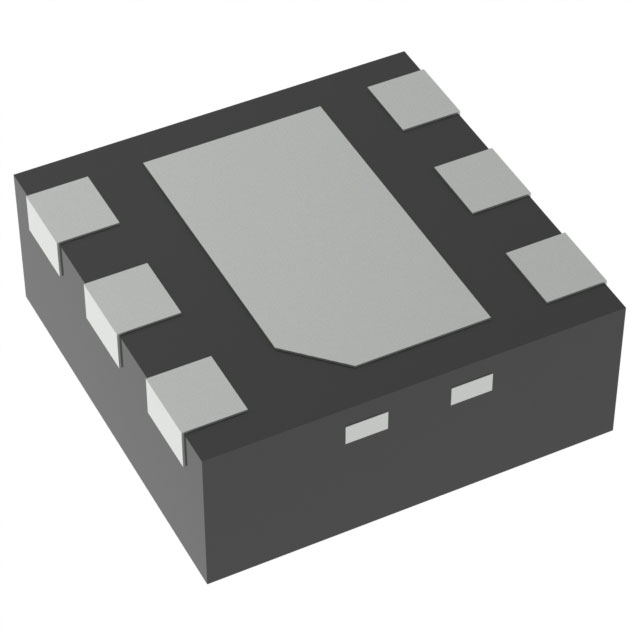 Texas Instruments TPS61040DRVTG4Unknown | Integrated Circuits (ICs) | IC LED DRV RGLTR PWM 350MA 6WSON |
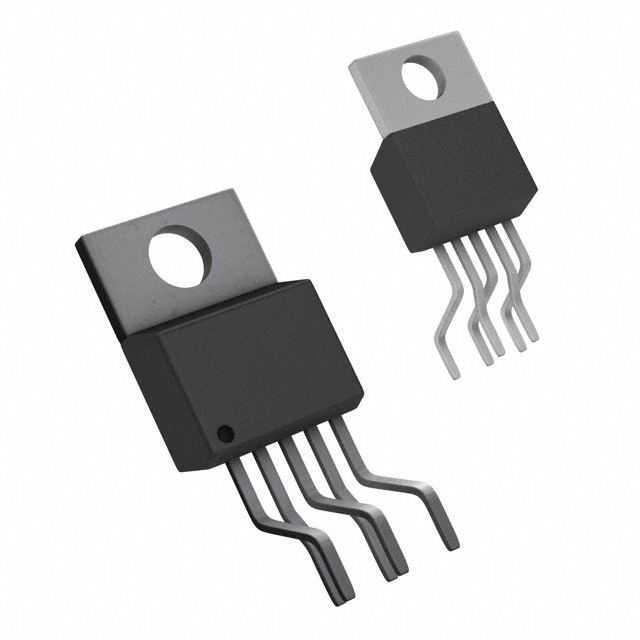 Texas Instruments LP3876ET-2.5Obsolete | Integrated Circuits (ICs) | IC REG LINEAR 2.5V 3A TO220-5 |
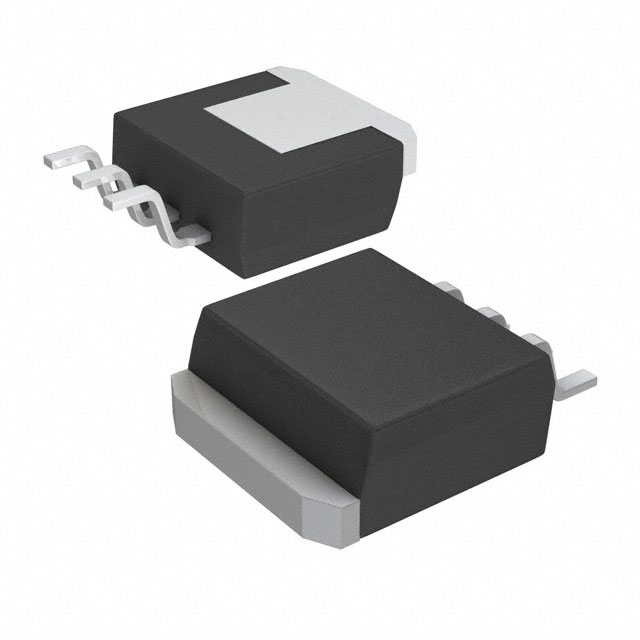 Texas Instruments LMS1585ACSX-ADJObsolete | Integrated Circuits (ICs) | IC REG LIN POS ADJ 5A DDPAK |
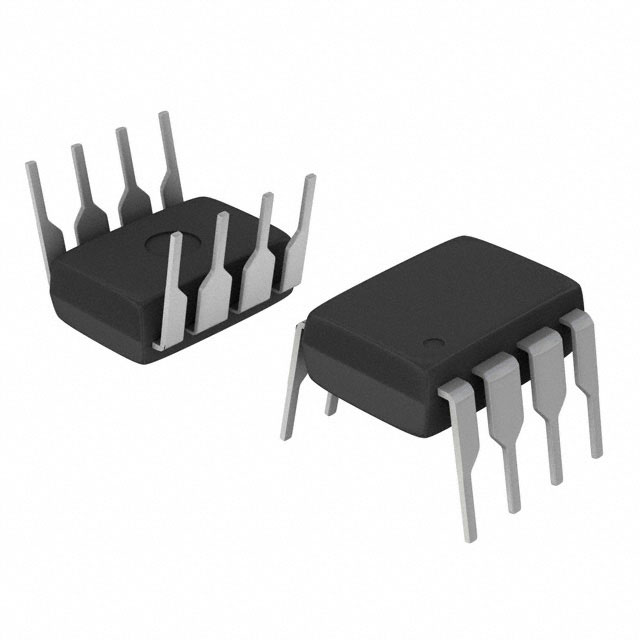 Texas Instruments INA111APG4Obsolete | Integrated Circuits (ICs) | IC INST AMP 1 CIRCUIT 8DIP |
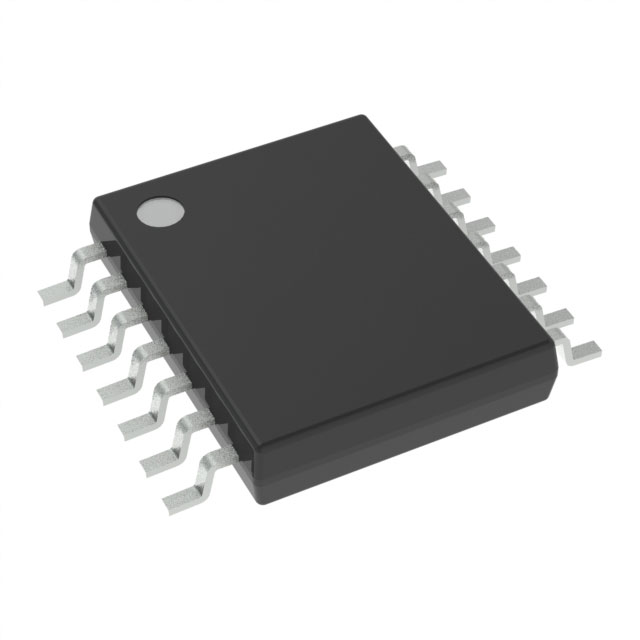 Texas Instruments | Integrated Circuits (ICs) | AUTOMOTIVE, QUAD 36V 1.2MHZ OPERATIONAL AMPLIFIER |
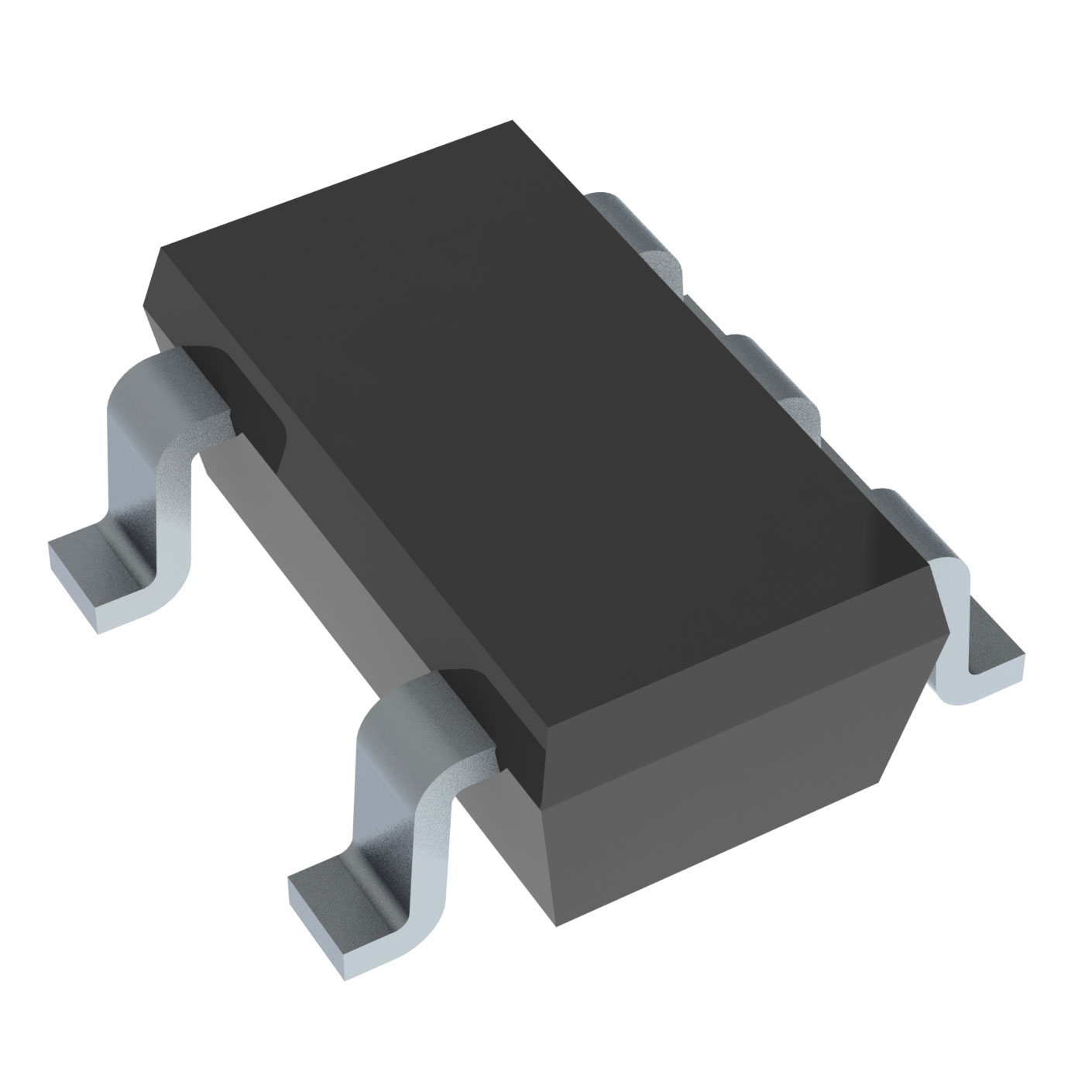 Texas Instruments OPA340NA/3KG4Unknown | Integrated Circuits (ICs) | IC OPAMP GP 1 CIRCUIT SOT23-5 |
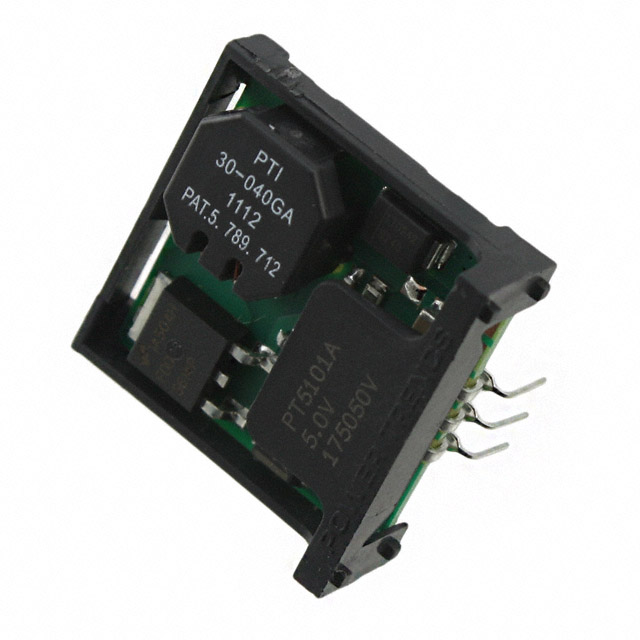 Texas Instruments PT5112AObsolete | Power Supplies - Board Mount | DC DC CONVERTER 8V 8W |
| Series | Category | # Parts | Status | Description |
|---|---|---|---|---|
CD74HC4024High Speed CMOS Logic 7-Stage Binary Ripple Counter | Logic | 6 | Active | High Speed CMOS Logic 7-Stage Binary Ripple Counter |
CD74HC4046AHigh Speed CMOS Logic Phase-Locked-Loop with VCO | Integrated Circuits (ICs) | 9 | Active | The ’HC4046A and ’HCT4046A are high-speed silicon-gate CMOS devices that are pin compatible with the CD4046B of the "4000B" series. They are specified in compliance with JEDEC standard number 7.
The ’HC4046A and ’HCT4046A are phase-locked-loop circuits that contain a linear voltage-controlled oscillator (VCO) and three different phase comparators (PC1, PC2 and PC3). A signal input and a comparator input are common to each comparator.
The signal input can be directly coupled to large voltage signals, or indirectly coupled (with a series capacitor) to small voltage signals. A self-bias input circuit keeps small voltage signals within the linear region of the input amplifiers. With a passive low-pass filter, the 4046A forms a second-order loop PLL. The excellent VCO linearity is achieved by the use of linear op-amp techniques.
The ’HC4046A and ’HCT4046A are high-speed silicon-gate CMOS devices that are pin compatible with the CD4046B of the "4000B" series. They are specified in compliance with JEDEC standard number 7.
The ’HC4046A and ’HCT4046A are phase-locked-loop circuits that contain a linear voltage-controlled oscillator (VCO) and three different phase comparators (PC1, PC2 and PC3). A signal input and a comparator input are common to each comparator.
The signal input can be directly coupled to large voltage signals, or indirectly coupled (with a series capacitor) to small voltage signals. A self-bias input circuit keeps small voltage signals within the linear region of the input amplifiers. With a passive low-pass filter, the 4046A forms a second-order loop PLL. The excellent VCO linearity is achieved by the use of linear op-amp techniques. |
CD74HC40496-ch, 2V to 6V inverters | Integrated Circuits (ICs) | 7 | Active | The ’HC4049 and ’HC4050 are fabricated with high-speed silicon gate technology. They have a modified input protection structure that enables these parts to be used as logic level translators which convert high-level logic to a low-level logic while operating off the low-level logic supply. For example, 15-V input pulse levels can be down-converted to 0-V to 5-V logic levels. The modified input protection structure protects the input from negative electrostatic discharge. These parts also can be used as simple buffers or inverters without level translation. The ’HC4049 and ’HC4050 are enhanced versions of equivalent CMOS types.
The ’HC4049 and ’HC4050 are fabricated with high-speed silicon gate technology. They have a modified input protection structure that enables these parts to be used as logic level translators which convert high-level logic to a low-level logic while operating off the low-level logic supply. For example, 15-V input pulse levels can be down-converted to 0-V to 5-V logic levels. The modified input protection structure protects the input from negative electrostatic discharge. These parts also can be used as simple buffers or inverters without level translation. The ’HC4049 and ’HC4050 are enhanced versions of equivalent CMOS types. |
CD74HC40506-ch, 2-V to 6-V buffers | Buffers, Drivers, Receivers, Transceivers | 8 | Active | The ’HC4049 and ’HC4050 are fabricated with high-speed silicon gate technology. They have a modified input protection structure that enables these parts to be used as logic level translators which convert high-level logic to a low-level logic while operating off the low-level logic supply. For example, 15-V input pulse levels can be down-converted to 0-V to 5-V logic levels. The modified input protection structure protects the input from negative electrostatic discharge. These parts also can be used as simple buffers or inverters without level translation. The ’HC4049 and ’HC4050 are enhanced versions of equivalent CMOS types.
The ’HC4049 and ’HC4050 are fabricated with high-speed silicon gate technology. They have a modified input protection structure that enables these parts to be used as logic level translators which convert high-level logic to a low-level logic while operating off the low-level logic supply. For example, 15-V input pulse levels can be down-converted to 0-V to 5-V logic levels. The modified input protection structure protects the input from negative electrostatic discharge. These parts also can be used as simple buffers or inverters without level translation. The ’HC4049 and ’HC4050 are enhanced versions of equivalent CMOS types. |
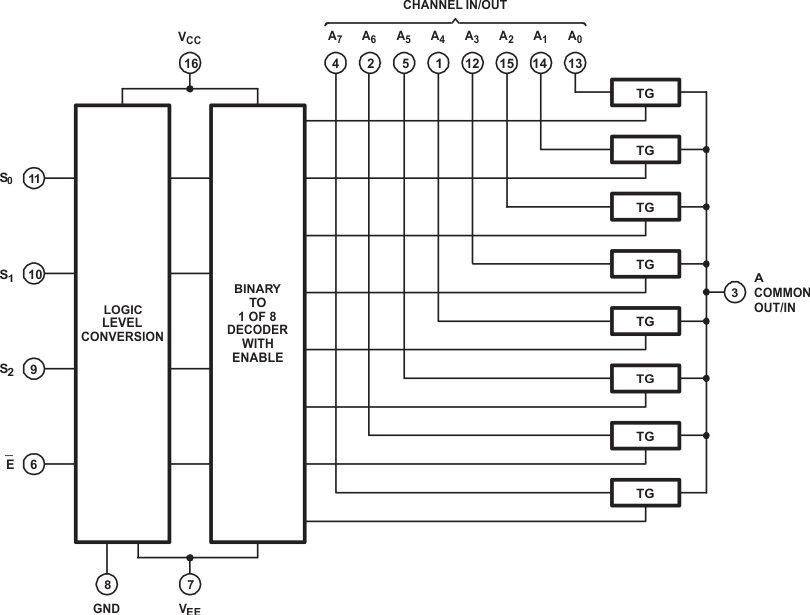
CD74HC4051-EPEnhanced Product High Speed Cmos Logic Analog Multiplexers/Demultiplexers | Interface | 14 | Active | The CDx4HC405x and CDx4HCT405x device is a digitally controlled analog switch that uses silicon gate CMOS technology to achieve operating speeds similar to LSTTL with the low-power consumption of standard CMOS integrated circuits.
This analog multiplexer and demultiplexer controls analog voltages that may vary across the voltage supply range (for example, VCC to VEE). It is a bidirectional switch that allows any analog input to be used as an output and vice versa. The switch has low ON resistance and low OFF leakages. In addition, this device has an enable control that, when high, disables all switches to their OFF state.
The CDx4HC405x and CDx4HCT405x device is a digitally controlled analog switch that uses silicon gate CMOS technology to achieve operating speeds similar to LSTTL with the low-power consumption of standard CMOS integrated circuits.
This analog multiplexer and demultiplexer controls analog voltages that may vary across the voltage supply range (for example, VCC to VEE). It is a bidirectional switch that allows any analog input to be used as an output and vice versa. The switch has low ON resistance and low OFF leakages. In addition, this device has an enable control that, when high, disables all switches to their OFF state. |
CD74HC40525V, 4:1 differential 2-channel analog multiplexer | Integrated Circuits (ICs) | 11 | Active | The CDx4HC405x and CDx4HCT405x device is a digitally controlled analog switch that uses silicon gate CMOS technology to achieve operating speeds similar to LSTTL with the low-power consumption of standard CMOS integrated circuits.
This analog multiplexer and demultiplexer controls analog voltages that may vary across the voltage supply range (for example, VCC to VEE). It is a bidirectional switch that allows any analog input to be used as an output and vice versa. The switch has low ON resistance and low OFF leakages. In addition, this device has an enable control that, when high, disables all switches to their OFF state.
The CDx4HC405x and CDx4HCT405x device is a digitally controlled analog switch that uses silicon gate CMOS technology to achieve operating speeds similar to LSTTL with the low-power consumption of standard CMOS integrated circuits.
This analog multiplexer and demultiplexer controls analog voltages that may vary across the voltage supply range (for example, VCC to VEE). It is a bidirectional switch that allows any analog input to be used as an output and vice versa. The switch has low ON resistance and low OFF leakages. In addition, this device has an enable control that, when high, disables all switches to their OFF state. |
CD74HC40535-V, 2:1 (SPDT) 3-channel analog switch | Interface | 8 | Active | The CDx4HC405x and CDx4HCT405x device is a digitally controlled analog switch that uses silicon gate CMOS technology to achieve operating speeds similar to LSTTL with the low-power consumption of standard CMOS integrated circuits.
This analog multiplexer and demultiplexer controls analog voltages that may vary across the voltage supply range (for example, VCC to VEE). It is a bidirectional switch that allows any analog input to be used as an output and vice versa. The switch has low ON resistance and low OFF leakages. In addition, this device has an enable control that, when high, disables all switches to their OFF state.
The CDx4HC405x and CDx4HCT405x device is a digitally controlled analog switch that uses silicon gate CMOS technology to achieve operating speeds similar to LSTTL with the low-power consumption of standard CMOS integrated circuits.
This analog multiplexer and demultiplexer controls analog voltages that may vary across the voltage supply range (for example, VCC to VEE). It is a bidirectional switch that allows any analog input to be used as an output and vice versa. The switch has low ON resistance and low OFF leakages. In addition, this device has an enable control that, when high, disables all switches to their OFF state. |
CD74HC4059High Speed CMOS Logic CMOS Programmable Divide-by-N Counter | Integrated Circuits (ICs) | 3 | Active | The ’HC4059 are high-speed silicon-gate devices that are pin-compatible with the CD4059A devices of the CD4000B series. These devices are divide-by-N down-counters that can be programmed to divide an input frequency by any number "N" from 3 to 15,999. The output signal is a pulse one clock cycle wide occurring at a rate equal to the input frequency divide by N. The down-counter is preset by means of 16 jam inputs.
The three Mode-Select Inputs Ka,Kband Kcdetermine the modulus ("divide-by" number) of the first and last counting sections in accordance with the truth table. Every time the first (fastest) counting section goes through one cycle, it reduces by 1 the number that has been preset (jammed) into the three decades of the intermediate counting section an the last counting section, which consists of flip-flops that are not needed for opening the first counting section. For example, in the10) counters presettable by means of Jam Inputs J5 through J16.
The Mode-Select Inputs permit frequency-synthesizer channel separations of 10, 12.5, 20, 25 or 50 parts. These inputs set the maximum value of N at 9999 (when the first counting section divides by 5 or 10) or 15,999 (when the first counting section divides by 8, 4, or 2).
The three decades of the intermediate counter can be preset to a binary 15 instead of a binary 9, while their place values are still 1, 10, and 100, multiplied by the number of the8 mode, the number from which counting down begins can be preset to:3rd Decade 15002nd Decade 1501st Decade 15Last Counting Section 1000
The total of these numbers (2665) times 8 equals 12,320. The first counting section can be preset to 7. Therefore, 21,327 is the maximum possible count in the8 mode.
The highest count of the various modes is shown in the Extended Counter Range column. Control inputs Kband Kccan be used to initiate and lock the counter in the "master preset" state. In this condition the flip-flops in the counter are preset in accordance with the jam inputs and the counter remains in that state as long as Kband Kcboth remain low. The counter begins to count down from the preset state when a counting mode other than the master preset mode is selected.
The counter should always be put in the master preset mode before the5 mode is selected. Whenever the master preset mode is used, control signals Kb= "low" and Kc= "low" must be applied for at least 3 full clock pulses.
After Preset Mode inputs have been changed to one of the8 mode). If the Master Preset mode is started two clock cycles or less before an output pulse, the output pulse will appear at the time due. If the Master Preset Mode is not used, the counter jumps back to the "Jam" count when the output pulse appears.
A "high" on the Latch Enable input will cause the counter output to remain high once an output pulse occurs, and to remain in the high state until the latch input returns to "low". If the Latch Enable is "low", the output pulse will remain high for only one cycle of the clock-input signal.
The ’HC4059 are high-speed silicon-gate devices that are pin-compatible with the CD4059A devices of the CD4000B series. These devices are divide-by-N down-counters that can be programmed to divide an input frequency by any number "N" from 3 to 15,999. The output signal is a pulse one clock cycle wide occurring at a rate equal to the input frequency divide by N. The down-counter is preset by means of 16 jam inputs.
The three Mode-Select Inputs Ka,Kband Kcdetermine the modulus ("divide-by" number) of the first and last counting sections in accordance with the truth table. Every time the first (fastest) counting section goes through one cycle, it reduces by 1 the number that has been preset (jammed) into the three decades of the intermediate counting section an the last counting section, which consists of flip-flops that are not needed for opening the first counting section. For example, in the10) counters presettable by means of Jam Inputs J5 through J16.
The Mode-Select Inputs permit frequency-synthesizer channel separations of 10, 12.5, 20, 25 or 50 parts. These inputs set the maximum value of N at 9999 (when the first counting section divides by 5 or 10) or 15,999 (when the first counting section divides by 8, 4, or 2).
The three decades of the intermediate counter can be preset to a binary 15 instead of a binary 9, while their place values are still 1, 10, and 100, multiplied by the number of the8 mode, the number from which counting down begins can be preset to:3rd Decade 15002nd Decade 1501st Decade 15Last Counting Section 1000
The total of these numbers (2665) times 8 equals 12,320. The first counting section can be preset to 7. Therefore, 21,327 is the maximum possible count in the8 mode.
The highest count of the various modes is shown in the Extended Counter Range column. Control inputs Kband Kccan be used to initiate and lock the counter in the "master preset" state. In this condition the flip-flops in the counter are preset in accordance with the jam inputs and the counter remains in that state as long as Kband Kcboth remain low. The counter begins to count down from the preset state when a counting mode other than the master preset mode is selected.
The counter should always be put in the master preset mode before the5 mode is selected. Whenever the master preset mode is used, control signals Kb= "low" and Kc= "low" must be applied for at least 3 full clock pulses.
After Preset Mode inputs have been changed to one of the8 mode). If the Master Preset mode is started two clock cycles or less before an output pulse, the output pulse will appear at the time due. If the Master Preset Mode is not used, the counter jumps back to the "Jam" count when the output pulse appears.
A "high" on the Latch Enable input will cause the counter output to remain high once an output pulse occurs, and to remain in the high state until the latch input returns to "low". If the Latch Enable is "low", the output pulse will remain high for only one cycle of the clock-input signal. |
CD74HC40675V, 16:1, single channel analog multiplexer | Analog Switches, Multiplexers, Demultiplexers | 7 | Active | The CD74HC4067 and CD74HCT4067 devices are digitally controlled analog switches that use silicon-gate CMOS technology to achieve operating speeds similar to LSTTL, with the low power consumption of standard CMOS integrated circuits.
These analog multiplexers and demultiplexers control analog voltages that may vary across the voltage supply range. They are bidirectional switches, thus allowing any analog input to be used as an output and vice-versa. The switches have low on resistance and low off leakages. In addition, these devices have an enable control that, when high, disables all switches to their off state.
The CD74HC4067 and CD74HCT4067 devices are digitally controlled analog switches that use silicon-gate CMOS technology to achieve operating speeds similar to LSTTL, with the low power consumption of standard CMOS integrated circuits.
These analog multiplexers and demultiplexers control analog voltages that may vary across the voltage supply range. They are bidirectional switches, thus allowing any analog input to be used as an output and vice-versa. The switches have low on resistance and low off leakages. In addition, these devices have an enable control that, when high, disables all switches to their off state. |
CD74HC40753-ch, 3-input, 2-V to 6-V 5.2-mA drive strength OR gate | Gates and Inverters | 7 | Active | This device contains three independent 3-input OR gates. Each gate performs the Boolean function Y = A + B + C in positive logic.
This device contains three independent 3-input OR gates. Each gate performs the Boolean function Y = A + B + C in positive logic. |