T
Texas Instruments
| Series | Category | # Parts | Status | Description |
|---|---|---|---|---|
| Part | Spec A | Spec B | Spec C | Spec D | Description |
|---|---|---|---|---|---|



| Series | Category | # Parts | Status | Description |
|---|---|---|---|---|
| Part | Spec A | Spec B | Spec C | Spec D | Description |
|---|---|---|---|---|---|
| Series | Category | # Parts | Status | Description |
|---|---|---|---|---|
CD74HC4538-Q1Automotive Catalog High Speed CMOS Logic Dual Retriggerable Precision Monostable Multivibrators | Multivibrators | 13 | Active | The ’HC4538 and ’HCT4538 are dual retriggerable/resettable monostable precision multivibrators for fixed voltage timing applications. An external resistor (RX) and an external capacitor (CX) control the timing and the accuracy for the circuit. Adjustment of RXand CXprovides a wide range of output pulse widths from the Q and Q\ terminals. The propagation delay from trigger input-to-output transition and the propagation delay from reset input-to-output transition are independent of RXand CX.
Leading-edge triggering (A) and trailing edge triggering (B)\ inputs are provided for triggering from either edge of the input pulse. An unused "A" input should be tied to GND and an unused B\ should be tied to VCC. On power up the IC is reset. Unused resets and sections must be terminated. In normal operation the circuit retriggers on the application of each new trigger pulse. To operate in the non-triggerable mode Q\ is connected to B\ when leading edge triggering (A) is used or Q is connected to A when trailing edge triggering (B)\ is used. The period (. CMINis 0pF.
The ’HC4538 and ’HCT4538 are dual retriggerable/resettable monostable precision multivibrators for fixed voltage timing applications. An external resistor (RX) and an external capacitor (CX) control the timing and the accuracy for the circuit. Adjustment of RXand CXprovides a wide range of output pulse widths from the Q and Q\ terminals. The propagation delay from trigger input-to-output transition and the propagation delay from reset input-to-output transition are independent of RXand CX.
Leading-edge triggering (A) and trailing edge triggering (B)\ inputs are provided for triggering from either edge of the input pulse. An unused "A" input should be tied to GND and an unused B\ should be tied to VCC. On power up the IC is reset. Unused resets and sections must be terminated. In normal operation the circuit retriggers on the application of each new trigger pulse. To operate in the non-triggerable mode Q\ is connected to B\ when leading edge triggering (A) is used or Q is connected to A when trailing edge triggering (B)\ is used. The period (. CMINis 0pF. |
CD74HC4543High Speed CMOS Logic BCD-to-7 Segment Latch/Decoder/Driver for LCDs | Integrated Circuits (ICs) | 1 | Active | The CD74HC4543 high-speed silicon-gate device is a BCD to 7-segment latch/decoder/driver designed primarily for directly driving liquid-crystal displays. It has an active-high disable input (LD), an active-high blanking input (BI) and a phase input (PH) to which a square wave is applied for liquid-crystal applications. This square wave also is applied to the backplane of the liquid-crystal display.
This device also can be used, in conjunction with current amplifying devices, for driving LEDs, incandescent, fluorescent, and gas-discharge displays. For these applications the phase input provides a means to obtain active-high or active-low segment outputs. (See the Function Table.)
The CD74HC4543 high-speed silicon-gate device is a BCD to 7-segment latch/decoder/driver designed primarily for directly driving liquid-crystal displays. It has an active-high disable input (LD), an active-high blanking input (BI) and a phase input (PH) to which a square wave is applied for liquid-crystal applications. This square wave also is applied to the backplane of the liquid-crystal display.
This device also can be used, in conjunction with current amplifying devices, for driving LEDs, incandescent, fluorescent, and gas-discharge displays. For these applications the phase input provides a means to obtain active-high or active-low segment outputs. (See the Function Table.) |
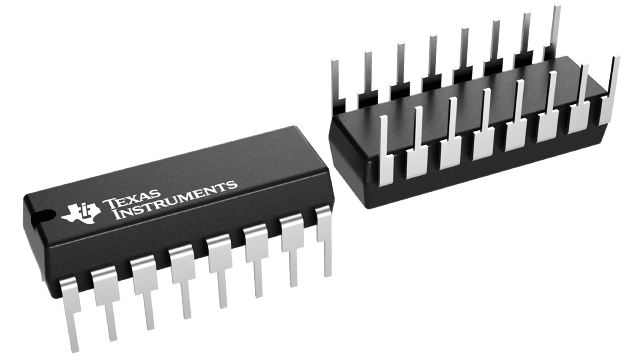
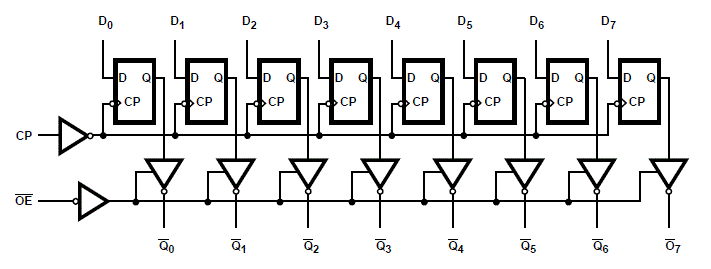
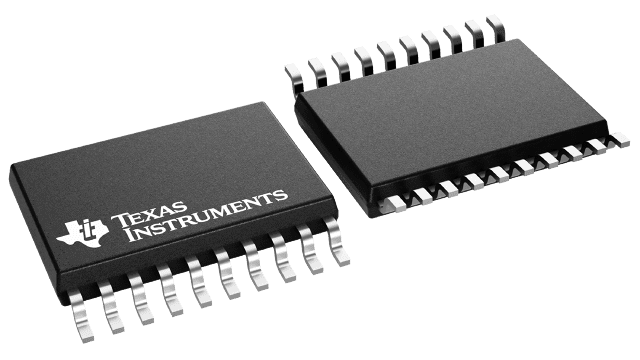
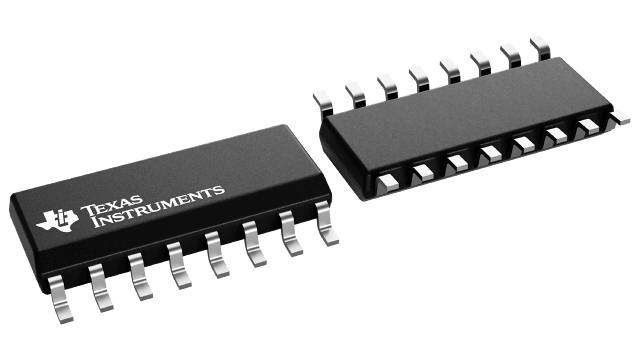
CD74HC534High Speed CMOS Logic Octal Positive-Edge-Triggered Inverting D-Type Flip-Flops with 3-State Outputs | Flip Flops | 1 | Active | High Speed CMOS Logic Octal Positive-Edge-Triggered Inverting D-Type Flip-Flops with 3-State Outputs |
CD74HC5408-ch, 2-V to 6-V inverters with 3-state outputs | Integrated Circuits (ICs) | 12 | Active | 8-ch, 2-V to 6-V inverters with 3-state outputs |
CD74HC564High Speed CMOS Logic Octal Positive-Edge-Triggered Inverting D-Type Flip-Flops with 3-State Outputs | Integrated Circuits (ICs) | 2 | Active | High Speed CMOS Logic Octal Positive-Edge-Triggered Inverting D-Type Flip-Flops with 3-State Outputs |
CD74HC597High Speed CMOS Logic 8-Bit Shift Register with Input Storage | Integrated Circuits (ICs) | 7 | Active | The ’HC597 and CD74HCT597 are high-speed silicon gate CMOS devices that are pin compatible with the LSTTL 597 devices. Each device consists of an 8-flip-flop input register and an 8-bit parallel-in/serial-in, serial-out shift register. Each register is controlled by its own clock. A "low" on the parallel load input (PL\) shifts parallel stored data asynchronously into the shift register. A "low" master input (MR\) clears the shift register. Serial input data can also be synchronously shifted through the shift register when PL\ is high.
The ’HC597 and CD74HCT597 are high-speed silicon gate CMOS devices that are pin compatible with the LSTTL 597 devices. Each device consists of an 8-flip-flop input register and an 8-bit parallel-in/serial-in, serial-out shift register. Each register is controlled by its own clock. A "low" on the parallel load input (PL\) shifts parallel stored data asynchronously into the shift register. A "low" master input (MR\) clears the shift register. Serial input data can also be synchronously shifted through the shift register when PL\ is high. |
CD74HC670High Speed CMOS Logic 4-by-4 Register File | Integrated Circuits (ICs) | 4 | Active | The ’HC670 and CD74HCT670 are 16-bit register files organized as 4 words x 4 bits each. Read and write address and enable inputs allow simultaneous writing into one location while reading another. Four data inputs are provided to store the 4-bit word. The write address inputs (WA0 and WA1) determine the location of the stored word in the register. When write enable (WE\) is low the word is entered into the address location and it remains transparent to the data. The outputs will reflect the true form of the input data. When (WE\) is high data and address inputs are inhibited. Data acquisition from the four registers is made possible by the read address inputs (RA1 and RA0). The addressed word appears at the output when the read enable (RE\) is low. The output is in the high impedance state when the (RE\) is high. Outputs can be tied together to increase the word capacity to 512 x 4 bits.
The ’HC670 and CD74HCT670 are 16-bit register files organized as 4 words x 4 bits each. Read and write address and enable inputs allow simultaneous writing into one location while reading another. Four data inputs are provided to store the 4-bit word. The write address inputs (WA0 and WA1) determine the location of the stored word in the register. When write enable (WE\) is low the word is entered into the address location and it remains transparent to the data. The outputs will reflect the true form of the input data. When (WE\) is high data and address inputs are inhibited. Data acquisition from the four registers is made possible by the read address inputs (RA1 and RA0). The addressed word appears at the output when the read enable (RE\) is low. The output is in the high impedance state when the (RE\) is high. Outputs can be tied together to increase the word capacity to 512 x 4 bits. |
CD74HC6888-Bit Identity/Magnitude Comparators (P=Q) with Enable | Comparators | 13 | Active | 8-Bit Identity/Magnitude Comparators (P=Q) with Enable |
CD74HC7046AHigh Speed CMOS Logic Phase-Locked Loop with VCO and Lock Detector | Integrated Circuits (ICs) | 3 | Active | The CD74HC7046A and CD74HCT7046A high-speed silicon-gate CMOS devices, specified in compliance with JEDEC Standard No. 7A, are phase-locked-loop (PLL) circuits that contain a linear voltage-controlled oscillator (VCO), two-phase comparators (PC1, PC2), and a lock detector. A signal input and a comparator input are common to each comparator. The lock detector gives a HIGH level at pin 1 (LD) when the PLL is locked. The lock detector capacitor must be connected between pin 15 (CLD) and pin 8 (Gnd). For a frequency range of 100kHz to 10MHz, the lock detector capacitor should be 1000pF to 10pF, respectively.
The signal input can be directly coupled to large voltage signals, or indirectly coupled (with a series capacitor) to small voltage signals. A self-bias input circuit keeps small voltage signals within the linear region of the input amplifiers. With a passive low-pass filter, the 7046A forms a second-order loop PLL. The excellent VCO linearity is achieved by the use of linear op-amp techniques.
The CD74HC7046A and CD74HCT7046A high-speed silicon-gate CMOS devices, specified in compliance with JEDEC Standard No. 7A, are phase-locked-loop (PLL) circuits that contain a linear voltage-controlled oscillator (VCO), two-phase comparators (PC1, PC2), and a lock detector. A signal input and a comparator input are common to each comparator. The lock detector gives a HIGH level at pin 1 (LD) when the PLL is locked. The lock detector capacitor must be connected between pin 15 (CLD) and pin 8 (Gnd). For a frequency range of 100kHz to 10MHz, the lock detector capacitor should be 1000pF to 10pF, respectively.
The signal input can be directly coupled to large voltage signals, or indirectly coupled (with a series capacitor) to small voltage signals. A self-bias input circuit keeps small voltage signals within the linear region of the input amplifiers. With a passive low-pass filter, the 7046A forms a second-order loop PLL. The excellent VCO linearity is achieved by the use of linear op-amp techniques. |
CD74HC72664-ch, 2-input, 2-V to 6-V 5.2 mA drive strength XNOR (exclusive NOR) gate | Logic | 3 | Active | This device contains four independent 2-input XNOR gates. Each gate performs the Boolean function Y =A ⊕ Bin positive logic.
This device contains four independent 2-input XNOR gates. Each gate performs the Boolean function Y =A ⊕ Bin positive logic. |
| Part | Category | Description |
|---|---|---|
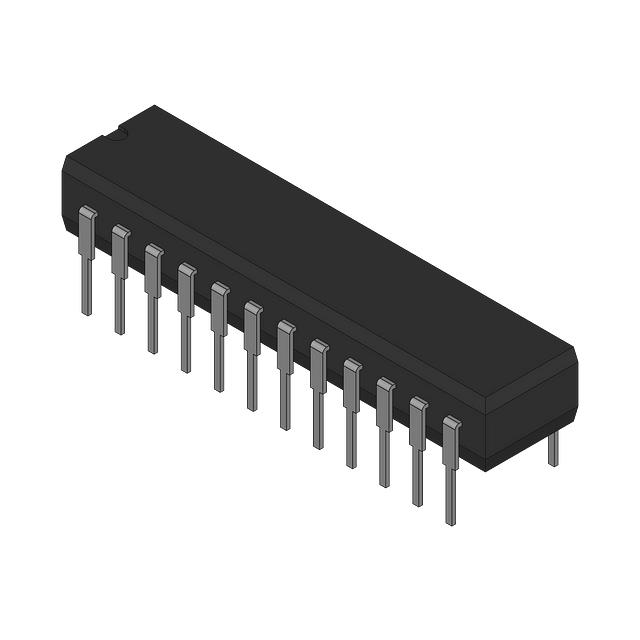 Texas Instruments | Integrated Circuits (ICs) | BUS DRIVER, BCT/FBT SERIES |
 Texas Instruments | Integrated Circuits (ICs) | 12BIT 3.3V~3.6V 210MHZ PARALLEL VQFN-48-EP(7X7) ANALOG TO DIGITAL CONVERTERS (ADC) ROHS |
Texas Instruments | Integrated Circuits (ICs) | TMX320DRE311 179PIN UBGA 200MHZ |
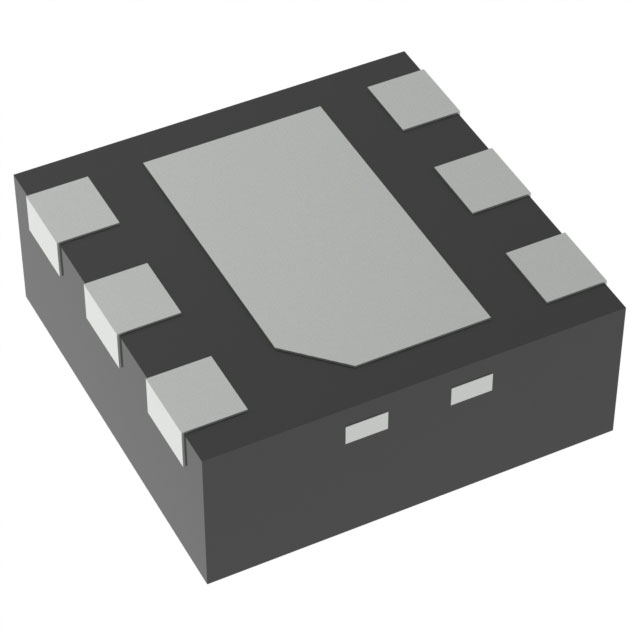 Texas Instruments TPS61040DRVTG4Unknown | Integrated Circuits (ICs) | IC LED DRV RGLTR PWM 350MA 6WSON |
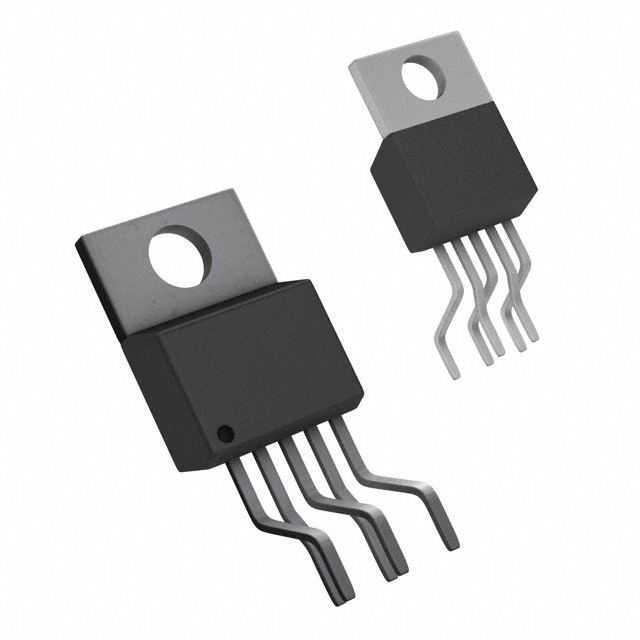 Texas Instruments LP3876ET-2.5Obsolete | Integrated Circuits (ICs) | IC REG LINEAR 2.5V 3A TO220-5 |
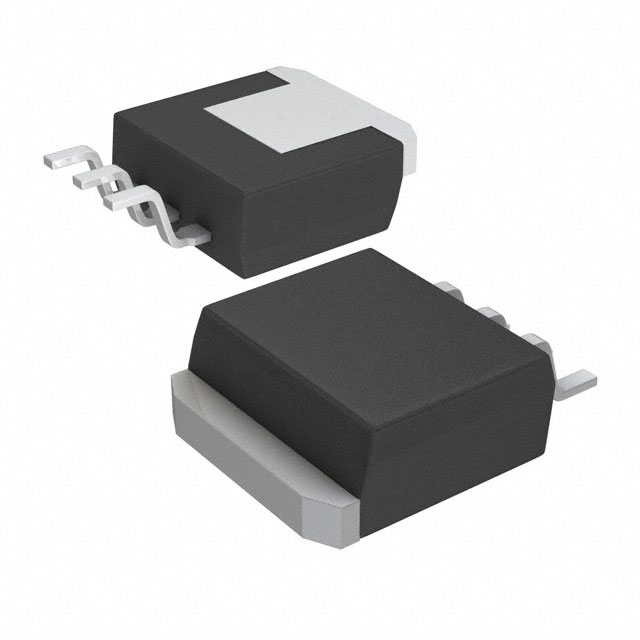 Texas Instruments LMS1585ACSX-ADJObsolete | Integrated Circuits (ICs) | IC REG LIN POS ADJ 5A DDPAK |
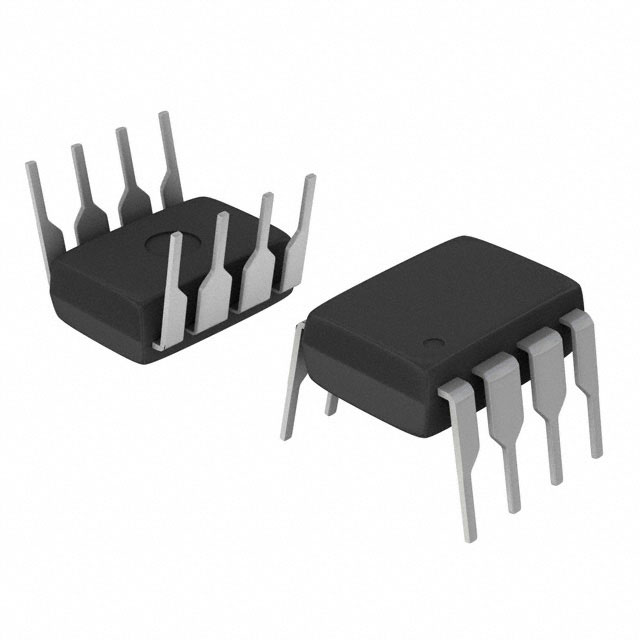 Texas Instruments INA111APG4Obsolete | Integrated Circuits (ICs) | IC INST AMP 1 CIRCUIT 8DIP |
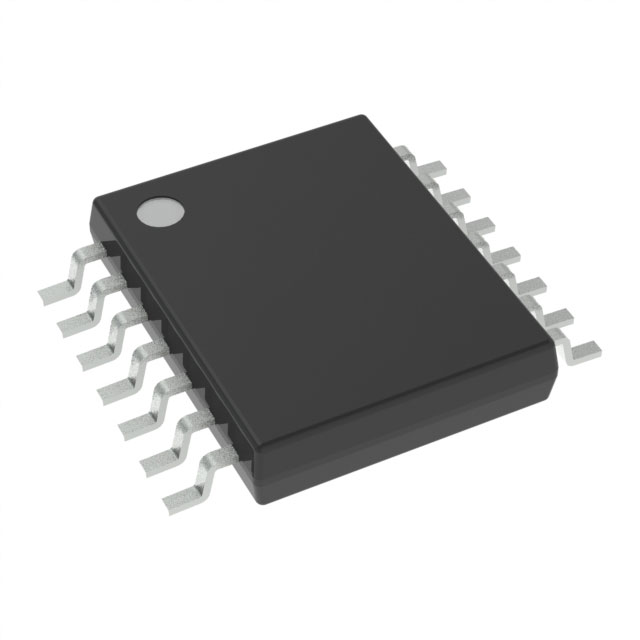 Texas Instruments | Integrated Circuits (ICs) | AUTOMOTIVE, QUAD 36V 1.2MHZ OPERATIONAL AMPLIFIER |
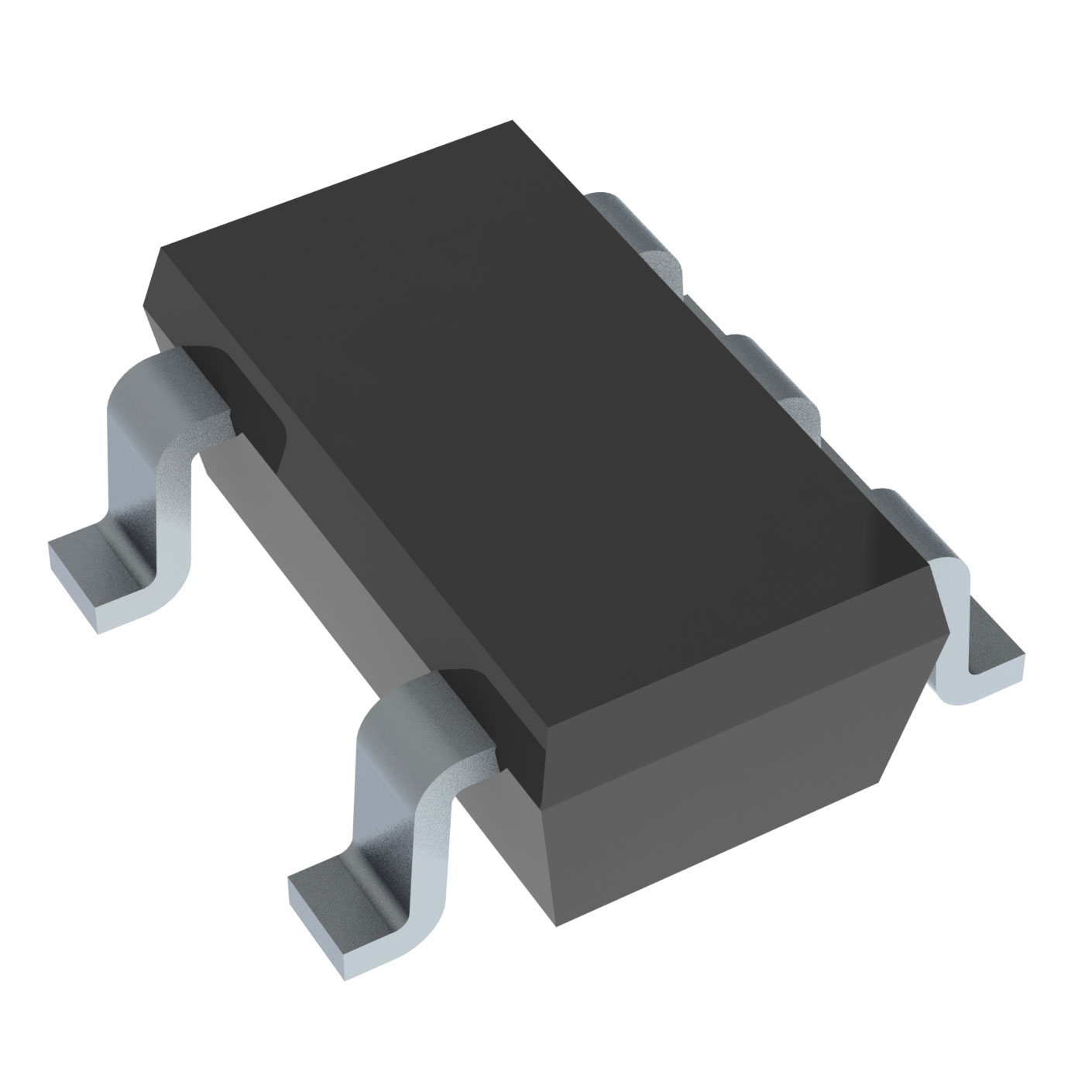 Texas Instruments OPA340NA/3KG4Unknown | Integrated Circuits (ICs) | IC OPAMP GP 1 CIRCUIT SOT23-5 |
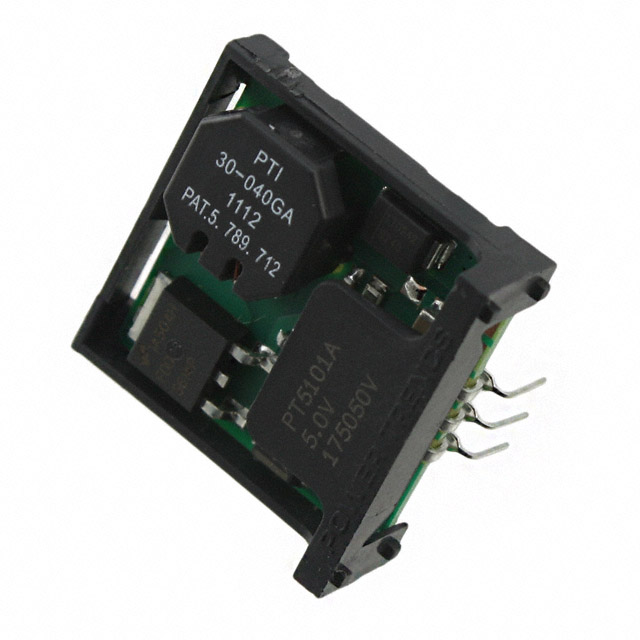 Texas Instruments PT5112AObsolete | Power Supplies - Board Mount | DC DC CONVERTER 8V 8W |