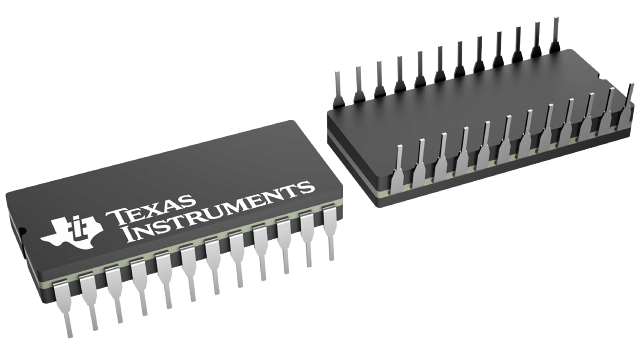
T
Texas Instruments
| Series | Category | # Parts | Status | Description |
|---|---|---|---|---|
| Part | Spec A | Spec B | Spec C | Spec D | Description |
|---|---|---|---|---|---|



| Series | Category | # Parts | Status | Description |
|---|---|---|---|---|
| Part | Spec A | Spec B | Spec C | Spec D | Description |
|---|---|---|---|---|---|
| Part | Category | Description |
|---|---|---|
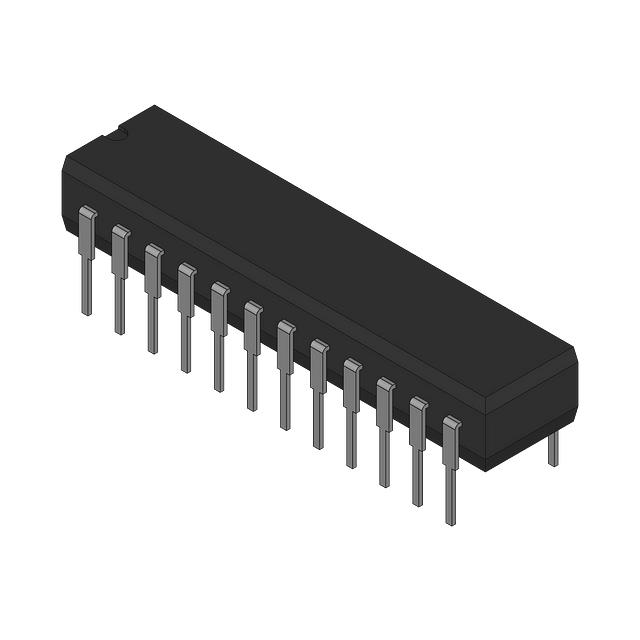 Texas Instruments | Integrated Circuits (ICs) | BUS DRIVER, BCT/FBT SERIES |
 Texas Instruments | Integrated Circuits (ICs) | 12BIT 3.3V~3.6V 210MHZ PARALLEL VQFN-48-EP(7X7) ANALOG TO DIGITAL CONVERTERS (ADC) ROHS |
Texas Instruments | Integrated Circuits (ICs) | TMX320DRE311 179PIN UBGA 200MHZ |
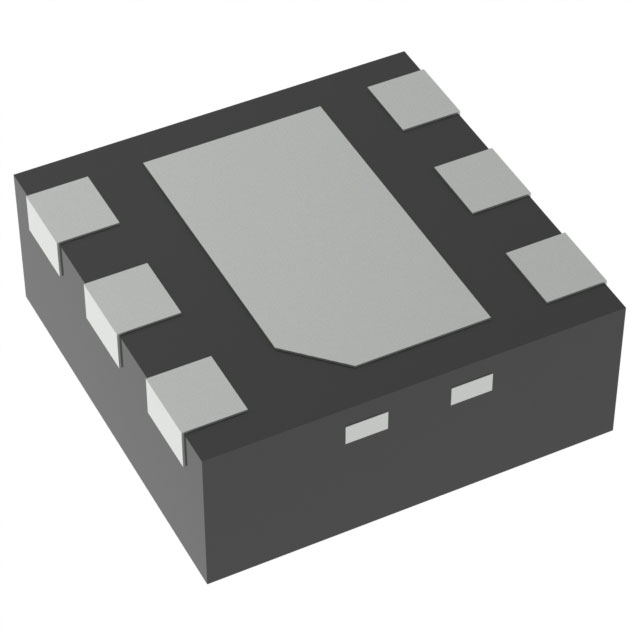 Texas Instruments TPS61040DRVTG4Unknown | Integrated Circuits (ICs) | IC LED DRV RGLTR PWM 350MA 6WSON |
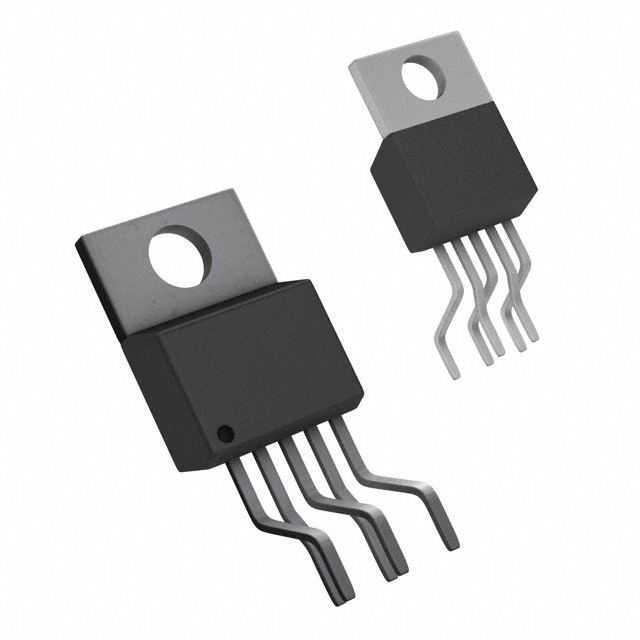 Texas Instruments LP3876ET-2.5Obsolete | Integrated Circuits (ICs) | IC REG LINEAR 2.5V 3A TO220-5 |
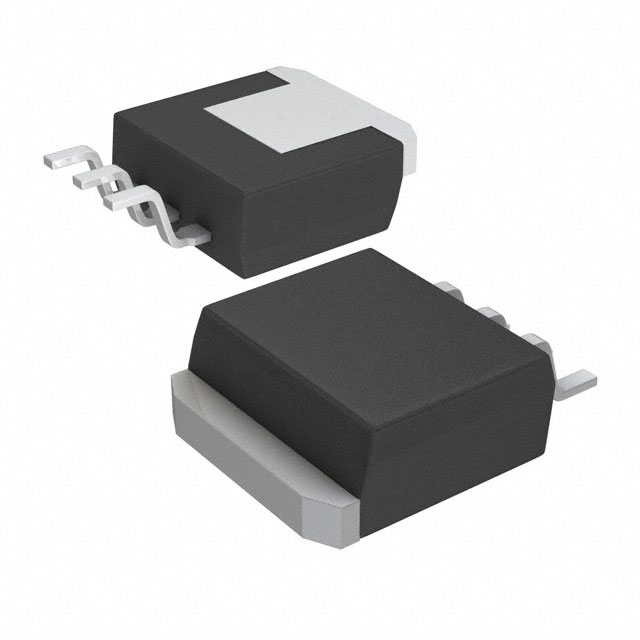 Texas Instruments LMS1585ACSX-ADJObsolete | Integrated Circuits (ICs) | IC REG LIN POS ADJ 5A DDPAK |
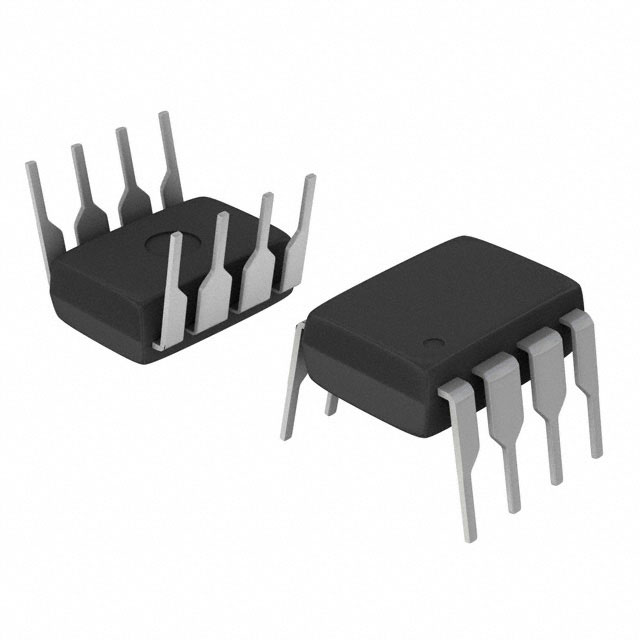 Texas Instruments INA111APG4Obsolete | Integrated Circuits (ICs) | IC INST AMP 1 CIRCUIT 8DIP |
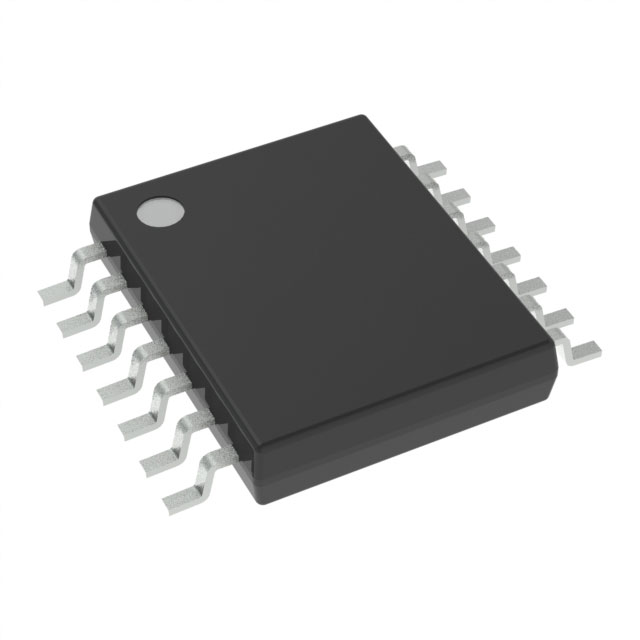 Texas Instruments | Integrated Circuits (ICs) | AUTOMOTIVE, QUAD 36V 1.2MHZ OPERATIONAL AMPLIFIER |
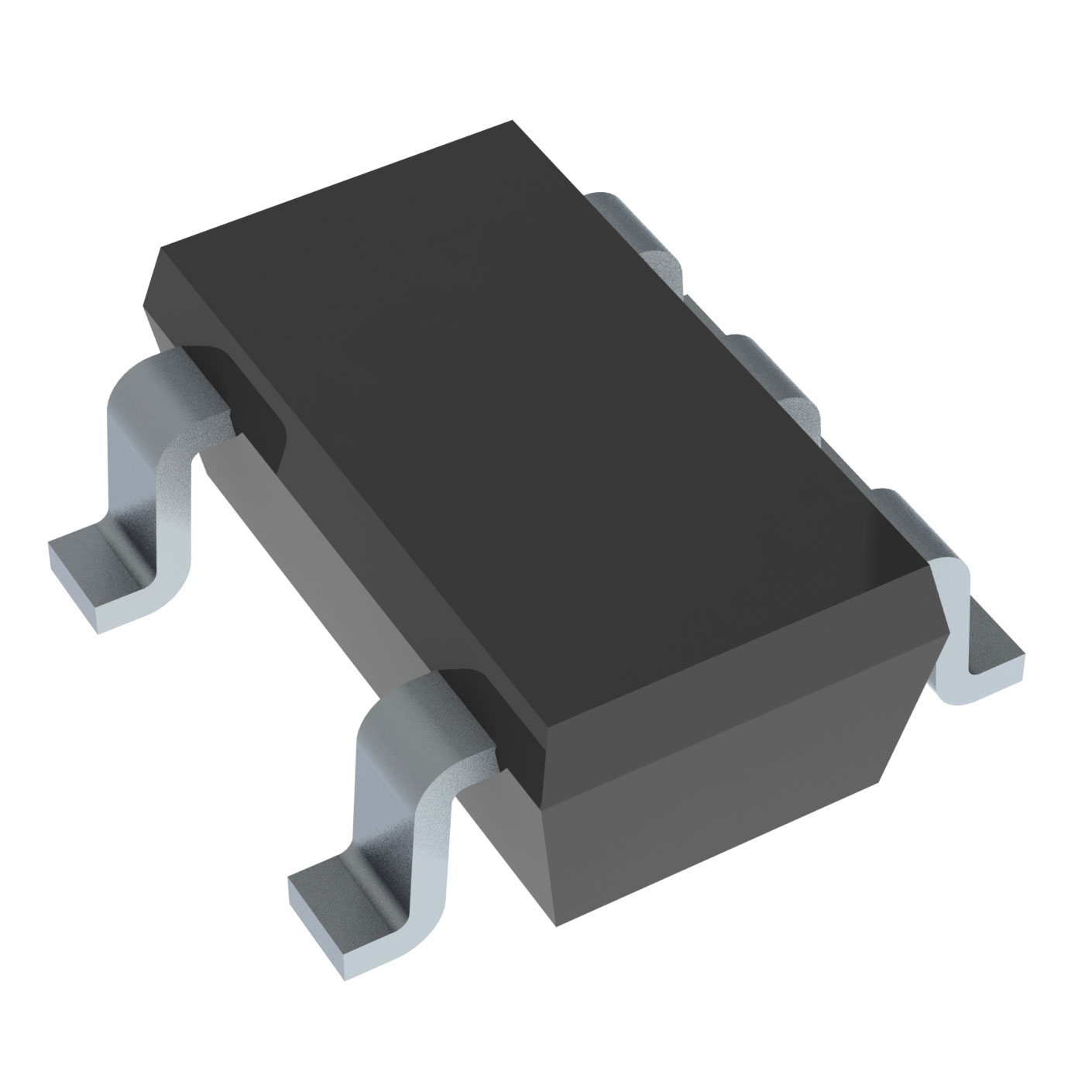 Texas Instruments OPA340NA/3KG4Unknown | Integrated Circuits (ICs) | IC OPAMP GP 1 CIRCUIT SOT23-5 |
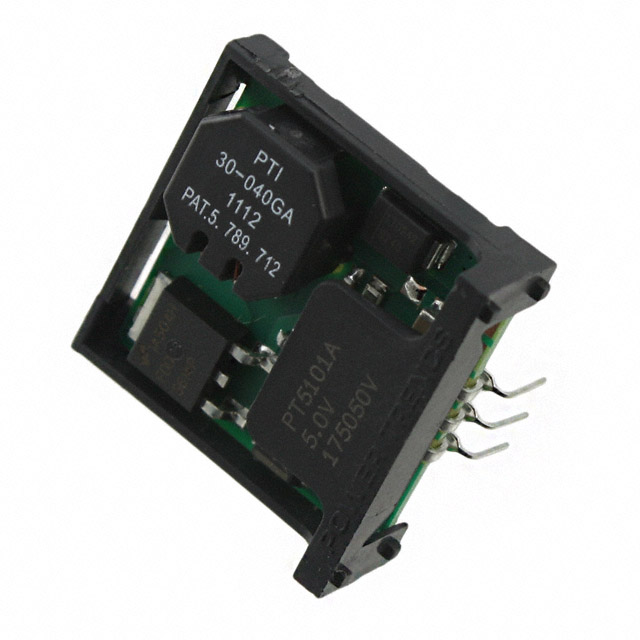 Texas Instruments PT5112AObsolete | Power Supplies - Board Mount | DC DC CONVERTER 8V 8W |
| Series | Category | # Parts | Status | Description |
|---|---|---|---|---|
CD54HC854-Bit Magnitude Comparator | Comparators | 1 | Active | 4-Bit Magnitude Comparator |
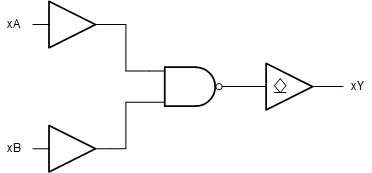
CD54HCT03Military 4-ch, 2-input, 4.5-V to 5.5-V NAND gates | Logic | 1 | Active | This device contains four independent 2-input NAND gates with open-drain outputs. Each gate performs the Boolean function Y =A ● Bin positive logic.
This device contains four independent 2-input NAND gates with open-drain outputs. Each gate performs the Boolean function Y =A ● Bin positive logic. |
CD54HCT123High Speed CMOS Logic Dual Retriggerable Monostable Multivibrators with Resets | Multivibrators | 1 | Active | The ’HC123, ’HCT123, CD74HC423 and CD74HCT423 are dual monostable multivibrators with resets. They are all retriggerable and differ only in that the 123 types can be triggered by a negative to positive reset pulse; whereas the 423 types do not have this feature. An external resistor (RX) and an external capacitor (CX) control the timing and the accuracy for the circuit. Adjustment of Rx and CXprovides a wide range of output pulse widths from the Q and Q\ terminals. Pulse triggering on the A\ and B inputs occur at a particular voltage level and is not related to the rise and fall times of the trigger pulses.
Once triggered, the output pulse width may be extended by retriggering inputs A\ and B. The output pulse can be terminated by a LOW level on the Reset (R) pin. Trailing edge triggering (A)\ and leading edge triggering (B) inputs are provided for triggering from either edge of the input pulse. If either Mono is not used each input on the unused device (A\, B, and R\) must be terminated high or low.
The minimum value of external resistance, Rx is typically 5k. The minimum value external capacitance, CX, is 0pF. The calculation for the pulse width is tW= 0.45 RXCXat VCC= 5V.
The ’HC123, ’HCT123, CD74HC423 and CD74HCT423 are dual monostable multivibrators with resets. They are all retriggerable and differ only in that the 123 types can be triggered by a negative to positive reset pulse; whereas the 423 types do not have this feature. An external resistor (RX) and an external capacitor (CX) control the timing and the accuracy for the circuit. Adjustment of Rx and CXprovides a wide range of output pulse widths from the Q and Q\ terminals. Pulse triggering on the A\ and B inputs occur at a particular voltage level and is not related to the rise and fall times of the trigger pulses.
Once triggered, the output pulse width may be extended by retriggering inputs A\ and B. The output pulse can be terminated by a LOW level on the Reset (R) pin. Trailing edge triggering (A)\ and leading edge triggering (B) inputs are provided for triggering from either edge of the input pulse. If either Mono is not used each input on the unused device (A\, B, and R\) must be terminated high or low.
The minimum value of external resistance, Rx is typically 5k. The minimum value external capacitance, CX, is 0pF. The calculation for the pulse width is tW= 0.45 RXCXat VCC= 5V. |
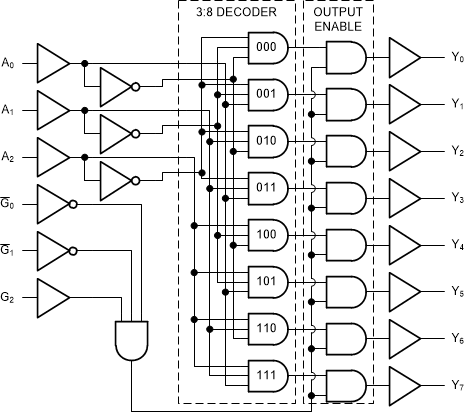
CD54HCT138High Speed CMOS Logic Inverting and Non-Inverting 3-to-8 Line Decoder Demultiplexer | Integrated Circuits (ICs) | 1 | Active | High Speed CMOS Logic Inverting and Non-Inverting 3-to-8 Line Decoder Demultiplexer |
CD54HCT139High Speed CMOS Logic Dual 2-to-4 Line Decoder/Demultiplexers | Signal Switches, Multiplexers, Decoders | 1 | Active | The ’HC139 and ’HCT139 devices contain two independent binary to one of four decoders each with a single active low enable input (1E\ or 2E\). Data on the select inputs (1A0 and 1A1 or 2A0 and 2A1) cause one of the four normally high outputs to go low.
If the enable input is high all four outputs remain high. For demultiplexer operation the enable input is the data input. The enable input also functions as a chip select when these devices are cascaded. This device is functionally the same as the CD4556B and is pin compatible with it.
The outputs of these devices can drive 10 low power Schottky TTL equivalent loads. The HCT logic family is functionally as well as pin equivalent to the LS logic family.
The ’HC139 and ’HCT139 devices contain two independent binary to one of four decoders each with a single active low enable input (1E\ or 2E\). Data on the select inputs (1A0 and 1A1 or 2A0 and 2A1) cause one of the four normally high outputs to go low.
If the enable input is high all four outputs remain high. For demultiplexer operation the enable input is the data input. The enable input also functions as a chip select when these devices are cascaded. This device is functionally the same as the CD4556B and is pin compatible with it.
The outputs of these devices can drive 10 low power Schottky TTL equivalent loads. The HCT logic family is functionally as well as pin equivalent to the LS logic family. |
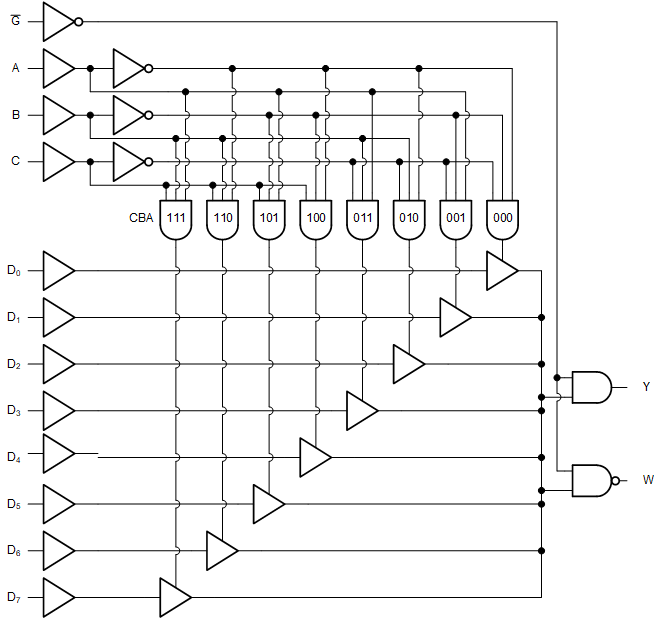
CD54HCT151High Speed CMOS Logic 8-Input Multiplexer | Integrated Circuits (ICs) | 1 | Active | High Speed CMOS Logic 8-Input Multiplexer |
CD54HCT154High Speed CMOS Logic 4-to-16 Line Decoder/Demultiplexer | Logic | 1 | Active | The ’HC154 and ’HCT154 are 4-to-16 line decoders/demultiplexers with two enable inputs, E1 and E2. A High on either enable input forces the output into the High state. The demultiplexing function is performed by using the four input lines, A0 to A3, to select the output lines Y0\ to Y15\, and using one enable as the data input while holding the other enable low.
The ’HC154 and ’HCT154 are 4-to-16 line decoders/demultiplexers with two enable inputs, E1 and E2. A High on either enable input forces the output into the High state. The demultiplexing function is performed by using the four input lines, A0 to A3, to select the output lines Y0\ to Y15\, and using one enable as the data input while holding the other enable low. |
CD54HCT157High Speed CMOS Logic Quad 2-Input Multiplexers | Signal Switches, Multiplexers, Decoders | 1 | Active | The ’HC157, ’HCT157, ’HC158, and ’HCT158 are quad 2-input multiplexers which select four bits of data from two sources under the control of a common Select input (S). The Enable input (E\) is active Low. When (E\) is High, all of the outputs in the 158, the inverting type, (1Y\-4Y\) are forced High and in the 157, the non-inverting type, all of the outputs (1Y\-4Y\) are forced Low, regardless of all other input conditions.
Moving data from two groups of registers to four common output busses is a common use of these devices. The state of the Select input determines the particular register from which the data comes. They can also be used as function generators.
The ’HC157, ’HCT157, ’HC158, and ’HCT158 are quad 2-input multiplexers which select four bits of data from two sources under the control of a common Select input (S). The Enable input (E\) is active Low. When (E\) is High, all of the outputs in the 158, the inverting type, (1Y\-4Y\) are forced High and in the 157, the non-inverting type, all of the outputs (1Y\-4Y\) are forced Low, regardless of all other input conditions.
Moving data from two groups of registers to four common output busses is a common use of these devices. The state of the Select input determines the particular register from which the data comes. They can also be used as function generators. |
CD54HCT163High Speed CMOS Logic 4-Bit Binary Counter with Synchronous Reset | Counters, Dividers | 1 | Active | The ’HC161, ’HCT161, ’HC163, and ’HCT163 are presettable synchronous counters that feature look-ahead carry logic for use in high-speed counting applications. The ’HC161 and ’HCT161 are asynchronous reset decade and binary counters, respectively; the ’HC163 and ’HCT163 devices are decade and binary counters, respectively, that are reset synchronously with the clock. Counting and parallel presetting are both accomplished synchronously with the negative-to-positive transition of the clock.
A low level on the synchronous parallel enable input, SPE, disables counting operation and allows data at the P0 to P3 inputs to be loaded into the counter (provided that the setup and hold requirements for SPE are met).
All counters are reset with a low level on the Master Reset input, MR. In the ’HC163 and ’HCT163 counters (synchronous reset types), the requirements for setup and hold time with respect to the clock must be met.
Two count enables, PE and TE, in each counter are provided for n-bit cascading. In all counters reset action occurs regardless of the level of the SPE\, PE and TE inputs (and the clock input, CP, in the ’HC161 and ’HCT161 types).
If a decade counter is preset to an illegal state or assumes an illegal state when power is applied, it will return to the normal sequence in one count as shown in state diagram.
The look-ahead carry feature simplifies serial cascading of the counters. Both count enable inputs (PE and TE) must be high to count. The TE input is gated with the Q outputs of all four stages so that at the maximum count the terminal count (TC) output goes high for one clock period. This TC pulse is used to enable the next cascaded stage.
The ’HC161, ’HCT161, ’HC163, and ’HCT163 are presettable synchronous counters that feature look-ahead carry logic for use in high-speed counting applications. The ’HC161 and ’HCT161 are asynchronous reset decade and binary counters, respectively; the ’HC163 and ’HCT163 devices are decade and binary counters, respectively, that are reset synchronously with the clock. Counting and parallel presetting are both accomplished synchronously with the negative-to-positive transition of the clock.
A low level on the synchronous parallel enable input, SPE, disables counting operation and allows data at the P0 to P3 inputs to be loaded into the counter (provided that the setup and hold requirements for SPE are met).
All counters are reset with a low level on the Master Reset input, MR. In the ’HC163 and ’HCT163 counters (synchronous reset types), the requirements for setup and hold time with respect to the clock must be met.
Two count enables, PE and TE, in each counter are provided for n-bit cascading. In all counters reset action occurs regardless of the level of the SPE\, PE and TE inputs (and the clock input, CP, in the ’HC161 and ’HCT161 types).
If a decade counter is preset to an illegal state or assumes an illegal state when power is applied, it will return to the normal sequence in one count as shown in state diagram.
The look-ahead carry feature simplifies serial cascading of the counters. Both count enable inputs (PE and TE) must be high to count. The TE input is gated with the Q outputs of all four stages so that at the maximum count the terminal count (TC) output goes high for one clock period. This TC pulse is used to enable the next cascaded stage. |
CD54HCT166High Speed CMOS Logic 8-Bit Parallel-In/Serial-Out Shift Register | Integrated Circuits (ICs) | 1 | Active | High Speed CMOS Logic 8-Bit Parallel-In/Serial-Out Shift Register |