T
Texas Instruments
| Series | Category | # Parts | Status | Description |
|---|---|---|---|---|
| Part | Spec A | Spec B | Spec C | Spec D | Description |
|---|---|---|---|---|---|



| Series | Category | # Parts | Status | Description |
|---|---|---|---|---|
| Part | Spec A | Spec B | Spec C | Spec D | Description |
|---|---|---|---|---|---|
| Part | Category | Description |
|---|---|---|
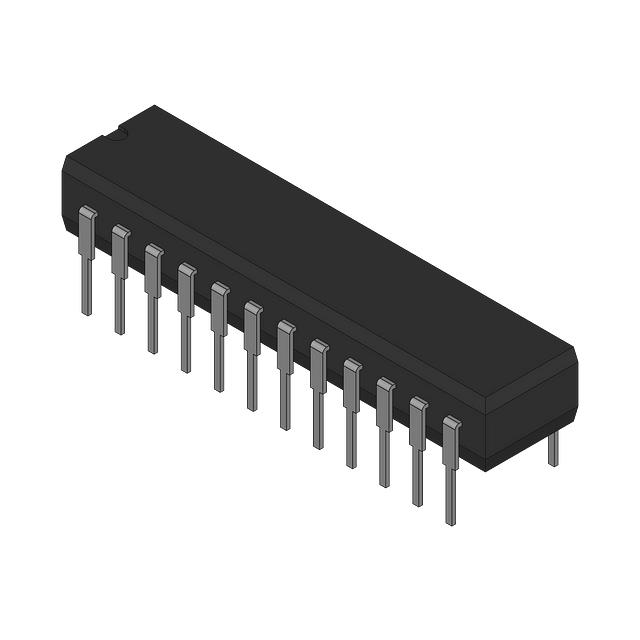 Texas Instruments | Integrated Circuits (ICs) | BUS DRIVER, BCT/FBT SERIES |
 Texas Instruments | Integrated Circuits (ICs) | 12BIT 3.3V~3.6V 210MHZ PARALLEL VQFN-48-EP(7X7) ANALOG TO DIGITAL CONVERTERS (ADC) ROHS |
Texas Instruments | Integrated Circuits (ICs) | TMX320DRE311 179PIN UBGA 200MHZ |
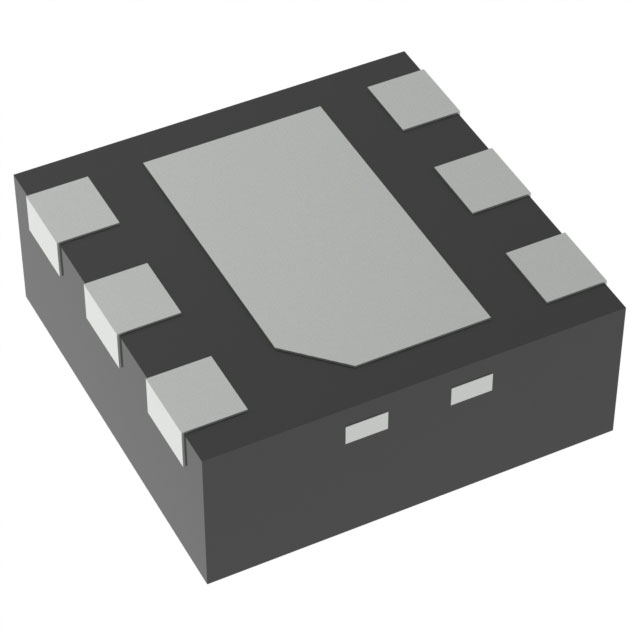 Texas Instruments TPS61040DRVTG4Unknown | Integrated Circuits (ICs) | IC LED DRV RGLTR PWM 350MA 6WSON |
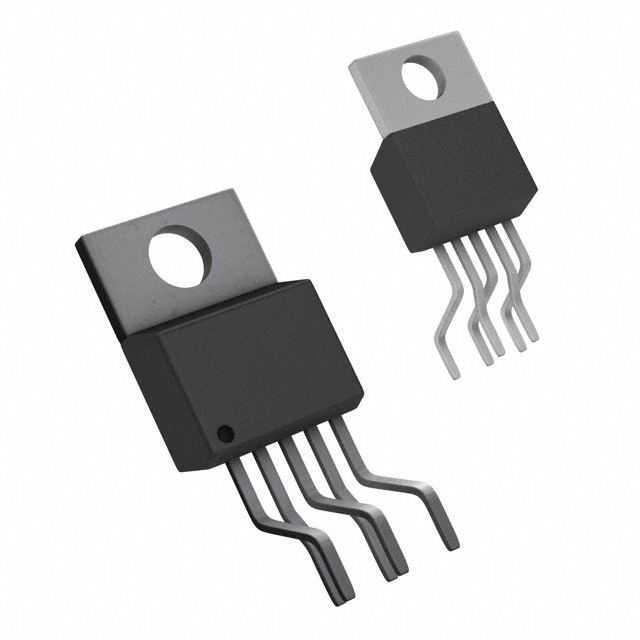 Texas Instruments LP3876ET-2.5Obsolete | Integrated Circuits (ICs) | IC REG LINEAR 2.5V 3A TO220-5 |
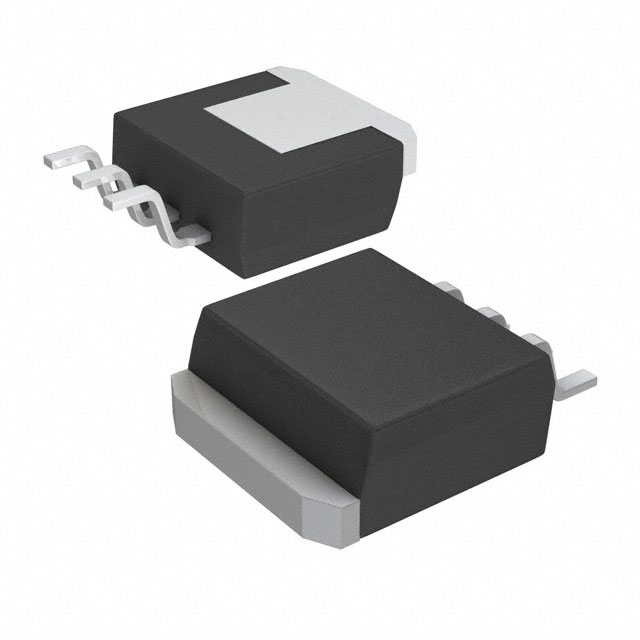 Texas Instruments LMS1585ACSX-ADJObsolete | Integrated Circuits (ICs) | IC REG LIN POS ADJ 5A DDPAK |
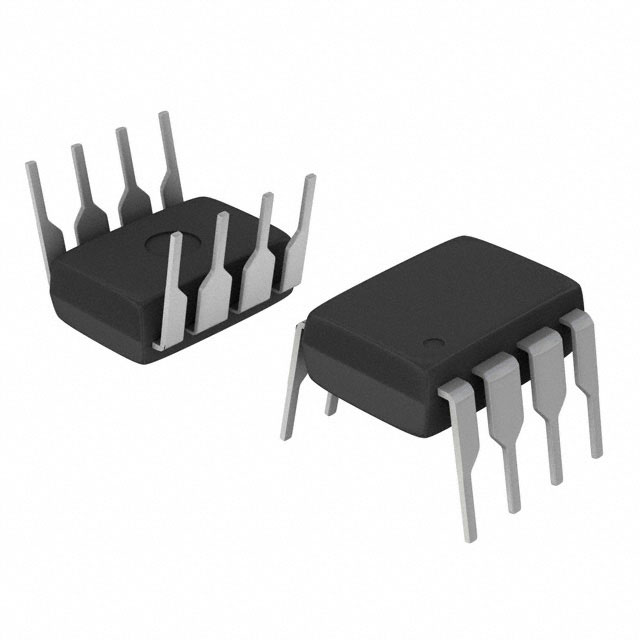 Texas Instruments INA111APG4Obsolete | Integrated Circuits (ICs) | IC INST AMP 1 CIRCUIT 8DIP |
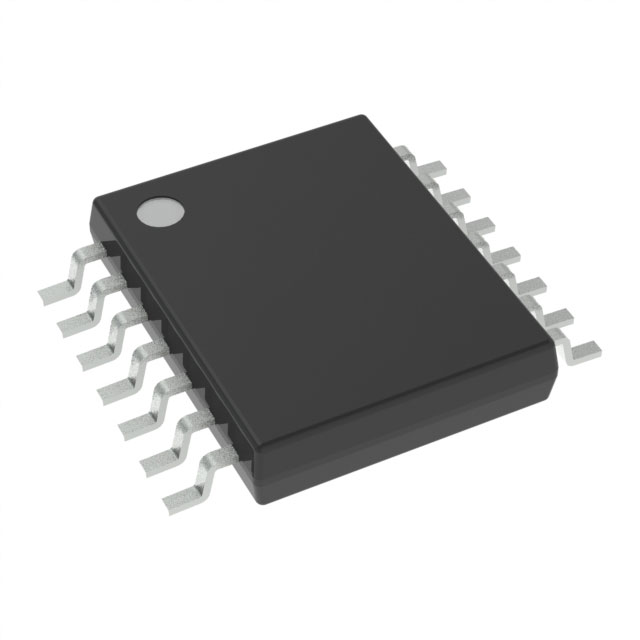 Texas Instruments | Integrated Circuits (ICs) | AUTOMOTIVE, QUAD 36V 1.2MHZ OPERATIONAL AMPLIFIER |
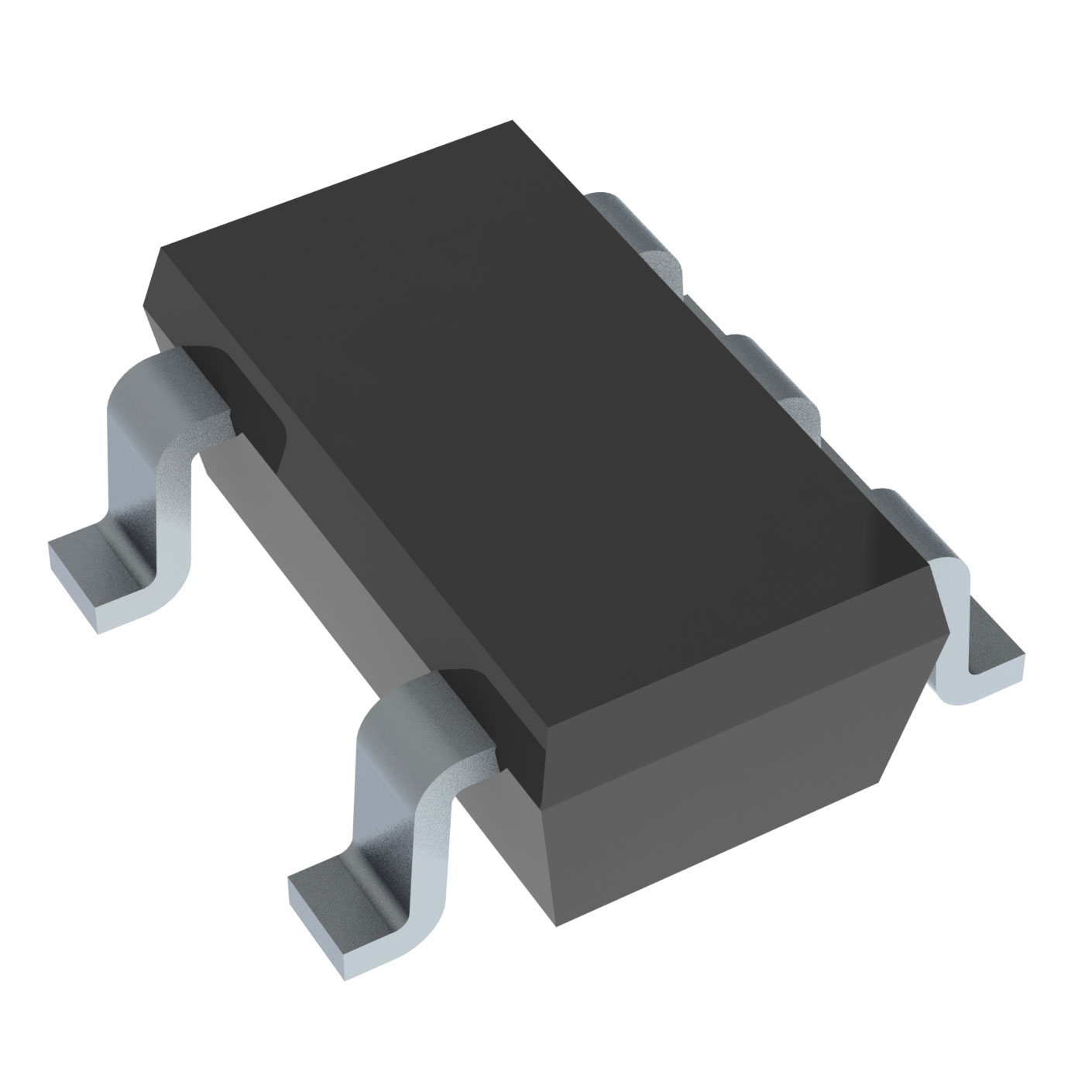 Texas Instruments OPA340NA/3KG4Unknown | Integrated Circuits (ICs) | IC OPAMP GP 1 CIRCUIT SOT23-5 |
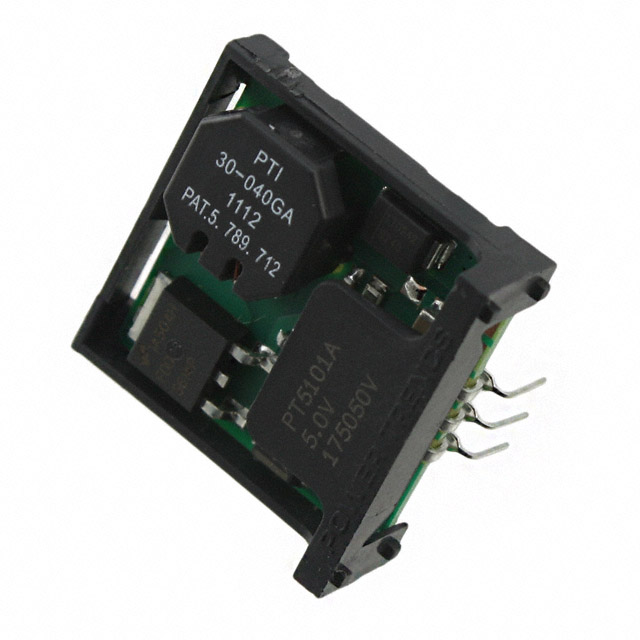 Texas Instruments PT5112AObsolete | Power Supplies - Board Mount | DC DC CONVERTER 8V 8W |
| Series | Category | # Parts | Status | Description |
|---|---|---|---|---|
BQ25703AI2C 1-4 cell NVDC Buck-Boost battery charge controller with system power monitor & processor | Battery Management | 2 | Active | The bq25703A is a synchronous NVDC battery buck-boost charge controller, offering low component count, high efficiency solution for space-constraint, multi-chemistry battery charging applications.
The NVDC-1 configuration allows the system to be regulated at battery voltage, but not drop below system minimum voltage. The system keeps operating even when the battery is completely discharged or removed. When load power exceeds input source rating, the battery goes into supplement mode and prevents the system from crashing.
The bq25703A charges battery from a wide range of input sources including USB adapter, high voltage USB PD sources and traditional adapters.
During power up, the charger sets converter to buck, boost or buck-boost configuration based on input source and battery conditions. The charger automatically transits among buck, boost and buck-boost configuration without host control.
In the absence of an input source, the bq25703A supports On-the-Go (OTG) function from 1- to 4-cell battery to generate 4.48 V to 20.8 V on VBUS. During OTG mode, the charger regulates output voltage and output current.
The bq25703A monitors adapter current, battery current and system power. The flexibly programmedPROCHOToutput goes directly to CPU for throttle back when needed.
The bq25703A is a synchronous NVDC battery buck-boost charge controller, offering low component count, high efficiency solution for space-constraint, multi-chemistry battery charging applications.
The NVDC-1 configuration allows the system to be regulated at battery voltage, but not drop below system minimum voltage. The system keeps operating even when the battery is completely discharged or removed. When load power exceeds input source rating, the battery goes into supplement mode and prevents the system from crashing.
The bq25703A charges battery from a wide range of input sources including USB adapter, high voltage USB PD sources and traditional adapters.
During power up, the charger sets converter to buck, boost or buck-boost configuration based on input source and battery conditions. The charger automatically transits among buck, boost and buck-boost configuration without host control.
In the absence of an input source, the bq25703A supports On-the-Go (OTG) function from 1- to 4-cell battery to generate 4.48 V to 20.8 V on VBUS. During OTG mode, the charger regulates output voltage and output current.
The bq25703A monitors adapter current, battery current and system power. The flexibly programmedPROCHOToutput goes directly to CPU for throttle back when needed. |
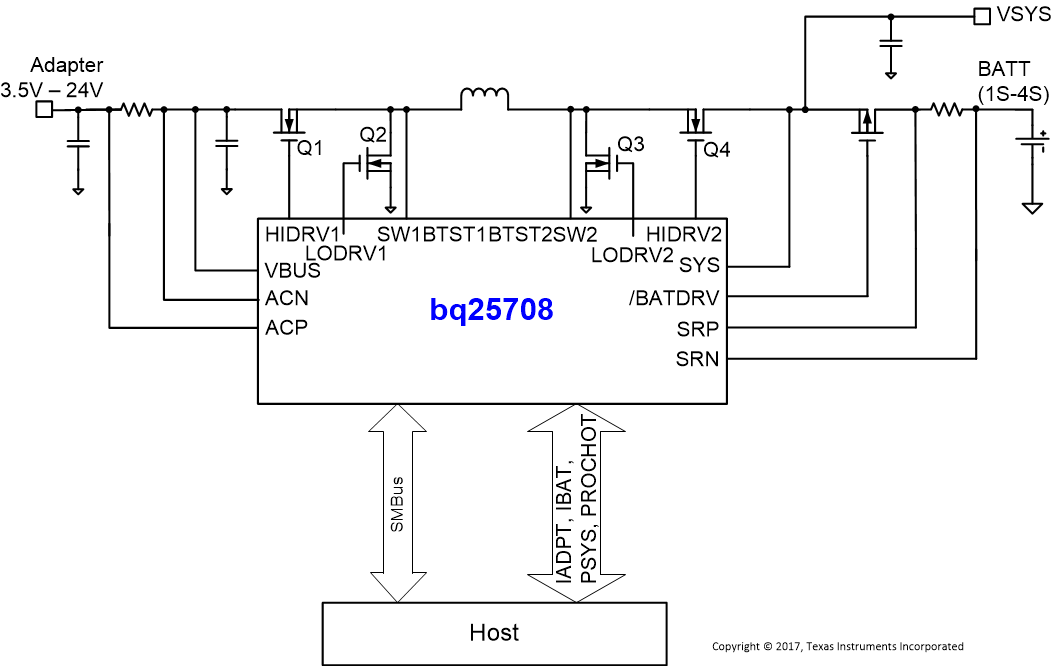
BQ25708SMBus Multi-Chemistry battery Buck-Boost charge controller | Battery Chargers | 1 | Active | The bq25708 is a synchronous NVDC battery buck-boost charge controller, offering low component count, high efficiency solution for space-constraint, multi-chemistry battery charging applications.
The NVDC-1 configuration allows the system to be regulated at battery voltage, but not drop below system minimum voltage. The system keeps operating even when the battery is completely discharged or removed. When load power exceeds input source rating, the battery goes into supplement mode and prevents the system from crashing.
The bq25708 charges battery from a wide range of input sources including USB adapter, high voltage USB PD sources and traditional adapters.
During power up, the charger sets converter to buck, boost or buck-boost configuration based on input source and battery conditions. The charger automatically transits among buck, boost and buck-boost configuration without host control.
The bq25708 monitors adapter current, battery current and system power. The flexibly programmedPROCHOToutput goes directly to CPU for throttle back when needed.
The bq25708 is a synchronous NVDC battery buck-boost charge controller, offering low component count, high efficiency solution for space-constraint, multi-chemistry battery charging applications.
The NVDC-1 configuration allows the system to be regulated at battery voltage, but not drop below system minimum voltage. The system keeps operating even when the battery is completely discharged or removed. When load power exceeds input source rating, the battery goes into supplement mode and prevents the system from crashing.
The bq25708 charges battery from a wide range of input sources including USB adapter, high voltage USB PD sources and traditional adapters.
During power up, the charger sets converter to buck, boost or buck-boost configuration based on input source and battery conditions. The charger automatically transits among buck, boost and buck-boost configuration without host control.
The bq25708 monitors adapter current, battery current and system power. The flexibly programmedPROCHOToutput goes directly to CPU for throttle back when needed. |
| Evaluation and Demonstration Boards and Kits | 2 | Active | ||
BQ25713BAddress 2 I2C 1-4 cell NVDC Buck-Boost battery charge controller with USB type C PD support | Development Boards, Kits, Programmers | 4 | Active | This device is a synchronous NVDC buck-boost battery charge controller, offering a low component count, high efficiency solution for space constrained, 1s-4s battery charging applications.
The NVDC configuration allows the system to be regulated at battery voltage, but not drop below system minimum voltage. The system keeps operating even when the battery is completely discharged or removed. When load power exceeds input source rating, the battery goes into supplement mode and prevents the system from crashing.
The BQ25713/BQ25713B charges battery from a wide range of input sources including USB adapter, high voltage USB PD sources and traditional adapters.
During power up, the charger sets converter to buck, boost or buck-boost configuration based on input source and battery conditions. The charger automatically transits among buck, boost and buck-boost configuration without host control.
In the absence of an input source, the BQ25713/BQ25713B supports USB On-the-Go (OTG) function from 1- to 4-cell battery to generate adjustable 3 V to 20.8 V on VBUS with 8 mV resolution. The OTG output voltage transition slew rate can be configurable, which is complied with the USB PD 3.0 PPS specifications.
When only battery powers the system and no external load is connected to the USB OTG port, the BQ25713/BQ25713B supports the Vmin Active Protection (VAP) feature, in which the device charges up the VBUS voltage from the battery to store some energy in the input decoupling capacitors. During the system peak power spike, the huge current drawing from the battery creates a larger voltage drop across the impedance from the battery to the system. The energy stored in the input capacitors will supplement the system, to prevent the system voltage from dropping below the minimum system voltage and causing the system crash. This Vmin Active Protection (VAP) is designed to absorb system power peaks during periods of SOC high power demand, which is highly recommended by Intel for the platforms with 1S~2S battery.
The BQ25713/BQ25713B monitors adapter current, battery current and system power. The flexibly programmed PROCHOT output goes directly to CPU for throttle back when needed.
This device is a synchronous NVDC buck-boost battery charge controller, offering a low component count, high efficiency solution for space constrained, 1s-4s battery charging applications.
The NVDC configuration allows the system to be regulated at battery voltage, but not drop below system minimum voltage. The system keeps operating even when the battery is completely discharged or removed. When load power exceeds input source rating, the battery goes into supplement mode and prevents the system from crashing.
The BQ25713/BQ25713B charges battery from a wide range of input sources including USB adapter, high voltage USB PD sources and traditional adapters.
During power up, the charger sets converter to buck, boost or buck-boost configuration based on input source and battery conditions. The charger automatically transits among buck, boost and buck-boost configuration without host control.
In the absence of an input source, the BQ25713/BQ25713B supports USB On-the-Go (OTG) function from 1- to 4-cell battery to generate adjustable 3 V to 20.8 V on VBUS with 8 mV resolution. The OTG output voltage transition slew rate can be configurable, which is complied with the USB PD 3.0 PPS specifications.
When only battery powers the system and no external load is connected to the USB OTG port, the BQ25713/BQ25713B supports the Vmin Active Protection (VAP) feature, in which the device charges up the VBUS voltage from the battery to store some energy in the input decoupling capacitors. During the system peak power spike, the huge current drawing from the battery creates a larger voltage drop across the impedance from the battery to the system. The energy stored in the input capacitors will supplement the system, to prevent the system voltage from dropping below the minimum system voltage and causing the system crash. This Vmin Active Protection (VAP) is designed to absorb system power peaks during periods of SOC high power demand, which is highly recommended by Intel for the platforms with 1S~2S battery.
The BQ25713/BQ25713B monitors adapter current, battery current and system power. The flexibly programmed PROCHOT output goes directly to CPU for throttle back when needed. |
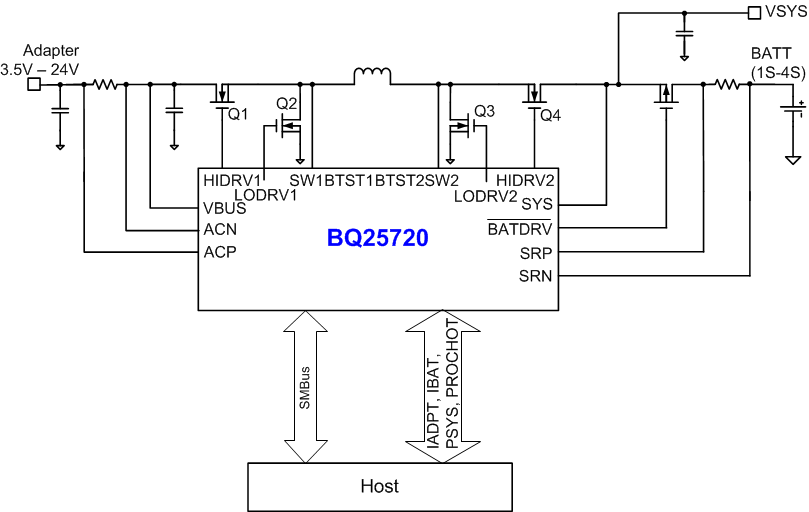
BQ25720SMBus 1- to 4-cell NVDC buck-boost battery charge controller with power path and USB-C® PD OTG | Integrated Circuits (ICs) | 1 | Active | The BQ25720 is a synchronous NVDC buck-boost battery charge controller to charge a 1- to 4-cell battery from a wide range of input sources including USB adapter, high voltage USB-C Power Delivery (PD) sources, and traditional adapters.
The NVDC configuration allows the system to be regulated based on battery voltage, but not drop below system minimum voltage. The system keeps operating even when the battery is completely discharged or removed. When load power exceeds input source rating, the battery goes into supplement mode and prevents the system from crashing.
During power up, the charger sets the converter to a buck, boost, or buck-boost configuration based on the input source and battery conditions. The charger seamlessly transitions between the buck, boost, and buck-boost operation modes without host control.
In the absence of an input source, the BQ25720 supports the USB On-the-Go (OTG) function from a 1- to 4-cell battery to generate an adjustable 3-V to 24-V output on VBUS with 8-mV resolution. The OTG output voltage transition slew rate can be configured to comply with the USB-PD 3.0 PPS specification.
When only a battery powers the system and no external load is connected to the USB OTG port, the BQ25720 implements the latest Intel Vmin Active Protection (VAP) feature, in which the device charges up the VBUS voltage from the battery to store some energy in the input decoupling capacitors. During a system peak power spike, the energy stored in the input capacitors supplements the system, to prevent the system voltage from dropping below the minimum system voltage and causing a system crash.
The BQ25720 monitors adapter current, battery current, and system power. The flexibly programmedPROCHOToutput goes directly to the CPU for throttle back when needed.
The latest version of the USB-C PD specification includes Fast Role Swap (FRS) to ensure power role swapping occurs in a timely fashion so that the device(s) connected to the dock can avoid experiencing momentary power loss or glitching. This device integrates FRS in compliance with the PD specification.
TI patented switching frequency dithering pattern can significantly reduce EMI noise over the whole conductive EMI frequency range (150 kHz to 30 MHz). Multiple dithering scale options are available to provide flexibility for different applications to simplify EMI noise filter design.
The charger can be operated in the TI patented Pass Through Mode (PTM) to improve efficiency over the full load range. In PTM, input power is directly passed through the charger to the system. Switching losses of the MOSFETs and inductor core loss can be saved for high efficiency operation.
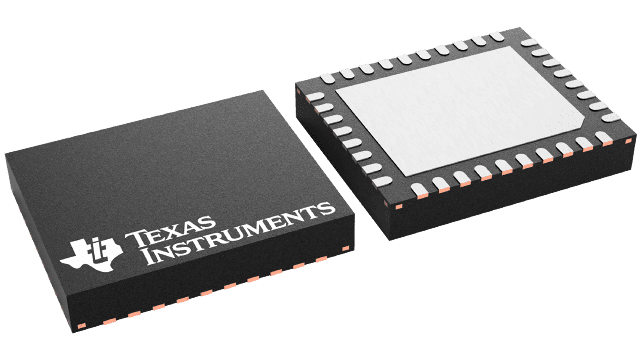
The BQ25720 is available in a 32-pin 4 mm × 4 mm WQFN package.
The BQ25720 is a synchronous NVDC buck-boost battery charge controller to charge a 1- to 4-cell battery from a wide range of input sources including USB adapter, high voltage USB-C Power Delivery (PD) sources, and traditional adapters.
The NVDC configuration allows the system to be regulated based on battery voltage, but not drop below system minimum voltage. The system keeps operating even when the battery is completely discharged or removed. When load power exceeds input source rating, the battery goes into supplement mode and prevents the system from crashing.
During power up, the charger sets the converter to a buck, boost, or buck-boost configuration based on the input source and battery conditions. The charger seamlessly transitions between the buck, boost, and buck-boost operation modes without host control.
In the absence of an input source, the BQ25720 supports the USB On-the-Go (OTG) function from a 1- to 4-cell battery to generate an adjustable 3-V to 24-V output on VBUS with 8-mV resolution. The OTG output voltage transition slew rate can be configured to comply with the USB-PD 3.0 PPS specification.
When only a battery powers the system and no external load is connected to the USB OTG port, the BQ25720 implements the latest Intel Vmin Active Protection (VAP) feature, in which the device charges up the VBUS voltage from the battery to store some energy in the input decoupling capacitors. During a system peak power spike, the energy stored in the input capacitors supplements the system, to prevent the system voltage from dropping below the minimum system voltage and causing a system crash.
The BQ25720 monitors adapter current, battery current, and system power. The flexibly programmedPROCHOToutput goes directly to the CPU for throttle back when needed.
The latest version of the USB-C PD specification includes Fast Role Swap (FRS) to ensure power role swapping occurs in a timely fashion so that the device(s) connected to the dock can avoid experiencing momentary power loss or glitching. This device integrates FRS in compliance with the PD specification.
TI patented switching frequency dithering pattern can significantly reduce EMI noise over the whole conductive EMI frequency range (150 kHz to 30 MHz). Multiple dithering scale options are available to provide flexibility for different applications to simplify EMI noise filter design.
The charger can be operated in the TI patented Pass Through Mode (PTM) to improve efficiency over the full load range. In PTM, input power is directly passed through the charger to the system. Switching losses of the MOSFETs and inductor core loss can be saved for high efficiency operation.
The BQ25720 is available in a 32-pin 4 mm × 4 mm WQFN package. |
BQ25723I²C 1-4 cell NVDC buck-boost battery charge controller with power path and USB-C® PD OTG | Integrated Circuits (ICs) | 1 | Active | The BQ25723 is a synchronous NVDC buck-boost battery charge controller to charge a 1- to 4-cell battery from a wide range of input sources including USB adapter, high voltage USB-C Power Delivery (PD) sources, and traditional adapters.
The NVDC configuration allows the system to be regulated based on battery voltage, but not drop below system minimum voltage. The system keeps operating even when the battery is completely discharged or removed. When load power exceeds input source rating, the battery goes into supplement mode and prevents the system from crashing.
During power up, the charger sets the converter to a buck, boost, or buck-boost configuration based on the input source and battery conditions. The charger seamlessly transitions between the buck, boost, and buck-boost operation modes without host control.
In the absence of an input source, the BQ25723 supports the USB On-the-Go (OTG) function from a 1- to 4-cell battery to generate an adjustable 3-V to 24-V output on VBUS with 8-mV resolution. The OTG output voltage transition slew rate can be configured to comply with the USB-PD 3.0 PPS specification.
When only a battery powers the system and no external load is connected to the USB OTG port, the BQ25723 implements the latest Intel Vmin Active Protection (VAP) feature, in which the device charges up the VBUS voltage from the battery to store some energy in the input decoupling capacitors. During a system peak power spike, the energy stored in the input capacitors supplements the system, to prevent the system voltage from dropping below the minimum system voltage and causing a system crash.
The BQ25723 monitors adapter current, battery current, and system power. The flexibly programmedPROCHOToutput goes directly to the CPU for throttle back when needed.
The latest version of the USB-C PD specification includes Fast Role Swap (FRS) to ensure power role swapping occurs in a timely fashion so that the device(s) connected to the dock can avoid experiencing momentary power loss or glitching. This device integrates FRS in compliance with the PD specification.
TI patented switching frequency dithering pattern can significantly reduce EMI noise over the whole conductive EMI frequency range (150 kHz to 30 MHz). Multiple dithering scale options are available to provide flexibility for different applications to simplify EMI noise filter design.
The charger can be operated in the TI patented Pass Through Mode (PTM) to improve efficiency over the full load range. In PTM, input power is directly passed through the charger to the system. Switching losses of the MOSFETs and inductor core loss can be saved for high efficiency operation.
The BQ25723 is available in a 32-pin 4 mm × 4 mm WQFN package.
The BQ25723 is a synchronous NVDC buck-boost battery charge controller to charge a 1- to 4-cell battery from a wide range of input sources including USB adapter, high voltage USB-C Power Delivery (PD) sources, and traditional adapters.
The NVDC configuration allows the system to be regulated based on battery voltage, but not drop below system minimum voltage. The system keeps operating even when the battery is completely discharged or removed. When load power exceeds input source rating, the battery goes into supplement mode and prevents the system from crashing.
During power up, the charger sets the converter to a buck, boost, or buck-boost configuration based on the input source and battery conditions. The charger seamlessly transitions between the buck, boost, and buck-boost operation modes without host control.
In the absence of an input source, the BQ25723 supports the USB On-the-Go (OTG) function from a 1- to 4-cell battery to generate an adjustable 3-V to 24-V output on VBUS with 8-mV resolution. The OTG output voltage transition slew rate can be configured to comply with the USB-PD 3.0 PPS specification.
When only a battery powers the system and no external load is connected to the USB OTG port, the BQ25723 implements the latest Intel Vmin Active Protection (VAP) feature, in which the device charges up the VBUS voltage from the battery to store some energy in the input decoupling capacitors. During a system peak power spike, the energy stored in the input capacitors supplements the system, to prevent the system voltage from dropping below the minimum system voltage and causing a system crash.
The BQ25723 monitors adapter current, battery current, and system power. The flexibly programmedPROCHOToutput goes directly to the CPU for throttle back when needed.
The latest version of the USB-C PD specification includes Fast Role Swap (FRS) to ensure power role swapping occurs in a timely fashion so that the device(s) connected to the dock can avoid experiencing momentary power loss or glitching. This device integrates FRS in compliance with the PD specification.
TI patented switching frequency dithering pattern can significantly reduce EMI noise over the whole conductive EMI frequency range (150 kHz to 30 MHz). Multiple dithering scale options are available to provide flexibility for different applications to simplify EMI noise filter design.
The charger can be operated in the TI patented Pass Through Mode (PTM) to improve efficiency over the full load range. In PTM, input power is directly passed through the charger to the system. Switching losses of the MOSFETs and inductor core loss can be saved for high efficiency operation.
The BQ25723 is available in a 32-pin 4 mm × 4 mm WQFN package. |
BQ25730I²C 1-5 cell NVDC buck-boost battery charge controller with power path and USB-C® PD OTG | Power Management (PMIC) | 1 | Active | The BQ25730 is a synchronous NVDC buck-boost battery charge controller to charge a 1- to 5-cell battery from a wide range of input sources including USB adapter, high voltage USB-C Power Delivery (PD) sources, and traditional adapters. It offers a low component count, high efficiency solution for space constrained, 1- to 5-cell battery charging applications. The Narrow VDC buck-boost architecture avoid direct power path from input source to system voltage which implements wide input voltage range and narrow system voltage range at same time. Narrow system voltage range is valuable for faster battery supplement and lower MOSFET rating for next stage converter.
The NVDC configuration allows the system to be regulated based on battery voltage, but not drop below system minimum voltage. The system keeps operating even when the battery is completely discharged or removed. When load power exceeds input source rating, the battery goes into supplement mode and prevents the system from crashing.
During power up, the charger sets the converter to a buck, boost, or buck-boost configuration based on the input source and battery conditions. The charger seamlessly transitions between the buck, boost, and buck-boost operation modes without host control.
In the absence of an input source, the BQ25730 supports the USB On-the-Go (OTG) function from a 1- to 5-cell battery to generate an adjustable 3V to 24V output on VBUS with 8mV resolution. The OTG output voltage transition slew rate can be configured to comply with the USB-PD 3.0 PPS specification.
The latest version of the USB-C PD specification includes Fast Role Swap (FRS) to ensure power role swapping occurs in a timely fashion so that the device(s) connected to the dock can avoid experiencing momentary power loss or glitching. This device integrates FRS in compliance with the PD specification.
TI patented switching frequency dithering pattern can significantly reduce EMI noise over the whole conductive EMI frequency range (150kHz to 30MHz). Multiple dithering scale options are available to provide flexibility for different applications to simplify EMI noise filter design.
The charger can be operated in the TI patented Pass Through Mode (PTM) to improve efficiency over the full load range. In PTM, input power is directly passed through the charger to the system. Switching losses of the MOSFETs and inductor core loss can be saved for high efficiency operation.
The BQ25730 is available in a 32-pin 4mm × 4mm WQFN package.
The BQ25730 is a synchronous NVDC buck-boost battery charge controller to charge a 1- to 5-cell battery from a wide range of input sources including USB adapter, high voltage USB-C Power Delivery (PD) sources, and traditional adapters. It offers a low component count, high efficiency solution for space constrained, 1- to 5-cell battery charging applications. The Narrow VDC buck-boost architecture avoid direct power path from input source to system voltage which implements wide input voltage range and narrow system voltage range at same time. Narrow system voltage range is valuable for faster battery supplement and lower MOSFET rating for next stage converter.
The NVDC configuration allows the system to be regulated based on battery voltage, but not drop below system minimum voltage. The system keeps operating even when the battery is completely discharged or removed. When load power exceeds input source rating, the battery goes into supplement mode and prevents the system from crashing.
During power up, the charger sets the converter to a buck, boost, or buck-boost configuration based on the input source and battery conditions. The charger seamlessly transitions between the buck, boost, and buck-boost operation modes without host control.
In the absence of an input source, the BQ25730 supports the USB On-the-Go (OTG) function from a 1- to 5-cell battery to generate an adjustable 3V to 24V output on VBUS with 8mV resolution. The OTG output voltage transition slew rate can be configured to comply with the USB-PD 3.0 PPS specification.
The latest version of the USB-C PD specification includes Fast Role Swap (FRS) to ensure power role swapping occurs in a timely fashion so that the device(s) connected to the dock can avoid experiencing momentary power loss or glitching. This device integrates FRS in compliance with the PD specification.
TI patented switching frequency dithering pattern can significantly reduce EMI noise over the whole conductive EMI frequency range (150kHz to 30MHz). Multiple dithering scale options are available to provide flexibility for different applications to simplify EMI noise filter design.
The charger can be operated in the TI patented Pass Through Mode (PTM) to improve efficiency over the full load range. In PTM, input power is directly passed through the charger to the system. Switching losses of the MOSFETs and inductor core loss can be saved for high efficiency operation.
The BQ25730 is available in a 32-pin 4mm × 4mm WQFN package. |
| Evaluation and Demonstration Boards and Kits | 1 | Active | ||
BQ25756EStand-alone or I²C-controlled bidirectional buck-boost charge controller for up to 7S batteries | Power Management (PMIC) | 1 | Active | The BQ25756E is a wide input voltage, switched-mode buck-boost Li-Ion, Li-polymer, or LiFePO 4 battery charge controller with bidirectional power flow support. The device offers high-efficiency battery charging over a wide voltage range with accurate charge current and charge voltage regulation, in addition to automatic charge preconditioning, termination, and charge status indication. The device integrates all the loop compensation for the buck-boost converter, thereby providing a high density solution with ease of use. In reverse mode, the device draws power from the battery and regulates the input terminal voltage with an added constant current limit for protection, supporting USB-PD EPR power profile.
Besides the I 2C host-controlled charging mode, the device also supports standalone charging mode via resistor programmable limits. Input current, charge current and charge voltage regulation targets can be set via the ILIM_HIZ, ICHG and FB pins, respectively.
The BQ25756E is a wide input voltage, switched-mode buck-boost Li-Ion, Li-polymer, or LiFePO 4 battery charge controller with bidirectional power flow support. The device offers high-efficiency battery charging over a wide voltage range with accurate charge current and charge voltage regulation, in addition to automatic charge preconditioning, termination, and charge status indication. The device integrates all the loop compensation for the buck-boost converter, thereby providing a high density solution with ease of use. In reverse mode, the device draws power from the battery and regulates the input terminal voltage with an added constant current limit for protection, supporting USB-PD EPR power profile.
Besides the I 2C host-controlled charging mode, the device also supports standalone charging mode via resistor programmable limits. Input current, charge current and charge voltage regulation targets can be set via the ILIM_HIZ, ICHG and FB pins, respectively. |
BQ25758I²C controlled 60-V bi-directional buck-boost controller with USB PD EPR and PPS support | Power Management (PMIC) | 1 | Active | BQ25758 is a wide input voltage, bidirectional switched-mode buck-boost controller. The device offers high-efficiency power conversion over a wide voltage range with output CC-CV control. The device integrates all the loop compensation for the buck-boost converter, thereby providing a high density solution with ease of use. In reverse mode, the device draws power from the output supply and regulates the input terminal voltage with an added constant current loop for protection.
Besides the I2C host-controlled mode, the device also supports programmable hardware limits. Input current, and output current regulation targets can be set with single resistor on the IIN, and IOUT pins, respectively. By default, the device is programmed to provide 5V output, and the target output voltage can be adjusted via the VOUT_REG register bits.
BQ25758 is a wide input voltage, bidirectional switched-mode buck-boost controller. The device offers high-efficiency power conversion over a wide voltage range with output CC-CV control. The device integrates all the loop compensation for the buck-boost converter, thereby providing a high density solution with ease of use. In reverse mode, the device draws power from the output supply and regulates the input terminal voltage with an added constant current loop for protection.
Besides the I2C host-controlled mode, the device also supports programmable hardware limits. Input current, and output current regulation targets can be set with single resistor on the IIN, and IOUT pins, respectively. By default, the device is programmed to provide 5V output, and the target output voltage can be adjusted via the VOUT_REG register bits. |