T
Texas Instruments
| Series | Category | # Parts | Status | Description |
|---|---|---|---|---|
| Part | Spec A | Spec B | Spec C | Spec D | Description |
|---|---|---|---|---|---|



| Series | Category | # Parts | Status | Description |
|---|---|---|---|---|
| Part | Spec A | Spec B | Spec C | Spec D | Description |
|---|---|---|---|---|---|
| Part | Category | Description |
|---|---|---|
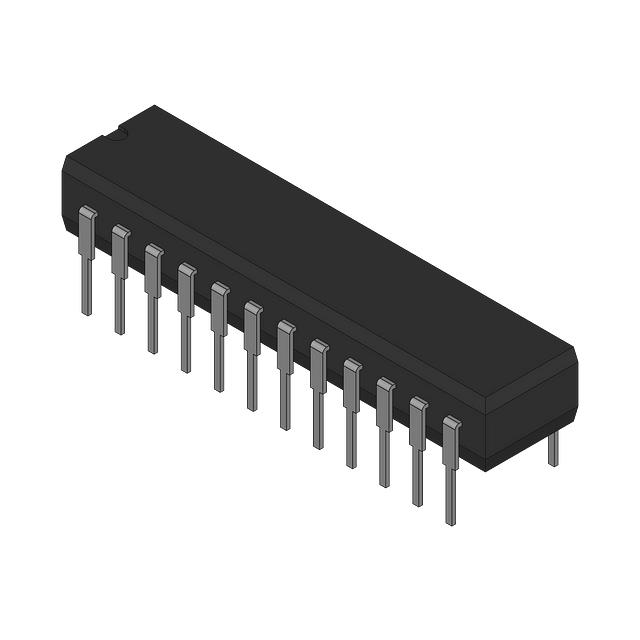 Texas Instruments | Integrated Circuits (ICs) | BUS DRIVER, BCT/FBT SERIES |
 Texas Instruments | Integrated Circuits (ICs) | 12BIT 3.3V~3.6V 210MHZ PARALLEL VQFN-48-EP(7X7) ANALOG TO DIGITAL CONVERTERS (ADC) ROHS |
Texas Instruments | Integrated Circuits (ICs) | TMX320DRE311 179PIN UBGA 200MHZ |
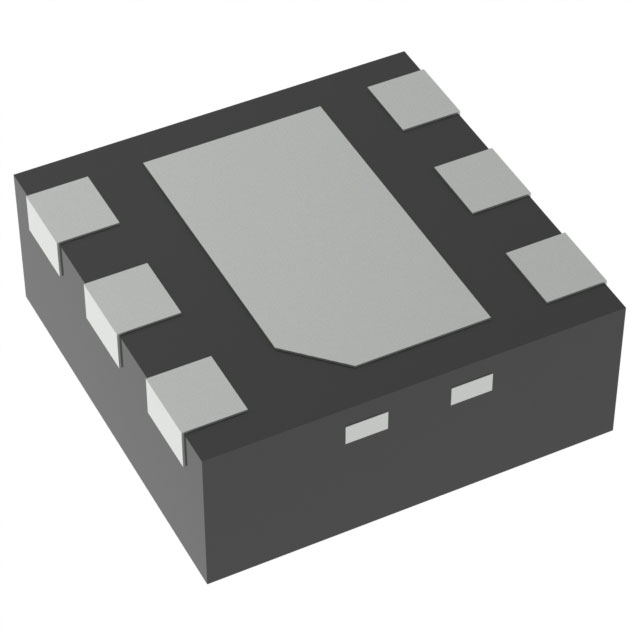 Texas Instruments TPS61040DRVTG4Unknown | Integrated Circuits (ICs) | IC LED DRV RGLTR PWM 350MA 6WSON |
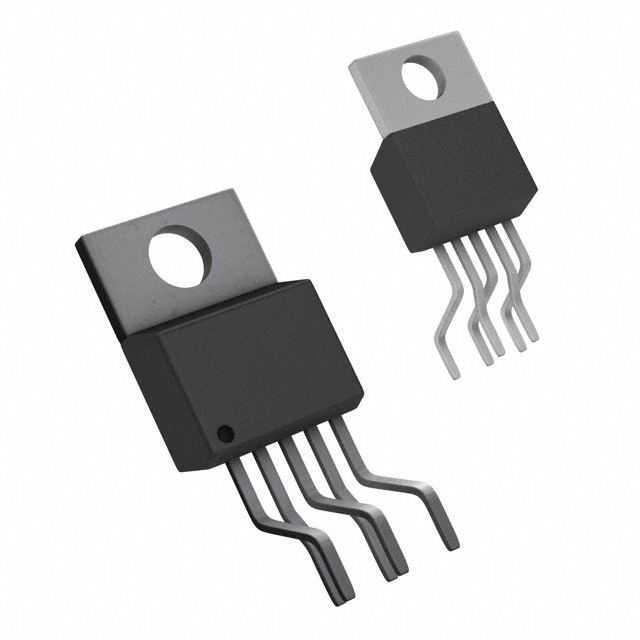 Texas Instruments LP3876ET-2.5Obsolete | Integrated Circuits (ICs) | IC REG LINEAR 2.5V 3A TO220-5 |
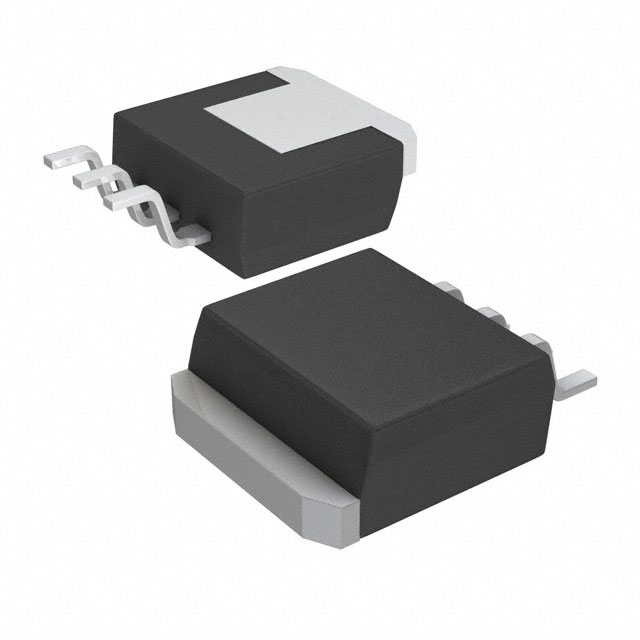 Texas Instruments LMS1585ACSX-ADJObsolete | Integrated Circuits (ICs) | IC REG LIN POS ADJ 5A DDPAK |
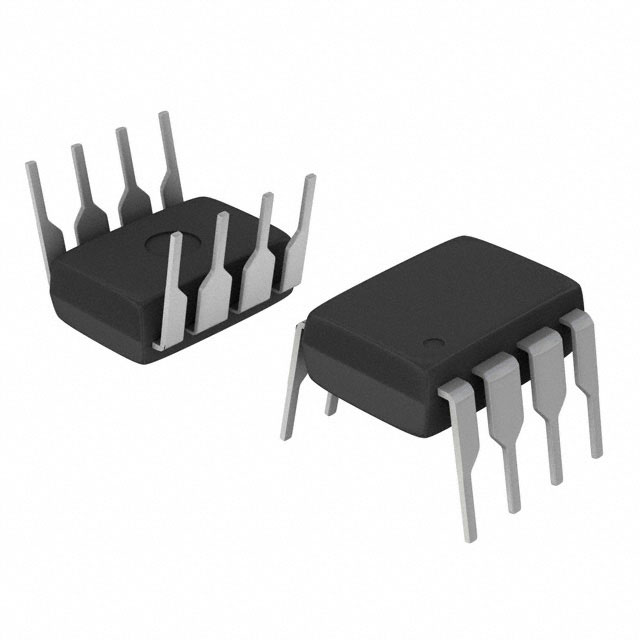 Texas Instruments INA111APG4Obsolete | Integrated Circuits (ICs) | IC INST AMP 1 CIRCUIT 8DIP |
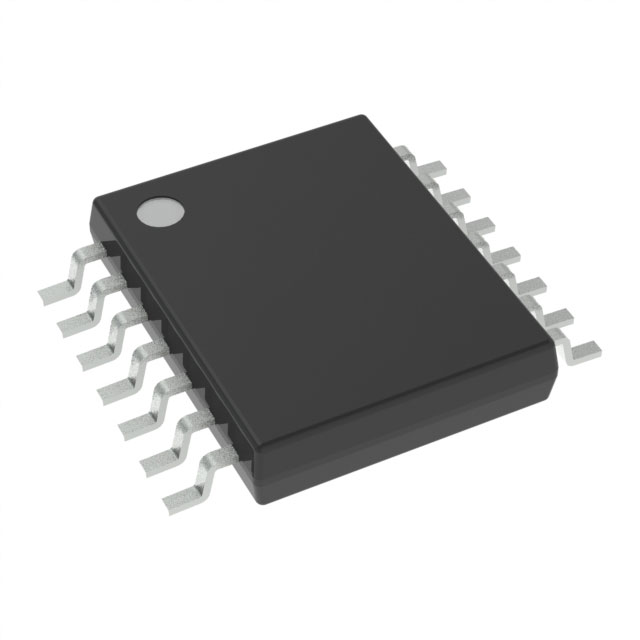 Texas Instruments | Integrated Circuits (ICs) | AUTOMOTIVE, QUAD 36V 1.2MHZ OPERATIONAL AMPLIFIER |
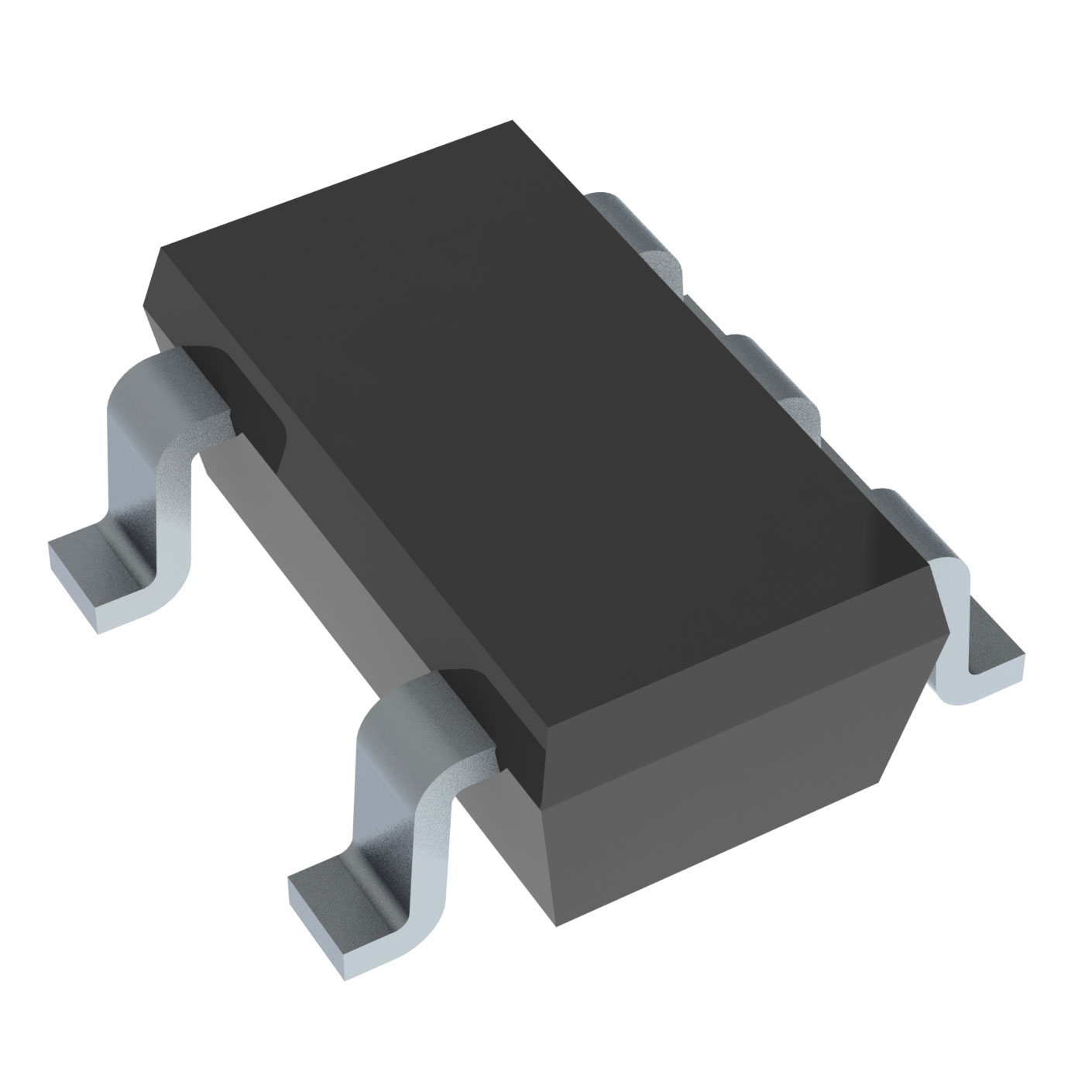 Texas Instruments OPA340NA/3KG4Unknown | Integrated Circuits (ICs) | IC OPAMP GP 1 CIRCUIT SOT23-5 |
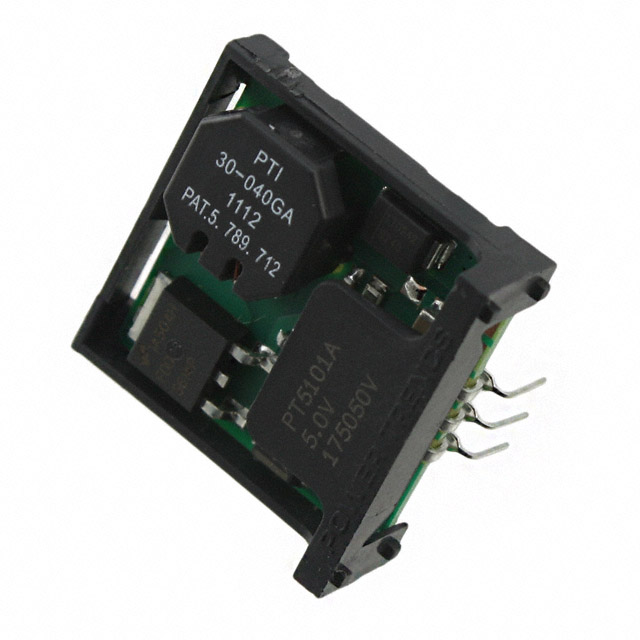 Texas Instruments PT5112AObsolete | Power Supplies - Board Mount | DC DC CONVERTER 8V 8W |
| Series | Category | # Parts | Status | Description |
|---|---|---|---|---|
TLIN1431-Q1Automotive LIN SBC for 12-V systems with integrated VREG and watchdog | Integrated Circuits (ICs) | 2 | Active | The TLIN1431x-Q1 is a local interconnect network (LIN) system basis chip (SBC) that integrates a watchdog, high-side switch, limp home capability and highly configurable WAKE input pin. The device self-determines the control method, pin or serial peripheral interface (SPI), at power up. The watchdog defaults to a window watchdog for both control methods but for flexibility the device can be configured as a window or timeout watchdog with greater than 20 different time windows when SPI control is used.
The LIN transceiver provides a 200 kbps fast mode for end of line programming. A high-side switch with diagnostic capability is provided for on board LED. The highly configurable WAKE pin can be used with the high-side switch for cyclic sensing, thus, reducing the ECU sleep current. The WKRQ/INH pin can be configured for a digital wake output (WKRQ) or a VSUP based inhibit (INH) enable pin for an external supply.
space
The TLIN1431x-Q1 is a local interconnect network (LIN) system basis chip (SBC) that integrates a watchdog, high-side switch, limp home capability and highly configurable WAKE input pin. The device self-determines the control method, pin or serial peripheral interface (SPI), at power up. The watchdog defaults to a window watchdog for both control methods but for flexibility the device can be configured as a window or timeout watchdog with greater than 20 different time windows when SPI control is used.
The LIN transceiver provides a 200 kbps fast mode for end of line programming. A high-side switch with diagnostic capability is provided for on board LED. The highly configurable WAKE pin can be used with the high-side switch for cyclic sensing, thus, reducing the ECU sleep current. The WKRQ/INH pin can be configured for a digital wake output (WKRQ) or a VSUP based inhibit (INH) enable pin for an external supply.
space |
TLIN1441-Q1Automotive local interconnect network transceiver with integrated voltage regulator and watchdog | Development Boards, Kits, Programmers | 3 | Active | The TLIN1441-Q1 is a local interconnect network (LIN) physical layer transceiver, compliant to LIN 2.2A and ISO/DIS 17987–4 standards, with an integrated low dropout (LDO) voltage regulator and watchdog. The TLIN1441-Q1 watchdog can operate in window or timeout mode and can be controlled by pins or SPI. The Pin or SPI control is established at power up by the state of pin 9 (that is, High, Z-State, Low).
LIN is a single-wire bidirectional bus typically used for low speed in-vehicle networks using data rates up to 20 kbps. The LIN receiver supports data rates up to 100 kbps for end-of-line programming. The TLIN1441-Q1 converts the LIN protocol data stream on the TXD input into a LIN bus signal. The receiver converts the data stream to logic-level signals that are sent to the microprocessor through the open-drain RXD pin. The TLIN1441-Q1 reduces system complexity by providing a 3.3 V or 5 V rail with up to 125 mA of current to power microprocessors, sensors or other devices. The TLIN1441-Q1 has an optimized current-limited wave-shaping driver which reduces electromagnetic emissions (EME).
The TLIN1441-Q1 is a local interconnect network (LIN) physical layer transceiver, compliant to LIN 2.2A and ISO/DIS 17987–4 standards, with an integrated low dropout (LDO) voltage regulator and watchdog. The TLIN1441-Q1 watchdog can operate in window or timeout mode and can be controlled by pins or SPI. The Pin or SPI control is established at power up by the state of pin 9 (that is, High, Z-State, Low).
LIN is a single-wire bidirectional bus typically used for low speed in-vehicle networks using data rates up to 20 kbps. The LIN receiver supports data rates up to 100 kbps for end-of-line programming. The TLIN1441-Q1 converts the LIN protocol data stream on the TXD input into a LIN bus signal. The receiver converts the data stream to logic-level signals that are sent to the microprocessor through the open-drain RXD pin. The TLIN1441-Q1 reduces system complexity by providing a 3.3 V or 5 V rail with up to 125 mA of current to power microprocessors, sensors or other devices. The TLIN1441-Q1 has an optimized current-limited wave-shaping driver which reduces electromagnetic emissions (EME). |
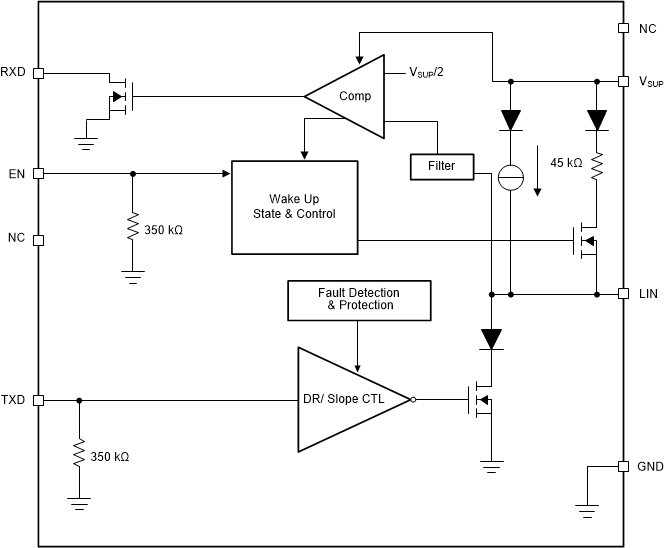
TLIN2021-Q1Automotive local interconnect network (LIN) transceiver with WAKE/INH and 58V bus fault protection | Drivers, Receivers, Transceivers | 2 | Active | The TLIN2021-Q1 is a local interconnect network (LIN) physical layer transceiver. LIN is a low speed universal asynchronous receiver transmitter (UART) communication protocol that supports automotive in-vehicle networking.
The TLIN2021-Q1 transmitter supports data rates up to 20 kbps and the receiver supports data rates up to 100 kbps for faster end-of-line programming. The TLIN2021-Q1 controls the state of the LIN bus via the TXD pin and reports the state of the bus on its open-drain RXD output pin. The device has a current-limited wave-shaping driver to reduce electromagnetic emissions (EME).
The TLIN2021-Q1 is designed to support 24-V applications with a wide input voltage operating range and also supports low-power sleep mode. The device supports wake-up from low-power mode via wake over LIN, the WAKE pin, or the EN pin. The device allows for system-level reductions in battery current consumption by selectively enabling the various power supplies that may be present on a node through the TLIN2021-Q1 INH output pin.
The TLIN2021-Q1 integrates a resistor for LIN responder applications, ESD protection, and fault protection which allow for a reduced amount of external components in the applications. The device prevents back-feed current through LIN to the supply input in case of a ground shift or supply voltage disconnection.
The TLIN2021-Q1 is a local interconnect network (LIN) physical layer transceiver. LIN is a low speed universal asynchronous receiver transmitter (UART) communication protocol that supports automotive in-vehicle networking.
The TLIN2021-Q1 transmitter supports data rates up to 20 kbps and the receiver supports data rates up to 100 kbps for faster end-of-line programming. The TLIN2021-Q1 controls the state of the LIN bus via the TXD pin and reports the state of the bus on its open-drain RXD output pin. The device has a current-limited wave-shaping driver to reduce electromagnetic emissions (EME).
The TLIN2021-Q1 is designed to support 24-V applications with a wide input voltage operating range and also supports low-power sleep mode. The device supports wake-up from low-power mode via wake over LIN, the WAKE pin, or the EN pin. The device allows for system-level reductions in battery current consumption by selectively enabling the various power supplies that may be present on a node through the TLIN2021-Q1 INH output pin.
The TLIN2021-Q1 integrates a resistor for LIN responder applications, ESD protection, and fault protection which allow for a reduced amount of external components in the applications. The device prevents back-feed current through LIN to the supply input in case of a ground shift or supply voltage disconnection. |
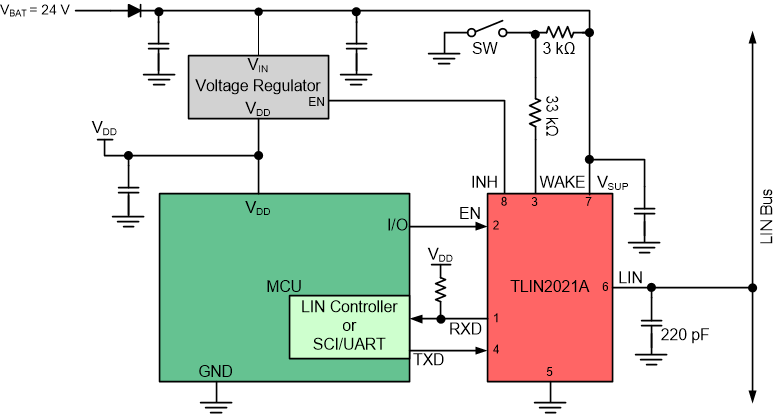
TLIN2021A-Q1Automotive Fault-Protected LIN Transceiver with Inhibit and Wake | Drivers, Receivers, Transceivers | 1 | Active | The TLIN2021A-Q1 is a local interconnect network (LIN) physical layer transceiver. LIN is a low-speed universal asynchronous receiver transmitter (UART) communication protocol that supports automotive in-vehicle networking.
The TLIN2021A-Q1 transmitter supports data rates up to 20 kbps. The transceiver controls the state of the LIN bus via the TXD pin and reports the state of the bus on its open-drain RXD output pin. The device has a current-limited wave-shaping driver to reduce electromagnetic emissions (EME).
The TLIN2021A-Q1 is designed to support 12-V and 24-V applications with a wide input voltage operating range. The device supports low-power sleep mode, as well as wake-up from low-power mode through wake over LIN, the WAKE pin, or the EN pin. The device allows for system-level reductions in battery current consumption by selectively enabling the various power supplies that can be present on a node through the device INH output pin.
The TLIN2021A-Q1 is a local interconnect network (LIN) physical layer transceiver. LIN is a low-speed universal asynchronous receiver transmitter (UART) communication protocol that supports automotive in-vehicle networking.
The TLIN2021A-Q1 transmitter supports data rates up to 20 kbps. The transceiver controls the state of the LIN bus via the TXD pin and reports the state of the bus on its open-drain RXD output pin. The device has a current-limited wave-shaping driver to reduce electromagnetic emissions (EME).
The TLIN2021A-Q1 is designed to support 12-V and 24-V applications with a wide input voltage operating range. The device supports low-power sleep mode, as well as wake-up from low-power mode through wake over LIN, the WAKE pin, or the EN pin. The device allows for system-level reductions in battery current consumption by selectively enabling the various power supplies that can be present on a node through the device INH output pin. |
TLIN2022-Q1Fault Protected Dual Local Interconnect Network (LIN) Transceiver With Dominant State Timeout | Interface | 3 | Active | The TLIN2022-Q1 is a Dual Local Interconnect Network (LIN) physical layer transceiver with integrated wake-up and protection features, complaint to LIN 2.0, LIN 2.1, LIN 2.2, LIN 2.2A and ISO/DIS 17987–4.2 standards. LIN is a single wire bidirectional bus typically used for low speed in-vehicle networks using data rates up to 20 kbps. The TLIN2022-Q1 is designed to support 24 V applications with wider operating voltage and additional bus-fault protection. The LIN receiver supports data rates up to 100 kbps for in-line programming. The TLIN2022-Q1 converts the LIN protocol data stream on the TXD input into a LIN bus signal using a current-limited wave-shaping driver which reduces electromagnetic emissions (EME). The receiver converts the data stream to logic level signals that are sent to the microprocessor through the open-drain RXD pin. Ultra-low current consumption is possible using the sleep mode which allows wake-up via LIN bus or pin.
The TLIN2022-Q1 is a Dual Local Interconnect Network (LIN) physical layer transceiver with integrated wake-up and protection features, complaint to LIN 2.0, LIN 2.1, LIN 2.2, LIN 2.2A and ISO/DIS 17987–4.2 standards. LIN is a single wire bidirectional bus typically used for low speed in-vehicle networks using data rates up to 20 kbps. The TLIN2022-Q1 is designed to support 24 V applications with wider operating voltage and additional bus-fault protection. The LIN receiver supports data rates up to 100 kbps for in-line programming. The TLIN2022-Q1 converts the LIN protocol data stream on the TXD input into a LIN bus signal using a current-limited wave-shaping driver which reduces electromagnetic emissions (EME). The receiver converts the data stream to logic level signals that are sent to the microprocessor through the open-drain RXD pin. Ultra-low current consumption is possible using the sleep mode which allows wake-up via LIN bus or pin. |
TLIN2022A-Q1Fault protected dual local interconnect Network (LIN) transceiver with dominant state timeout | Interface | 2 | Active | The TLIN2022A-Q1 is a Dual Local Interconnect Network (LIN) physical layer transceiver with integrated wake-up and protection features, compliant with LIN 2.0, LIN 2.1, LIN 2.2, LIN 2.2A and ISO/DIS 17987–4 standards. LIN is a single wire bidirectional bus typically used for low speed in-vehicle networks using data rates up to 20 kbps. The TLIN2022A-Q1 is designed to support 12-V and 24-V applications with wider operating voltage and additional bus-fault protection.
The LIN receiver supports data rates up to 100 kbps for faster in-line programming. The TLIN2022A-Q1 converts the LIN protocol data stream on the TXD input into a LIN bus signal using a current-limited wave-shaping driver which reduces electromagnetic emissions (EME). The receiver converts the data stream to logic-level signals that are sent to the microprocessor through the open-drain RXD pin. Ultra-low current consumption is possible using the sleep mode which allows wake-up via LIN bus or EN pin.
The TLIN2022A-Q1 is a Dual Local Interconnect Network (LIN) physical layer transceiver with integrated wake-up and protection features, compliant with LIN 2.0, LIN 2.1, LIN 2.2, LIN 2.2A and ISO/DIS 17987–4 standards. LIN is a single wire bidirectional bus typically used for low speed in-vehicle networks using data rates up to 20 kbps. The TLIN2022A-Q1 is designed to support 12-V and 24-V applications with wider operating voltage and additional bus-fault protection.
The LIN receiver supports data rates up to 100 kbps for faster in-line programming. The TLIN2022A-Q1 converts the LIN protocol data stream on the TXD input into a LIN bus signal using a current-limited wave-shaping driver which reduces electromagnetic emissions (EME). The receiver converts the data stream to logic-level signals that are sent to the microprocessor through the open-drain RXD pin. Ultra-low current consumption is possible using the sleep mode which allows wake-up via LIN bus or EN pin. |
TLIN2024A-Q1Automotive quad local interconnect network (LIN) transceiver with dominant state | Drivers, Receivers, Transceivers | 1 | Active | The TLIN2024A-Q1 device is a Quad Local Interconnect Network (LIN) physical layer transceiver, which integrates wake-up and protection features, compliant to LIN2.0, LIN2.1, LIN2.2, LIN2.2A and ISO/DIS 17987–4 standards. LIN is a single wire bidirectional bus typically used for low speed in-vehicle networks using data rates up to 20 kbps. The TLIN2024A-Q1 is designed to support 12-V and 24-V applications with wider operating voltage and additional bus-fault protection. The device has two separate dual LIN transceiver blocks. The VSUP1/2control separate dual transceiver blocks.
The TLIN2024A-Q1 receiver supports data rates up to 100 kbps for faster in-line programming. The device converts the LIN protocol data stream on the TXD input into a LIN bus signal using a current-limited wave-shaping driver which reduces electromagnetic emissions (EME). The receiver converts the data stream to logic level signals that are sent to the microprocessor through the open-drain RXD pin. Ultra-low current consumption is possible using the sleep mode which allows wake-up via LIN bus or EN pin.
The TLIN2024A-Q1 device is a Quad Local Interconnect Network (LIN) physical layer transceiver, which integrates wake-up and protection features, compliant to LIN2.0, LIN2.1, LIN2.2, LIN2.2A and ISO/DIS 17987–4 standards. LIN is a single wire bidirectional bus typically used for low speed in-vehicle networks using data rates up to 20 kbps. The TLIN2024A-Q1 is designed to support 12-V and 24-V applications with wider operating voltage and additional bus-fault protection. The device has two separate dual LIN transceiver blocks. The VSUP1/2control separate dual transceiver blocks.
The TLIN2024A-Q1 receiver supports data rates up to 100 kbps for faster in-line programming. The device converts the LIN protocol data stream on the TXD input into a LIN bus signal using a current-limited wave-shaping driver which reduces electromagnetic emissions (EME). The receiver converts the data stream to logic level signals that are sent to the microprocessor through the open-drain RXD pin. Ultra-low current consumption is possible using the sleep mode which allows wake-up via LIN bus or EN pin. |
TLIN2027-Q1Fault-protected automotive local interconnect network (LIN) transceiver for K-line | Drivers, Receivers, Transceivers | 1 | Active | The TLIN2027-Q1 is a local interconnect network (LIN) physical layer transceiver with integrated wake-up and protection features, compatible with LIN 2.0, LIN 2.1, LIN 2.2, LIN 2.2 A and ISO/DIS 17987–4 standards. LIN is a single-wire bidirectional bus typically used for in-vehicle networks using data rates up to 20 kbps. The TLIN2027-Q1 is designed to support 24-V applications with wider operating voltage and additional bus-fault protection.
The LIN receiver supports data rates up to 100 kbps for faster in-line programming. The TLIN2027-Q1 converts the data stream on the TXD input into a LIN bus signal using a current-limited wave-shaping driver which reduces electromagnetic emissions (EME). The receiver converts the data stream to logic level signals that are sent to the microprocessor through the open-drain RXD pin. Ultra-low current consumption is possible when using the sleep mode, which allows wake-up through LIN bus or EN pin.
The TLIN2027-Q1 is a local interconnect network (LIN) physical layer transceiver with integrated wake-up and protection features, compatible with LIN 2.0, LIN 2.1, LIN 2.2, LIN 2.2 A and ISO/DIS 17987–4 standards. LIN is a single-wire bidirectional bus typically used for in-vehicle networks using data rates up to 20 kbps. The TLIN2027-Q1 is designed to support 24-V applications with wider operating voltage and additional bus-fault protection.
The LIN receiver supports data rates up to 100 kbps for faster in-line programming. The TLIN2027-Q1 converts the data stream on the TXD input into a LIN bus signal using a current-limited wave-shaping driver which reduces electromagnetic emissions (EME). The receiver converts the data stream to logic level signals that are sent to the microprocessor through the open-drain RXD pin. Ultra-low current consumption is possible when using the sleep mode, which allows wake-up through LIN bus or EN pin. |
TLIN2029-Q1Fault Protected Local Interconnect Network (LIN) Transceiver With Dominant State Timeout | Evaluation Boards | 5 | Active | The TLIN2029-Q1 is a local interconnect network (LIN) physical layer transceiver with integrated wake-up and protection features, compatible with LIN 2.0, LIN 2.1, LIN 2.2, LIN 2.2 A and ISO/DIS 17987–4.2 standards. LIN is a single-wire bidirectional bus typically used for in-vehicle networks using data rates up to 20kbps. The TLIN2029-Q1 is designed to support 12V applications with wider operating voltage and additional bus-fault protection.
The LIN receiver supports data rates up to 100kbps for faster in-line programming. The TLIN2029-Q1 converts the data stream on the TXD input into a LIN bus signal using a current-limited wave-shaping driver which reduces electromagnetic emissions (EME). The receiver converts the data stream to logic level signals that are sent to the microprocessor through the open-drain RXD pin. Ultra-low current consumption is possible using the sleep mode which allows wake-up via LIN bus or EN pin.
The integrated resistor, electrostatic discharge (ESD) and fault protection allows designers to save board space in their applications.
The TLIN2029-Q1 is a local interconnect network (LIN) physical layer transceiver with integrated wake-up and protection features, compatible with LIN 2.0, LIN 2.1, LIN 2.2, LIN 2.2 A and ISO/DIS 17987–4.2 standards. LIN is a single-wire bidirectional bus typically used for in-vehicle networks using data rates up to 20kbps. The TLIN2029-Q1 is designed to support 12V applications with wider operating voltage and additional bus-fault protection.
The LIN receiver supports data rates up to 100kbps for faster in-line programming. The TLIN2029-Q1 converts the data stream on the TXD input into a LIN bus signal using a current-limited wave-shaping driver which reduces electromagnetic emissions (EME). The receiver converts the data stream to logic level signals that are sent to the microprocessor through the open-drain RXD pin. Ultra-low current consumption is possible using the sleep mode which allows wake-up via LIN bus or EN pin.
The integrated resistor, electrostatic discharge (ESD) and fault protection allows designers to save board space in their applications. |
TLIN2029A-Q1Fault protected local interconnect network (LIN) transceiver with dominant state timeout | Drivers, Receivers, Transceivers | 2 | Active | The TLIN2029A-Q1 is a local interconnect network (LIN) physical layer transceiver with integrated wake-up and protection features, compliant with LIN 2.0, LIN 2.1, LIN 2.2, LIN 2.2 A and ISO/DIS 17987–4 standards. LIN is a single-wire bidirectional bus typically used for in-vehicle networks using data rates up to 20kbps. The TLIN2029A-Q1 is designed to support 12V and 24V applications with wider operating voltage and additional bus-fault protection.
The LIN receiver supports data rates up to 100 kbps for faster in-line programming. The TLIN2029A-Q1 converts the data stream on the TXD input into a LIN bus signal using a current-limited wave-shaping driver which reduces electromagnetic emissions (EME). The receiver converts the data stream to logic level signals that are sent to the microprocessor through the open-drain RXD pin. Ultra-low current consumption is possible using the sleep mode which allows wake-up via LIN bus or EN pin.
The TLIN2029A-Q1 integrates a resistor for LIN responder node applications, ESD protection, and fault protection which allow for a reduced amount of external components in the applications. The device prevents back-feed current through LIN to the supply input in case of a ground shift or supply voltage disconnection. The TLIN2029A-Q1 also includes undervoltage detection, temperature shutdown protection, and loss-of-ground protection.
The TLIN2029A-Q1 is a local interconnect network (LIN) physical layer transceiver with integrated wake-up and protection features, compliant with LIN 2.0, LIN 2.1, LIN 2.2, LIN 2.2 A and ISO/DIS 17987–4 standards. LIN is a single-wire bidirectional bus typically used for in-vehicle networks using data rates up to 20kbps. The TLIN2029A-Q1 is designed to support 12V and 24V applications with wider operating voltage and additional bus-fault protection.
The LIN receiver supports data rates up to 100 kbps for faster in-line programming. The TLIN2029A-Q1 converts the data stream on the TXD input into a LIN bus signal using a current-limited wave-shaping driver which reduces electromagnetic emissions (EME). The receiver converts the data stream to logic level signals that are sent to the microprocessor through the open-drain RXD pin. Ultra-low current consumption is possible using the sleep mode which allows wake-up via LIN bus or EN pin.
The TLIN2029A-Q1 integrates a resistor for LIN responder node applications, ESD protection, and fault protection which allow for a reduced amount of external components in the applications. The device prevents back-feed current through LIN to the supply input in case of a ground shift or supply voltage disconnection. The TLIN2029A-Q1 also includes undervoltage detection, temperature shutdown protection, and loss-of-ground protection. |