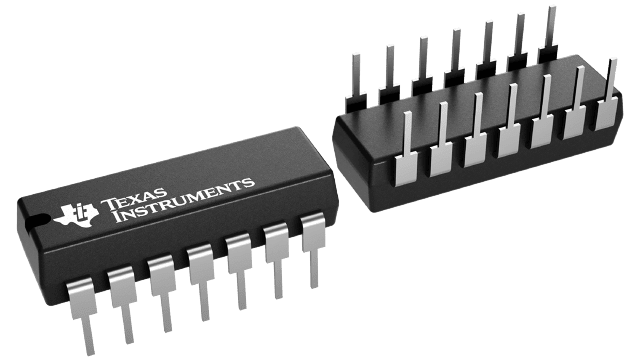
T
Texas Instruments
| Series | Category | # Parts | Status | Description |
|---|---|---|---|---|
| Part | Spec A | Spec B | Spec C | Spec D | Description |
|---|---|---|---|---|---|



| Series | Category | # Parts | Status | Description |
|---|---|---|---|---|
| Part | Spec A | Spec B | Spec C | Spec D | Description |
|---|---|---|---|---|---|
| Part | Category | Description |
|---|---|---|
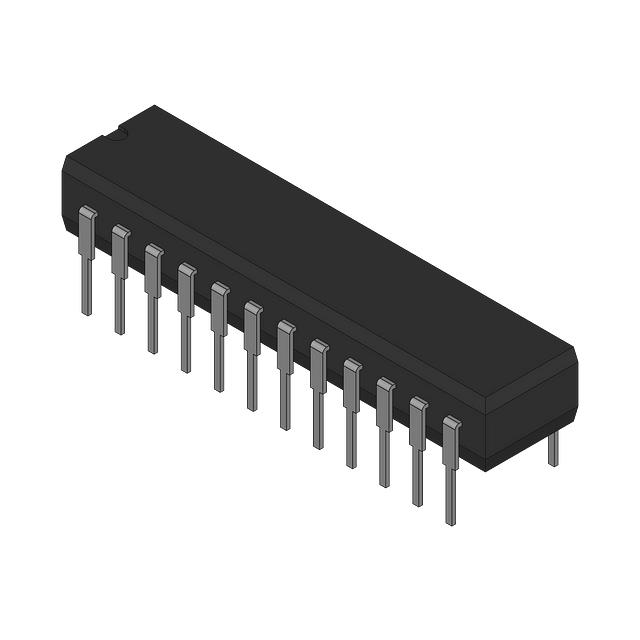 Texas Instruments | Integrated Circuits (ICs) | BUS DRIVER, BCT/FBT SERIES |
 Texas Instruments | Integrated Circuits (ICs) | 12BIT 3.3V~3.6V 210MHZ PARALLEL VQFN-48-EP(7X7) ANALOG TO DIGITAL CONVERTERS (ADC) ROHS |
Texas Instruments | Integrated Circuits (ICs) | TMX320DRE311 179PIN UBGA 200MHZ |
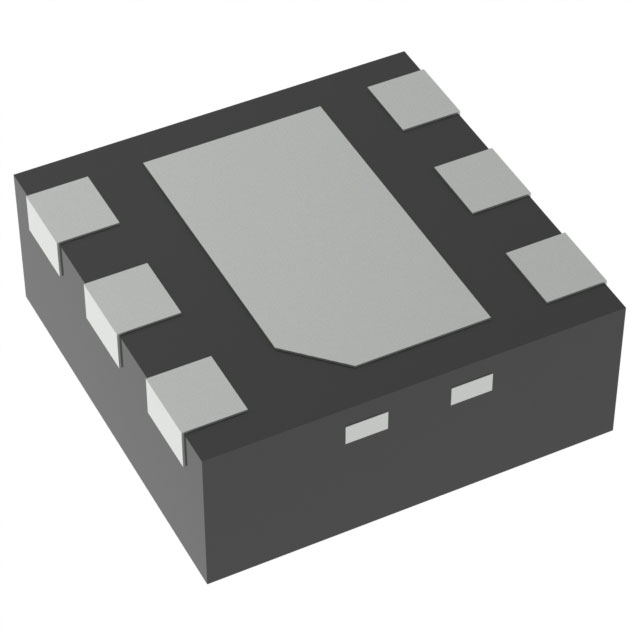 Texas Instruments TPS61040DRVTG4Unknown | Integrated Circuits (ICs) | IC LED DRV RGLTR PWM 350MA 6WSON |
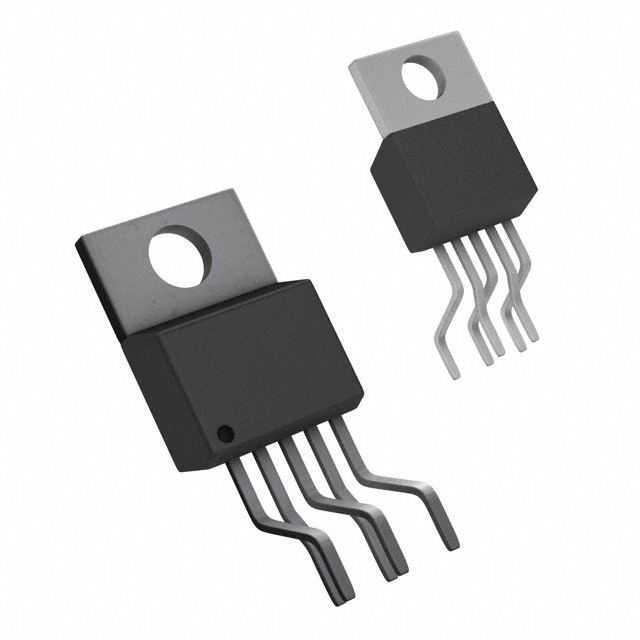 Texas Instruments LP3876ET-2.5Obsolete | Integrated Circuits (ICs) | IC REG LINEAR 2.5V 3A TO220-5 |
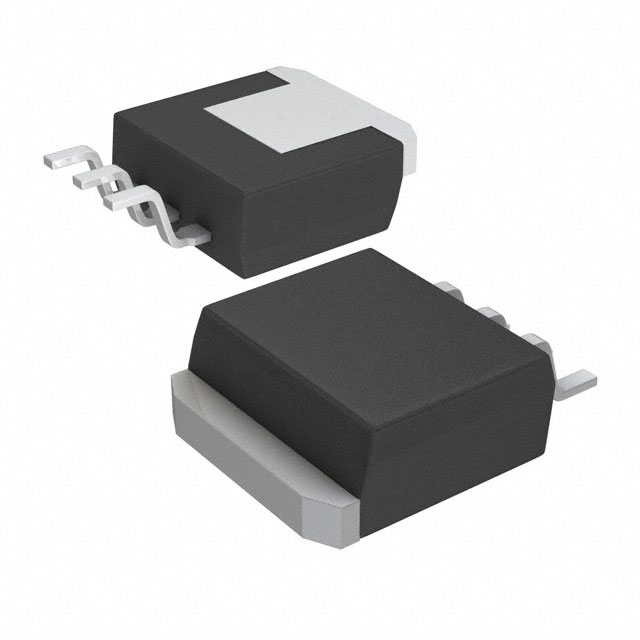 Texas Instruments LMS1585ACSX-ADJObsolete | Integrated Circuits (ICs) | IC REG LIN POS ADJ 5A DDPAK |
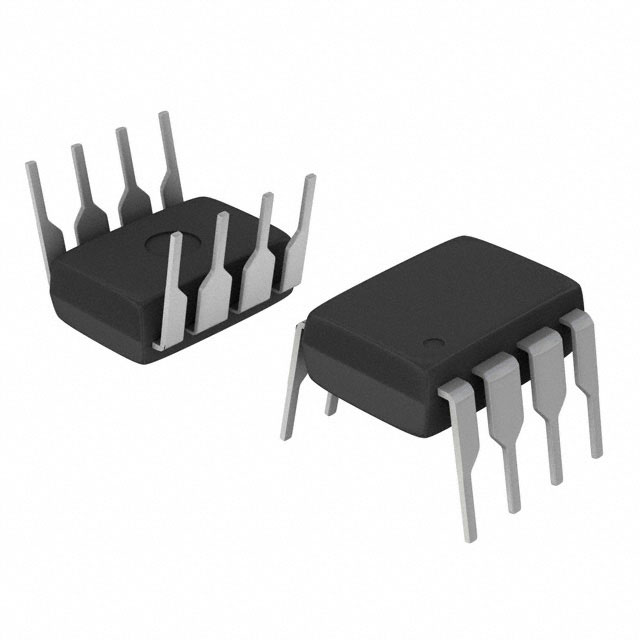 Texas Instruments INA111APG4Obsolete | Integrated Circuits (ICs) | IC INST AMP 1 CIRCUIT 8DIP |
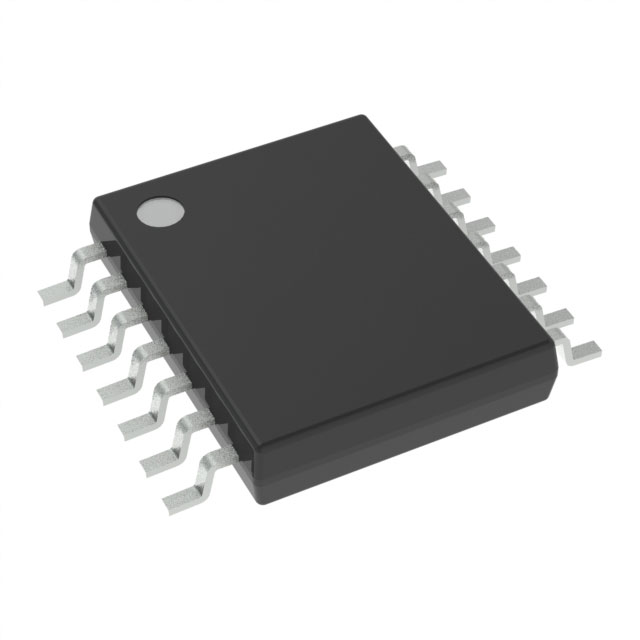 Texas Instruments | Integrated Circuits (ICs) | AUTOMOTIVE, QUAD 36V 1.2MHZ OPERATIONAL AMPLIFIER |
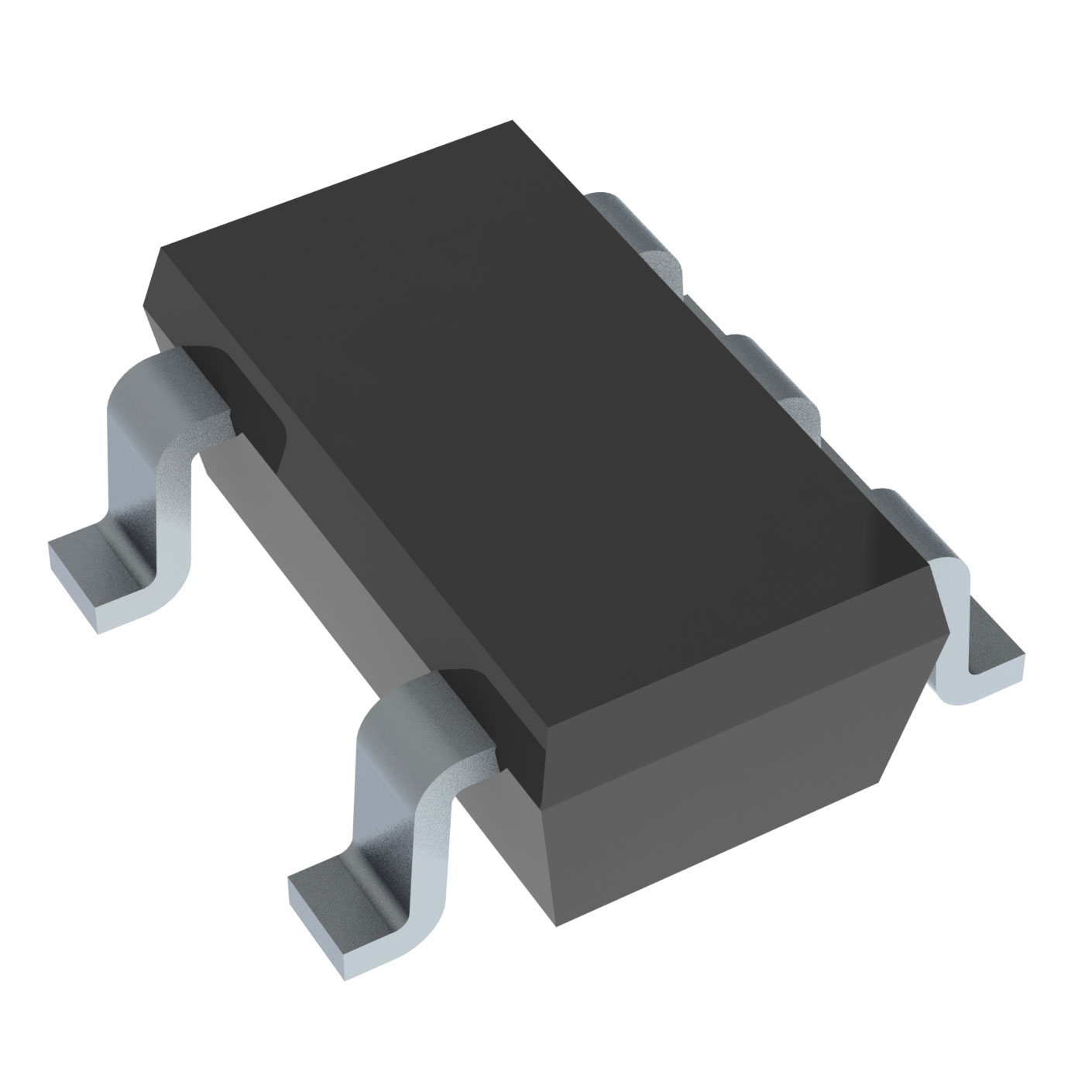 Texas Instruments OPA340NA/3KG4Unknown | Integrated Circuits (ICs) | IC OPAMP GP 1 CIRCUIT SOT23-5 |
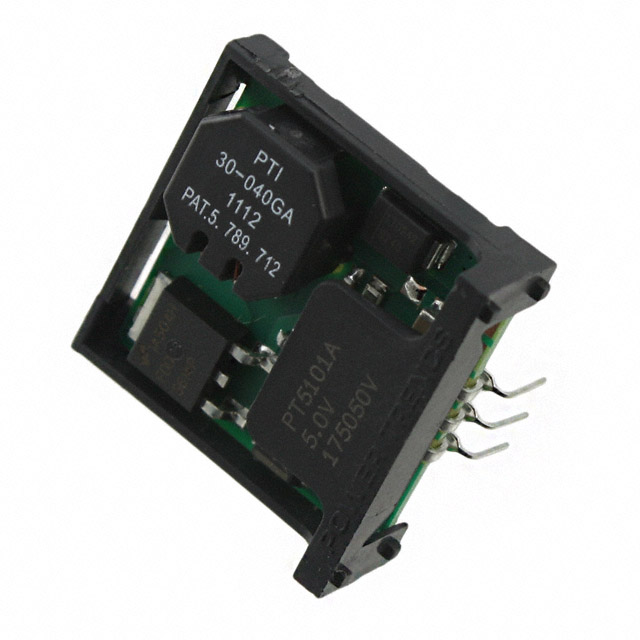 Texas Instruments PT5112AObsolete | Power Supplies - Board Mount | DC DC CONVERTER 8V 8W |
| Series | Category | # Parts | Status | Description |
|---|---|---|---|---|
SN75121Dual Line Drivers | Integrated Circuits (ICs) | 2 | Active | The SN55121 and SN75121 dual line drivers are designed for digital data transmission over lines having impedances from 50 to 500. They are also compatible with standard TTL logic and supply-voltage levels.
The low-impedance emitter-follower outputs of the SN55121 and SN75121 can drive terminated lines such as coaxial cable or twisted pair. Having the outputs uncommitted allows wired-OR logic to be performed in party-line applications. Output short-circuit protection is provided by an internal clamping network that turns on when the output voltage drops below approximately 1.5 V. All of the inputs are in conventional TTL configuration and the gating can be used during power-up and power-down sequences to ensure that no noise is introduced to the line.
The SN55121 is characterized for operation over the full military temperature range of -55°C to 125°C. The SN75121 is characterized for operation from 0°C to 70°C.
H = high level, L = low level, X = irrelevant
The SN55121 and SN75121 dual line drivers are designed for digital data transmission over lines having impedances from 50 to 500. They are also compatible with standard TTL logic and supply-voltage levels.
The low-impedance emitter-follower outputs of the SN55121 and SN75121 can drive terminated lines such as coaxial cable or twisted pair. Having the outputs uncommitted allows wired-OR logic to be performed in party-line applications. Output short-circuit protection is provided by an internal clamping network that turns on when the output voltage drops below approximately 1.5 V. All of the inputs are in conventional TTL configuration and the gating can be used during power-up and power-down sequences to ensure that no noise is introduced to the line.
The SN55121 is characterized for operation over the full military temperature range of -55°C to 125°C. The SN75121 is characterized for operation from 0°C to 70°C.
H = high level, L = low level, X = irrelevant |
SN75124Triple Line Receiver | Integrated Circuits (ICs) | 1 | Active | The SN75124 triple line receiver is specifically designed to meet the input/output interface specifications for IBM System 360. It is also compatible with standard TTL logic and supply voltage levels.
The SN75124 has receiver inputs with built-in hysteresis to provide increased noise margin for single-ended systems. An open line affects the receiver input as does a low-level input voltage, and the receiver input can withstand a level of -0.15 V with power on or off. The other inputs are in TTL configuration. The S input must be high to enable the receiver input. Two of the line receivers have A and B inputs that, if both are high, hold the output low. The third receiver has only an A input that, if high, holds the output low.
See the SN751730 for new IBM 360/370 interface designs.
The SN75124 is characterized for operation from 0°C to 70°C.
The SN75124 triple line receiver is specifically designed to meet the input/output interface specifications for IBM System 360. It is also compatible with standard TTL logic and supply voltage levels.
The SN75124 has receiver inputs with built-in hysteresis to provide increased noise margin for single-ended systems. An open line affects the receiver input as does a low-level input voltage, and the receiver input can withstand a level of -0.15 V with power on or off. The other inputs are in TTL configuration. The S input must be high to enable the receiver input. Two of the line receivers have A and B inputs that, if both are high, hold the output low. The third receiver has only an A input that, if high, holds the output low.
See the SN751730 for new IBM 360/370 interface designs.
The SN75124 is characterized for operation from 0°C to 70°C. |
SN75138Quadruple Bus Transceiver | Integrated Circuits (ICs) | 4 | Active | The SN55138 and SN75138 quadruple bus transceivers are designed for two-way data communication over single-ended transmission lines. Each of the four identical channels consists of a driver with TTL inputs and a receiver with a TTL output. The driver open-collector output is designed to handle loads up to 100-mA open collector. The receiver input is internally connected to the driver output, and has a high impedance to minimize loading of the transmission line. Because of the high driver-output current and the high receiver-input impedance, a very large number (typically hundreds) of transceivers may be connected to a single data bus.
The receiver design also features a threshold of 2.3 V (typical), providing a wider noise margin than would be possible with a receiver having the usual TTL threshold. A strobe turns off all drivers (high impedance) but does not affect receiver operation. These circuits are designed for operation from a single 5-V supply and include a provision to minimize loading of the data bus when the power-supply voltage is zero.
The SN55138 is characterized for operation over the full military temperature range of -55°C to 125°C. The SN75138 is characterized for operation from 0°C to 70°C.
The SN55138 and SN75138 quadruple bus transceivers are designed for two-way data communication over single-ended transmission lines. Each of the four identical channels consists of a driver with TTL inputs and a receiver with a TTL output. The driver open-collector output is designed to handle loads up to 100-mA open collector. The receiver input is internally connected to the driver output, and has a high impedance to minimize loading of the transmission line. Because of the high driver-output current and the high receiver-input impedance, a very large number (typically hundreds) of transceivers may be connected to a single data bus.
The receiver design also features a threshold of 2.3 V (typical), providing a wider noise margin than would be possible with a receiver having the usual TTL threshold. A strobe turns off all drivers (high impedance) but does not affect receiver operation. These circuits are designed for operation from a single 5-V supply and include a provision to minimize loading of the data bus when the power-supply voltage is zero.
The SN55138 is characterized for operation over the full military temperature range of -55°C to 125°C. The SN75138 is characterized for operation from 0°C to 70°C. |
SN75140Dual Line Receiver | Drivers, Receivers, Transceivers | 1 | Obsolete | This device consists of a dual single-ended line receiver with TTL-compatible strobes and outputs. The reference voltage (switching threshold) is applied externally and can be adjusted from 1.5 V to 3.5 V, making it possible to optimize noise immunity for a given system design. Due to the low input current (less than 100 uA), the device is suited ideally for party-line (data-bus) systems.
The SN75140 has a common reference-voltage pin and a common strobe.
The SN75140 is characterized for operation from 0°C to 70°C.
H = high level, L = low level, X = irrelevant
This device consists of a dual single-ended line receiver with TTL-compatible strobes and outputs. The reference voltage (switching threshold) is applied externally and can be adjusted from 1.5 V to 3.5 V, making it possible to optimize noise immunity for a given system design. Due to the low input current (less than 100 uA), the device is suited ideally for party-line (data-bus) systems.
The SN75140 has a common reference-voltage pin and a common strobe.
The SN75140 is characterized for operation from 0°C to 70°C.
H = high level, L = low level, X = irrelevant |
SN75150Dual Line Driver | Integrated Circuits (ICs) | 1 | Obsolete | The SN75150 is a monolithic dual line driver designed to satisfy the requirements of the standard interface between data-terminal equipment and data-communication equipment as defined by TIA/EIA-232-F. A rate of 20 kbits/s can be transmitted with a full 2500-pF load. Other applications are in data-transmission systems using relatively short single lines, in level translators, and for driving MOS devices. The logic input is compatible with most TTL families. Operation is from 12-V and -12-V power supplies.
The SN75150 is characterized for operation from 0°C to 70°C.
The SN75150 is a monolithic dual line driver designed to satisfy the requirements of the standard interface between data-terminal equipment and data-communication equipment as defined by TIA/EIA-232-F. A rate of 20 kbits/s can be transmitted with a full 2500-pF load. Other applications are in data-transmission systems using relatively short single lines, in level translators, and for driving MOS devices. The logic input is compatible with most TTL families. Operation is from 12-V and -12-V power supplies.
The SN75150 is characterized for operation from 0°C to 70°C. |
SN75154Quadruple Differential Line Receiver | Integrated Circuits (ICs) | 3 | Obsolete | The SN75154 is a monolithic low-power Schottky line receiver designed to satisfy the requirements of the standard interface between data terminal equipment and data communication equipment as defined by ANSI Standard EIA/TIA-232-E. Other applications are for relatively short, single-line, point-to-point data transmission and for level translators. Operation is normally from a single 5-V supply; however, a built-in option allows operation from a 12-V supply without the use of additional components. The output is compatible with most TTL circuits when either supply voltage is used.
In normal operation, the threshold-control terminals are connected to the VCC1terminal, even if power is being supplied via the alternate VCC2terminal. This provides a wide hysteresis loop, which is the difference between the positive-going and negative-going threshold voltages. See typical characteristics. In this mode of operation, if the input voltage goes to zero, the output voltage will remain at the low or high level as determined by the previous input.
For fail-safe operation, the threshold-control terminals are open. This reduces the hysteresis loop by causing the negative-going threshold voltage to be above zero. The positive-going threshold voltage remains above zero as it is unaffected by the disposition of the threshold terminals. In the fail-safe mode, if the input voltage goes to zero or an open-circuit condition, the output will go to the high level regardless of the previous input condition.
The SN75154 is characterized for operation from 0°C to 70°C.
The SN75154 is a monolithic low-power Schottky line receiver designed to satisfy the requirements of the standard interface between data terminal equipment and data communication equipment as defined by ANSI Standard EIA/TIA-232-E. Other applications are for relatively short, single-line, point-to-point data transmission and for level translators. Operation is normally from a single 5-V supply; however, a built-in option allows operation from a 12-V supply without the use of additional components. The output is compatible with most TTL circuits when either supply voltage is used.
In normal operation, the threshold-control terminals are connected to the VCC1terminal, even if power is being supplied via the alternate VCC2terminal. This provides a wide hysteresis loop, which is the difference between the positive-going and negative-going threshold voltages. See typical characteristics. In this mode of operation, if the input voltage goes to zero, the output voltage will remain at the low or high level as determined by the previous input.
For fail-safe operation, the threshold-control terminals are open. This reduces the hysteresis loop by causing the negative-going threshold voltage to be above zero. The positive-going threshold voltage remains above zero as it is unaffected by the disposition of the threshold terminals. In the fail-safe mode, if the input voltage goes to zero or an open-circuit condition, the output will go to the high level regardless of the previous input condition.
The SN75154 is characterized for operation from 0°C to 70°C. |
SN75155Line Driver And Receiver | Interface | 4 | Active | The SN75155 monolithic line driver and receiver is designed to satisfy the requirements of the standard interface between data terminal equipment and data communication equipment as defined by ANSI EIA/TIA-232-E. A response control input is provided for the receiver. A resistor or a resistor and a bias voltage can be connected between the response control input and ground to provide noise filtering. The driver used is similar to the SN75188. The receiver used is similar to the SN75189A.
The SN75155 is characterized for operation from 0°C to 70°C.
The SN75155 monolithic line driver and receiver is designed to satisfy the requirements of the standard interface between data terminal equipment and data communication equipment as defined by ANSI EIA/TIA-232-E. A response control input is provided for the receiver. A resistor or a resistor and a bias voltage can be connected between the response control input and ground to provide noise filtering. The driver used is similar to the SN75188. The receiver used is similar to the SN75189A.
The SN75155 is characterized for operation from 0°C to 70°C. |
SN75157Dual Differential Line Receiver | Integrated Circuits (ICs) | 5 | Active | The SN75157 is a dual differential line receiver designed to meet standards EIA/TIA-422-B and EIA/TIA-423-B and ITU V.10 and V.11. The device uses Schottky circuitry, and has TTL-compatible outputs. The inputs are compatible with either a single-ended or a differential-line system. The device operates from a single 5V power supply and is supplied in 8-pin dual-in-line and small-outline packages.
The SN75157 is characterized for operation from 0°C to 70°C.
The SN75157 is a dual differential line receiver designed to meet standards EIA/TIA-422-B and EIA/TIA-423-B and ITU V.10 and V.11. The device uses Schottky circuitry, and has TTL-compatible outputs. The inputs are compatible with either a single-ended or a differential-line system. The device operates from a single 5V power supply and is supplied in 8-pin dual-in-line and small-outline packages.
The SN75157 is characterized for operation from 0°C to 70°C. |
SN75158Dual Differential Line Driver | Interface | 5 | Active | The SN75158 is a dual differential line driver designed to satisfy the requirements set by the ANSI EIA/TIA-422-B and ITU V.11 interface specifications. The outputs provide signals with high-current capability for driving balanced lines, such as twisted pair, at normal line impedance without high power dissipation. The output stages are TTL totem-pole outputs, providing a high-impedance state in the power-off condition.
The SN75158 is characterized for operation from 0°C to 70°C.
The SN75158 is a dual differential line driver designed to satisfy the requirements set by the ANSI EIA/TIA-422-B and ITU V.11 interface specifications. The outputs provide signals with high-current capability for driving balanced lines, such as twisted pair, at normal line impedance without high power dissipation. The output stages are TTL totem-pole outputs, providing a high-impedance state in the power-off condition.
The SN75158 is characterized for operation from 0°C to 70°C. |
SN75159Dual Differential Line Driver With 3-State Outputs | Interface | 2 | Obsolete | The SN75159 dual differential line driver with 3-state outputs is designed to provide all the features of the SN75158 line driver with the added feature of driver output controls. There is an individual control for each driver. When the output control is low, the associated outputs are in a high-impedance state and the outputs can neither drive nor load the bus. This permits many devices to be connected together on the same transmission line for party-line applications.
The SN75159 is characterized for operation from 0°C to 70°C.
The SN75159 dual differential line driver with 3-state outputs is designed to provide all the features of the SN75158 line driver with the added feature of driver output controls. There is an individual control for each driver. When the output control is low, the associated outputs are in a high-impedance state and the outputs can neither drive nor load the bus. This permits many devices to be connected together on the same transmission line for party-line applications.
The SN75159 is characterized for operation from 0°C to 70°C. |