T
Texas Instruments
| Series | Category | # Parts | Status | Description |
|---|---|---|---|---|
| Part | Spec A | Spec B | Spec C | Spec D | Description |
|---|---|---|---|---|---|



| Series | Category | # Parts | Status | Description |
|---|---|---|---|---|
| Part | Spec A | Spec B | Spec C | Spec D | Description |
|---|---|---|---|---|---|
| Part | Category | Description |
|---|---|---|
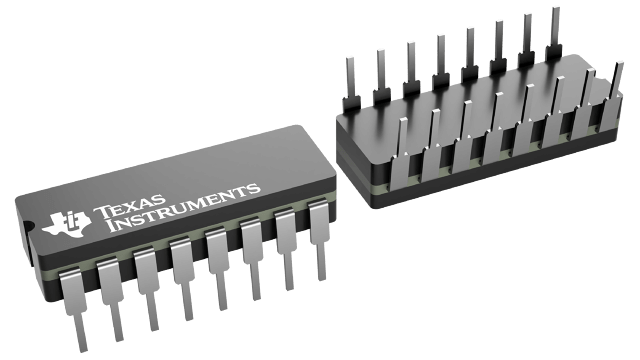
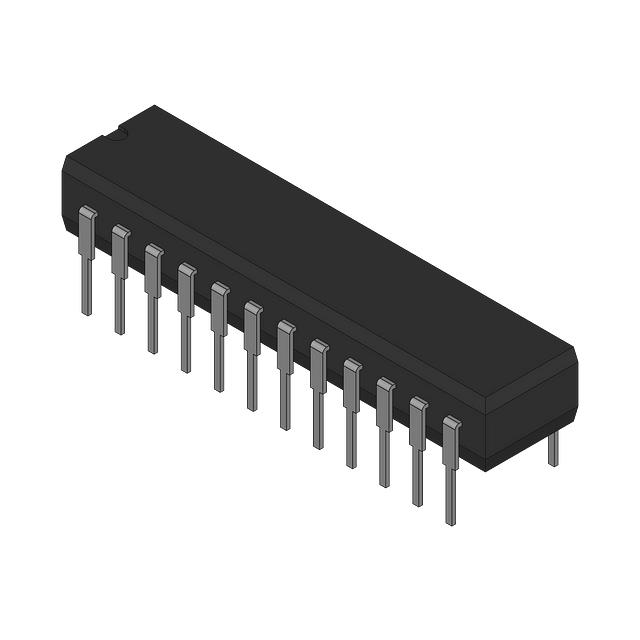 Texas Instruments | Integrated Circuits (ICs) | BUS DRIVER, BCT/FBT SERIES |
 Texas Instruments | Integrated Circuits (ICs) | 12BIT 3.3V~3.6V 210MHZ PARALLEL VQFN-48-EP(7X7) ANALOG TO DIGITAL CONVERTERS (ADC) ROHS |
Texas Instruments | Integrated Circuits (ICs) | TMX320DRE311 179PIN UBGA 200MHZ |
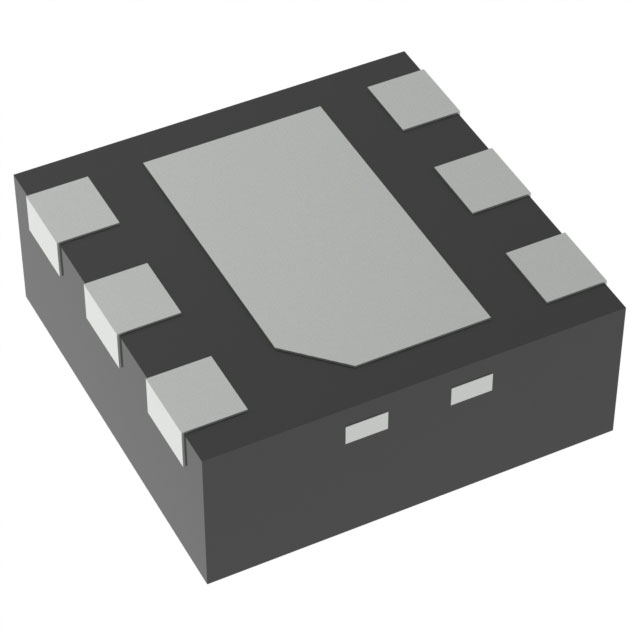 Texas Instruments TPS61040DRVTG4Unknown | Integrated Circuits (ICs) | IC LED DRV RGLTR PWM 350MA 6WSON |
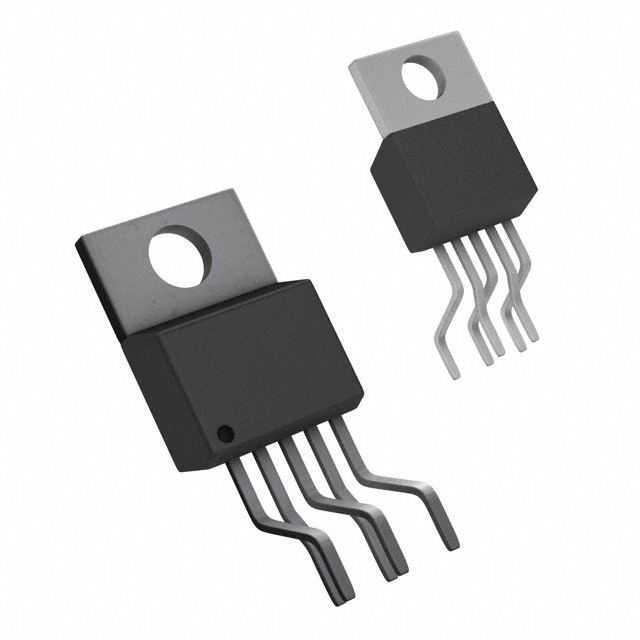 Texas Instruments LP3876ET-2.5Obsolete | Integrated Circuits (ICs) | IC REG LINEAR 2.5V 3A TO220-5 |
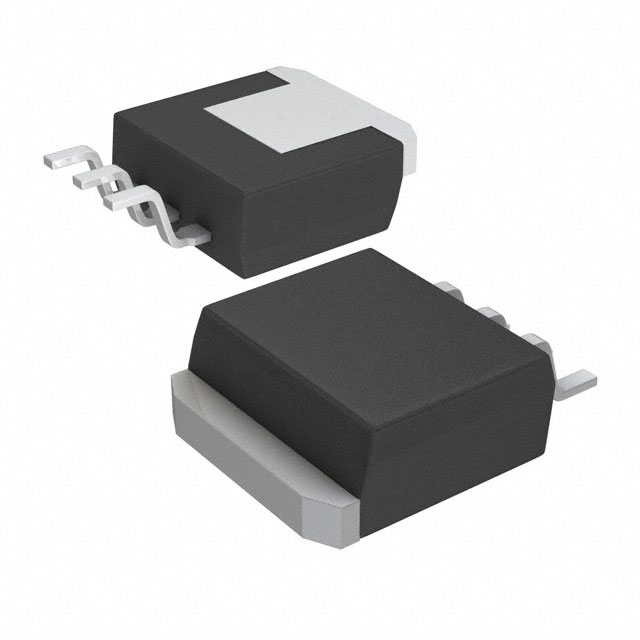 Texas Instruments LMS1585ACSX-ADJObsolete | Integrated Circuits (ICs) | IC REG LIN POS ADJ 5A DDPAK |
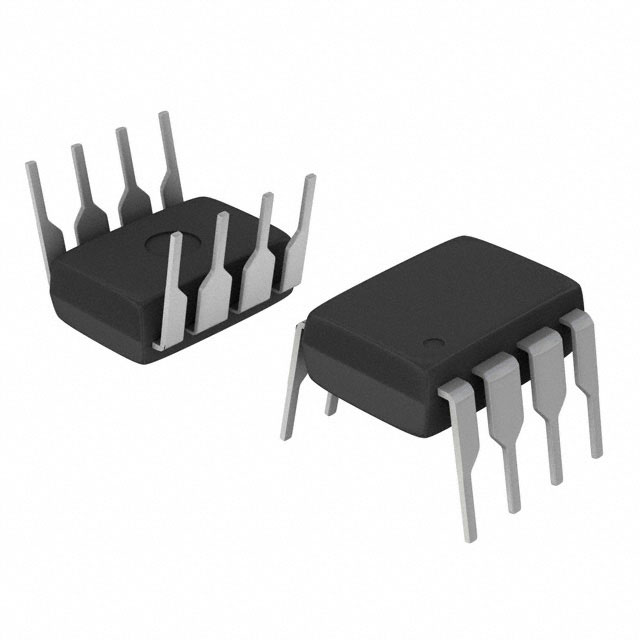 Texas Instruments INA111APG4Obsolete | Integrated Circuits (ICs) | IC INST AMP 1 CIRCUIT 8DIP |
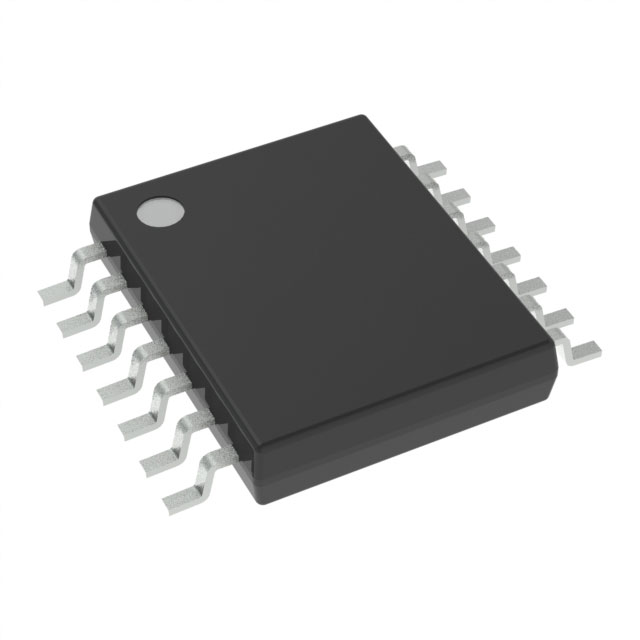 Texas Instruments | Integrated Circuits (ICs) | AUTOMOTIVE, QUAD 36V 1.2MHZ OPERATIONAL AMPLIFIER |
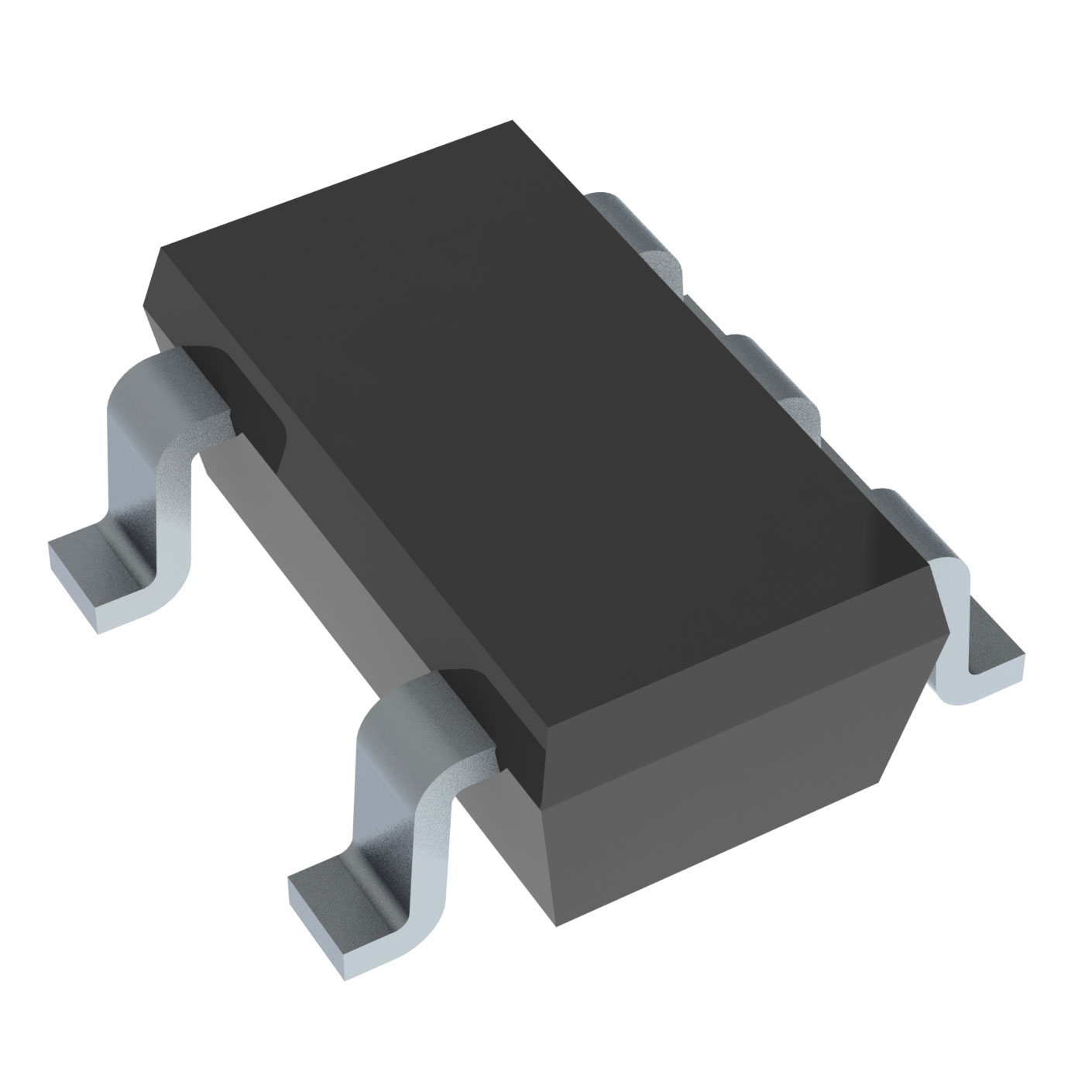 Texas Instruments OPA340NA/3KG4Unknown | Integrated Circuits (ICs) | IC OPAMP GP 1 CIRCUIT SOT23-5 |
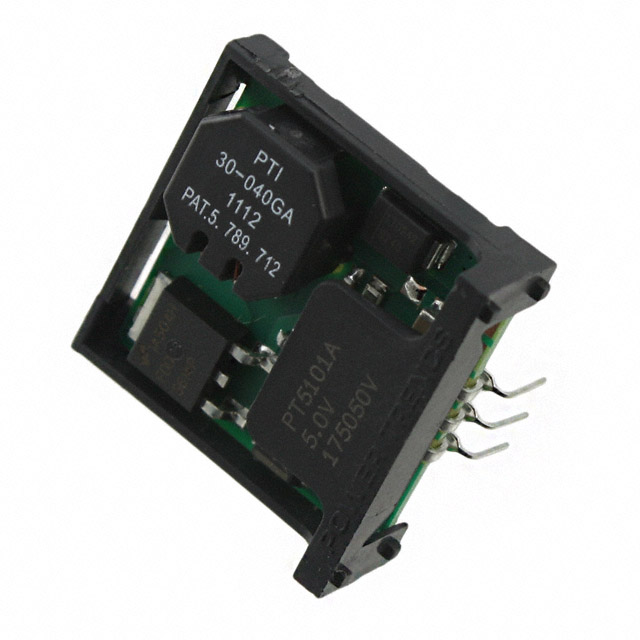 Texas Instruments PT5112AObsolete | Power Supplies - Board Mount | DC DC CONVERTER 8V 8W |
| Series | Category | # Parts | Status | Description |
|---|---|---|---|---|
SN54LS2998-Bit Universal Shift/Storage Registers | Shift Registers | 1 | Active | These Schottky TTL eight-bit universal registers feature multiplexed inputs/outputs to achieve full eight-bit data handling in a single 20-pin package. Two function-select inputs and two output-control inputs can be used to choose the modes of operation listed in the function table.
Synchronous parallel loading is accomplished by taking both function-select lines, S0 and S1, high. This places the three-state outputs in a high-impedance state, which permits data that is applied on the input/output lines to be clocked into the register. Reading out of the register can be accomplished while the outputs are enabled in any mode. A direct overriding input is provided to clear the register whether the outputs are enabled or off.
These Schottky TTL eight-bit universal registers feature multiplexed inputs/outputs to achieve full eight-bit data handling in a single 20-pin package. Two function-select inputs and two output-control inputs can be used to choose the modes of operation listed in the function table.
Synchronous parallel loading is accomplished by taking both function-select lines, S0 and S1, high. This places the three-state outputs in a high-impedance state, which permits data that is applied on the input/output lines to be clocked into the register. Reading out of the register can be accomplished while the outputs are enabled in any mode. A direct overriding input is provided to clear the register whether the outputs are enabled or off. |
SN54LS373Octal D-Type Transparent Latches with 3-state Outputs | Logic | 3 | Active | These 8-bit registers feature 3-state outputs designed specifically for driving highly capacitive or relatively low-impedance loads. The high-impedance 3-state and increased high-logic-level drive provide these registers with the capability of being connected directly to and driving the bus lines in a bus-organized system without need for interface or pullup components. These devices are particularly attractive for implementing buffer registers, I/O ports, bidirectional bus drivers, and working registers.
The eight latches of the ’LS373 and ’S373 are transparent D-type latches, meaning that while the enable (C or CLK) input is high, the Q outputs follow the data (D) inputs. When C or CLK is taken low, the output is latched at the level of the data that was set up.
The eight flip-flops of the ’LS374 and ’S374 are edge-triggered D-type flip-flops. On the positive transition of the clock, the Q outputs are set to the logic states that were set up at the D inputs.
Schmitt-trigger buffered inputs at the enable/clock lines of the ’S373 and ’S374 devices simplify system design as ac and dc noise rejection is improved by typically 400 mV due to the input hysteresis. A buffered output-control (OC) input can be used to place the eight outputs in either a normal logic state (high or low logic levels) or the high-impedance state. In the high-impedance state, the outputs neither load nor drive the bus lines significantly.
OC\ does not affect the internal operation of the latches or flip-flops. That is, the old data can be retained or new data can be entered, even while the outputs are off.
These 8-bit registers feature 3-state outputs designed specifically for driving highly capacitive or relatively low-impedance loads. The high-impedance 3-state and increased high-logic-level drive provide these registers with the capability of being connected directly to and driving the bus lines in a bus-organized system without need for interface or pullup components. These devices are particularly attractive for implementing buffer registers, I/O ports, bidirectional bus drivers, and working registers.
The eight latches of the ’LS373 and ’S373 are transparent D-type latches, meaning that while the enable (C or CLK) input is high, the Q outputs follow the data (D) inputs. When C or CLK is taken low, the output is latched at the level of the data that was set up.
The eight flip-flops of the ’LS374 and ’S374 are edge-triggered D-type flip-flops. On the positive transition of the clock, the Q outputs are set to the logic states that were set up at the D inputs.
Schmitt-trigger buffered inputs at the enable/clock lines of the ’S373 and ’S374 devices simplify system design as ac and dc noise rejection is improved by typically 400 mV due to the input hysteresis. A buffered output-control (OC) input can be used to place the eight outputs in either a normal logic state (high or low logic levels) or the high-impedance state. In the high-impedance state, the outputs neither load nor drive the bus lines significantly.
OC\ does not affect the internal operation of the latches or flip-flops. That is, the old data can be retained or new data can be entered, even while the outputs are off. |
SN54LS47BCD-to-Seven-Segment Decoders/Drivers | Logic | 2 | Active | The '46A, '47A, and 'LS47 feature active-low outputs designed for driving, common-anode LEDs or incandescent indicators directly. The '48, 'LS48, and 'LS49 feature active-high outputs for driving lamp buffers or common-cathode LEDs. All of the circuits except 'LS49 have full ripple-blanking input/output controls and a lamp test input. The 'LS49 circuit incorporates a direct blanking input. Segment identification and resultant displays are shown below. Display patterns for BCD input counts above 9 are unique symbols to authenticate input conditions.
The '46A, '47A, '48, 'LS47, and 'LS48 circuits incorporate automatic leading and/or trailing-edge zero-blanking control (RBI\ and RBO\). Lamp test (LT\) of these types may be performed at any time when the BI\/RBO\ node is at a high level. All types (including the '49 and 'LS49) contain an overriding blanking input (BI\), which can be used to control the lamp intensity by pulsing or to inhibit the outputs. Inputs and outputs are entirely compatible for use with TTL logic outputs.
The SN54246/SN74246 and '247 and the SN54LS247/SN74LS247 and 'LS248 compose the 6 and the 9 with tails and were designed to offer the designer a choice between two indicator fonts.
The '46A, '47A, and 'LS47 feature active-low outputs designed for driving, common-anode LEDs or incandescent indicators directly. The '48, 'LS48, and 'LS49 feature active-high outputs for driving lamp buffers or common-cathode LEDs. All of the circuits except 'LS49 have full ripple-blanking input/output controls and a lamp test input. The 'LS49 circuit incorporates a direct blanking input. Segment identification and resultant displays are shown below. Display patterns for BCD input counts above 9 are unique symbols to authenticate input conditions.
The '46A, '47A, '48, 'LS47, and 'LS48 circuits incorporate automatic leading and/or trailing-edge zero-blanking control (RBI\ and RBO\). Lamp test (LT\) of these types may be performed at any time when the BI\/RBO\ node is at a high level. All types (including the '49 and 'LS49) contain an overriding blanking input (BI\), which can be used to control the lamp intensity by pulsing or to inhibit the outputs. Inputs and outputs are entirely compatible for use with TTL logic outputs.
The SN54246/SN74246 and '247 and the SN54LS247/SN74LS247 and 'LS248 compose the 6 and the 9 with tails and were designed to offer the designer a choice between two indicator fonts. |
SN54LS49BCD-to-Seven-Segment Decoders/Drivers with Open Collector Outputs | Logic | 1 | Active | The '46A, '47A, and 'LS47 feature active-low outputs designed for driving, common-anode LEDs or incandescent indicators directly. The '48, 'LS48, and 'LS49 feature active-high outputs for driving lamp buffers or common-cathode LEDs. All of the circuits except 'LS49 have full ripple-blanking input/output controls and a lamp test input. The 'LS49 circuit incorporates a direct blanking input. Segment identification and resultant displays are shown below. Display patterns for BCD input counts above 9 are unique symbols to authenticate input conditions.
The '46A, '47A, '48, 'LS47, and 'LS48 circuits incorporate automatic leading and/or trailing-edge zero-blanking control (RBI\ and RBO\). Lamp test (LT\) of these types may be performed at any time when the BI\/RBO\ node is at a high level. All types (including the '49 and 'LS49) contain an overriding blanking input (BI\), which can be used to control the lamp intensity by pulsing or to inhibit the outputs. Inputs and outputs are entirely compatible for use with TTL logic outputs.
The SN54246/SN74246 and '247 and the SN54LS247/SN74LS247 and 'LS248 compose the 6 and the 9 with tails and were designed to offer the designer a choice between two indicator fonts.
The '46A, '47A, and 'LS47 feature active-low outputs designed for driving, common-anode LEDs or incandescent indicators directly. The '48, 'LS48, and 'LS49 feature active-high outputs for driving lamp buffers or common-cathode LEDs. All of the circuits except 'LS49 have full ripple-blanking input/output controls and a lamp test input. The 'LS49 circuit incorporates a direct blanking input. Segment identification and resultant displays are shown below. Display patterns for BCD input counts above 9 are unique symbols to authenticate input conditions.
The '46A, '47A, '48, 'LS47, and 'LS48 circuits incorporate automatic leading and/or trailing-edge zero-blanking control (RBI\ and RBO\). Lamp test (LT\) of these types may be performed at any time when the BI\/RBO\ node is at a high level. All types (including the '49 and 'LS49) contain an overriding blanking input (BI\), which can be used to control the lamp intensity by pulsing or to inhibit the outputs. Inputs and outputs are entirely compatible for use with TTL logic outputs.
The SN54246/SN74246 and '247 and the SN54LS247/SN74LS247 and 'LS248 compose the 6 and the 9 with tails and were designed to offer the designer a choice between two indicator fonts. |
SN54LS51AND-OR-invert Gates | Logic | 1 | Active | The '51 and 'S51 contain two independent 2-wide 2-input AND-OR-INVERT gates. They perform the Boolean function Y = AB + CD\.
The 'LS51 contains one 2-wide 3-input and one 2-wide 2-input AND-OR-INVERT gates. They perform the Boolean functions 1Y = (1A · 1B · 1C) + (1D · 1E · 1F)\ and 2Y = (2A · 2B) + (2C · 2D)\.
The SN5451, SN54LS51, and SN54S51 are characterized for operation over the full military temperature range of -55°C to 125°C. The SN7451, SN74LS51 and SN74S51 are characterized for operation from 0°C to 70°C.
The '51 and 'S51 contain two independent 2-wide 2-input AND-OR-INVERT gates. They perform the Boolean function Y = AB + CD\.
The 'LS51 contains one 2-wide 3-input and one 2-wide 2-input AND-OR-INVERT gates. They perform the Boolean functions 1Y = (1A · 1B · 1C) + (1D · 1E · 1F)\ and 2Y = (2A · 2B) + (2C · 2D)\.
The SN5451, SN54LS51, and SN54S51 are characterized for operation over the full military temperature range of -55°C to 125°C. The SN7451, SN74LS51 and SN74S51 are characterized for operation from 0°C to 70°C. |
SN54LS5938-Bit Binary Counters With Input Registers | Logic | 1 | Active | The 'LS592 comes in a 16-pin package and consists of a parallel input, 8-bit storage register feeding an 8-bit binary counter. Both the register and the counter have individual positive-edge-triggered clocks. In addition, the counter has direct load and clear functions. A low-going RCO\ pulse will be obtained when the counter reaches the hex word FF. Expansion is easily accomplished for two stages by connecting RCO\ of the first stage to CCKEN\ of the second stage. Cascading for larger count chains can be accomplished by connecting RCO\ of each stage to CCK of the following stage.
The 'LS593 comes in a 20-pin package and has all the features of the 'LS592 plus 3-state I/O, which provides parallel counter outputs. The tables below show the operation of the enable (CCKEN, CCKEN\) inputs. A register clock enable (RCKEN\) is also provided.
The 'LS592 comes in a 16-pin package and consists of a parallel input, 8-bit storage register feeding an 8-bit binary counter. Both the register and the counter have individual positive-edge-triggered clocks. In addition, the counter has direct load and clear functions. A low-going RCO\ pulse will be obtained when the counter reaches the hex word FF. Expansion is easily accomplished for two stages by connecting RCO\ of the first stage to CCKEN\ of the second stage. Cascading for larger count chains can be accomplished by connecting RCO\ of each stage to CCK of the following stage.
The 'LS593 comes in a 20-pin package and has all the features of the 'LS592 plus 3-state I/O, which provides parallel counter outputs. The tables below show the operation of the enable (CCKEN, CCKEN\) inputs. A register clock enable (RCKEN\) is also provided. |
SN54LS5958-Bit Shift Registers With Output Latches | Integrated Circuits (ICs) | 1 | Active | These devices each contain an 8-bit serial-in, parallel-out shift register that feeds an 8-bit D-type storage register. The storage register has parallel 3-state ('LS595) or open-collector ('LS596) outputs. Separate clocks are provided for both the shift register and the storage register. The shift register has a direct-overriding clear, serial input, and serial output pins for cascading.
Both the shift register and storage register clocks are positive-edge triggered. If the user wishes to connect both clocks together, the shift register state will always be one clock pulse ahead of the storage register.
These devices each contain an 8-bit serial-in, parallel-out shift register that feeds an 8-bit D-type storage register. The storage register has parallel 3-state ('LS595) or open-collector ('LS596) outputs. Separate clocks are provided for both the shift register and the storage register. The shift register has a direct-overriding clear, serial input, and serial output pins for cascading.
Both the shift register and storage register clocks are positive-edge triggered. If the user wishes to connect both clocks together, the shift register state will always be one clock pulse ahead of the storage register. |
SN54LS629Voltage-Controlled Oscillators | Programmable Timers and Oscillators | 2 | Active | These voltage-controlled oscillators (VCOs) are improved versions of the original VCO family: SN54LS124, SN54LS324 thru SN54LS327, SN74LS124, and SN74LS324 thru SN74LS327. These new devices feature improved voltage-to-frequency linearity, range, and compensation. With the exception of the 'LS624 and 'LS628, all of these devices feature two independent VCOs in a single monolithic chip. The 'LS624, 'LS625, 'LS626, and 'LS628 have complementary Z outputs. The output frequency for each VCO is established by a single external component (either a capacitor or crystal) in combination with voltage-sensitive inputs used for frequency control and frequency range. Each device has a voltage-sensitive input for frequency control; however, the 'LS624, 'LS628, and 'LS629 devices also have one for frequency range. (See Figures 1 thru 6).
The 'LS628 offers more precise temperature compensation than its 'LS624 counterpart. The 'LS624 features a 600 ohm internal timing resistor. The 'LS628 requires a timing resistor to be connected externally across Rextpins. Temperature compensation will be improved due to the temperature coefficient of the external resistor.
Figure 3 and Figure 6 contain the necessary information to choose the proper capacitor value to obtain the desired operating frequency.
A single 5-volt supply can be used: however, one set of supply voltage and ground pins (VCCand GND) is provided for the enable, synchronization-gating, and output sections, and a separate set (OSC VCCand OSC GND) is provided for the oscillator and associated frequency-control circuits so that effective isolation can be accomplished in the system. For operation of frequencies greater than 10 MHz, it is recommended that two independent supplies be used. Disabling either VCO of the 'LS625 and 'LS625 and 'LS627 can be achieved by removing the appropriate OSC VCC. An enable input is provided on the 'LS624, 'LS626, 'LS628, and 'LS629. When the enable input is low, the output is enabled: when the enable input is high, the internal oscillator is disabled, Y is high, and Z is low. Caution! Crosstalk may occur in the dual devices ('LS625, 'LS626, 'LS627 and 'LS629) when both VCOs are operated simultaneously. To minimize crosstalk, either of the following are recommended: (A) If frequencies are widely separated, use a 10-μh inductor between VCCpins. (B) If frequencies are closely spaced, use two separate VCCsupplies or place two series diodes between the VCCpins.
The pulse-synchronization-gating section ensures that the first output pulse is neither clipped nor extended. The duty cycle of the square-wave output is fixed at approximately 50 percent.
The SN54LS624 thru SN54LS629 are characterized for operation over the full military temperature range of -55°C to 125°C. The SN74LS624 thru SN74LS629 are characterized for operation from 0°C to 70°C.
These voltage-controlled oscillators (VCOs) are improved versions of the original VCO family: SN54LS124, SN54LS324 thru SN54LS327, SN74LS124, and SN74LS324 thru SN74LS327. These new devices feature improved voltage-to-frequency linearity, range, and compensation. With the exception of the 'LS624 and 'LS628, all of these devices feature two independent VCOs in a single monolithic chip. The 'LS624, 'LS625, 'LS626, and 'LS628 have complementary Z outputs. The output frequency for each VCO is established by a single external component (either a capacitor or crystal) in combination with voltage-sensitive inputs used for frequency control and frequency range. Each device has a voltage-sensitive input for frequency control; however, the 'LS624, 'LS628, and 'LS629 devices also have one for frequency range. (See Figures 1 thru 6).
The 'LS628 offers more precise temperature compensation than its 'LS624 counterpart. The 'LS624 features a 600 ohm internal timing resistor. The 'LS628 requires a timing resistor to be connected externally across Rextpins. Temperature compensation will be improved due to the temperature coefficient of the external resistor.
Figure 3 and Figure 6 contain the necessary information to choose the proper capacitor value to obtain the desired operating frequency.
A single 5-volt supply can be used: however, one set of supply voltage and ground pins (VCCand GND) is provided for the enable, synchronization-gating, and output sections, and a separate set (OSC VCCand OSC GND) is provided for the oscillator and associated frequency-control circuits so that effective isolation can be accomplished in the system. For operation of frequencies greater than 10 MHz, it is recommended that two independent supplies be used. Disabling either VCO of the 'LS625 and 'LS625 and 'LS627 can be achieved by removing the appropriate OSC VCC. An enable input is provided on the 'LS624, 'LS626, 'LS628, and 'LS629. When the enable input is low, the output is enabled: when the enable input is high, the internal oscillator is disabled, Y is high, and Z is low. Caution! Crosstalk may occur in the dual devices ('LS625, 'LS626, 'LS627 and 'LS629) when both VCOs are operated simultaneously. To minimize crosstalk, either of the following are recommended: (A) If frequencies are widely separated, use a 10-μh inductor between VCCpins. (B) If frequencies are closely spaced, use two separate VCCsupplies or place two series diodes between the VCCpins.
The pulse-synchronization-gating section ensures that the first output pulse is neither clipped nor extended. The duty cycle of the square-wave output is fixed at approximately 50 percent.
The SN54LS624 thru SN54LS629 are characterized for operation over the full military temperature range of -55°C to 125°C. The SN74LS624 thru SN74LS629 are characterized for operation from 0°C to 70°C. |
SN54LS640Octal Bus Transceivers | Integrated Circuits (ICs) | 2 | Active | These octal bus transceivers are designed for asynchronous two-way communication between data buses. The devices transmit data from the A bus to the B bus or from the B bus to the A bus depending upon the level at the direction control (DIR) input. The enable input (G) can be used to disable the device so the buses are effectively isolated.
The -1 versions of the SN74LS640 thru SN74LS642, SN74LS644, and SN74LS645 are identical to the standard versions except that the recommended maximum IOLis increased to 48 milliamperes. There are no -1 versions of the SN54LS640 thru SN54LS642, SN54LS644, and SN54LS645.
The SN54LS640 thru SN54LS642, SN54LS644, and SN54LS645 are characterized for operation over the full military tempearture range of –55°C to 125°C. The SN74LS640 thru SN74LS642, SN74LS644, and SN74LS645 are characterized for operation from 0°C to 70°C.
These octal bus transceivers are designed for asynchronous two-way communication between data buses. The devices transmit data from the A bus to the B bus or from the B bus to the A bus depending upon the level at the direction control (DIR) input. The enable input (G) can be used to disable the device so the buses are effectively isolated.
The -1 versions of the SN74LS640 thru SN74LS642, SN74LS644, and SN74LS645 are identical to the standard versions except that the recommended maximum IOLis increased to 48 milliamperes. There are no -1 versions of the SN54LS640 thru SN54LS642, SN54LS644, and SN54LS645.
The SN54LS640 thru SN54LS642, SN54LS644, and SN54LS645 are characterized for operation over the full military tempearture range of –55°C to 125°C. The SN74LS640 thru SN74LS642, SN74LS644, and SN74LS645 are characterized for operation from 0°C to 70°C. |
SN54LS6704-By-4 Register Files With 3-State Outputs | FIFOs Memory | 3 | Active | The SN54LS670 and SN74LS670 MSI 16-bit TTL register files incorporate the equivalent of 98 gates. The register file is organized as 4 words of 4 bits each and separate on-chip decoding is provided for addressing the four word locations to either write-in or retrieve data. This permits simultaneous writing into one location and reading from another word location.
Four data inputs are available which are used to supply the 4-bit word to be stored. Location of the word is determined by the write-address inputs A and B in conjunction with a write-enable signal. Data applied at the inputs should be in its true form. That is, if a high-level signal is desired from the output, a high-level is applied at the data input for that particular bit location. The latch inputs are arranged so that new data will be accepted only if both internal address gate inputs are high. When this condition exists, data at the D input is transferred to the latch output. When the write-enable input, G\W, is high, the data inputs are inhibited and their levels can cause no change in the information stored in the internal latches. When the read-enable input, G\R, is high, the data outputs are inhibited and go into the high-impedance state.
The individual address lines permit direct acquisition of data stored in any four of the latches. Four individual decoding gates are used to complete the address for reading a word. When the read address is made in conjunction with the read-enable signal, the word appears at the four outputs.
This arrangement — data-entry addressing separate from data-read addressing and individual sense line — eliminates recovery times, permits simultaneous reading and writing, and is limited in speed only by the write time (27 nanoseconds typical) and the read time (24 nanoseconds typical). The register file has a nondestructive readout in that data is not lost when addressed.
All inputs except read enable and write enable are buffered to lower the drive requirements to one Series 54LS/74LS standard load, and input-clamping diodes minimize switching transients to simplify system design. High-speed, double-ended AND-OR-INVERT gates are employed for the read-address function and have high-sink-current, three-state outputs. Up to 128 of these outputs may be bus connected for increasing the capacity up to 512 words. Any number of these registers may be paralleled to provide n-bit word length.
The SN54LS670 is characterized for operation over the full military temperature range of -55°C to 125°C; the SN74LS670 is characterized for operation from 0°C to 70°C.
The SN54LS670 and SN74LS670 MSI 16-bit TTL register files incorporate the equivalent of 98 gates. The register file is organized as 4 words of 4 bits each and separate on-chip decoding is provided for addressing the four word locations to either write-in or retrieve data. This permits simultaneous writing into one location and reading from another word location.
Four data inputs are available which are used to supply the 4-bit word to be stored. Location of the word is determined by the write-address inputs A and B in conjunction with a write-enable signal. Data applied at the inputs should be in its true form. That is, if a high-level signal is desired from the output, a high-level is applied at the data input for that particular bit location. The latch inputs are arranged so that new data will be accepted only if both internal address gate inputs are high. When this condition exists, data at the D input is transferred to the latch output. When the write-enable input, G\W, is high, the data inputs are inhibited and their levels can cause no change in the information stored in the internal latches. When the read-enable input, G\R, is high, the data outputs are inhibited and go into the high-impedance state.
The individual address lines permit direct acquisition of data stored in any four of the latches. Four individual decoding gates are used to complete the address for reading a word. When the read address is made in conjunction with the read-enable signal, the word appears at the four outputs.
This arrangement — data-entry addressing separate from data-read addressing and individual sense line — eliminates recovery times, permits simultaneous reading and writing, and is limited in speed only by the write time (27 nanoseconds typical) and the read time (24 nanoseconds typical). The register file has a nondestructive readout in that data is not lost when addressed.
All inputs except read enable and write enable are buffered to lower the drive requirements to one Series 54LS/74LS standard load, and input-clamping diodes minimize switching transients to simplify system design. High-speed, double-ended AND-OR-INVERT gates are employed for the read-address function and have high-sink-current, three-state outputs. Up to 128 of these outputs may be bus connected for increasing the capacity up to 512 words. Any number of these registers may be paralleled to provide n-bit word length.
The SN54LS670 is characterized for operation over the full military temperature range of -55°C to 125°C; the SN74LS670 is characterized for operation from 0°C to 70°C. |