T
Texas Instruments
| Series | Category | # Parts | Status | Description |
|---|---|---|---|---|
| Part | Spec A | Spec B | Spec C | Spec D | Description |
|---|---|---|---|---|---|



| Series | Category | # Parts | Status | Description |
|---|---|---|---|---|
| Part | Spec A | Spec B | Spec C | Spec D | Description |
|---|---|---|---|---|---|
| Part | Category | Description |
|---|---|---|
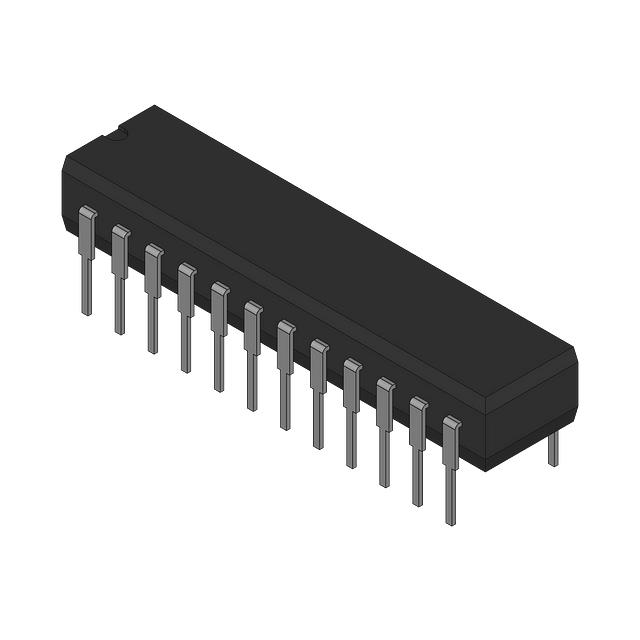 Texas Instruments | Integrated Circuits (ICs) | BUS DRIVER, BCT/FBT SERIES |
 Texas Instruments | Integrated Circuits (ICs) | 12BIT 3.3V~3.6V 210MHZ PARALLEL VQFN-48-EP(7X7) ANALOG TO DIGITAL CONVERTERS (ADC) ROHS |
Texas Instruments | Integrated Circuits (ICs) | TMX320DRE311 179PIN UBGA 200MHZ |
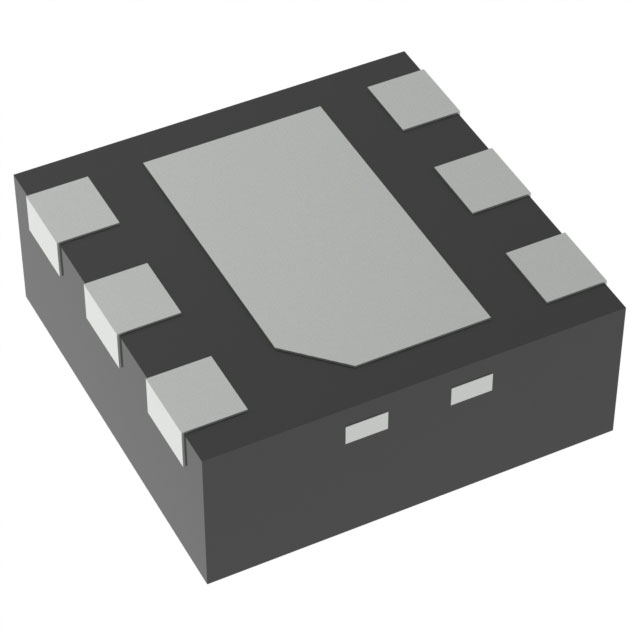 Texas Instruments TPS61040DRVTG4Unknown | Integrated Circuits (ICs) | IC LED DRV RGLTR PWM 350MA 6WSON |
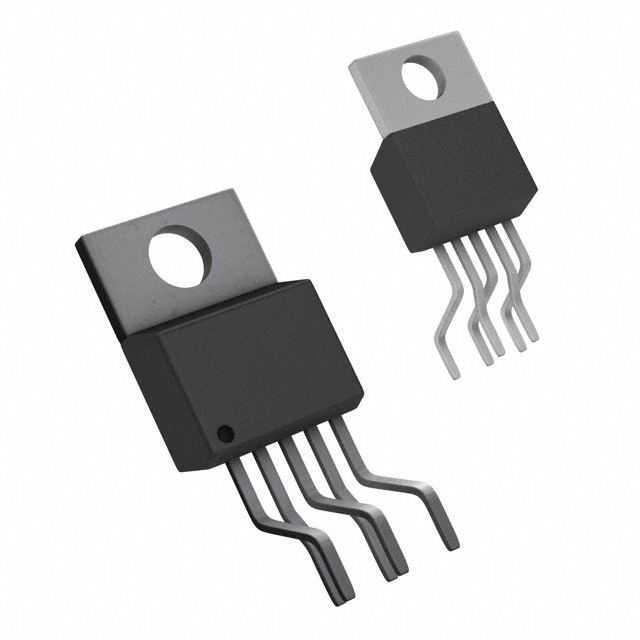 Texas Instruments LP3876ET-2.5Obsolete | Integrated Circuits (ICs) | IC REG LINEAR 2.5V 3A TO220-5 |
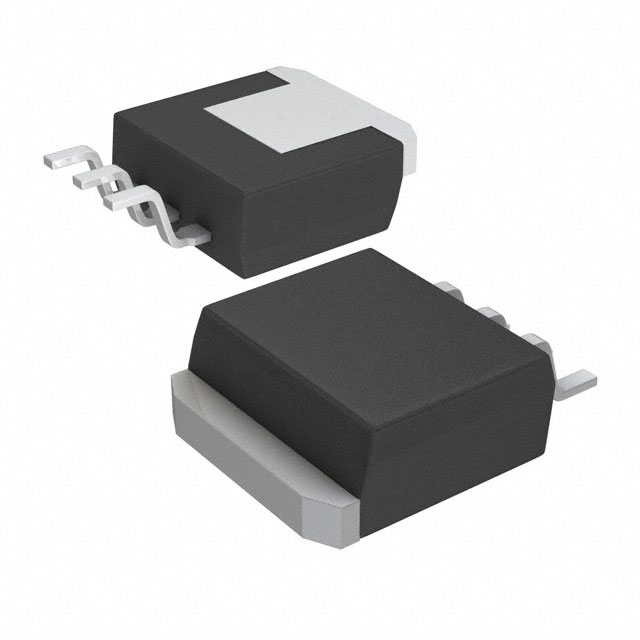 Texas Instruments LMS1585ACSX-ADJObsolete | Integrated Circuits (ICs) | IC REG LIN POS ADJ 5A DDPAK |
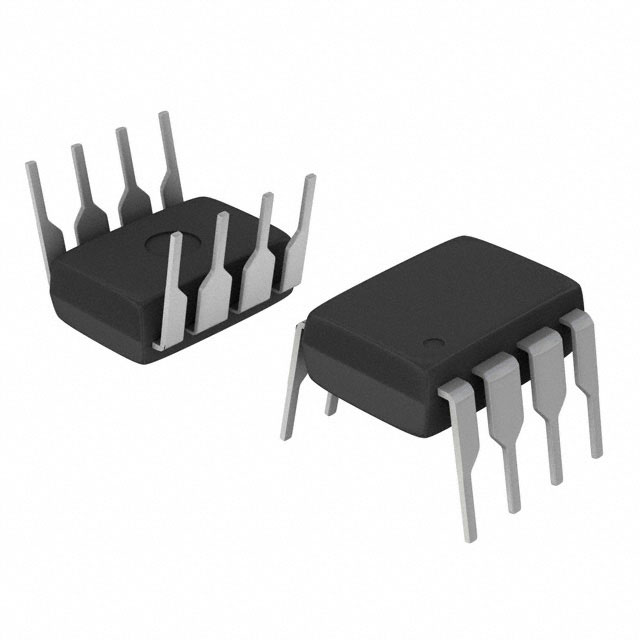 Texas Instruments INA111APG4Obsolete | Integrated Circuits (ICs) | IC INST AMP 1 CIRCUIT 8DIP |
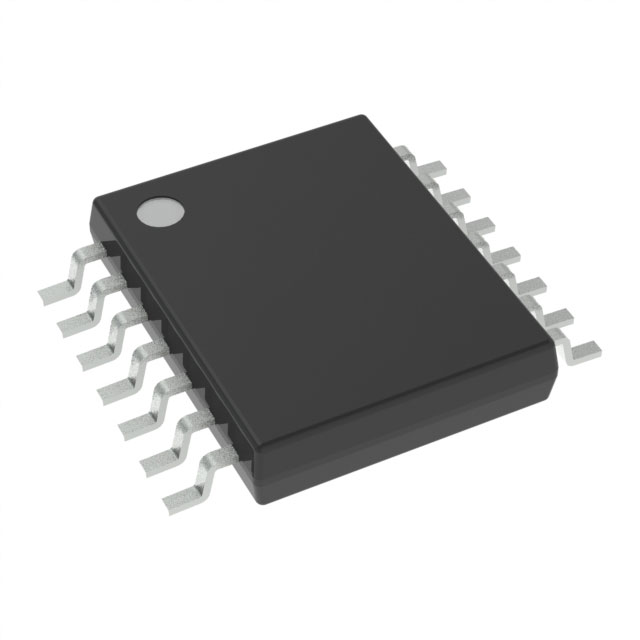 Texas Instruments | Integrated Circuits (ICs) | AUTOMOTIVE, QUAD 36V 1.2MHZ OPERATIONAL AMPLIFIER |
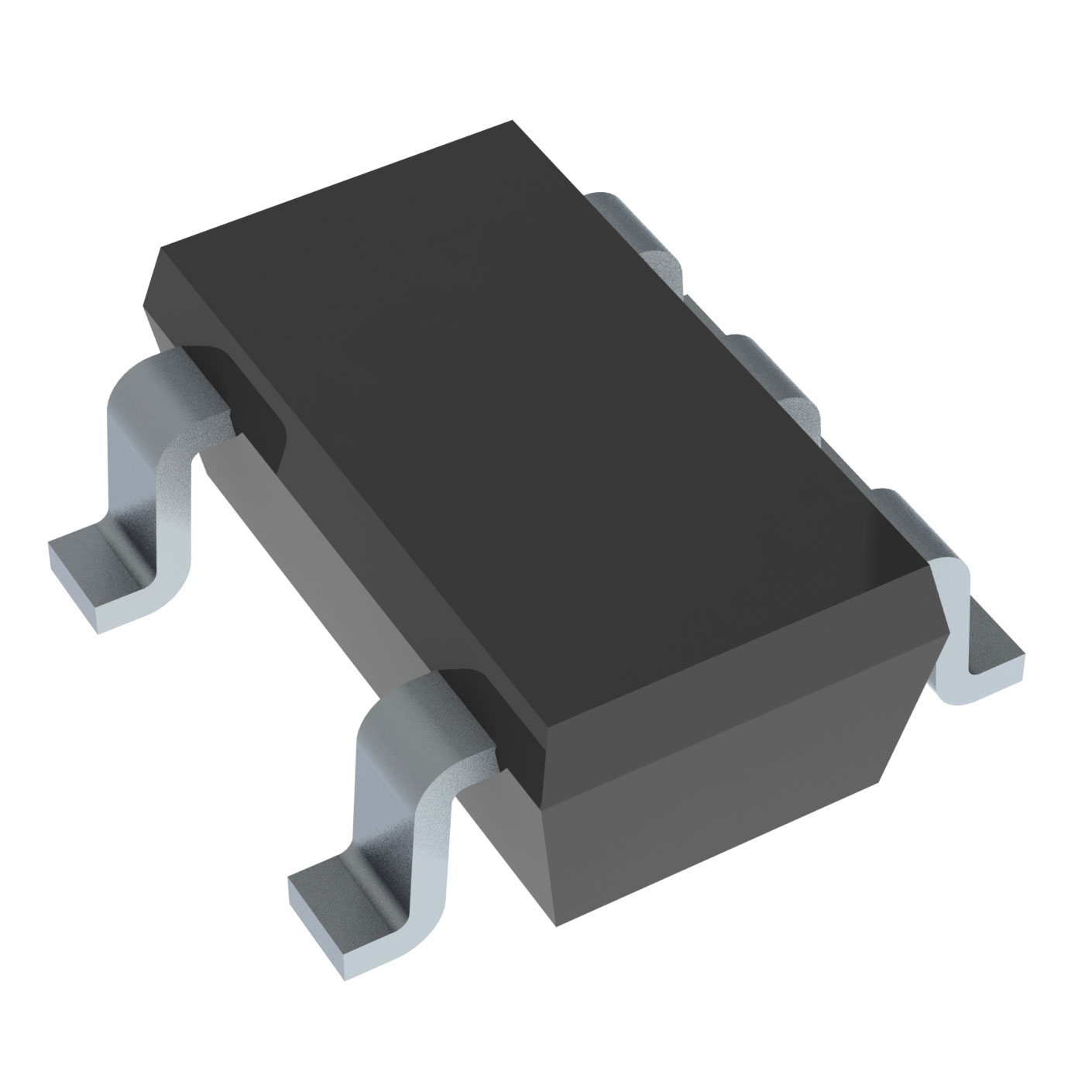 Texas Instruments OPA340NA/3KG4Unknown | Integrated Circuits (ICs) | IC OPAMP GP 1 CIRCUIT SOT23-5 |
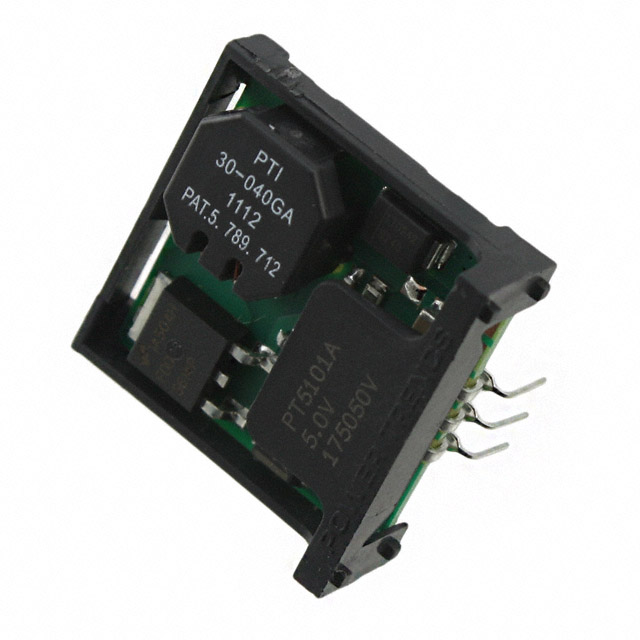 Texas Instruments PT5112AObsolete | Power Supplies - Board Mount | DC DC CONVERTER 8V 8W |
| Series | Category | # Parts | Status | Description |
|---|---|---|---|---|
| Integrated Circuits (ICs) | 5 | Obsolete | ||
SM72441Programmable maximum power point tracking controller for photovoltaic solar panels | Specialized ICs | 2 | Active | The SM72441 is a programmable MPPT controller capable of controlling four PWM gate drive signals for a 4-switch buck-boost converter. Along with SM72295 (Photovoltaic Full Bridge Driver) it creates a solution for an MPPT configured DC-DC converter with efficiencies up to 98.5%. Integrated into the chip is an 8-channel, 12 bit A/D converter used to sense input and output voltage and current, as well as board configuration. Externally programmable values include maximum output voltage and current as well as different settings on slew rate, and soft-start.
The SM72441 is a programmable MPPT controller capable of controlling four PWM gate drive signals for a 4-switch buck-boost converter. Along with SM72295 (Photovoltaic Full Bridge Driver) it creates a solution for an MPPT configured DC-DC converter with efficiencies up to 98.5%. Integrated into the chip is an 8-channel, 12 bit A/D converter used to sense input and output voltage and current, as well as board configuration. Externally programmable values include maximum output voltage and current as well as different settings on slew rate, and soft-start. |
SM72442Programmable Maximum Power Point Tracking Controller for Photovoltaic Solar Panels | Integrated Circuits (ICs) | 3 | Active | The SM72442 is a programmable MPPT controller capable of controlling four PWM gate drive signals for a 4-switch buck-boost converter. The SM72442 also features a proprietary algorithm called Panel Mode which allows for the panel to be connected directly to the output of your power optimizer circuit. Along with the SM72295 (Photovoltaic Full Bridge Driver), it creates a solution for an MPPT configured DC-DC converter with efficiencies up to 99.5%. Integrated into the chip is an 8-channel, 12 bit A/D converter used to sense input and output voltages and currents, as well as board configuration. Externally programmable values include maximum output voltage and current as well as different settings forslew rate, soft-start and Panel Mode.
The SM72442 is a programmable MPPT controller capable of controlling four PWM gate drive signals for a 4-switch buck-boost converter. The SM72442 also features a proprietary algorithm called Panel Mode which allows for the panel to be connected directly to the output of your power optimizer circuit. Along with the SM72295 (Photovoltaic Full Bridge Driver), it creates a solution for an MPPT configured DC-DC converter with efficiencies up to 99.5%. Integrated into the chip is an 8-channel, 12 bit A/D converter used to sense input and output voltages and currents, as well as board configuration. Externally programmable values include maximum output voltage and current as well as different settings forslew rate, soft-start and Panel Mode. |
SM72445Programmable Maximum Power Point Tracking Controller with Adjustable PWM Frequency | Integrated Circuits (ICs) | 3 | Active | The SM72445 is a programmable MPPT controller capable of controlling four PWM gate drive signals for a 4-switch buckboost converter. The SM72445 also features a proprietary algorithm called Panel Mode (PM) which allows for the panel to be connected directly to the output of the power optimizer circuit when the input to output voltage ratio is close to 1. This provides an opportunity to optimize the efficiency of the power optimizer when the load is naturally matching the maximum power point of the panel. Along with the SM72295 (Photovoltaic Full Bridge Driver), it creates a solution for an MPPT configured DC-DC converter with efficiencies up to 99.5% (when operating with dedicated PM switches). Integrated into the chip is an 8-channel, 10 bit A/D converter used to sense input and output voltages and currents, as well as IC configuration. Externally programmable values include maximum output voltage and current as well as different settings for slew rate, soft-start and Panel Mode.
The SM72445 is a programmable MPPT controller capable of controlling four PWM gate drive signals for a 4-switch buckboost converter. The SM72445 also features a proprietary algorithm called Panel Mode (PM) which allows for the panel to be connected directly to the output of the power optimizer circuit when the input to output voltage ratio is close to 1. This provides an opportunity to optimize the efficiency of the power optimizer when the load is naturally matching the maximum power point of the panel. Along with the SM72295 (Photovoltaic Full Bridge Driver), it creates a solution for an MPPT configured DC-DC converter with efficiencies up to 99.5% (when operating with dedicated PM switches). Integrated into the chip is an 8-channel, 10 bit A/D converter used to sense input and output voltages and currents, as well as IC configuration. Externally programmable values include maximum output voltage and current as well as different settings for slew rate, soft-start and Panel Mode. |
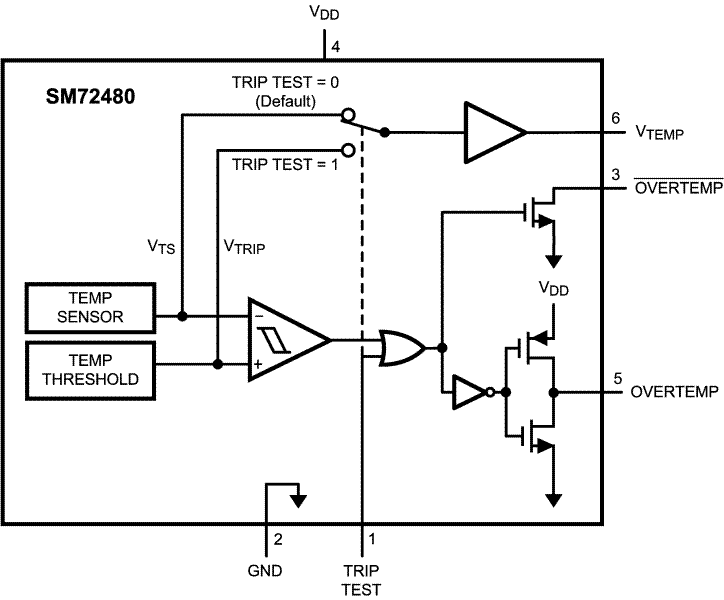
SM724801.6V, LLP-6 Factory Preset Temperature Switch and Temperature Sensor | DC/DC & AC/DC (Off-Line) SMPS Evaluation Boards | 8 | Active | The SM72480 is a low-voltage, precision, dual-output, low-power temperature switch and temperature sensor. The temperature trip point (TTRIP) is set at the factory to be 120°C. Built-in temperature hysteresis (THYST) keeps the output stable in an environment of temperature instability.
In normal operation the SM72480 temperature switch outputs assert when the die temperature exceeds TTRIP. The temperature switch outputs will reset when the temperature falls below a temperature equal to (TTRIP− THYST). The OVERTEMP digital output, is active-high with a push-pull structure, while theOVERTEMPdigital output, is active-low with an open-drain structure.
The analog output, VTEMP, delivers an analog output voltage with Negative Temperature Coefficient — NTC.
Driving the TRIP TEST input high: (1) causes the digital outputs to be asserted for in-situ verification and, (2) causes the threshold voltage to appear at the VTEMPoutput pin, which could be used to verify the temperature trip point.
The SM72480's low minimum supply voltage makes it ideal for 1.8 volt system designs. Its wide operating range, low supply current , and excellent accuracy provide a temperature switch solution for a wide range of commercial and industrial applications.
The SM72480 is a low-voltage, precision, dual-output, low-power temperature switch and temperature sensor. The temperature trip point (TTRIP) is set at the factory to be 120°C. Built-in temperature hysteresis (THYST) keeps the output stable in an environment of temperature instability.
In normal operation the SM72480 temperature switch outputs assert when the die temperature exceeds TTRIP. The temperature switch outputs will reset when the temperature falls below a temperature equal to (TTRIP− THYST). The OVERTEMP digital output, is active-high with a push-pull structure, while theOVERTEMPdigital output, is active-low with an open-drain structure.
The analog output, VTEMP, delivers an analog output voltage with Negative Temperature Coefficient — NTC.
Driving the TRIP TEST input high: (1) causes the digital outputs to be asserted for in-situ verification and, (2) causes the threshold voltage to appear at the VTEMPoutput pin, which could be used to verify the temperature trip point.
The SM72480's low minimum supply voltage makes it ideal for 1.8 volt system designs. Its wide operating range, low supply current , and excellent accuracy provide a temperature switch solution for a wide range of commercial and industrial applications. |
| Gate Drivers | 3 | Active | ||
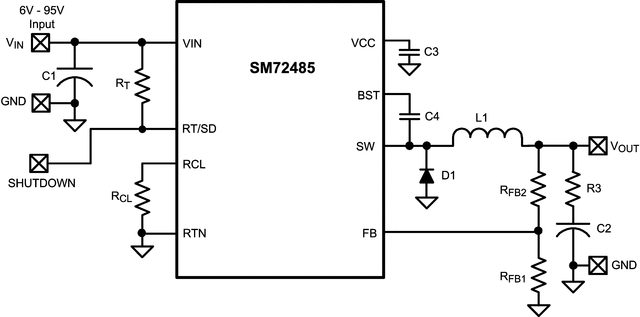
SM72485100V, 150 mA Constant On-Time Buck Switching Regulator | Power Management (PMIC) | 4 | Active | The SM72485 step-down switching regulator features all of the functions required to implement a low cost, efficient, Buck bias regulator. This high voltage regulator contains an 100-V N-channel buck switch. The device is easy to implement and is provided in the VSSOP and the thermally enhanced WSON package. The regulator is based on a control scheme using an on-time inversely proportional to VIN. This feature allows the operating frequency to remain relatively constant. The control scheme requires no loop compensation. An intelligent current limit is implemented with forced off-time, which is inversely proportional to VOUT. This scheme ensures short circuit control while providing minimum foldback. Other features include: Thermal shutdown, VCCundervoltage lockout, gate drive undervoltage lockout, maximum duty cycle limiter, and a precharge switch.
The SM72485 step-down switching regulator features all of the functions required to implement a low cost, efficient, Buck bias regulator. This high voltage regulator contains an 100-V N-channel buck switch. The device is easy to implement and is provided in the VSSOP and the thermally enhanced WSON package. The regulator is based on a control scheme using an on-time inversely proportional to VIN. This feature allows the operating frequency to remain relatively constant. The control scheme requires no loop compensation. An intelligent current limit is implemented with forced off-time, which is inversely proportional to VOUT. This scheme ensures short circuit control while providing minimum foldback. Other features include: Thermal shutdown, VCCundervoltage lockout, gate drive undervoltage lockout, maximum duty cycle limiter, and a precharge switch. |
| Amplifiers | 1 | Obsolete | ||
SM72501Precision, CMOS Input, RRIO, Wide Supply Range Amplifier | Linear | 3 | NRND | The SM72501 is a low offset voltage, rail-to-rail input and output precision amplifier with a CMOS input stage and a wide supply voltage range. The SM72501 is ideal for sensor interface and other instrumentation applications.
The low offset voltage of less than ±200 µV along with the low input bias current of less than ±1 pA makes the SM72501 ideal for precision applications. The SM72501 is built utilizing VIP50 technology, which allows the combination of a CMOS input stage and a 12V common mode and supply voltage range. This makes the SM72501 a great choice in many applications where conventional CMOS parts cannot operate under the desired voltage conditions.
The SM72501 has a rail-to-rail input stage that significantly reduces the CMRR glitch commonly associated with rail-to-rail input amplifiers. This is achieved by trimming both sides of the complimentary input stage, thereby reducing the difference between the NMOS and PMOS offsets. The output of the SM72501 swings within 40 mV of either rail to maximize the signal dynamic range in applications requiring low supply voltage.
The SM72501 is offered in the space saving 5-Pin SOT-23. This small package is an ideal solution for area constrained PC boards and portable electronics.
The SM72501 is a low offset voltage, rail-to-rail input and output precision amplifier with a CMOS input stage and a wide supply voltage range. The SM72501 is ideal for sensor interface and other instrumentation applications.
The low offset voltage of less than ±200 µV along with the low input bias current of less than ±1 pA makes the SM72501 ideal for precision applications. The SM72501 is built utilizing VIP50 technology, which allows the combination of a CMOS input stage and a 12V common mode and supply voltage range. This makes the SM72501 a great choice in many applications where conventional CMOS parts cannot operate under the desired voltage conditions.
The SM72501 has a rail-to-rail input stage that significantly reduces the CMRR glitch commonly associated with rail-to-rail input amplifiers. This is achieved by trimming both sides of the complimentary input stage, thereby reducing the difference between the NMOS and PMOS offsets. The output of the SM72501 swings within 40 mV of either rail to maximize the signal dynamic range in applications requiring low supply voltage.
The SM72501 is offered in the space saving 5-Pin SOT-23. This small package is an ideal solution for area constrained PC boards and portable electronics. |
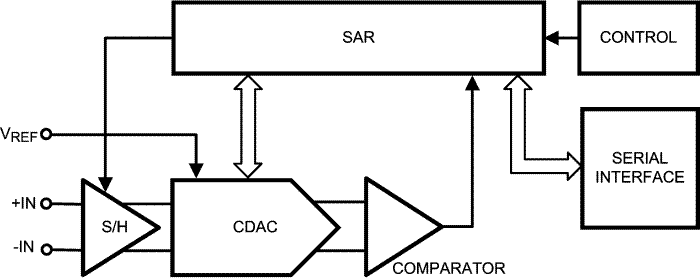
SM7320116-Bit, 250-kSPS, 1-Ch SAR ADC with fully differential input | Integrated Circuits (ICs) | 3 | Active | The SM73201 is a 16-bit successive-approximation register (SAR) Analog-to-Digital converter (ADC) with a maximum sampling rate of 250 kSPS. The converter features a differential analog input with an excellent common-mode signal rejection ratio of 85 dB, making the SM73201 suitable for noisy environments.
The SM73201 operates with a single analog supply (VA) and a separate digital input/output (VIO) supply. VAcan range from +4.5V to +5.5V and VIOcan range from +2.7V to +5.5V. This allows a system designer to maximize performance and minimize power consumption by operating the analog portion of the ADC at a VAof +5V while interfacing with a +3.3V controller. The serial data output is binary 2's complement and is SPI compatible.
The performance of the SM73201 is specified over temperature at clock rates of 1 MHz to 5 MHz and reference voltages of +2.5V to +5.5V. The SM73201 is available in a small 10-lead VSSOP package. The high accuracy, differential input, low power consumption, and small size make the SM73201 ideal for direct connection to bridge sensors and transducers in battery operated systems or remote data acquisition applications.
The SM73201 is a 16-bit successive-approximation register (SAR) Analog-to-Digital converter (ADC) with a maximum sampling rate of 250 kSPS. The converter features a differential analog input with an excellent common-mode signal rejection ratio of 85 dB, making the SM73201 suitable for noisy environments.
The SM73201 operates with a single analog supply (VA) and a separate digital input/output (VIO) supply. VAcan range from +4.5V to +5.5V and VIOcan range from +2.7V to +5.5V. This allows a system designer to maximize performance and minimize power consumption by operating the analog portion of the ADC at a VAof +5V while interfacing with a +3.3V controller. The serial data output is binary 2's complement and is SPI compatible.
The performance of the SM73201 is specified over temperature at clock rates of 1 MHz to 5 MHz and reference voltages of +2.5V to +5.5V. The SM73201 is available in a small 10-lead VSSOP package. The high accuracy, differential input, low power consumption, and small size make the SM73201 ideal for direct connection to bridge sensors and transducers in battery operated systems or remote data acquisition applications. |