T
Texas Instruments
| Series | Category | # Parts | Status | Description |
|---|---|---|---|---|
| Part | Spec A | Spec B | Spec C | Spec D | Description |
|---|---|---|---|---|---|



| Series | Category | # Parts | Status | Description |
|---|---|---|---|---|
| Part | Spec A | Spec B | Spec C | Spec D | Description |
|---|---|---|---|---|---|
| Series | Category | # Parts | Status | Description |
|---|---|---|---|---|
OPA992Single, 40-V, 10.6-MHz, rail-to-rail input/output, low-offset-voltage, low-noise op amp | Linear | 1 | Active | Single, 40-V, 10.6-MHz, rail-to-rail input/output, low-offset-voltage, low-noise op amp |
OPA992-Q1Automotive, single, 40-V, 10-MHz rail-to-rail input and output low-noise operational amplifier | Linear | 2 | Active | The OPAx992-Q1 family (OPA992-Q1, OPA2992-Q1, and OPA4992-Q1) is a family of high voltage (40V) general purpose operational amplifiers. These devices offer excellent DC precision and AC performance, including rail-to-rail input or output, low offset (±210µV, typical), low offset drift (±0.25µV/°C, typical) and low noise (7nV/√Hz at 1kHz, 4.4nV/√Hz at 10kHz).
Features such as differential and common-mode input voltage ranges to the supply rails, high short-circuit current (±65mA), and high slew rate (32V/µs) make the OPAx992-Q1 a flexible, robust, and high-performance op amp for high-voltage automotive applications.
The OPAx992-Q1 family of op amps is available in standard packages (such as SOIC, TSSOP, VSSOP, SOT-23, and SC70), and is specified from –40°C to 125°C.
The OPAx992-Q1 family (OPA992-Q1, OPA2992-Q1, and OPA4992-Q1) is a family of high voltage (40V) general purpose operational amplifiers. These devices offer excellent DC precision and AC performance, including rail-to-rail input or output, low offset (±210µV, typical), low offset drift (±0.25µV/°C, typical) and low noise (7nV/√Hz at 1kHz, 4.4nV/√Hz at 10kHz).
Features such as differential and common-mode input voltage ranges to the supply rails, high short-circuit current (±65mA), and high slew rate (32V/µs) make the OPAx992-Q1 a flexible, robust, and high-performance op amp for high-voltage automotive applications.
The OPAx992-Q1 family of op amps is available in standard packages (such as SOIC, TSSOP, VSSOP, SOT-23, and SC70), and is specified from –40°C to 125°C. |
OPA994Single, 32V, 24MHz RRIO high-output-current (125mA) op amp with unlimited capacitance load drive | Integrated Circuits (ICs) | 1 | Active | The OPAx994 family (OPA994 and OPA2994) is a family of high voltage (32V) rail-to-rail input and output (RRIO) operational amplifiers. These devices offer excellent AC performance, including a wide unity gain bandwidth of 24MHz and a high slew rate of 35V/µs, while only requiring a quiescent current of 1.35mA per channel.
The OPAx994 family was designed to maintain stability across a wide range of capacitive loads. For example, OPAx994 is able to achieve a phase margin of 50 degrees when driving large capacitive loads of 10µF with a load resistance of 1MΩ. The OPAx994 is designed with compensation architectures that mitigate sustained ringing for large capacitive loads. This allows for reliable performance and ease of design for systems that have large, varying, or unknown capacitive loads.
These devices also offer excellent DC precision, including a high short-circuit output current of 125mA/channel, low offset voltage (±350µV, typical), low offset drift (±2.5µV/°C, typical), and high CMRR of 125dB for high voltage operation within the main input pair. This makes the OPAx994 a flexible, robust, and high-performance op amp for high-voltage industrial applications.
The OPAx994 family (OPA994 and OPA2994) is a family of high voltage (32V) rail-to-rail input and output (RRIO) operational amplifiers. These devices offer excellent AC performance, including a wide unity gain bandwidth of 24MHz and a high slew rate of 35V/µs, while only requiring a quiescent current of 1.35mA per channel.
The OPAx994 family was designed to maintain stability across a wide range of capacitive loads. For example, OPAx994 is able to achieve a phase margin of 50 degrees when driving large capacitive loads of 10µF with a load resistance of 1MΩ. The OPAx994 is designed with compensation architectures that mitigate sustained ringing for large capacitive loads. This allows for reliable performance and ease of design for systems that have large, varying, or unknown capacitive loads.
These devices also offer excellent DC precision, including a high short-circuit output current of 125mA/channel, low offset voltage (±350µV, typical), low offset drift (±2.5µV/°C, typical), and high CMRR of 125dB for high voltage operation within the main input pair. This makes the OPAx994 a flexible, robust, and high-performance op amp for high-voltage industrial applications. |
| Op Amp Evaluation Boards | 4 | Active | ||
OPT101Monolithic Photodiode and Single-Supply Transimpedance Amplifier | Optical Sensors | 1 | Active | The OPT101 is a monolithic photodiode with on-chip transimpedance amplifier. The integrated combination of photodiode and transimpedance amplifier on a single chip eliminates the problems commonly encountered in discrete designs, such as leakage current errors, noise pick-up, and gain peaking as a result of stray capacitance. Output voltage increases linearly with light intensity. The amplifier is designed for single or dual power-supply operation.
The 0.09 inch × 0.09 inch (2.29 mm × 2.29 mm) photodiode operates in the photoconductive mode for excellent linearity and low dark current.
The OPT101 operates from 2.7 V to 36 V supplies and quiescent current is only 120 µA. This device is available in clear plastic 8-pin PDIP, and J-lead SOP for surface mounting. The temperature range is 0°C to 70°C.
The OPT101 is a monolithic photodiode with on-chip transimpedance amplifier. The integrated combination of photodiode and transimpedance amplifier on a single chip eliminates the problems commonly encountered in discrete designs, such as leakage current errors, noise pick-up, and gain peaking as a result of stray capacitance. Output voltage increases linearly with light intensity. The amplifier is designed for single or dual power-supply operation.
The 0.09 inch × 0.09 inch (2.29 mm × 2.29 mm) photodiode operates in the photoconductive mode for excellent linearity and low dark current.
The OPT101 operates from 2.7 V to 36 V supplies and quiescent current is only 120 µA. This device is available in clear plastic 8-pin PDIP, and J-lead SOP for surface mounting. The temperature range is 0°C to 70°C. |
OPT3001-Q1Automotive digital ambient light sensor (ALS) with high-precision human-eye response | Optical Sensors | 2 | Obsolete | The OPT3001-Q1 is an optical sensor that measures the intensity of visible light. The spectral response of the sensor tightly matches the photopic response of the human eye and includes significant infrared rejection, and over a wide angle of incidence for the SOT-5X3 package variant.
The OPT3001-Q1 is a single-chip lux meter, measuring the intensity of light as visible by the human eye. The precision spectral response and strong IR rejection of the device enables the OPT3001-Q1 device to accurately measure the intensity of light as seen by the human eye, regardless of light source. The strong IR rejection also aids in maintaining high accuracy when industrial design calls for mounting the sensor under dark glass for aesthetics. The OPT3001-Q1 device is designed for systems that create light-based experiences for humans, and an ideal preferred replacement for photodiodes, photoresistors, or other ambient light sensors with less human eye matching and IR rejection.
The digital operation is flexible for system integration. Measurements can be either continuous or single-shot. The control and interrupt system features autonomous operation, allowing the processor to sleep while the sensor searches for appropriate wake-up events to report through the interrupt pin. The digital output is reported over an I2C- and SMBus-compatible, two-wire serial interface.
The low-power consumption and low-power supply voltage capability of the OPT3001-Q1 device enhance the battery life of battery-powered systems.
Measurements can be made from 0.01lux up to 83klux, without manually selecting full-scale ranges, by using the built-in, full-scale setting feature. This capability allows light measurement over a 23-bit effective dynamic range.
The OPT3001-Q1 is an optical sensor that measures the intensity of visible light. The spectral response of the sensor tightly matches the photopic response of the human eye and includes significant infrared rejection, and over a wide angle of incidence for the SOT-5X3 package variant.
The OPT3001-Q1 is a single-chip lux meter, measuring the intensity of light as visible by the human eye. The precision spectral response and strong IR rejection of the device enables the OPT3001-Q1 device to accurately measure the intensity of light as seen by the human eye, regardless of light source. The strong IR rejection also aids in maintaining high accuracy when industrial design calls for mounting the sensor under dark glass for aesthetics. The OPT3001-Q1 device is designed for systems that create light-based experiences for humans, and an ideal preferred replacement for photodiodes, photoresistors, or other ambient light sensors with less human eye matching and IR rejection.
The digital operation is flexible for system integration. Measurements can be either continuous or single-shot. The control and interrupt system features autonomous operation, allowing the processor to sleep while the sensor searches for appropriate wake-up events to report through the interrupt pin. The digital output is reported over an I2C- and SMBus-compatible, two-wire serial interface.
The low-power consumption and low-power supply voltage capability of the OPT3001-Q1 device enhance the battery life of battery-powered systems.
Measurements can be made from 0.01lux up to 83klux, without manually selecting full-scale ranges, by using the built-in, full-scale setting feature. This capability allows light measurement over a 23-bit effective dynamic range. |
OPT3002Light-to-digital sensor | Development Boards, Kits, Programmers | 3 | Active | The OPT3002 light-to-digital sensor provides the functionality of an optical power meter within a single device. This optical sensor greatly improves system performance over photodiodes and photoresistors. The OPT3002 has a wide spectral bandwidth, ranging from 300 nm to 1000 nm. Measurements can be made from 1.2 nW/cm2up to 10 mW/cm2, without the need to manually select the full-scale ranges by using the built-in, full-scale setting feature. This capability allows light measurement over a 23-bit effective dynamic range. The results are compensated for dark-current effects, as well as other temperature variations.
Use the OPT3002 in optical spectral systems that require detection of a variety of wavelengths, such as optically-based diagnostic systems. The interrupt pin system can summarize the result of the measurement with one digital pin. Power consumption is very low, allowing the OPT3002 to be used as a low-power, battery-operated, wake-up sensor when an enclosed system is opened.
The OPT3002 is fully integrated and provides optical power reading directly from the I2C- and SMBus-compatible, two-wire, serial interface. Measurements are either continuous or single-shot. The OPT3002 fully-operational power consumption is as low as 0.8 µW at 0.8 SPS on a 1.8-V supply.
The OPT3002 light-to-digital sensor provides the functionality of an optical power meter within a single device. This optical sensor greatly improves system performance over photodiodes and photoresistors. The OPT3002 has a wide spectral bandwidth, ranging from 300 nm to 1000 nm. Measurements can be made from 1.2 nW/cm2up to 10 mW/cm2, without the need to manually select the full-scale ranges by using the built-in, full-scale setting feature. This capability allows light measurement over a 23-bit effective dynamic range. The results are compensated for dark-current effects, as well as other temperature variations.
Use the OPT3002 in optical spectral systems that require detection of a variety of wavelengths, such as optically-based diagnostic systems. The interrupt pin system can summarize the result of the measurement with one digital pin. Power consumption is very low, allowing the OPT3002 to be used as a low-power, battery-operated, wake-up sensor when an enclosed system is opened.
The OPT3002 is fully integrated and provides optical power reading directly from the I2C- and SMBus-compatible, two-wire, serial interface. Measurements are either continuous or single-shot. The OPT3002 fully-operational power consumption is as low as 0.8 µW at 0.8 SPS on a 1.8-V supply. |
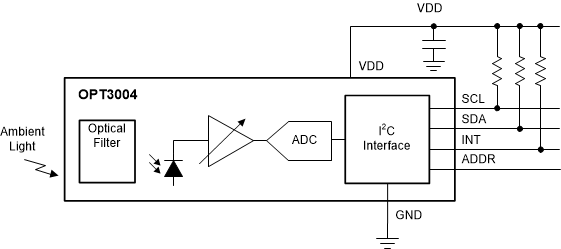
OPT3004Digital ambient light sensor (ALS) with increased angular IR rejection | Evaluation Boards | 1 | Active | The OPT3004 is a sensor that measures the intensity of visible light. The spectral response of the sensor tightly matches the photopic response of the human eye and includes significant infrared rejection over a wide angle of incidence.
The OPT3004 is a single-chip lux meter, measuring the intensity of light as visible by the human eye. The precision spectral response and strong IR rejection of the device enables the OPT3004 to accurately meter the intensity of light as seen by the human eye regardless of light source. The strong IR rejection also helps to maintain high accuracy when industrial design calls for mounting the sensor under dark glass for aesthetics. The OPT3004 is designed for systems that create light-based experiences for humans, and is an ideal preferred replacement for photodiodes, photoresistors, or other ambient light sensors with less human eye matching and IR rejection.
Measurements can be made from 0.01 lux up to 83 k lux without manually selecting full-scale ranges by using the built-in, full-scale setting feature. This capability allows light measurement over a 23-bit effective dynamic range.
The OPT3004 is a sensor that measures the intensity of visible light. The spectral response of the sensor tightly matches the photopic response of the human eye and includes significant infrared rejection over a wide angle of incidence.
The OPT3004 is a single-chip lux meter, measuring the intensity of light as visible by the human eye. The precision spectral response and strong IR rejection of the device enables the OPT3004 to accurately meter the intensity of light as seen by the human eye regardless of light source. The strong IR rejection also helps to maintain high accuracy when industrial design calls for mounting the sensor under dark glass for aesthetics. The OPT3004 is designed for systems that create light-based experiences for humans, and is an ideal preferred replacement for photodiodes, photoresistors, or other ambient light sensors with less human eye matching and IR rejection.
Measurements can be made from 0.01 lux up to 83 k lux without manually selecting full-scale ranges by using the built-in, full-scale setting feature. This capability allows light measurement over a 23-bit effective dynamic range. |
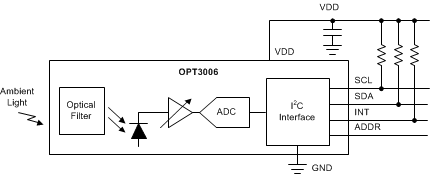
OPT3006Ultra-thin ambient light sensor (ALS) | Sensors, Transducers | 1 | Active | The OPT3006 is a single-chip lux meter, measuring the intensity of visible light as seen by the human eye. The OPT3006 is available in an ultra-small PicoStar package, so the device fits into tiny spaces.
The precision spectral response of the sensor tightly matches the photopic response of the human eye. With strong infrared (IR) rejection, the OPT3006 accurately meters the intensity of light as seen by the human eye, regardless of the light source. The strong IR rejection also aids in maintaining high accuracy when design requires mounting the sensor under dark glass. The OPT3006, often in conjunction with backlight ICs or lighting control systems, creates light-based experiences for humans, and is an ideal replacement for photodiodes, photoresistors, or lower-performing ambient light sensors.
Measurements can be made from 0.01 lux up to 83k lux without manually selecting full-scale ranges by using the built-in, full-scale setting feature. This capability allows light measurement over a 23-bit effective dynamic range.
The digital operation is flexible for system integration. Measurements can be either continuous or single-shot. The control and interrupt system features autonomous operation, allowing the processor to sleep while the sensor searches for appropriate wake-up events to report with the interrupt pin. The digital output is reported over an I2C- and SMBus-compatible, two-wire serial interface.
The low power consumption and low power-supply voltage capability of the OPT3006 enhance the battery life of battery-powered systems.
The OPT3006 is a single-chip lux meter, measuring the intensity of visible light as seen by the human eye. The OPT3006 is available in an ultra-small PicoStar package, so the device fits into tiny spaces.
The precision spectral response of the sensor tightly matches the photopic response of the human eye. With strong infrared (IR) rejection, the OPT3006 accurately meters the intensity of light as seen by the human eye, regardless of the light source. The strong IR rejection also aids in maintaining high accuracy when design requires mounting the sensor under dark glass. The OPT3006, often in conjunction with backlight ICs or lighting control systems, creates light-based experiences for humans, and is an ideal replacement for photodiodes, photoresistors, or lower-performing ambient light sensors.
Measurements can be made from 0.01 lux up to 83k lux without manually selecting full-scale ranges by using the built-in, full-scale setting feature. This capability allows light measurement over a 23-bit effective dynamic range.
The digital operation is flexible for system integration. Measurements can be either continuous or single-shot. The control and interrupt system features autonomous operation, allowing the processor to sleep while the sensor searches for appropriate wake-up events to report with the interrupt pin. The digital output is reported over an I2C- and SMBus-compatible, two-wire serial interface.
The low power consumption and low power-supply voltage capability of the OPT3006 enhance the battery life of battery-powered systems. |
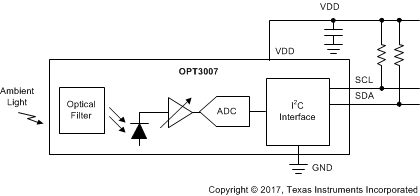
OPT3007Ultra-thin ambient light sensor (ALS) with fixed I2C address | Sensors, Transducers | 1 | Obsolete | The OPT3007 is a single-chip lux meter, measuring the intensity of visible light as seen by the human eye. The OPT3007 is available in an ultra-small PicoStar package, so the device fits into tiny spaces. The OPT3007 has a fixed addressing scheme which enables the device to operate with only four pins connected. This enables the PCB designer to create a bigger opening to the active sensor area.
The precision spectral response of the sensor tightly matches the photopic response of the human eye. With strong infrared (IR) rejection, the OPT3007 measures the intensity of light as seen by the human eye, regardless of the light source. The IR rejection also aids in maintaining high accuracy when design requires mounting the sensor under dark glass. The OPT3007, often in conjunction with backlight ICs or lighting control systems, creates light-based experiences for humans, and is a replacement for photodiodes, photoresistors, or lower-performing ambient light sensors.
Measurements can be made from 0.01 lux up to 83k lux without manually selecting full-scale ranges by using the built-in, full-scale setting feature. This capability allows light measurement over a 23-bit effective dynamic range.
The digital operation is flexible for system integration. Measurements can be either continuous or single-shot. The digital output is reported over an I2C- and SMBus-compatible, two-wire serial interface.
The OPT3007 is a single-chip lux meter, measuring the intensity of visible light as seen by the human eye. The OPT3007 is available in an ultra-small PicoStar package, so the device fits into tiny spaces. The OPT3007 has a fixed addressing scheme which enables the device to operate with only four pins connected. This enables the PCB designer to create a bigger opening to the active sensor area.
The precision spectral response of the sensor tightly matches the photopic response of the human eye. With strong infrared (IR) rejection, the OPT3007 measures the intensity of light as seen by the human eye, regardless of the light source. The IR rejection also aids in maintaining high accuracy when design requires mounting the sensor under dark glass. The OPT3007, often in conjunction with backlight ICs or lighting control systems, creates light-based experiences for humans, and is a replacement for photodiodes, photoresistors, or lower-performing ambient light sensors.
Measurements can be made from 0.01 lux up to 83k lux without manually selecting full-scale ranges by using the built-in, full-scale setting feature. This capability allows light measurement over a 23-bit effective dynamic range.
The digital operation is flexible for system integration. Measurements can be either continuous or single-shot. The digital output is reported over an I2C- and SMBus-compatible, two-wire serial interface. |
| Part | Category | Description |
|---|---|---|
 Texas Instruments | Integrated Circuits (ICs) | BUS DRIVER, BCT/FBT SERIES |
 Texas Instruments | Integrated Circuits (ICs) | 12BIT 3.3V~3.6V 210MHZ PARALLEL VQFN-48-EP(7X7) ANALOG TO DIGITAL CONVERTERS (ADC) ROHS |
Texas Instruments | Integrated Circuits (ICs) | TMX320DRE311 179PIN UBGA 200MHZ |
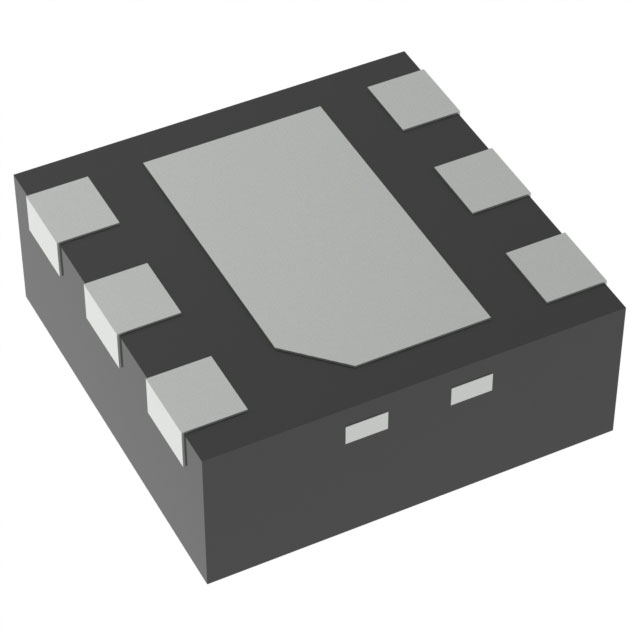 Texas Instruments TPS61040DRVTG4Unknown | Integrated Circuits (ICs) | IC LED DRV RGLTR PWM 350MA 6WSON |
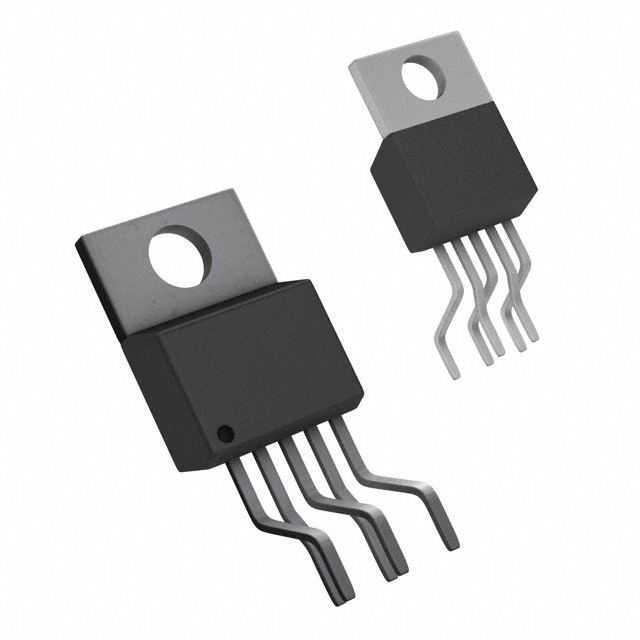 Texas Instruments LP3876ET-2.5Obsolete | Integrated Circuits (ICs) | IC REG LINEAR 2.5V 3A TO220-5 |
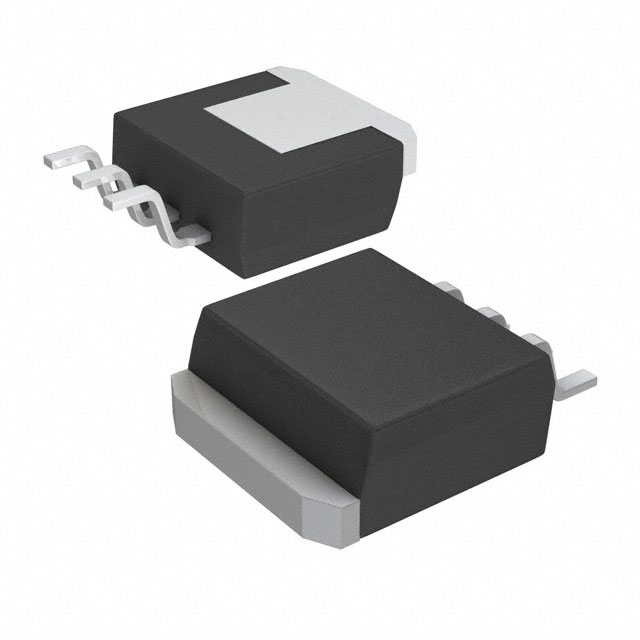 Texas Instruments LMS1585ACSX-ADJObsolete | Integrated Circuits (ICs) | IC REG LIN POS ADJ 5A DDPAK |
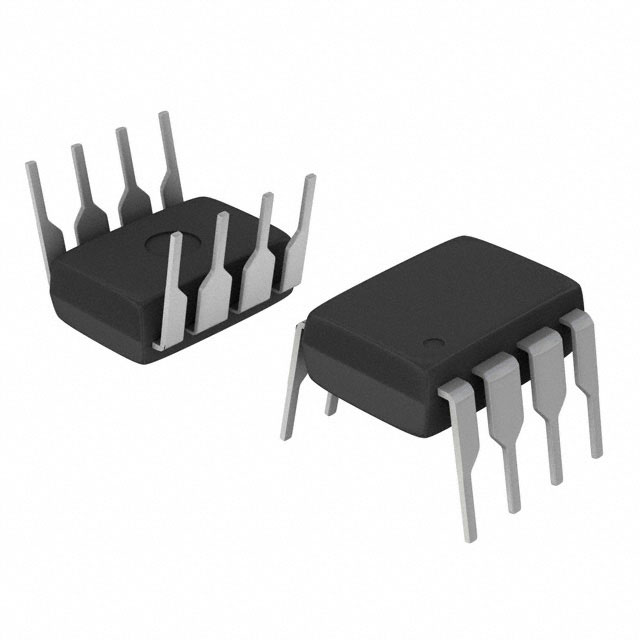 Texas Instruments INA111APG4Obsolete | Integrated Circuits (ICs) | IC INST AMP 1 CIRCUIT 8DIP |
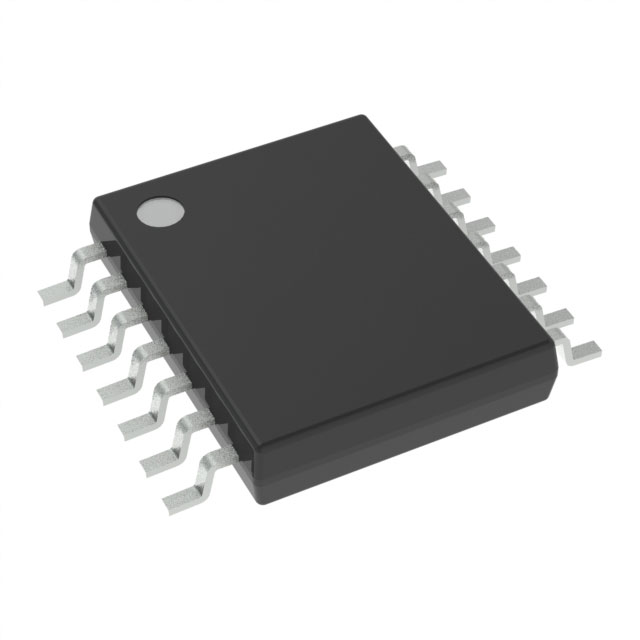 Texas Instruments | Integrated Circuits (ICs) | AUTOMOTIVE, QUAD 36V 1.2MHZ OPERATIONAL AMPLIFIER |
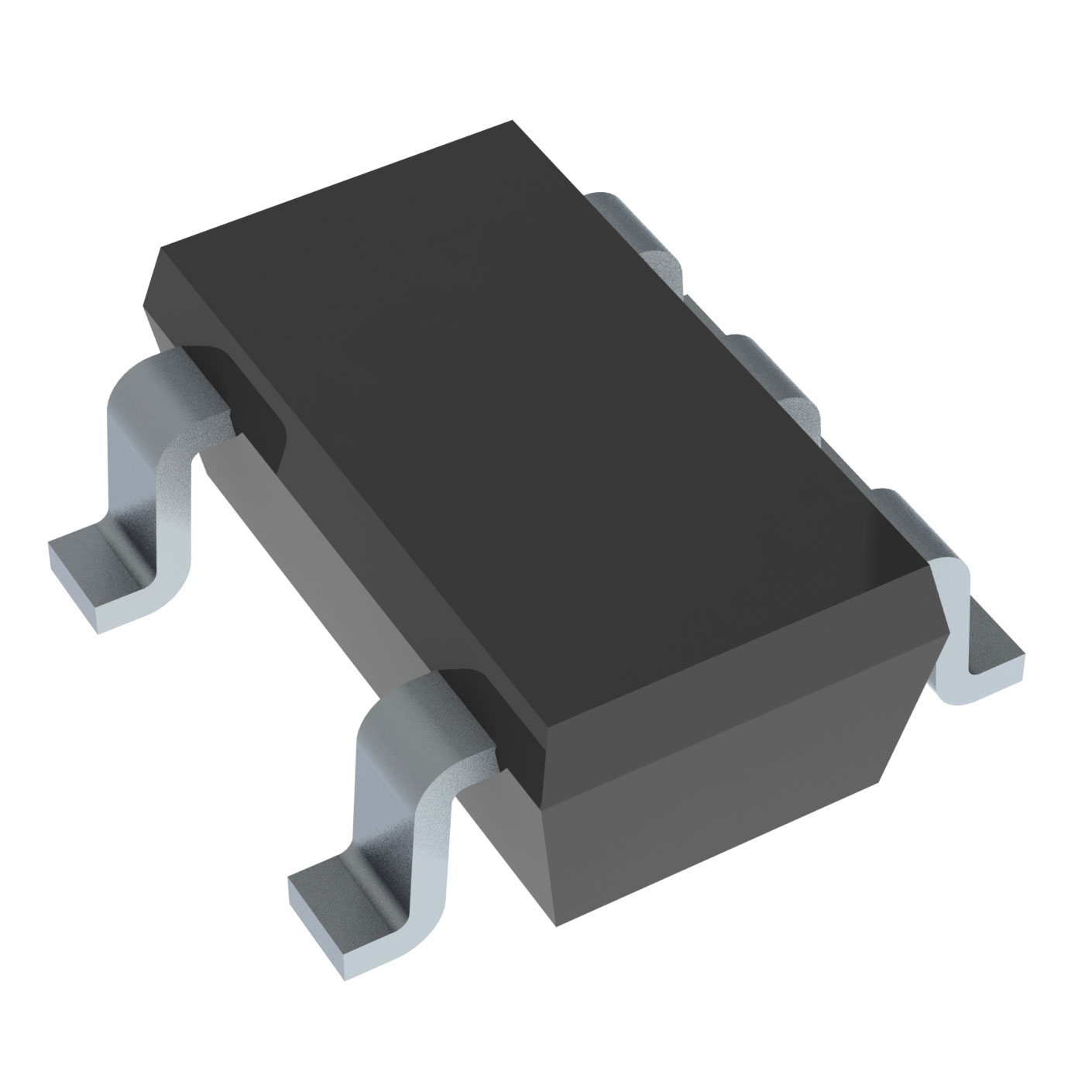 Texas Instruments OPA340NA/3KG4Unknown | Integrated Circuits (ICs) | IC OPAMP GP 1 CIRCUIT SOT23-5 |
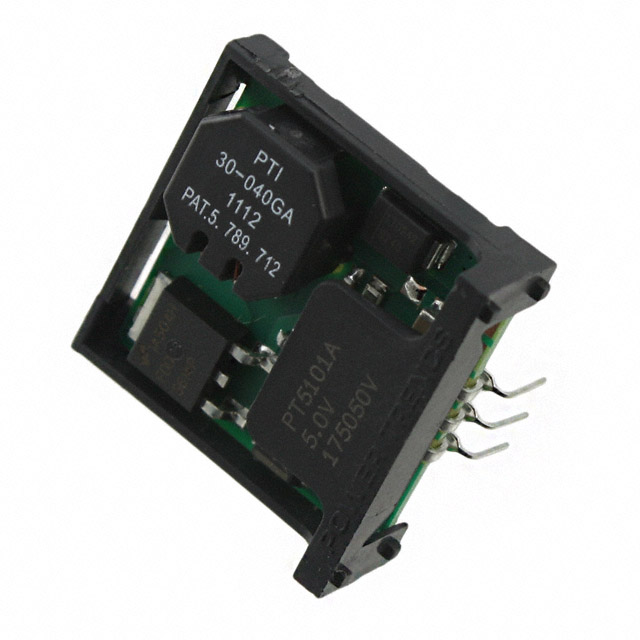 Texas Instruments PT5112AObsolete | Power Supplies - Board Mount | DC DC CONVERTER 8V 8W |