OPT3007 Series
Ultra-thin ambient light sensor (ALS) with fixed I2C address
Manufacturer: Texas Instruments
Catalog
Ultra-thin ambient light sensor (ALS) with fixed I2C address
Key Features
• Precision Optical Filtering to Match Human Eye:Rejects > 99% (Typical) of IRAutomatic Full-Scale Setting FeatureMeasurements: 0.01 Lux to 83k Lux23-Bit Effective Dynamic Range WithAutomatic Gain Ranging12 Binary-Weighted Full-Scale Range Settings:< 0.2% (Typical) Matching Between RangesLow Operating Current: 1.8 µA (Typical)Operating Temperature Range: –40°C to +85°CWide Power-Supply Range: 1.6 V to 3.6 VFixed I2C Address5.5-V Tolerant I/OFixed I2C AddressSmall-Form Factor:0.856-mm × 0.946-mm × 0.226-mm PicoStar™ PackageOPT3007 is Smaller Version ofOPT3001Precision Optical Filtering to Match Human Eye:Rejects > 99% (Typical) of IRAutomatic Full-Scale Setting FeatureMeasurements: 0.01 Lux to 83k Lux23-Bit Effective Dynamic Range WithAutomatic Gain Ranging12 Binary-Weighted Full-Scale Range Settings:< 0.2% (Typical) Matching Between RangesLow Operating Current: 1.8 µA (Typical)Operating Temperature Range: –40°C to +85°CWide Power-Supply Range: 1.6 V to 3.6 VFixed I2C Address5.5-V Tolerant I/OFixed I2C AddressSmall-Form Factor:0.856-mm × 0.946-mm × 0.226-mm PicoStar™ PackageOPT3007 is Smaller Version ofOPT3001
Description
AI
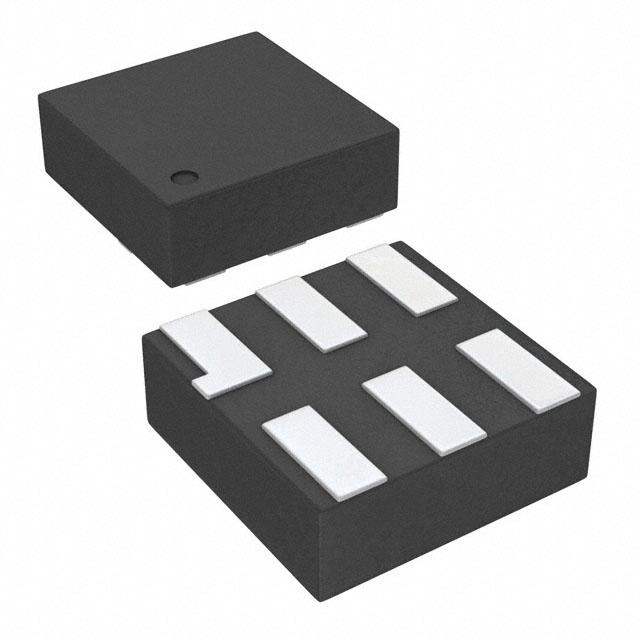
The OPT3007 is a single-chip lux meter, measuring the intensity of visible light as seen by the human eye. The OPT3007 is available in an ultra-small PicoStar package, so the device fits into tiny spaces. The OPT3007 has a fixed addressing scheme which enables the device to operate with only four pins connected. This enables the PCB designer to create a bigger opening to the active sensor area.
The precision spectral response of the sensor tightly matches the photopic response of the human eye. With strong infrared (IR) rejection, the OPT3007 measures the intensity of light as seen by the human eye, regardless of the light source. The IR rejection also aids in maintaining high accuracy when design requires mounting the sensor under dark glass. The OPT3007, often in conjunction with backlight ICs or lighting control systems, creates light-based experiences for humans, and is a replacement for photodiodes, photoresistors, or lower-performing ambient light sensors.
Measurements can be made from 0.01 lux up to 83k lux without manually selecting full-scale ranges by using the built-in, full-scale setting feature. This capability allows light measurement over a 23-bit effective dynamic range.
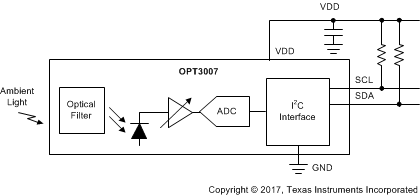
The digital operation is flexible for system integration. Measurements can be either continuous or single-shot. The digital output is reported over an I2C- and SMBus-compatible, two-wire serial interface.
The OPT3007 is a single-chip lux meter, measuring the intensity of visible light as seen by the human eye. The OPT3007 is available in an ultra-small PicoStar package, so the device fits into tiny spaces. The OPT3007 has a fixed addressing scheme which enables the device to operate with only four pins connected. This enables the PCB designer to create a bigger opening to the active sensor area.
The precision spectral response of the sensor tightly matches the photopic response of the human eye. With strong infrared (IR) rejection, the OPT3007 measures the intensity of light as seen by the human eye, regardless of the light source. The IR rejection also aids in maintaining high accuracy when design requires mounting the sensor under dark glass. The OPT3007, often in conjunction with backlight ICs or lighting control systems, creates light-based experiences for humans, and is a replacement for photodiodes, photoresistors, or lower-performing ambient light sensors.
Measurements can be made from 0.01 lux up to 83k lux without manually selecting full-scale ranges by using the built-in, full-scale setting feature. This capability allows light measurement over a 23-bit effective dynamic range.
The digital operation is flexible for system integration. Measurements can be either continuous or single-shot. The digital output is reported over an I2C- and SMBus-compatible, two-wire serial interface.