T
Texas Instruments
| Series | Category | # Parts | Status | Description |
|---|---|---|---|---|
| Part | Spec A | Spec B | Spec C | Spec D | Description |
|---|---|---|---|---|---|



| Series | Category | # Parts | Status | Description |
|---|---|---|---|---|
| Part | Spec A | Spec B | Spec C | Spec D | Description |
|---|---|---|---|---|---|
| Part | Category | Description |
|---|---|---|
 Texas Instruments | Integrated Circuits (ICs) | BUS DRIVER, BCT/FBT SERIES |
 Texas Instruments | Integrated Circuits (ICs) | 12BIT 3.3V~3.6V 210MHZ PARALLEL VQFN-48-EP(7X7) ANALOG TO DIGITAL CONVERTERS (ADC) ROHS |
Texas Instruments | Integrated Circuits (ICs) | TMX320DRE311 179PIN UBGA 200MHZ |
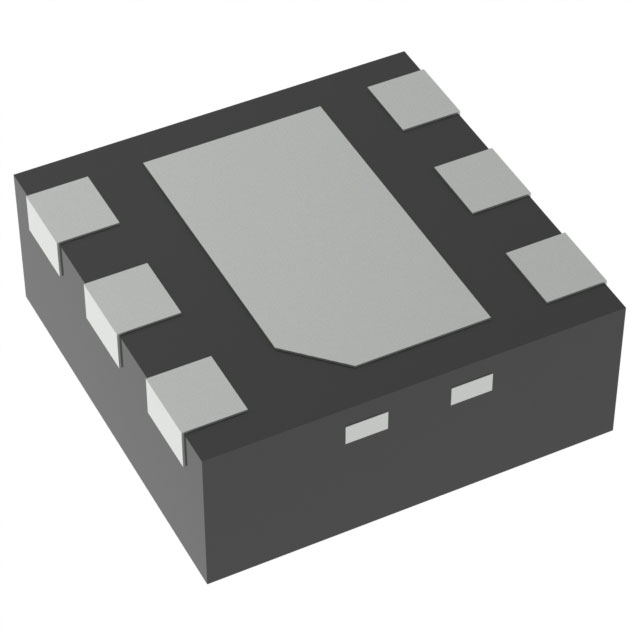 Texas Instruments TPS61040DRVTG4Unknown | Integrated Circuits (ICs) | IC LED DRV RGLTR PWM 350MA 6WSON |
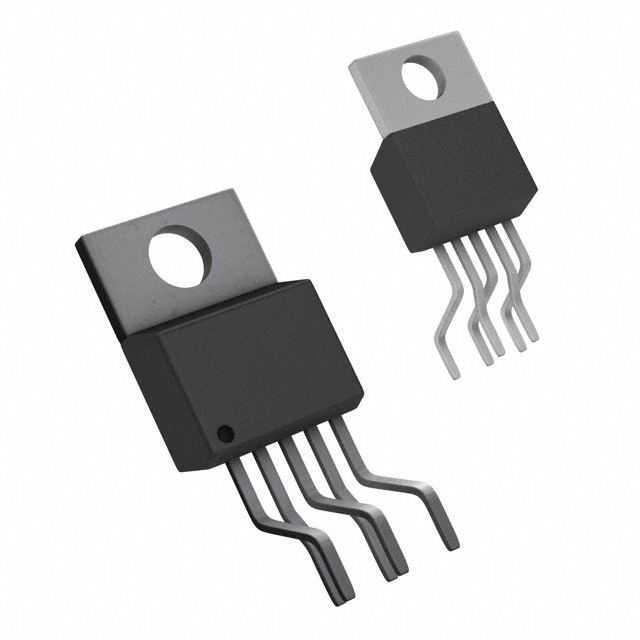 Texas Instruments LP3876ET-2.5Obsolete | Integrated Circuits (ICs) | IC REG LINEAR 2.5V 3A TO220-5 |
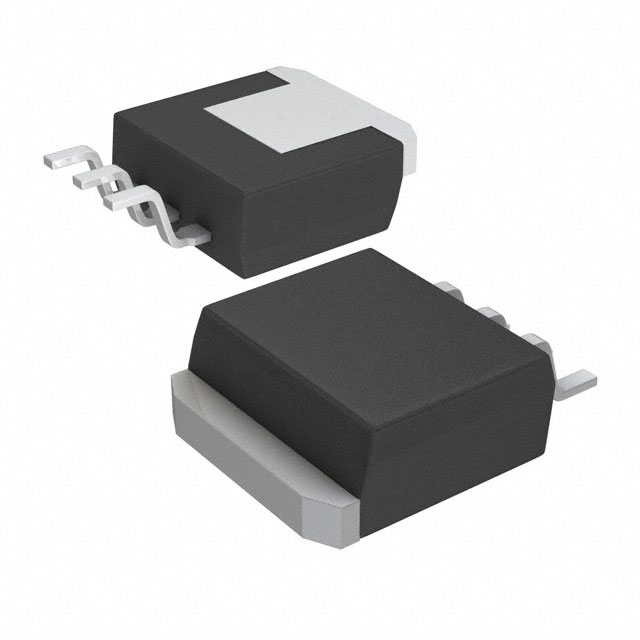 Texas Instruments LMS1585ACSX-ADJObsolete | Integrated Circuits (ICs) | IC REG LIN POS ADJ 5A DDPAK |
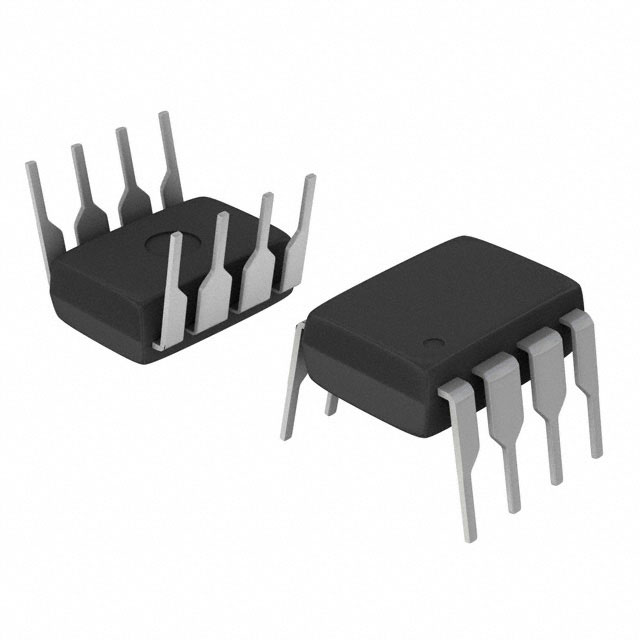 Texas Instruments INA111APG4Obsolete | Integrated Circuits (ICs) | IC INST AMP 1 CIRCUIT 8DIP |
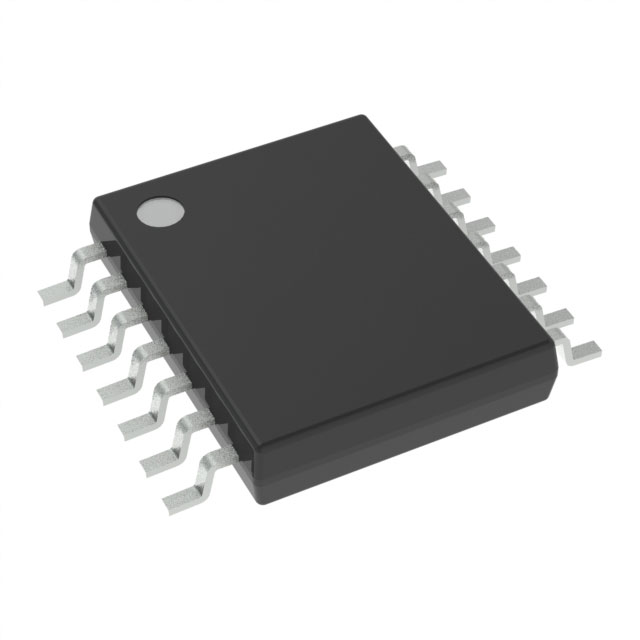 Texas Instruments | Integrated Circuits (ICs) | AUTOMOTIVE, QUAD 36V 1.2MHZ OPERATIONAL AMPLIFIER |
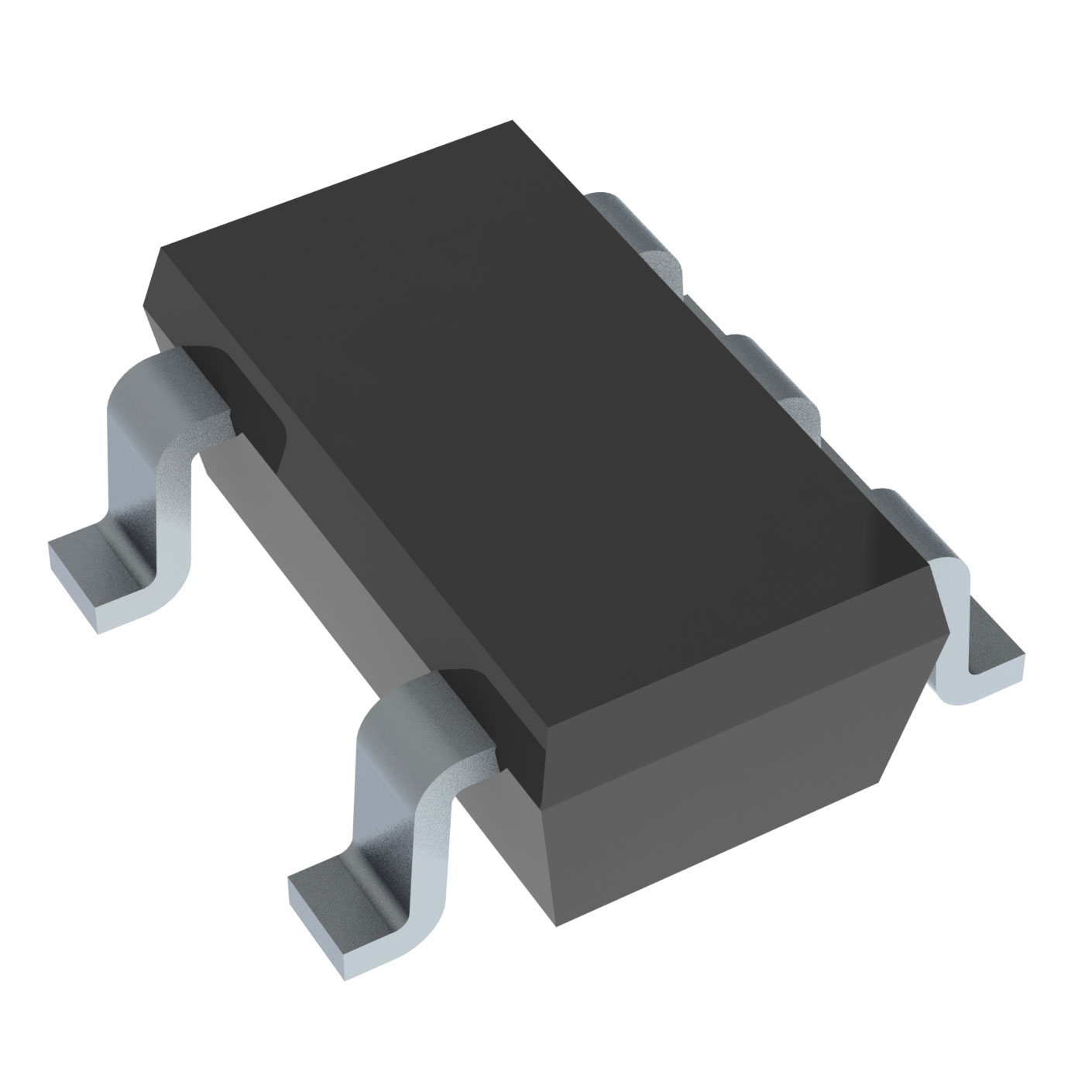 Texas Instruments OPA340NA/3KG4Unknown | Integrated Circuits (ICs) | IC OPAMP GP 1 CIRCUIT SOT23-5 |
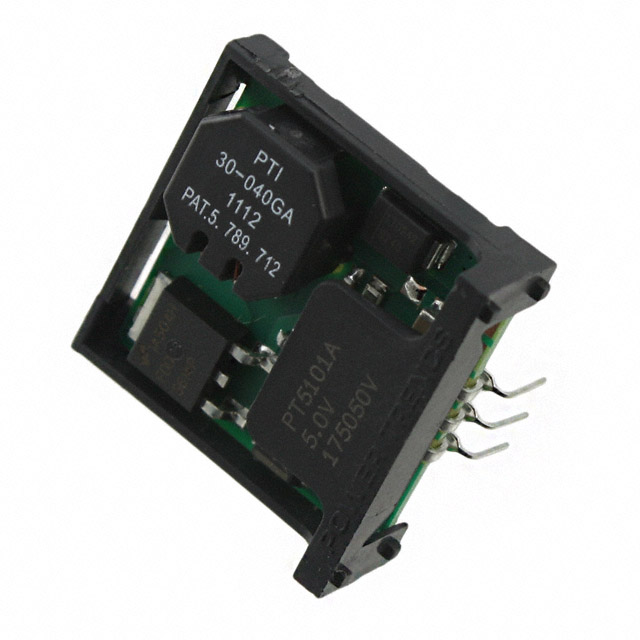 Texas Instruments PT5112AObsolete | Power Supplies - Board Mount | DC DC CONVERTER 8V 8W |
| Series | Category | # Parts | Status | Description |
|---|---|---|---|---|
LP5868T8 x 18 high-current LED matrix driver with 8-bit analog and 8-/16-bit PWM dimming | LED Drivers | 2 | Active | The LP5868T is a high-current and high-performance LED matrix driver. The device integrates 18 constant current sinks with N (N = 6/8/11) switching MOSFETs to support . The LP5868T integrates 8 MOSFETs for up to 144 LED dots or 48 RGB LEDs.
The LP5868T supports both analog dimming and PWM dimming methods. For analog dimming, each LED dot can be adjusted with 256 steps. For PWM dimming, the integrated 8-bit or 16-bit configurable PWM generators enable smooth and audible-noise-free dimming control. Each LED dot can also be arbitrarily mapped into 8-bit Group PWM to achieve dimming control together.
The LP5868T device implements full addressable SRAM to minimize the data traffic. The ghost-cancellation circuitry is integrated to eliminate both upside and downside ghosting. The LP5868T also supports LED open and short detection functions. Both 1MHz (maximum) I2C and 12MHz (maximum) SPI are available in LP5868T.
The LP5868T is a high-current and high-performance LED matrix driver. The device integrates 18 constant current sinks with N (N = 6/8/11) switching MOSFETs to support . The LP5868T integrates 8 MOSFETs for up to 144 LED dots or 48 RGB LEDs.
The LP5868T supports both analog dimming and PWM dimming methods. For analog dimming, each LED dot can be adjusted with 256 steps. For PWM dimming, the integrated 8-bit or 16-bit configurable PWM generators enable smooth and audible-noise-free dimming control. Each LED dot can also be arbitrarily mapped into 8-bit Group PWM to achieve dimming control together.
The LP5868T device implements full addressable SRAM to minimize the data traffic. The ghost-cancellation circuitry is integrated to eliminate both upside and downside ghosting. The LP5868T also supports LED open and short detection functions. Both 1MHz (maximum) I2C and 12MHz (maximum) SPI are available in LP5868T. |
LP589048x16 LED matrix driver with 16-bits PWM dimming and ultra low power | LED Drivers | 2 | Active | Electronic devices are becoming smarter, requiring to use larger quantity of LEDs for animation and indication purposes and high performance LED matrix driver is required to improve user experience with small solution size.
The LP5890 is a highly integrated common cathode matrix LED display driver with 48 constant current sources and 16 scanning FETs. A single LP5890 is capable of driving 16 × 16 RGB LED pixels while stacking two LP5890s can drive 32 × 32 RGB LED pixels. To achieve low power consumption, the device supports separated power supplies for the red, green, and blue LEDs by its common cathode structure. Furthermore, the operation power of the LP5890 is significantly reduced by ultra-low operation voltage range (Vcc down to 2.5 V) and ultra-low operation current (Icc down to 3.9 mA).
The LP5890 implements a high speed transmission interface to support high device count daisy-chained and high refresh rate while minimizing electrical-magnetic interference (EMI). The device supports up to 50-MHz SCLK and up to 160-MHz GCLK (internal). Meanwhile, the device integrates enhanced circuits and intelligent algorithms to solve the various display challenges in multiple LED matrix applications: Upper and downside ghosting, Non-uniformity in low grayscale, Coupling, and Caterpillar caused by open or short LEDs, which make the LP5890 a perfect choice in such applications.
The LP5890 also implements LED open/weak short/short detections and removals during operations and can also report this information to the accompanying digital processor.
Electronic devices are becoming smarter, requiring to use larger quantity of LEDs for animation and indication purposes and high performance LED matrix driver is required to improve user experience with small solution size.
The LP5890 is a highly integrated common cathode matrix LED display driver with 48 constant current sources and 16 scanning FETs. A single LP5890 is capable of driving 16 × 16 RGB LED pixels while stacking two LP5890s can drive 32 × 32 RGB LED pixels. To achieve low power consumption, the device supports separated power supplies for the red, green, and blue LEDs by its common cathode structure. Furthermore, the operation power of the LP5890 is significantly reduced by ultra-low operation voltage range (Vcc down to 2.5 V) and ultra-low operation current (Icc down to 3.9 mA).
The LP5890 implements a high speed transmission interface to support high device count daisy-chained and high refresh rate while minimizing electrical-magnetic interference (EMI). The device supports up to 50-MHz SCLK and up to 160-MHz GCLK (internal). Meanwhile, the device integrates enhanced circuits and intelligent algorithms to solve the various display challenges in multiple LED matrix applications: Upper and downside ghosting, Non-uniformity in low grayscale, Coupling, and Caterpillar caused by open or short LEDs, which make the LP5890 a perfect choice in such applications.
The LP5890 also implements LED open/weak short/short detections and removals during operations and can also report this information to the accompanying digital processor. |
| Power Management (PMIC) | 3 | Active | ||
LP5891-Q1Automotive 48 x 16 matrix LED driver with 16-bits pulse width modulation dimming | LED Driver Evaluation Boards | 3 | Active | The LP5891-Q1 is a highly integrated, common-cathode LED matrix driver with 48 constant current sources and 16 scanning FETs. The LP5891-Q1 implements a high speed rising-edge transmission interface to support high device count daisy-chained while minimizing electrical-magnetic interference (EMI) and internal GCLK rate ranges from 40 MHz to 160 MHz. The device also implements LED open/weak-short/short detections and removals during operations.
The LP5891-Q1 is a highly integrated common cathode matrix LED display driver with 48 constant current sources and 16 scanning FETs. Besides driving 16 × 16 and 32 × 32 RGB LED pixels as LP5890, three LP5891-Q1 devices are capable of driving 48 × 48 RGB LED pixels and stacking four LP5891-Q1 devices can drive 64 × 64 RGB LED pixels. To achieve low power consumption, the device supports separated power supplies for the red, green, and blue LEDs by its common cathode structure. Furthermore, the operation power of the LP5891-Q1 is significantly reduced by ultra-low operation voltage range (Vcc down to 2.5 V) and ultra-low operation current (Icc down to 3.6 mA).
The LP5891-Q1 implements a high speed rising-edge transmission interface to support high device count daisy-chained and high refresh rate while minimizing electrical-magnetic interference (EMI). The device supports up to 50-MHz SCLK (external) and up to 160-MHz GCLK (internal). Meanwhile, the device integrates enhanced circuits and intelligent algorithms to solve the various display challenges in Narrow Pixel Pitch (NPP) LED display applications and mini and micro-LED products: dim at the first scan line, upper and downside ghosting, non-uniformity in low grayscale, coupling, caterpillar caused by open or short LEDs, which make the LP5891-Q1 a perfect choice in such applications.
The LP5891-Q1 also implements LED open/weak short/short detections and removals during operations and can also report those information out to the accompanying digital processor.
The LP5891-Q1 is a highly integrated, common-cathode LED matrix driver with 48 constant current sources and 16 scanning FETs. The LP5891-Q1 implements a high speed rising-edge transmission interface to support high device count daisy-chained while minimizing electrical-magnetic interference (EMI) and internal GCLK rate ranges from 40 MHz to 160 MHz. The device also implements LED open/weak-short/short detections and removals during operations.
The LP5891-Q1 is a highly integrated common cathode matrix LED display driver with 48 constant current sources and 16 scanning FETs. Besides driving 16 × 16 and 32 × 32 RGB LED pixels as LP5890, three LP5891-Q1 devices are capable of driving 48 × 48 RGB LED pixels and stacking four LP5891-Q1 devices can drive 64 × 64 RGB LED pixels. To achieve low power consumption, the device supports separated power supplies for the red, green, and blue LEDs by its common cathode structure. Furthermore, the operation power of the LP5891-Q1 is significantly reduced by ultra-low operation voltage range (Vcc down to 2.5 V) and ultra-low operation current (Icc down to 3.6 mA).
The LP5891-Q1 implements a high speed rising-edge transmission interface to support high device count daisy-chained and high refresh rate while minimizing electrical-magnetic interference (EMI). The device supports up to 50-MHz SCLK (external) and up to 160-MHz GCLK (internal). Meanwhile, the device integrates enhanced circuits and intelligent algorithms to solve the various display challenges in Narrow Pixel Pitch (NPP) LED display applications and mini and micro-LED products: dim at the first scan line, upper and downside ghosting, non-uniformity in low grayscale, coupling, caterpillar caused by open or short LEDs, which make the LP5891-Q1 a perfect choice in such applications.
The LP5891-Q1 also implements LED open/weak short/short detections and removals during operations and can also report those information out to the accompanying digital processor. |
| Evaluation Boards | 63 | Active | ||
LP5904200-mA, low-noise, high-PSRR, low-IQ, low-dropout voltage regulator with low-IQ & enable | Development Boards, Kits, Programmers | 8 | Active | The LP5904 is a linear regulator capable of supplying 200 mA output current. Designed to meet the requirements of RF/ Analog circuits, the LP5904 device provides low noise, high PSRR, low quiescent current, and low line transient response figures. Using new innovative design techniques the LP5904 offers class-leading device noise performance without a noise bypass capacitor and the ability for remote output capacitor placement. An active pulldown circuit with a 280Ω resistor is wired from the output to ground pins to quickly discharge output when the device is disabled (VEN = low).
The device is designed to work with a 1.0 µF input and a 1.0 µF output ceramic capacitor. (No Bypass Capacitor is required.)
The device is available in a DSBGA package. For other package options contact your local TI sales office.
This device is available between 1.2V and 4.4V in25 mV steps. Please contact Texas Instruments Sales for specific voltage option needs.
The LP5904 is a linear regulator capable of supplying 200 mA output current. Designed to meet the requirements of RF/ Analog circuits, the LP5904 device provides low noise, high PSRR, low quiescent current, and low line transient response figures. Using new innovative design techniques the LP5904 offers class-leading device noise performance without a noise bypass capacitor and the ability for remote output capacitor placement. An active pulldown circuit with a 280Ω resistor is wired from the output to ground pins to quickly discharge output when the device is disabled (VEN = low).
The device is designed to work with a 1.0 µF input and a 1.0 µF output ceramic capacitor. (No Bypass Capacitor is required.)
The device is available in a DSBGA package. For other package options contact your local TI sales office.
This device is available between 1.2V and 4.4V in25 mV steps. Please contact Texas Instruments Sales for specific voltage option needs. |
LP5907250-mA, low-noise, high-PSRR, ultra-low-dropout voltage regulator with low IQ and enable | Linear Voltage Regulator Evaluation Boards | 49 | Active | The LP5907 is a low-noise LDO that can supply up to 250mA output current. Designed to meet the requirements of RF and analog circuits, the LP5907 provides low noise, high PSRR, low quiescent current, and low line or load transient response figures. Using innovative design techniques, the LP5907 offers class-leading noise performance without a noise bypass capacitor and the ability for remote output capacitor placement.
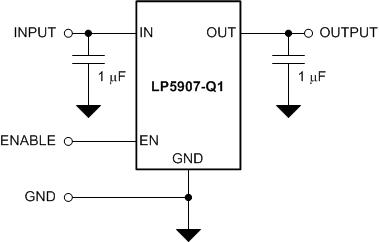
The device is designed to work with a 1µF input and a 1µF output ceramic capacitor (no separate noise bypass capacitor is required).
This device is available with fixed output voltages from 1.2V to 4.5V in 25mV steps. Contact Texas Instruments Sales for specific voltage option needs.
The LP5907 is a low-noise LDO that can supply up to 250mA output current. Designed to meet the requirements of RF and analog circuits, the LP5907 provides low noise, high PSRR, low quiescent current, and low line or load transient response figures. Using innovative design techniques, the LP5907 offers class-leading noise performance without a noise bypass capacitor and the ability for remote output capacitor placement.
The device is designed to work with a 1µF input and a 1µF output ceramic capacitor (no separate noise bypass capacitor is required).
This device is available with fixed output voltages from 1.2V to 4.5V in 25mV steps. Contact Texas Instruments Sales for specific voltage option needs. |
LP5907-Q1Automotive, 250-mA, low-noise, high-PSRR, ultra-low-dropout voltage regulator with low IQ and enable | Power Management (PMIC) | 7 | Active | The LP5907-Q1 is a low-noise LDO that can supply 250 mA of output current. Designed to meet the requirements of RF and analog circuits, the LP5907-Q1 provides low noise, high PSRR, low quiescent current, and low line or load transient response figures. Using new innovative design techniques, the LP5907-Q1 offers class-leading noise performance without a noise bypass capacitor and the ability for remote output capacitor placement.
The device is designed to work with a 1-µF input and a 1-µF output ceramic capacitor (no separate noise bypass capacitor is required).
This device is available with fixed output voltages from 1.2 V to 4.5 V in 25-mV steps. Contact Texas Instruments Sales for specific voltage option needs.
The LP5907-Q1 is a low-noise LDO that can supply 250 mA of output current. Designed to meet the requirements of RF and analog circuits, the LP5907-Q1 provides low noise, high PSRR, low quiescent current, and low line or load transient response figures. Using new innovative design techniques, the LP5907-Q1 offers class-leading noise performance without a noise bypass capacitor and the ability for remote output capacitor placement.
The device is designed to work with a 1-µF input and a 1-µF output ceramic capacitor (no separate noise bypass capacitor is required).
This device is available with fixed output voltages from 1.2 V to 4.5 V in 25-mV steps. Contact Texas Instruments Sales for specific voltage option needs. |
| Power Management (PMIC) | 1 | Active | ||
| Power Management (PMIC) | 1 | Active | ||