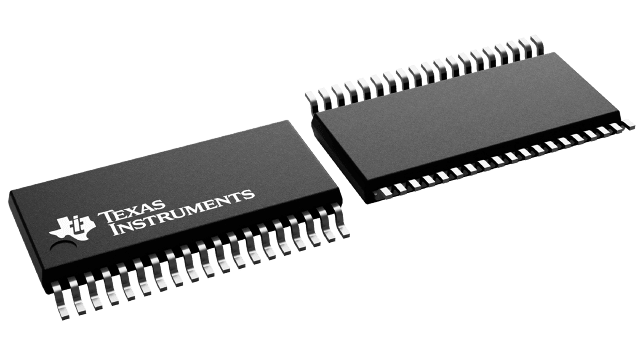
T
Texas Instruments
| Series | Category | # Parts | Status | Description |
|---|---|---|---|---|
| Part | Spec A | Spec B | Spec C | Spec D | Description |
|---|---|---|---|---|---|



| Series | Category | # Parts | Status | Description |
|---|---|---|---|---|
| Part | Spec A | Spec B | Spec C | Spec D | Description |
|---|---|---|---|---|---|
| Part | Category | Description |
|---|---|---|
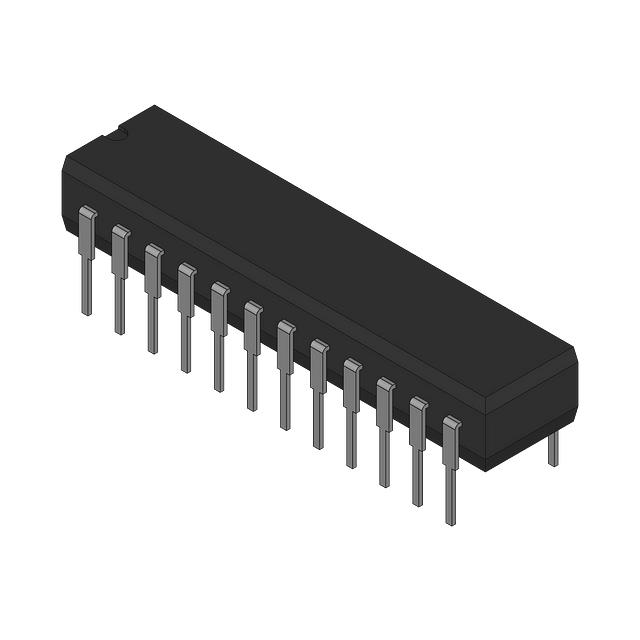 Texas Instruments | Integrated Circuits (ICs) | BUS DRIVER, BCT/FBT SERIES |
 Texas Instruments | Integrated Circuits (ICs) | 12BIT 3.3V~3.6V 210MHZ PARALLEL VQFN-48-EP(7X7) ANALOG TO DIGITAL CONVERTERS (ADC) ROHS |
Texas Instruments | Integrated Circuits (ICs) | TMX320DRE311 179PIN UBGA 200MHZ |
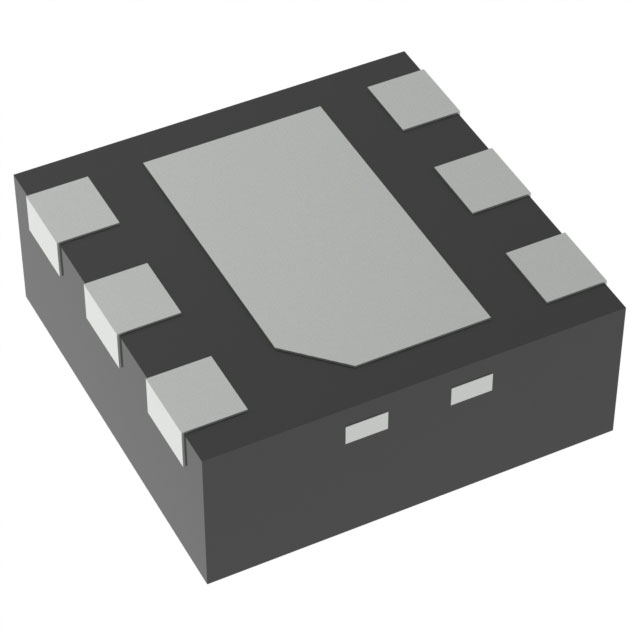 Texas Instruments TPS61040DRVTG4Unknown | Integrated Circuits (ICs) | IC LED DRV RGLTR PWM 350MA 6WSON |
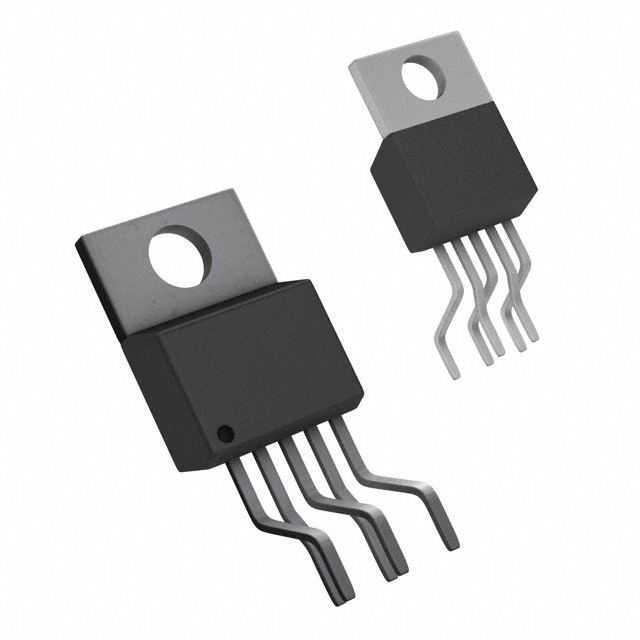 Texas Instruments LP3876ET-2.5Obsolete | Integrated Circuits (ICs) | IC REG LINEAR 2.5V 3A TO220-5 |
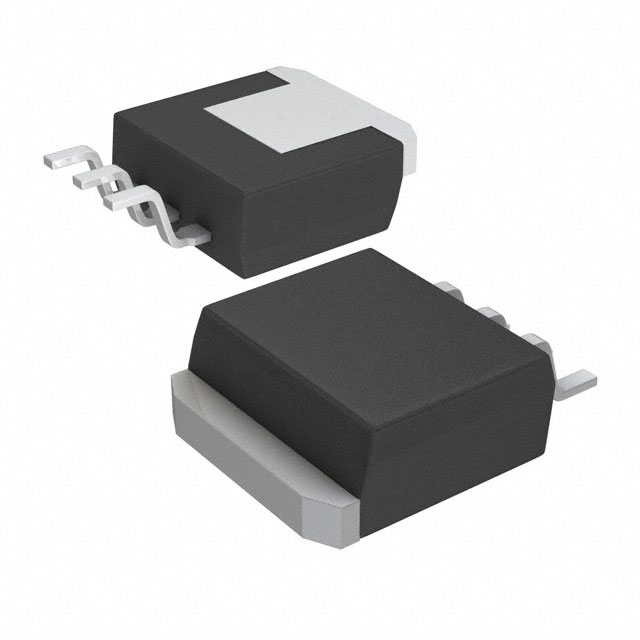 Texas Instruments LMS1585ACSX-ADJObsolete | Integrated Circuits (ICs) | IC REG LIN POS ADJ 5A DDPAK |
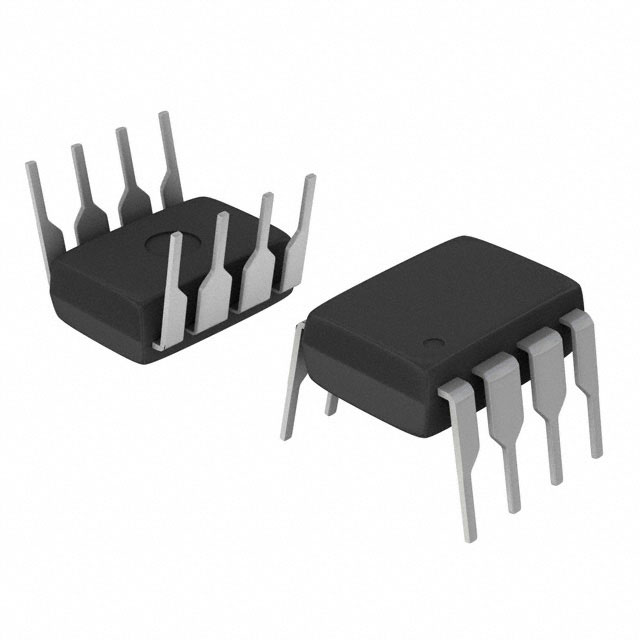 Texas Instruments INA111APG4Obsolete | Integrated Circuits (ICs) | IC INST AMP 1 CIRCUIT 8DIP |
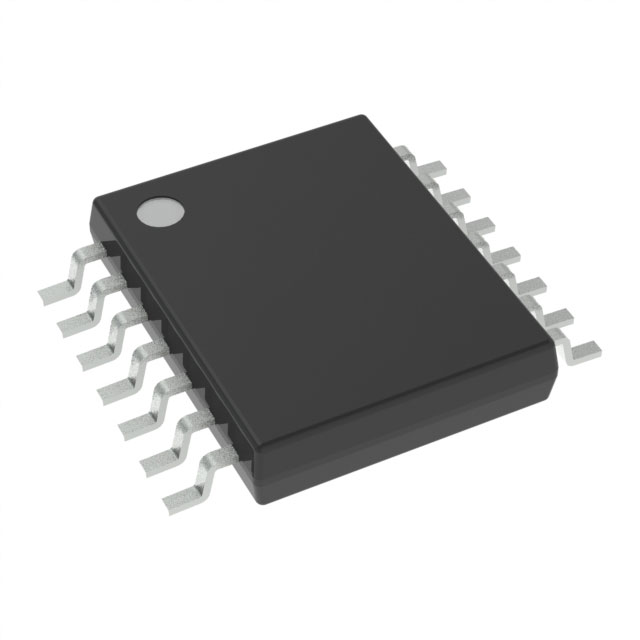 Texas Instruments | Integrated Circuits (ICs) | AUTOMOTIVE, QUAD 36V 1.2MHZ OPERATIONAL AMPLIFIER |
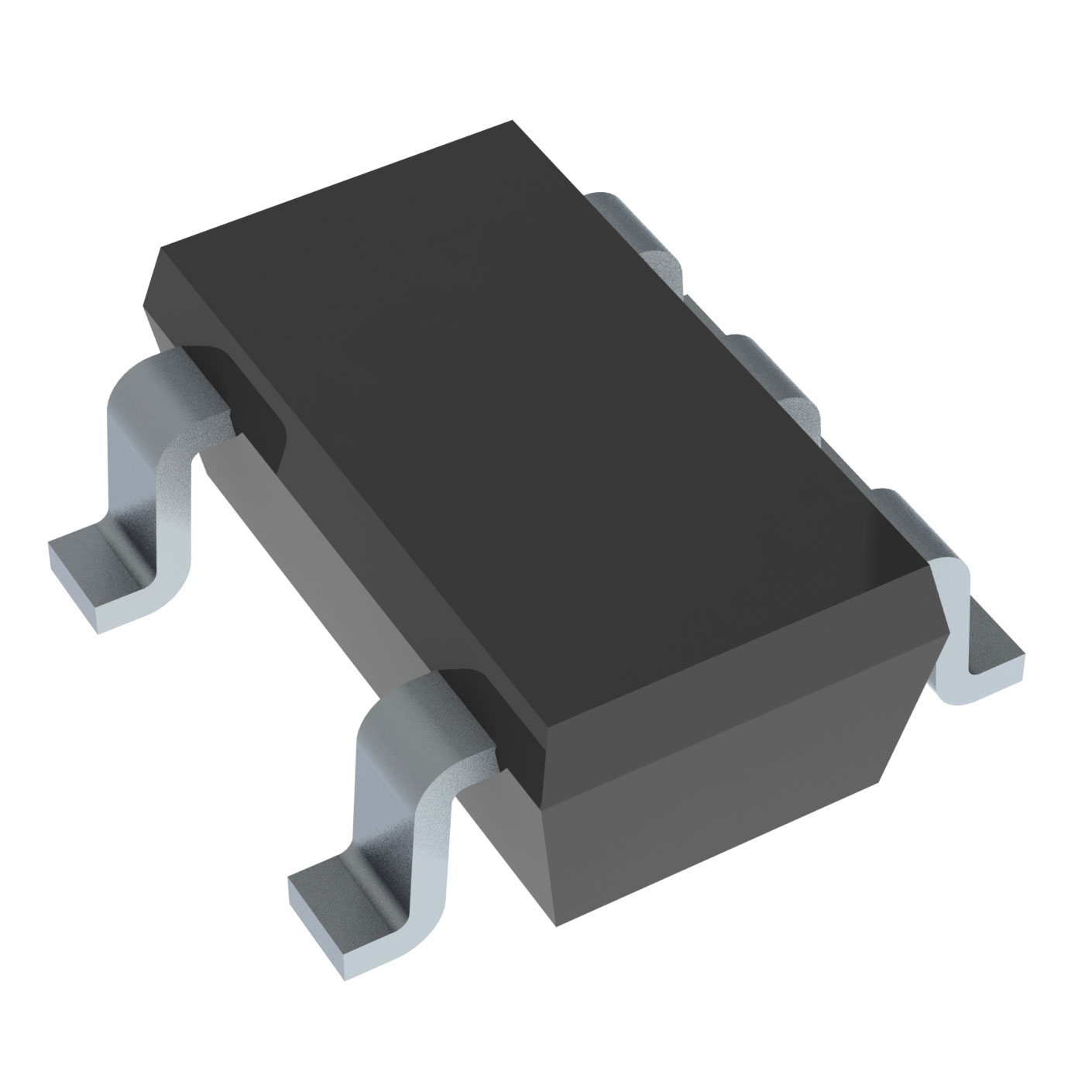 Texas Instruments OPA340NA/3KG4Unknown | Integrated Circuits (ICs) | IC OPAMP GP 1 CIRCUIT SOT23-5 |
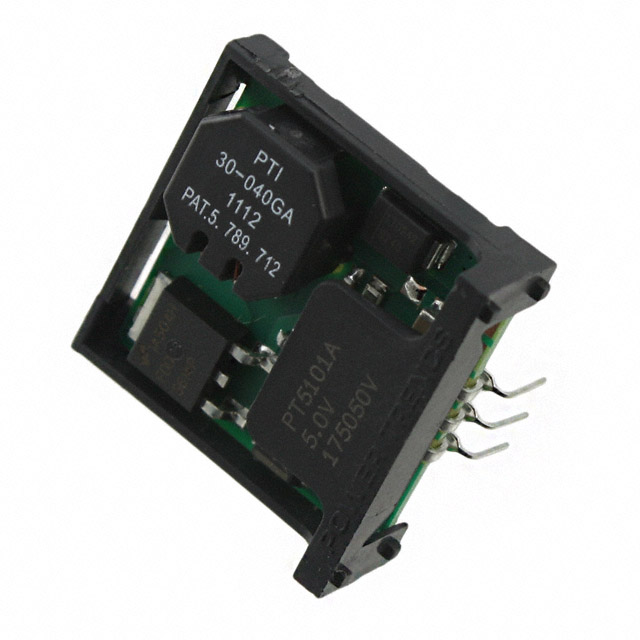 Texas Instruments PT5112AObsolete | Power Supplies - Board Mount | DC DC CONVERTER 8V 8W |
| Series | Category | # Parts | Status | Description |
|---|---|---|---|---|
BQ2031Switch-mode Lead-Acid Battery Charger with User-Selectable Charge Algorithms | Power Management (PMIC) | 5 | Active | The bq2031 Lead-Acid Fast Charge IC is designed to optimize charging of lead-acid chemistry batteries. A flexible pulse-width modulation regulator allows the bq2031 to control constant-voltage, constant-current, or pulsed-current charging. The regulator frequency is set by an external capacitor for design flexibility. The switch-mode design keeps power dissipation to a minimum for high charge current applications.
A charge cycle begins when power is applied or the battery is replaced. For safety, charging is inhibited until the battery voltage is within configured limits. If the battery voltage is less than the low-voltage threshold, the bq2031 provides trickle-currentcharging until the voltage rises into the allowed range or an internal timer runs out and places the bq2031 in a Fault condition. This procedure prevents high-current charging of cells that are possibly damaged or reversed. Charging is inhibited anytime the temperature of the battery is outside the configurable, allowed range. All voltage thresholds are temperature-compensated.
The bq2031 terminates fast (bulk) charging based on the following:
The bq2031 Lead-Acid Fast Charge IC is designed to optimize charging of lead-acid chemistry batteries. A flexible pulse-width modulation regulator allows the bq2031 to control constant-voltage, constant-current, or pulsed-current charging. The regulator frequency is set by an external capacitor for design flexibility. The switch-mode design keeps power dissipation to a minimum for high charge current applications.
A charge cycle begins when power is applied or the battery is replaced. For safety, charging is inhibited until the battery voltage is within configured limits. If the battery voltage is less than the low-voltage threshold, the bq2031 provides trickle-currentcharging until the voltage rises into the allowed range or an internal timer runs out and places the bq2031 in a Fault condition. This procedure prevents high-current charging of cells that are possibly damaged or reversed. Charging is inhibited anytime the temperature of the battery is outside the configurable, allowed range. All voltage thresholds are temperature-compensated.
The bq2031 terminates fast (bulk) charging based on the following: |
BQ2040Multi-chemistry Smart battery System (SBS) 1.0 compliant gas gauge with 4 LED drivers | Integrated Circuits (ICs) | 7 | Active | The bq2040 Gas Gauge IC With SMBus Interface is intended for battery-pack or in-system installation to maintain an accurate record of available battery charge. The bq2040 directly supports capacity monitoring for NiCd, NiMH, and Li-Ion battery chemistries.
The bq2040 uses the System Management Bus v1.0 (SMBus) protocol and supports the Smart Battery Data (SBData) commands. The bq2040 also supports the SBData charge control functions. Battery state-of-charge, remaining capacity, remaining time, and chemistry are available over the serial link. Battery-charge state can be directly indicated using a four-segment LED display to graphically depict battery full-to-empty in 25% increments.
The bq2040 estimates battery self-discharge based on an internal timer and temperature sensor and user-programmable rate information stored in external EEPROM. The bq2040 also automatically recalibrates or \x93learns\x94 battery capacity in the full course of a discharge cycle from full to empty.
The bq2040 may operate directly from three nickel chemistry cells. With the REF output and an external transistor, a simple, inexpensive regulator can be built to provide VCCfor other battery cell configurations.
An external EEPROM is used to program initial values into the bq2040 and is necessary for proper operation.
The bq2040 Gas Gauge IC With SMBus Interface is intended for battery-pack or in-system installation to maintain an accurate record of available battery charge. The bq2040 directly supports capacity monitoring for NiCd, NiMH, and Li-Ion battery chemistries.
The bq2040 uses the System Management Bus v1.0 (SMBus) protocol and supports the Smart Battery Data (SBData) commands. The bq2040 also supports the SBData charge control functions. Battery state-of-charge, remaining capacity, remaining time, and chemistry are available over the serial link. Battery-charge state can be directly indicated using a four-segment LED display to graphically depict battery full-to-empty in 25% increments.
The bq2040 estimates battery self-discharge based on an internal timer and temperature sensor and user-programmable rate information stored in external EEPROM. The bq2040 also automatically recalibrates or \x93learns\x94 battery capacity in the full course of a discharge cycle from full to empty.
The bq2040 may operate directly from three nickel chemistry cells. With the REF output and an external transistor, a simple, inexpensive regulator can be built to provide VCCfor other battery cell configurations.
An external EEPROM is used to program initial values into the bq2040 and is necessary for proper operation. |
BQ2050Li-ion gas gauge with 1-wire (DQ) interface and 5 LED drivers | Evaluation and Demonstration Boards and Kits | 6 | Active | The bq2050 Lithium Ion Power Gauge™ IC is intended for battery-pack or in-system installation to maintain an accurate record of available battery capacity. The IC monitors a voltage drop across a sense resistor connected in series between the negative battery terminal and ground to determine charge and discharge activity of the battery. Compensations for battery temperature and rate of charge or discharge are applied to the charge, discharge, and self-discharge calculations to provide available capacity information across a wide range of operating conditions. Battery capacity is automatically recalibrated, or "learned," in the course of a discharge cycle from full to empty.
Nominal available capacity may be directly indicated using a five-segment LED display. These segments are used to graphically indicate available capacity. The bq2050 supports a simple single-line bidirectional serial link to an external processor (common ground). The bq2050 outputs battery information in response to external commands over the serial link.
The bq2050 may operate directly from one cell (VBAT> 3V). With the REF output and an external transistor, a simple, inexpensive regulator can be built for systems with more than one series cell.
Internal registers include available capacity, temperature, scaled available energy, battery ID, battery status, and programming pin settings. To support subassembly testing, the outputs may also be controlled. The external processor may also overwrite some of the bq2050 power gauge data registers.
The bq2050 Lithium Ion Power Gauge™ IC is intended for battery-pack or in-system installation to maintain an accurate record of available battery capacity. The IC monitors a voltage drop across a sense resistor connected in series between the negative battery terminal and ground to determine charge and discharge activity of the battery. Compensations for battery temperature and rate of charge or discharge are applied to the charge, discharge, and self-discharge calculations to provide available capacity information across a wide range of operating conditions. Battery capacity is automatically recalibrated, or "learned," in the course of a discharge cycle from full to empty.
Nominal available capacity may be directly indicated using a five-segment LED display. These segments are used to graphically indicate available capacity. The bq2050 supports a simple single-line bidirectional serial link to an external processor (common ground). The bq2050 outputs battery information in response to external commands over the serial link.
The bq2050 may operate directly from one cell (VBAT> 3V). With the REF output and an external transistor, a simple, inexpensive regulator can be built for systems with more than one series cell.
Internal registers include available capacity, temperature, scaled available energy, battery ID, battery status, and programming pin settings. To support subassembly testing, the outputs may also be controlled. The external processor may also overwrite some of the bq2050 power gauge data registers. |
| Battery Management | 2 | Active | ||
| Power Management (PMIC) | 3 | Active | ||
BQ2057CLow Dropout linear 1-cell Li-ion battery charge controller with AutoCompTM, 4.2V | Integrated Circuits (ICs) | 19 | Active | The BQ2057 series advanced lithium-ion (Li-ion) and lithium-polymer (Li-pol) linear charge-management ICs are designed for cost-sensitive and compact portable electronics. They combine high-accuracy current and voltage regulation, battery conditioning, temperature monitoring, charge termination, charge-status indication, and AutoComp™ charge-rate compensation in a single 8-pin IC. MSOP, TSSOP, and SOIC package options are offered to fit a wide range of end applications.
The BQ2057 continuously measures battery temperature using an external thermistor. For safety, the BQ2057 inhibits charge until the battery temperature is within user-defined thresholds. The BQ2057 then charges the battery in three phases: conditioning, constant current, and constant voltage. If the battery voltage is below the low-voltage threshold, V(min), the BQ2057 precharges using a low current to condition the battery. The conditioning charge rate is approximately 10% of the regulation current. The conditioning current also minimizes heat dissipation in the external pass-element during the initial stage of the charge. After conditioning, the BQ2057 applies a constant current to the battery. An external sense-resistor sets the current. The sense-resistor can be on either the high or low side of the battery without additional components. The constant-current phase continues until the battery reaches the charge-regulation voltage.
The BQ2057 then begins the constant-voltage phase. The accuracy of the voltage regulation is better than ±1% over the operating-temperature and supply-voltage ranges. For single and dual cells, the BQ2057 is offered in four fixed-voltage versions: 4.1 V, 4.2 V, 8.2 V, and 8.4 V. Charge stops when the current tapers to the charge termination threshold, I(TERM). The BQ2057 automatically restarts the charge if the battery voltage falls below the V(RCH)threshold.
The designer also may use the AutoComp feature to reduce charging time. This proprietary technique allows safe and dynamic compensation for the internal impedance of the battery pack during charge.
The BQ2057 series advanced lithium-ion (Li-ion) and lithium-polymer (Li-pol) linear charge-management ICs are designed for cost-sensitive and compact portable electronics. They combine high-accuracy current and voltage regulation, battery conditioning, temperature monitoring, charge termination, charge-status indication, and AutoComp™ charge-rate compensation in a single 8-pin IC. MSOP, TSSOP, and SOIC package options are offered to fit a wide range of end applications.
The BQ2057 continuously measures battery temperature using an external thermistor. For safety, the BQ2057 inhibits charge until the battery temperature is within user-defined thresholds. The BQ2057 then charges the battery in three phases: conditioning, constant current, and constant voltage. If the battery voltage is below the low-voltage threshold, V(min), the BQ2057 precharges using a low current to condition the battery. The conditioning charge rate is approximately 10% of the regulation current. The conditioning current also minimizes heat dissipation in the external pass-element during the initial stage of the charge. After conditioning, the BQ2057 applies a constant current to the battery. An external sense-resistor sets the current. The sense-resistor can be on either the high or low side of the battery without additional components. The constant-current phase continues until the battery reaches the charge-regulation voltage.
The BQ2057 then begins the constant-voltage phase. The accuracy of the voltage regulation is better than ±1% over the operating-temperature and supply-voltage ranges. For single and dual cells, the BQ2057 is offered in four fixed-voltage versions: 4.1 V, 4.2 V, 8.2 V, and 8.4 V. Charge stops when the current tapers to the charge termination threshold, I(TERM). The BQ2057 automatically restarts the charge if the battery voltage falls below the V(RCH)threshold.
The designer also may use the AutoComp feature to reduce charging time. This proprietary technique allows safe and dynamic compensation for the internal impedance of the battery pack during charge. |
| Integrated Circuits (ICs) | 1 | Active | ||
BQ2060AMulti-chemistry SBS 1.1 compliant gas gauge with 5 LED drivers, Additional battery mgmt control | Development Boards, Kits, Programmers | 11 | Active | The bq2060A SBS-compliant gas gauge IC for battery pack or in-system installation maintains an accurate record of available charge in rechargeable batteries. The bq2060A monitors capacity and other critical battery parameters for NiCd, NiMH, Li-ion, and lead-acid chemistries. The bq2060A uses a voltage-to-frequency converter with automatic offset error correction for charge and discharge counting. For voltage, temperature, and current reporting, the bq2060A uses an A-to-D converter. The onboard ADC also monitors individual cell voltages in a Li-ion battery pack and allows the bq2060A to generate control signals that may be used with a pack supervisor to enhance pack safety.
The bq2060A supports the smart battery data (SBData) commands and charge-control functions. It communicates data using the system management bus (SMBus) 2-wire protocol or the Benchmarq 1-wire HDQ16 protocol. The data available include the remaining battery capacity, temperature, voltage, current, and remaining run-time predictions. The bq2060A provides LED drivers and a pushbutton input to depict remaining battery capacity from full to empty in 20% or 25% increments with a 4- or 5-segment display.
The bq2060A works with an external EEPROM. The EEPROM stores the configuration information for the bq2060A, such as battery chemistry, self-discharge rate, rate compensation factors, measurement calibration, and design voltage and capacity. The bq2060A uses the programmable self-discharge rate and other compensation factors stored in the EEPROM to accurately adjust remaining capacity for use and standby conditions based on time, rate, and temperature. The bq2060A also automatically calibrates or learns the true battery capacity in the course of a discharge cycle from near-full to near-empty levels.
The REG output regulates the operating voltage for the bq2060A from the battery cell stack using an external JFET.
The bq2060A SBS-compliant gas gauge IC for battery pack or in-system installation maintains an accurate record of available charge in rechargeable batteries. The bq2060A monitors capacity and other critical battery parameters for NiCd, NiMH, Li-ion, and lead-acid chemistries. The bq2060A uses a voltage-to-frequency converter with automatic offset error correction for charge and discharge counting. For voltage, temperature, and current reporting, the bq2060A uses an A-to-D converter. The onboard ADC also monitors individual cell voltages in a Li-ion battery pack and allows the bq2060A to generate control signals that may be used with a pack supervisor to enhance pack safety.
The bq2060A supports the smart battery data (SBData) commands and charge-control functions. It communicates data using the system management bus (SMBus) 2-wire protocol or the Benchmarq 1-wire HDQ16 protocol. The data available include the remaining battery capacity, temperature, voltage, current, and remaining run-time predictions. The bq2060A provides LED drivers and a pushbutton input to depict remaining battery capacity from full to empty in 20% or 25% increments with a 4- or 5-segment display.
The bq2060A works with an external EEPROM. The EEPROM stores the configuration information for the bq2060A, such as battery chemistry, self-discharge rate, rate compensation factors, measurement calibration, and design voltage and capacity. The bq2060A uses the programmable self-discharge rate and other compensation factors stored in the EEPROM to accurately adjust remaining capacity for use and standby conditions based on time, rate, and temperature. The bq2060A also automatically calibrates or learns the true battery capacity in the course of a discharge cycle from near-full to near-empty levels.
The REG output regulates the operating voltage for the bq2060A from the battery cell stack using an external JFET. |
| Power Management (PMIC) | 2 | Active | ||
BQ2083-V1P3SBS-compliant gas gauge for use with bq29311 | Evaluation and Demonstration Boards and Kits | 4 | Active | The bq2083-V1P3 SBS-compliant gas gauge IC for battery pack or in-system installation maintains an accurate record of available charge in Li-ion or Li-polymer batteries. The bq2083-V1P3 monitors capacity and other critical parameters of the battery pack and reports the information to the system host controller over a serial communication bus. It is designed to work with the bq29311 analog front-end (AFE) protection IC to maximize functionality and safety and minimize component count and cost in smart battery circuits. Using information from the bq2083-V1P3, the host controller can manage remaining battery power to extend the system run time as much as possible.
The bq2083-V1P3 uses an integrating converter with continuous sampling for the measurement of battery charge and discharge currents. Optimized for coulomb counting in portable applications, the self-calibrating integrating converter has a resolution better than 3-nVh and an offset measurement error of less than 1-µV (typical). For voltage and temperature reporting, the bq2083-V1P3 uses a 16-bit A-to-D converter. In conjunction with the bq29311, the onboard ADC also monitors individual cell voltages in a battery pack and allows the bq2083-V1P3 to generate the control signals necessary to implement the cell balancing and the required safety protection for Li-ion and Li-polymer battery chemistries.
The bq2083-V1P3 supports the Smart Battery Data (SBData) commands and charge-control functions. It communicates data using the System Management Bus (SMBus) 2-wire protocol. The data available include the battery’s remaining capacity, temperature, voltage, current, and remaining run-time predictions. The bq2083-V1P3 provides LED drivers and a push-button input to depict remaining battery capacity from full to empty in 20%, 25%, or 33% increments with a 3-, 4-, or 5-segment display.
The bq2083-V1P3 contains 512 bytes of internal data flash memory, which store configuration information. The information includes nominal capacity and voltage, self-discharge rate, rate compensation factors, and other programmable cell-modeling factors used to accurately adjust remaining capacity for use-conditions based on time, rate, and temperature. The bq2083-V1P3 also automatically calibrates or learns the true battery capacity in the course of a discharge cycle from programmable near full to near empty levels.
The bq29311 AFE protection IC provides power to the bq2083-V1P3 from a 3 or 4 series Li-ion cell stack, eliminating the need for an external regulator circuit.
The bq2083-V1P3 SBS-compliant gas gauge IC for battery pack or in-system installation maintains an accurate record of available charge in Li-ion or Li-polymer batteries. The bq2083-V1P3 monitors capacity and other critical parameters of the battery pack and reports the information to the system host controller over a serial communication bus. It is designed to work with the bq29311 analog front-end (AFE) protection IC to maximize functionality and safety and minimize component count and cost in smart battery circuits. Using information from the bq2083-V1P3, the host controller can manage remaining battery power to extend the system run time as much as possible.
The bq2083-V1P3 uses an integrating converter with continuous sampling for the measurement of battery charge and discharge currents. Optimized for coulomb counting in portable applications, the self-calibrating integrating converter has a resolution better than 3-nVh and an offset measurement error of less than 1-µV (typical). For voltage and temperature reporting, the bq2083-V1P3 uses a 16-bit A-to-D converter. In conjunction with the bq29311, the onboard ADC also monitors individual cell voltages in a battery pack and allows the bq2083-V1P3 to generate the control signals necessary to implement the cell balancing and the required safety protection for Li-ion and Li-polymer battery chemistries.
The bq2083-V1P3 supports the Smart Battery Data (SBData) commands and charge-control functions. It communicates data using the System Management Bus (SMBus) 2-wire protocol. The data available include the battery’s remaining capacity, temperature, voltage, current, and remaining run-time predictions. The bq2083-V1P3 provides LED drivers and a push-button input to depict remaining battery capacity from full to empty in 20%, 25%, or 33% increments with a 3-, 4-, or 5-segment display.
The bq2083-V1P3 contains 512 bytes of internal data flash memory, which store configuration information. The information includes nominal capacity and voltage, self-discharge rate, rate compensation factors, and other programmable cell-modeling factors used to accurately adjust remaining capacity for use-conditions based on time, rate, and temperature. The bq2083-V1P3 also automatically calibrates or learns the true battery capacity in the course of a discharge cycle from programmable near full to near empty levels.
The bq29311 AFE protection IC provides power to the bq2083-V1P3 from a 3 or 4 series Li-ion cell stack, eliminating the need for an external regulator circuit. |