T
Texas Instruments
| Series | Category | # Parts | Status | Description |
|---|---|---|---|---|
| Part | Spec A | Spec B | Spec C | Spec D | Description |
|---|---|---|---|---|---|



| Series | Category | # Parts | Status | Description |
|---|---|---|---|---|
| Part | Spec A | Spec B | Spec C | Spec D | Description |
|---|---|---|---|---|---|
| Part | Category | Description |
|---|---|---|
 Texas Instruments | Integrated Circuits (ICs) | BUS DRIVER, BCT/FBT SERIES |
 Texas Instruments | Integrated Circuits (ICs) | 12BIT 3.3V~3.6V 210MHZ PARALLEL VQFN-48-EP(7X7) ANALOG TO DIGITAL CONVERTERS (ADC) ROHS |
Texas Instruments | Integrated Circuits (ICs) | TMX320DRE311 179PIN UBGA 200MHZ |
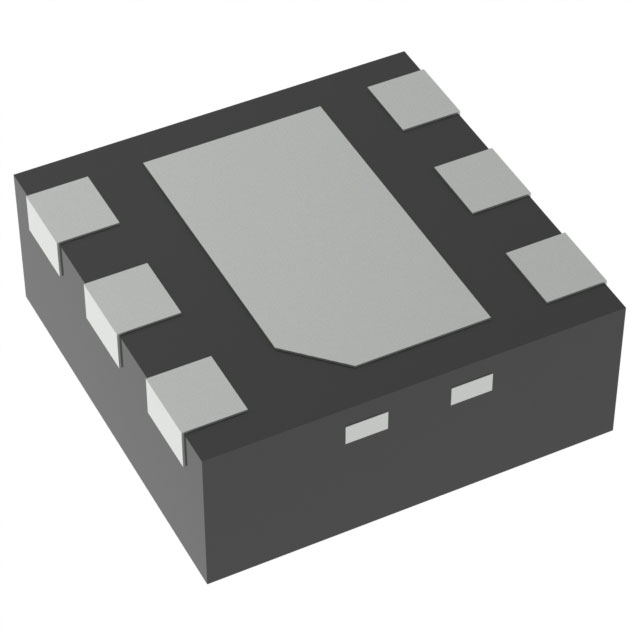 Texas Instruments TPS61040DRVTG4Unknown | Integrated Circuits (ICs) | IC LED DRV RGLTR PWM 350MA 6WSON |
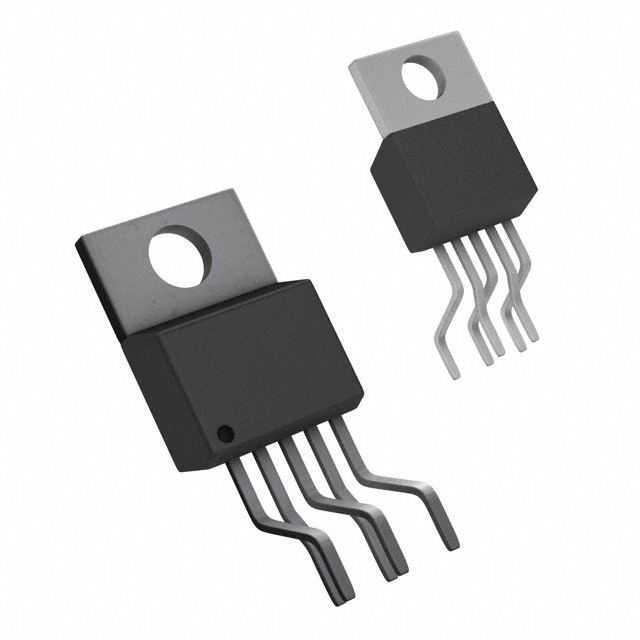 Texas Instruments LP3876ET-2.5Obsolete | Integrated Circuits (ICs) | IC REG LINEAR 2.5V 3A TO220-5 |
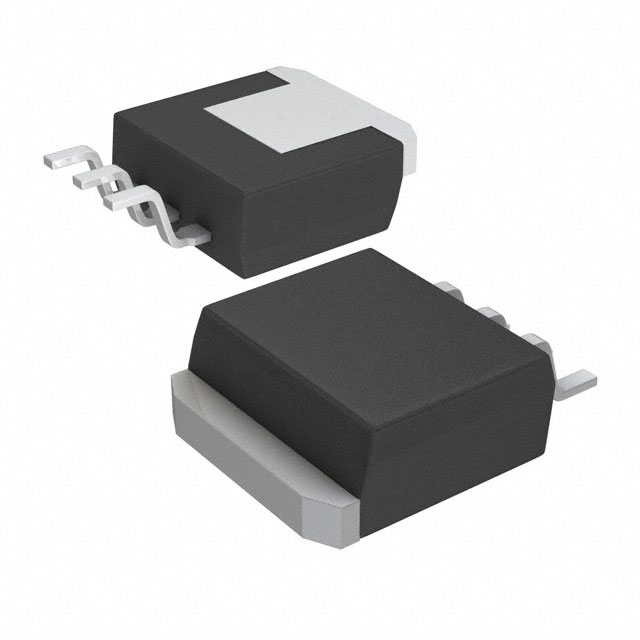 Texas Instruments LMS1585ACSX-ADJObsolete | Integrated Circuits (ICs) | IC REG LIN POS ADJ 5A DDPAK |
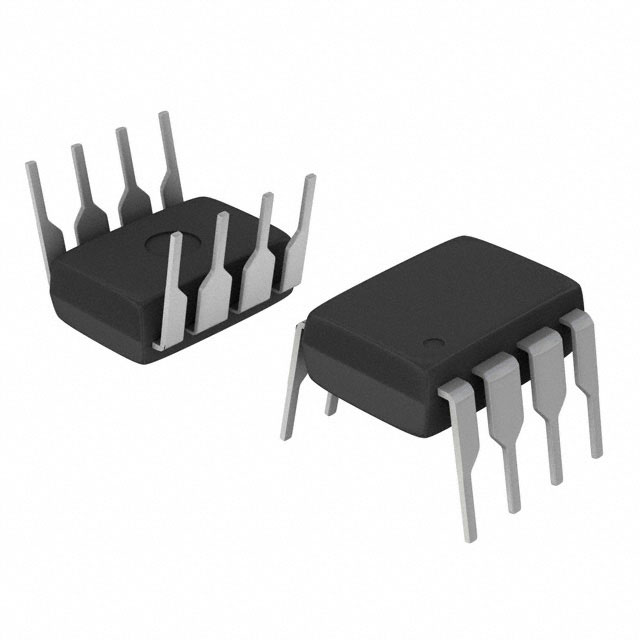 Texas Instruments INA111APG4Obsolete | Integrated Circuits (ICs) | IC INST AMP 1 CIRCUIT 8DIP |
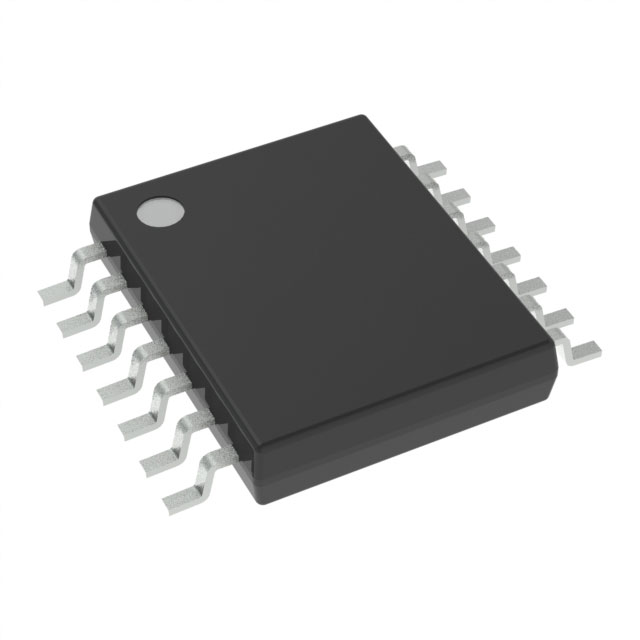 Texas Instruments | Integrated Circuits (ICs) | AUTOMOTIVE, QUAD 36V 1.2MHZ OPERATIONAL AMPLIFIER |
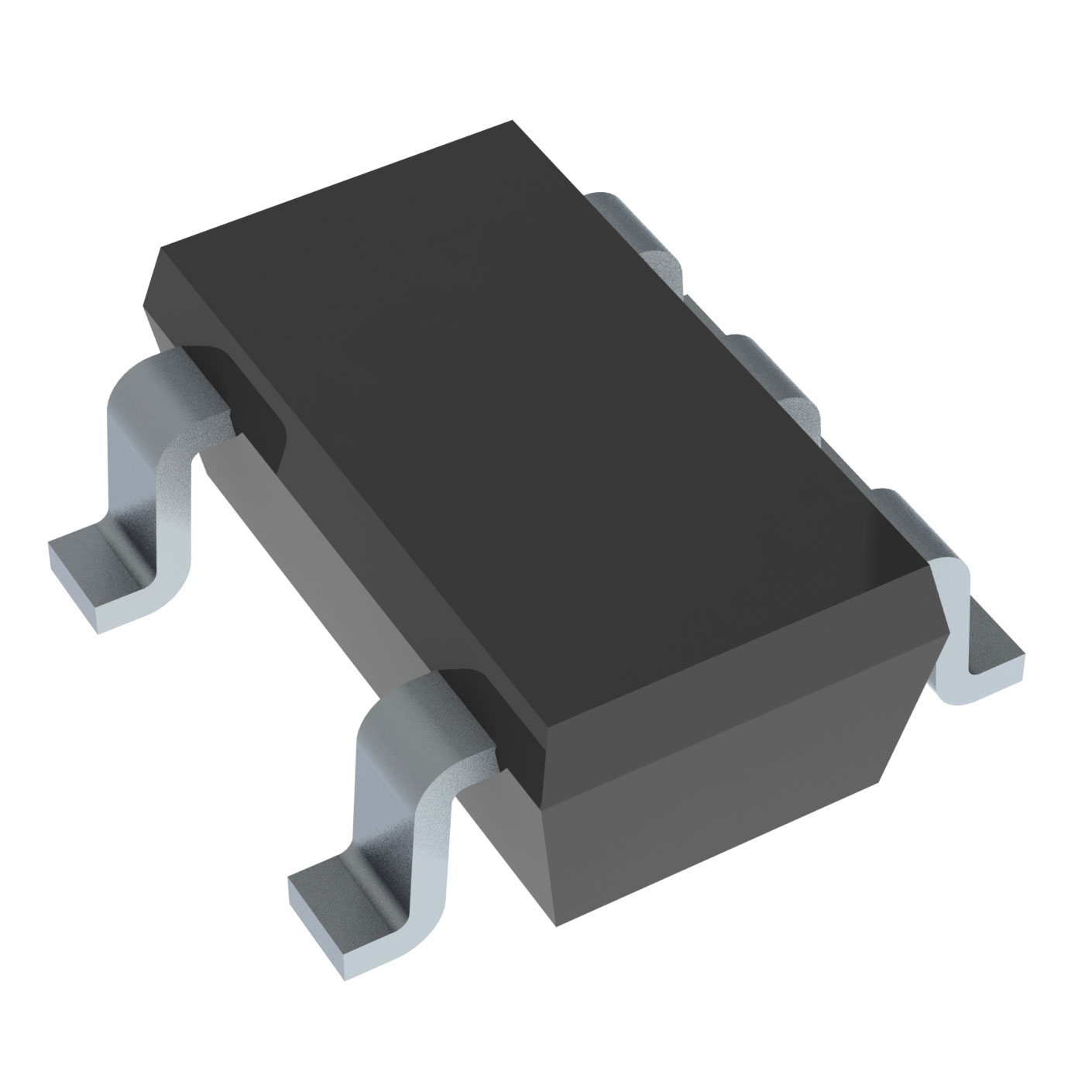 Texas Instruments OPA340NA/3KG4Unknown | Integrated Circuits (ICs) | IC OPAMP GP 1 CIRCUIT SOT23-5 |
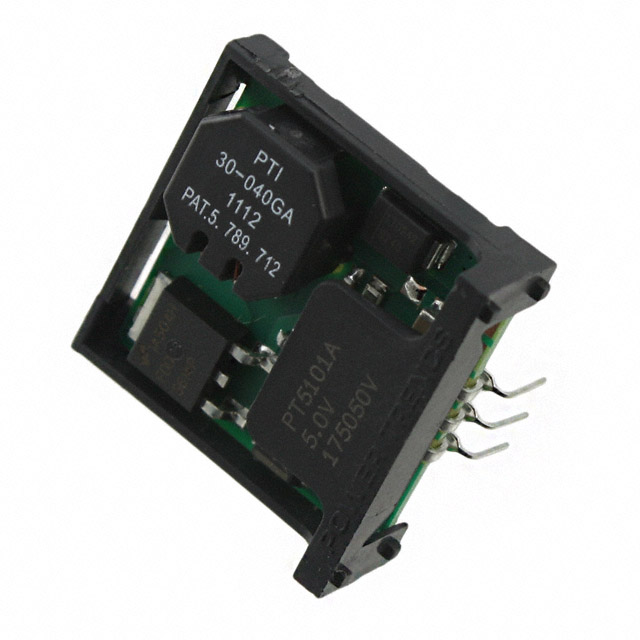 Texas Instruments PT5112AObsolete | Power Supplies - Board Mount | DC DC CONVERTER 8V 8W |
| Series | Category | # Parts | Status | Description |
|---|---|---|---|---|
TUSB8041-Q1Automotive 4-port SuperSpeed 5-Gbps USB 3.0 hub | Development Boards, Kits, Programmers | 7 | Active | The TUSB8041 is a four-port USB 3.0 hub. It provides simultaneous SuperSpeed USB and high-speed/full-speed connections on the upstream port and provides SuperSpeed USB, high-speed, full-speed, or low-speed connections on the downstream ports. When the upstream port is connected to an electrical environment that only supports high-speed or full-speed/low-speed connections, SuperSpeed USB connectivity is disabled on the downstream ports. When the upstream port is connected to an electrical environment that only supports full-speed/low-speed connections, SuperSpeed USB and high-speed connectivity are disabled on the downstream ports.
The TUSB8041 supports per port or ganged power switching and over-current protection, and supports battery charging applications.
An individually port power controlled hub switches power on or off to each downstream port as requested by the USB host. Also when an individually port power controlled hub senses an over-current event, only power to the affected downstream port will be switched off.
A ganged hub switches on power to all its downstream ports when power is required to be on for any port. The power to the downstream ports is not switched off unless all ports are in a state that allows power to be removed. Also when a ganged hub senses an over-current event, power to all downstream ports will be switched off.
The TUSB8041 downstream ports provide support for battery charging applications by providing Battery Charging Downstream Port (CDP) handshaking support. It also supports a Dedicated Charging Port (DCP) mode when the upstream port is not connected. The DCP mode supports USB devices which support with the USB Battery Charging and Chinese Telecommunications Industry Standard YD/T 1591-2009. In addition, an automatic mode provides transparent support for BC devices and devices supporting Divider Mode charging solutions when the upstream port unconnected.
The TUSB8041 provides pin strap configuration for some features including battery charging support, and also provides customization though OTP ROM, I2C EEPROM or via an I2C/SMBus slave interface for PID, VID, and custom port and phy configurations. Custom string support is also available when using an I2C EEPROM or the I2C/SMBus slave interface.
The device is available in a 64-pin RGC package and is offered in a commercial version (TUSB8041) for operation over the temperature range of 0°C to 70°C, and in an industrial version (TUSB8041I) for operation over the temperature range of -40°C to 85°C.
The TUSB8041 is a four-port USB 3.0 hub. It provides simultaneous SuperSpeed USB and high-speed/full-speed connections on the upstream port and provides SuperSpeed USB, high-speed, full-speed, or low-speed connections on the downstream ports. When the upstream port is connected to an electrical environment that only supports high-speed or full-speed/low-speed connections, SuperSpeed USB connectivity is disabled on the downstream ports. When the upstream port is connected to an electrical environment that only supports full-speed/low-speed connections, SuperSpeed USB and high-speed connectivity are disabled on the downstream ports.
The TUSB8041 supports per port or ganged power switching and over-current protection, and supports battery charging applications.
An individually port power controlled hub switches power on or off to each downstream port as requested by the USB host. Also when an individually port power controlled hub senses an over-current event, only power to the affected downstream port will be switched off.
A ganged hub switches on power to all its downstream ports when power is required to be on for any port. The power to the downstream ports is not switched off unless all ports are in a state that allows power to be removed. Also when a ganged hub senses an over-current event, power to all downstream ports will be switched off.
The TUSB8041 downstream ports provide support for battery charging applications by providing Battery Charging Downstream Port (CDP) handshaking support. It also supports a Dedicated Charging Port (DCP) mode when the upstream port is not connected. The DCP mode supports USB devices which support with the USB Battery Charging and Chinese Telecommunications Industry Standard YD/T 1591-2009. In addition, an automatic mode provides transparent support for BC devices and devices supporting Divider Mode charging solutions when the upstream port unconnected.
The TUSB8041 provides pin strap configuration for some features including battery charging support, and also provides customization though OTP ROM, I2C EEPROM or via an I2C/SMBus slave interface for PID, VID, and custom port and phy configurations. Custom string support is also available when using an I2C EEPROM or the I2C/SMBus slave interface.
The device is available in a 64-pin RGC package and is offered in a commercial version (TUSB8041) for operation over the temperature range of 0°C to 70°C, and in an industrial version (TUSB8041I) for operation over the temperature range of -40°C to 85°C. |
TUSB8042A4-Port SuperSpeed 5.0 Gbps USB 3.1 Hub | Controllers | 5 | Active | The TUSB8042A is a four-port USB 3.2 x1 Gen1 (5Gbps) hub. The device provides simultaneous SuperSpeed USB, high-speed, or full-speed connections on the upstream port. The device also provides SuperSpeed USB, high-speed, full-speed, or low-speed connections on the downstream port. When the upstream port is connected to an electrical environment that only supports high-speed, full-speed, or low-speed connections, SuperSpeed USB connectivity is disabled on the downstream ports.
When the upstream port is connected to an electrical environment that only supports full-speed or low-speed connections, SuperSpeed USB and high-speed connectivity are disabled on the downstream ports.
The TUSB8042A supports per port or ganged power switching and overcurrent protection, and supports battery charging applications.
An individually port power controlled hub switches power on or off to each downstream port as requested by the USB host. Also when an individually port power controlled hub senses an overcurrent event, only power to the affected downstream port is switched off.
A ganged hub switches on power for all the downstream ports when power is required for any port. The power to the downstream ports is not switched off unless all ports are in a state that allows power to be removed. Also when a ganged hub senses an overcurrent event, power to all downstream ports is switched off.
The TUSB8042A downstream ports provide support for battery charging applications by providing Battery Charging Downstream Port (CDP) handshaking support. The device also supports a Dedicated Charging Port (DCP) mode when the upstream port is not connected. The DCP mode supports USB devices which support with the USB Battery Charging, Galaxy Charging, and Chinese Telecommunications Industry Standard YD/T 1591-2009. In addition when upstream port is unconnected, the TUSB8042A supports the divider charging port modes (ACPx modes) and an automatic transition through all modes, starting with ACP3 and ending in DCP.
The TUSB8042A provides pin strap configuration for some features including battery-charging support, and also provides customization though OTP ROM, I2C EEPROM, or through an I2C/SMBus target interface for PID, VID, and custom port and phy configurations. Custom string support is also available when using an I2C EEPROM or the I2C/SMBus target interface.
The device is available in a 64-pin RGC package and is offered in a commercial version (TUSB8042A) for operation over the temperature range of 0°C to 70°C, and in an industrial version (TUSB8042AI) for operation over the temperature range of –40°C to 85°C.
The TUSB8042A is a four-port USB 3.2 x1 Gen1 (5Gbps) hub. The device provides simultaneous SuperSpeed USB, high-speed, or full-speed connections on the upstream port. The device also provides SuperSpeed USB, high-speed, full-speed, or low-speed connections on the downstream port. When the upstream port is connected to an electrical environment that only supports high-speed, full-speed, or low-speed connections, SuperSpeed USB connectivity is disabled on the downstream ports.
When the upstream port is connected to an electrical environment that only supports full-speed or low-speed connections, SuperSpeed USB and high-speed connectivity are disabled on the downstream ports.
The TUSB8042A supports per port or ganged power switching and overcurrent protection, and supports battery charging applications.
An individually port power controlled hub switches power on or off to each downstream port as requested by the USB host. Also when an individually port power controlled hub senses an overcurrent event, only power to the affected downstream port is switched off.
A ganged hub switches on power for all the downstream ports when power is required for any port. The power to the downstream ports is not switched off unless all ports are in a state that allows power to be removed. Also when a ganged hub senses an overcurrent event, power to all downstream ports is switched off.
The TUSB8042A downstream ports provide support for battery charging applications by providing Battery Charging Downstream Port (CDP) handshaking support. The device also supports a Dedicated Charging Port (DCP) mode when the upstream port is not connected. The DCP mode supports USB devices which support with the USB Battery Charging, Galaxy Charging, and Chinese Telecommunications Industry Standard YD/T 1591-2009. In addition when upstream port is unconnected, the TUSB8042A supports the divider charging port modes (ACPx modes) and an automatic transition through all modes, starting with ACP3 and ending in DCP.
The TUSB8042A provides pin strap configuration for some features including battery-charging support, and also provides customization though OTP ROM, I2C EEPROM, or through an I2C/SMBus target interface for PID, VID, and custom port and phy configurations. Custom string support is also available when using an I2C EEPROM or the I2C/SMBus target interface.
The device is available in a 64-pin RGC package and is offered in a commercial version (TUSB8042A) for operation over the temperature range of 0°C to 70°C, and in an industrial version (TUSB8042AI) for operation over the temperature range of –40°C to 85°C. |
TUSB8043AFour-port USB 3.2 x1 gen1 hub with HID to I2C | Integrated Circuits (ICs) | 5 | Active | The TUSB8043A is a four-port USB 3.2 x1 Gen1 (5 Gbps) hub. It provides simultaneous SuperSpeed USB and high-speed/full-speed connections on the upstream port and provides SuperSpeed USB, high-speed, full-speed, or low-speed connections on the downstream ports. When the upstream port is connected to an electrical environment that only supports high-speed or full-speed/low-speed connections, SuperSpeed USB connectivity is disabled on the downstream ports.
When the upstream port is connected to an electrical environment that only supports full-speed/low-speed connections, SuperSpeed USB and high-speed connectivity are disabled on the downstream ports.
The TUSB8043A supports per port or ganged power switching and over-current protection, and supports battery charging applications.
An individually port power controlled hub switches power on or off to each downstream port as requested by the USB host. Also when an individually port power controlled hub senses an over-current event, only power to the affected downstream port is switched off.
A ganged hub switches on power to all its downstream ports when power is required to be on for any port. The power to the downstream ports is not switched off unless all ports are in a state that allows power to be removed. Also when a ganged hub senses an over-current event, power to all downstream ports is switched off.
The TUSB8043A downstream ports provide support for battery charging applications by providing Battery Charging Downstream Port (CDP) handshaking support. It also supports a Dedicated Charging Port (DCP) mode when the upstream port is not connected. The DCP mode supports USB devices which support with the USB Battery Charging, Galaxy Charging, and Chinese Telecommunications Industry Standard YD/T 1591-2009. In addition when upstream port is unconnected, the TUSB8043A supports the divider charging port modes (ACPx modes) and an automatic transition through all modes, starting with ACP3 and ending in DCP.
The TUSB8043A provides pin strap configuration for some features including battery charging support, and also provides customization though OTP ROM, I2C EEPROM, or via an I2C/SMBus slave interface for PID, VID, and custom port and phy configurations. Custom string support is also available when using an I2C EEPROM or the I2C/SMBus slave interface.
The TUSB8043A supports programming of an attached EEPROM through its internal USB HID to I2C interface.
The device is available in a 64-pin RGC package and is offered in a commercial version (TUSB8043A) for operation over the temperature range of 0°C to 70°C, and in an industrial version (TUSB8043AI) for operation over the temperature range of –40°C to 85°C.
The TUSB8043A is a four-port USB 3.2 x1 Gen1 (5 Gbps) hub. It provides simultaneous SuperSpeed USB and high-speed/full-speed connections on the upstream port and provides SuperSpeed USB, high-speed, full-speed, or low-speed connections on the downstream ports. When the upstream port is connected to an electrical environment that only supports high-speed or full-speed/low-speed connections, SuperSpeed USB connectivity is disabled on the downstream ports.
When the upstream port is connected to an electrical environment that only supports full-speed/low-speed connections, SuperSpeed USB and high-speed connectivity are disabled on the downstream ports.
The TUSB8043A supports per port or ganged power switching and over-current protection, and supports battery charging applications.
An individually port power controlled hub switches power on or off to each downstream port as requested by the USB host. Also when an individually port power controlled hub senses an over-current event, only power to the affected downstream port is switched off.
A ganged hub switches on power to all its downstream ports when power is required to be on for any port. The power to the downstream ports is not switched off unless all ports are in a state that allows power to be removed. Also when a ganged hub senses an over-current event, power to all downstream ports is switched off.
The TUSB8043A downstream ports provide support for battery charging applications by providing Battery Charging Downstream Port (CDP) handshaking support. It also supports a Dedicated Charging Port (DCP) mode when the upstream port is not connected. The DCP mode supports USB devices which support with the USB Battery Charging, Galaxy Charging, and Chinese Telecommunications Industry Standard YD/T 1591-2009. In addition when upstream port is unconnected, the TUSB8043A supports the divider charging port modes (ACPx modes) and an automatic transition through all modes, starting with ACP3 and ending in DCP.
The TUSB8043A provides pin strap configuration for some features including battery charging support, and also provides customization though OTP ROM, I2C EEPROM, or via an I2C/SMBus slave interface for PID, VID, and custom port and phy configurations. Custom string support is also available when using an I2C EEPROM or the I2C/SMBus slave interface.
The TUSB8043A supports programming of an attached EEPROM through its internal USB HID to I2C interface.
The device is available in a 64-pin RGC package and is offered in a commercial version (TUSB8043A) for operation over the temperature range of 0°C to 70°C, and in an industrial version (TUSB8043AI) for operation over the temperature range of –40°C to 85°C. |
TUSB8044AFour-port USB 3.2 x1 Gen1 hub with USB billboard | Development Boards, Kits, Programmers | 7 | Active | The TUSB8044A is a four-port USB 3.2 x1 Gen1 (5 Gbps) hub. It provides simultaneous SuperSpeed USB and high-speed/full-speed connections on the upstream port and provides SuperSpeed USB, high-speed, full-speed, or low-speed connections on the downstream ports. When the upstream port is connected to an electrical environment that only supports high-speed or full-speed/low-speed connections, SuperSpeed USB connectivity is disabled on the downstream ports.
When the upstream port is connected to an electrical environment that only supports full-speed/low-speed connections, SuperSpeed USB and high-speed connectivity are disabled on the downstream ports.
The TUSB8044A supports per port or ganged power switching and over-current protection, and supports battery charging applications.
An individually port power controlled hub switches power on or off to each downstream port as requested by the USB host. Also when an individually port power controlled hub senses an over-current event, only power to the affected downstream port will be switched off.
A ganged hub switches on power to all its downstream ports when power is required to be on for any port. The power to the downstream ports is not switched off unless all ports are in a state that allows power to be removed. Also when a ganged hub senses an over-current event, power to all downstream ports will be switched off.
The TUSB8044A downstream ports provide support for battery charging applications by providing Battery Charging Downstream Port (CDP) handshaking support. It also supports a Dedicated Charging Port (DCP) mode when the upstream port is not connected. The DCP mode supports USB devices which support with the USB Battery Charging, Galaxy Charging, and Chinese Telecommunications Industry Standard YD/T 1591-2009. In addition when upstream port is unconnected, the TUSB8044A supports the divider charging port modes (ACPx modes) and an automatic transition through all modes, starting with ACP3 and ending in DCP.
Integrated in the TUSB8044A is a USB2.0 Billboard device which complies to the "USB Device Class Definition for Billboard Devices Version 1.21" specification. The billboard device is attached to the highest number downstream port of the TUSB8044A USB 2.0 hub. The purpose of the billboard is to communicate Alternate Mode status to the host system. The TUSB8044A supports only one Alternate mode.
The TUSB8044A provides pin strap configuration for some features including battery charging support, and also provides customization though OTP ROM, I2C EEPROM, or via an I2C/SMBus slave interface for PID, VID, and custom port and phy configurations. Custom string support is also available when using an I2C EEPROM or the I2C/SMBus slave interface.
The TUSB8044A supports programming of an attached EEPROM through its internal USB HID to I2C interface.
The device is available in a 64-pin RGC package and is offered in a commercial version (TUSB8044A) for operation over the temperature range of 0°C to 70°C, and in an industrial version (TUSB8044AI) for operation over the temperature range of –40°C to 85°C.
The TUSB8044A is a four-port USB 3.2 x1 Gen1 (5 Gbps) hub. It provides simultaneous SuperSpeed USB and high-speed/full-speed connections on the upstream port and provides SuperSpeed USB, high-speed, full-speed, or low-speed connections on the downstream ports. When the upstream port is connected to an electrical environment that only supports high-speed or full-speed/low-speed connections, SuperSpeed USB connectivity is disabled on the downstream ports.
When the upstream port is connected to an electrical environment that only supports full-speed/low-speed connections, SuperSpeed USB and high-speed connectivity are disabled on the downstream ports.
The TUSB8044A supports per port or ganged power switching and over-current protection, and supports battery charging applications.
An individually port power controlled hub switches power on or off to each downstream port as requested by the USB host. Also when an individually port power controlled hub senses an over-current event, only power to the affected downstream port will be switched off.
A ganged hub switches on power to all its downstream ports when power is required to be on for any port. The power to the downstream ports is not switched off unless all ports are in a state that allows power to be removed. Also when a ganged hub senses an over-current event, power to all downstream ports will be switched off.
The TUSB8044A downstream ports provide support for battery charging applications by providing Battery Charging Downstream Port (CDP) handshaking support. It also supports a Dedicated Charging Port (DCP) mode when the upstream port is not connected. The DCP mode supports USB devices which support with the USB Battery Charging, Galaxy Charging, and Chinese Telecommunications Industry Standard YD/T 1591-2009. In addition when upstream port is unconnected, the TUSB8044A supports the divider charging port modes (ACPx modes) and an automatic transition through all modes, starting with ACP3 and ending in DCP.
Integrated in the TUSB8044A is a USB2.0 Billboard device which complies to the "USB Device Class Definition for Billboard Devices Version 1.21" specification. The billboard device is attached to the highest number downstream port of the TUSB8044A USB 2.0 hub. The purpose of the billboard is to communicate Alternate Mode status to the host system. The TUSB8044A supports only one Alternate mode.
The TUSB8044A provides pin strap configuration for some features including battery charging support, and also provides customization though OTP ROM, I2C EEPROM, or via an I2C/SMBus slave interface for PID, VID, and custom port and phy configurations. Custom string support is also available when using an I2C EEPROM or the I2C/SMBus slave interface.
The TUSB8044A supports programming of an attached EEPROM through its internal USB HID to I2C interface.
The device is available in a 64-pin RGC package and is offered in a commercial version (TUSB8044A) for operation over the temperature range of 0°C to 70°C, and in an industrial version (TUSB8044AI) for operation over the temperature range of –40°C to 85°C. |
| Evaluation Boards | 1 | Obsolete | ||
TUSB9260SuperSpeed USB 3.0 to Serial ATA Bridge | Interface | 1 | NRND | The TUSB9260 is an ARM cortex M3 microcontroller based USB 3.0 to serial ATA bridge. It provides the necessary hardware and firmware to implement a USB attached SCSI protocol (UASP) compliant mass storage device suitable for bridging hard disk drives (HDD), solid state disk drives (SSD), optical drives and other compatible SATA 1.5-Gbps or SATA 3.0-Gbps devices to a USB 3.0 bus. In addition to UASP support, the firmware implements the mass storage class bulk-only transport (BOT), and USB human interface device (HID) interfaces.
The TUSB9260 is an ARM cortex M3 microcontroller based USB 3.0 to serial ATA bridge. It provides the necessary hardware and firmware to implement a USB attached SCSI protocol (UASP) compliant mass storage device suitable for bridging hard disk drives (HDD), solid state disk drives (SSD), optical drives and other compatible SATA 1.5-Gbps or SATA 3.0-Gbps devices to a USB 3.0 bus. In addition to UASP support, the firmware implements the mass storage class bulk-only transport (BOT), and USB human interface device (HID) interfaces. |
TUSB9261-Q1Automotive 2nd Generation SuperSpeed USB 3.0 to Serial ATA Bridge | Evaluation and Demonstration Boards and Kits | 5 | Active | The TUSB9261-Q1 is an ARM cortex M3 microcontroller based Universal Serial Bus (USB) 3.0 to Serial ATA (SATA) bridge. It provides the necessary hardware and firmware to implement a USB Attached SCSI Protocol (UASP) compliant mass storage device suitable for bridging SATA compatible hard disk drives (HDD) and solid state disk drives (SSD) to a USB 3.0 bus. The firmware also implements the mass storage class bulk-only transport (BOT) for bridging optical drives and other compatible SATA devices to the USB bus. In addition to UASP and BOT support,a USB human interface device (HID) interfaces is supported for control of the general purpose input/ouput (GPIO). The SATA interface supports gen1 (1.5-Gbps) and gen2 (3.0-Gbps) for cable lengths up to 2 meters.
The device is available in a 64-pin HTQFP package and is designed for operation over the industrial temperature range of –40°C to 85°C.
The TUSB9261-Q1 is an ARM cortex M3 microcontroller based Universal Serial Bus (USB) 3.0 to Serial ATA (SATA) bridge. It provides the necessary hardware and firmware to implement a USB Attached SCSI Protocol (UASP) compliant mass storage device suitable for bridging SATA compatible hard disk drives (HDD) and solid state disk drives (SSD) to a USB 3.0 bus. The firmware also implements the mass storage class bulk-only transport (BOT) for bridging optical drives and other compatible SATA devices to the USB bus. In addition to UASP and BOT support,a USB human interface device (HID) interfaces is supported for control of the general purpose input/ouput (GPIO). The SATA interface supports gen1 (1.5-Gbps) and gen2 (3.0-Gbps) for cable lengths up to 2 meters.
The device is available in a 64-pin HTQFP package and is designed for operation over the industrial temperature range of –40°C to 85°C. |
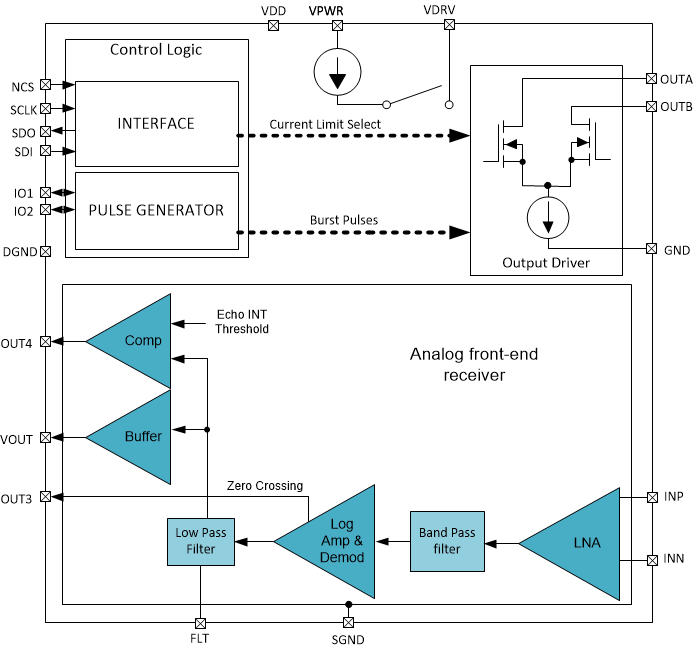
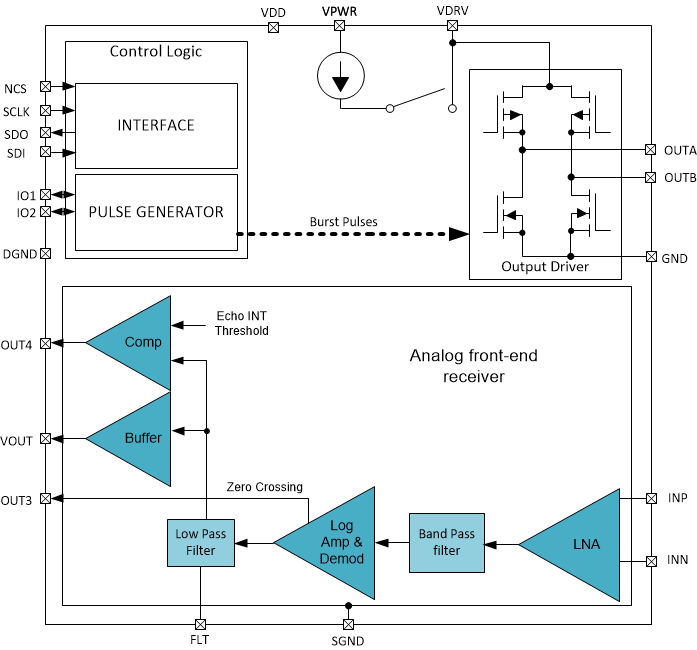
TUSS4440Transformer drive ultrasonic sensor IC with logarithmic amplifier | Integrated Circuits (ICs) | 2 | Active | The TUSS4440 is a highly integrated transformer drive analog front end for industrial ultrasonic applications. The transducer drive stage consists of low-side complementary drivers that can be configured to drive an ultrasonic transducer through a step-up transformer. The device delivers constant current to the primary side of the transformer.
The receive signal path includes a low-noise linear amplifier, a bandpass filter, followed by a logarithmic gain amplifier for input dependent amplification. The logarithmic amplifier allows for high sensitivity for weak echo signals and offers excellent input dynamic range over full range of reflected echoes.
The drivers can be controlled directly through the microcontroller for complete customization of the burst signal, or can be programmed through SPI with a customizable burst length. The TUSS4440 can support a single transducer to send and receive burst signals, or can set up two transducers to split the send and receive functions.
The TUSS4440 is a highly integrated transformer drive analog front end for industrial ultrasonic applications. The transducer drive stage consists of low-side complementary drivers that can be configured to drive an ultrasonic transducer through a step-up transformer. The device delivers constant current to the primary side of the transformer.
The receive signal path includes a low-noise linear amplifier, a bandpass filter, followed by a logarithmic gain amplifier for input dependent amplification. The logarithmic amplifier allows for high sensitivity for weak echo signals and offers excellent input dynamic range over full range of reflected echoes.
The drivers can be controlled directly through the microcontroller for complete customization of the burst signal, or can be programmed through SPI with a customizable burst length. The TUSS4440 can support a single transducer to send and receive burst signals, or can set up two transducers to split the send and receive functions. |
TUSS4470Direct drive ultrasonic sensor IC with logarithmic amplifier | Interface | 2 | Active | The TUSS4470 is a highly integrated direct drive analog front end for industrial ultrasonic applications. The transducer drive stage is an internal H-bridge that can be configured to drive the transducer in direct-drive mode to achieve maximum voltage across the transducer. The internal H-bridge can also be configured as a pre-driver for external FETs, enabling higher current and voltage drive for larger transducers.
The receive signal path includes a low-noise linear amplifier, a bandpass filter, followed by a logarithmic gain amplifier for input dependent amplification. The logarithmic amplifier allows for high sensitivity for weak echo signals and offers excellent input dynamic range over full range of reflected echoes.
The drivers can be controlled directly through the microcontroller for complete customization of the burst signal, or can be programmed through SPI with a customizable burst length. The TUSS4470 can support a single transducer to send and receive burst signals, or can set up two transducers to split the send and receive functions.
The TUSS4470 is a highly integrated direct drive analog front end for industrial ultrasonic applications. The transducer drive stage is an internal H-bridge that can be configured to drive the transducer in direct-drive mode to achieve maximum voltage across the transducer. The internal H-bridge can also be configured as a pre-driver for external FETs, enabling higher current and voltage drive for larger transducers.
The receive signal path includes a low-noise linear amplifier, a bandpass filter, followed by a logarithmic gain amplifier for input dependent amplification. The logarithmic amplifier allows for high sensitivity for weak echo signals and offers excellent input dynamic range over full range of reflected echoes.
The drivers can be controlled directly through the microcontroller for complete customization of the burst signal, or can be programmed through SPI with a customizable burst length. The TUSS4470 can support a single transducer to send and receive burst signals, or can set up two transducers to split the send and receive functions. |
| Linear | 2 | Active | ||