| Voltage Regulators - Linear, Low Drop Out (LDO) Regulators | 2 | Active | |
| Voltage Regulators - Linear, Low Drop Out (LDO) Regulators | 1 | Active | |
| Power Management (PMIC) | 1 | Active | |
| Integrated Circuits (ICs) | 2 | Active | |
| Voltage Regulators - Linear, Low Drop Out (LDO) Regulators | 2 | Active | |
| Voltage Regulators - Linear, Low Drop Out (LDO) Regulators | 2 | Active | |
TPS7A1309300-mA, low input and output voltage, ultra-low-dropout (LDO) voltage regulator | Power Management (PMIC) | 2 | Active | The TPS7A13 is a small, low-dropout regulator (LDO) with excellent transient response. This device can source 300 mA with outstanding ac performance (load and line transient responses). The input voltage range is from 0.7 V to 2.2 V, and the output range is from 0.5 V to 2.05 V with a very high accuracy of 1% over load, line, and temperature.
The primary power path is through the IN pin and can be connected to a power supply as low as 50 mV above the output voltage. All electrical characteristics (including excellent output voltage tolerance, transient response, and PSRR) are specified for input voltages 100 mV greater than the output voltage, thereby yielding high practical efficiency. This regulator supports very low input voltages with the use of a higher, externally supplied VBIASrail that is used to power the internal circuitry of the LDO. For example, the supply voltage to the IN pin can be the output of a high-efficiency, DC/DC step-down regulator and the BIAS pin supply voltage can be a rechargeable battery.
The TPS7A13 is equipped with an active pulldown circuit to quickly discharge the output when disabled, and provides a known start-up state.
The TPS7A13 is available in an ultra-small 0.71-mm × 1.0-mm, 6-bump DSBGA package that makes the device suitable for space-constrained applications.
The TPS7A13 is a small, low-dropout regulator (LDO) with excellent transient response. This device can source 300 mA with outstanding ac performance (load and line transient responses). The input voltage range is from 0.7 V to 2.2 V, and the output range is from 0.5 V to 2.05 V with a very high accuracy of 1% over load, line, and temperature.
The primary power path is through the IN pin and can be connected to a power supply as low as 50 mV above the output voltage. All electrical characteristics (including excellent output voltage tolerance, transient response, and PSRR) are specified for input voltages 100 mV greater than the output voltage, thereby yielding high practical efficiency. This regulator supports very low input voltages with the use of a higher, externally supplied VBIASrail that is used to power the internal circuitry of the LDO. For example, the supply voltage to the IN pin can be the output of a high-efficiency, DC/DC step-down regulator and the BIAS pin supply voltage can be a rechargeable battery.
The TPS7A13 is equipped with an active pulldown circuit to quickly discharge the output when disabled, and provides a known start-up state.
The TPS7A13 is available in an ultra-small 0.71-mm × 1.0-mm, 6-bump DSBGA package that makes the device suitable for space-constrained applications. |
TPS7A14851-A, low input and output voltage, ultra-low-dropout (LDO) voltage regulator | Power Management (PMIC) | 11 | Active | The TPS7A14 is a small, ultra low-dropout regulator (LDO) with excellent transient response. This device can source 1 A with outstanding ac performance (load and line transient responses). The input voltage range is 0.7 V to 2.2 V, and the output range is 0.5 V to 2.0 V with a very high accuracy of 1% over load, line, and temperature.
The primary power path is through the IN pin and can be connected to a power supply as low as 50 mV above the output voltage. All electrical characteristics (including excellent output voltage tolerance, transient response, and PSRR) are specified for input voltages 100 mV greater than the output voltage, thereby yielding high practical efficiency. This regulator supports very low input voltages with the use of a higher, externally supplied V BIAS rail that is used to power the internal circuitry of the LDO. For example, the supply voltage to the IN pin can be the output of a high-efficiency, DC/DC step-down regulator and the BIAS pin supply voltage can be a rechargeable battery.
The TPS7A14 is equipped with an active pulldown circuit to quickly discharge the output when disabled, and provides a known start-up state.
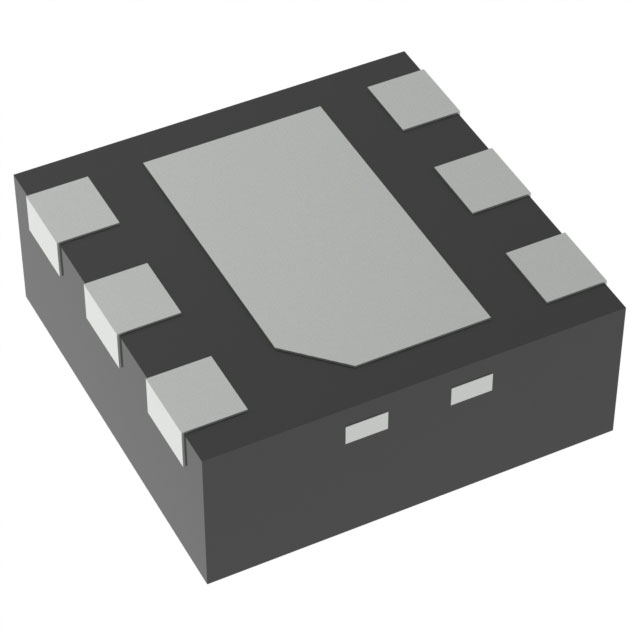
The TPS7A14 is available in a 2-mm × 2-mm, 6-pin WSON package and an ultra-small 0.71-mm × 1.16-mm, 6-bump WCSP package.
The TPS7A14 is a small, ultra low-dropout regulator (LDO) with excellent transient response. This device can source 1 A with outstanding ac performance (load and line transient responses). The input voltage range is 0.7 V to 2.2 V, and the output range is 0.5 V to 2.0 V with a very high accuracy of 1% over load, line, and temperature.
The primary power path is through the IN pin and can be connected to a power supply as low as 50 mV above the output voltage. All electrical characteristics (including excellent output voltage tolerance, transient response, and PSRR) are specified for input voltages 100 mV greater than the output voltage, thereby yielding high practical efficiency. This regulator supports very low input voltages with the use of a higher, externally supplied V BIAS rail that is used to power the internal circuitry of the LDO. For example, the supply voltage to the IN pin can be the output of a high-efficiency, DC/DC step-down regulator and the BIAS pin supply voltage can be a rechargeable battery.
The TPS7A14 is equipped with an active pulldown circuit to quickly discharge the output when disabled, and provides a known start-up state.
The TPS7A14 is available in a 2-mm × 2-mm, 6-pin WSON package and an ultra-small 0.71-mm × 1.16-mm, 6-bump WCSP package. |
TPS7A1509400-mA, low input and output voltage, ultra-low dropout (LDO) voltage regulator | Power Management (PMIC) | 3 | Active | The TPS7A15 is a small, low-dropout regulator (LDO) with excellent transient response. This device can source 400 mA with outstanding ac performance (load and line transient responses). The input voltage range is from 0.7 V to 2.2 V, and the output range is from 0.5 V to 2.0 V with a very high accuracy of 1% over load, line, and temperature.
The primary power path is through the IN pin and can be connected to a power supply as low as 50 mV above the output voltage. All electrical characteristics (including excellent output voltage tolerance, transient response, and PSRR) are specified for input voltages 100 mV greater than the output voltage, thereby yielding high practical efficiency. This regulator supports very low input voltages by using a higher, externally supplied V BIAS rail that powers the internal circuitry of the LDO. For example, the supply voltage to the IN pin can be the output of a high-efficiency, DC/DC step-down regulator and the BIAS pin supply voltage can be a rechargeable battery.
The TPS7A15 is equipped with an active pulldown circuit to quickly discharge the output when disabled, and provides a known start-up state.
The TPS7A15 is available in a 2-mm × 2-mm, 6-pin WSON package and in an ultra-small 0.71-mm × 1.0-mm, 6-bump WCSP package.
The TPS7A15 is a small, low-dropout regulator (LDO) with excellent transient response. This device can source 400 mA with outstanding ac performance (load and line transient responses). The input voltage range is from 0.7 V to 2.2 V, and the output range is from 0.5 V to 2.0 V with a very high accuracy of 1% over load, line, and temperature.
The primary power path is through the IN pin and can be connected to a power supply as low as 50 mV above the output voltage. All electrical characteristics (including excellent output voltage tolerance, transient response, and PSRR) are specified for input voltages 100 mV greater than the output voltage, thereby yielding high practical efficiency. This regulator supports very low input voltages by using a higher, externally supplied V BIAS rail that powers the internal circuitry of the LDO. For example, the supply voltage to the IN pin can be the output of a high-efficiency, DC/DC step-down regulator and the BIAS pin supply voltage can be a rechargeable battery.
The TPS7A15 is equipped with an active pulldown circuit to quickly discharge the output when disabled, and provides a known start-up state.
The TPS7A15 is available in a 2-mm × 2-mm, 6-pin WSON package and in an ultra-small 0.71-mm × 1.0-mm, 6-bump WCSP package. |
TPS7A16-Q1Automotive, 100-mA, 60-V, ultra-low-IQ, low-dropout voltage regulator with power good and enable | Voltage Regulators - Linear, Low Drop Out (LDO) Regulators | 3 | Active | The TPS7A16-Q1 ultra-low-power, low-dropout (LDO) voltage regulator offers the benefits of ultra-low quiescent current, high input voltage, and miniaturized, high-thermal-performance packaging.
The TPS7A16-Q1 is designed for continuous or sporadic (power backup) battery-powered applications where ultra-low quiescent current is critical to extending system battery life.
The TPS7A16-Q1 offers an enable pin (EN) compatible with standard CMOS logic and an integrated open-drain, active-high, power-good output (PG) with a user-programmable delay. These pins are intended for use in microcontroller-based, battery-powered applications where power-rail sequencing is required.
In addition, the TPS7A16-Q1 is designed for generating a low-voltage supply from multicell solutions ranging from high-cell-count, power-tool packs to automotive applications; not only can this device supply a well-regulated voltage rail, but the TPS7A16-Q1 can also withstand and maintain regulation during voltage transients. These features translate to simpler and more cost-effective, electrical surge-protection circuitry.
The TPS7A16-Q1 ultra-low-power, low-dropout (LDO) voltage regulator offers the benefits of ultra-low quiescent current, high input voltage, and miniaturized, high-thermal-performance packaging.
The TPS7A16-Q1 is designed for continuous or sporadic (power backup) battery-powered applications where ultra-low quiescent current is critical to extending system battery life.
The TPS7A16-Q1 offers an enable pin (EN) compatible with standard CMOS logic and an integrated open-drain, active-high, power-good output (PG) with a user-programmable delay. These pins are intended for use in microcontroller-based, battery-powered applications where power-rail sequencing is required.
In addition, the TPS7A16-Q1 is designed for generating a low-voltage supply from multicell solutions ranging from high-cell-count, power-tool packs to automotive applications; not only can this device supply a well-regulated voltage rail, but the TPS7A16-Q1 can also withstand and maintain regulation during voltage transients. These features translate to simpler and more cost-effective, electrical surge-protection circuitry. |