74AVC1T45Single-Bit Dual-Supply Bus Transceiver with Configurable Voltage-Level Shifting and 3-State Outputs | Logic | 11 | Active | This single-bit noninverting bus transceiver uses two separate configurable power-supply rails. The SN74AVC1T45 is operational with VCCA/VCCB as low as 1.2V.
The A port is designed to track VCCA. VCCA accepts any supply voltage from 1.2V to 3.6V. The B port is designed to track VCCB. VCCB accepts any supply voltage from 1.2V to 3.6V. This allows for universal low-voltage, bidirectional translation between any of the 1.2V, 1.5V, 1.8V, 2.5V, and 3.3V voltage nodes.
The SN74AVC1T45 is designed for asynchronous communication between two data buses. The logic levels of the direction-control (DIR) input activate either the B-port outputs or the A-port outputs. The device transmits data from the A bus to the B bus when the B-port outputs are activated and from the B bus to the A bus when the A-port outputs are activated. The input circuitry on both A and B ports always is active and must have a logic HIGH or LOW level applied to prevent excess ICC and ICCZ.
The SN74AVC1T45 is designed so that the DIR input is powered by VCCA.
This device is fully specified for partial-power-down applications using Ioff. The Ioff circuitry disables the outputs, preventing damaging current backflow through the device when it is powered down.
The VCC isolation feature is designed so that if either VCC input is at GND, then both ports are in the high-impedance state.
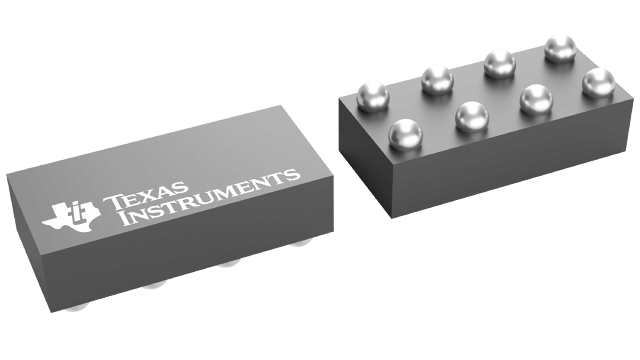
NanoFree package technology is a major breakthrough in IC packaging concepts, using the die as the package.
This single-bit noninverting bus transceiver uses two separate configurable power-supply rails. The SN74AVC1T45 is operational with VCCA/VCCB as low as 1.2V.
The A port is designed to track VCCA. VCCA accepts any supply voltage from 1.2V to 3.6V. The B port is designed to track VCCB. VCCB accepts any supply voltage from 1.2V to 3.6V. This allows for universal low-voltage, bidirectional translation between any of the 1.2V, 1.5V, 1.8V, 2.5V, and 3.3V voltage nodes.
The SN74AVC1T45 is designed for asynchronous communication between two data buses. The logic levels of the direction-control (DIR) input activate either the B-port outputs or the A-port outputs. The device transmits data from the A bus to the B bus when the B-port outputs are activated and from the B bus to the A bus when the A-port outputs are activated. The input circuitry on both A and B ports always is active and must have a logic HIGH or LOW level applied to prevent excess ICC and ICCZ.
The SN74AVC1T45 is designed so that the DIR input is powered by VCCA.
This device is fully specified for partial-power-down applications using Ioff. The Ioff circuitry disables the outputs, preventing damaging current backflow through the device when it is powered down.
The VCC isolation feature is designed so that if either VCC input is at GND, then both ports are in the high-impedance state.
NanoFree package technology is a major breakthrough in IC packaging concepts, using the die as the package. |
74AVC20T24520-Bit Dual Supply Bus Transceiver with Configurable Voltage Translation and 3-State Outputs | Buffers, Drivers, Receivers, Transceivers | 6 | Active | This 20-bit noninverting bus transceiver uses two separate configurable power-supply rails.
The SN74AVC20T245 is optimized to operate with VCCA/VCCBset at 1.4 V to 3.6 V. It is operational with VCCA/VCCBas low as 1.2 V. The A port is designed to track VCCA. VCCAaccepts any supply voltage from 1.2 V to 3.6 V. The B port is designed to track VCCB. VCCBaccepts any supply voltage from 1.2 V to 3.6 V. This allows for universal low-voltage bidirectional translation between any of the 1.2-V, 1.5-V, 1.8-V, 2.5-V, and 3.3-V voltage nodes.
The SN74AVC20T245 is designed for asynchronous communication between data buses. The device transmits data from the A bus to the B bus or from the B bus to the A bus, depending on the logic level at the direction-control (DIR) input. The output-enable (OE)\ input can be used to disable the outputs so that the buses are effectively isolated.
The SN74AVC20T245 is designed so that the control (1DIR, 2DIR, 1OE\, and 2OE\) inputs are supplied by VCCA.
This device is fully specified for partial-power-down applications using Ioff. The Ioffcircuitry disables the outputs, preventing damaging current backflow through the device when it is powered down.
The VCCisolation feature ensures that if either VCCinput is at GND, both ports are in the high-impedance state.
To ensure the high-impedance state during power up or power down, OE\ should be tied to VCCthrough a pullup resistor; the minimum value of the resistor is determined by the current-sinking capability of the driver.
This 20-bit noninverting bus transceiver uses two separate configurable power-supply rails.
The SN74AVC20T245 is optimized to operate with VCCA/VCCBset at 1.4 V to 3.6 V. It is operational with VCCA/VCCBas low as 1.2 V. The A port is designed to track VCCA. VCCAaccepts any supply voltage from 1.2 V to 3.6 V. The B port is designed to track VCCB. VCCBaccepts any supply voltage from 1.2 V to 3.6 V. This allows for universal low-voltage bidirectional translation between any of the 1.2-V, 1.5-V, 1.8-V, 2.5-V, and 3.3-V voltage nodes.
The SN74AVC20T245 is designed for asynchronous communication between data buses. The device transmits data from the A bus to the B bus or from the B bus to the A bus, depending on the logic level at the direction-control (DIR) input. The output-enable (OE)\ input can be used to disable the outputs so that the buses are effectively isolated.
The SN74AVC20T245 is designed so that the control (1DIR, 2DIR, 1OE\, and 2OE\) inputs are supplied by VCCA.
This device is fully specified for partial-power-down applications using Ioff. The Ioffcircuitry disables the outputs, preventing damaging current backflow through the device when it is powered down.
The VCCisolation feature ensures that if either VCCinput is at GND, both ports are in the high-impedance state.
To ensure the high-impedance state during power up or power down, OE\ should be tied to VCCthrough a pullup resistor; the minimum value of the resistor is determined by the current-sinking capability of the driver. |
74AVC24T24524-Bit Dual-Supply Bus Transceiver with Configurable Voltage Translation and 3-State Outputs | Integrated Circuits (ICs) | 3 | Active | This 24-bit noninverting bus transceiver uses two separate configurable power-supply rails. The SN74AVC24T245 is optimized to operate with VCCA/VCCBset at 1.4 V to 3.6 V. It is operational with VCCA/VCCBas low as 1.2 V. The A port is designed to track VCCA. VCCAaccepts any supply voltage from 1.2 V to 3.6 V. The B port is designed to track VCCB. VCCBaccepts any supply voltage from 1.2 V to 3.6 V. This allows for universal low-voltage bidirectional translation between any of the 1.2-V, 1.5-V, 1.8-V, 2.5-V, and 3.3-V voltage nodes.
The SN74AVC24T245 is designed for asynchronous communication between data buses. The device transmits data from the A bus to the B bus or from the B bus to the A bus, depending on the logic level at the direction-control (DIR) input. The output-enable (OE) input can be used to disable the outputs so the buses are effectively isolated.
The SN74AVC24T245 is designed so that the control pins (1DIR, 2DIR, 3DIR, 4DIR, 5DIR, 6DIR, 1OE, 2OE, 3OE, 4OE, 5OE, and 6OE) are supplied by VCCA.
This device is fully specified for partial-power-down applications using Ioff. The Ioffcircuitry disables the outputs, preventing damaging current backflow through the device when it is powered down.
The VCCisolation feature ensures that if either VCCinput is at GND, then both ports are in the high-impedance state.
To ensure the high-impedance state during power up or power down,OEshould be tied to VCCAthrough a pullup resistor; the minimum value of the resistor is determined by the current-sinking capability of the driver.
This 24-bit noninverting bus transceiver uses two separate configurable power-supply rails. The SN74AVC24T245 is optimized to operate with VCCA/VCCBset at 1.4 V to 3.6 V. It is operational with VCCA/VCCBas low as 1.2 V. The A port is designed to track VCCA. VCCAaccepts any supply voltage from 1.2 V to 3.6 V. The B port is designed to track VCCB. VCCBaccepts any supply voltage from 1.2 V to 3.6 V. This allows for universal low-voltage bidirectional translation between any of the 1.2-V, 1.5-V, 1.8-V, 2.5-V, and 3.3-V voltage nodes.
The SN74AVC24T245 is designed for asynchronous communication between data buses. The device transmits data from the A bus to the B bus or from the B bus to the A bus, depending on the logic level at the direction-control (DIR) input. The output-enable (OE) input can be used to disable the outputs so the buses are effectively isolated.
The SN74AVC24T245 is designed so that the control pins (1DIR, 2DIR, 3DIR, 4DIR, 5DIR, 6DIR, 1OE, 2OE, 3OE, 4OE, 5OE, and 6OE) are supplied by VCCA.
This device is fully specified for partial-power-down applications using Ioff. The Ioffcircuitry disables the outputs, preventing damaging current backflow through the device when it is powered down.
The VCCisolation feature ensures that if either VCCinput is at GND, then both ports are in the high-impedance state.
To ensure the high-impedance state during power up or power down,OEshould be tied to VCCAthrough a pullup resistor; the minimum value of the resistor is determined by the current-sinking capability of the driver. |
| Evaluation Boards | 3 | Active | This 2-bit unidirectional translator uses two separate configurable power-supply rails. The A port is designed to track VCCA. VCCAaccepts any supply voltage from 0.9 V to 3.6 V. The B port is designed to track VCCB. VCCBaccepts any supply voltage from 0.9 V to 3.6 V. This allows for low-voltage translation between 0.9-V, 1.2-V, 1.5-V, 1.8-V, 2.5-V and 3.6-V voltage nodes. For the SN74AVC2T244, when the output-enable (OE) input is high, all outputs are placed in the high-impedance state. The SN74AVC2T244 is designed so that theOEinput circuit is referenced to VCCA. This device is fully specified for partial-power-down applications using Ioff. The Ioffcircuitry disables the outputs, preventing damaging current backflow through the device when it is powered down.
This 2-bit unidirectional translator uses two separate configurable power-supply rails. The A port is designed to track VCCA. VCCAaccepts any supply voltage from 0.9 V to 3.6 V. The B port is designed to track VCCB. VCCBaccepts any supply voltage from 0.9 V to 3.6 V. This allows for low-voltage translation between 0.9-V, 1.2-V, 1.5-V, 1.8-V, 2.5-V and 3.6-V voltage nodes. For the SN74AVC2T244, when the output-enable (OE) input is high, all outputs are placed in the high-impedance state. The SN74AVC2T244 is designed so that theOEinput circuit is referenced to VCCA. This device is fully specified for partial-power-down applications using Ioff. The Ioffcircuitry disables the outputs, preventing damaging current backflow through the device when it is powered down. |
| Buffers, Drivers, Receivers, Transceivers | 1 | Active | |
74AVC2T45Dual-bit dual-supply bus transceiver with configurable voltage translation and 3-state outputs | Integrated Circuits (ICs) | 10 | Active | This 2-bit non-inverting bus transceiver uses two separate configurable power-supply rails. The A ports are designed to track VCCA and accepts any supply voltage from 1.2V to 3.6V. The B ports are designed to track VCCB and accepts any supply voltage from 1.2V to 3.6V. This allows for universal low-voltage bidirectional translation and level-shifting between any of the 1.2V, 1.5V, 1.8V, 2.5V, and 3.3V voltage nodes.
The SN74AVC2T45 is designed for asynchronous communication between two data buses. The logic levels of the direction-control (DIR pin) input activate either the B-port outputs or the A-port outputs. The device transmits data from the A bus to the B bus when the B-port outputs are activated and from the B bus to the A bus when the A-port outputs are activated. The input circuitry on both A and B ports always is active and must have a logic HIGH or LOW level applied to prevent excess leakage current on the internal CMOS structure.
This 2-bit non-inverting bus transceiver uses two separate configurable power-supply rails. The A ports are designed to track VCCA and accepts any supply voltage from 1.2V to 3.6V. The B ports are designed to track VCCB and accepts any supply voltage from 1.2V to 3.6V. This allows for universal low-voltage bidirectional translation and level-shifting between any of the 1.2V, 1.5V, 1.8V, 2.5V, and 3.3V voltage nodes.
The SN74AVC2T45 is designed for asynchronous communication between two data buses. The logic levels of the direction-control (DIR pin) input activate either the B-port outputs or the A-port outputs. The device transmits data from the A bus to the B bus when the B-port outputs are activated and from the B bus to the A bus when the A-port outputs are activated. The input circuitry on both A and B ports always is active and must have a logic HIGH or LOW level applied to prevent excess leakage current on the internal CMOS structure. |
| Translators, Level Shifters | 1 | Obsolete | |
74AVC32T24532-Bit Dual-Supply Bus Transceiver with Configurable Voltage Translation and 3-State Outputs | Integrated Circuits (ICs) | 5 | Active | This 32-bit noninverting bus transceiver uses two separate, configurable power-supply rails. The SN74AVC32T245 device is optimized to operate with VCCA/VCCBset from 1.4 V to 3.6 V. It is operational with VCCA/VCCBas low as 1.2 V. The A port is designed to track VCCA. VCCAand accepts any supply voltage from 1.2 V to 3.6 V. The B port is designed to track VCCB. VCCBand accepts any supply voltage from 1.2 V to 3.6 V. This allows for universal low-voltage bidirectional translation between any of the 1.2 V, 1.5 V, 1.8 V, 2.5 V, and 3.3 V voltage nodes.
The SN74AVC32T245 is designed for asynchronous communication between data buses. The device transmits data from the A bus to the B bus or from the B bus to the A bus, depending on the logic level at the direction-control (DIR) input. The output-enable (OE) input can disable the outputs so the buses are effectively isolated.
The SN74AVC32T245 is designed so that the control pins (1DIR, 2DIR, 3DIR, 4DIR, 1OE, 2OE, 3OE, and 4OE) are supplied by VCCA.
This device is fully specified for partial-power-down applications using Ioff. The Ioffcircuitry disables the outputs, preventing damaging current backflow through the device when it is powered down.
The VCCisolation feature ensures that if either VCCinput is at GND, then both ports are in the high-impedance state.
To ensure the high-impedance state during power up or power down,OEshould be tied to VCCthrough a pullup resistor; the minimum value of the resistor is determined by the current-sinking capability of the driver.
This 32-bit noninverting bus transceiver uses two separate, configurable power-supply rails. The SN74AVC32T245 device is optimized to operate with VCCA/VCCBset from 1.4 V to 3.6 V. It is operational with VCCA/VCCBas low as 1.2 V. The A port is designed to track VCCA. VCCAand accepts any supply voltage from 1.2 V to 3.6 V. The B port is designed to track VCCB. VCCBand accepts any supply voltage from 1.2 V to 3.6 V. This allows for universal low-voltage bidirectional translation between any of the 1.2 V, 1.5 V, 1.8 V, 2.5 V, and 3.3 V voltage nodes.
The SN74AVC32T245 is designed for asynchronous communication between data buses. The device transmits data from the A bus to the B bus or from the B bus to the A bus, depending on the logic level at the direction-control (DIR) input. The output-enable (OE) input can disable the outputs so the buses are effectively isolated.
The SN74AVC32T245 is designed so that the control pins (1DIR, 2DIR, 3DIR, 4DIR, 1OE, 2OE, 3OE, and 4OE) are supplied by VCCA.
This device is fully specified for partial-power-down applications using Ioff. The Ioffcircuitry disables the outputs, preventing damaging current backflow through the device when it is powered down.
The VCCisolation feature ensures that if either VCCinput is at GND, then both ports are in the high-impedance state.
To ensure the high-impedance state during power up or power down,OEshould be tied to VCCthrough a pullup resistor; the minimum value of the resistor is determined by the current-sinking capability of the driver. |
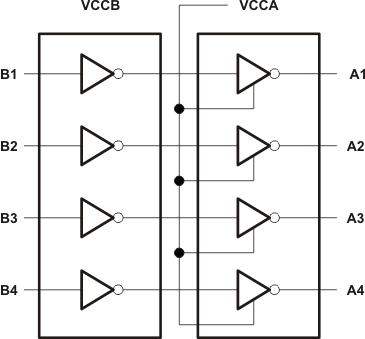
74AVC4T2344-bit dual-supply bus transceiver with config voltage translation | Logic | 2 | Active | This 4-bit non-inverting bus transceiver uses two separate configurable power-supply rails to enable asynchronous communication between B-port inputs and A-port outputs. The A port is designed to track VCCAwhile the B port is designed to track VCCB. Both VCCAand VCCBare configurable from 0.9 V to 3.6 V.
The SN74AVC4T234 solution offers the industry’s low-power needs in battery-powered portable applications by ensuring both a very low static and dynamic power consumption across the entire VCCrange of 0.9 V to 3.6 V, resulting in an increased battery life. This product also maintains excellent signal integrity.
This device is fully specified for partial-power-down applications using Ioff. The Ioffcircuitry disables the outputs, preventing damaging current backflow through the device when it is powered down.
The VCCisolation feature ensures that if either VCCinput is at GND, then A-side ports are in the high-impedance state.
This 4-bit non-inverting bus transceiver uses two separate configurable power-supply rails to enable asynchronous communication between B-port inputs and A-port outputs. The A port is designed to track VCCAwhile the B port is designed to track VCCB. Both VCCAand VCCBare configurable from 0.9 V to 3.6 V.
The SN74AVC4T234 solution offers the industry’s low-power needs in battery-powered portable applications by ensuring both a very low static and dynamic power consumption across the entire VCCrange of 0.9 V to 3.6 V, resulting in an increased battery life. This product also maintains excellent signal integrity.
This device is fully specified for partial-power-down applications using Ioff. The Ioffcircuitry disables the outputs, preventing damaging current backflow through the device when it is powered down.
The VCCisolation feature ensures that if either VCCinput is at GND, then A-side ports are in the high-impedance state. |
74AVC4T245Automotive four-bit dual-supply bus transceiver with configurable voltage-level shifting | Buffers, Drivers, Receivers, Transceivers | 17 | Active | This 4-bit noninverting bus transceiver uses two separate configurable power-supply rails. The A port is designed to track VCCA. VCCA accepts any supply voltage from 1.2V to 3.6V. The B port is designed to track VCCB. VCCB accepts any supply voltage from 1.2V to 3.6V. The SN74AVC4T245 is optimized to operate with VCCA/VCCB set at 1.4V to 3.6V. It is operational with VCCA/VCCB as low as 1.2V. This allows for universal low-voltage bidirectional translation between any of the 1.2V, 1.5V, 1.8V, 2.5V, and 3.3V voltage nodes.
The SN74AVC4T245 device is designed for asynchronous communication between two data buses. The logic levels of the direction-control (DIR) input and the output-enable (OE) input activate either the B-port outputs or the A-port outputs or place both output ports into the high-impedance mode. The device transmits data from the A bus to the B bus when the B-port outputs are activated, and from the B bus to the A bus when the A-port outputs are activated. The input circuitry on both A and B ports is always active and must have a logic HIGH or LOW level applied to prevent excess ICC and ICCZ.
The SN74AVC4T245 device is designed so that VCCA supplies the control pins (1DIR, 2DIR, 1 OE, and 2 OE).
This device is fully specified for partial-power-down applications using Ioff. The Ioff circuitry disables the outputs, preventing damaging current backflow through the device when it is powered down.
The VCC isolation feature is designed so that if either VCC input is at GND, then both ports are in the high-impedance state.
To put the device in the high-impedance state during power up or power down, tie OE to VCC through a pullup resistor; the current-sinking capability of the driver determines the minimum value of the resistor.
This 4-bit noninverting bus transceiver uses two separate configurable power-supply rails. The A port is designed to track VCCA. VCCA accepts any supply voltage from 1.2V to 3.6V. The B port is designed to track VCCB. VCCB accepts any supply voltage from 1.2V to 3.6V. The SN74AVC4T245 is optimized to operate with VCCA/VCCB set at 1.4V to 3.6V. It is operational with VCCA/VCCB as low as 1.2V. This allows for universal low-voltage bidirectional translation between any of the 1.2V, 1.5V, 1.8V, 2.5V, and 3.3V voltage nodes.
The SN74AVC4T245 device is designed for asynchronous communication between two data buses. The logic levels of the direction-control (DIR) input and the output-enable (OE) input activate either the B-port outputs or the A-port outputs or place both output ports into the high-impedance mode. The device transmits data from the A bus to the B bus when the B-port outputs are activated, and from the B bus to the A bus when the A-port outputs are activated. The input circuitry on both A and B ports is always active and must have a logic HIGH or LOW level applied to prevent excess ICC and ICCZ.
The SN74AVC4T245 device is designed so that VCCA supplies the control pins (1DIR, 2DIR, 1 OE, and 2 OE).
This device is fully specified for partial-power-down applications using Ioff. The Ioff circuitry disables the outputs, preventing damaging current backflow through the device when it is powered down.
The VCC isolation feature is designed so that if either VCC input is at GND, then both ports are in the high-impedance state.
To put the device in the high-impedance state during power up or power down, tie OE to VCC through a pullup resistor; the current-sinking capability of the driver determines the minimum value of the resistor. |