T
Texas Instruments
| Series | Category | # Parts | Status | Description |
|---|---|---|---|---|
| Part | Spec A | Spec B | Spec C | Spec D | Description |
|---|---|---|---|---|---|



| Series | Category | # Parts | Status | Description |
|---|---|---|---|---|
| Part | Spec A | Spec B | Spec C | Spec D | Description |
|---|---|---|---|---|---|
| Part | Category | Description |
|---|---|---|
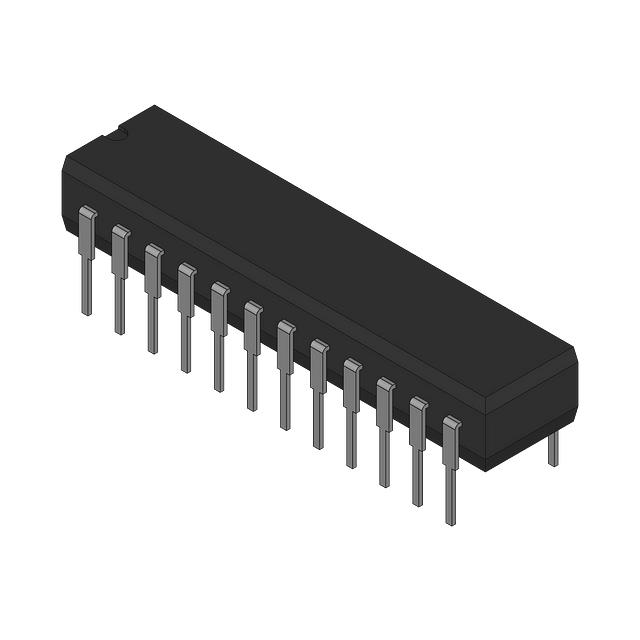 Texas Instruments | Integrated Circuits (ICs) | BUS DRIVER, BCT/FBT SERIES |
 Texas Instruments | Integrated Circuits (ICs) | 12BIT 3.3V~3.6V 210MHZ PARALLEL VQFN-48-EP(7X7) ANALOG TO DIGITAL CONVERTERS (ADC) ROHS |
Texas Instruments | Integrated Circuits (ICs) | TMX320DRE311 179PIN UBGA 200MHZ |
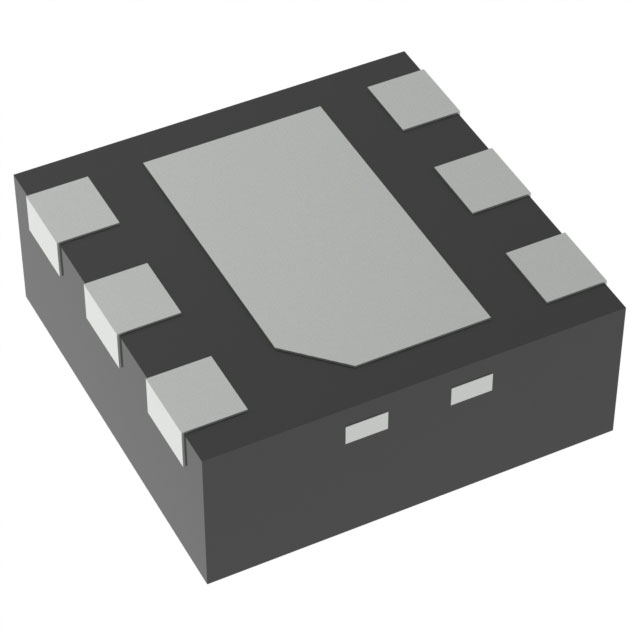 Texas Instruments TPS61040DRVTG4Unknown | Integrated Circuits (ICs) | IC LED DRV RGLTR PWM 350MA 6WSON |
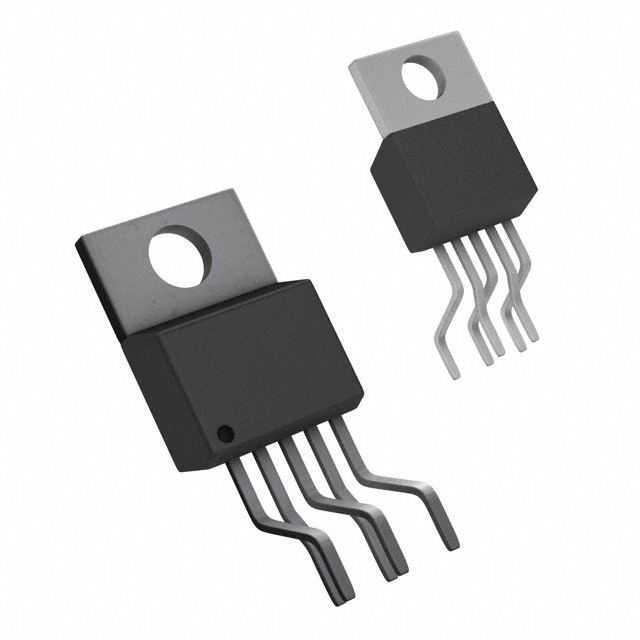 Texas Instruments LP3876ET-2.5Obsolete | Integrated Circuits (ICs) | IC REG LINEAR 2.5V 3A TO220-5 |
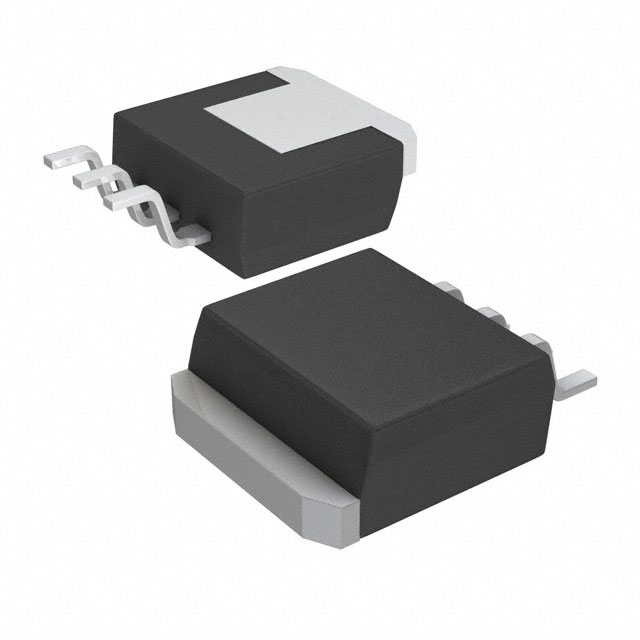 Texas Instruments LMS1585ACSX-ADJObsolete | Integrated Circuits (ICs) | IC REG LIN POS ADJ 5A DDPAK |
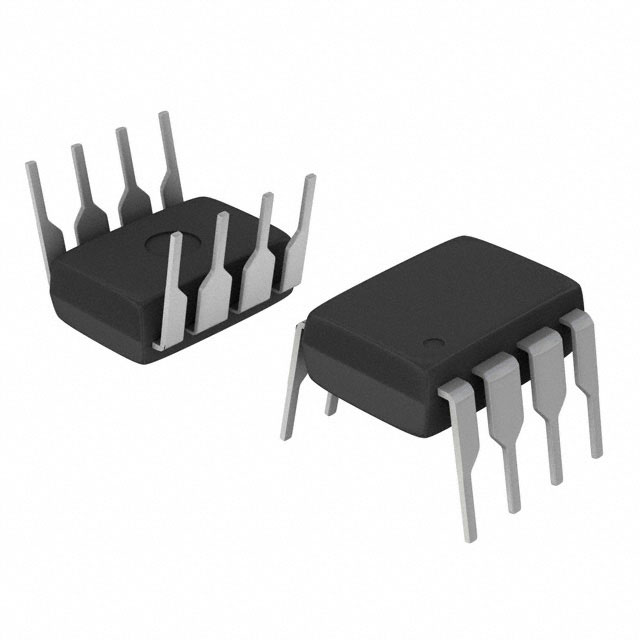 Texas Instruments INA111APG4Obsolete | Integrated Circuits (ICs) | IC INST AMP 1 CIRCUIT 8DIP |
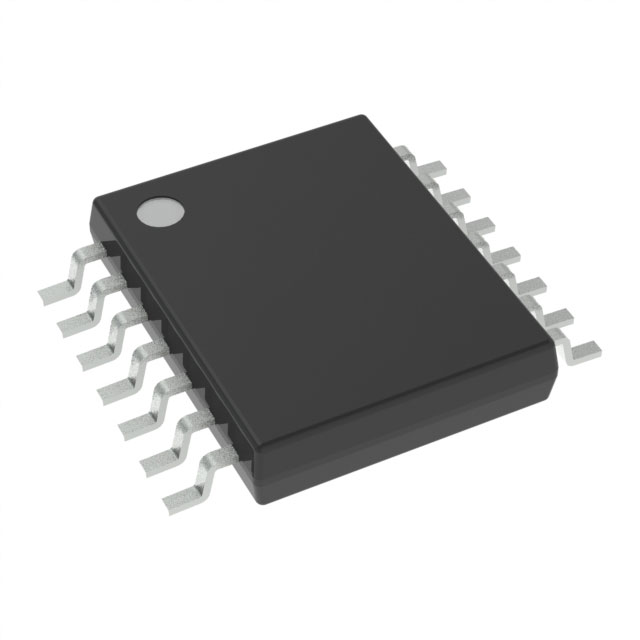 Texas Instruments | Integrated Circuits (ICs) | AUTOMOTIVE, QUAD 36V 1.2MHZ OPERATIONAL AMPLIFIER |
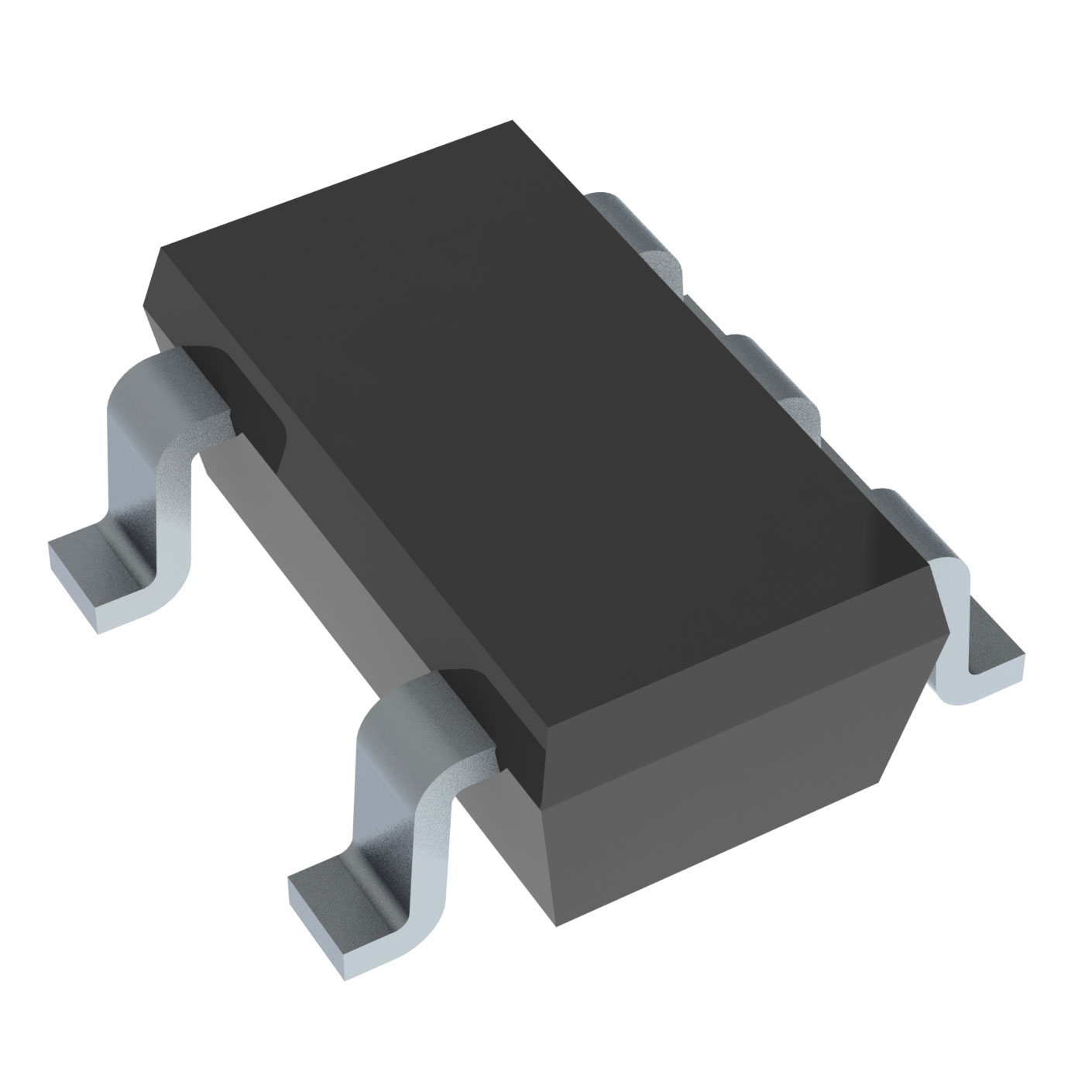 Texas Instruments OPA340NA/3KG4Unknown | Integrated Circuits (ICs) | IC OPAMP GP 1 CIRCUIT SOT23-5 |
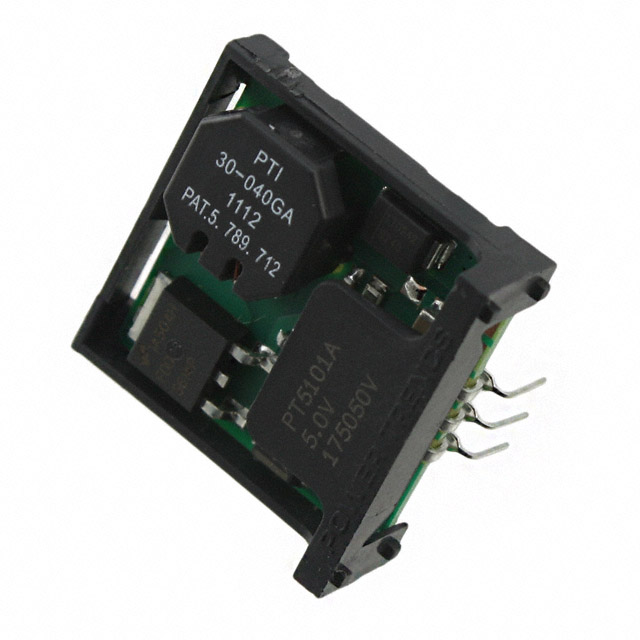 Texas Instruments PT5112AObsolete | Power Supplies - Board Mount | DC DC CONVERTER 8V 8W |
| Series | Category | # Parts | Status | Description |
|---|---|---|---|---|
TPS40304A3-V to 20-V, 25-A, 600 kHz synchronous buck controller with FSS and wide operating temp range | Development Boards, Kits, Programmers | 4 | Active | The TPS4030x is a family of cost-optimized synchronous buck controllers that operate from 3-V to 20-V input. The controller implements a voltage-mode control architecture with input-voltage feed-forward compensation that responds instantly to a change in input voltage. The switching frequency is fixed at 300 kHz, 600 kHz, or 1.2 MHz.
The frequency spread-spectrum (FSS) feature adds to the switching frequency, significantly reducing the peak EMI noise and making it much easier to comply with EMI standards.
The TPS4030x offers design with a variety of user-programmable functions, including soft start, overcurrent protection (OCP) levels, and loop compensation.
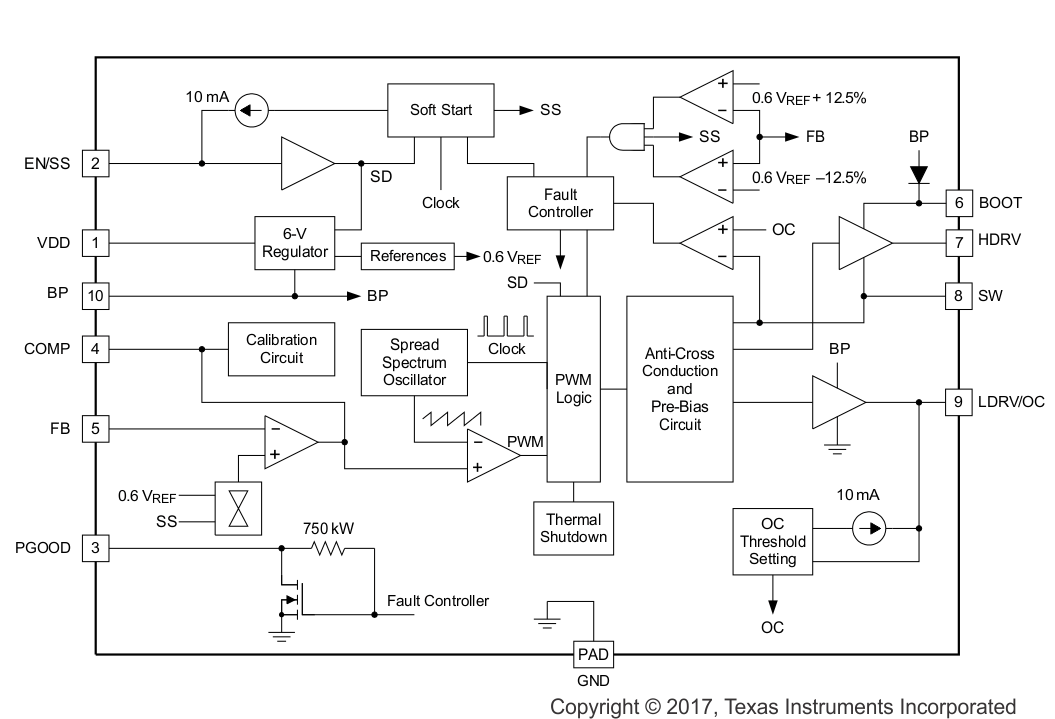
OCP level may be programmed by a single external resistor connected from the LDRV pin to circuit ground. During initial power on, the TPS4030x enters a calibration cycle, measures the voltage at the LDRV pin, and sets an internal OCP voltage level. During operation, the programmed OCP voltage level is compared to the voltage drop across the low-side FET when it is on to determine whether there is an overcurrent condition. The TPS4030x then enters a shutdown and restart cycle until the fault is removed.
The TPS4030x is a family of cost-optimized synchronous buck controllers that operate from 3-V to 20-V input. The controller implements a voltage-mode control architecture with input-voltage feed-forward compensation that responds instantly to a change in input voltage. The switching frequency is fixed at 300 kHz, 600 kHz, or 1.2 MHz.
The frequency spread-spectrum (FSS) feature adds to the switching frequency, significantly reducing the peak EMI noise and making it much easier to comply with EMI standards.
The TPS4030x offers design with a variety of user-programmable functions, including soft start, overcurrent protection (OCP) levels, and loop compensation.
OCP level may be programmed by a single external resistor connected from the LDRV pin to circuit ground. During initial power on, the TPS4030x enters a calibration cycle, measures the voltage at the LDRV pin, and sets an internal OCP voltage level. During operation, the programmed OCP voltage level is compared to the voltage drop across the low-side FET when it is on to determine whether there is an overcurrent condition. The TPS4030x then enters a shutdown and restart cycle until the fault is removed. |
TPS403053-V to 20-V, 25-A, 1.2-MHz synchronous buck controller with FSS | DC/DC & AC/DC (Off-Line) SMPS Evaluation Boards | 3 | Active | The TPS4030x is a family of cost-optimized synchronous buck controllers that operate from 3-V to 20-V input. The controller implements a voltage-mode control architecture with input-voltage feed-forward compensation that responds instantly to a change in input voltage. The switching frequency is fixed at 300 kHz, 600 kHz, or 1.2 MHz.
The frequency spread-spectrum (FSS) feature adds to the switching frequency, significantly reducing the peak EMI noise and making it much easier to comply with EMI standards.
The TPS4030x offers design with a variety of user-programmable functions, including soft start, overcurrent protection (OCP) levels, and loop compensation.
OCP level may be programmed by a single external resistor connected from the LDRV pin to circuit ground. During initial power on, the TPS4030x enters a calibration cycle, measures the voltage at the LDRV pin, and sets an internal OCP voltage level. During operation, the programmed OCP voltage level is compared to the voltage drop across the low-side FET when it is on to determine whether there is an overcurrent condition. The TPS4030x then enters a shutdown and restart cycle until the fault is removed.
The TPS4030x is a family of cost-optimized synchronous buck controllers that operate from 3-V to 20-V input. The controller implements a voltage-mode control architecture with input-voltage feed-forward compensation that responds instantly to a change in input voltage. The switching frequency is fixed at 300 kHz, 600 kHz, or 1.2 MHz.
The frequency spread-spectrum (FSS) feature adds to the switching frequency, significantly reducing the peak EMI noise and making it much easier to comply with EMI standards.
The TPS4030x offers design with a variety of user-programmable functions, including soft start, overcurrent protection (OCP) levels, and loop compensation.
OCP level may be programmed by a single external resistor connected from the LDRV pin to circuit ground. During initial power on, the TPS4030x enters a calibration cycle, measures the voltage at the LDRV pin, and sets an internal OCP voltage level. During operation, the programmed OCP voltage level is compared to the voltage drop across the low-side FET when it is on to determine whether there is an overcurrent condition. The TPS4030x then enters a shutdown and restart cycle until the fault is removed. |
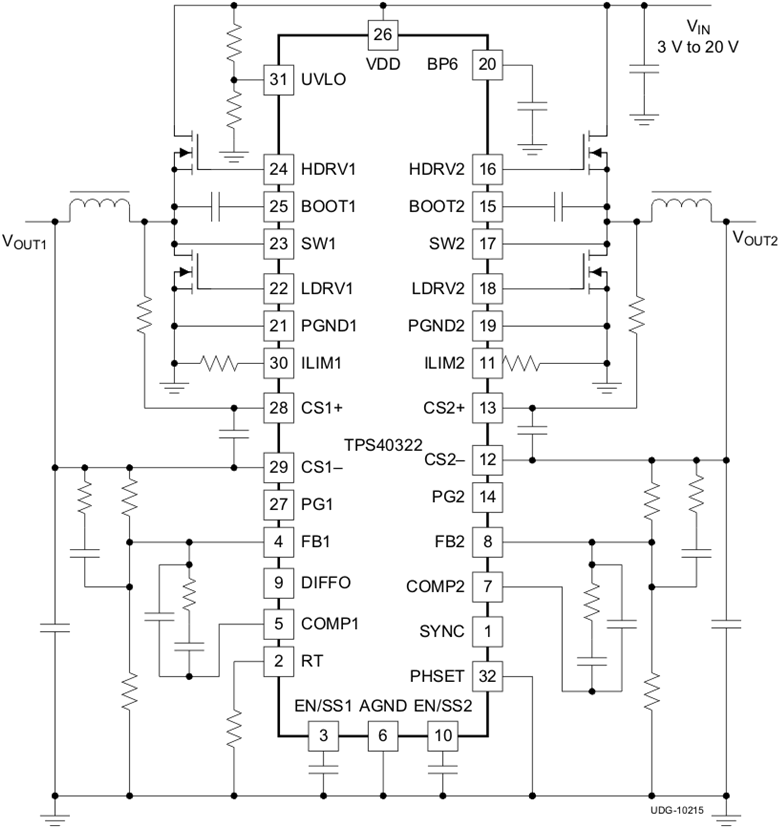
TPS40322Dual Output or Two-phase Synchronous Buck Controller | Development Boards, Kits, Programmers | 4 | Active | The TPS40322 device is a dual-output, synchronous buck controller. It can also be configured as a single-output, two-phase controller. The 180° out-of-phase operation reduces the input current ripple and extends the input capacitor lifetime. Bidirectional master and slave synchronization function provides evenly distributed phase shift for a four-output system that reduces input ripple further and attenuates the system noise.
The wide input range can support 3.3-V, 5-V, and 12-V buses. The accurate reference voltage satisfies the precision voltage needed by ASICs and potentially reduces the output capacitance requirement. Separate PGOOD signals provide flexibility for system monitoring and sequencing. The two channels are independently controlled and each soft-start time is programmable. Voltage mode control is implemented to reduce noise sensitivity and also ensures low duty ratio conversion.
The TPS40322 device is a dual-output, synchronous buck controller. It can also be configured as a single-output, two-phase controller. The 180° out-of-phase operation reduces the input current ripple and extends the input capacitor lifetime. Bidirectional master and slave synchronization function provides evenly distributed phase shift for a four-output system that reduces input ripple further and attenuates the system noise.
The wide input range can support 3.3-V, 5-V, and 12-V buses. The accurate reference voltage satisfies the precision voltage needed by ASICs and potentially reduces the output capacitance requirement. Separate PGOOD signals provide flexibility for system monitoring and sequencing. The two channels are independently controlled and each soft-start time is programmable. Voltage mode control is implemented to reduce noise sensitivity and also ensures low duty ratio conversion. |
| Power Management (PMIC) | 2 | Active | ||
| Development Boards, Kits, Programmers | 1 | Active | ||
TPS40422Dual Output or Multiphase Synchronous Buck Controller with PMBus | DC DC Switching Controllers | 4 | Active | The TPS40422 is a dual-output PMBus protocol, synchronous buck controller. It can be configured also for a single, two-phase output.
The wide input range supports 5-V and 12-V intermediate buses. The accurate reference voltage satisfies the need of precision voltage to the modern ASICs and potentially reduces the output capacitance. Voltage mode control reduces noise sensitivity and also ensures low duty ratio conversion.
The TPS40422 is a dual-output PMBus protocol, synchronous buck controller. It can be configured also for a single, two-phase output.
The wide input range supports 5-V and 12-V intermediate buses. The accurate reference voltage satisfies the need of precision voltage to the modern ASICs and potentially reduces the output capacitance. Voltage mode control reduces noise sensitivity and also ensures low duty ratio conversion. |
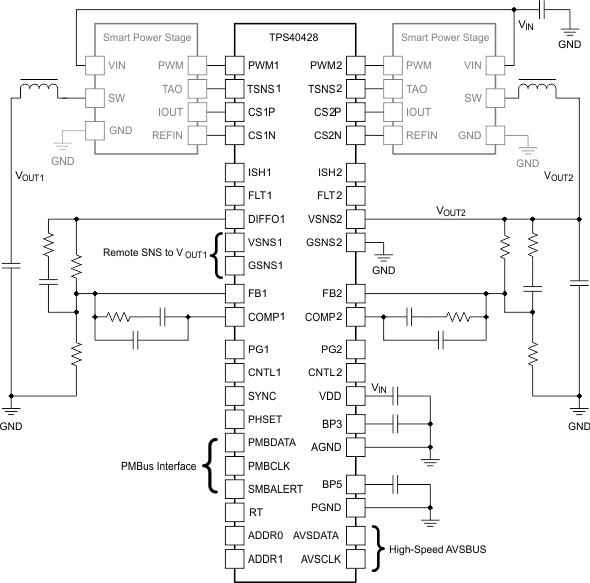
TPS40428Dual Output, 2-Phase, Stackable PMBus Synchronous Buck Driverless Controller | Development Boards, Kits, Programmers | 2 | Active | The TPS40428 device is a PMBus, synchronous buck, driverless controller. It operates in smart power mode with factory default settings, and it can operate in non-smart power mode after PMBus programing and power reboot. It can be configured for dual-output or 2-phase operation. It is also stackable up to 4 phases to support load current as high as 120 A. Interleaved phase shift for 2-. 3-, or 4-phases reduce the input and output ripples therefore reducing input and output capacitance.
The wide input voltage range can support 5-V and 12-V intermediate supply buses. The 0.5% reference voltage satisfies the need of precision voltage to the modern ASICs.
Using the PMBus standard, the TPS40428 device can program reference voltage, fault limit, UVLO threshold, soft-start time and turn-on and turn-off delay.
In addition, the device implements an accurate measurement system to monitor the output voltages, currents and temperatures for individual channels.
The TPS40428 device is a PMBus, synchronous buck, driverless controller. It operates in smart power mode with factory default settings, and it can operate in non-smart power mode after PMBus programing and power reboot. It can be configured for dual-output or 2-phase operation. It is also stackable up to 4 phases to support load current as high as 120 A. Interleaved phase shift for 2-. 3-, or 4-phases reduce the input and output ripples therefore reducing input and output capacitance.
The wide input voltage range can support 5-V and 12-V intermediate supply buses. The 0.5% reference voltage satisfies the need of precision voltage to the modern ASICs.
Using the PMBus standard, the TPS40428 device can program reference voltage, fault limit, UVLO threshold, soft-start time and turn-on and turn-off delay.
In addition, the device implements an accurate measurement system to monitor the output voltages, currents and temperatures for individual channels. |
| Integrated Circuits (ICs) | 2 | Obsolete | ||
TPS43000Multi-Topology (buck, boost, sepic) High Frequency DC/DC Controller | Development Boards, Kits, Programmers | 3 | Active | The TPS43000 is a high-frequency, voltage-mode, synchronous PWM controller that can be used in buck, boost, SEPIC, or flyback topologies. This highly flexible, full-featured controller is designed to drive a pair of external MOSFETs (one N-channel and one P-channel), enabling it for use with a wide range of output voltages and power levels. With an automatic PFM mode, a shutdown current of less than 1 uA, a sleep-mode current of less than 100 uA and a full operating current of less than 2 mA at 1 MHz, it is ideal for building highly efficient, dc-to-dc converters.
The TPS43000 operates over a wide input voltage range of 1.8 V to 9.0 V. Typical power sources are distributed power systems, two to four nickel or alkaline batteries, or one to two lithium-ion cells. It can be used to generate regulated output voltages from as low as 0.8 V to 8 V or higher. It operates either in a fixed-frequency mode, where the user programs the frequency (up to 2 MHz), or in an automatic PFM mode. In the automatic mode, the controller goes to sleep when the inductor current goes discontinuous, and wakes up when the output voltage has fallen by 2%. In this hysteretic mode of operation, very high efficiency can be maintained over a very wide range of load current. The device can also be synchronized to an external clock source using the dual function SYNC/SD input pin.
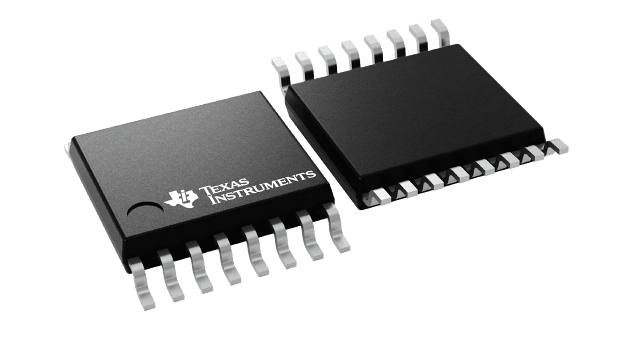
The TPS43000 features a selectable two-level current-limit circuit which senses the voltage drop across the energizing MOSFET. The user can select either pulse-by-pulse current limiting or hiccup mode overcurrent protection. The TPS43000 also features a low-power (LP) mode (which reduces gate charge losses in the N-channel MOSFET at high input/output voltages), undervoltage lockout, and soft-start. The TPS43000 is available in a 16-pin TSSOP (PW) package.
The TPS43000 is a high-frequency, voltage-mode, synchronous PWM controller that can be used in buck, boost, SEPIC, or flyback topologies. This highly flexible, full-featured controller is designed to drive a pair of external MOSFETs (one N-channel and one P-channel), enabling it for use with a wide range of output voltages and power levels. With an automatic PFM mode, a shutdown current of less than 1 uA, a sleep-mode current of less than 100 uA and a full operating current of less than 2 mA at 1 MHz, it is ideal for building highly efficient, dc-to-dc converters.
The TPS43000 operates over a wide input voltage range of 1.8 V to 9.0 V. Typical power sources are distributed power systems, two to four nickel or alkaline batteries, or one to two lithium-ion cells. It can be used to generate regulated output voltages from as low as 0.8 V to 8 V or higher. It operates either in a fixed-frequency mode, where the user programs the frequency (up to 2 MHz), or in an automatic PFM mode. In the automatic mode, the controller goes to sleep when the inductor current goes discontinuous, and wakes up when the output voltage has fallen by 2%. In this hysteretic mode of operation, very high efficiency can be maintained over a very wide range of load current. The device can also be synchronized to an external clock source using the dual function SYNC/SD input pin.
The TPS43000 features a selectable two-level current-limit circuit which senses the voltage drop across the energizing MOSFET. The user can select either pulse-by-pulse current limiting or hiccup mode overcurrent protection. The TPS43000 also features a low-power (LP) mode (which reduces gate charge losses in the N-channel MOSFET at high input/output voltages), undervoltage lockout, and soft-start. The TPS43000 is available in a 16-pin TSSOP (PW) package. |
| Power Management (PMIC) | 3 | Active | ||