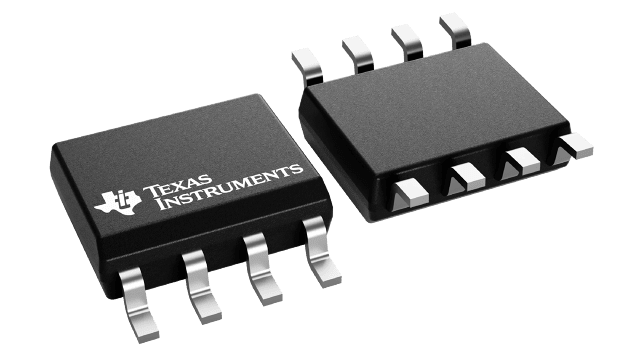
T
Texas Instruments
| Series | Category | # Parts | Status | Description |
|---|---|---|---|---|
| Part | Spec A | Spec B | Spec C | Spec D | Description |
|---|---|---|---|---|---|



| Series | Category | # Parts | Status | Description |
|---|---|---|---|---|
| Part | Spec A | Spec B | Spec C | Spec D | Description |
|---|---|---|---|---|---|
| Part | Category | Description |
|---|---|---|
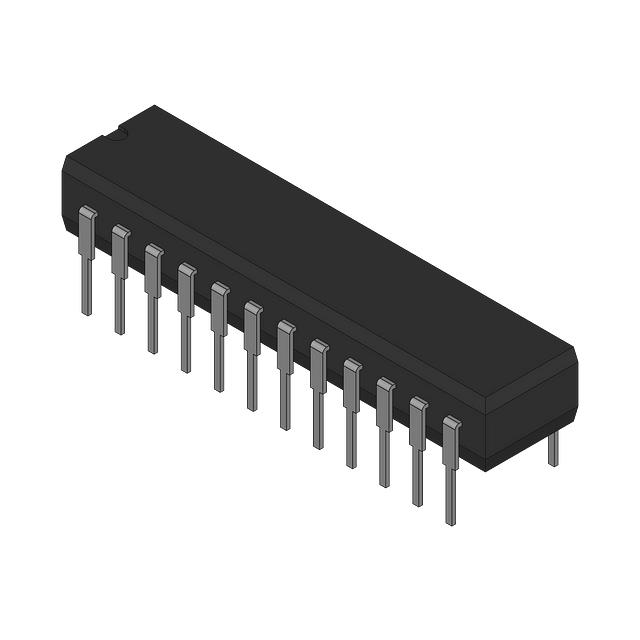 Texas Instruments | Integrated Circuits (ICs) | BUS DRIVER, BCT/FBT SERIES |
 Texas Instruments | Integrated Circuits (ICs) | 12BIT 3.3V~3.6V 210MHZ PARALLEL VQFN-48-EP(7X7) ANALOG TO DIGITAL CONVERTERS (ADC) ROHS |
Texas Instruments | Integrated Circuits (ICs) | TMX320DRE311 179PIN UBGA 200MHZ |
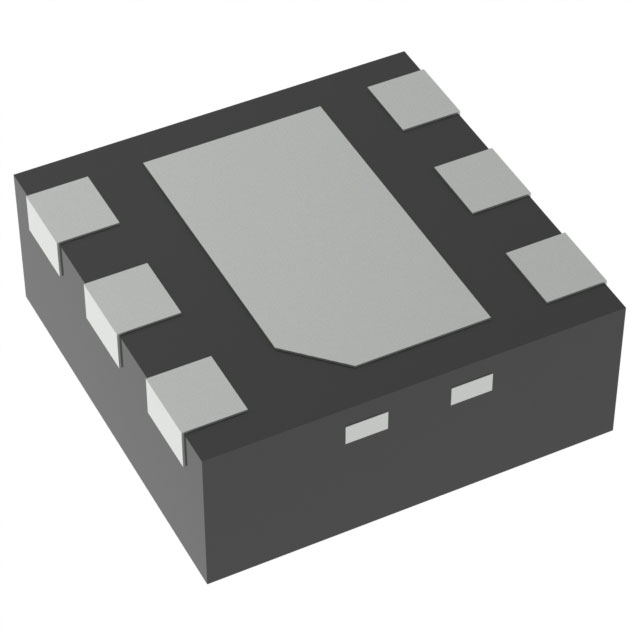 Texas Instruments TPS61040DRVTG4Unknown | Integrated Circuits (ICs) | IC LED DRV RGLTR PWM 350MA 6WSON |
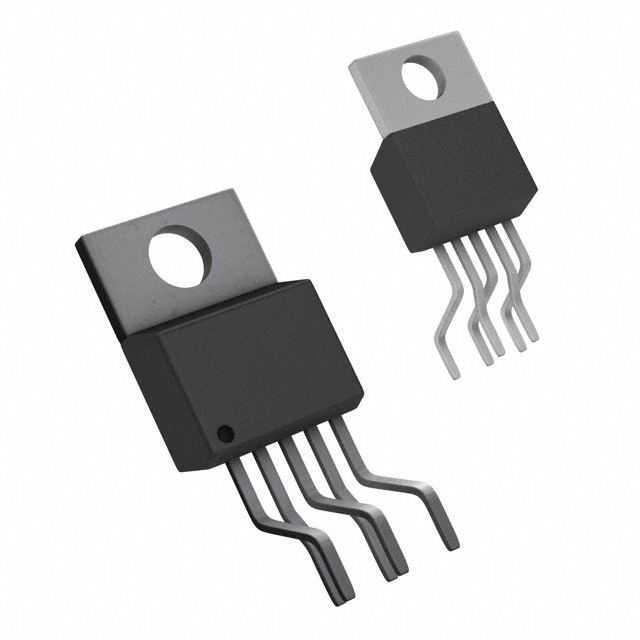 Texas Instruments LP3876ET-2.5Obsolete | Integrated Circuits (ICs) | IC REG LINEAR 2.5V 3A TO220-5 |
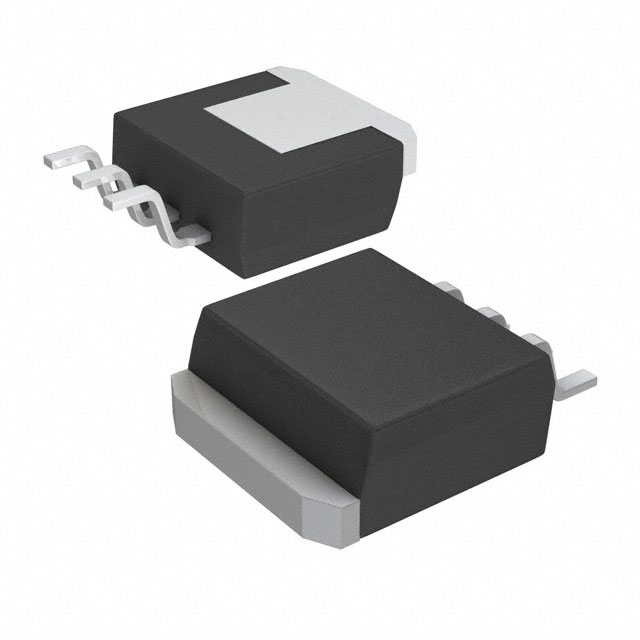 Texas Instruments LMS1585ACSX-ADJObsolete | Integrated Circuits (ICs) | IC REG LIN POS ADJ 5A DDPAK |
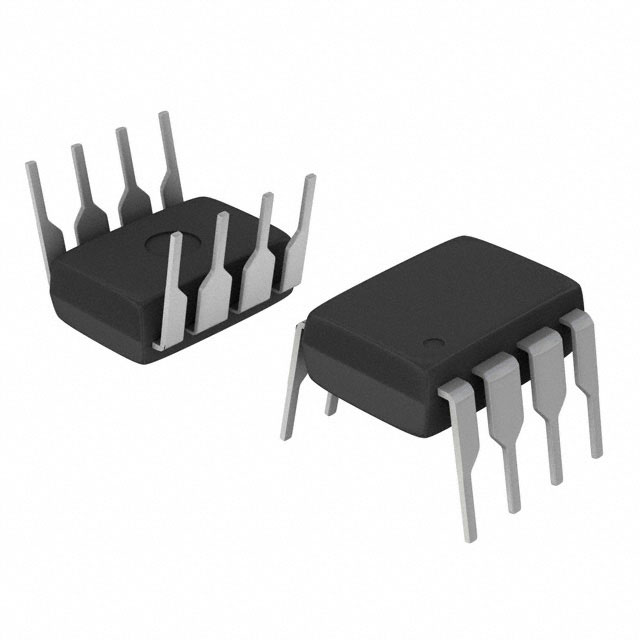 Texas Instruments INA111APG4Obsolete | Integrated Circuits (ICs) | IC INST AMP 1 CIRCUIT 8DIP |
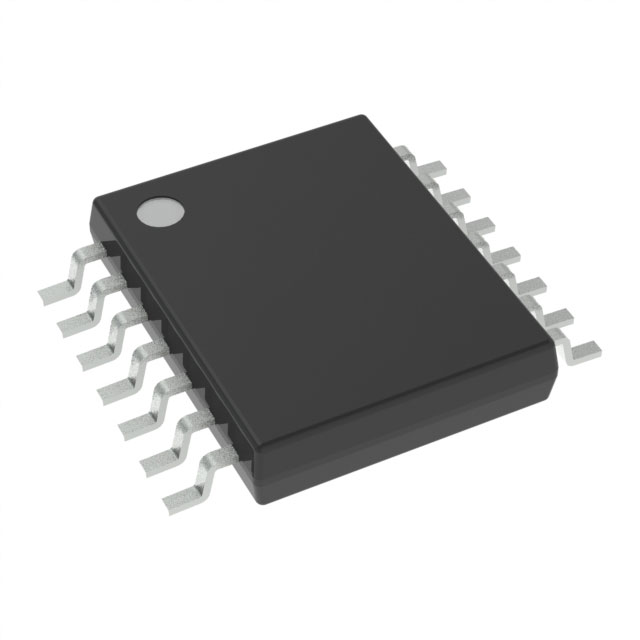 Texas Instruments | Integrated Circuits (ICs) | AUTOMOTIVE, QUAD 36V 1.2MHZ OPERATIONAL AMPLIFIER |
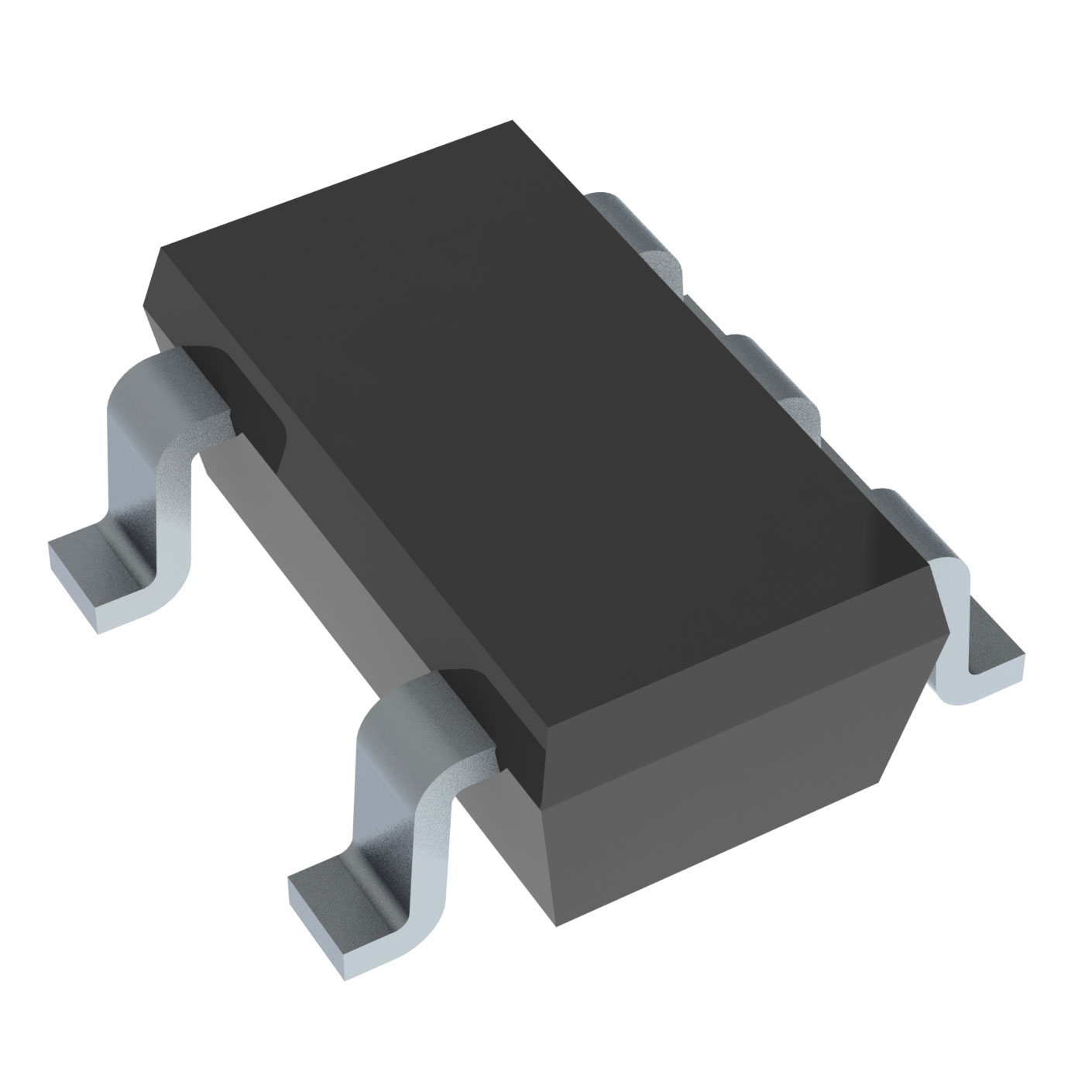 Texas Instruments OPA340NA/3KG4Unknown | Integrated Circuits (ICs) | IC OPAMP GP 1 CIRCUIT SOT23-5 |
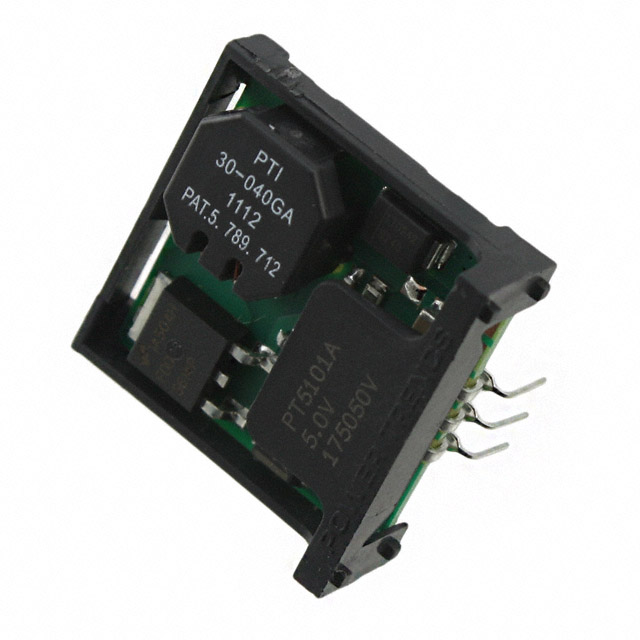 Texas Instruments PT5112AObsolete | Power Supplies - Board Mount | DC DC CONVERTER 8V 8W |
| Series | Category | # Parts | Status | Description |
|---|---|---|---|---|
TLC7226M8-Bit, 5 us Quad DAC, Parallel Input, Single / Dual Supply | Integrated Circuits (ICs) | 1 | Active | The TLC7226C, TLC7226I, and TLC7226M consist of four 8-bit voltage-output digital-to-analog converters (DACs) with output buffer amplifiers and interface logic on a single monolithic chip.
Separate on-chip latches are provided for each of the four DACs. Data is transferred into one of these data latches through a common 8-bit TTL/CMOS-compatible 5-V input port. Control inputs A0 and A1 determine which DAC is loaded whenWRgoes low. The control logic is speed compatible with most 8-bit microprocessors.
Each DAC includes an output buffer amplifier capable of sourcing up to 5 mA of output current.
The TLC7226 performance is specified for input reference voltages from 2 V to VDD– 4 V with dual supplies. The voltage mode configuration of the DACs allows the TLC7226 to be operated from a single power supply rail at a reference of 10 V.
The TLC7226 is fabricated in a LinBiCMOS™ process that has been specifically developed to allow high-speed digital logic circuits and precision analog circuits to be integrated on the same chip. The TLC7226 has a common 8-bit data bus with individual DAC latches. This provides a versatile control architecture for simple interface to microprocessors. All latch-enable signals are level triggered.
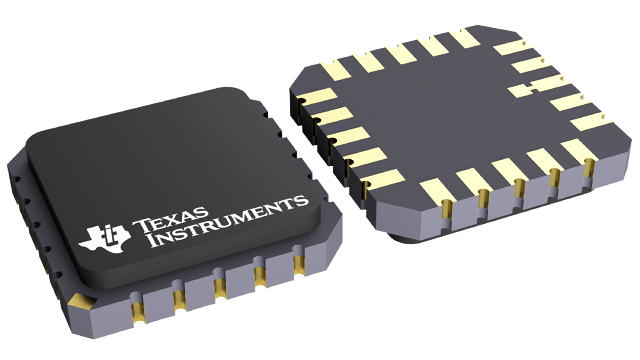
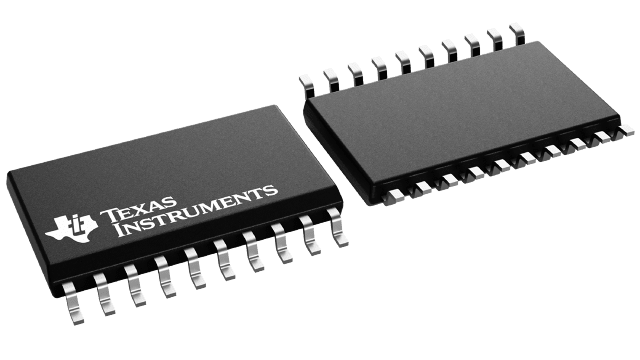
Combining four DACs, four operational amplifiers, and interface logic into either a 0.3-inch wide, 20-terminal dual-in-line IC (DIP) or a small 20-terminal small-outline IC (SOIC) allows a dramatic reduction in board space requirements and offers increased reliability in systems using multiple converters. The Leadless Ceramic Chip Carrier (LCCC) package provides for operation at military temperature range. The pinout is aimed at optimizing board layout with all of the analog inputs and outputs at one end of the package and all of the digital inputs at the other.
The TLC7226C is characterized for operation from 0°C to 70°C. The TLC7226I is characterized for operation from –25°C to 85°C. The TLC7226M is characterized for operation from –55°C to 125°C.
The TLC7226C, TLC7226I, and TLC7226M consist of four 8-bit voltage-output digital-to-analog converters (DACs) with output buffer amplifiers and interface logic on a single monolithic chip.
Separate on-chip latches are provided for each of the four DACs. Data is transferred into one of these data latches through a common 8-bit TTL/CMOS-compatible 5-V input port. Control inputs A0 and A1 determine which DAC is loaded whenWRgoes low. The control logic is speed compatible with most 8-bit microprocessors.
Each DAC includes an output buffer amplifier capable of sourcing up to 5 mA of output current.
The TLC7226 performance is specified for input reference voltages from 2 V to VDD– 4 V with dual supplies. The voltage mode configuration of the DACs allows the TLC7226 to be operated from a single power supply rail at a reference of 10 V.
The TLC7226 is fabricated in a LinBiCMOS™ process that has been specifically developed to allow high-speed digital logic circuits and precision analog circuits to be integrated on the same chip. The TLC7226 has a common 8-bit data bus with individual DAC latches. This provides a versatile control architecture for simple interface to microprocessors. All latch-enable signals are level triggered.
Combining four DACs, four operational amplifiers, and interface logic into either a 0.3-inch wide, 20-terminal dual-in-line IC (DIP) or a small 20-terminal small-outline IC (SOIC) allows a dramatic reduction in board space requirements and offers increased reliability in systems using multiple converters. The Leadless Ceramic Chip Carrier (LCCC) package provides for operation at military temperature range. The pinout is aimed at optimizing board layout with all of the analog inputs and outputs at one end of the package and all of the digital inputs at the other.
The TLC7226C is characterized for operation from 0°C to 70°C. The TLC7226I is characterized for operation from –25°C to 85°C. The TLC7226M is characterized for operation from –55°C to 125°C. |
| Integrated Circuits (ICs) | 5 | Obsolete | ||
TLC75248-bit, 0.1-μs MDAC, parallel input, fast control signaling for DSP, easy micro interface | Data Acquisition | 17 | Active | The TLC7524C, TLC7524E, and TLC7524I are CMOS, 8-bit, digital-to-analog converters (DACs) designed for easy interface to most popular microprocessors.
The devices are 8-bit, multiplying DACs with input latches and load cycles similar to the write cycles of a random access memory. Segmenting the high-order bits minimizes glitches during changes in the most significant bits, which produce the highest glitch impulse. The devices provide accuracy to 1/2 LSB without the need for thin-film resistors or laser trimming, while dissipating less than 5 mW typically.
Featuring operation from a 5V to 15V single supply, these devices interface easily to most microprocessor buses or output ports. The 2- or 4-quadrant multiplying makes these devices an ideal choice for many microprocessor-controlled gain-setting and signal-control applications.
The TLC7524C is characterized for operation from 0°C to 70°C. The TLC7524I is characterized for operation from -25°C to 85°C. The TLC7524E is characterized for operation from -40°C to 85°C.
The TLC7524C, TLC7524E, and TLC7524I are CMOS, 8-bit, digital-to-analog converters (DACs) designed for easy interface to most popular microprocessors.
The devices are 8-bit, multiplying DACs with input latches and load cycles similar to the write cycles of a random access memory. Segmenting the high-order bits minimizes glitches during changes in the most significant bits, which produce the highest glitch impulse. The devices provide accuracy to 1/2 LSB without the need for thin-film resistors or laser trimming, while dissipating less than 5 mW typically.
Featuring operation from a 5V to 15V single supply, these devices interface easily to most microprocessor buses or output ports. The 2- or 4-quadrant multiplying makes these devices an ideal choice for many microprocessor-controlled gain-setting and signal-control applications.
The TLC7524C is characterized for operation from 0°C to 70°C. The TLC7524I is characterized for operation from -25°C to 85°C. The TLC7524E is characterized for operation from -40°C to 85°C. |
TLC75288-bit, 0.1 μs dual MDAC, parallel input, fast control signaling for DSP, easy micro I/F | Integrated Circuits (ICs) | 21 | Active | The TLC7528C, TLC7528E, and TLC7528I are dual, 8-bit, digital-to-analog converters (DACs) designed with separate on-chip data latches and feature exceptionally close DAC-to-DAC matching. Data is transferred to either of the two DAC data latches through a common, 8-bit, input port. Control inputDACA/DACB determines which DAC is to be loaded. The load cycle of these devices is similar to the write cycle of a random-access memory, allowing easy interface to most popular microprocessor buses and output ports. Segmenting the high-order bits minimizes glitches during changes in the most significant bits, where glitch impulse is typically the strongest.
These devices operate from a 5V to 15V power supply and dissipates less than 15 mW (typical). The 2- or 4-quadrant multiplying makes these devices a sound choice for many microprocessor-controlled gain-setting and signal-control applications. It can be operated in voltage mode, which produces a voltage output rather than a current output. Refer to the typical application information in this data sheet.
The TLC7528C is characterized for operation from 0°C to 70°C. The TLC7528I is characterized for operation from -25°C to 85°C. The TLC7528E is characterized for operation from -40°C to 85°C.
The TLC7528C, TLC7528E, and TLC7528I are dual, 8-bit, digital-to-analog converters (DACs) designed with separate on-chip data latches and feature exceptionally close DAC-to-DAC matching. Data is transferred to either of the two DAC data latches through a common, 8-bit, input port. Control inputDACA/DACB determines which DAC is to be loaded. The load cycle of these devices is similar to the write cycle of a random-access memory, allowing easy interface to most popular microprocessor buses and output ports. Segmenting the high-order bits minimizes glitches during changes in the most significant bits, where glitch impulse is typically the strongest.
These devices operate from a 5V to 15V power supply and dissipates less than 15 mW (typical). The 2- or 4-quadrant multiplying makes these devices a sound choice for many microprocessor-controlled gain-setting and signal-control applications. It can be operated in voltage mode, which produces a voltage output rather than a current output. Refer to the typical application information in this data sheet.
The TLC7528C is characterized for operation from 0°C to 70°C. The TLC7528I is characterized for operation from -25°C to 85°C. The TLC7528E is characterized for operation from -40°C to 85°C. |
TLC76288-bit, 0.1-μs dual MDAC, parallel input, fast control signaling for DSP | Digital to Analog Converters (DAC) | 2 | Active | The TLC7628C is a dual, 8-bit, digital-to-analog converter (DAC) designed with separate on-chip data latches and featuring exceptionally close DAC-to-DAC matching. Data are transferred to either of the two DAC data latches through a common, 8-bit input port. Control inputDACA/DACB determines which DAC is loaded. The load cycle of this device is similar to the write cycle of a random-access memory, allowing easy interface to most popular microprocessor buses and output ports. Segmenting the high-order bits minimizes glitches during changes in the most significant bits, where glitch impulse is typically the strongest.
The TLC7628C operates from a 10.8-V to 15.75-V power supply and is TTL-compatible over this range. 2- or 4-quadrant multiplying makes these devices a sound choice for many microprocessor-controlled gain-setting and signal-control applications.
The TLC7628C is characterized for operation from 0°C to 70°C.
The TLC7628C is a dual, 8-bit, digital-to-analog converter (DAC) designed with separate on-chip data latches and featuring exceptionally close DAC-to-DAC matching. Data are transferred to either of the two DAC data latches through a common, 8-bit input port. Control inputDACA/DACB determines which DAC is loaded. The load cycle of this device is similar to the write cycle of a random-access memory, allowing easy interface to most popular microprocessor buses and output ports. Segmenting the high-order bits minimizes glitches during changes in the most significant bits, where glitch impulse is typically the strongest.
The TLC7628C operates from a 10.8-V to 15.75-V power supply and is TTL-compatible over this range. 2- or 4-quadrant multiplying makes these devices a sound choice for many microprocessor-controlled gain-setting and signal-control applications.
The TLC7628C is characterized for operation from 0°C to 70°C. |
TLC77-EPEnhanced Product Micropower Supply Voltage Supervisors | Supervisors | 18 | Active | The TLC77xx family of micropower supply voltage supervisors provide reset control, primarily in microcomputer and microprocessor systems.
During power-on, RESET is asserted when VDDreaches 1 V. After minimum VDD(≥ 2 V) is established, the circuit monitors SENSE voltage and keeps the reset outputs active as long as SENSE voltage (VI(SENSE)) remains below the threshold voltage. An internal timer delays return of the output to the inactive state to ensure proper system reset. The delay time (td) is determined by an external capacitor:
td= 2.1 × 10⁴× CT
Where
CTis in farads
tdis in seconds
Except for the TLC7701, which can be customized with two external resistors, each supervisor has a fixed sense threshold voltage set by an internal voltage divider. When SENSE voltage drops below the threshold voltage, the outputs become active and stay in that state until SENSE voltage returns above threshold voltage and the delay time (td) has expired.
In addition to the power-on reset and undervoltage-supervisor function, the TLC77xx adds power-down control support for static RAM. When CONTROL is tied to GND, RESET will act as active high. The voltage monitor contains additional logic intended for control of static memories with battery backup during power failure. By driving the chip select (CS) of the memory circuit with the RESET output of the TLC77xx and with the CONTROL driven by the memory bank select signal (CSH1) of the microprocessor (see ), the memory circuit is automatically disabled during a power loss. (In this application the TLC77xx power has to be supplied by the battery.)
The TLC77xx family of micropower supply voltage supervisors provide reset control, primarily in microcomputer and microprocessor systems.
During power-on, RESET is asserted when VDDreaches 1 V. After minimum VDD(≥ 2 V) is established, the circuit monitors SENSE voltage and keeps the reset outputs active as long as SENSE voltage (VI(SENSE)) remains below the threshold voltage. An internal timer delays return of the output to the inactive state to ensure proper system reset. The delay time (td) is determined by an external capacitor:
td= 2.1 × 10⁴× CT
Where
CTis in farads
tdis in seconds
Except for the TLC7701, which can be customized with two external resistors, each supervisor has a fixed sense threshold voltage set by an internal voltage divider. When SENSE voltage drops below the threshold voltage, the outputs become active and stay in that state until SENSE voltage returns above threshold voltage and the delay time (td) has expired.
In addition to the power-on reset and undervoltage-supervisor function, the TLC77xx adds power-down control support for static RAM. When CONTROL is tied to GND, RESET will act as active high. The voltage monitor contains additional logic intended for control of static memories with battery backup during power failure. By driving the chip select (CS) of the memory circuit with the RESET output of the TLC77xx and with the CONTROL driven by the memory bank select signal (CSH1) of the microprocessor (see ), the memory circuit is automatically disabled during a power loss. (In this application the TLC77xx power has to be supplied by the battery.) |
TLC77-Q1Automotive, micropower supply voltage supervisor | Power Management (PMIC) | 14 | Active | The TLC77xx family of micropower supply voltage supervisors provide reset control, primarily in microcomputer and microprocessor systems.
During power-on,RESETis asserted when VDDreaches 1 V. After minimum VDD≥ 2 V) is established, the circuit monitors SENSE voltage and keeps the reset outputs active as long as SENSE voltage (VI(SENSE)) remains below the threshold voltage. An internal timer delays return of the output to the inactive state to ensure proper system reset. The delay time, td, is determined by an external capacitor:td= 2.1 × 10⁴× CTWhereCTis in faradstdis in seconds
Except for the TLC7701, which can be customized with two external resistors, each supervisor has a fixed SENSE threshold voltage set by an internal voltage divider. When SENSE voltage drops below the threshold voltage, the outputs become active and stay in that state until SENSE voltage returns above threshold voltage and the delay time, td, has expired.
In addition to the power-on-reset and undervoltage-supervisor function, the TLC77xx adds power-down control support for static RAM. When CONTROL is tied to GND, RESET will act as active high. The voltage monitor contains additional logic intended for control of static memories with battery backup during power failure. By driving the chip select (CS) of the memory circuit with the RESET output of the TLC77xx and with the CONTROL driven by the memory bank select signal (CSH1) of the microprocessor (see Figure 10), the memory circuit is automatically disabled during a power loss. (In this application the TLC77xx power has to be supplied by the battery.)
The TLC77xx family of micropower supply voltage supervisors provide reset control, primarily in microcomputer and microprocessor systems.
During power-on,RESETis asserted when VDDreaches 1 V. After minimum VDD≥ 2 V) is established, the circuit monitors SENSE voltage and keeps the reset outputs active as long as SENSE voltage (VI(SENSE)) remains below the threshold voltage. An internal timer delays return of the output to the inactive state to ensure proper system reset. The delay time, td, is determined by an external capacitor:td= 2.1 × 10⁴× CTWhereCTis in faradstdis in seconds
Except for the TLC7701, which can be customized with two external resistors, each supervisor has a fixed SENSE threshold voltage set by an internal voltage divider. When SENSE voltage drops below the threshold voltage, the outputs become active and stay in that state until SENSE voltage returns above threshold voltage and the delay time, td, has expired.
In addition to the power-on-reset and undervoltage-supervisor function, the TLC77xx adds power-down control support for static RAM. When CONTROL is tied to GND, RESET will act as active high. The voltage monitor contains additional logic intended for control of static memories with battery backup during power failure. By driving the chip select (CS) of the memory circuit with the RESET output of the TLC77xx and with the CONTROL driven by the memory bank select signal (CSH1) of the microprocessor (see Figure 10), the memory circuit is automatically disabled during a power loss. (In this application the TLC77xx power has to be supplied by the battery.) |
| Supervisors | 1 | Obsolete | ||
| Integrated Circuits (ICs) | 17 | Active | ||
| Power Management (PMIC) | 8 | Active | ||