T
Texas Instruments
| Series | Category | # Parts | Status | Description |
|---|---|---|---|---|
| Part | Spec A | Spec B | Spec C | Spec D | Description |
|---|---|---|---|---|---|



| Series | Category | # Parts | Status | Description |
|---|---|---|---|---|
| Part | Spec A | Spec B | Spec C | Spec D | Description |
|---|---|---|---|---|---|
| Part | Category | Description |
|---|---|---|
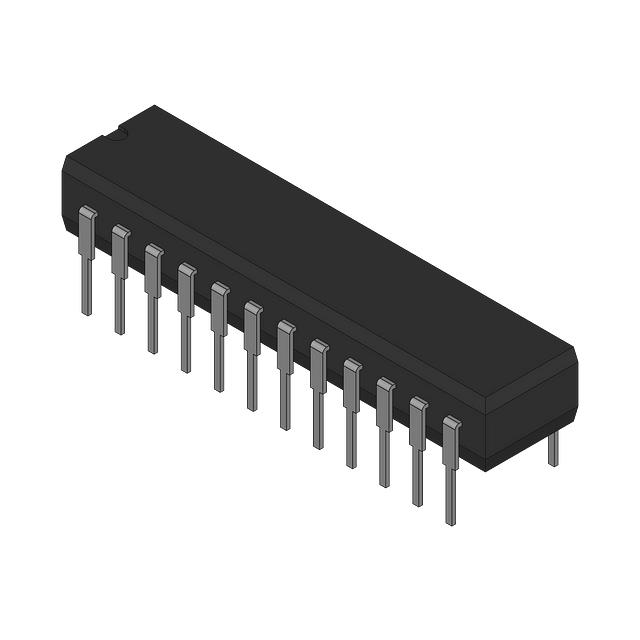 Texas Instruments | Integrated Circuits (ICs) | BUS DRIVER, BCT/FBT SERIES |
 Texas Instruments | Integrated Circuits (ICs) | 12BIT 3.3V~3.6V 210MHZ PARALLEL VQFN-48-EP(7X7) ANALOG TO DIGITAL CONVERTERS (ADC) ROHS |
Texas Instruments | Integrated Circuits (ICs) | TMX320DRE311 179PIN UBGA 200MHZ |
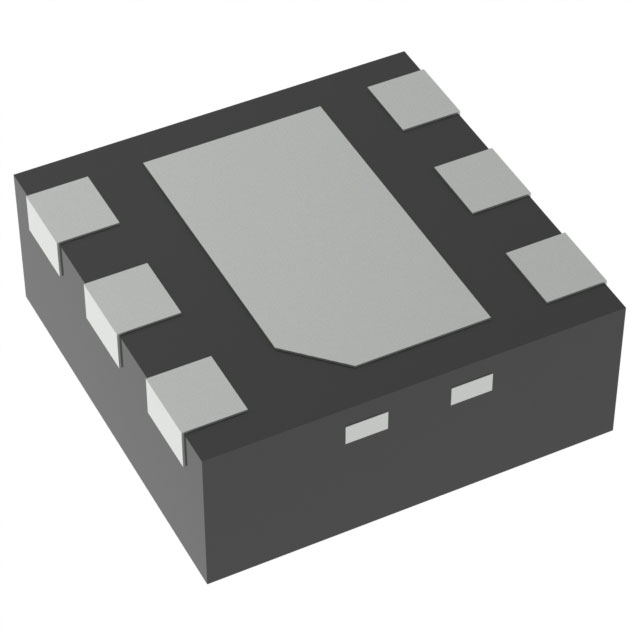 Texas Instruments TPS61040DRVTG4Unknown | Integrated Circuits (ICs) | IC LED DRV RGLTR PWM 350MA 6WSON |
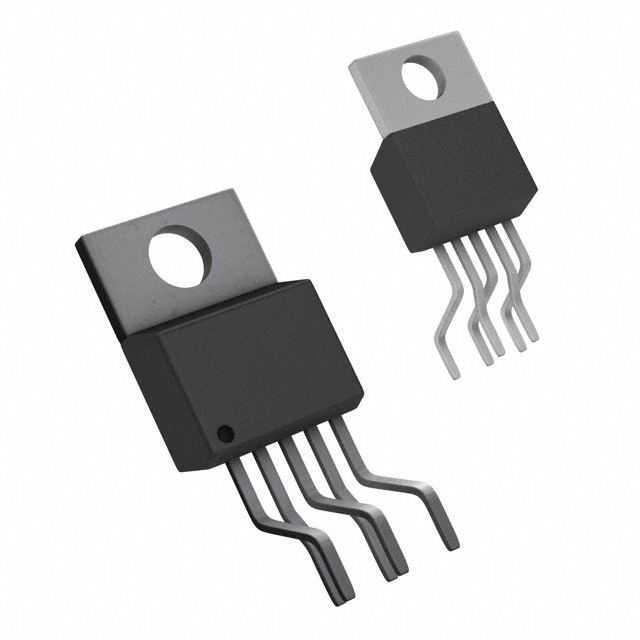 Texas Instruments LP3876ET-2.5Obsolete | Integrated Circuits (ICs) | IC REG LINEAR 2.5V 3A TO220-5 |
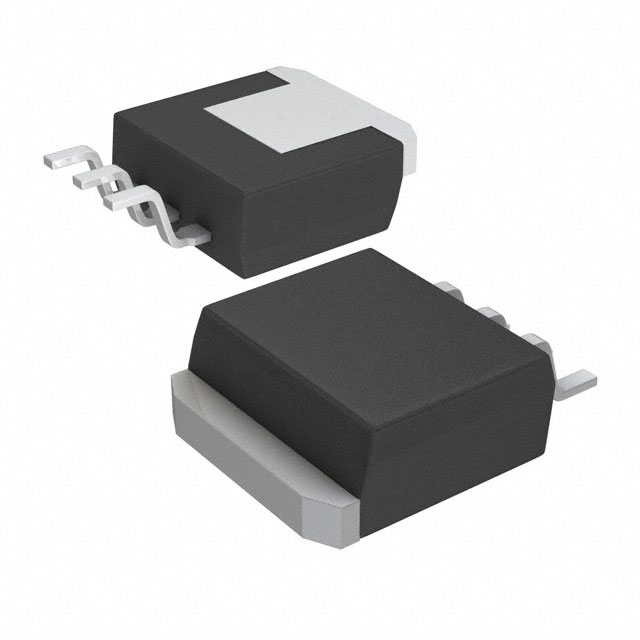 Texas Instruments LMS1585ACSX-ADJObsolete | Integrated Circuits (ICs) | IC REG LIN POS ADJ 5A DDPAK |
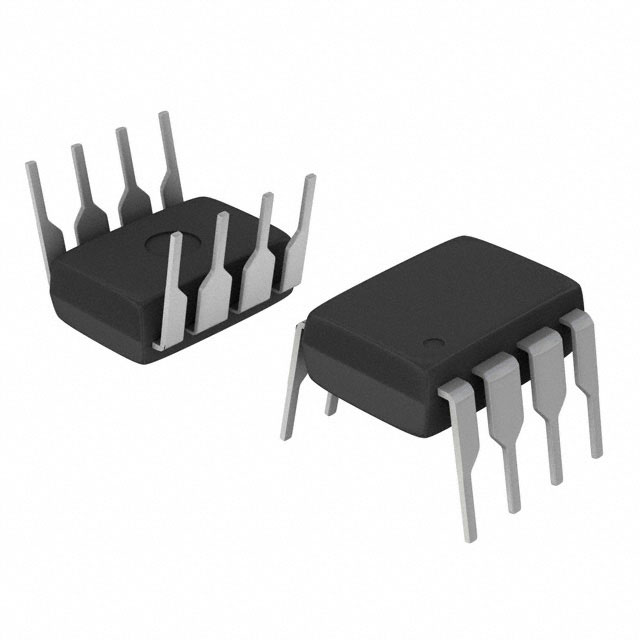 Texas Instruments INA111APG4Obsolete | Integrated Circuits (ICs) | IC INST AMP 1 CIRCUIT 8DIP |
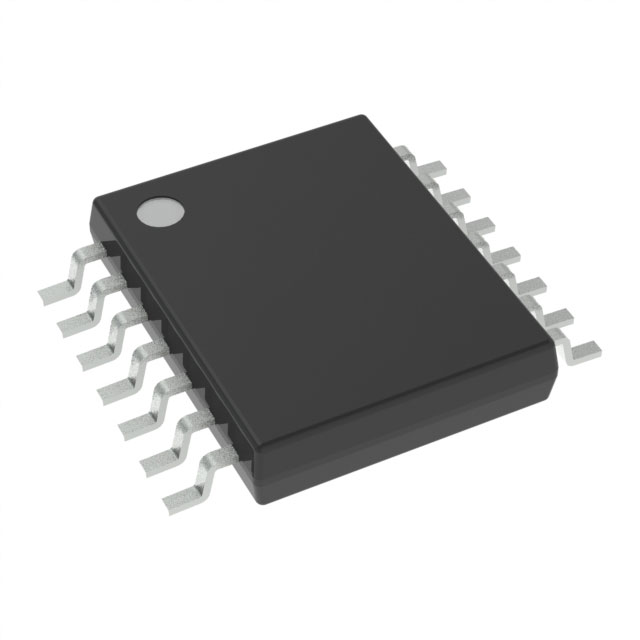 Texas Instruments | Integrated Circuits (ICs) | AUTOMOTIVE, QUAD 36V 1.2MHZ OPERATIONAL AMPLIFIER |
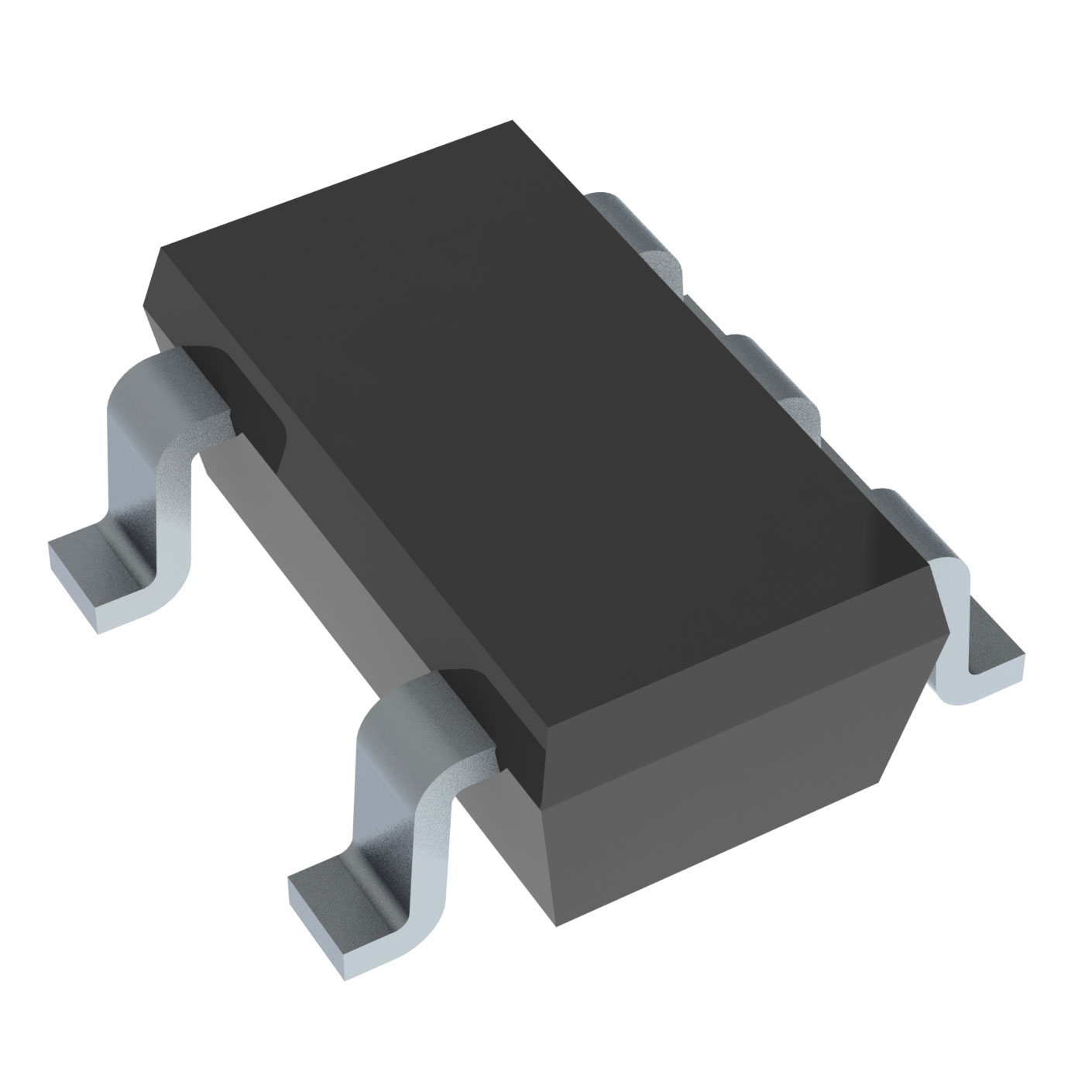 Texas Instruments OPA340NA/3KG4Unknown | Integrated Circuits (ICs) | IC OPAMP GP 1 CIRCUIT SOT23-5 |
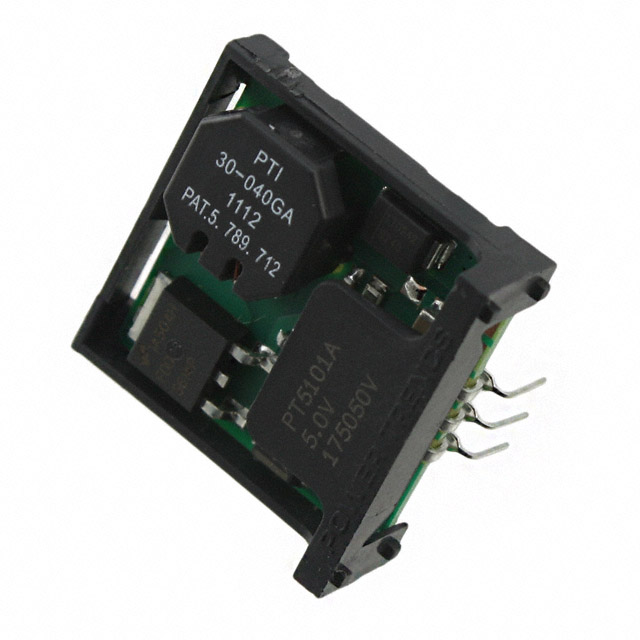 Texas Instruments PT5112AObsolete | Power Supplies - Board Mount | DC DC CONVERTER 8V 8W |
| Series | Category | # Parts | Status | Description |
|---|---|---|---|---|
TLC55218V Dual LinCMOS timer | Clock/Timing | 3 | Active | The TLC552 is a dual monolithic timing circuit fabricated using TI LinCMOSTMprocess, which provides full compatibility with CMOS, TTL, and MOS logic and operation at frequencies up to 2 MHz. Accurate time delays and oscillations are possible with smaller, less-expensive timing capacitors than the NE555 because of the high input impedance. Power consumption is low across the full range of power supply voltages.
Like the NE556, the TLC552 has a trigger level approximately one-third of the supply voltage and a threshold level approximately two-thirds of the supply voltage. These levels can be altered by use of the control voltage terminal. When the trigger input falls below the trigger level, the flip-flop is set and the output goes high. If the trigger input is above the trigger level and the threshold input is above the threshold level, the flip-flop is reset and the output is low. The reset input can override all other inputs and can be used to initiate a new timing cycle. If the reset input is low, the flip-flop is reset and the output is low. Whenever the output is low, a low-impedance path is provided between the discharge terminal and ground.
While the CMOS output is capable of sinking over 100 mA and sourcing over 10 mA, the TLC552 exhibits greatly reduced supply-current spikes during output transitions. This minimizes the need for the large decoupling capacitors required by the NE556.
These devices have internal electrostatic discharge (ESD) protection circuits that will prevent catastrophic failures at voltages up to 2000 V as tested under MIL-STD-883C, Method 3105.2. However, care should be exercised in handling these devices as exposure to ESD may result in a degradation of the device parametric performance.
All unused inputs should be tied to an appropriate logic level to prevent false triggering.
The TLC552C is characterized for operation from 0°C to 70°C.
The TLC552 is a dual monolithic timing circuit fabricated using TI LinCMOSTMprocess, which provides full compatibility with CMOS, TTL, and MOS logic and operation at frequencies up to 2 MHz. Accurate time delays and oscillations are possible with smaller, less-expensive timing capacitors than the NE555 because of the high input impedance. Power consumption is low across the full range of power supply voltages.
Like the NE556, the TLC552 has a trigger level approximately one-third of the supply voltage and a threshold level approximately two-thirds of the supply voltage. These levels can be altered by use of the control voltage terminal. When the trigger input falls below the trigger level, the flip-flop is set and the output goes high. If the trigger input is above the trigger level and the threshold input is above the threshold level, the flip-flop is reset and the output is low. The reset input can override all other inputs and can be used to initiate a new timing cycle. If the reset input is low, the flip-flop is reset and the output is low. Whenever the output is low, a low-impedance path is provided between the discharge terminal and ground.
While the CMOS output is capable of sinking over 100 mA and sourcing over 10 mA, the TLC552 exhibits greatly reduced supply-current spikes during output transitions. This minimizes the need for the large decoupling capacitors required by the NE556.
These devices have internal electrostatic discharge (ESD) protection circuits that will prevent catastrophic failures at voltages up to 2000 V as tested under MIL-STD-883C, Method 3105.2. However, care should be exercised in handling these devices as exposure to ESD may result in a degradation of the device parametric performance.
All unused inputs should be tied to an appropriate logic level to prevent false triggering.
The TLC552C is characterized for operation from 0°C to 70°C. |
| Analog to Digital Converters (ADC) | 5 | Active | ||
| Analog to Digital Converters (ADC) | 3 | Active | ||
TLC555-Q1Automotive LinCMOS TIMER | Clock/Timing | 19 | Active | The TLC555-Q1 is a monolithic timing circuit fabricated using TI LinCMOS™ technology. The timer is fully compatible with CMOS, TTL, and MOS logic and operates at frequencies up to 2MHz. As a result of the high input impedance, this device supports smaller timing capacitors than capacitors used by theNE555. Thus, more accurate time delays and oscillations are possible. Power consumption is low across the full power-supply voltage range.
Like the NE555, the TLC555-Q1 has a trigger level equal to approximately one-third of the supply voltage, and a threshold level equal to approximately two-thirds of the supply voltage. These levels can be altered by using the control voltage pin (CONT). When the trigger input (TRIG) falls below the trigger level, the flip-flop is set, and the output goes high. If TRIG is greater than the trigger level and the threshold input (THRES) is greater than the threshold level, the flip-flop is reset and the output goes low. The reset input (RESET) can override all other inputs and is used to initiate a new timing cycle. If RESET is low, the flip-flop is reset and the output goes low. Whenever the output is low, a low-impedance path is provided between the discharge pin (DISCH) and GND. Tie all unused inputs to an appropriate logic level to prevent false triggering.
The TLC555-Q1 is a monolithic timing circuit fabricated using TI LinCMOS™ technology. The timer is fully compatible with CMOS, TTL, and MOS logic and operates at frequencies up to 2MHz. As a result of the high input impedance, this device supports smaller timing capacitors than capacitors used by theNE555. Thus, more accurate time delays and oscillations are possible. Power consumption is low across the full power-supply voltage range.
Like the NE555, the TLC555-Q1 has a trigger level equal to approximately one-third of the supply voltage, and a threshold level equal to approximately two-thirds of the supply voltage. These levels can be altered by using the control voltage pin (CONT). When the trigger input (TRIG) falls below the trigger level, the flip-flop is set, and the output goes high. If TRIG is greater than the trigger level and the threshold input (THRES) is greater than the threshold level, the flip-flop is reset and the output goes low. The reset input (RESET) can override all other inputs and is used to initiate a new timing cycle. If RESET is low, the flip-flop is reset and the output goes low. Whenever the output is low, a low-impedance path is provided between the discharge pin (DISCH) and GND. Tie all unused inputs to an appropriate logic level to prevent false triggering. |
TLC55615V Dual LinCMOS timer | Programmable Timers and Oscillators | 8 | Active | The TLC556 series are monolithic timing circuits fabricated using the TI LinCMOS™ process, which provides full compatibility with CMOS, TTL, and MOS logic and operates at frequencies up to 2MHz. Because of high input impedance, this device supports smaller timing capacitors than those supported by the NE556. As a result, more accurate time delays and oscillations are possible. Power consumption is low across the full range of power supply voltages.
Like the NE556, the TLC556 has a trigger level equal to approximately one-third of the supply voltage and a threshold level equal to approximately two-thirds of the supply voltage. These levels can be altered by use of the control voltage pin (CONT). When the trigger input (TRIG) is less than the trigger level, the flip-flop is set and the output goes high. If TRIG is greater than the trigger level and the threshold input (THRES) is greater than the threshold level, the flip-flop is reset and the output is low. The reset input (RESET) overrides all other inputs and is used to initiate a new timing cycle. If RESET is low, the flip-flop is reset and the output is low. Whenever the output is low, a low-impedance path is provided between the discharge pin (DISCH) and the ground pin (GND). Tie all unused inputs to an appropriate logic level to prevent false triggering.
Although the CMOS output is capable of sinking over 100mA and sourcing over 10mA, the TLC556 exhibits greatly reduced supply-current spikes during output transitions. This feature minimizes the need for the large decoupling capacitors required by the NE556.
The TLC556C is characterized for operation from 0°C to 70°C. The TLC556I is characterized for operation from −40°C to +85°C. The TLC556M is characterized for operation over the full military temperature range of −55°C to +125°C.
The TLC556 series are monolithic timing circuits fabricated using the TI LinCMOS™ process, which provides full compatibility with CMOS, TTL, and MOS logic and operates at frequencies up to 2MHz. Because of high input impedance, this device supports smaller timing capacitors than those supported by the NE556. As a result, more accurate time delays and oscillations are possible. Power consumption is low across the full range of power supply voltages.
Like the NE556, the TLC556 has a trigger level equal to approximately one-third of the supply voltage and a threshold level equal to approximately two-thirds of the supply voltage. These levels can be altered by use of the control voltage pin (CONT). When the trigger input (TRIG) is less than the trigger level, the flip-flop is set and the output goes high. If TRIG is greater than the trigger level and the threshold input (THRES) is greater than the threshold level, the flip-flop is reset and the output is low. The reset input (RESET) overrides all other inputs and is used to initiate a new timing cycle. If RESET is low, the flip-flop is reset and the output is low. Whenever the output is low, a low-impedance path is provided between the discharge pin (DISCH) and the ground pin (GND). Tie all unused inputs to an appropriate logic level to prevent false triggering.
Although the CMOS output is capable of sinking over 100mA and sourcing over 10mA, the TLC556 exhibits greatly reduced supply-current spikes during output transitions. This feature minimizes the need for the large decoupling capacitors required by the NE556.
The TLC556C is characterized for operation from 0°C to 70°C. The TLC556I is characterized for operation from −40°C to +85°C. The TLC556M is characterized for operation over the full military temperature range of −55°C to +125°C. |
| Data Acquisition | 1 | Obsolete | ||
TLC56028-Bit, 30-MSPS Digital-to-Analog Converter (DAC) | Data Acquisition | 1 | Active | The TLC5602x devices are low-power, ultra-high-speed video, digital-to-analog converters that use the LinEPIC™ 1-um CMOS process. The TLC5602x converts digital signals to analog signals at a sampling rate of dc to 20 MHz. Because of high-speed operation, the TLC5602x devices are suitable for digital video applications such as digital television, video processing with a computer, and radar-signal processing.
The TLC5602C is characterized for operation from 0°C to 70°C. The TLC5602M is characterized over the full military temperature range of –55°C to 125°C.
The TLC5602x devices are low-power, ultra-high-speed video, digital-to-analog converters that use the LinEPIC™ 1-um CMOS process. The TLC5602x converts digital signals to analog signals at a sampling rate of dc to 20 MHz. Because of high-speed operation, the TLC5602x devices are suitable for digital video applications such as digital television, video processing with a computer, and radar-signal processing.
The TLC5602C is characterized for operation from 0°C to 70°C. The TLC5602M is characterized over the full military temperature range of –55°C to 125°C. |
| Data Acquisition | 6 | Obsolete | ||
TLC561510-bit, single-channel, low-power DAC with 12.5us settling time and power-on reset | Data Acquisition | 11 | Active | The TLC5615 is a 10-bit voltage output digital-to-analog converter (DAC) with a buffered reference input (high impedance). The DAC has an output voltage range that is two times the reference voltage, and the DAC is monotonic. The device is simple to use, running from a single supply of 5V. A power-on-reset function is incorporated to ensure repeatable start-up conditions.
Digital control of the TLC5615 is over a three-wire serial bus that is CMOS compatible and easily interfaced to industry standard microprocessor and microcontroller devices. The device receives a 16-bit data word to produce the analog output. The digital inputs feature Schmitt triggers for high noise immunity. Digital communication protocols include the SPI™, QSPI™, and Microwire™ standards.
The 8-terminal small-outline D package allows digital control of analog functions in space-critical applications. The TLC5615C is characterized for operation from 0°C to +70°C. The TLC5615I is characterized for operation from -40°C to +85°C.
The TLC5615 is a 10-bit voltage output digital-to-analog converter (DAC) with a buffered reference input (high impedance). The DAC has an output voltage range that is two times the reference voltage, and the DAC is monotonic. The device is simple to use, running from a single supply of 5V. A power-on-reset function is incorporated to ensure repeatable start-up conditions.
Digital control of the TLC5615 is over a three-wire serial bus that is CMOS compatible and easily interfaced to industry standard microprocessor and microcontroller devices. The device receives a 16-bit data word to produce the analog output. The digital inputs feature Schmitt triggers for high noise immunity. Digital communication protocols include the SPI™, QSPI™, and Microwire™ standards.
The 8-terminal small-outline D package allows digital control of analog functions in space-critical applications. The TLC5615C is characterized for operation from 0°C to +70°C. The TLC5615I is characterized for operation from -40°C to +85°C. |
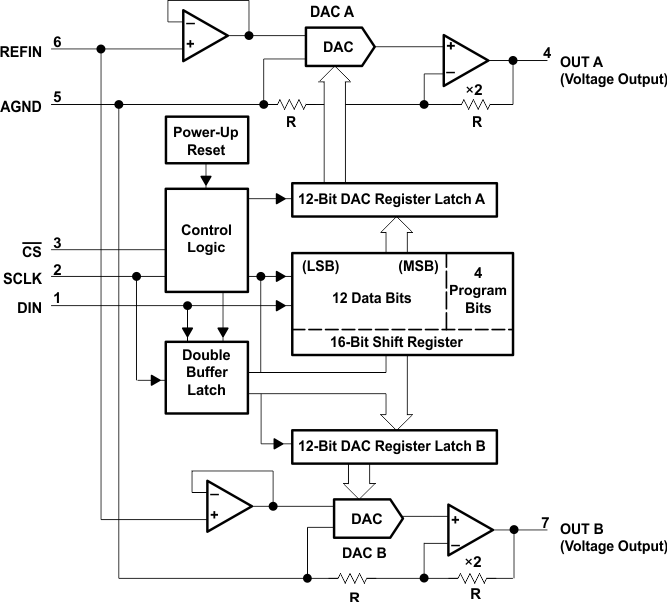
TLC5618A12-Bit, 2.5 us Dual DAC, Serial Input, Pgrmable Settling Time, Simultaneous Update, Low Power | Digital to Analog Converters (DAC) | 2 | Active | The TLC5618 is a dual 12-bit voltage output digital-to-analog converter (DAC) with buffered reference inputs (high impedance). The DACs have an output voltage range that is two times the reference voltage, and the DACs are monotonic. The device is simple to use, running from a single supply of 5 V. A power-on reset function is incorporated in the device to ensure repeatable start-up conditions.
Digital control of the TLC5618 is over a 3-wire CMOS-compatible serial bus. The device receives a 16-bit word for programming and producing the analog output. The digital inputs feature Schmitt triggers for high noise immunity. Digital communication protocols include the SPI™, QSPI™, and Microwire™ standards.
Two versions of the device are available. The TLC5618 does not have an internal state machine and is dependent on all external timing signals. The TLC5618A has an internal state machine that counts the number of clocks from the falling edge of CS\ and then updates and disables the device from accepting further data inputs. The TLC5618A is recommended for TMS320 and SPI processors, and the TLC5618 is recommended only for SPI or 3-wire serial port processors. The TLC5618A is backward-compatible and designed to work in TLC5618 designed systems.
The 8-terminal small-outline D package allows digital control of analog functions in space-critical applications. The TLC5618C is characterized for operation from 0°C to 70°C. The TLC5618I is characterized for operation from \x9640°C to 85°C. The TLC5618Q is characterized for operation from \x9640°C to 125°C. The TLC5618M is characterized for operation from \x9655°C to 125°C.
The TLC5618 is a dual 12-bit voltage output digital-to-analog converter (DAC) with buffered reference inputs (high impedance). The DACs have an output voltage range that is two times the reference voltage, and the DACs are monotonic. The device is simple to use, running from a single supply of 5 V. A power-on reset function is incorporated in the device to ensure repeatable start-up conditions.
Digital control of the TLC5618 is over a 3-wire CMOS-compatible serial bus. The device receives a 16-bit word for programming and producing the analog output. The digital inputs feature Schmitt triggers for high noise immunity. Digital communication protocols include the SPI™, QSPI™, and Microwire™ standards.
Two versions of the device are available. The TLC5618 does not have an internal state machine and is dependent on all external timing signals. The TLC5618A has an internal state machine that counts the number of clocks from the falling edge of CS\ and then updates and disables the device from accepting further data inputs. The TLC5618A is recommended for TMS320 and SPI processors, and the TLC5618 is recommended only for SPI or 3-wire serial port processors. The TLC5618A is backward-compatible and designed to work in TLC5618 designed systems.
The 8-terminal small-outline D package allows digital control of analog functions in space-critical applications. The TLC5618C is characterized for operation from 0°C to 70°C. The TLC5618I is characterized for operation from \x9640°C to 85°C. The TLC5618Q is characterized for operation from \x9640°C to 125°C. The TLC5618M is characterized for operation from \x9655°C to 125°C. |