T
Texas Instruments
| Series | Category | # Parts | Status | Description |
|---|---|---|---|---|
| Part | Spec A | Spec B | Spec C | Spec D | Description |
|---|---|---|---|---|---|



| Series | Category | # Parts | Status | Description |
|---|---|---|---|---|
| Part | Spec A | Spec B | Spec C | Spec D | Description |
|---|---|---|---|---|---|
| Part | Category | Description |
|---|---|---|
 Texas Instruments | Integrated Circuits (ICs) | BUS DRIVER, BCT/FBT SERIES |
 Texas Instruments | Integrated Circuits (ICs) | 12BIT 3.3V~3.6V 210MHZ PARALLEL VQFN-48-EP(7X7) ANALOG TO DIGITAL CONVERTERS (ADC) ROHS |
Texas Instruments | Integrated Circuits (ICs) | TMX320DRE311 179PIN UBGA 200MHZ |
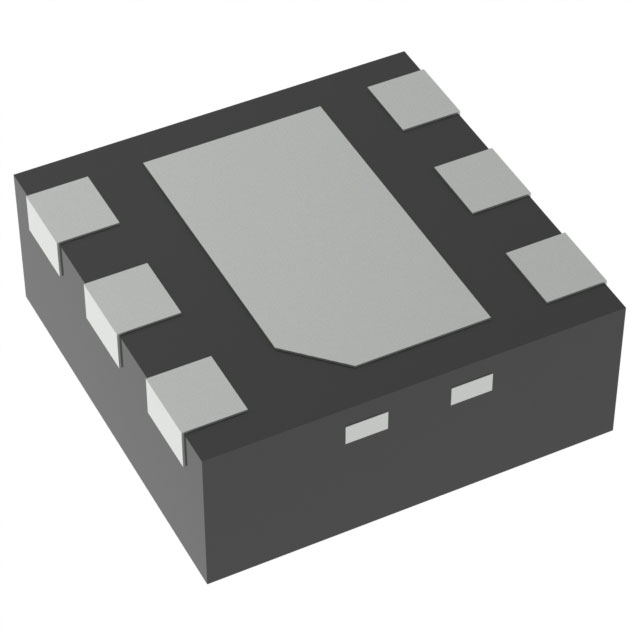 Texas Instruments TPS61040DRVTG4Unknown | Integrated Circuits (ICs) | IC LED DRV RGLTR PWM 350MA 6WSON |
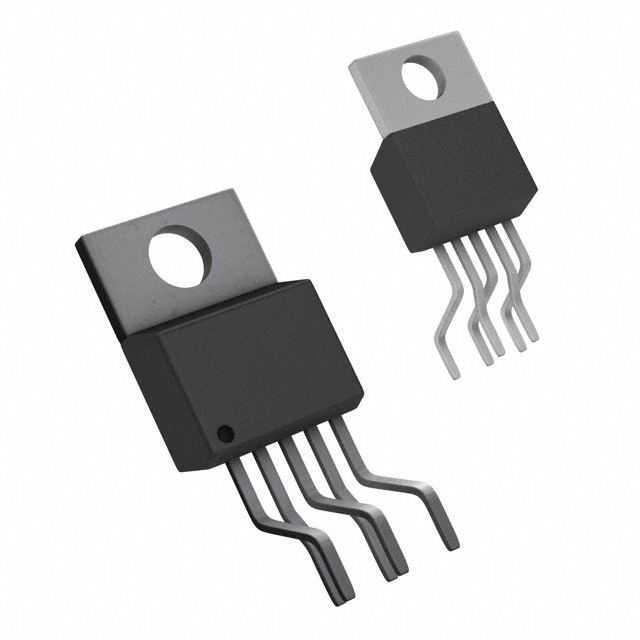 Texas Instruments LP3876ET-2.5Obsolete | Integrated Circuits (ICs) | IC REG LINEAR 2.5V 3A TO220-5 |
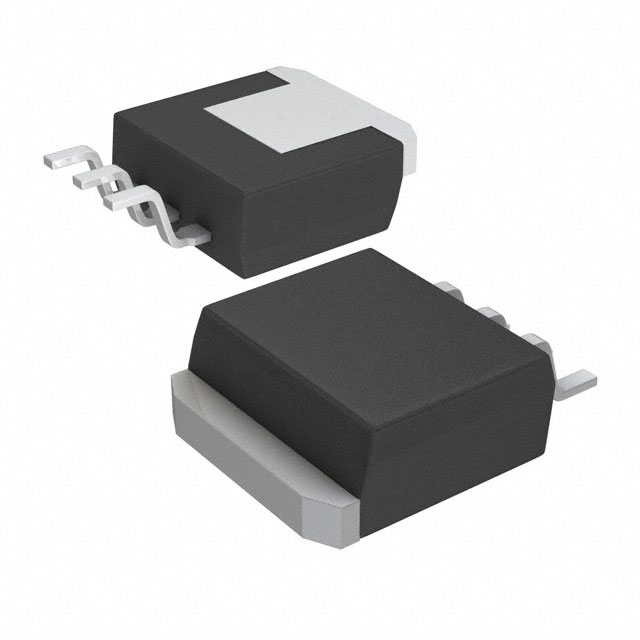 Texas Instruments LMS1585ACSX-ADJObsolete | Integrated Circuits (ICs) | IC REG LIN POS ADJ 5A DDPAK |
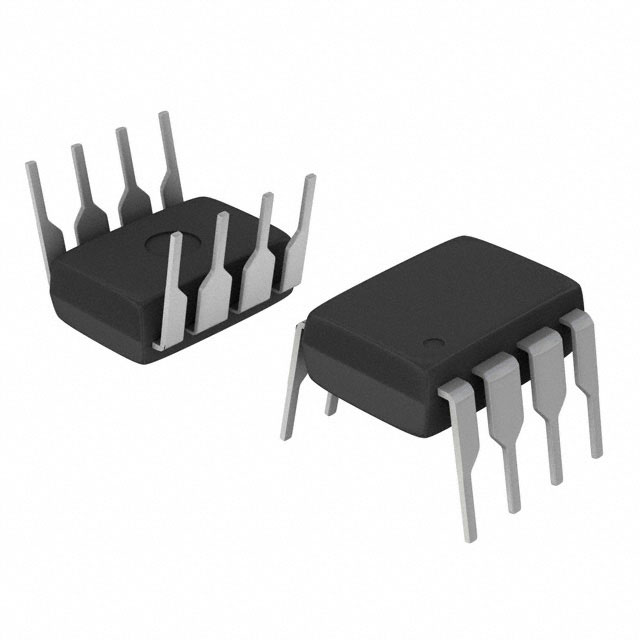 Texas Instruments INA111APG4Obsolete | Integrated Circuits (ICs) | IC INST AMP 1 CIRCUIT 8DIP |
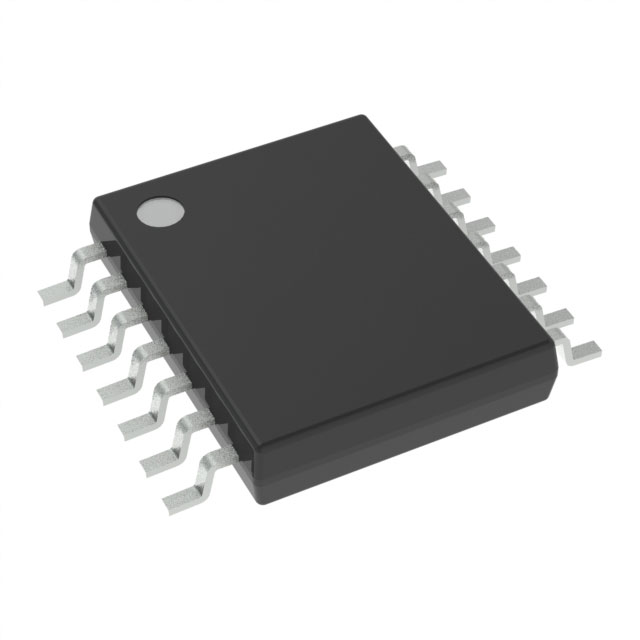 Texas Instruments | Integrated Circuits (ICs) | AUTOMOTIVE, QUAD 36V 1.2MHZ OPERATIONAL AMPLIFIER |
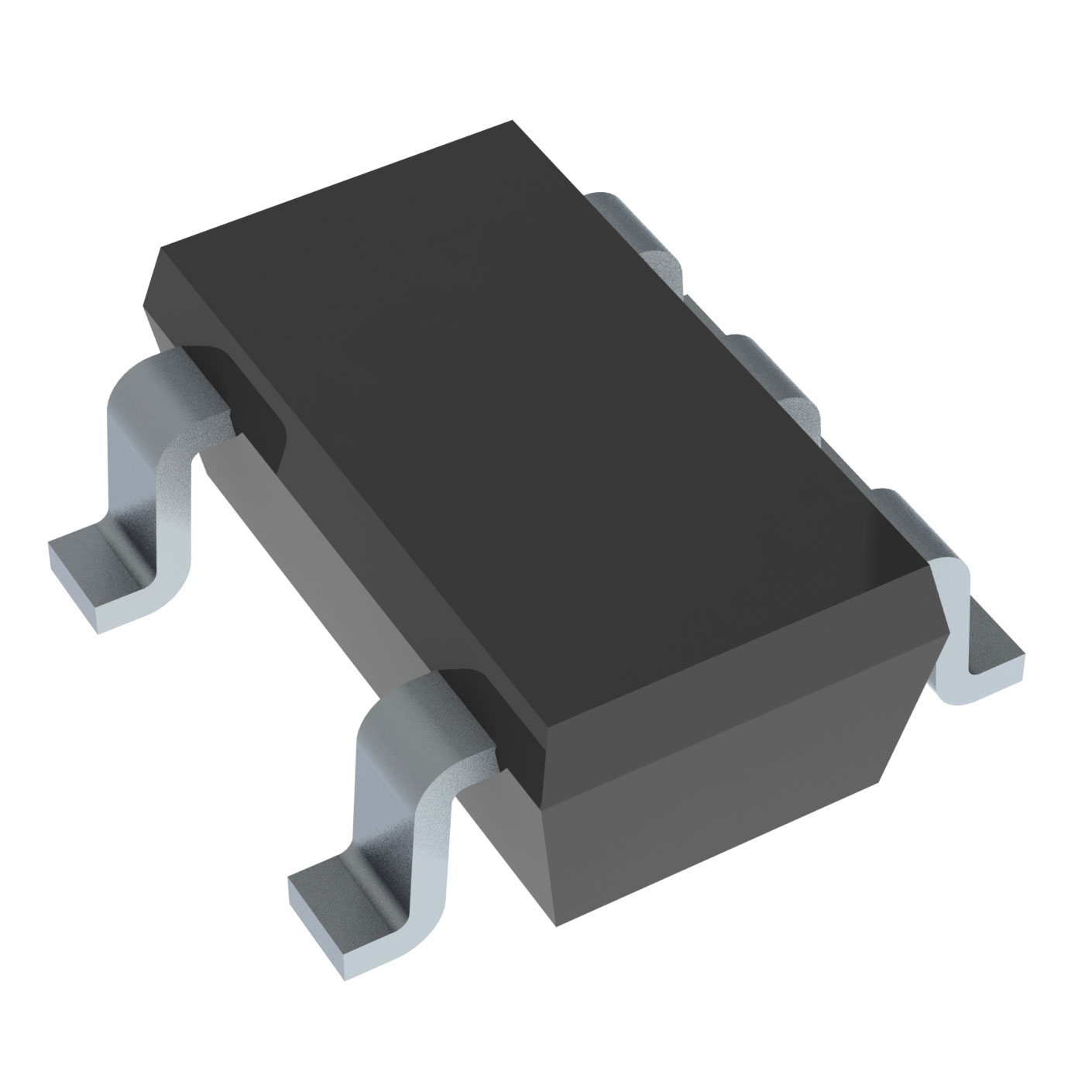 Texas Instruments OPA340NA/3KG4Unknown | Integrated Circuits (ICs) | IC OPAMP GP 1 CIRCUIT SOT23-5 |
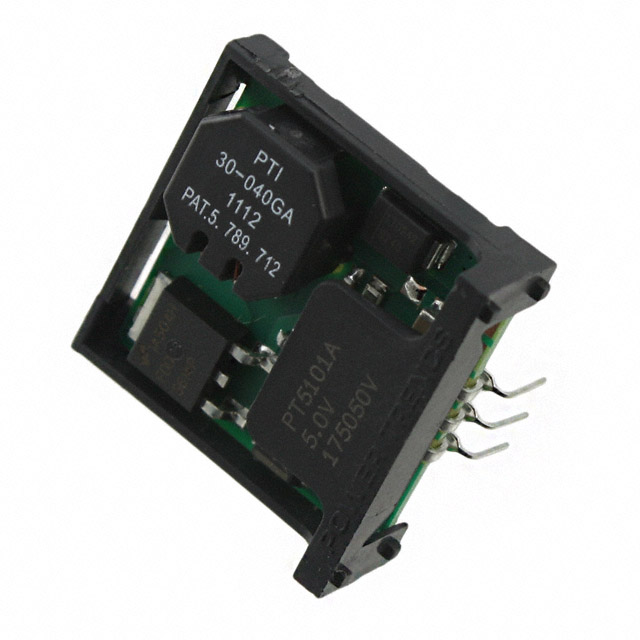 Texas Instruments PT5112AObsolete | Power Supplies - Board Mount | DC DC CONVERTER 8V 8W |
| Series | Category | # Parts | Status | Description |
|---|---|---|---|---|
| Clock/Timing | 11 | Active | ||
TLC2932APhase-locked loop systems | Clock Generators, PLLs, Frequency Synthesizers | 1 | Active | The TLC2932A is designed for phase-locked loop (PLL) systems and is composed of a voltage-controlled oscillator (VCO) and an edge-triggered type phase frequency detector (PFD). The oscillation frequency range of the VCO is set by an external bias resistor (RBIAS). The VCO has a 1/2 frequency divider at the output stage. The high speed PFD with internal charge pump detects the phase difference between the reference frequency input and signal frequency input from the external counter. Both the VCO and the PFD have inhibit functions, which can be used as power-down mode. Due to the TLC2932A high speed and stable oscillation capability, the TLC2932A is suitable for use as a high-performance PLL.
The TLC2932A is designed for phase-locked loop (PLL) systems and is composed of a voltage-controlled oscillator (VCO) and an edge-triggered type phase frequency detector (PFD). The oscillation frequency range of the VCO is set by an external bias resistor (RBIAS). The VCO has a 1/2 frequency divider at the output stage. The high speed PFD with internal charge pump detects the phase difference between the reference frequency input and signal frequency input from the external counter. Both the VCO and the PFD have inhibit functions, which can be used as power-down mode. Due to the TLC2932A high speed and stable oscillation capability, the TLC2932A is suitable for use as a high-performance PLL. |
TLC2933APhase-locked loop | Clock/Timing | 3 | Active | The TLC2933A is designed for phase-locked loop (PLL) systems and is composed of a voltage-controlled oscillator (VCO) and an edge-triggered type phase frequency detector (PFD). The oscillation frequency range of the VCO is set by an external bias resistor (RBIAS). The VCO has a 1/2 frequency divider at the output stage. The high speed PFD with internal charge pump detects the phase difference between the reference frequency input and signal frequency input from the external counter. Both the VCO and the PFD have inhibit functions, which can be used as power-down mode. Due to the TLC2933A high speed and stable oscillation capability, the TLC2933A is suitable for use as a high-performance PLL.
The TLC2933A is designed for phase-locked loop (PLL) systems and is composed of a voltage-controlled oscillator (VCO) and an edge-triggered type phase frequency detector (PFD). The oscillation frequency range of the VCO is set by an external bias resistor (RBIAS). The VCO has a 1/2 frequency divider at the output stage. The high speed PFD with internal charge pump detects the phase difference between the reference frequency input and signal frequency input from the external counter. Both the VCO and the PFD have inhibit functions, which can be used as power-down mode. Due to the TLC2933A high speed and stable oscillation capability, the TLC2933A is suitable for use as a high-performance PLL. |
| Interface | 13 | Obsolete | ||
TLC320AC02Single Channel Codec-Bandwidth Independent of Sampling Rate | Interface | 2 | Active | The TLC320AC02analog interface circuit (AIC) is an audio-band processor that provides an analog-to-digital and digital-to-analog input/output interface system on a single monolithic CMOS chip. This device integrates a band-pass switched-capacitor antialiasing input filter, a 14-bit-resolution analog-to-digital converter (ADC), a 14-bit-resolution digital-to-analog converter (DAC), a low-pass switched-capacitor output-reconstruction filter, (sin x)/x compensation, and a serial port for data and control transfers. The internal circuit configuration and performance parameters are determined by reading control information into the eight available data registers. The register data sets up the device for a given mode of operation and application.
The major functions of the TLC320AC02 are:1. To convert audio-signal data to digital format by the ADC channel2. To provide the interface and control logic to transfer data between its serial input and output terminals and a digital signal processor (DSP) or microprocessor3. To convert received digital data back to an audio signal through the DAC channel
The antialiasing input low-pass filter is a switched-capacitor filter with a sixth-order elliptic characteristic. The high-pass filter is a single-pole filter to preserve low-frequency response as the low-pass filter cutoff is adjusted. There is a three-pole continuous-time filter that precedes this filter to eliminate any aliasing caused by the filter clock signal.
The output-reconstruction switched-capacitor filter is a sixth-order elliptic transitional low-pass filter followed by a second-order (sin x)/x correction filter. This filter is followed by a three-pole continuous-time filter to eliminate images of the filter clock signal. The TLC320AC02 consists of two signal-processing channels, an ADC channel and a DAC channel, and the associated digital control. The two channels operate synchronously; data reception at the DAC channel and data transmission from the ADC channel occur during the same time interval. The data transfer is in 2s-complement format.
There are three basic modes of operation available: the stand-alone analog-interface mode, the master-slave mode, and the linear-codec mode. In the stand-alone mode, the TLC320AC02 generates the shift clock and frame synchronization for the data transfers and is the only AIC used. The master-slave mode has one TLC320AC02 as the master that generates the master-shift clock and frame synchronization; the remaining AICs are slaves to these signals. In the linear-codec mode, the shift clock and the frame-synchronization signals are externally generated and the timing can be any of the standard codec-timing patterns.
Typical applications for this device include modems, speech processing, analog interface for DSPs, industrial-process control, acoustical-signal processing, spectral analysis, data acquisition, and instrumentation recorders.
The TLC320AC02C is characterized for operation from 0°C to 70°C and the TLC320AC02I is characterized for operation from \x9640°C to 85°C.
The TLC320AC02analog interface circuit (AIC) is an audio-band processor that provides an analog-to-digital and digital-to-analog input/output interface system on a single monolithic CMOS chip. This device integrates a band-pass switched-capacitor antialiasing input filter, a 14-bit-resolution analog-to-digital converter (ADC), a 14-bit-resolution digital-to-analog converter (DAC), a low-pass switched-capacitor output-reconstruction filter, (sin x)/x compensation, and a serial port for data and control transfers. The internal circuit configuration and performance parameters are determined by reading control information into the eight available data registers. The register data sets up the device for a given mode of operation and application.
The major functions of the TLC320AC02 are:1. To convert audio-signal data to digital format by the ADC channel2. To provide the interface and control logic to transfer data between its serial input and output terminals and a digital signal processor (DSP) or microprocessor3. To convert received digital data back to an audio signal through the DAC channel
The antialiasing input low-pass filter is a switched-capacitor filter with a sixth-order elliptic characteristic. The high-pass filter is a single-pole filter to preserve low-frequency response as the low-pass filter cutoff is adjusted. There is a three-pole continuous-time filter that precedes this filter to eliminate any aliasing caused by the filter clock signal.
The output-reconstruction switched-capacitor filter is a sixth-order elliptic transitional low-pass filter followed by a second-order (sin x)/x correction filter. This filter is followed by a three-pole continuous-time filter to eliminate images of the filter clock signal. The TLC320AC02 consists of two signal-processing channels, an ADC channel and a DAC channel, and the associated digital control. The two channels operate synchronously; data reception at the DAC channel and data transmission from the ADC channel occur during the same time interval. The data transfer is in 2s-complement format.
There are three basic modes of operation available: the stand-alone analog-interface mode, the master-slave mode, and the linear-codec mode. In the stand-alone mode, the TLC320AC02 generates the shift clock and frame synchronization for the data transfers and is the only AIC used. The master-slave mode has one TLC320AC02 as the master that generates the master-shift clock and frame synchronization; the remaining AICs are slaves to these signals. In the linear-codec mode, the shift clock and the frame-synchronization signals are externally generated and the timing can be any of the standard codec-timing patterns.
Typical applications for this device include modems, speech processing, analog interface for DSPs, industrial-process control, acoustical-signal processing, spectral analysis, data acquisition, and instrumentation recorders.
The TLC320AC02C is characterized for operation from 0°C to 70°C and the TLC320AC02I is characterized for operation from \x9640°C to 85°C. |
| CODECS | 3 | Active | ||
TLC320AD545Single Channel Codec W/Hybrid Op Amps & Speaker Driver | Interface | 2 | Active | The TLC320AD545 single channel data/fax codec is a mixed signal broadband connectivity device. The TLC320AD545 is comprised of a single channel codec and analog hybrid circuitry with a serial port for communication with the host processor. The device also contains programmable gain control and one AT41 speaker driver. The device operates with either a 5-V analog, a 5-V digital, and a 5-V monitor power supply or a 3.3-V analog, a 3.3-V digital, and a 3.3-V monitor power supply or 5-V analog, 3.3-V digital, and a 5-V monitor power supply. The device will be packaged in a single 48-pin PT (TQFP) package.
The TLC320AD545 single channel data/fax codec is a mixed signal broadband connectivity device. The TLC320AD545 is comprised of a single channel codec and analog hybrid circuitry with a serial port for communication with the host processor. The device also contains programmable gain control and one AT41 speaker driver. The device operates with either a 5-V analog, a 5-V digital, and a 5-V monitor power supply or a 3.3-V analog, a 3.3-V digital, and a 3.3-V monitor power supply or 5-V analog, 3.3-V digital, and a 5-V monitor power supply. The device will be packaged in a single 48-pin PT (TQFP) package. |
TLC339Quad, Micropower, LinCMOS™ Comparator | Comparators | 15 | Active | The TLC139/TLC339 consists of four independent differential-voltage comparators designed to operate from a single supply. It is functionally similar to the LM139/LM339 family but uses 1/20th the power for similar response times. The open-drain MOS output stage interfaces to a variety of leads and supplies, as well as wired logic functions. For a similar device with a push-pull output configuration, see the TLC3704 data sheet.
The Texas Instruments LinCMOS™ process offers superior analog performance to standard CMOS processes. Along with the standard CMOS advantages of low power without sacrificing speed, high input impedance, and low bias currents, the LinCMOS™ process offers extremely stable input offset voltages, even with differential input stresses of several volts. This characteristic makes it possible to build reliable CMOS comparators.
The TLC139M and TLC339M are characterized for operation over the full military temperature range of –55°C to 125°C. The TLC339C is characterized for operation over the commercial temperature range of 0°C to 70°C. The TLC339I is characterized for operation over the industrial temperature range of –40°C to 85°C. The TLC339Q is characterized for operation over the extended industrial temperature range of –40°C to 125°C.
The TLC139/TLC339 consists of four independent differential-voltage comparators designed to operate from a single supply. It is functionally similar to the LM139/LM339 family but uses 1/20th the power for similar response times. The open-drain MOS output stage interfaces to a variety of leads and supplies, as well as wired logic functions. For a similar device with a push-pull output configuration, see the TLC3704 data sheet.
The Texas Instruments LinCMOS™ process offers superior analog performance to standard CMOS processes. Along with the standard CMOS advantages of low power without sacrificing speed, high input impedance, and low bias currents, the LinCMOS™ process offers extremely stable input offset voltages, even with differential input stresses of several volts. This characteristic makes it possible to build reliable CMOS comparators.
The TLC139M and TLC339M are characterized for operation over the full military temperature range of –55°C to 125°C. The TLC339C is characterized for operation over the commercial temperature range of 0°C to 70°C. The TLC339I is characterized for operation over the industrial temperature range of –40°C to 85°C. The TLC339Q is characterized for operation over the extended industrial temperature range of –40°C to 125°C. |
| Integrated Circuits (ICs) | 11 | Active | ||
TLC354114-Bit 200KSPS ADC Ser. Out, Auto PWRDN, Single Ended Input | Analog to Digital Converters (ADC) | 4 | Active | The TLC3541 and TLC3545 are a family of high performance, 14-bit, low power, miniature CMOS analog-to-digital converters (ADCs). These devices operate from a single 5-V supply. Devices are available with single, dual, or single pseudo-differential inputs. All of these devices have a chip select (CS)\, serial clock (SCLK), and serial data output (SDO) that provides a direct 3-wire interface to the serial port of most popular host microprocessors (SPI interface). When interfaced with a DSP, a frame sync signal (FS) is used to indicate the start of a serial data frame on either pin 1 (CS)\ or pin 7 (FS) for the TLC3541. The TLC3545 ADC connects to the DSP via pin 1 only (CS)\.
The TLC3541 and TLC3545 are designed to operate with low power consumption. The power saving feature is further enhanced with an auto-power down mode. This product family features a high-speed serial link to modern host processors with an external SCLK up to 15 MHz. Both families use a built-in oscillator as the conversion clock, providing a 2.67 us maximum conversion time.
The TLC3541 and TLC3545 are a family of high performance, 14-bit, low power, miniature CMOS analog-to-digital converters (ADCs). These devices operate from a single 5-V supply. Devices are available with single, dual, or single pseudo-differential inputs. All of these devices have a chip select (CS)\, serial clock (SCLK), and serial data output (SDO) that provides a direct 3-wire interface to the serial port of most popular host microprocessors (SPI interface). When interfaced with a DSP, a frame sync signal (FS) is used to indicate the start of a serial data frame on either pin 1 (CS)\ or pin 7 (FS) for the TLC3541. The TLC3545 ADC connects to the DSP via pin 1 only (CS)\.
The TLC3541 and TLC3545 are designed to operate with low power consumption. The power saving feature is further enhanced with an auto-power down mode. This product family features a high-speed serial link to modern host processors with an external SCLK up to 15 MHz. Both families use a built-in oscillator as the conversion clock, providing a 2.67 us maximum conversion time. |