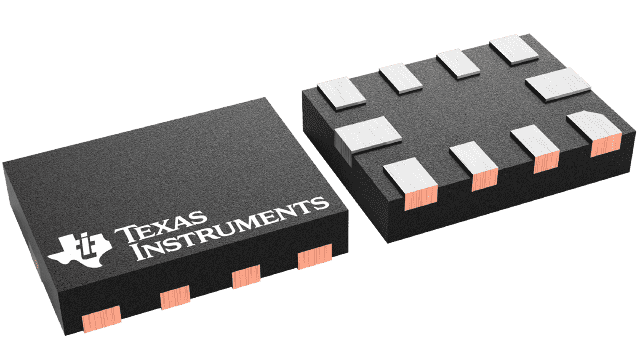
T
Texas Instruments
| Series | Category | # Parts | Status | Description |
|---|---|---|---|---|
| Part | Spec A | Spec B | Spec C | Spec D | Description |
|---|---|---|---|---|---|



| Series | Category | # Parts | Status | Description |
|---|---|---|---|---|
| Part | Spec A | Spec B | Spec C | Spec D | Description |
|---|---|---|---|---|---|
| Part | Category | Description |
|---|---|---|
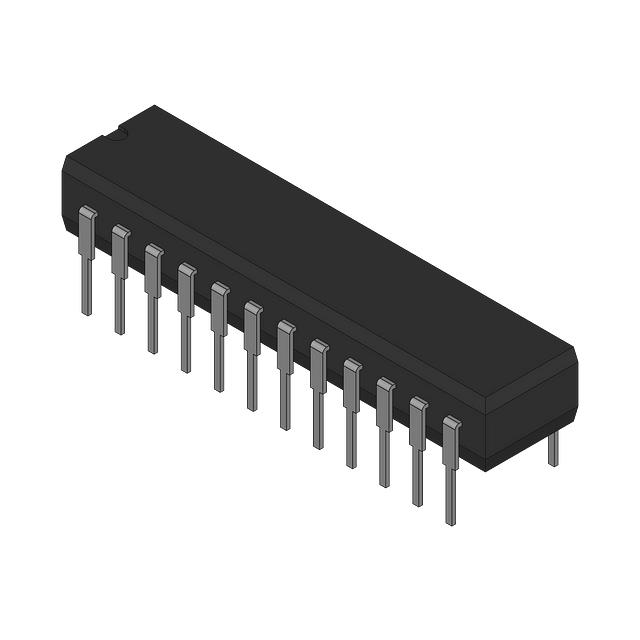 Texas Instruments | Integrated Circuits (ICs) | BUS DRIVER, BCT/FBT SERIES |
 Texas Instruments | Integrated Circuits (ICs) | 12BIT 3.3V~3.6V 210MHZ PARALLEL VQFN-48-EP(7X7) ANALOG TO DIGITAL CONVERTERS (ADC) ROHS |
Texas Instruments | Integrated Circuits (ICs) | TMX320DRE311 179PIN UBGA 200MHZ |
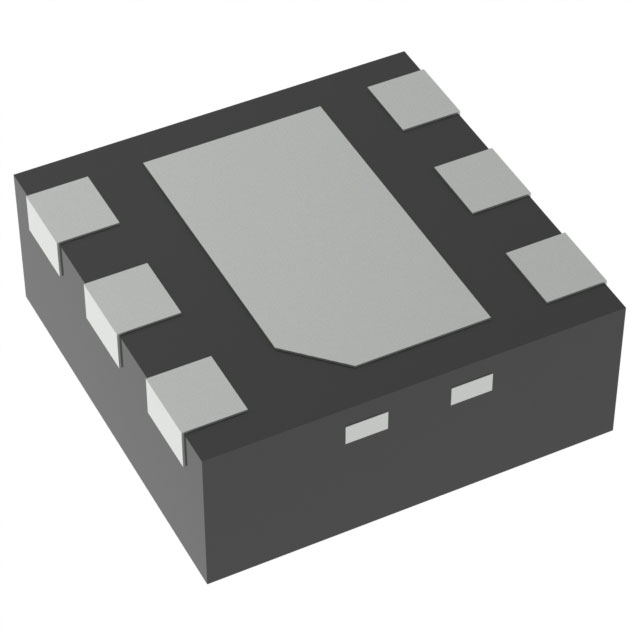 Texas Instruments TPS61040DRVTG4Unknown | Integrated Circuits (ICs) | IC LED DRV RGLTR PWM 350MA 6WSON |
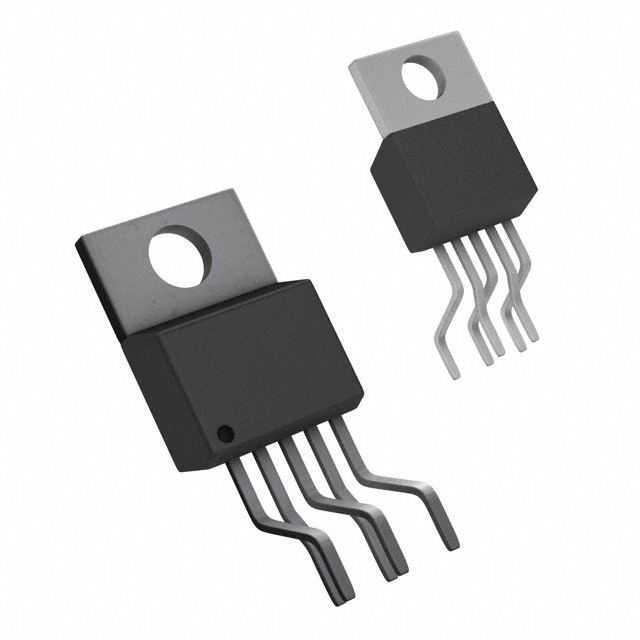 Texas Instruments LP3876ET-2.5Obsolete | Integrated Circuits (ICs) | IC REG LINEAR 2.5V 3A TO220-5 |
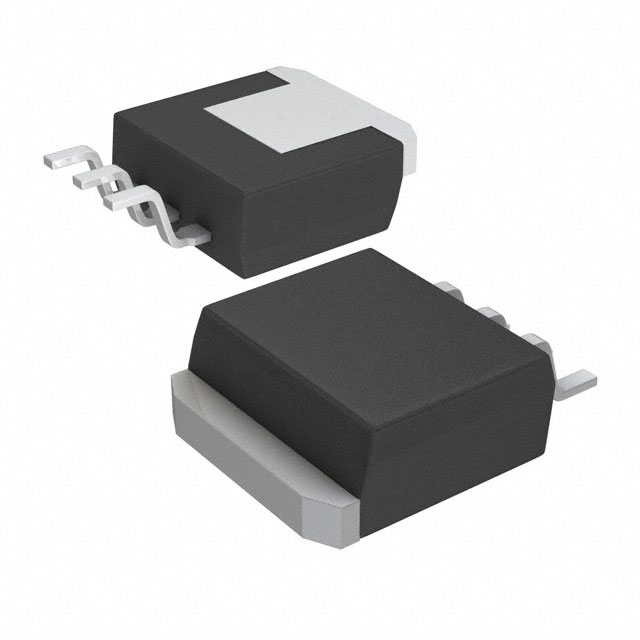 Texas Instruments LMS1585ACSX-ADJObsolete | Integrated Circuits (ICs) | IC REG LIN POS ADJ 5A DDPAK |
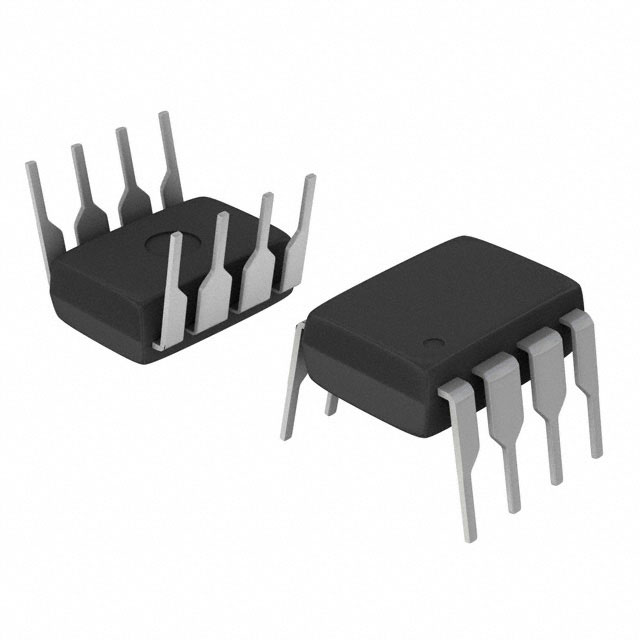 Texas Instruments INA111APG4Obsolete | Integrated Circuits (ICs) | IC INST AMP 1 CIRCUIT 8DIP |
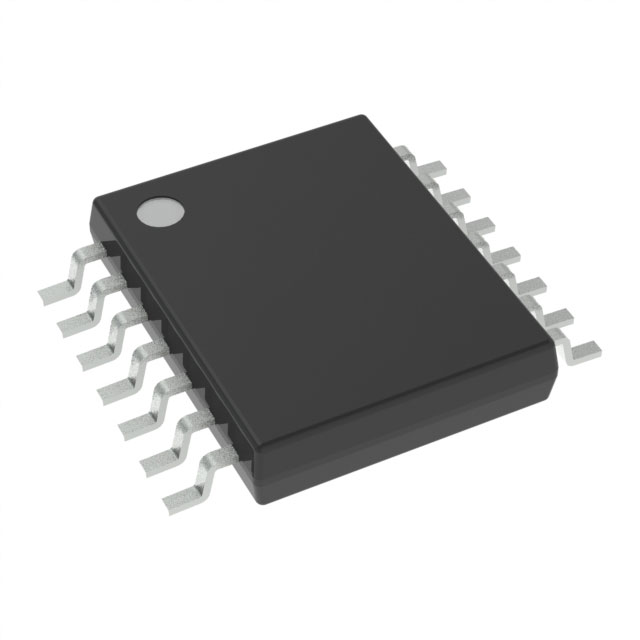 Texas Instruments | Integrated Circuits (ICs) | AUTOMOTIVE, QUAD 36V 1.2MHZ OPERATIONAL AMPLIFIER |
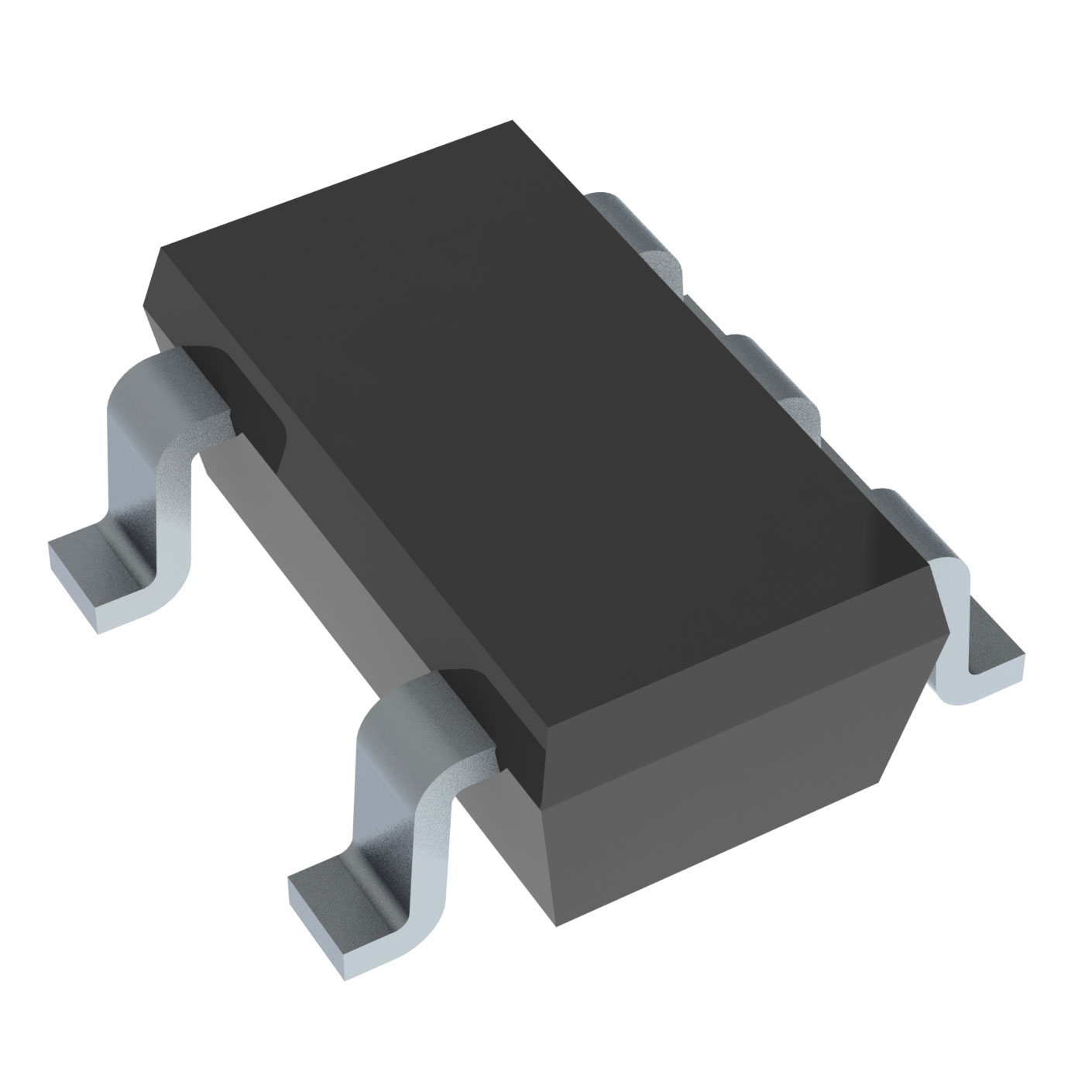 Texas Instruments OPA340NA/3KG4Unknown | Integrated Circuits (ICs) | IC OPAMP GP 1 CIRCUIT SOT23-5 |
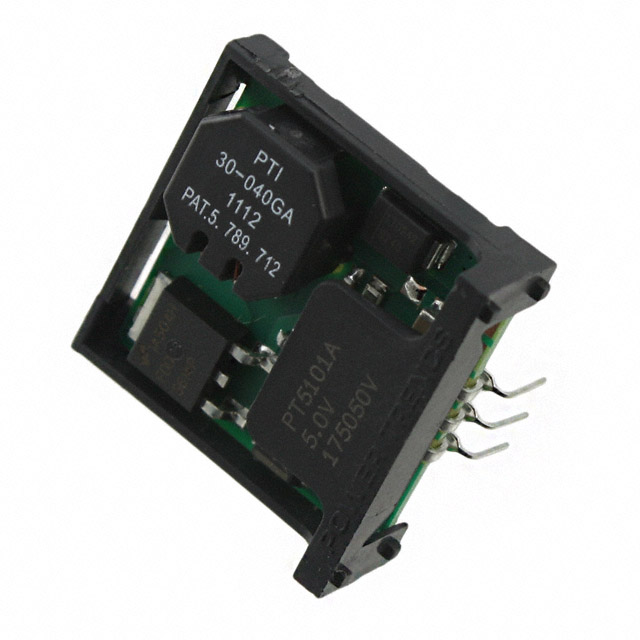 Texas Instruments PT5112AObsolete | Power Supplies - Board Mount | DC DC CONVERTER 8V 8W |
| Series | Category | # Parts | Status | Description |
|---|---|---|---|---|
TL77594-pin supervisor for 5-V systems | Integrated Circuits (ICs) | 6 | Active | The TL7759 is a supply-voltage supervisor designed for use as a reset controller in microcomputer and microprocessor systems. The supervisor monitors the supply voltage for undervoltage conditions. During power up, when the supply voltage, VCC, attains a value approaching 1 V, the RESET and RESET\ outputs become active (high and low, respectively) to prevent undefined operation. If the supply voltage drops below the input threshold voltage level (VIT-), the reset outputs go to the reset active state until the supply voltage has returned to its nominal value (see timing diagram).
The TL7759C is characterized for operation from 0°C to 70°C.
The TL7759 is a supply-voltage supervisor designed for use as a reset controller in microcomputer and microprocessor systems. The supervisor monitors the supply voltage for undervoltage conditions. During power up, when the supply voltage, VCC, attains a value approaching 1 V, the RESET and RESET\ outputs become active (high and low, respectively) to prevent undefined operation. If the supply voltage drops below the input threshold voltage level (VIT-), the reset outputs go to the reset active state until the supply voltage has returned to its nominal value (see timing diagram).
The TL7759C is characterized for operation from 0°C to 70°C. |
TL7770-1212-V, programmable, dual-supply supervisor with programmable delay time | Supervisors | 6 | Active | The TL7770 is an integrated-circuit system supervisor designed for use as a reset controller in microcomputer and microprocessor power-supply systems. This device contains two independent supply-voltage supervisors that monitor the supplies for overvoltage and undervoltage conditions at the VSO and VSU terminals, respectively. When VCCattains the minimum voltage of 1 V during power up, the RESET\ output becomes active (low). As VCCapproaches 3.5 V, the time-delay function activates, latching RESET and RESET\ active (high and low, respectively) for a time delay (td) after system voltages have achieved normal levels. Above VCC= 3.5 V, taking RESIN\ low activates the time-delay function during normal system-voltage levels. To ensure that the microcomputer system has reset, the outputs remain active until the voltage at VSU exceeds the threshold value, VIT+, for a time delay, which is determined by an external timing capacitor such that:td20 × 103× capacitance
where tdis in seconds and capacitance is in farads.
The overvoltage-detection circuit is programmable for a wide range of designs. During an overvoltage condition, an internal silicon-controlled rectifier (SCR) is triggered, providing 250-mA peak instantaneous current and 25-mA continuous current to the SCR gate drive terminal, which can drive an external high-current SCR gate or an overvoltage-warning circuit.
The TL7770C series is characterized for operation from 0°C to 70°C. The TL7770I series is characterized for operation from -40°C to 85°C.
The TL7770 is an integrated-circuit system supervisor designed for use as a reset controller in microcomputer and microprocessor power-supply systems. This device contains two independent supply-voltage supervisors that monitor the supplies for overvoltage and undervoltage conditions at the VSO and VSU terminals, respectively. When VCCattains the minimum voltage of 1 V during power up, the RESET\ output becomes active (low). As VCCapproaches 3.5 V, the time-delay function activates, latching RESET and RESET\ active (high and low, respectively) for a time delay (td) after system voltages have achieved normal levels. Above VCC= 3.5 V, taking RESIN\ low activates the time-delay function during normal system-voltage levels. To ensure that the microcomputer system has reset, the outputs remain active until the voltage at VSU exceeds the threshold value, VIT+, for a time delay, which is determined by an external timing capacitor such that:td20 × 103× capacitance
where tdis in seconds and capacitance is in farads.
The overvoltage-detection circuit is programmable for a wide range of designs. During an overvoltage condition, an internal silicon-controlled rectifier (SCR) is triggered, providing 250-mA peak instantaneous current and 25-mA continuous current to the SCR gate drive terminal, which can drive an external high-current SCR gate or an overvoltage-warning circuit.
The TL7770C series is characterized for operation from 0°C to 70°C. The TL7770I series is characterized for operation from -40°C to 85°C. |
| Voltage Regulators - Linear, Low Drop Out (LDO) Regulators | 9 | Active | ||
| Integrated Circuits (ICs) | 4 | Active | ||
TL851Sonar ranging control | RF Misc ICs and Modules | 6 | Active | The TL851 is an economical digital I2L ranging control integrated circuit designed for use with the Texas Instruments TL852 sonar ranging receiver integrated circuit.
The TL851 is designed for distance measurement from six inches to 35 feet. The device has an internal oscillator that uses a low-cost external ceramic resonator. With a simple interface and a 420-kHz ceramic resonator, the device will drive a 50-kHz electrostatic transducer.
The device cycle begins when Initiate (INIT) is taken to the high logic level. There must be at least 5 ms from initial power-up (VCC) to the first initiate signal in order for all the device internal latches to reset and for the ceramic-resonator-controlled oscillator to stabilize. The device will transmit a burst of 16 pulses each time INIT is taken high.
The oscillator output (OSC) is enabled by INIT. The oscillator frequency is the ceramic resonator frequency divided by 8.5 for the first 16 cycles (during transmit) and then the oscillator frequency changes to the ceramic resonator frequency divided by 4.5 for the remainder of the device cycle.
When used with an external 420-kHz ceramic resonator, the device internal blanking disables the receive input (REC) for 3.8 ms after initiate to exclude false receive inputs that may be caused by transducer ringing. The internal blanking feature also eliminates echos from objects closer than 1.3 feet from the transducer. If it is necessary to detect objects closer than 1.3 feet, then the internal blanking may be shortened by taking the blanking inhibit (BINH) high, enabling the receive input. The blanking input (BLNK) may be used to disable the receive input and reset ECHO to a low logic level at any time during the device cycle for selective echo exclusion or for a multiple-echo mode of operation.
The device provides a synchronous 4-bit gain control output (12 steps) designed to control the gain of the TL852 sonar ranging receiver integrated circuit. The digital gain control waveforms are shown in Figure 2 with the nominal transition times from INIT listed in the Gain Control Output Table.
The threshold of the internal receive level detector is 1.2 V. The TL851 operates over a supply voltage range of 4.5 V to 6.8 V and is characterized for operation from 0°C to 40°C.
The TL851 is an economical digital I2L ranging control integrated circuit designed for use with the Texas Instruments TL852 sonar ranging receiver integrated circuit.
The TL851 is designed for distance measurement from six inches to 35 feet. The device has an internal oscillator that uses a low-cost external ceramic resonator. With a simple interface and a 420-kHz ceramic resonator, the device will drive a 50-kHz electrostatic transducer.
The device cycle begins when Initiate (INIT) is taken to the high logic level. There must be at least 5 ms from initial power-up (VCC) to the first initiate signal in order for all the device internal latches to reset and for the ceramic-resonator-controlled oscillator to stabilize. The device will transmit a burst of 16 pulses each time INIT is taken high.
The oscillator output (OSC) is enabled by INIT. The oscillator frequency is the ceramic resonator frequency divided by 8.5 for the first 16 cycles (during transmit) and then the oscillator frequency changes to the ceramic resonator frequency divided by 4.5 for the remainder of the device cycle.
When used with an external 420-kHz ceramic resonator, the device internal blanking disables the receive input (REC) for 3.8 ms after initiate to exclude false receive inputs that may be caused by transducer ringing. The internal blanking feature also eliminates echos from objects closer than 1.3 feet from the transducer. If it is necessary to detect objects closer than 1.3 feet, then the internal blanking may be shortened by taking the blanking inhibit (BINH) high, enabling the receive input. The blanking input (BLNK) may be used to disable the receive input and reset ECHO to a low logic level at any time during the device cycle for selective echo exclusion or for a multiple-echo mode of operation.
The device provides a synchronous 4-bit gain control output (12 steps) designed to control the gain of the TL852 sonar ranging receiver integrated circuit. The digital gain control waveforms are shown in Figure 2 with the nominal transition times from INIT listed in the Gain Control Output Table.
The threshold of the internal receive level detector is 1.2 V. The TL851 operates over a supply voltage range of 4.5 V to 6.8 V and is characterized for operation from 0°C to 40°C. |
TL852Sonar ranging receiver | RF and Wireless | 2 | Active | The TL852 is an economical sonar ranging receiver integrated circuit for use with the TL851 control integrated circuit. A minimum of external components is required for operation, and this amplifier easily interfaces to Polaroid's 50-kHz electrostatic transducer. An external 68-k.
Digital control of amplifier gain is provided with gain control inputs GCA, GCB, GCC, and GCD. These inputs must be driven synchronously (all inputs stable within 0.1 us) to avoid false receive output signals due to invalid logic counts. This can be done easily with the TL851 control integrated circuit. A plot showing relative gain for the various gain steps versus time can be seen in Figure 2. To dampen ringing of the 50-kHz electrostatic transducer, a 5-kresistor from G1IN to XIN is recommended.
An external parallel combination of inductance and capacitance between LC and VCCprovides an amplifier with an externally controlled gain and Q. This not only allows control of gain to compensate for attenuation of signal with distance, but also maximizes noise and sidelobe rejection. Care must be taken to accurately tune the L-C combination at operating frequency or gain and Q will be greatly reduced at higher gain steps.
AC coupling between stages of the amplifier is accomplished with a 0.01-mF capacitor for proper biasing.
The receive output is normally held at a low level by an internal 1-uA current source. When an input of sufficient amplitude is received, the output is driven alternately by the 1-uA discharge current and a 50-uA charging current. A 1000-pF capacitor is required from REC to GND to integrate the received signal so that one or two noise pulses will not be recognized.
XIN provides clamping for the transformer secondary when used for transducer transmit drive as shown in Figure 4 of the SN28827 data sheet.
The TL852 is characterized for operation from 0°C to 40°C.
The TL852 is an economical sonar ranging receiver integrated circuit for use with the TL851 control integrated circuit. A minimum of external components is required for operation, and this amplifier easily interfaces to Polaroid's 50-kHz electrostatic transducer. An external 68-k.
Digital control of amplifier gain is provided with gain control inputs GCA, GCB, GCC, and GCD. These inputs must be driven synchronously (all inputs stable within 0.1 us) to avoid false receive output signals due to invalid logic counts. This can be done easily with the TL851 control integrated circuit. A plot showing relative gain for the various gain steps versus time can be seen in Figure 2. To dampen ringing of the 50-kHz electrostatic transducer, a 5-kresistor from G1IN to XIN is recommended.
An external parallel combination of inductance and capacitance between LC and VCCprovides an amplifier with an externally controlled gain and Q. This not only allows control of gain to compensate for attenuation of signal with distance, but also maximizes noise and sidelobe rejection. Care must be taken to accurately tune the L-C combination at operating frequency or gain and Q will be greatly reduced at higher gain steps.
AC coupling between stages of the amplifier is accomplished with a 0.01-mF capacitor for proper biasing.
The receive output is normally held at a low level by an internal 1-uA current source. When an input of sufficient amplitude is received, the output is driven alternately by the 1-uA discharge current and a 50-uA charging current. A 1000-pF capacitor is required from REC to GND to integrate the received signal so that one or two noise pulses will not be recognized.
XIN provides clamping for the transformer secondary when used for transducer transmit drive as shown in Figure 4 of the SN28827 data sheet.
The TL852 is characterized for operation from 0°C to 40°C. |
| Instrumentation, Op Amps, Buffer Amps | 1 | Obsolete | ||
TL972-Q1Automotive-grade, dual, 12-V, 12-MHz operational amplifier | Instrumentation, OP Amps, Buffer Amps | 8 | Active | The TL97x family of operational amplifiers operates at voltages as low as ±1.35 V and features output rail-to-rail signal swing. The TL97x boast characteristics that make them particularly well suited for portable and battery-supplied equipment. Very low noise and low distortion characteristics make them ideal for audio preamplification.
The TL97x family of operational amplifiers operates at voltages as low as ±1.35 V and features output rail-to-rail signal swing. The TL97x boast characteristics that make them particularly well suited for portable and battery-supplied equipment. Very low noise and low distortion characteristics make them ideal for audio preamplification. |
TL974-Q1Automotive-grade, quad, 12-V, 12-MHz operational amplifier | Instrumentation, Op Amps, Buffer Amps | 7 | Active | The TL97x family of single, dual, and quad operational amplifiers operates at voltages as low as ±1.35 V and features output rail-to-rail signal swing. The TL97x boast characteristics that make them particularly well suited for portable and battery-supplied equipment. Very low noise and low distortion characteristics make them ideal for audio preamplification.
The TL971 is housed in the space-saving 5-pin SOT-23 package, which simplifies board design because of the ability to be placed anywhere (outside dimensions are 2.8 mm × 2.9 mm).
The TL97x family of single, dual, and quad operational amplifiers operates at voltages as low as ±1.35 V and features output rail-to-rail signal swing. The TL97x boast characteristics that make them particularly well suited for portable and battery-supplied equipment. Very low noise and low distortion characteristics make them ideal for audio preamplification.
The TL971 is housed in the space-saving 5-pin SOT-23 package, which simplifies board design because of the ability to be placed anywhere (outside dimensions are 2.8 mm × 2.9 mm). |
TLA202112-Bit 1-Ch Delta-Sigma ADC w/ Voltage Reference, Oscillator, and I2C for Low-Cost Applications | Analog to Digital Converters (ADC) | 1 | Active | The TLA2021, TLA2022, and TLA2024 devices (TLA202x) are easy-to-use, low-power, 12-bit delta-sigma (ΔΣ) analog-to-digital converters (ADCs) targeted for any type of system-monitoring applications (such as supply or battery voltage supervision, current sensing, or temperature measurements). Offered in an ultra-small, leadless, 10-pin X2QFN package, the TLA2021 and TLA2022 are single-channel ADCs while the TLA2024 features a flexible input multiplexer (MUX) with two differential or four single-ended input measurement options.
The TLA202x integrate a voltage reference and oscillator. Additionally, the TLA2022 and TLA2024 include a programmable gain amplifier (PGA) with selectable input ranges from ±256 mV to ±6.144 V, enabling both large- and small-signal measurements.
The TLA202x communicate via an I2C-compatible interface and operate in either continuous or single-shot conversion mode. The devices automatically power down after one conversion in single-shot conversion mode, significantly reducing power consumption during idle periods.
All of these features, along with a wide operating supply voltage range, make the TLA202x suitable for power- and space-constrained, system-monitoring applications.
The TLA2021, TLA2022, and TLA2024 devices (TLA202x) are easy-to-use, low-power, 12-bit delta-sigma (ΔΣ) analog-to-digital converters (ADCs) targeted for any type of system-monitoring applications (such as supply or battery voltage supervision, current sensing, or temperature measurements). Offered in an ultra-small, leadless, 10-pin X2QFN package, the TLA2021 and TLA2022 are single-channel ADCs while the TLA2024 features a flexible input multiplexer (MUX) with two differential or four single-ended input measurement options.
The TLA202x integrate a voltage reference and oscillator. Additionally, the TLA2022 and TLA2024 include a programmable gain amplifier (PGA) with selectable input ranges from ±256 mV to ±6.144 V, enabling both large- and small-signal measurements.
The TLA202x communicate via an I2C-compatible interface and operate in either continuous or single-shot conversion mode. The devices automatically power down after one conversion in single-shot conversion mode, significantly reducing power consumption during idle periods.
All of these features, along with a wide operating supply voltage range, make the TLA202x suitable for power- and space-constrained, system-monitoring applications. |