T
Texas Instruments
| Series | Category | # Parts | Status | Description |
|---|---|---|---|---|
| Part | Spec A | Spec B | Spec C | Spec D | Description |
|---|---|---|---|---|---|



| Series | Category | # Parts | Status | Description |
|---|---|---|---|---|
| Part | Spec A | Spec B | Spec C | Spec D | Description |
|---|---|---|---|---|---|
| Series | Category | # Parts | Status | Description |
|---|---|---|---|---|
| DC DC Switching Controllers | 2 | LTB | ||
| Power Management (PMIC) | 1 | Obsolete | ||
| Integrated Circuits (ICs) | 20 | Obsolete | ||
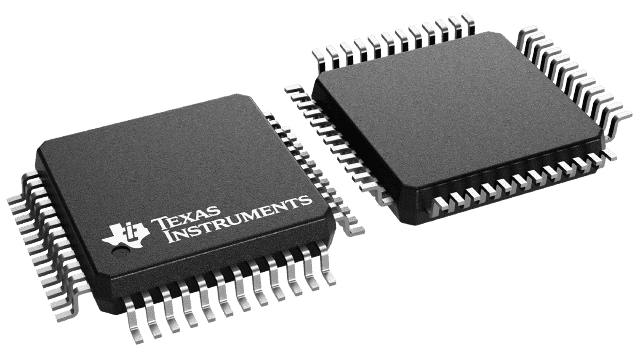
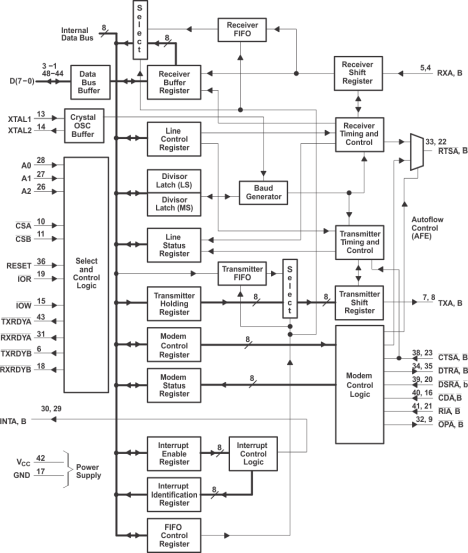
TL16C2550-Q1Automotive Catalog 1.8-V to 5-V Dual UART with 16-Byte FIFOs | Interface | 10 | Active | The TL16C2550 is a dual universal asynchronous receiver and transmitter (UART). It incorporates the functionality of two TL16C550D UARTs, each UART having its own register set and FIFOs. The two UARTs share only the data bus interface and clock source, otherwise they operate independently. Another name for the uart function is Asynchronous Communications Element (ACE), and these terms will be used interchangeably. The bulk of this document describes the behavior of each ACE, with the understanding that two such devices are incorporated into the TL16C2550.
Each ACE is a speed and voltage range upgrade of the TL16C550C, which in turn is a functional upgrade of the TL16C450. Functionally equivalent to the TL16C450 on power up or reset (single character or TL16C450 mode), each ACE can be placed in an alternate FIFO mode. This relieves the CPU of excessive software overhead by buffering received and to be transmitted characters. Each receiver and transmitter store up to 16 bytes in their respective FIFOs, with the receive FIFO including three additional bits per byte for error status. In the FIFO mode, a selectable autoflow control feature can significantly reduce software overload and increase system efficiency by automatically controlling serial data flow using handshakes between theRTSoutput andCTSinput, thus eliminating overruns in the receive FIFO.
Each ACE performs serial-to-parallel conversions on data received from a peripheral device or modem and stores the parallel data in its receive buffer or FIFO, and each ACE performs parallel-to-serial conversions on data sent from its CPU after storing the parallel data in its transmit buffer or FIFO. The CPU can read the status of either ACE at any time. Each ACE includes complete modem control capability and a processor interrupt system that can be tailored to the application.
Each ACE includes a programmable baud rate generator capable of dividing a reference clock with divisors from 1 to 65535, thus producing a 16× internal reference clock for the transmitter and receiver logic. Each ACE accommodates up to a 1.5-Mbaud serial data rate (24-MHz input clock). As a reference point, that speed would generate a 667-ns bit time and a 6.7-µs character time (for 8,N,1 serial data), with the internal clock running at 24 MHz.
Each ACE has aTXRDYandRXRDYoutput that can be used to interface to a DMA controller.
The TL16C2550 is a dual universal asynchronous receiver and transmitter (UART). It incorporates the functionality of two TL16C550D UARTs, each UART having its own register set and FIFOs. The two UARTs share only the data bus interface and clock source, otherwise they operate independently. Another name for the uart function is Asynchronous Communications Element (ACE), and these terms will be used interchangeably. The bulk of this document describes the behavior of each ACE, with the understanding that two such devices are incorporated into the TL16C2550.
Each ACE is a speed and voltage range upgrade of the TL16C550C, which in turn is a functional upgrade of the TL16C450. Functionally equivalent to the TL16C450 on power up or reset (single character or TL16C450 mode), each ACE can be placed in an alternate FIFO mode. This relieves the CPU of excessive software overhead by buffering received and to be transmitted characters. Each receiver and transmitter store up to 16 bytes in their respective FIFOs, with the receive FIFO including three additional bits per byte for error status. In the FIFO mode, a selectable autoflow control feature can significantly reduce software overload and increase system efficiency by automatically controlling serial data flow using handshakes between theRTSoutput andCTSinput, thus eliminating overruns in the receive FIFO.
Each ACE performs serial-to-parallel conversions on data received from a peripheral device or modem and stores the parallel data in its receive buffer or FIFO, and each ACE performs parallel-to-serial conversions on data sent from its CPU after storing the parallel data in its transmit buffer or FIFO. The CPU can read the status of either ACE at any time. Each ACE includes complete modem control capability and a processor interrupt system that can be tailored to the application.
Each ACE includes a programmable baud rate generator capable of dividing a reference clock with divisors from 1 to 65535, thus producing a 16× internal reference clock for the transmitter and receiver logic. Each ACE accommodates up to a 1.5-Mbaud serial data rate (24-MHz input clock). As a reference point, that speed would generate a 667-ns bit time and a 6.7-µs character time (for 8,N,1 serial data), with the internal clock running at 24 MHz.
Each ACE has aTXRDYandRXRDYoutput that can be used to interface to a DMA controller. |
TL16C25521.8-V to 5-V Dual UART with 16-Byte FIFOs | UARTs (Universal Asynchronous Receiver Transmitter) | 3 | Active | The TL16C2552 is a dual universal asynchronous receiver and transmitter (UART). It incorporates the functionality of two TL16C550D UARTs, each UART having its own register set and FIFOs. The two UARTs share only the data bus interface and clock source, otherwise they operate independently. Another name for the UART function is Asynchronous Communications Element (ACE), and these terms will be used interchangeably. The bulk of this document describes the behavior of each ACE, with the understanding that two such devices are incorporated into the TL16C2552.
Each ACE is a speed and voltage range upgrade of the TL16C550C, which in turn is a functional upgrade of the TL16C450. Functionally equivalent to the TL16C450 on power up or reset (single character or TL16C450 mode), each ACE can be placed in an alternate FIFO mode. This relieves the CPU of excessive software overhead by buffering received and to be transmitted characters. Each receiver and transmitter store up to 16 bytes in their respective FIFOs, with the receive FIFO including three additional bits per byte for error status. In the FIFO mode, a selectable autoflow control feature can significantly reduce software overload and increase system efficiency by automatically controlling serial data flow using handshakes between theRTSoutput andCTSinput, thus eliminating overruns in the receive FIFO.
Each ACE performs serial-to-parallel conversions on data received from a peripheral device or modem and stores the parallel data in its receive buffer or FIFO, and each ACE performs parallel-to-serial conversions on data sent from its CPU after storing the parallel data in its transmit buffer or FIFO. The CPU can read the status of either ACE at any time. Each ACE includes complete modem control capability and a processor interrupt system that can be tailored to the application.
Each ACE includes a programmable baud rate generator capable of dividing a reference clock with divisors of from 1 to 65535, thus producing a 16× internal reference clock for the transmitter and receiver logic. Each ACE accommodates up to a 1.5-Mbaud serial data rate (24-MHz input clock). As a reference point, that speed would generate a 667-ns bit time and a 6.7-µs character time (for 8,N,1 serial data), with the internal clock running at 24 MHz.
Each ACE has aTXRDYandRXRDYoutput that can be used to interface to a DMA controller.
The TL16C2552 is a dual universal asynchronous receiver and transmitter (UART). It incorporates the functionality of two TL16C550D UARTs, each UART having its own register set and FIFOs. The two UARTs share only the data bus interface and clock source, otherwise they operate independently. Another name for the UART function is Asynchronous Communications Element (ACE), and these terms will be used interchangeably. The bulk of this document describes the behavior of each ACE, with the understanding that two such devices are incorporated into the TL16C2552.
Each ACE is a speed and voltage range upgrade of the TL16C550C, which in turn is a functional upgrade of the TL16C450. Functionally equivalent to the TL16C450 on power up or reset (single character or TL16C450 mode), each ACE can be placed in an alternate FIFO mode. This relieves the CPU of excessive software overhead by buffering received and to be transmitted characters. Each receiver and transmitter store up to 16 bytes in their respective FIFOs, with the receive FIFO including three additional bits per byte for error status. In the FIFO mode, a selectable autoflow control feature can significantly reduce software overload and increase system efficiency by automatically controlling serial data flow using handshakes between theRTSoutput andCTSinput, thus eliminating overruns in the receive FIFO.
Each ACE performs serial-to-parallel conversions on data received from a peripheral device or modem and stores the parallel data in its receive buffer or FIFO, and each ACE performs parallel-to-serial conversions on data sent from its CPU after storing the parallel data in its transmit buffer or FIFO. The CPU can read the status of either ACE at any time. Each ACE includes complete modem control capability and a processor interrupt system that can be tailored to the application.
Each ACE includes a programmable baud rate generator capable of dividing a reference clock with divisors of from 1 to 65535, thus producing a 16× internal reference clock for the transmitter and receiver logic. Each ACE accommodates up to a 1.5-Mbaud serial data rate (24-MHz input clock). As a reference point, that speed would generate a 667-ns bit time and a 6.7-µs character time (for 8,N,1 serial data), with the internal clock running at 24 MHz.
Each ACE has aTXRDYandRXRDYoutput that can be used to interface to a DMA controller. |
TL16C27521.8-V to 5-V Dual UART with 64-Byte FIFOs | UARTs (Universal Asynchronous Receiver Transmitter) | 2 | Active | The TL16C2752 is a speed and functional upgrade of the TL16C2552. Since they are pinout and software compatible, designs can easily migrate from the TL16C2552 to the TL16C2752 if needed. The additional functionality within the TL16C2752 is accessed via an extended register set. Some of the key new features are larger receive and transmit FIFOs, embedded IrDA encoders and decoders, RS-485 transceiver controls, software flow control (Xon/Xoff) modes, programmable transmit FIFO thresholds, extended receive and transmit threshold levels for interrupts, and extended receive threshold levels for flow control halt/resume operation.
The TL16C2752 is a dual universal asynchronous receiver and transmitter (UART). It incorporates the functionality of two independent UARTs: each UART having its own register set and transmit and receive FIFOs. The two UARTs share only the data bus interface and clock source, otherwise they operate independently. Another name for the UART function is asynchronous communications element (ACE), and these terms will be used interchangeably. The bulk of this document describes the behavior of each ACE, with the understanding that two such devices are incorporated into the TL16C2752.
Functionally equivalent to the TL16C450 on power up or reset (single character or TL16C450 mode), each ACE can be placed in an alternate FIFO mode. This relieves the CPU of excessive software overhead by buffering received and to-be-transmitted characters. Each receiver and transmitter store up to 64 bytes in their respective FIFOs, with the receive FIFO including three additional bits per byte for error status. In the FIFO mode, selectable hardware or software autoflow control features can significantly reduce program overload and increase system efficiency by automatically controlling serial data flow.
Each ACE performs serial-to-parallel conversions on data received from a peripheral device or modem and stores the parallel data in its receive buffer or FIFO, and each ACE performs parallel-to-serial conversions on data sent from its CPU after storing the parallel data in its transmit buffer or FIFO. The CPU can read the status of either ACE at any time. Each ACE includes complete modem control capability and a processor interrupt system that can be tailored to the application.
Each ACE includes a programmable baud rate generator capable of dividing a reference clock with divisors of from 1 to 65535, thus producing a 16× or 8× internal reference clock for the transmitter and receiver logic. Each ACE accommodates up to a 3-Mbaud serial data rate (48-MHz input clock). As a reference point, that speed would generate a 333-ns bit time and a 3.33-=s character time (for 8,N,1 serial data), with the internal clock running at 48 MHz and 16× sampling.
Each ACE has aTXRDYandRXRDY(viaMF) output that can be used to interface to a DMA controller.
The TL16C2752 is a speed and functional upgrade of the TL16C2552. Since they are pinout and software compatible, designs can easily migrate from the TL16C2552 to the TL16C2752 if needed. The additional functionality within the TL16C2752 is accessed via an extended register set. Some of the key new features are larger receive and transmit FIFOs, embedded IrDA encoders and decoders, RS-485 transceiver controls, software flow control (Xon/Xoff) modes, programmable transmit FIFO thresholds, extended receive and transmit threshold levels for interrupts, and extended receive threshold levels for flow control halt/resume operation.
The TL16C2752 is a dual universal asynchronous receiver and transmitter (UART). It incorporates the functionality of two independent UARTs: each UART having its own register set and transmit and receive FIFOs. The two UARTs share only the data bus interface and clock source, otherwise they operate independently. Another name for the UART function is asynchronous communications element (ACE), and these terms will be used interchangeably. The bulk of this document describes the behavior of each ACE, with the understanding that two such devices are incorporated into the TL16C2752.
Functionally equivalent to the TL16C450 on power up or reset (single character or TL16C450 mode), each ACE can be placed in an alternate FIFO mode. This relieves the CPU of excessive software overhead by buffering received and to-be-transmitted characters. Each receiver and transmitter store up to 64 bytes in their respective FIFOs, with the receive FIFO including three additional bits per byte for error status. In the FIFO mode, selectable hardware or software autoflow control features can significantly reduce program overload and increase system efficiency by automatically controlling serial data flow.
Each ACE performs serial-to-parallel conversions on data received from a peripheral device or modem and stores the parallel data in its receive buffer or FIFO, and each ACE performs parallel-to-serial conversions on data sent from its CPU after storing the parallel data in its transmit buffer or FIFO. The CPU can read the status of either ACE at any time. Each ACE includes complete modem control capability and a processor interrupt system that can be tailored to the application.
Each ACE includes a programmable baud rate generator capable of dividing a reference clock with divisors of from 1 to 65535, thus producing a 16× or 8× internal reference clock for the transmitter and receiver logic. Each ACE accommodates up to a 3-Mbaud serial data rate (48-MHz input clock). As a reference point, that speed would generate a 333-ns bit time and a 3.33-=s character time (for 8,N,1 serial data), with the internal clock running at 48 MHz and 16× sampling.
Each ACE has aTXRDYandRXRDY(viaMF) output that can be used to interface to a DMA controller. |
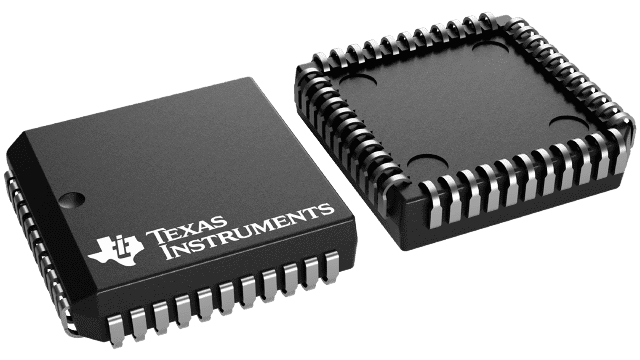
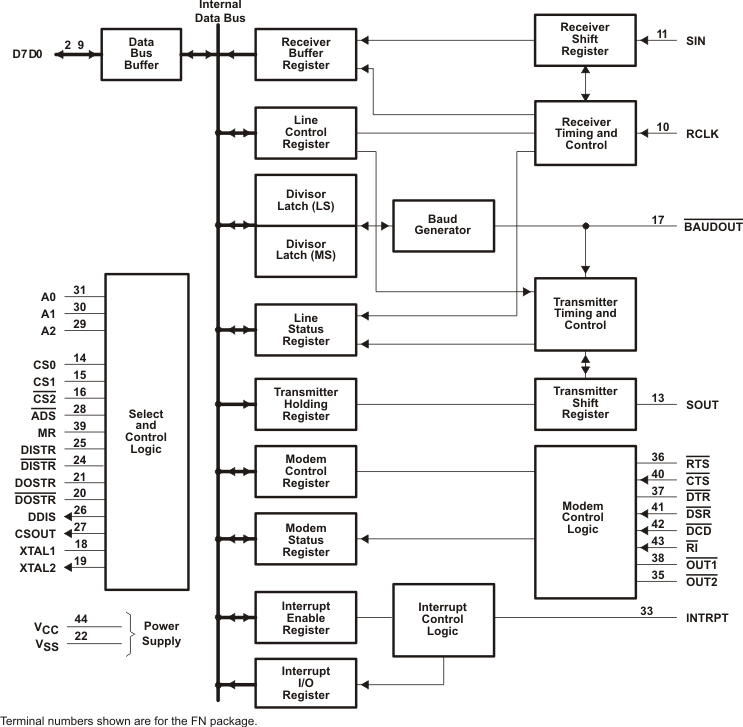
TL16C450Single UART Without FIFO | Interface | 1 | Active | The TL16C450 is a CMOS version of an asynchronous communications element (ACE). It typically functions in a microcomputer system as a serial input/output interface.
The TL16C450 performs serial-to-parallel conversion on data received from a peripheral device or modem and parallel-to-serial conversion on data received from its CPU. The CPU can read and report on the status of the ACE at any point in the ACE's operation. Reported status information includes the type of transfer operation in progress, the status of the operation, and any error conditions encountered.
The TL16C450 ACE includes a programmable, on-board, baud rate generator. This generator is capable of dividing a reference clock input by divisors from 1 to (216-1) and producing a 16× clock for driving the internal transmitter logic. Provisions are included to use this 16× clock to drive the receiver logic. Also included in the ACE is a complete modem control capability and a processor interrupt system that may be software tailored to the user's requirements to minimize the computing required to handle the communications link.
The TL16C450 is a CMOS version of an asynchronous communications element (ACE). It typically functions in a microcomputer system as a serial input/output interface.
The TL16C450 performs serial-to-parallel conversion on data received from a peripheral device or modem and parallel-to-serial conversion on data received from its CPU. The CPU can read and report on the status of the ACE at any point in the ACE's operation. Reported status information includes the type of transfer operation in progress, the status of the operation, and any error conditions encountered.
The TL16C450 ACE includes a programmable, on-board, baud rate generator. This generator is capable of dividing a reference clock input by divisors from 1 to (216-1) and producing a 16× clock for driving the internal transmitter logic. Provisions are included to use this 16× clock to drive the receiver logic. Also included in the ACE is a complete modem control capability and a processor interrupt system that may be software tailored to the user's requirements to minimize the computing required to handle the communications link. |
TL16C451Single UART with Parallel Port And Without FIFO | UARTs (Universal Asynchronous Receiver Transmitter) | 1 | Obsolete | The TL16C451 and TL16C452 provide single- and dual-channel (respectively) serial interfaces along with a single Centronix-type parallel-port interface. The serial interfaces provide a serial-to-parallel conversion for data received from a peripheral device or modem and a parallel-to-serial conversion for data transmitted by a CPU. The parallel interface provides a bidirectional parallel data port that fully conforms to the requirements for a Centronix-type printer interface. A CPU can read the status of the asynchronous communications element (ACE) interfaces at any point in the operation. The status includes the state of the modem signals (CTS\, DSR\, RLSD\, and RI) and any changes to these signals that have occurred since the last time they were read, the state of the transmitter and receiver including errors detected on received data, and printer status. The TL16C451 and TL16C452 provide control for modem signals (RTS\ and DTR\), interrupt enables, baud rate programming, and parallel-port control signals.
The TL16C451 and TL16C452 provide single- and dual-channel (respectively) serial interfaces along with a single Centronix-type parallel-port interface. The serial interfaces provide a serial-to-parallel conversion for data received from a peripheral device or modem and a parallel-to-serial conversion for data transmitted by a CPU. The parallel interface provides a bidirectional parallel data port that fully conforms to the requirements for a Centronix-type printer interface. A CPU can read the status of the asynchronous communications element (ACE) interfaces at any point in the operation. The status includes the state of the modem signals (CTS\, DSR\, RLSD\, and RI) and any changes to these signals that have occurred since the last time they were read, the state of the transmitter and receiver including errors detected on received data, and printer status. The TL16C451 and TL16C452 provide control for modem signals (RTS\ and DTR\), interrupt enables, baud rate programming, and parallel-port control signals. |
TL16C452Dual UART with Parallel Port And Without FIFO | Integrated Circuits (ICs) | 3 | Active | The TL16C451 and TL16C452 provide single- and dual-channel (respectively) serial interfaces along with a single Centronix-type parallel-port interface. The serial interfaces provide a serial-to-parallel conversion for data received from a peripheral device or modem and a parallel-to-serial conversion for data transmitted by a CPU. The parallel interface provides a bidirectional parallel data port that fully conforms to the requirements for a Centronix-type printer interface. A CPU can read the status of the asynchronous communications element (ACE) interfaces at any point in the operation. The status includes the state of the modem signals (CTS\, DSR\, RLSD\, and RI) and any changes to these signals that have occurred since the last time they were read, the state of the transmitter and receiver including errors detected on received data, and printer status. The TL16C451 and TL16C452 provide control for modem signals (RTS\ and DTR\), interrupt enables, baud rate programming, and parallel-port control signals.
The TL16C451 and TL16C452 provide single- and dual-channel (respectively) serial interfaces along with a single Centronix-type parallel-port interface. The serial interfaces provide a serial-to-parallel conversion for data received from a peripheral device or modem and a parallel-to-serial conversion for data transmitted by a CPU. The parallel interface provides a bidirectional parallel data port that fully conforms to the requirements for a Centronix-type printer interface. A CPU can read the status of the asynchronous communications element (ACE) interfaces at any point in the operation. The status includes the state of the modem signals (CTS\, DSR\, RLSD\, and RI) and any changes to these signals that have occurred since the last time they were read, the state of the transmitter and receiver including errors detected on received data, and printer status. The TL16C451 and TL16C452 provide control for modem signals (RTS\ and DTR\), interrupt enables, baud rate programming, and parallel-port control signals. |
TL16C550DAsynchronous Communications Element With Autoflow Control | Integrated Circuits (ICs) | 21 | Active | The TL16C550D and the TL16C550DI are speed and operating voltage upgrades (but functional equivalents) of the TL16C550C asynchronous communications element (ACE), which in turn is a functional upgrade of the TL16C450. Functionally equivalent to the TL16C450 on power up (character or TL16C450 mode), the TL16C550D and the TL16C550DI, like the TL16C550C, can be placed in an alternate FIFO mode. This relieves the CPU of excessive software overhead by buffering received and transmitted characters. The receiver and transmitter FIFOs store up to 16 bytes including three additional bits of error status per byte for the receiver FIFO. In the FIFO mode, there is a selectable autoflow control feature that can significantly reduce software overload and increase system efficiency by automatically controlling serial data flow usingRTSoutput andCTSinput signals.
The TL16C550D and TL16C550DI perform serial-to-parallel conversions on data received from a peripheral device or modem and parallel-to-serial conversion on data received from its CPU. The CPU can read the ACE status at any time. The ACE includes complete modem control capability and a processor interrupt system that can be tailored to minimize software management of the communications link.
Both the TL16C550D and the TL16C550DI ACE include a programmable baud rate generator capable of dividing a reference clock by divisors from 1 to 65535 and producing a 16× reference clock for the internal transmitter logic. Provisions are included to use this 16× clock for the receiver logic. The ACE accommodates up to a 1.5-Mbaud serial rate (24-MHz input clock) so that a bit time is 667 ns and a typical character time is 6.7 ms (start bit, 8 data bits, stop bit).
Two of the TL16C450 terminal functions on the TL16C550D and the TL16C550DI have been changed toTXRDYandRXRDY, which provide signaling to a DMA controller.
The TL16C550D is being made available in a reduced pin count package, the 32-pin RHB package. This is accomplished by eliminating some signals that are not required for some applications. These include the CS0, CS1,ADS, RD2, WR2, and RCLK input signals and the DDIS,TXRDY,RXRDY,OUT1,OUT2, andBAUDOUToutput signals. There is an internal connection betweenBAUDOUTand RCLK.
All of the functionality of the TL16C550D is maintained in the RHB package.
The TL16C550D is being made available in a reduced pin count package, the 24-pin ZQS package. This is accomplished by eliminating some signals that are not required for some applications. These include the CS0, CS1,ADS, RD2, WR2,DSR,RI,DCD, and RCLK input signals and the DDIS,TXRDY,RXRDY,OUT1,OUT2,DTR, andBAUDOUToutput signals. There is an internal connection betweenBAUDOUTand RCLK.
Most of the functionality of the TL16C550D is maintained in the ZQS package, except that which involves the eliminated signals.
The TL16C550D and the TL16C550DI are speed and operating voltage upgrades (but functional equivalents) of the TL16C550C asynchronous communications element (ACE), which in turn is a functional upgrade of the TL16C450. Functionally equivalent to the TL16C450 on power up (character or TL16C450 mode), the TL16C550D and the TL16C550DI, like the TL16C550C, can be placed in an alternate FIFO mode. This relieves the CPU of excessive software overhead by buffering received and transmitted characters. The receiver and transmitter FIFOs store up to 16 bytes including three additional bits of error status per byte for the receiver FIFO. In the FIFO mode, there is a selectable autoflow control feature that can significantly reduce software overload and increase system efficiency by automatically controlling serial data flow usingRTSoutput andCTSinput signals.
The TL16C550D and TL16C550DI perform serial-to-parallel conversions on data received from a peripheral device or modem and parallel-to-serial conversion on data received from its CPU. The CPU can read the ACE status at any time. The ACE includes complete modem control capability and a processor interrupt system that can be tailored to minimize software management of the communications link.
Both the TL16C550D and the TL16C550DI ACE include a programmable baud rate generator capable of dividing a reference clock by divisors from 1 to 65535 and producing a 16× reference clock for the internal transmitter logic. Provisions are included to use this 16× clock for the receiver logic. The ACE accommodates up to a 1.5-Mbaud serial rate (24-MHz input clock) so that a bit time is 667 ns and a typical character time is 6.7 ms (start bit, 8 data bits, stop bit).
Two of the TL16C450 terminal functions on the TL16C550D and the TL16C550DI have been changed toTXRDYandRXRDY, which provide signaling to a DMA controller.
The TL16C550D is being made available in a reduced pin count package, the 32-pin RHB package. This is accomplished by eliminating some signals that are not required for some applications. These include the CS0, CS1,ADS, RD2, WR2, and RCLK input signals and the DDIS,TXRDY,RXRDY,OUT1,OUT2, andBAUDOUToutput signals. There is an internal connection betweenBAUDOUTand RCLK.
All of the functionality of the TL16C550D is maintained in the RHB package.
The TL16C550D is being made available in a reduced pin count package, the 24-pin ZQS package. This is accomplished by eliminating some signals that are not required for some applications. These include the CS0, CS1,ADS, RD2, WR2,DSR,RI,DCD, and RCLK input signals and the DDIS,TXRDY,RXRDY,OUT1,OUT2,DTR, andBAUDOUToutput signals. There is an internal connection betweenBAUDOUTand RCLK.
Most of the functionality of the TL16C550D is maintained in the ZQS package, except that which involves the eliminated signals. |
| Part | Category | Description |
|---|---|---|
 Texas Instruments | Integrated Circuits (ICs) | BUS DRIVER, BCT/FBT SERIES |
 Texas Instruments | Integrated Circuits (ICs) | 12BIT 3.3V~3.6V 210MHZ PARALLEL VQFN-48-EP(7X7) ANALOG TO DIGITAL CONVERTERS (ADC) ROHS |
Texas Instruments | Integrated Circuits (ICs) | TMX320DRE311 179PIN UBGA 200MHZ |
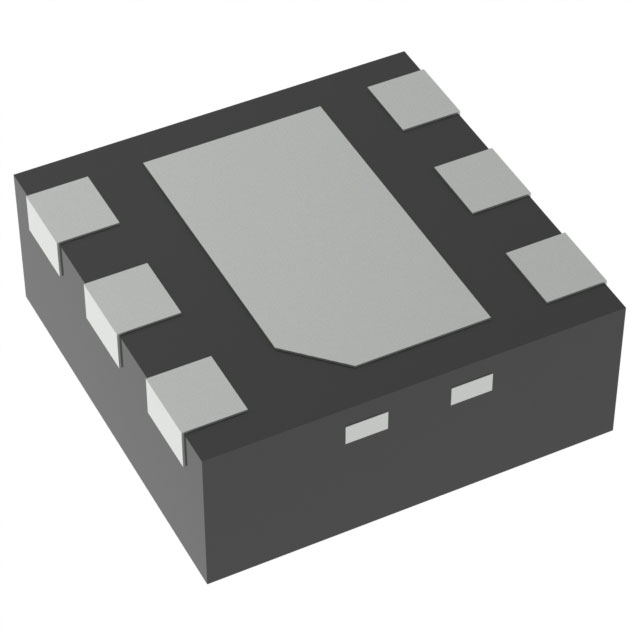 Texas Instruments TPS61040DRVTG4Unknown | Integrated Circuits (ICs) | IC LED DRV RGLTR PWM 350MA 6WSON |
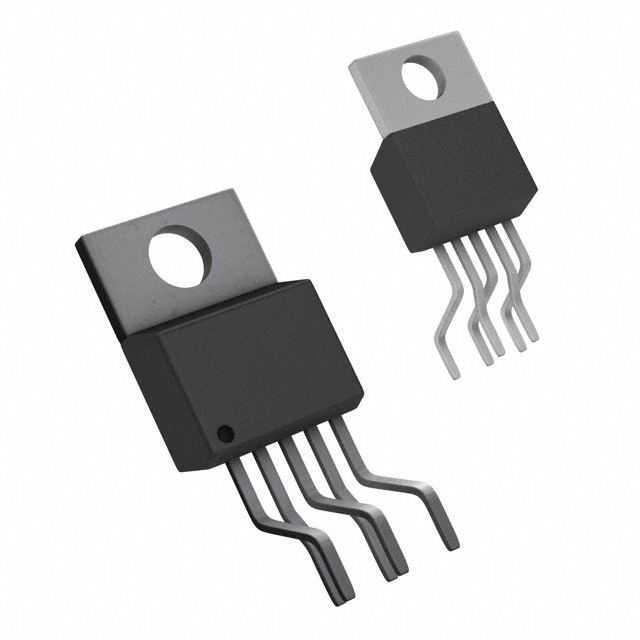 Texas Instruments LP3876ET-2.5Obsolete | Integrated Circuits (ICs) | IC REG LINEAR 2.5V 3A TO220-5 |
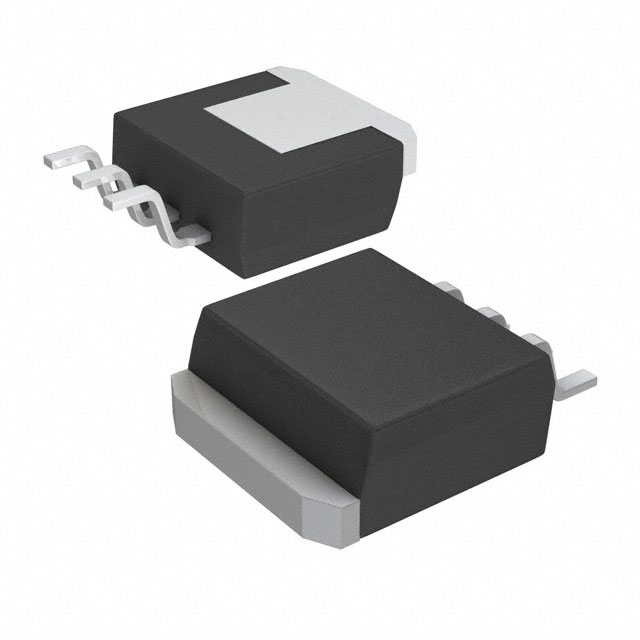 Texas Instruments LMS1585ACSX-ADJObsolete | Integrated Circuits (ICs) | IC REG LIN POS ADJ 5A DDPAK |
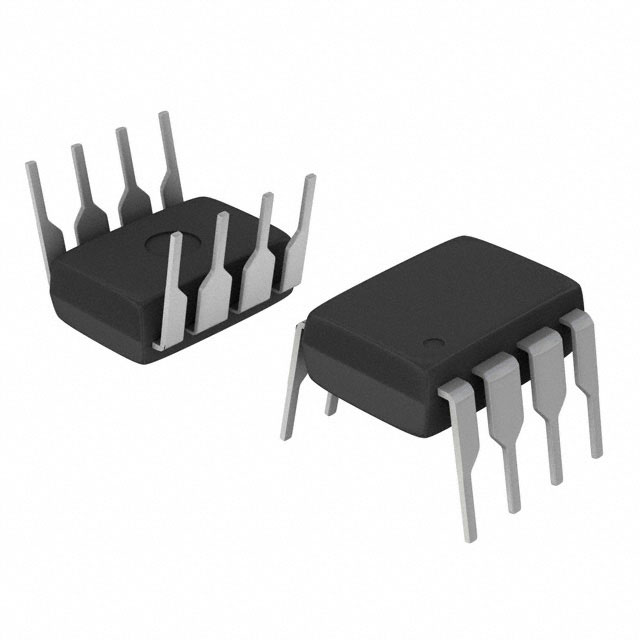 Texas Instruments INA111APG4Obsolete | Integrated Circuits (ICs) | IC INST AMP 1 CIRCUIT 8DIP |
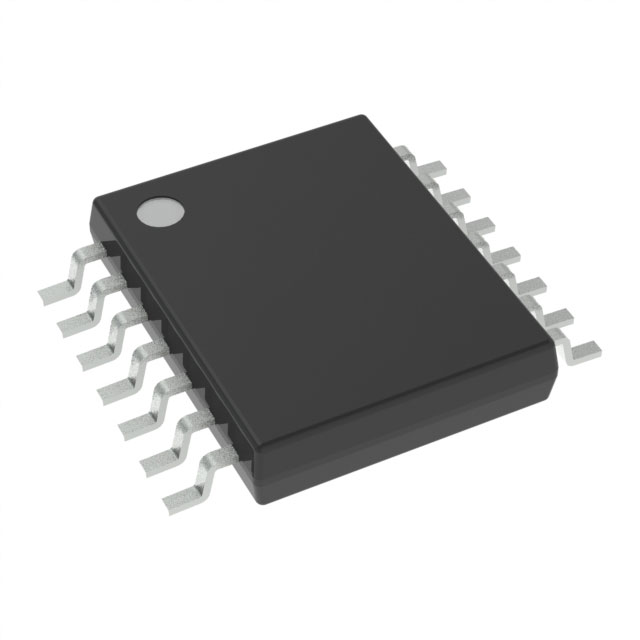 Texas Instruments | Integrated Circuits (ICs) | AUTOMOTIVE, QUAD 36V 1.2MHZ OPERATIONAL AMPLIFIER |
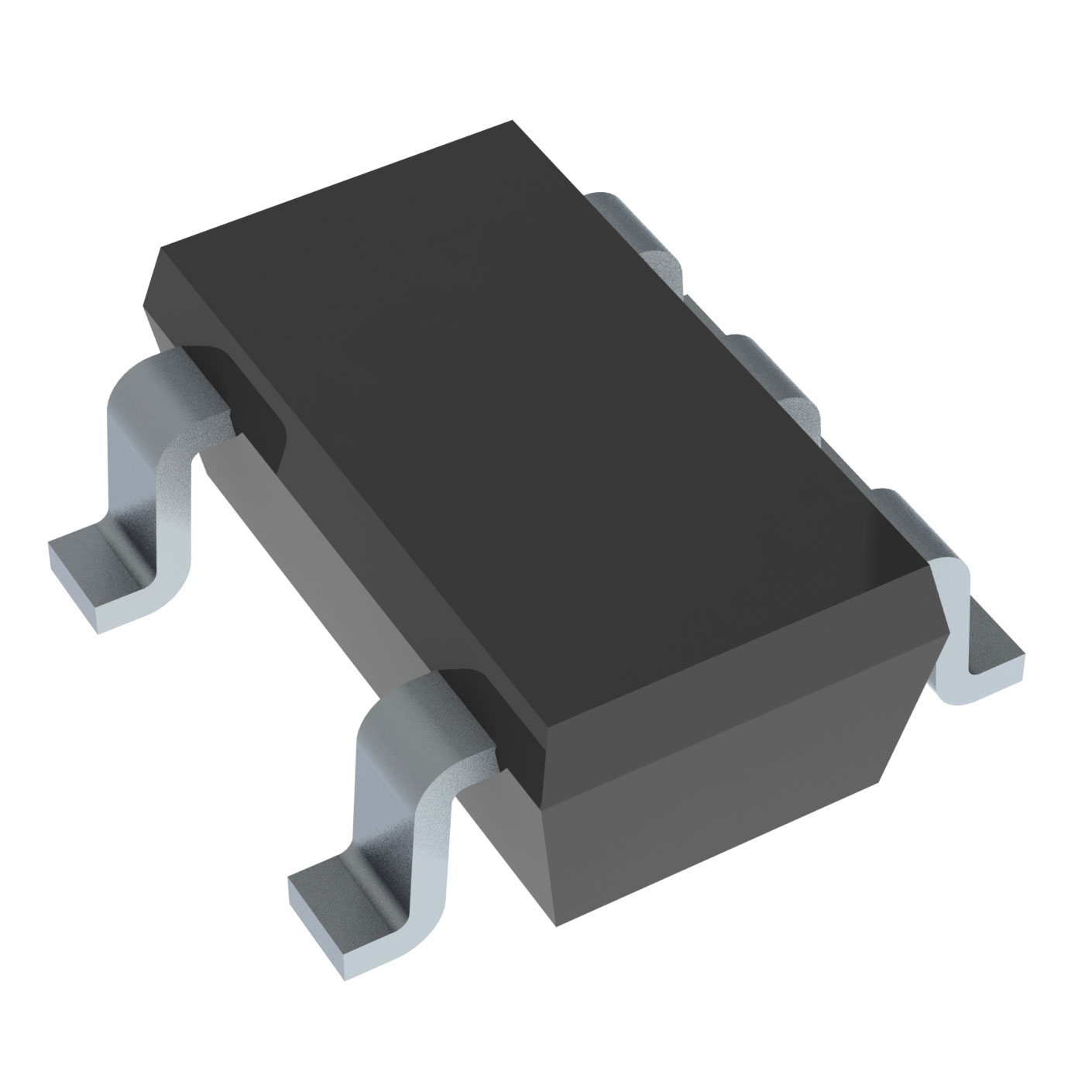 Texas Instruments OPA340NA/3KG4Unknown | Integrated Circuits (ICs) | IC OPAMP GP 1 CIRCUIT SOT23-5 |
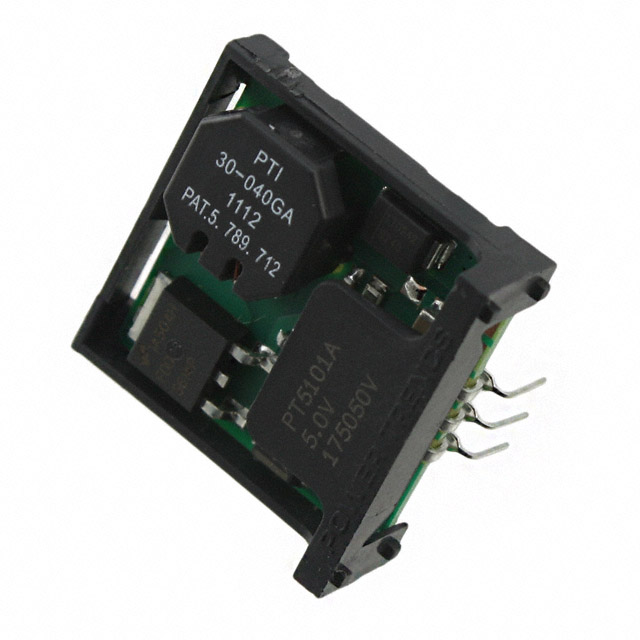 Texas Instruments PT5112AObsolete | Power Supplies - Board Mount | DC DC CONVERTER 8V 8W |