TL16C550D Series
Asynchronous Communications Element With Autoflow Control
Manufacturer: Texas Instruments
Catalog
Asynchronous Communications Element With Autoflow Control
Key Features
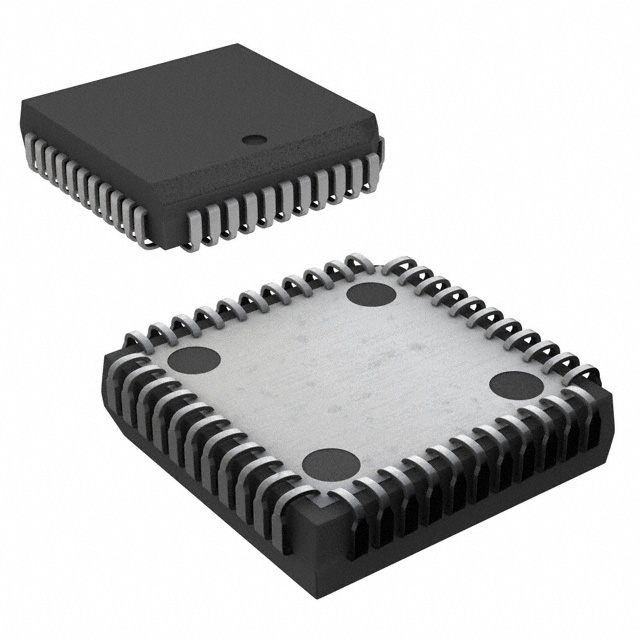
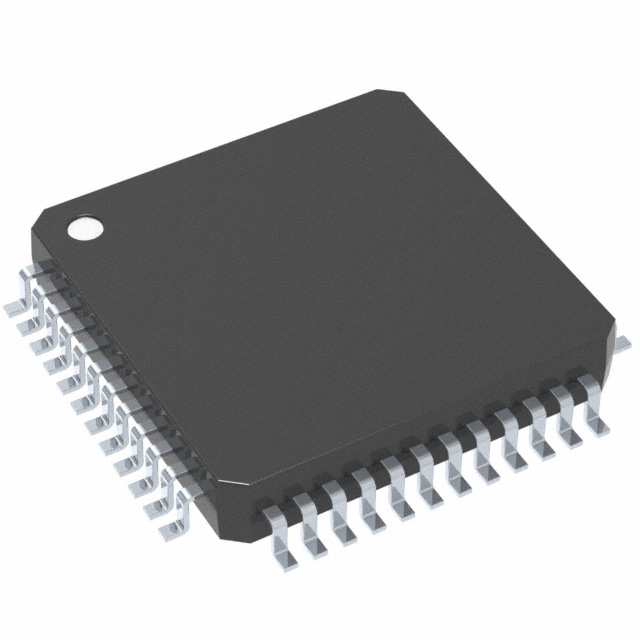
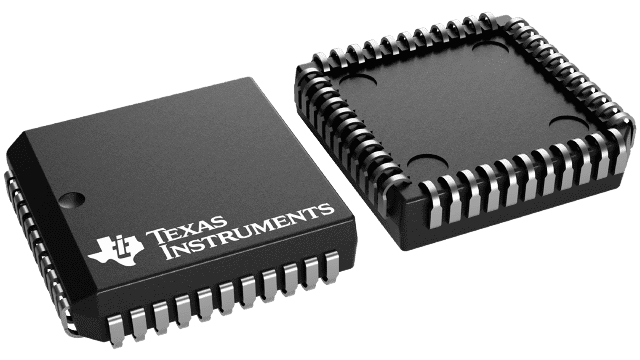
• Programmable Auto-RTSand Auto-CTSIn Auto-CTSMode, CTS Controls TransmitterIn Auto-RTSMode, RCV FIFO Contentsand Threshold ControlRTSSerial and Modem Control Outputs Drive a RJ11 CableDirectly When Equipment Is on the Same Power DropCapable of Running With All ExistingTL16C450 SoftwareAfter Reset, All Registers Are Identical to theTL16C450 Register SetUp to 24-MHz Clock Rate for up to 1.5-MbaudOperation With VCC= 5 VUp to 20-MHz Clock Rate for up to 1.25-MbaudOperation With VCC= 3.3 VUp to 48-MHz Clock Rate for up to 3-MbaudOperation with VCC= 3.3 V (ZQS Package Only,Divisor = 1)Up to 40-MHz Clock Rate for up to 2.5-MbaudOperation with VCC= 3.3 V (ZQS Package Only,Divisor ≥ 2)Up to 16-MHz Clock Rate for up to 1-MbaudOperation With VCC= 2.5 VIn the TL16C450 Mode, Hold and Shift Registers Eliminate theNeed for Precise Synchronization Between the CPU and Serial DataProgrammable Baud Rate Generator Allows Division of Any InputReference Clock by 1 to (216–1) and Generates an Internal 16× ClockStandard Asynchronous Communication Bits (Start, Stop, and Parity)Added to or Deleted From the Serial Data Stream5-V, 3.3-V, and 2.5-V OperationIndependent Receiver Clock InputTransmit, Receive, Line Status, and Data SetInterrupts Independently ControlledFully Programmable Serial Interface Characteristics:5-, 6-, 7-, or 8-Bit CharactersEven-, Odd-, or No-Parity Bit Generation and Detection1-, 1 =-, or 2-Stop Bit GenerationBaud Generation (dc to 1 Mbit/s)False-Start Bit DetectionComplete Status Reporting Capabilities3-State Output TTL Drive Capabilities for BidirectionalData Bus and Control BusLine Break Generation and DetectionInternal Diagnostic Capabilities:Loopback Controls for Communications Link Fault IsolationBreak, Parity, Overrun, and Framing Error SimulationFully Prioritized Interrupt System ControlsModem Control Functions (CTS,RTS,DSR,DTR,RI, andDCD)Available in 48-Pin PT, 48-Pin PFB, 32-Pin RHB,and 24-Pin ZQS PackagesProgrammable Auto-RTSand Auto-CTSIn Auto-CTSMode, CTS Controls TransmitterIn Auto-RTSMode, RCV FIFO Contentsand Threshold ControlRTSSerial and Modem Control Outputs Drive a RJ11 CableDirectly When Equipment Is on the Same Power DropCapable of Running With All ExistingTL16C450 SoftwareAfter Reset, All Registers Are Identical to theTL16C450 Register SetUp to 24-MHz Clock Rate for up to 1.5-MbaudOperation With VCC= 5 VUp to 20-MHz Clock Rate for up to 1.25-MbaudOperation With VCC= 3.3 VUp to 48-MHz Clock Rate for up to 3-MbaudOperation with VCC= 3.3 V (ZQS Package Only,Divisor = 1)Up to 40-MHz Clock Rate for up to 2.5-MbaudOperation with VCC= 3.3 V (ZQS Package Only,Divisor ≥ 2)Up to 16-MHz Clock Rate for up to 1-MbaudOperation With VCC= 2.5 VIn the TL16C450 Mode, Hold and Shift Registers Eliminate theNeed for Precise Synchronization Between the CPU and Serial DataProgrammable Baud Rate Generator Allows Division of Any InputReference Clock by 1 to (216–1) and Generates an Internal 16× ClockStandard Asynchronous Communication Bits (Start, Stop, and Parity)Added to or Deleted From the Serial Data Stream5-V, 3.3-V, and 2.5-V OperationIndependent Receiver Clock InputTransmit, Receive, Line Status, and Data SetInterrupts Independently ControlledFully Programmable Serial Interface Characteristics:5-, 6-, 7-, or 8-Bit CharactersEven-, Odd-, or No-Parity Bit Generation and Detection1-, 1 =-, or 2-Stop Bit GenerationBaud Generation (dc to 1 Mbit/s)False-Start Bit DetectionComplete Status Reporting Capabilities3-State Output TTL Drive Capabilities for BidirectionalData Bus and Control BusLine Break Generation and DetectionInternal Diagnostic Capabilities:Loopback Controls for Communications Link Fault IsolationBreak, Parity, Overrun, and Framing Error SimulationFully Prioritized Interrupt System ControlsModem Control Functions (CTS,RTS,DSR,DTR,RI, andDCD)Available in 48-Pin PT, 48-Pin PFB, 32-Pin RHB,and 24-Pin ZQS Packages
Description
AI
The TL16C550D and the TL16C550DI are speed and operating voltage upgrades (but functional equivalents) of the TL16C550C asynchronous communications element (ACE), which in turn is a functional upgrade of the TL16C450. Functionally equivalent to the TL16C450 on power up (character or TL16C450 mode), the TL16C550D and the TL16C550DI, like the TL16C550C, can be placed in an alternate FIFO mode. This relieves the CPU of excessive software overhead by buffering received and transmitted characters. The receiver and transmitter FIFOs store up to 16 bytes including three additional bits of error status per byte for the receiver FIFO. In the FIFO mode, there is a selectable autoflow control feature that can significantly reduce software overload and increase system efficiency by automatically controlling serial data flow usingRTSoutput andCTSinput signals.
The TL16C550D and TL16C550DI perform serial-to-parallel conversions on data received from a peripheral device or modem and parallel-to-serial conversion on data received from its CPU. The CPU can read the ACE status at any time. The ACE includes complete modem control capability and a processor interrupt system that can be tailored to minimize software management of the communications link.
Both the TL16C550D and the TL16C550DI ACE include a programmable baud rate generator capable of dividing a reference clock by divisors from 1 to 65535 and producing a 16× reference clock for the internal transmitter logic. Provisions are included to use this 16× clock for the receiver logic. The ACE accommodates up to a 1.5-Mbaud serial rate (24-MHz input clock) so that a bit time is 667 ns and a typical character time is 6.7 ms (start bit, 8 data bits, stop bit).
Two of the TL16C450 terminal functions on the TL16C550D and the TL16C550DI have been changed toTXRDYandRXRDY, which provide signaling to a DMA controller.
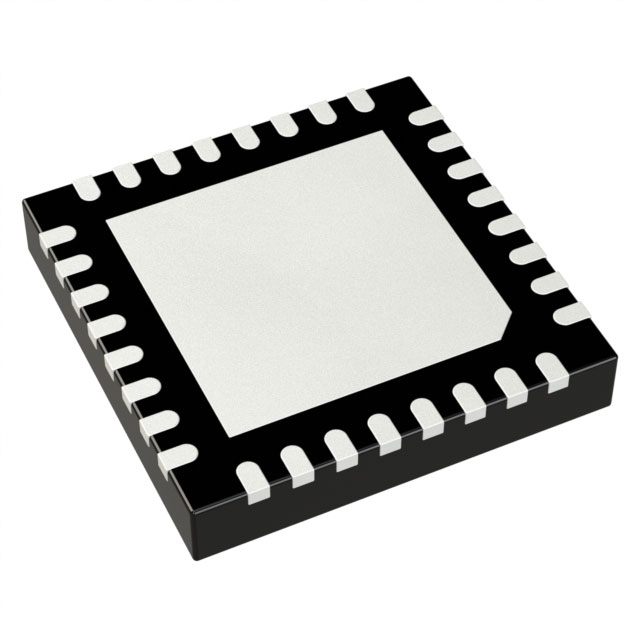
The TL16C550D is being made available in a reduced pin count package, the 32-pin RHB package. This is accomplished by eliminating some signals that are not required for some applications. These include the CS0, CS1,ADS, RD2, WR2, and RCLK input signals and the DDIS,TXRDY,RXRDY,OUT1,OUT2, andBAUDOUToutput signals. There is an internal connection betweenBAUDOUTand RCLK.
All of the functionality of the TL16C550D is maintained in the RHB package.
The TL16C550D is being made available in a reduced pin count package, the 24-pin ZQS package. This is accomplished by eliminating some signals that are not required for some applications. These include the CS0, CS1,ADS, RD2, WR2,DSR,RI,DCD, and RCLK input signals and the DDIS,TXRDY,RXRDY,OUT1,OUT2,DTR, andBAUDOUToutput signals. There is an internal connection betweenBAUDOUTand RCLK.
Most of the functionality of the TL16C550D is maintained in the ZQS package, except that which involves the eliminated signals.
The TL16C550D and the TL16C550DI are speed and operating voltage upgrades (but functional equivalents) of the TL16C550C asynchronous communications element (ACE), which in turn is a functional upgrade of the TL16C450. Functionally equivalent to the TL16C450 on power up (character or TL16C450 mode), the TL16C550D and the TL16C550DI, like the TL16C550C, can be placed in an alternate FIFO mode. This relieves the CPU of excessive software overhead by buffering received and transmitted characters. The receiver and transmitter FIFOs store up to 16 bytes including three additional bits of error status per byte for the receiver FIFO. In the FIFO mode, there is a selectable autoflow control feature that can significantly reduce software overload and increase system efficiency by automatically controlling serial data flow usingRTSoutput andCTSinput signals.
The TL16C550D and TL16C550DI perform serial-to-parallel conversions on data received from a peripheral device or modem and parallel-to-serial conversion on data received from its CPU. The CPU can read the ACE status at any time. The ACE includes complete modem control capability and a processor interrupt system that can be tailored to minimize software management of the communications link.
Both the TL16C550D and the TL16C550DI ACE include a programmable baud rate generator capable of dividing a reference clock by divisors from 1 to 65535 and producing a 16× reference clock for the internal transmitter logic. Provisions are included to use this 16× clock for the receiver logic. The ACE accommodates up to a 1.5-Mbaud serial rate (24-MHz input clock) so that a bit time is 667 ns and a typical character time is 6.7 ms (start bit, 8 data bits, stop bit).
Two of the TL16C450 terminal functions on the TL16C550D and the TL16C550DI have been changed toTXRDYandRXRDY, which provide signaling to a DMA controller.
The TL16C550D is being made available in a reduced pin count package, the 32-pin RHB package. This is accomplished by eliminating some signals that are not required for some applications. These include the CS0, CS1,ADS, RD2, WR2, and RCLK input signals and the DDIS,TXRDY,RXRDY,OUT1,OUT2, andBAUDOUToutput signals. There is an internal connection betweenBAUDOUTand RCLK.
All of the functionality of the TL16C550D is maintained in the RHB package.
The TL16C550D is being made available in a reduced pin count package, the 24-pin ZQS package. This is accomplished by eliminating some signals that are not required for some applications. These include the CS0, CS1,ADS, RD2, WR2,DSR,RI,DCD, and RCLK input signals and the DDIS,TXRDY,RXRDY,OUT1,OUT2,DTR, andBAUDOUToutput signals. There is an internal connection betweenBAUDOUTand RCLK.
Most of the functionality of the TL16C550D is maintained in the ZQS package, except that which involves the eliminated signals.